Home Blog Page 401

Review: HORDE Pits Mother Against Daughter In A Horror Ensemble

Monkeys Fighting Robots

What better way to celebrate the run up to Halloween than with a new Horror Graphic Novel. Released this week from AfterShock Comics, Horde is a haunted house story with a difference. Possessed objects and demons roam the pages ready to put the frighteners on anyone brave enough to read.

When Ruby’s father passes away, she is left with the difficult job of clearing out his house. But in order to do so, she must return home to confront her mother, and her difficult past. Bitter memories and anger rule the house where Ruby grew up before she was banished for being ‘destructive’. Her mother, Mia, is a hoarder who protects her possessions with a love she could not afford for her daughter. Her obsession, however, has allowed the demons into her home, demons who will not allow Ruby, or anyone else, to change anything.

And so begins a journey into self discovery, family history and all kinds of horror, influenced by some of the best in the genre.

Horde Alternative cover
Horde Credit: AfterShock Comics

Opening Gambit

The opening sequence, a flashback scene of the central character as a young girl, sets the tone for the rest of the comic. It starts off heavily scripted with lots of family and history explained via caption boxes. Marguerite Bennett’s script is emotional exposition which gives the reader an insight into the Ruby’s character and how she perceives her mother. There are hints in this opening monologue at what is to come and the reasons behind the horror that Ruby will face. 

The visual story sets up the horror, and in this sequence Leila Leiz draws on inspiration from Japanese horror: the thick black liquid like ectoplasm oozing from various orifices and the possession of a young girl with a powerful stare reads like a Junji Ito tale of horror. 

The two elements of the comic, script and art, combine to create both tone and narrative groundwork for what is to follow. The reader is put on the edge of their seat, waiting for demonic elements to return as Bennett builds up the characters and their relationships. The reader knows that there is a real threat on the horizon and Bennett shows us exactly what our central character has to lose.

From this point onwards the comic indulges in a number of horror tropes: a seemingly normal house; brief premonitions of impending disaster; family bitterness. The story touches on the very real problem of hoarding and goes some way to look at the issue from both the outside, via Ruby, and the inside, via Mia. The objects and memories build a framework for the later acts of the narrative to play on as the story dissolves into chaos.

Horde
Horde Credit: AfterShock Comics

Conjuring The Horde

The pages are packed with detailed art work from Leiz, reflecting the collective nature of Mia and the vast array of possessions she owns. Hints of the darker aspects of the story are brought out through the coloring work. Guy Major gives corners of the panels heavy, gray shadows drawing the readers attention and at the same time making them work harder to see what has been illustrated. For Mia’s memories, he uses a simple grayscale approach imbuing the images with happy nostalgia.

The effect is that the reader is bombarded with conflicting information and character viewpoints. Even within the relatively normal situation of a house clearance, there is a darker undertone, a sinister element that the reader can’t quite see.

As the conflict between the mother and daughter becomes more hostile, so does the house itself.  And it is the middle third of the comic where the cohesion of the narrative begins to falter. It becomes a jumbled up mix of a Stephen King version of the movie Labyrinth and the House on Haunted Hill. The exposition takes over the story with one character acting as nothing more than an information dump for most of his ghastly appearance.

Marshall Dillon does a splendid job of giving the characters their own voices through the use of contrasting speech balloon designs. The human and demon, or otherworld creatures, have distinctive styles constantly reminding the reader of the real world and the one created within the house. Unfortunately, no amount of clever design can hide the vast amount of speech and text that Bennett introduces into the story. Dillon is able to break the speech up, giving it a steady pace in the panels and across the pages but at times it does overshadow the art work.

Horde
Horde Credit: AfterShock Comics

Conclusion

Horde is a great exploration of the horror genre , mixing a number of styles and influences into a single story. Some of the influences are obvious and are used to varying effective within the story. The Art work, especially the coloring, is consistent throughout and Leiz has a highly detailed style that enhances the creepiness of the comic. The relationship between mother and daughter is mirrored by the clutter in the house. As the relationship intensifies, so does the surrounding.

Horde is very successful when it comes to the character interactions. Where it starts to come unravelled is with the depictions of the possessed items within the house. A large number of these end up being weird Disney-esq caricatures, as if Ben Templesmith redrew Beauty and the Beast. The scare factor is diminished and some of the edge is lost.

However, Horde is an enjoyable read and easy to digest in a single sitting. Like so many modern horror’s it has an enthralling build up with an entertaining, if somewhat waning, finale.

Monkeys Fighting Robots Youtube

The Immortality of Horror Comics: A Continuous Resurrection

Monkeys Fighting Robots

First impression go a long way in Horror ComicsHorror is one of the most popular genres in the entire comics medium. In more recent years, it’s found as much critical success as mainstream superhero comics, if not more. But just what makes Horror Comics so popular? This is the research from the gutters.
Horror Comics of Old

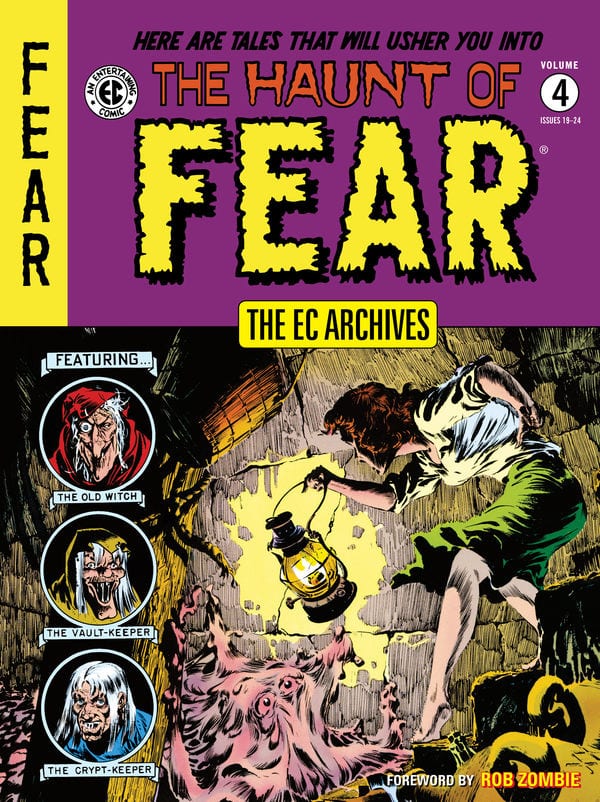
Horror was a popular genre even in pre-WWII comics. The best horror reflects the time and place of its audience, and for this wartime period, there were many uncertainties. It’s rather fitting that most of these early horror stories originate from Crime Comics. So while superheroes provided hope and optimism to readers, horror was a constant reminder of the dangers around the corner.

EC with all of its Horror Comics hosts.

Post-WWII Renaissance

But what about the elements and tropes that people associate with the genre? Vampires, other monsters, and mad scientists? Well crime was (and still is) something people are familiar with. But these creatures represent a suspension from reality. People like debt collectors become literal blood suckers that people find otherworldly. Reason – the main weapon against fear – means very little to these monsters. These “others” are so detached from reality that the real world doesn’t seem as scary. Anthology series, like in EC Comics thrived on these monstrosities.

Horror Comics’ Recycling Method

Ironically those same fears and reason (or lack thereof) is what both ruined and reinvigorated horror comics. Take for example the original Human Torch and Namor the Submariner. In their debuts, these characters are more monstrous and outright villainous respectively. And by the time WWII is over and horror overtakes superheroes in popularity, they revert back to these states. At least until Seduction of the Innocent came in, itself more of a horror, and the Comics Code Authority was established to try and censor the medium.

Recycling Means Innovation

Unfortunately for those censors, comic creators were able to work about the Comics Code restrictions by recycling ideas. The concept of the Incredible Hulk is a combination of “Mr. Hyde” and “Frankenstein’s Monster”. By adapting those concepts into something unrecognizable, the Comics Code can’t hold the Hulk down. In fact, later publications featuring the Not-So-Jolly Green Giant make full use of recycling some of its own concepts. For example, the Hulk’s original gray skin color was reused for new characterizations such as the “Joe Fixit” persona. All of these concepts help make a fascinating character that is loved today, even if some parts become less horrific and more comedic.

Horror is Flexible

On that note, Horror (much like comedy) is more of a mood than a genre. Unlike comedy though, horror encompasses several parts of life that scare people. Are you sick or going through puberty? You’ve got body horror. Questioning your place in life? You’ve got existential horror. “Psychology Today” actually has an article explaining why people love horror movies using three primary factors: tension, relativity, and (paradoxically) unrealism.

An old classic Horror Comics scene.Comic books are very much a place where horror can thrive with those factors. If you want an example of horror comics that blend themes, refer to Alan Moore’s Swamp Thing. The quintessential Anatomy Lesson issue makes body horror not just scary — it’s a full on identity crisis. Imagine finding out from a doctor that your DNA doesn’t match your family’s. This would mean finding out that your body held a secret that would question your place in that family. Horror isn’t simply a limit to just one subcategory; it transitions from one point to the next.
Horror is Reexamination

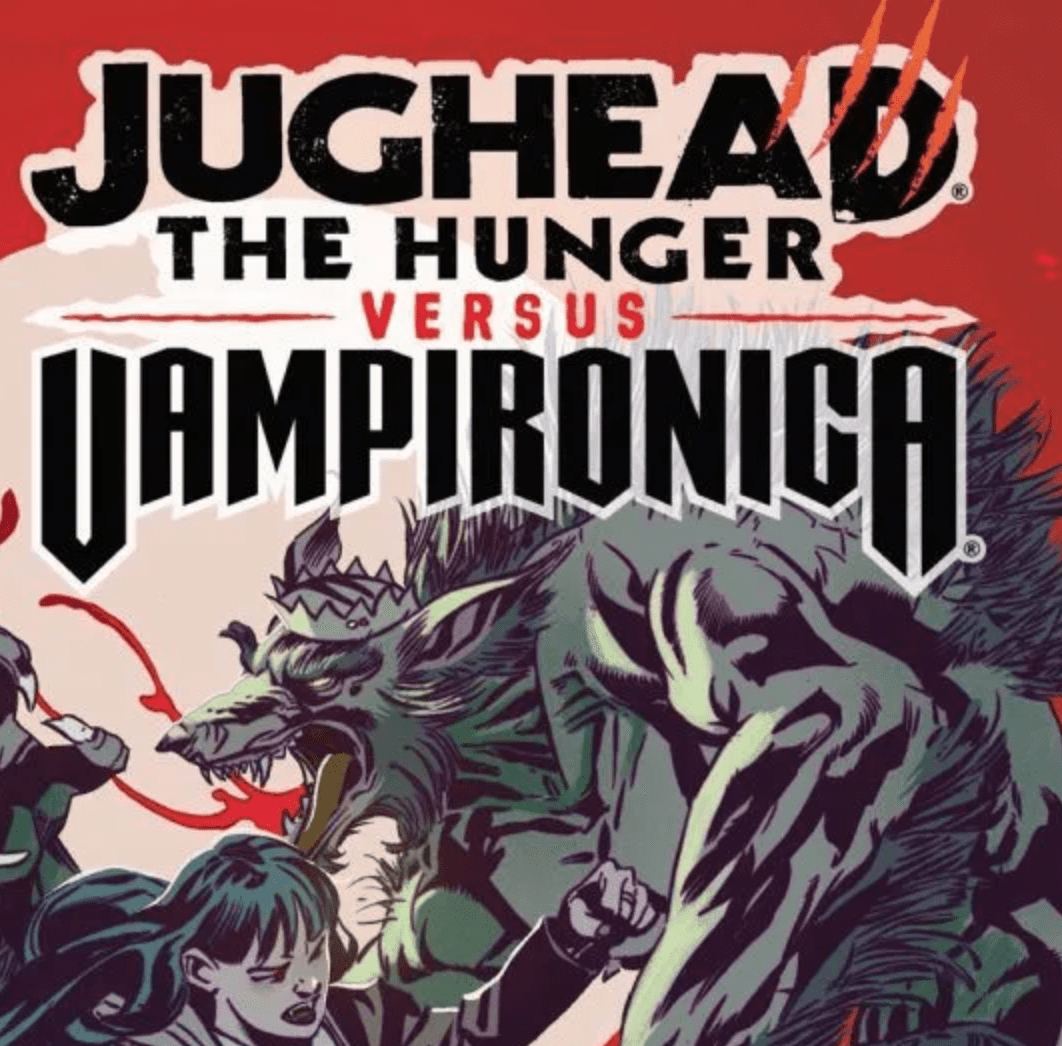
Even established stories can have a horrific side. MFR writer Manuel Gomez actually puts it best in his list of modern horror comics. Afterlife with Archie features Jughead at his best and worst. Jughead has always been a nonconformist and a glutton; his status as the zombie leader are these parts of his character at their most terrifying. This change becomes so powerful it affects the entire town of Riverdale; beneath this ordinary exterior lie deadly secrets.

Because of this turn, the series gets the highest of reviews. The series becomes so notable, the “Archie Horror” imprint forms around it. The imprint even features an alternate monstrous Jughead as a werewolf; it makes as much sense as a zombie.

To the point of parodies to the Universal Horror crossovers
Even this is just official fan-fiction.

Horror Reflects the Times

All of these are very good points, but as previously stated, the best horror reflects time and place. Monsters, mobsters, and rehashes of older products are good and all, but with passing times must come new ideas that relate to audiences.

I believe James Tynion IV puts it best in his work at BOOM! Studios. The Apocalyptic Trilogy graphic novels capture modern woes, with themes like free will vs nature and idealogical differences, each of which are subjects that people find familiar in their everyday lives. That’s not to say it doesn’t take influences from other sources like H.P. Lovecraft. Other times, modern horror storytelling comes into play, as is the case with the recent Something Is Killing the Children, a tribute to creepypasta storytelling.

A Horror Comics series for the ages
An adult might grasp the situation with sound effects.

Horror Comics For All

With all of that in mind, people like horror comics because they can have the experience of fear without any threat to them. Real things can scar people for life, but horror allows for audiences to suspend their fears. Using comics, movies, or TV as a bank allows audiences to store their fears away. They’re in the safety of their seats but are able to feel the pure terror in these fictional worlds.

Since they’re reading comic books, that feeling intensifies. With each panel, tension builds up, and all it takes is a turning the page to release the anticipation. Unlike animation (even with a pause button) the reader is in control. But the reader’s instincts are practically at the story’s mercy, because not knowing a story’s end is worse than just stopping abruptly. It’s like learning something new about someone that feels uneasy. The investment however is just too strong to let go of. Just look at Jonathan Hickman’s X-Men titles; the mutants feel as otherworldly as movie monsters.

But if you’re a horror fan, why do you love the genre? Feel free to express your thoughts in the comments.

Monkeys Fighting Robots Youtube

Review: TREES: THREE FATES #2 – Small Town, Big Mystery.

Monkeys Fighting Robots

Warren Ellis and Jason Howard’s Trees: Three Fates #2 is a tightly constructed supernatural murder mystery whose focused story and rough-hatched art style succeed wildly. Ellis’s script is sharp, dropping tons of hints and red herrings to what exactly the story will entail, and Howard’s art and Dee Cunniffe’s colors are concise and detailed where it needs to be while still offering room for interpretation and emotion. Fonographiks isn’t given a lot of space to flex their lettering muscles, but the story succeeds because of their clean and precise typography. It’s difficult to pick out flaws (if there are any) in Trees: Three Fates #2 because it is such a well-crafted story.

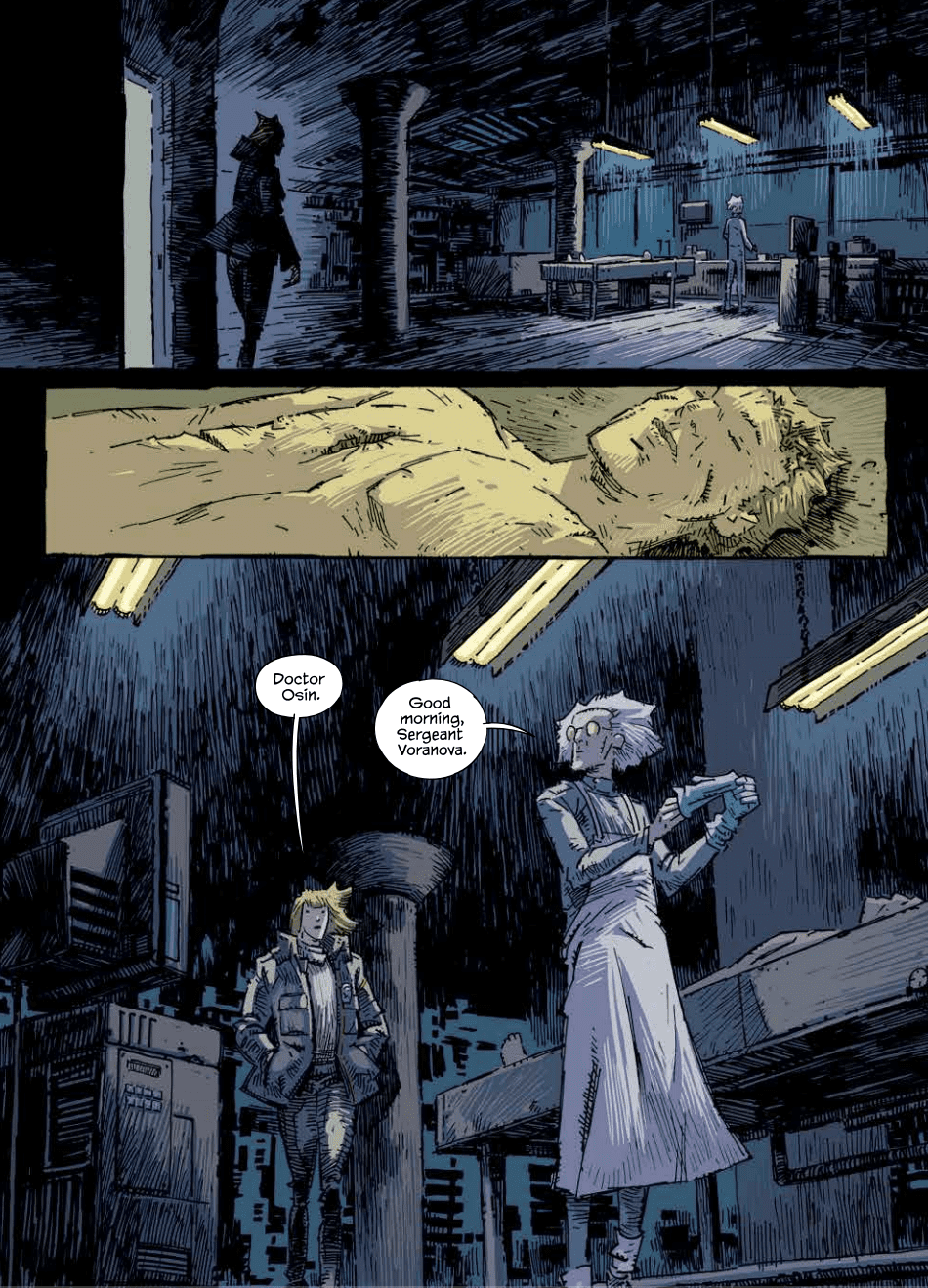
Picking up after the discussion with Nina Pankov, the most influential person in the town of Toska, Trees: Three Fates #2 begins with Klara riding down to Doctor Osin’s – the local coroner – as she conducts an autopsy on the unidentified dead guy whose death began this story.

If there is one takeaway from this chapter it is that Warren Ellis knows how to make a setting feel authentic and interesting. There is something so unmistakably Twin Peaks-ian about that the town of Toska that it is almost unsettling. Perhaps it is the random witches running up to citizens ranting about how the old ways were better as a substitute for the log lady (R.I.P) speaking for her log that sets the alarm blaring, but it is a welcome asset regardless.

I think it has more to do with the small town locale where everyone has their allotted job that they are identified with. Dr. Osin is the coroner, Pankov is the railyard boss, and Klara is the cop. This small town aesthetic harkens back to a more simplistic time which also seems to be a theme Ellis toys with in this story, especially in this chapter: The past vs. The present.

The first instance is the previously mentioned witch doctor, Oro, who shouts to Klara (and the Reader), “Old ways are the Best.” The most prescient instance was most likely when Sasha reappeared to Klara. The resurrection of someone long been dead is a direct representation of the past vs. the present, but the ensuing flashback detailing Klara and Sasha’s first encounter is also a representation of this. In this flashback, they are clearly having a good time together and liking the other person, but the last time they spoke Sasha was midst leaving Klara for good. Not only that, but the topic of conversation that cements Klara’s attraction is Sasha’s ruminations on Sartre regarding ending despair. The story is still in its early stages so these factoids could either be hints or red herrings, but either way Ellis uses them masterfully.

Introducing Your Friendly Neighborhood Coroner From Moscow

Jason Howard’s art is equally sensational. Howard’s art thrives in the solitude and uses the dark unoccupied spaces of Toska perfectly. Dee Cunniffe’s gray neutral colors emphasize the solitary nature of the town. The way the shadows encroach the autopsy table as Klara and Osin talk adds detail to Osin’s character especially as they talk about their experiences in Moscow.

One scene that stuck out particularly was in the flashback when Sasha begins talking about Sartre and his book idea. The deconstruction of panels and the swirling in the background makes his speech seem incredibly deep, almost prophetic. The way the background transitions from the abstract to sci-fi as Sasha’s idea switches from theory to practice was also a clever switch. And then having the scene ends with a blank background and shadow outlines of Sasha and Klara showed how infatuated with each other they once were. They are literally the only people in the room. This scene is just textbook deconstruction and it could not have been executed better.

Warren Ellis and Jason Howard’s small-town supernatural murder mystery Trees: Three Fates #2 is stellar. It sets up a town rich with nuance and fascinating characters while introducing clues and red herrings towards the series (possibly) sci-fi endgame.

Monkeys Fighting Robots Youtube

Review: MIDDLEWEST #12: Running On Rage

Monkeys Fighting Robots

Abel’s adventure through the Middlewest picks back up with MIDDLEWEST #12, available in stores on Wednesday, October 23rd. Unfortunately, the last issue put a major damper on that adventure through his and Bobby’s kidnapping at the hands of Nicolas Raider, a slaver who recruits children to harvest valuable Ethol plants. Luckily, Fox managed to return to Maggie and the other’s camp to alert them of the danger. Now the team is headed north to the Raider Farms, but will they make it in time?

Story

Abel is a boy constantly running. His original decision in issue #1 to run away from his monstrous father brought about a course of events that encouraged this response. And for good reason, especially after learning his grandfather embodied a harmful rage as well. Abel claims he wants to live his own life and that’s why he ran, but deep down it’s clear he doesn’t want to hurt his friends–unfortunately, they’re the only ones who can help him in the troubles to come.

Fast forward to our current issue and reader will see Abel’s running not only alienated his best friend Fox, but placed him and Bobby in the hands of Raider. And he’s not playing games with his prisoners, using lethal force liberally.

Nicolas Raider introduces himself

Back in Abel’s hometown, the adventurer’s father searches desperately for his seemingly lost son, attempting to rectify the damage done to his son months ago. But the rage appears to have come full circle, but this time it’s directed inward.

Writer Skootie Young has spent most of this series focusing on the true nature of rage, specifically the anger within Abel and his father. Both character’s inner hate expresses itself in the form of monstrous abilities that almost always harm their family and friends. But in an unexpected twist of fate, Young brings Abel closer and closer to the realization that the only thing that can cure his rage is the thing he’s been running away from: his friends and family.

Artwork

Fox traveling back through Middlewest

Penciler Jorge Corona and colorist Jean-Francois Beaulieu display their amazing versatility in this narrative by recreating the once marvelous landscapes of Middlewest—instead of lush forests and bright, flowing rivers, we’re treated to stormy weather and smog-filled skies, reflecting the inner turmoil within Fox as he desperately seeks help for his kidnapped friends. In addition, letterer Nate Piekos of Blambot’s uses bolded fonts to capture the emotions of the MIDDLEWEST characters, both those experiencing trauma, rage, or both.

Comic Cover

Cornoa’s cover art serves as an evolution of last issue’s, which depicted Abel and Fox standing back to back in fits of rage. Instead of juxtaposing the two characters, issue #12 places Fox front in center in his desperate search for Abel. A large, fading image of Abel appears behind the him in the sky, further reflecting how far the two have grown a part following the argument from last issue.

Conclusion

The depressing circumstances still loom over the Middlewest characters. But at the center of this distress lies a growing rage, particularly within Abel. Will he run from it, or confront it? Will he continue to shut out his friends?

What did you think of Raider’s farm setup? Let us know in the comments below.

Monkeys Fighting Robots Youtube

Review: TOMMY GUN WIZARDS #3 Brings Magic To The Darkest Of Places

Monkeys Fighting Robots

Eliott Ness and his Untouchables face nightmare after nightmare in the third issue of Tommy Gun Wizards, released on Wednesday by Dark Horse Comics. Writer Christian Ward and Artist Sami Kivela increase the horror content, extend the use of magic, and shift the entire story up to the next level.

Still infused with mobster cliches, Tommy Gun Wizards has become more than the sum of its parts by embracing fantasy and science fiction as well as historical narrative. Where will this outlandish adventure lead? At this point it doesn’t matter, the ride is good enough to keep everybody engaged.

Tommy Gun Wizards #3
Tommy Gun Wizards #3 Credit: Dark Horse Comics

Untouchable?

There comes a point in all good gangster stories where the villains have the upper hand. Dick Tracy got framed for murder, Sonny got shot on the causeway, and Marv is locked in Kevin’s basement. Issue 3 of Tommy Gun Wizards sees our heroes reach this point. At every turn the villains seem to have the upper hand. However, not all of the bad guys are having the time of their lives: has Capone bitten off more than he can chew?

Ward displays a magnificent balancing act with the plot in this issue. A whole number of characters branch out into their own story threads, building a complex web of a narrative. More characters are introduced, especially on the villains side who, true to the genre, have all the best names. Magical hitmen extraordinaire, The Black Coats, and supreme magical overlord Toad, have their part to play in Ness’ downfall. Ward introduces these characters in elaborate style creating a sense of awe and fear. 

Half of the comic follows the Untouchables as they try to get to the bottom of the magical underworld. These scenes play out like homages to great mobster stories of the past and the art work relishes in noir storytelling. Kivela’s attention to setting brings the 1930’s city to life. The details in the scenery create a believable world for the action to take place in, so that even when the more outlandish elements of the narrative take centre stage, the reader is still left with an identifiable backdrop to ground the story. 

Tommy Gun Wizards #3
Tommy Gun Wizards #3 Credit: Dark Horse Comics

Magical Visions

The tone is set by the coloring provided by Dee Cunniffe and Ward. The dream sequence that opens this chapter has an eerie, otherworldly feel, instantly marking it out from the rest of the comic. But even after these opening pages, the coloring is more expressionistic than realistic. It captures the feel of the foreground story, acclimatising the readers to a tone or emotion from a quick glance of the page. The danger that the police detectives are in as they raid a secret liquor store is evident because of the dark shades used and the shadows closing in around them.

Almost contradictory to that thought, however, is the vibrant coloring of the magical villains in the comic. Characters like Candice and Mr White are anything but dull. This doesn’t affect the storytelling though because their presence in a scene still follows the basic color rules that Cunniffe and Ward have adapted.

The characters may be colorful but their influence on the scene and characters around them is not. Shadows fall upon those who are beneath them and darkness creeps in from the edges of the panels. They may be bright beacons on the page but their coloring is a warning , like poison dart frogs advertising the danger they represent. Ward makes his villains alluring, and the more alluring they are the more dangerous they appear to be.

Tommy Gun Wizards has a lot going on. The story is packed with characters and ideas. Ward clearly enjoys mixing genres and is enjoying himself with the character creations. On hand to lead the reader through this melee is Hassan Otsmane-Elhaou with his neatly crafted letters. Just like Ward, Otsmane-Elhaou enjoys playing around with styles, mixing fonts and colored speech balloons to highlight different characters from different worlds. 

In the opening sequence, the caption boxes appear hand drawn, adding a touch of uncertainty to the visuals. In this scene, the lettering is straightforward, as you would expect in a comic book. When the scene shifts so does the lettering, allowing the reader to move easily from one state to another. The fear of the opening scenes is replaced by normality and wonder in the scenes that follow. Otsmane-Elhaou also introduces elaborate flairs to title captions and some of the wizards speech, to emphasise the otherworldliness of the characters involved. 

Tommy Gun Wizards #3
Tommy Gun Wizards #3 Credit: Dark Horse Comics

Conclusion

Together the creative team mix genres and styles to produce a roller-coaster of an action comic. Part Mob movie, part fantasy story, part visually exuberant science fiction tale. Tommy Gun Wizards celebrates all of these influences and, in the end, the enjoyment of the creation is evident on the page. 

When Jonathan Ross’ Turf was released there was a lot of excitement and hype in the comic book world. Tommy Gun Wizards deserves the same treatment. It is a fun, spectacular, comic and pure enjoyment to read.

Monkeys Fighting Robots Youtube

Review: Past Tragedies Unfold in SAVAGE TALES: A RED SONJA HALLOWEEN SPECIAL

Monkeys Fighting Robots

Those who picked up Red Sonja #9 earlier this month are already familiar with The Tower of Wigur-Nomadene and the sorcerers who call it home. With Savage Tales: A Red Sonja Halloween Special, out this week from Dynamite Comics, we travel back many years to see a younger Sonja.

She’s come to the tower seeking a way to recover what she’s lost. In the process, writer Mark Rusell reveals the tragedies that shaped Sonja into who she one day becomes.

The Writing

Much of Savage Tales: A Red Sonja Halloween Special is, essentially, a flashback within a flashback. The book offers a glimpse at a younger Sonja, before she came to be styled “Sonja the Red,” reflecting back on her life thus far. Through her recollections, we observe the suffering she endured which shaped her into the warrior we’d eventually know.

Mark Russell has a tremendous gift for incorporating high-minded concepts into his work. He weaves them naturally into the narrative, without feeling pompous, stuffy, or overly-obscure. Here, he delves more deeply into the sorcerers’ abilities and goals. The sorcerers demand suffering as payment for their services, though they don’t, as Sonja first assumes, mean to cause suffering. Instead, they want to harvest it. This serves as a framing device for an expository and ultimately fairly touching tale.

Even from the opening of Savage Tales: A Red Sonja Halloween Special, Sonja possesses more of an air of naiveté. She’s not quite as hardened as she becomes later. It’s a slower tale that is light on action. However, the book builds tremendous pathos. We see how Sonja first developed her skills as a child after the slaughter of her village, surviving as a thief on the streets of Zamora, and losing not one, but two families in the process.

The sorcerers delve into some pretty interesting metaphysical concepts in the book. In their view, our universe of matter is built by the recognition of the ethereal world, and the ethereal world is shaped by the dreams of the material world. Our dreams, however, are born of our suffering, and specifically, our desire to alleviate it. It’s almost Hegelian, in a sense; our world can only be shaped by being recognized by an ethereal other world. However, that other world draws on our own world for its own shape.

As we’ve come to expect of Russell’s work with the character, Savage Tales: A Red Sonja Halloween Special offers tremendous narrative depth. Sonja’s motivation makes her ultimate escape from the tower all the more tragic.

The Artwork

Visually, this issue is not quite as dark as in our last installment. Artist Jacob Edgar provides a unique twist on the visuals here, diverging from the heavy lines used by Bob Q and Mirko Colak in the main series. Instead, the artist opts for a more angular and stylized look, reminiscent of a cel-shaded cartoon in some regards. I’m not always the biggest fan of the designs, but they work within the context of the book.

This lighter, less shadowy approach gives the flashbacks in Savage Tales: A Red Sonja Halloween Special an idealized look. They’re more ethereal and dreamlike, as we’d recall the past.

Edgar keeps the book’s layout varied, yet relatively simple, rarely incorporating more than four or five panels per page. The artist does an excellent job of carrying momentum from one panel to the next, though. The work is cohesive, despite having relatively little affinity or visual continuity from one panel to the next. The result is a book that feels dynamic and interesting, without being disorienting.

Colorist Dearbhla Kelly provides the same sense for striking colors used in the main series. She embraces a bold and varied palette, with colors that pop off the page. However, the consistent tones in the backdrop hold the image together well.

Final Thoughts

Savage Tales: A Red Sonja Halloween Special fits is an excellent one-shot contribution to flesh-out Russell’s ongoing narrative in Red Sonja. It deepens the story, and offers readers some interesting character development. Highly recommended.

Monkeys Fighting Robots Youtube

A Surprise Twist in WONDER WOMAN COME BACK TO ME #4

Monkeys Fighting Robots

WONDER WOMAN COME BACK TO ME #4, out this Wednesday from DC Comics, brings us back to a strange world in which Diana has found herself trapped. The dramatic revelation in this one is set to make any comic book fan proud.

A trio of female warriors; looks like fun!

***SPOILER WARNING***

Once again, this is just a friendly reminder that Wonder Woman Come Back to Me has been published once before, in Justice League Giants. That being said, this collection is perfect for anybody that has missed an issue or two. Or all of it, for that matter.

Like the previous few issues, Wonder Woman Come Back to Me #4 is split into two parts. However, this issue’s break was almost unnoticeable, seamlessly flowing from one segment into the next. The only reason the transition is even noticeable is thanks to the change in artists.

The tale of this strange place continues, but it would seem that we’re finally due for some answers. So far, we’ve seen Diana and her friends thrown through a portal (found by the Bermuda Triangle, naturally), face off against giant mammals, fight dinosaurs and insects, and come across aliens and allies alike. To say it has been a busy few hours for them would be the understatement of the year.

WONDER WOMAN COME BACK TO ME #4

Jimmy Palmiotti and Amanda Conner return to write the fourth issue in this series, and it is extremely satisfying to see Wonder Woman start to work out what is truly going on here. There are still dozens of questions to be answered, of course. But it felt good seeing some forward movement in regards to solving the mystery.

There is an awful lot that happens in this issue. In fact, there’s even a change of scenery that occurs, hard as that might be to believe. Granted, the change only raises more questions. But that’s about par for the course with this tale.

The theory Diana came up with actually goes a long way in explaining the pacing for the entirety of the series up until this point. Meaning that it seemed like there was always something new coming up against our band of allies – and it usually wasn’t friendly.

WONDER WOMAN COME BACK TO ME #4

Running under the assumption that her theory is correct, we can only assume that the next issue will be spent explaining how this all happened – and what Diana and her friends can do to get out of it. And hopefully, we’ll get to see Steve kick some butt and get revenge while we’re at it.

As per usual, there was a large artistic team working on Wonder Woman Come Back to Me #4. Since the issue was split into two, that means that the artistic team swapped out for each segment. Chard Hardin (pencils and inks) and Alex Sinclair (colors) worked in the first half. And Tom Derenick (pencils and inks) and Jeremiah Skipper (colors) did the second half. Meanwhile, Travis Lanham was the letterer for both segments.

Perhaps the most jarring part of this issue was the sudden transition in art styles. A fact that might not have been so flagrant, had the same scene not been depicted back to back. Even the angles were nearly identical, yet the characters portrayed changed quite dramatically. If you’re not being careful, it might seem like a significant amount of time has passed between one panel and the next.

WONDER WOMAN COME BACK TO ME #4

The artists in this issue did an excellent job of portraying the strange and weird events that constantly cropped up. And believe us, there was plenty of that. The expressions between the two halves change significantly, with one style leaning more towards a delicate side, and the other half going for strong determination.

Wonder Woman Come Back to Me #4 was perhaps the most satisfying issue in the series, if for no other reason than to finally give us some answers for what is happening. Though there’s no doubt that seeing Wonder Woman and Steve pummel those behind this whole mess will be even more gratifying.

WONDER WOMAN COME BACK TO ME #4

Monkeys Fighting Robots Youtube

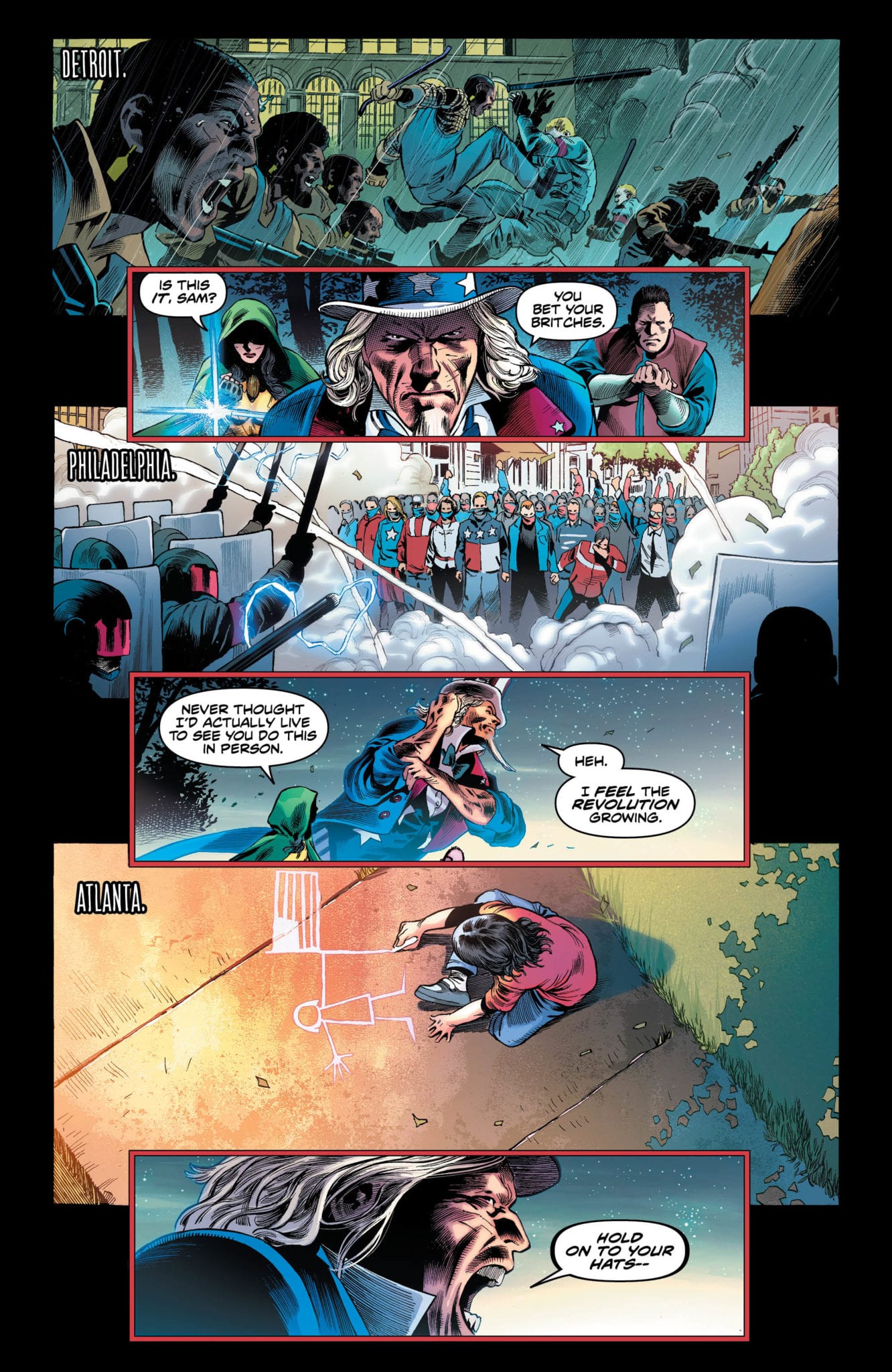
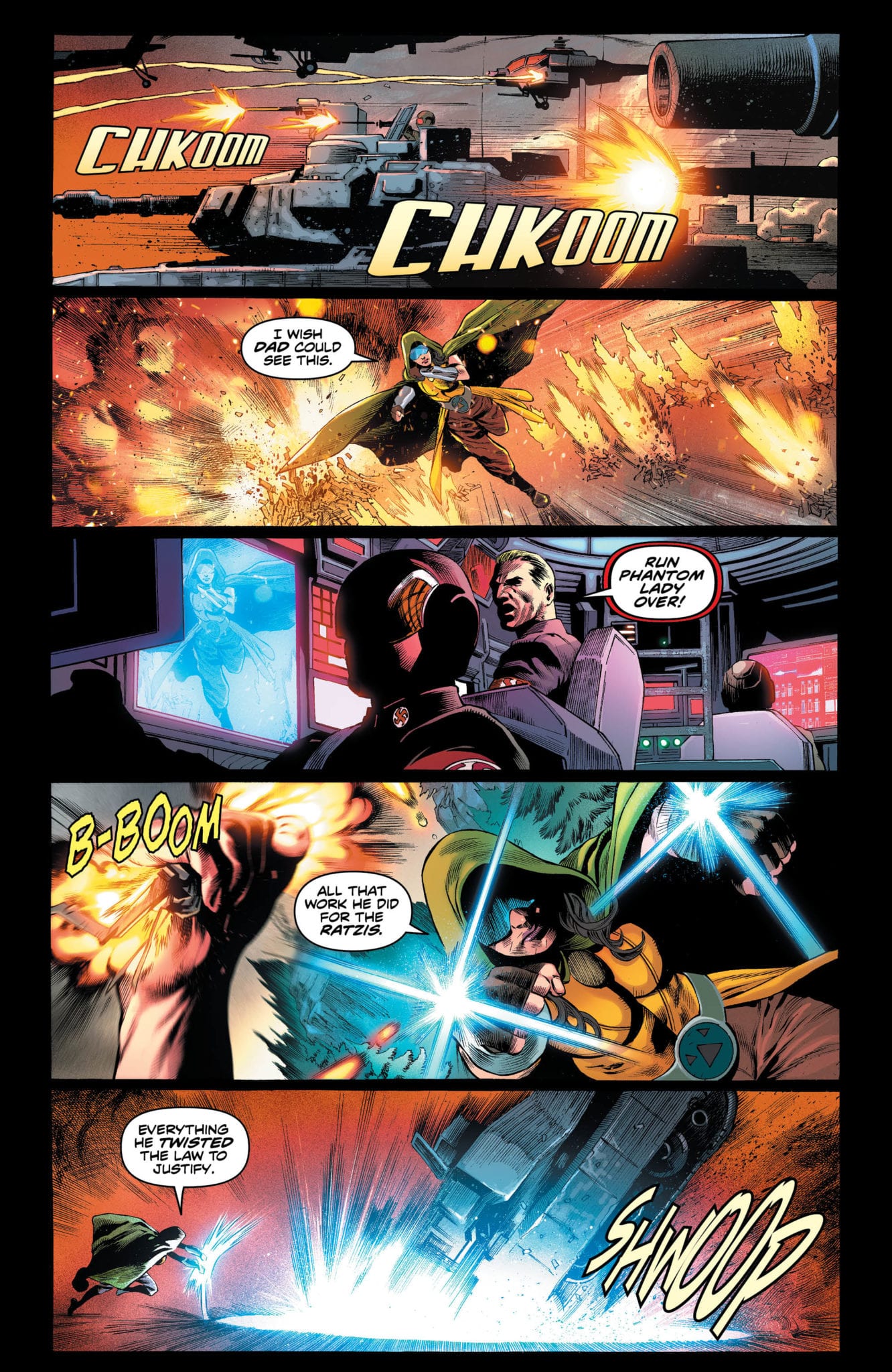
DC Comics Exclusive Preview: FREEDOM FIGHTERS #10 – Uncle Sam Is Mad As Hell!

Monkeys Fighting Robots

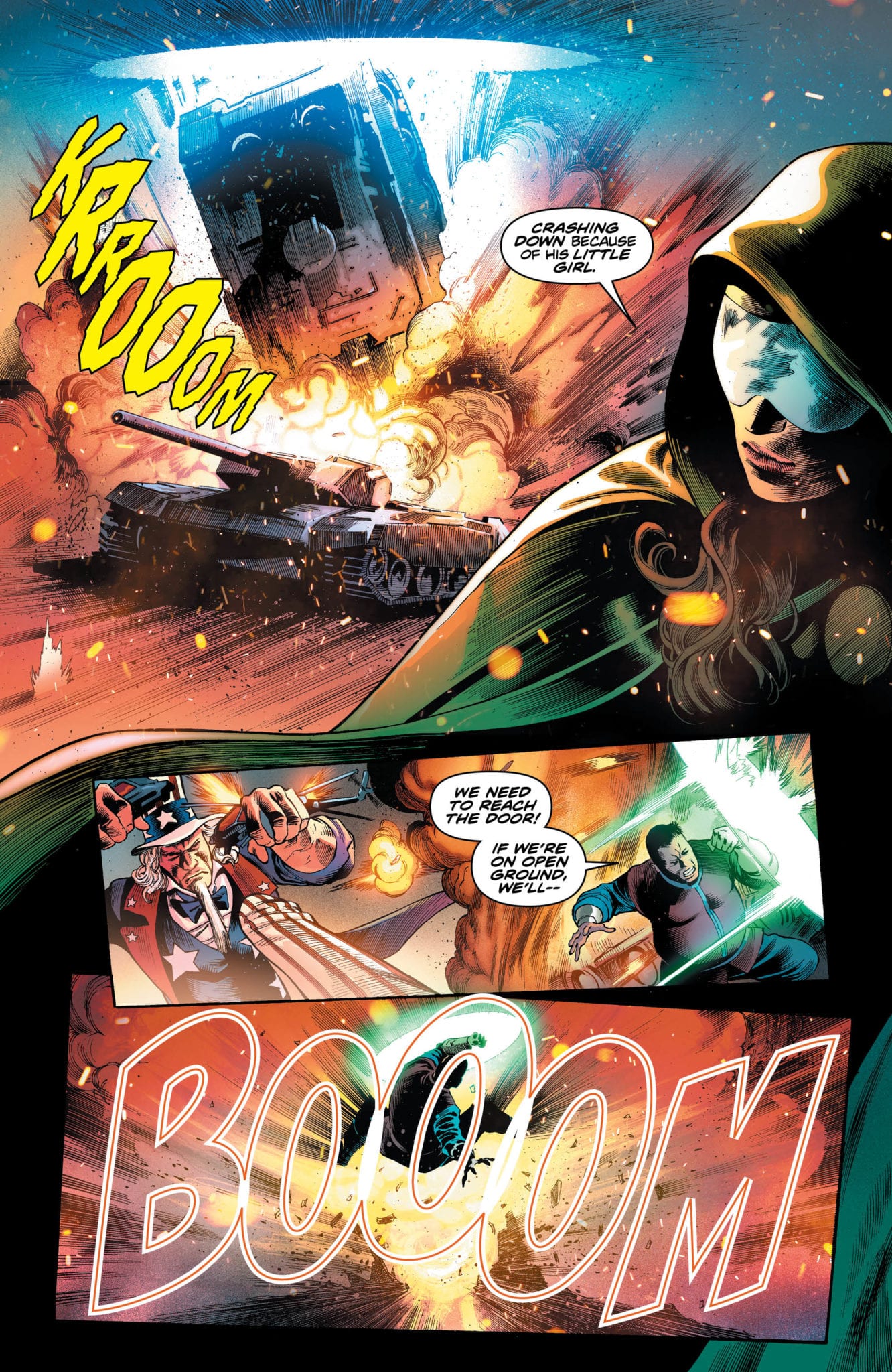
Freedom Fighters #10 hits your local comic book store next week, but thanks to DC Comics, Monkeys Fighting Robots has an exclusive four-page preview for you.

About the issue:
Uncle Sam is mad as hell, and he’s not going to take it anymore! As revolution takes the nation by storm, the spirit of America is running through Uncle Sam’s veins as strongly as it ever has, and he’s going to use that boost to take on the whole Nazi army! But is this power and the aid of the Freedom Fighters enough to liberate his great nation and end the Nazi regime for good?

Freedom Fighters #10 is by writer Robert Venditti and penciller Eddy Barrows, with inks by Eber Ferreira, colors by Adriano Lucas, and letters by AndWorld Design. The cover is by Barrows, Ferreira, and Lucas as well.

See what MFR critic Jody Cardona has to say about the series:Freedom Fighters continue to be the underdog series that deserves to be in the spotlight. It’s gritty, action-packed, and just a fantastic time. Even with these giant action sequences, there is a finely written story woven in. I highly recommend this comic as well as the series.

Check out the Freedom Fighters #10 preview below:

DC comics freedom fighers exclusive preview

DC comics freedom fighers exclusive preview

DC comics freedom fighers exclusive preview

DC comics freedom fighers exclusive preview

DC comics freedom fighers exclusive preview

DC comics freedom fighers exclusive preview


Roll call! Are you reading Freedom Fighters from DC Comics? Sound off in the comments!

Monkeys Fighting Robots Youtube

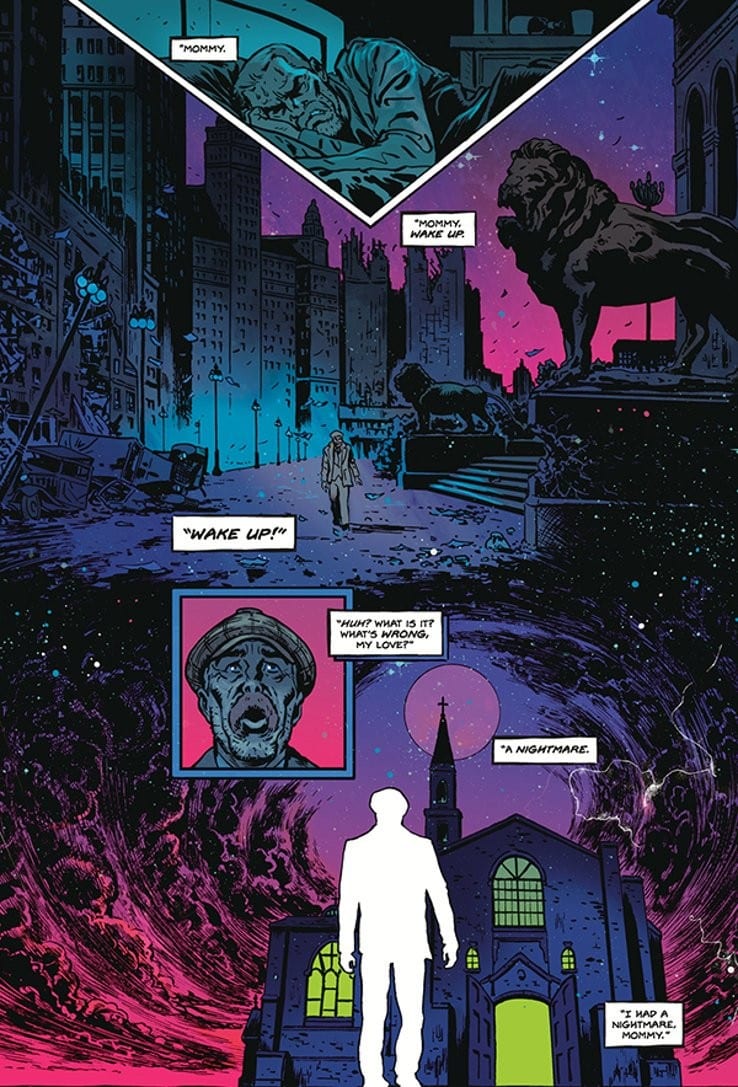
AfterShock Comics Exclusive Preview: MIDNIGHT VISTA #3

Monkeys Fighting Robots

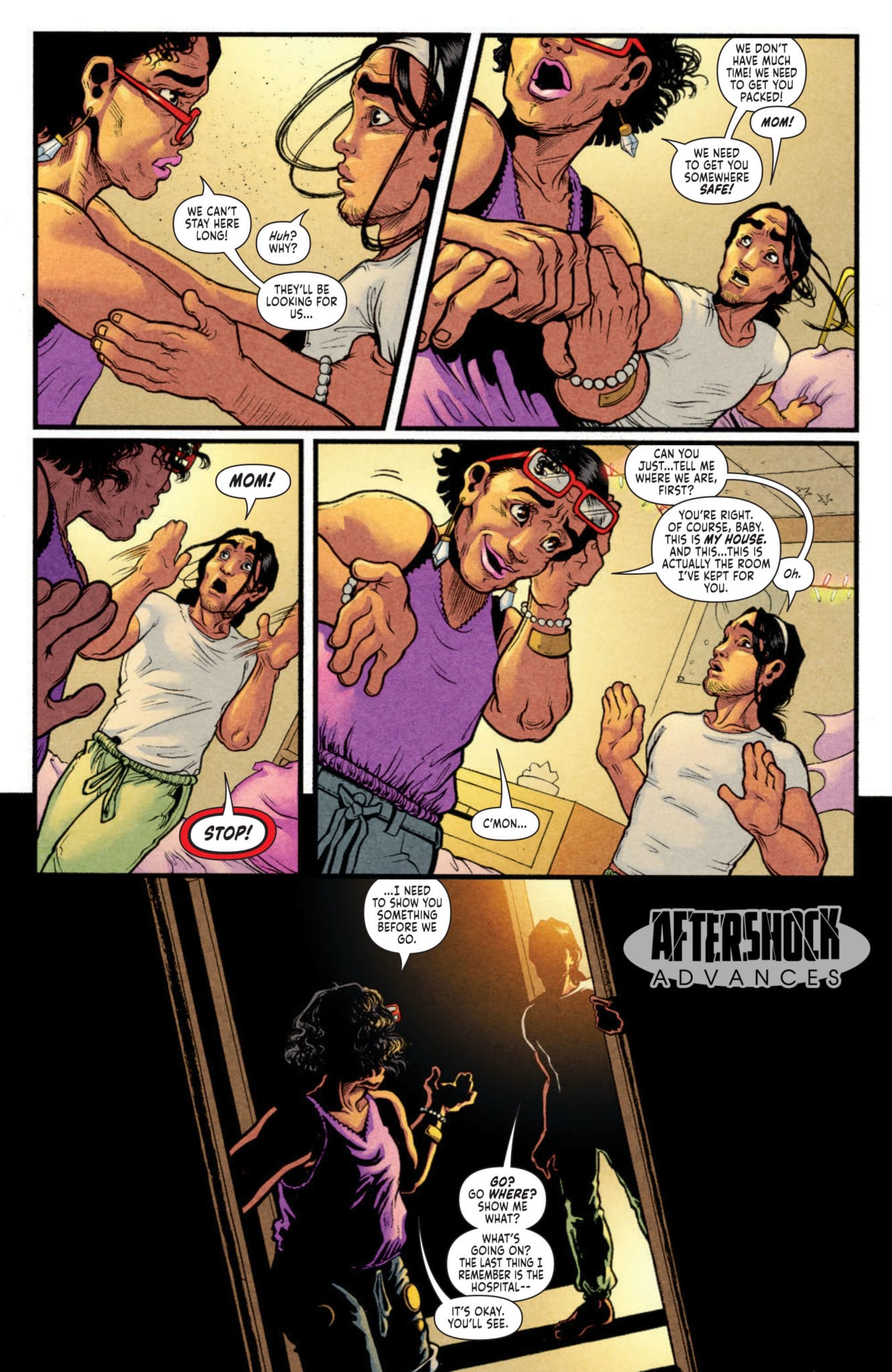
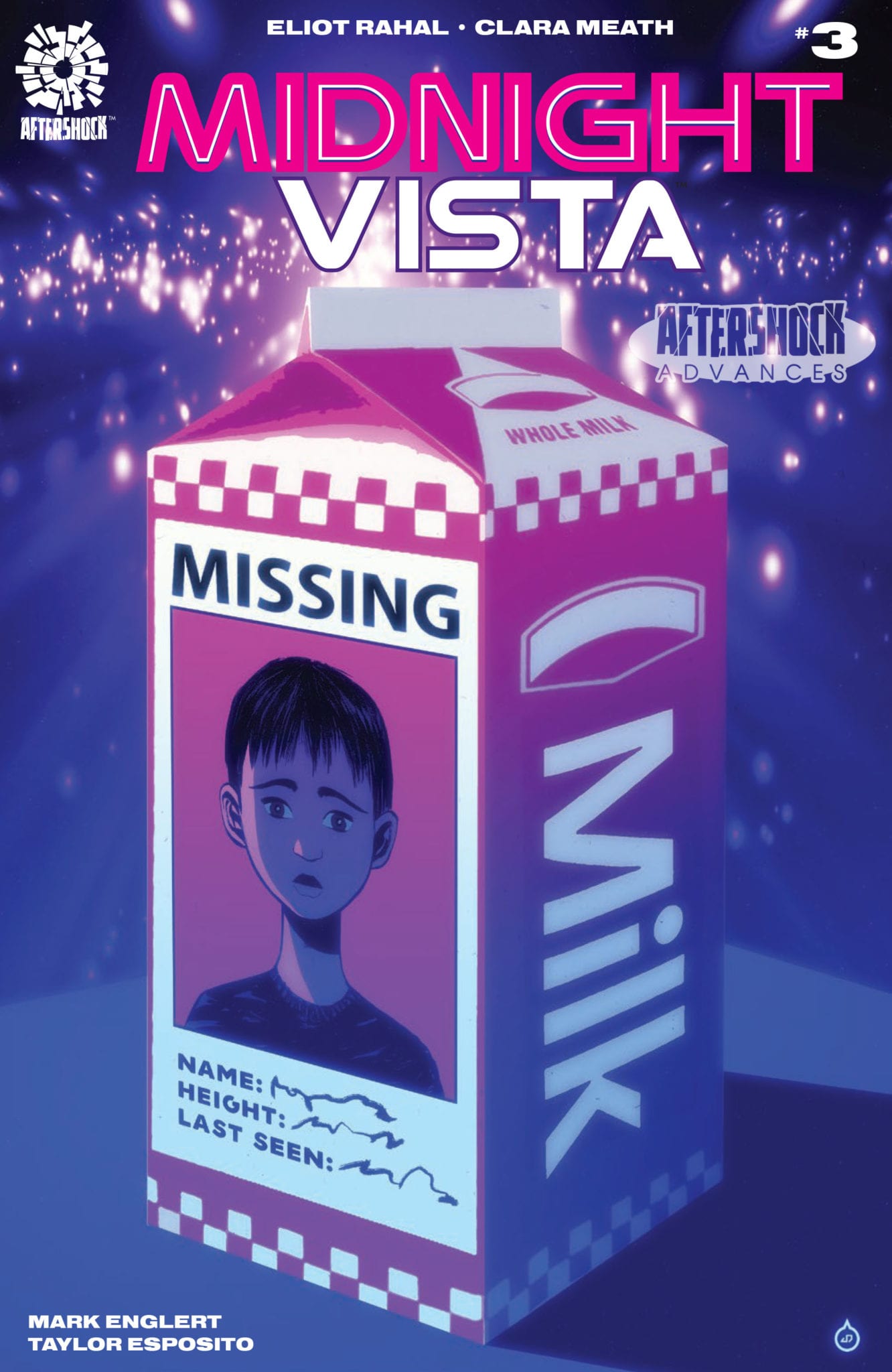
Midnight Vista #3 hits your local comic book store November 13th, but thanks to AfterShock Comics, Monkeys Fighting Robots has an exclusive four-page preview for you.

About the issue:
Barely escaping a life imprisoned inside the walls of a padded psychiatric hospital, Oliver
Flores has been kidnapped…again! Except this time it wasn’t done by interdimensional aliens. It was done by his own mom, Marisol Flores. Drugged up and groggy, Oliver regains consciousness and is reunited with his mother for the first time in nineteen years. The two share tender moments and crucial information, but they must hurry. The entire Albuquerque Police Department, along with the mysterious “Strangers in Black,” are looking for them.

Based on true story from writer Eliot Rahal (HOT LUNCH SPECIAL), with outofthisworld art from Clara Meath, MIDNIGHT VISTA will make you believe in little grey men.

Midnight Vista #3 is by writer Eliot Rahal and artist Clara Meath, with Mark Englert on colors and Taylor Esposito on letters. The cover is by Juan Doe.

Final orders are due October 21st, so call your local comic shop today!

Check out the MIDNIGHT VISTA #3 preview below:

aftershock comics exclusive preview midnight vista #3

aftershock comics exclusive preview midnight vista #3

aftershock comics exclusive preview midnight vista #3

aftershock comics exclusive preview midnight vista #3

aftershock comics exclusive preview midnight vista #3


Are you reading Midnight Vista? What’s your favorite title from AfterShock Comics? Sound off in the comments!

Monkeys Fighting Robots Youtube

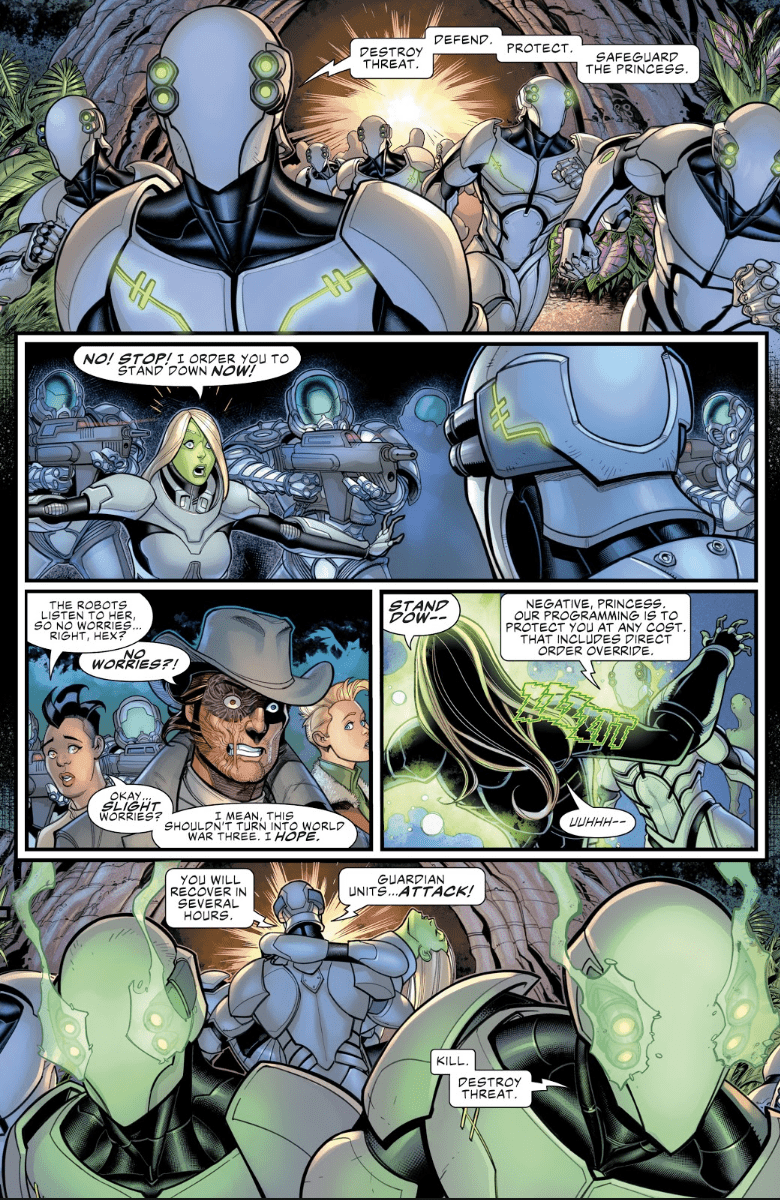
Exclusive Preview: ABSOLUTE CARNAGE: LETHAL PROTECTORS #3 – Deathlok Unloads!

Monkeys Fighting Robots

Absolute Carnage: Lethal Protectors #3 hits your local comic book shop on October 23, but thanks to Marvel Comics, Monkeys Fighting Robots has an exclusive four-page preview as Deathlok unloads on Carnage’s doppelgänger army.

The book is written by Frank Tieri, with art by Flaviano Armentaro, Federico Blee worked on colors, Joe Caramagna handled lettering, and Iban Coello & Jason Keith brought the cover to life.

Armentaro’s art in this book is ridiculous! Some artists draw action better than others, and Armentaro is on the better half. The lines in his work provide so much movement with an old school flare. The Deathlok image is my favorite from the preview; the anger and intensity are perfect.

About the Absolute Carnage: Lethal Protectors #3:
IN THIS ISSUE: The culmination of a story that’s been building since the stunning events of CULT OF CARNAGE! Carnage’s doppelgänger army has stormed Manhattan, and Misty Knight is trapped beneath the city’s street with the monsters… INCLUDING THE MAN-WOLF! THE BATTLE FOR THE SOUL OF JOHN JAMESON BEGINS HERE!

What do you think of Absolute Carnage so far, are you reading all the tie-in? Comment below with your thoughts.

Check out our Absolute Carnage: Lethal Protectors #3 preview:

Monkeys Fighting Robots Youtube