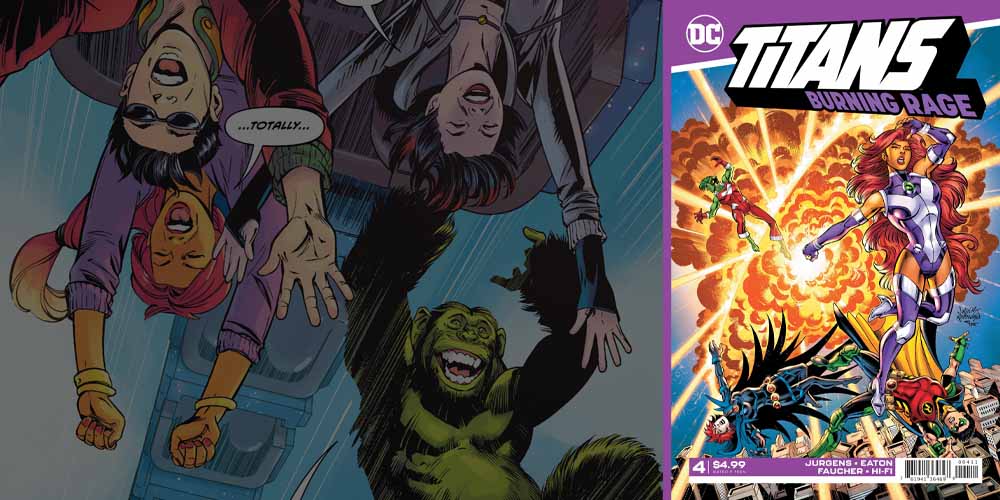
Titans: Burning Rage #4 hits your local comic book store on November 20th, but thanks to DC Comics, Monkeys Fighting Robots has an exclusive six-page preview for you.
About the issue: Available to comics shops for the first time! It’s Beast Boy’s birthday, but the party won’t last long as the Titans make the save at catastrophic fire–and the arsonists are: Hawk and Dove?! Things aren’t as they seem, as former Doom Patrol member Mento is pulling the duo’s strings in a violent uprising. It’s up to the Titans to uncover his sinister purpose before someone gets killed! Originally published in Teen Titans Giant #7 and Titans Giant #1.
Titans: Burning Rage #4 is written by Dan Jurgens, with pencils by Scot Eaton, inks by Wayne Faucher, colors by Hi-Fi, and letters by Tom Napolitano. The cover is by Dan Jurgens, Norm Rapmund, and Alex Sinclair.
Burning Rage collects material first featured in the Walmart-exclusive DC Comics Giants.
Check out the Titans: Burning Rage #4 preview below:
Who is your favorite Titan of all time? Sound off in the comments (and be sure to tell us WHY)!!
The Auteur, written by Rick Spears, with art by James Callahan and Luigi Anderson is a series from Oni Press known for its absurdist look at both Hollywood and filmmaking. However, there is much more to this than just a narcissistic producer and his lofty goals. Movies, comics, and a few other narratives tell about tales as people envision them. Think the ‘Based on a True Story’ movies that are more or less means of winning Oscars. With that in mind, filmmakers take a few creative liberties to suit their audiences. Unfortunately for Nathan T. Rex, this is what turns into his downfall. This is the research from the gutters. Spoiler warning for the series.
Premise of The Auteur
The Auteur follows Rex, a film producer who built his career through exploitation films and mockbusters. After several bombs in both critics and the box office, he has one last chance to save his job. To get this done, Rex does just about everything from psychedelics to hiring a mass murderer for his Slasher movie President’s Day. Along the way, he tries to get the attraction of an actress named Coconut. Ultimately he succeeds in getting Coconut’s attraction, but he bombs President’s Day.
The sequel Sister Bambi continues off of Rex’s public disgrace and goes into Indie films. However, having lost his creative rights, Rex is now at the mercy of a producer with Nazi ties. Rex tries to wrestle control back from his producer by any means but fails. The ending meanwhile shows two different scenarios from a screenplay to an out-of-story slugfest with the series artist “James Callahan.” Yes, meta-commentary is slowly becoming a subgenre of its own.
The Nature of Exploitation Films
Rex’s specialty in Exploitation Films exemplifies the themes of the series. These movies as a whole are made to capture interest in certain groups through sensationalism. Some movies like Night of the Living Dead are major successes for their great writing and use of cheap special effects; others like Blacula are just excuses to sneak taboo content in. Rex attempts to make President’s Day look sensationally authentic by hiring a known murderer as a consultant. Unfortunately for Rex, he gets what he wanted when said consultant (Darwin) murders a hand-picked actress on set.
Changing Perceptions of One vs. Many
For Rex to save himself and in turn, get the attention of Coconut, he takes the drastic course of changing the entire premise and plot of President’s Day. Changing the movie into a generic romance tale is Rex’s way of learning to woo Coconut and cover-up his crimes. He seems to guarantee to fail on both accounts, but when Coconut sees the final product, she kisses Rex for going out of his way for her. The filmgoers, however, are immensely dissatisfied with the film for failing expectations. With this sensation, Rex’s crimes remain covered up since nobody wants anything to do with him. Well, among other things.
Rex, as it turns out, is not the only one who uses narratives to try and change outcomes. The inspector chasing after Darwin had actually planted false evidence to convict him. With no evidence suggesting this, however, Rex had to bribe the jurors to get Darwin out of court. All before trying to appeal as a lawyer no less. That’s misdirection for you, nothing but putting on a show.
Perception Vs. Reality
One of the bigger parts of putting on a show is trying to outdo what’s already been done. President’s Day has Rex often going into psychedelic drug trips to find new inspirations or ideas. During those times, the reader gets a look into his demented psyche. Sister Bambi takes it another step further with sensational events happening every other minute. As the series progresses, it becomes harder to know if anything is actually happening or if Rex is just high.
It’s also during these sensational points that Rex shows his inner nature. Most of the time, this inner nature only manifests through drug trips. On very small occasions, however, Rex displays traits like falling while being guided by a word balloon. At that point, Rex did not even use any drugs.
What of The Auteur‘s Ending
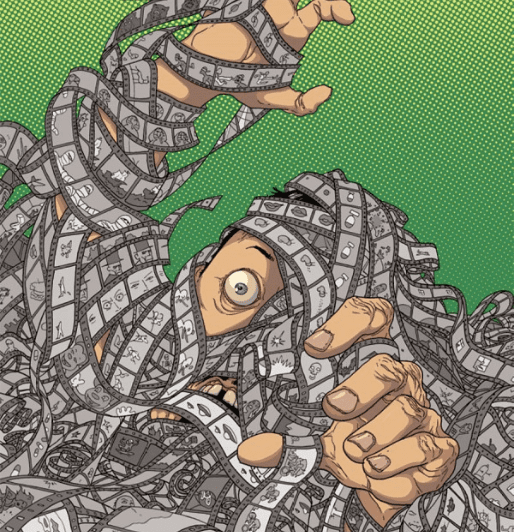
As explained in interviews, Rex is persistent in trying to be more than he possibly is. The answer to why comes in the ending. The dual ending comes in two sets: a manuscript that serves as Rex’s last saving grace, and Callahan pulling Rex out to confront him. The manuscript shows Rex’s making up with everyone and his and Coconut’s son having a successful future. But Callahan won’t have it and illustrates why Rex can’t have a happy ending. From his narcissistic behavior to how Coconut doesn’t have many layers herself. It all culminates when Callahan erases Rex’s outer layers, revealing his inner self, a green Bugs Bunny rip-off.
This reveals why Rex’s personality and work methods have no depth; being an exploitative knock-off is just his nature. So Callahan erases him to finish Rex’s story. Unfortunately, Coconut is left with her and Rex’s son. Rex may be gone but leaves his essence invades the reader’s mind. Because of these scenarios, it’s up to the reader to guess how this unfinished product goes.
Conclusion
The Auteur is a piece that redefines how people look at movies or comics. The best comics show readers that there is more than one story going on at the same time. As the subject of exploitation fiction itself; however, it’s not everyone’s cup of tea. But there is something in exploring style over substance and how it can be applied.
What do you all think? Feel free to leave your thoughts down in the comments.
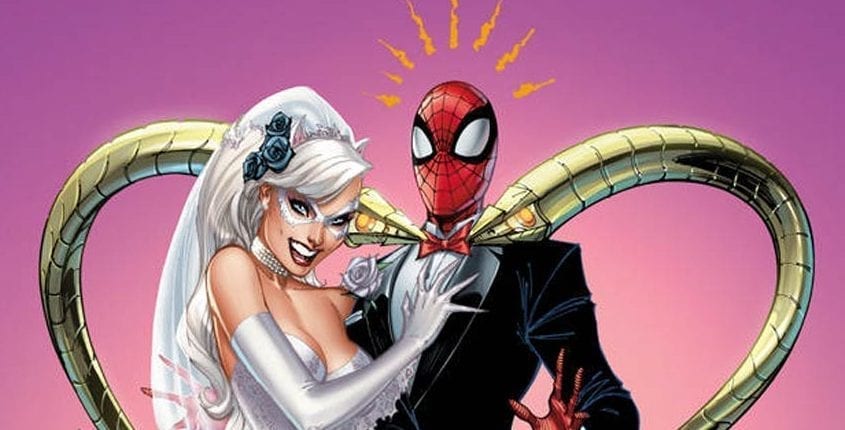
The Black Cat has a plan to use a secret tradition for a major cash heist against the Maggia. She just needs a wedding dress and your Friendly Neighborhood Spider-Man to pull it off. Black Cat Annual #1 is what an annual should be: Fun, funny, and slightly off-topic from the main book while providing a one-off story as an entry point to new fans.
Felicia Hardy (Black Cat) starts the story by sweet-talking Spidey into helping her with her plan, involving the two being “married” and fighting to the death in a Maggia wedding ceremony. As this is happening, henchmen working for the Cat are around town doing their part in the heist. The ending is sweet and not only cements Spider-Man as one of the nicer heroes of the Marvel Universe but provides a view into Black Cat’s mindset and personality as well, making her even more in line as Marvel’s Catwoman.
The actual heist isn’t overly complicated but provides just enough background information to make the story more vibrant and more entertaining. What’s better than an old-school mob robbery, anyway? The bad guys lose while looking foolish, and the “good” guys win and provide a happily-ever-after to a couple who desperately needs one. It’s the perfect wedding story.
Everything about Jed MacKay’s story is spot on. The interaction between Spider-Man and Black Cat, the overall plot and storyline, and the little twist at the end make this a fun story, one enabling old fans to remember back to the relationship Felicia and her Spider used to have as well as one allowing new fans to see a side of Peter Parker they may never have seen before. There is no fat to the plot at all; everything is lean and makes sense. Whether you’ve seen known these two since the early ‘80s or whether this is the first Marvel comic you’ve ever read, you’ll understand the story, the motivations of the characters, and appreciate the story.
The story is helped tremendously by Joey Vazquez’s art. The Black Cat has always been one of my favorite Spider-Man “villains,” and Vazquez’s pencils are flawless for this story. That combination of perfect, realistic art and a more abstract, emotional cartoonish brand of drawing is what this story demanded, with Vazquez providing it perfectly. Brian Reber’s colors are also a huge sell. While not showing off the bright pop of Spider-Man, Reber manages to give each character a certain glow, while combining realism and stereotypical comic book looks. The colors combined with the art make this book a must-read.
Finally, Ferran Delgado’s lettering is masterful. Letterers don’t tend to get a lot of notice unless they’re really bad at what they do. Delgado manages to add the tiniest flair to his work, which makes it stand out, but not in an obvious way that distracts the reader.
Overall, Black Cat Annual #1 is reminiscent of the days when we could buy a random book off the spinner rack, take it home, and read it over and over because it’s everything a Marvel adventure should be. As Stan Lee said, “Every comic could be someone’s first,” and if this comic is yours, you’ve got a fun day ahead of you.
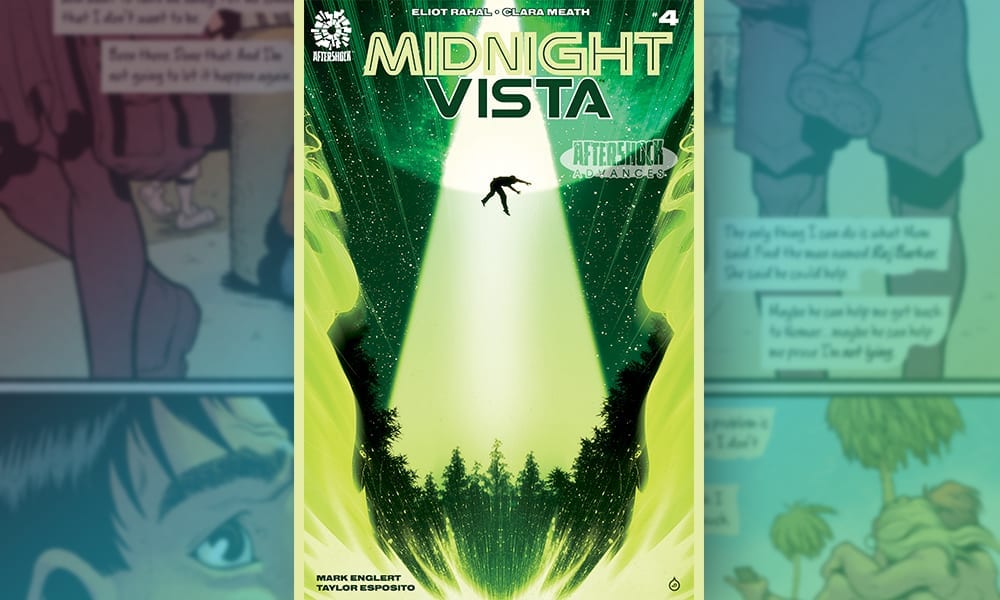
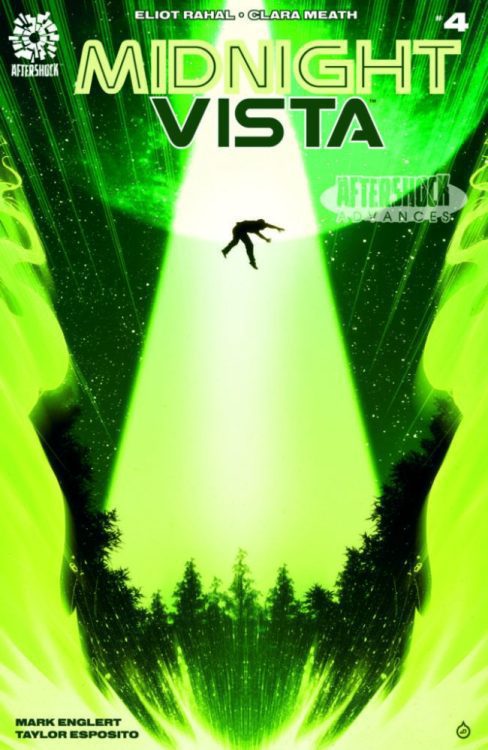
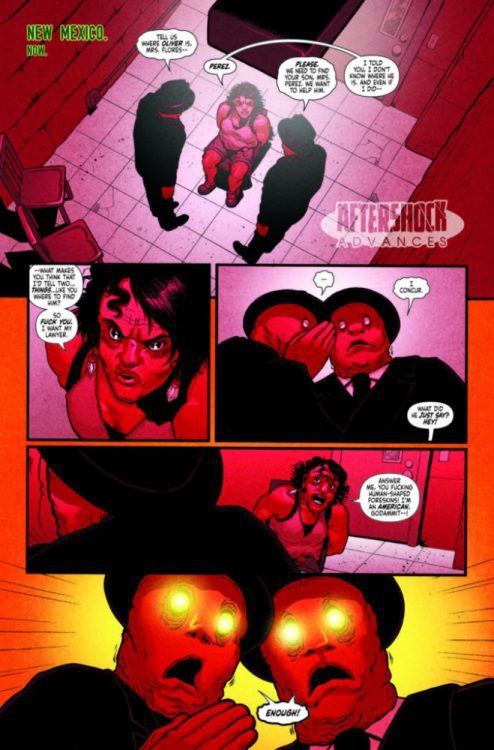
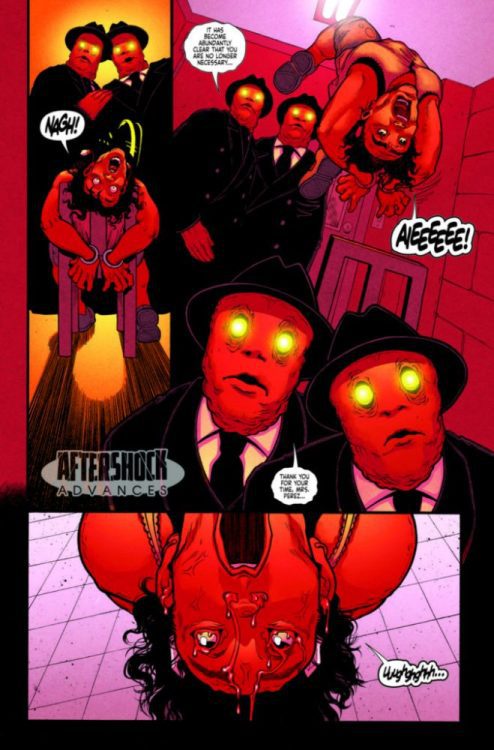
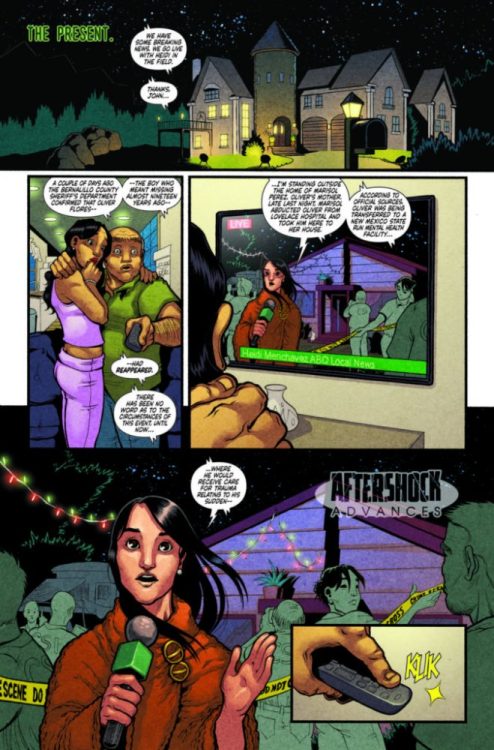
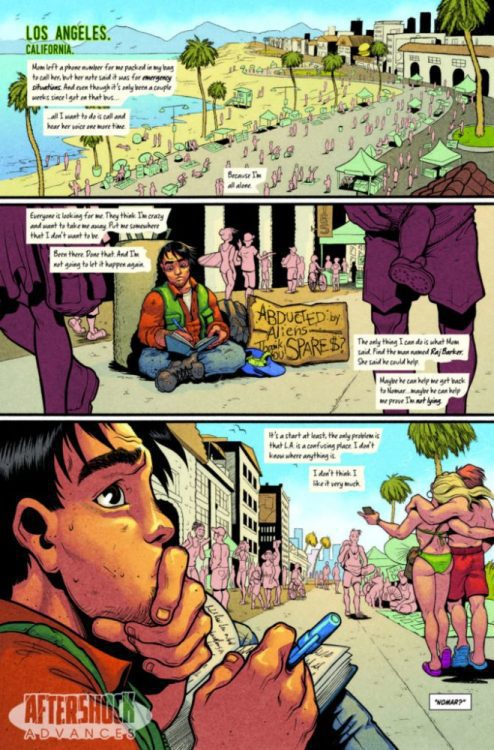
Midnight Vista #4 hits your local comic book store on December 4th, but thanks to AfterShock Comics, Monkeys Fighting Robots has an exclusive four-page preview.
Midnight Vista is based on a true story; written by Eliot Rahal, with art by Clara Meath, Mark Englert handled colors, Taylor Esposito is on letters, and Juan Doe created the cover.
About the book: After making his escape to California, Oliver finds himself hiding in plain sight amongst the many invisible and forgotten faces of Los Angeles County. For the time being, he is safe. Neither the police nor the mysterious “Strangers in Black” know where he is. But he’s also alone. Lost in a city — and a world — that he doesn’t know how to navigate, Oliver seeks out the one man his mother told him could help reconnect him with the very aliens that abducted him so many years ago.
Are you reading Midnight Vista from AfterShock Comics? Sound off in the comments!
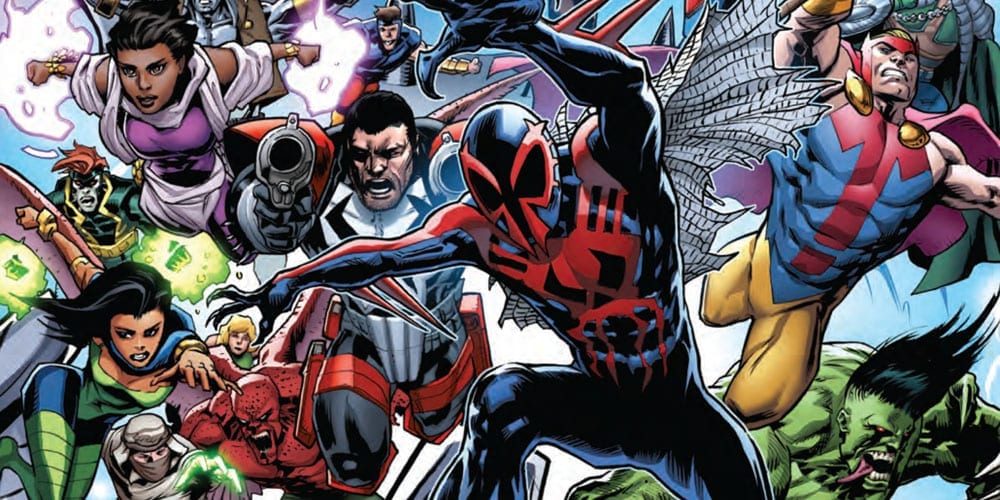
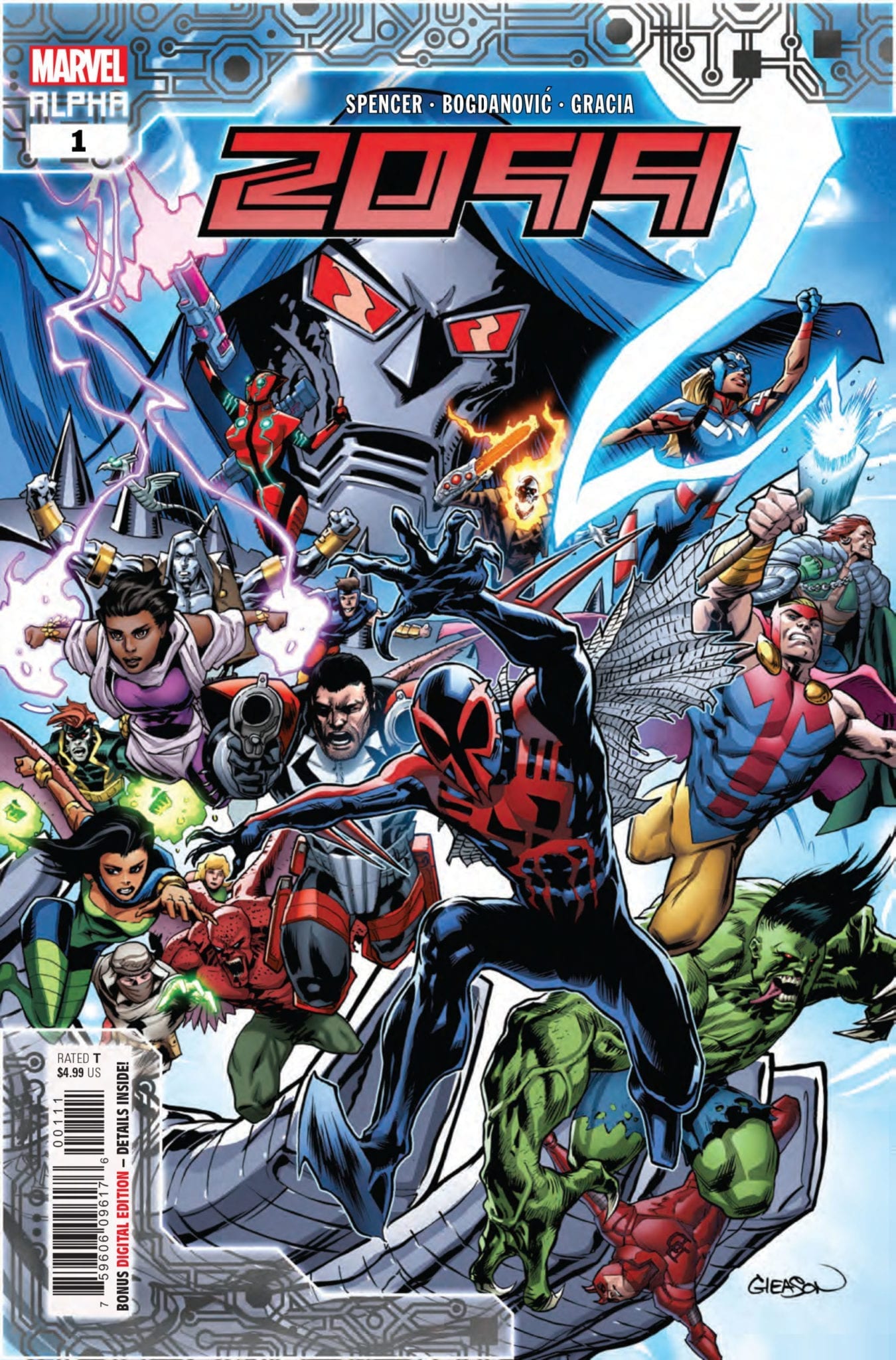
2099 Alpha #1 hits your local comic book store November 20th, but thanks to Marvel Comics, Monkeys Fighting Robots has an exclusive five-page preview for you.
About the issue: 80 years ago, the Marvel Universe was born. 80 years from now, will it die?! THE FUTURE IS IN PERIL! Events of AMAZING SPIDER-MAN have been leading to this for months. Something is happening in 2099 that spans Nueva York and beyond and will shake up the official Marvel Future forever. This is not a drill!
2099 Alpha #1 is by writer Nick Spencer and artist Viktor Bogdanovic, with colors by Marte Gracia and letters by Joe Caramagna. The main cover is by Patrick Gleason and Guru-eFX.
Spencer has been building to this event for a few months now in Amazing Spider-Man. Following this Alpha issue, 2099 will continue over the next three issues of ASM, and conclude in an Omega issue. There will also be seven one shot tie-in issues focused on various 2099 characters (Spider-Man 2099, Doom 2099, Punisher 2099, Conan 2099, Venom 2099, Fantastic Four 2099, and Ghost Rider 2099).
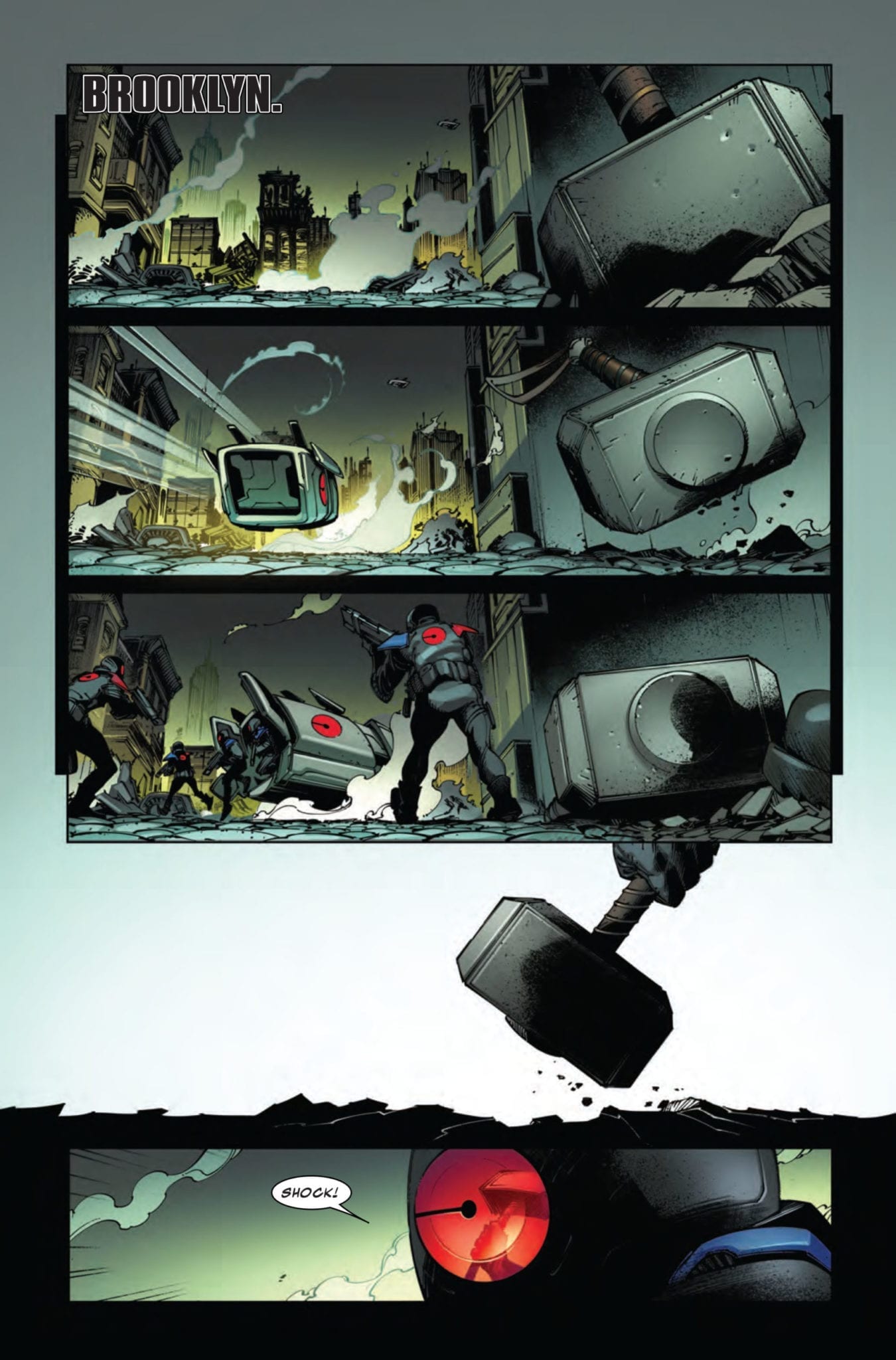
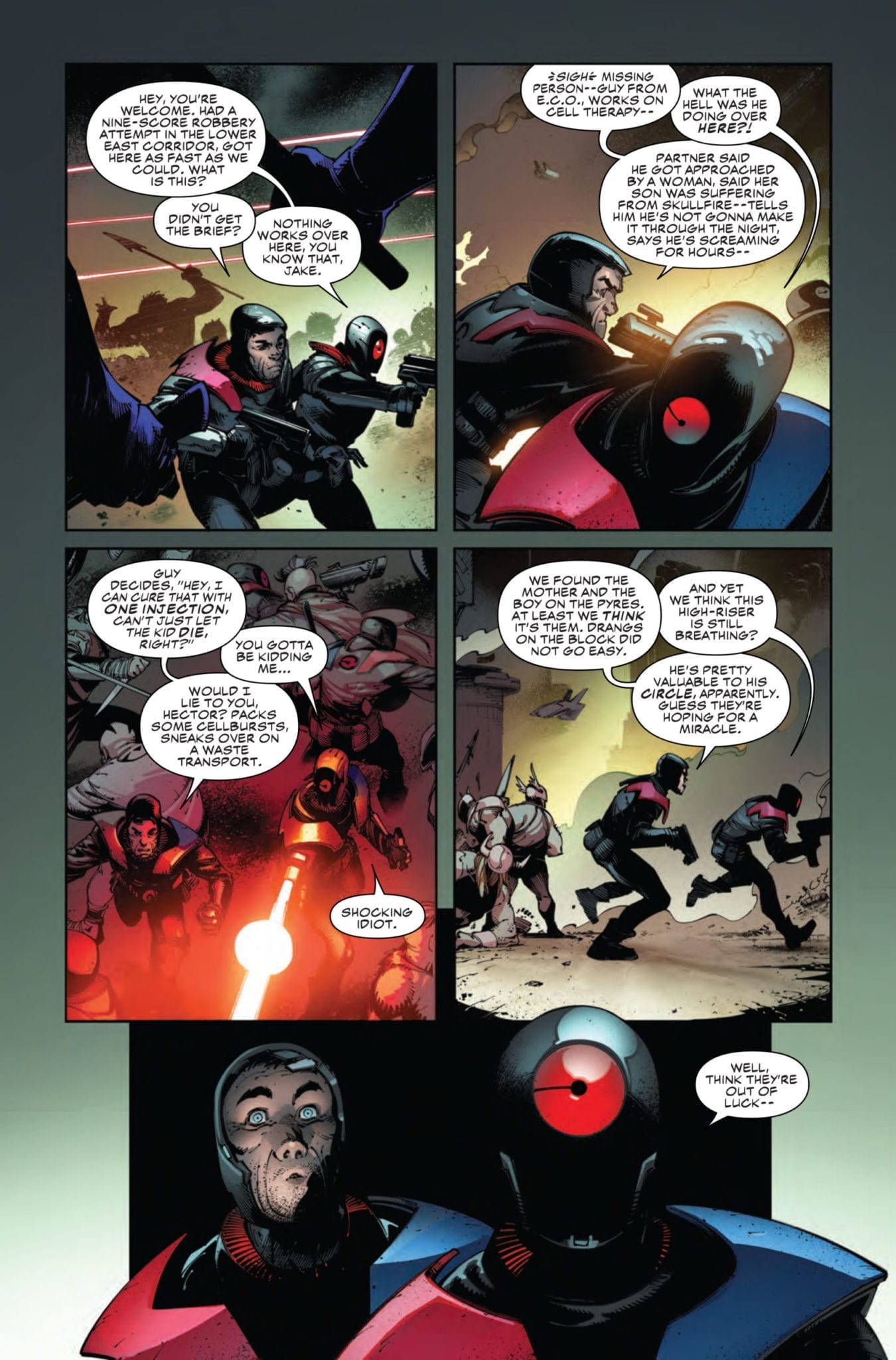
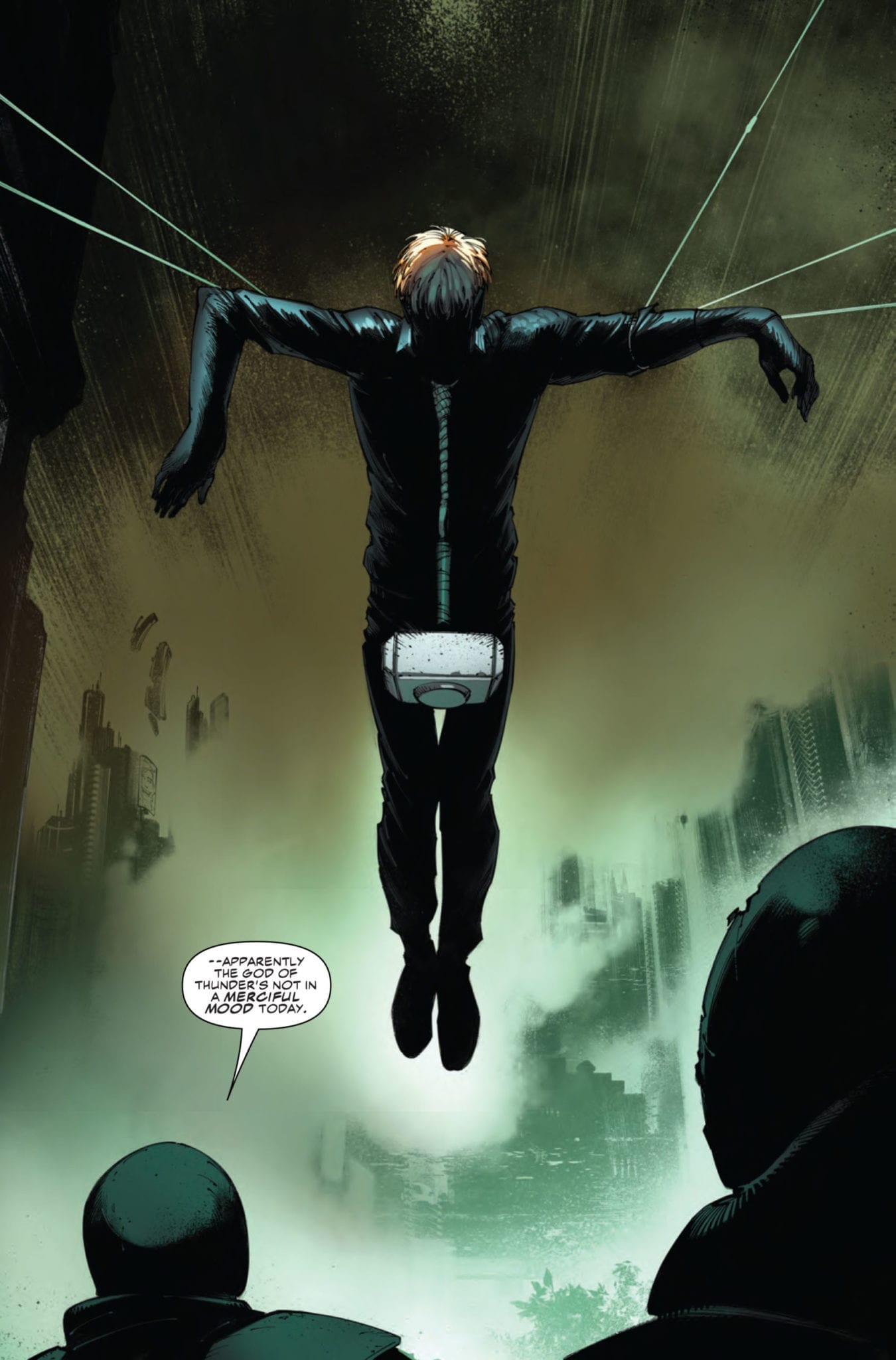
Check out the 2099 ALPHA #1 preview below:
Are you excited for the return of MARVEL 2099? Sound off in the comments!
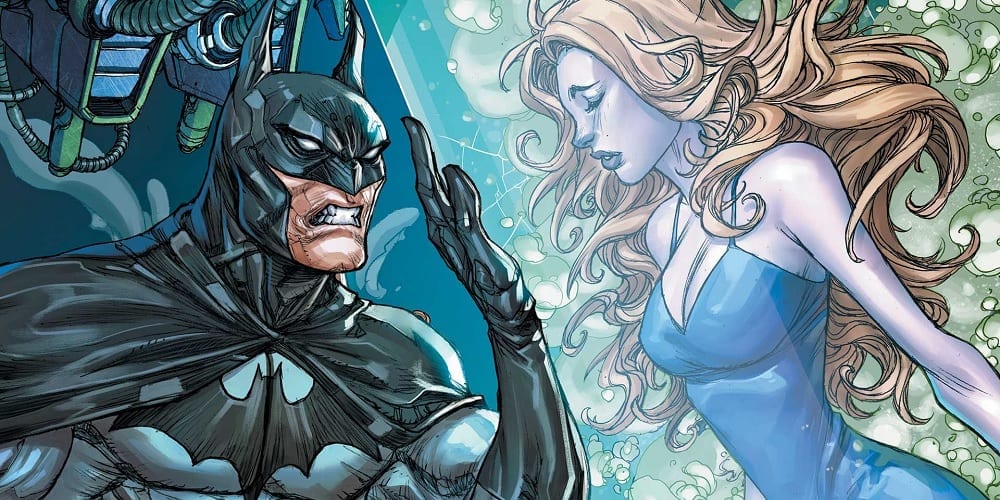
Mr. Freeze finally has his beloved wife back by his side. But, as we see in Detective Comics #1015, out this week from DC Comics, something’s a little…off…about the revived Nora.
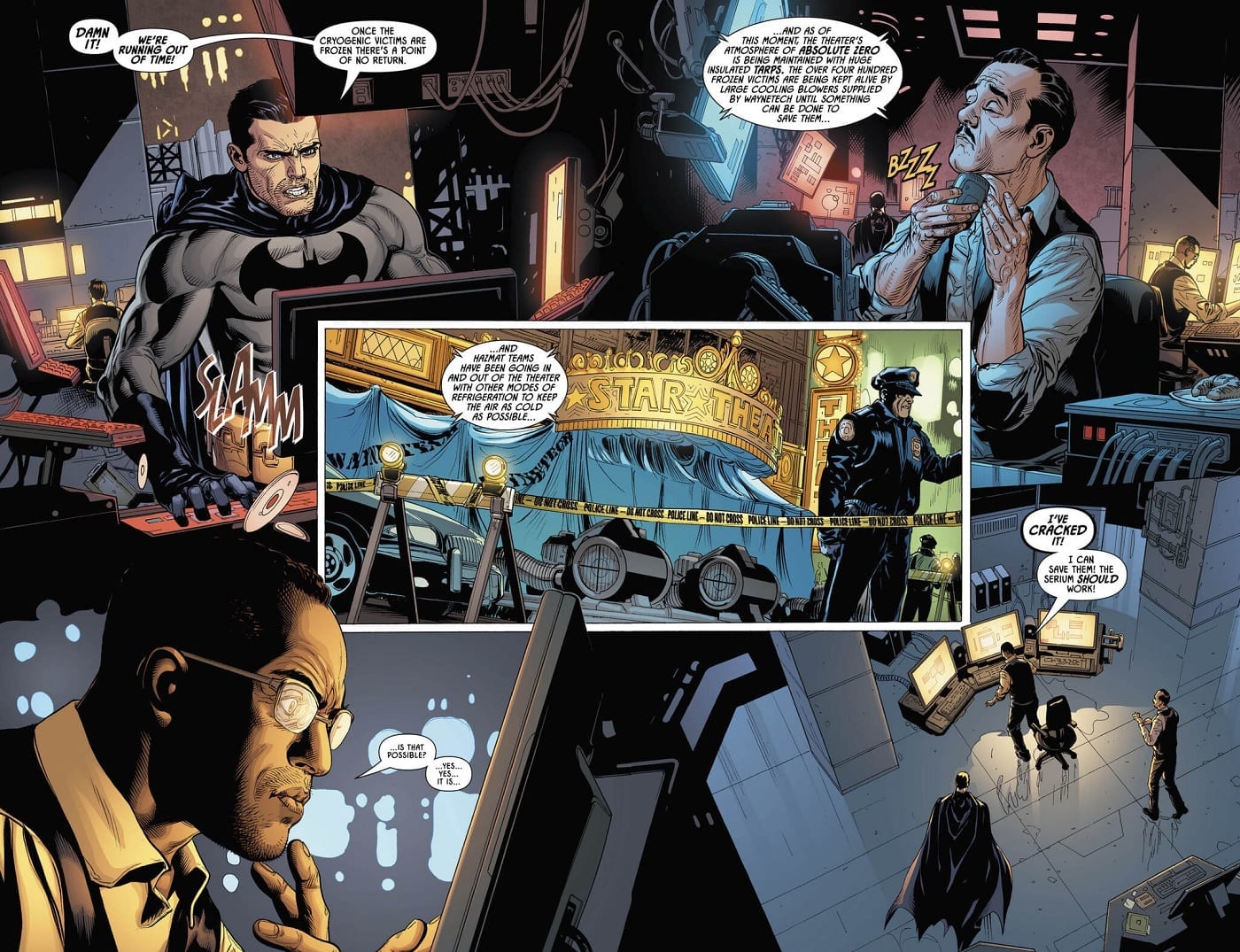
The Frieses terrorize the city while Bruce, Alfred, and Lucius rush to find a way to rescue Freeze’s victims. Over the course of their crime spree, though, Victor begins to notice a change Nora’s demeanor. She doesn’t merely engage in criminal acts for profit…she seems to enjoy hurting people.
The Writing
Writer Peter J. Tomasi gives us a well-paced and engaging story. The tension surrounding Batman’s race against time mounts as the book progresses. We feel the desperation and frustration of the characters as time ticks away.
Detective Comics #1015 gives us a reasonably-surprising twist, which serves as the narrative focal point of the book. It doesn’t come out of nowhere, though; Tomasi did a solid job of foreshadowing this surprise in earlier issues. As a result, it feels like a natural and reasonable course of events in the tale at this point.
The tables have turned entirely by the end of the book. It makes for some dynamic and engaging storytelling, and one of the more interesting stories we’ve seen in some time focused around Mr. Freeze.
There are some points at which the writing comes up short, though, and the issues lie mainly in characterization. The manner in which Bruce decides to test his serum, for example, feels inconsistent with his character. Batman is supposed to have a great tactical mind; here, though, he takes unnecessary risk for little apparent reason. As a result, he ends up handicapping himself throughout much of Detective Comics #1015.
Speaking of breaches of characterization, we see even more of this from Nora. She makes a snap decision that, while not unreasonable given the circumstances, doesn’t seem well-established based on what we’ve seen of the character thus far. As mentioned, this twist doesn’t come out of nowhere; however, the way it’s scripted makes it fall a little flat. The result is an interaction between Nora and Victor that feels stilted. The dialogue relies on melodrama that reads like the teleplay to a somewhat-dated soap opera in order to reach the necessary emotional pitch.
The Artwork
Overall, artist Doug Mahnke brings many of the same strengths to the table in Detective Comics #1015 as we’ve seen in other recent issues. This time, he’s backed up by fellow artist Jose Luis (not to be confused with José Luis García-López).
The work is dynamic and lively, yet it’s still fairly clean. Although Mahnke opts to dedicate much of the book to tightly-cropped panels with close-up illustrations focused on characters, the reader rarely feels lost in the setting. At only a couple of points did it feel a little spatially muddled, but nothing too distracting.
That said, the character designs are not always as consistent as in previous issues. There are panels, especially in the first half of Detective Comics #1015, where characters are depicted from awkward angles, or appear somewhat bloated or chunky. It’s not distracting enough to overshadow the positive aspects of the artwork, but it does produce some less-than-stellar panels.
The colors by artist David Baron are again vivid and varied. The shocking blue of the ice immediately draw the reader’s eye. The colors are well-balanced, though, despite the wide range of tones employed.
Final Thoughts
Detective Comics #1015 is not without flaws, but it’s plenty serviceable. It’s worth grabbing a copy to keep up with Tomasi’s ongoing story.
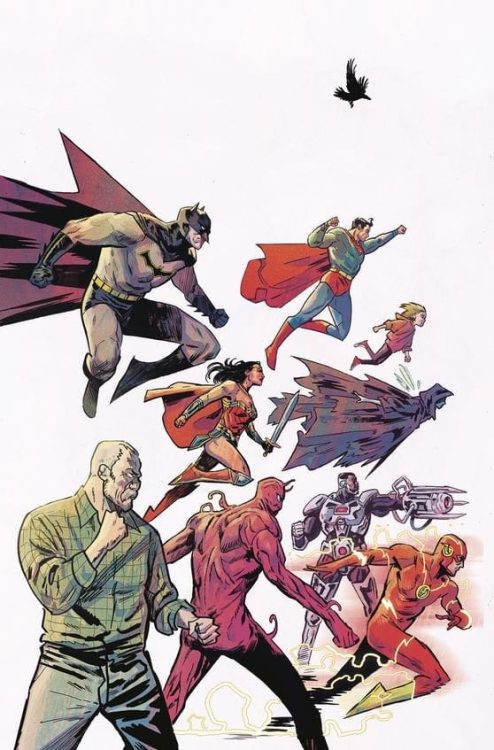
In Justice League/Black Hammer – Hammer of Justice #5, writer Jeff Lemire, artist Michael Walsh and letterer Nate Piekos bring us a finale that values whispers over big booms.
When we last saw our band of world-swappers, Mr. Mxyzptlk had given them an ultimatum: ALL of you swap back to your worlds willingly, or not at all. With the Justice League stranded on Black Hammer farm, fighting monsters from Lady Dragonfly’s cabin, and the Black Hammer crew being questioned by the Specter, there are plenty of reasons for them to want to get back to where they came from. But not for Golden Gail. Finally, able to return to her older form, she could stay in the DC Comics Universe as a normal woman and not live a perpetually pre-pubescent life.
The ensuing chaos and conflict, in many ways, seems predictable and underwhelming at first glance. Heroes act heroically; villains act villainously. But the true beauty of the issue, and the series at large is the juxtaposition between Lemire’s parodies of other characters and their DC counterparts. DC’s Shazam is naive but a good kid at heart, Lemire’s version of Shazam, Golden Gail, is everything but. Martian Manhunter and Barbalien are Martians who have lost their homes, but Barbalien is resentful of his homeworld and martian homophobia.
Lemire seems to be putting his down-to-earth characters into a predictable and more simplified world to help show how they don’t really fit in with the creations he borrowed from. Their battles against huge odds are out of joint. As the issue comes to a close, Lemire offers the DC characters the opportunity to join his pace. Not for a worldwide threat, not for a multiverse destroyer, just for dinner. As characters sit and put their feet up, we see Lemire at his best. The calm back and forth over a warm meal, the real-life stakes for his larger-than-life characters.
Michael Walsh’s art is simply breathtaking. It manages to blend the raw and almost messy look of Dean Ormston’s work, the original artist on the Black Hammer series, and the more neat, controlled style of art that is more often seen in comics by DC or Marvel. Throughout the issue, Walsh uses a darker pallet for his colors. It’s like looking at the characters through a blue veil. Yet somehow, it sets the mood in such a way that doesn’t feel gloomy, but relaxing and intimate. In this issue, Lemire has a pretty heavy word to page ratio. Piekos’ clear lettering and placement makes the journey through each page smooth and simple.
While Lemire, Walsh and Piekos’ crossover series Justice League/Black Hammer: Hammer of Justice may seem underwhelming at first, it’s because it is in the “underwhelming” that this creative team truly shines. In the quiet moments between the punches and zaps. This series grounds our DC heroes and reminds us why we love our Black Hammer characters so much. It reminds us that in this world heroes still cry, they eat, they sleep, and they even get scared.
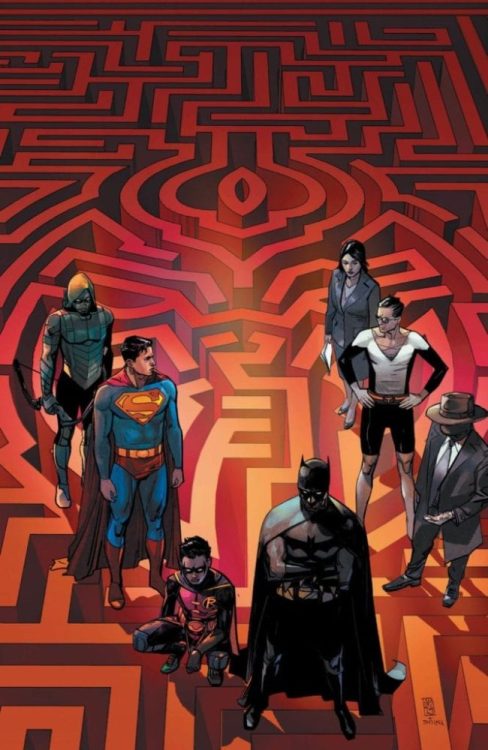
In Event Leviathan #6, writer Brian Michael Bendis, artist Alex Maleev, and letterer Josh Reed invert their series finale to show us something we wanted more than what we thought we wanted. It’s impossible to write about an issue like this without getting right into the spoilers, so please don’t read on if you haven’t already read the issue.
First, Bendis finally reveals to us who the mysterious Leviathan really is. It’s the kind of reveal that makes you go: “Wait… who?” A few quick visits to various Wikipedia pages, and you’ll fill in all the gaps. Leviathan is Mark Shaw, one of many to call himself Manhunter. Specifically, Mark Shaw was one of the successors of Paul Kirk’s Manhunter mantle. He worked as a government agent under Sarge Steel, he dabbled in Amanda Waller’s Suicide Squad, and he even went on a rampage killing all who had ever been called a manhunter. He never quite managed to kill Manhunter Kate Spencer, though, one of the detectives investigating the Leviathan terrorist attacks.
There are a few ways one can respond to this kind of development. My first response was to start thinking who I thought would have made a better Leviathan under the mask. It was the fact that I could come up with so many examples that made me pause. Maybe what Bendis, Maleev, and Reed are showing us is that Leviathan’s identity isn’t the point. It doesn’t matter who Leviathan is, because in the end, Leviathan stands for something. Leviathan poses a question. Are the heroes doing their jobs in saving the world? Could Superman, Batman, and Wonder Woman do more?
As events progress through the issue, one thing seems to be clear in Bendis’ writing: he is taking his time. We don’t get the major showdown that puts a bandaid over the damage Leviathan has caused. We don’t even really get any kind of physical confrontation at all. Instead, Superman and Leviathan talk. We are reminded why Shaw has become such an incredibly dangerous character. He has planned for every contingency, and his gospel speaks to something deep in people. Even trusted heroes like Golden Guardian have taken his side.
The summary of Leviathan’s gospel is chillingly kept until the final page. Shaw is bent over an issue of the Daily Planet that outs him to the world. His disappointment isn’t in his loss; he doesn’t seem to believe he has lost. Shaw’s frustration is that he couldn’t make someone as logical as Superman see the truth. “They would rather I burn this all to the ground than try to fix it,” he mutters. “Fine.” Bendis and Maleev truly shine here as they play against villain stereotypes. He isn’t laughing maniacally. He doesn’t even smile. He’s eerily normal. And he’s not done either.
The art of this issue is as gorgeous as all the issues before. Maleev’s use of color is almost hypnotic. There doesn’t seem to be a single solid color in the entire issue, and the blended blues and reds that act as the backdrop to each panel create a mood fit for the end of the world. Characters are drawn so beautifully as Maleev constantly brings us back to the look on their faces. Rarely do we see any character hint at a smile or frown. They all stoically press on for what they must do next, whether “evil” or “good.”
Reed’s lettering graciously steps back to allow Maleev’s art to shine. This is far from a silent comic, yet Reed’s use of space is so masterful that you seem to be able to hear the silences more than the words. That goes without saying for the sign language portion of the comic. Though not an everyday moment in comics, the “subtitles” for the sign language are placed so that the reader gives no thought to who it is that’s signing. Finally, it’s worth praising Bendis and Reed both for their reoccurring newspaper pages. Never once did they resort to button mashing to fill content, but with each issue, they gave us a fully furnished newspaper cover to help immerse us in the world.
Event Leviathan #6 was not the comic I expected it to be. This espionage thriller doesn’t end with a twist to leave everyone reeling. It only feels just to call the “villains” villains in quotation marks. The mystery and reveal are ordinary and mundane. That might be what makes it so brilliantly troubling. And the best part is it’s not over yet.
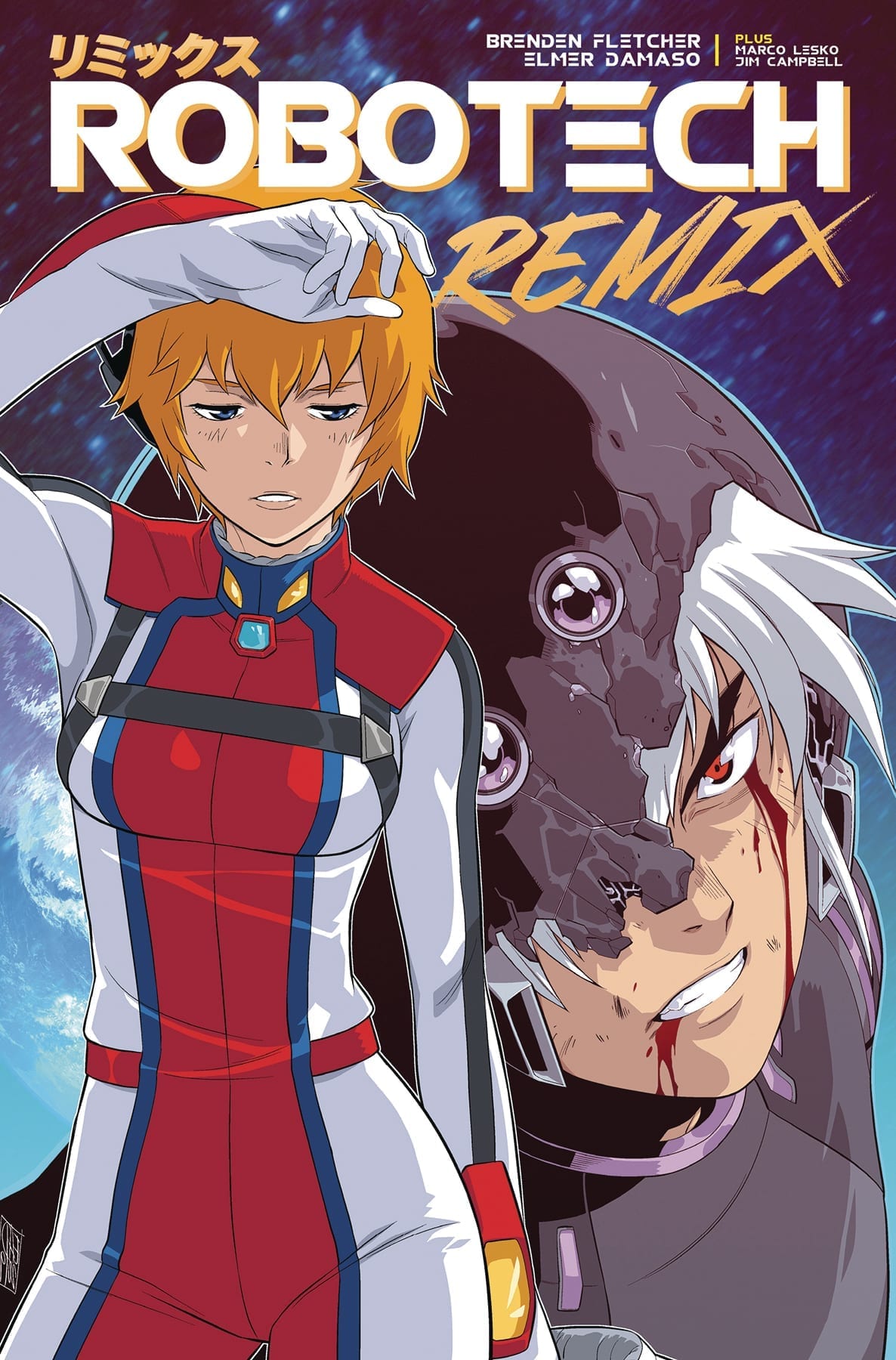
With the second issue of Robotech: Remix by Titan Comics, the book is starting to feel like it is tackling too much. Can this comic remain in the air or will too many complexities cause it to crash to the ground?
Dana Sterling traveled back in time and saved her past – but has she lost her future? Faced with new enemies, old friends, and parents who barely know her name, can the half-Zentraedi Robotech ace cave out a place for herself in the cosmos?
Writing
This series has hit a bit of a snag. With the reappearance from a familiar face, it’s hard to tell if it really is them or not. Is this the actual character the readers followed in the previous series or one from the alternate dimension Dana Sterling comes from? It’s hard to tell and it feels like this uncertainty will not let up any time soon.
Also, Brenden Fletcher is really trying to push the characters from Robotech II: The Sentinels and make the reader love them. This can be understandable given how the characters never did get a proper show (as their’s was canceled and compiled to a movie). Still, the whole other universe plot needs to flow properly or risk the entire book not garnishing enough of an audience.
Artwork
The artwork does maintain the level of quality of the previous issue. With Elmer Demaso on art, the characters look sharp and dynamic. Though when the more comical moments occur it is a bit offsetting. More unwelcome than offsetting as Demaso’s work is so appealing when not having the characters use anime ascetics (like sharpened teeth) for the comedy.
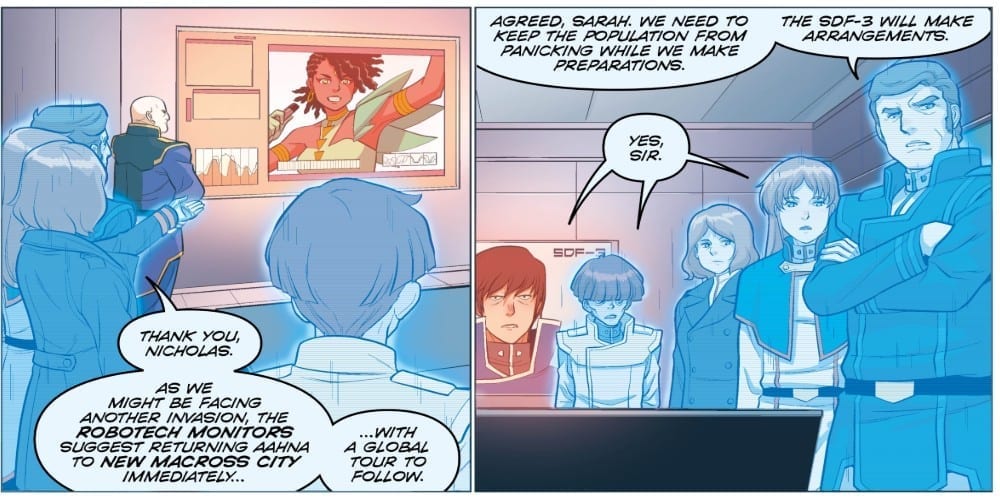
The colorwork by Marco Lesko helps with more Sci-Fi effects of the issue. From helping to distinguish characters as holograms to displaying the power of a force shield. It also is very useful for helping with the opening flashback to set the mood for the issue.
Jim Campbell on lettering helps with the auditory beats of the story. Special attention is paid to when annunciate their words and shout out as they attack. The little details like this helps the story to flow.
Conclusion
Robotech: Remix #2 isn’t bad but it does feel overly ambitious. It is trying to deal with a very complex concept like alternate realities while at the same time introducing new cast members. This is a delicate balance and one which may fall apart quickly if the creative team isn’t careful. Fingers crossed they able to maintain the balance but it could easily crash if they don’t succeed.
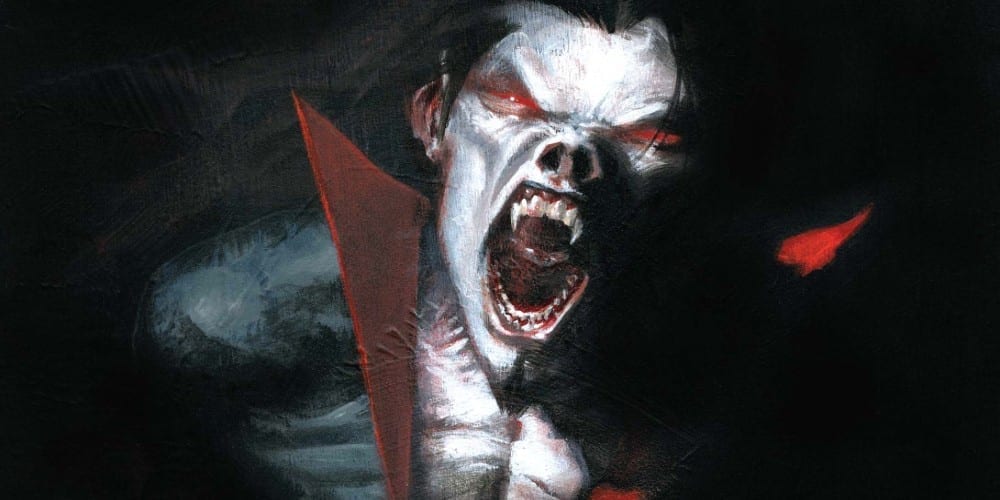
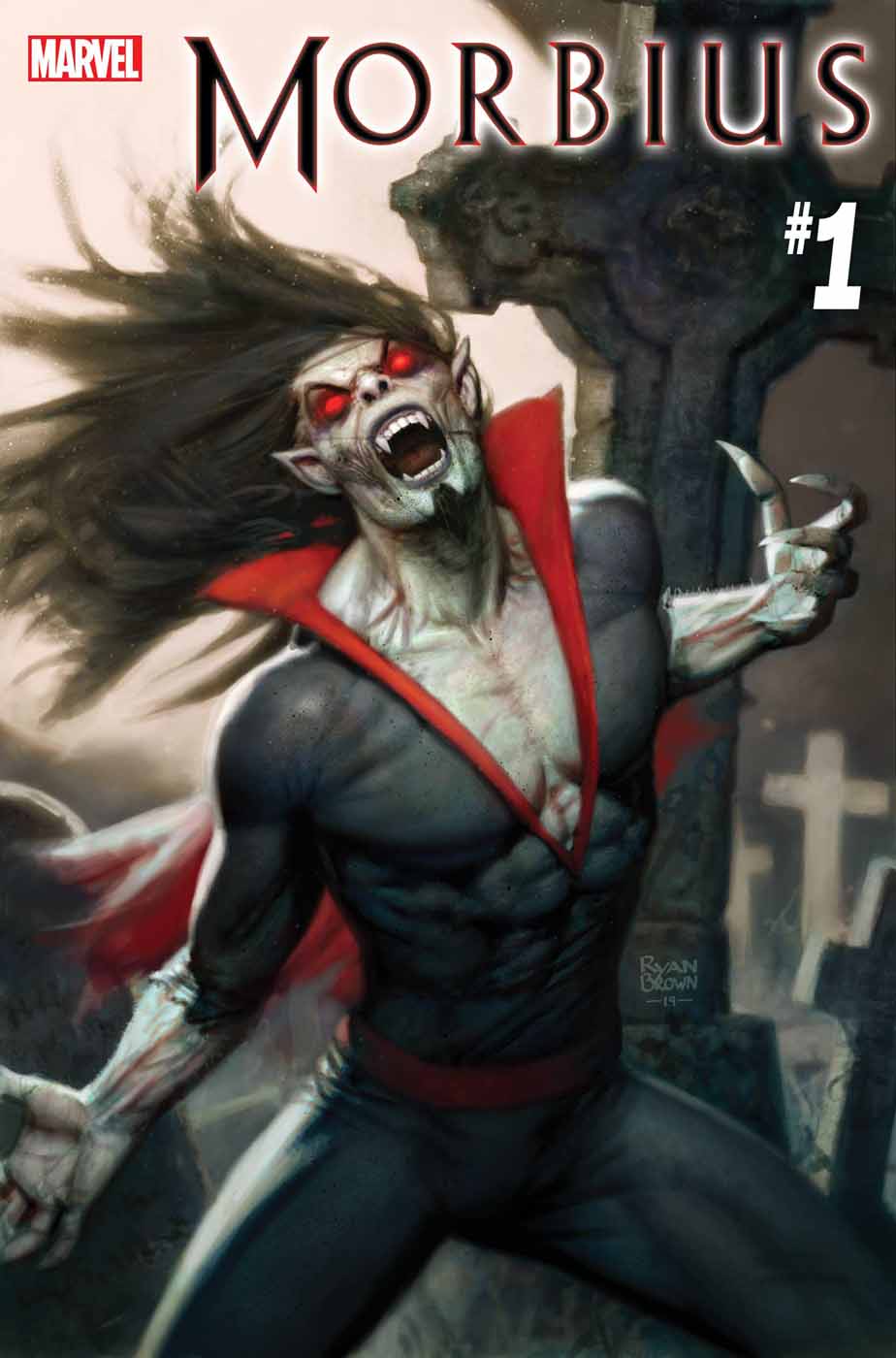
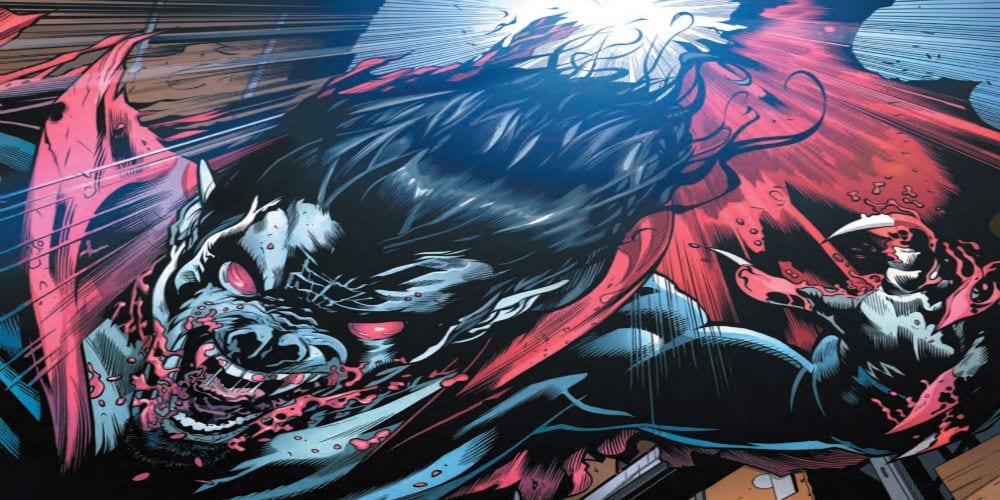
Marvel’s forgotten vampire of the 90s, Morbius has returned thanks to a story by Vita Alaya and art by Marcelo Ferreira, Robert Poggi, and Dono Sanchez-Almara. Does the new book help to put a spell on the reader or does it leave a bad taste in their mouth?
Morbius, the living vampire has been in search of a cure for his condition for years. He may be on the verge of finding it but it seems it will come at a price.
Writing
This issue offers a basic setup and succeeds in its initial goal of reintroducing Morbius to the audience. Considering how long it has been since the living vampire wasn’t simply a guest appearance in an issue or used as a plot device, proper introductions are definitely in order. By having the Melter be a punching bag for Morbius, the mindset and methods of character are showcased in a very clear manner.
The story by Vita Ayala not only helps everyone get up to speed on the character but also introduces a complication. The first arc in this new series will focus on Morbius’ attempt to find a cure but as the first issue is quick to point out, this is not going to be an easy process. The only thing really missing for the book is some support characters. Morbius is in need of a moral compass and someone to help bounce ideas off of for this book to succeed. Hopefully, the second issue will provide this missing element.
Artwork
The artwork helps to cement this issue as one comic fans need to pick up. The pencil work by Marcelo Ferreira helps demonstrate just how terrifying Morbius is when he descends on criminals. The sheer look of terror on their faces is palatable and makes it clear even if you are working for a supervillain, you aren’t always prepared for everything.
Robert Pogai as Inker adds a sense of speed and power to the issue. The scenes of Morbius battling the Melter’s crew is made more intense thanks to proper inking. Fantastic use of speed lines and shadowing properly illustrate how savage Morbius’ abilities are.
With any vampire comic, the appearance of blood is common. Through the skill of Dono Sanchez-Almara as a colorist, this detail makes sure to catch the eye and offers bone-chilling images of Morbius. The many scenes of him with his mouth covered with the blood of his enemies drives home the idea Morbius is not one to fight with kid gloves on.
The storytelling is aided through the use of VC’s Clayton Cowles lettering work. The roars and screeches Morbius unleashes as he brings his own brand of justice is made auditory thanks to proper lettering. It also assists in making the fear and frustration the characters display much more vivid.
Conclusion
Morbius #1 accomplishes what it set out to do. It reintroduces the character by showcasing the suspense and carnage which needs to be included in a book like this. If the series is able to keep this level of intensity moving forward then the resurrection of Morbius will be one for the ages.




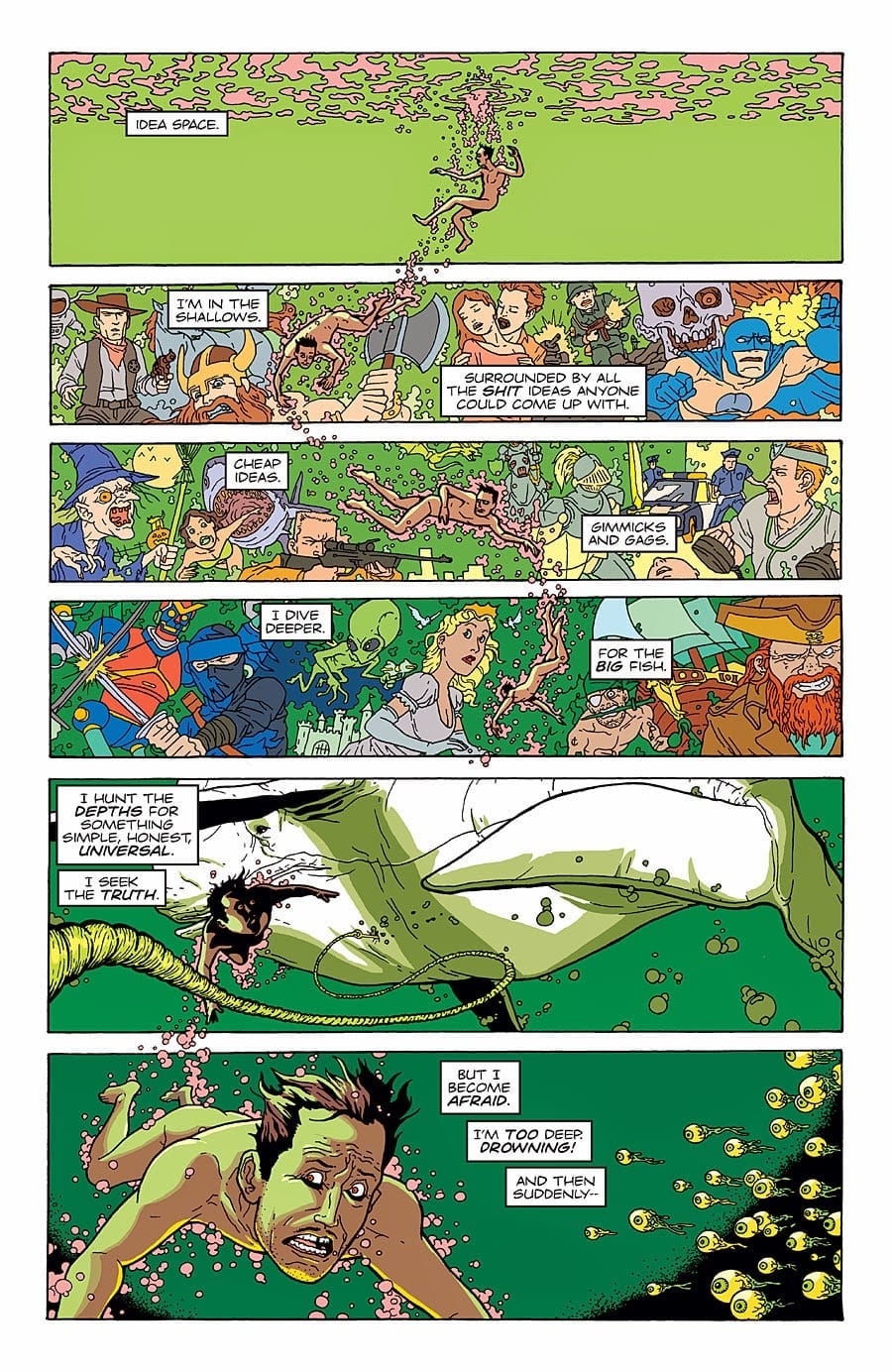
 One of the bigger parts of putting on a show is trying to outdo what’s already been done. President’s Day has Rex often going into psychedelic drug trips to find new inspirations or ideas. During those times, the reader gets a look into his demented psyche. Sister Bambi takes it another step further with sensational events happening every other minute. As the series progresses, it becomes harder to know if anything is actually happening or if Rex is just high.