Home Blog Page 376

Review: FAR SECTOR #2 Brings Drugs, Murder and Alien Love

N.K. Jemisin and Jamal Campbell’s “Far Sector” has improved upon every facet from its first issue by taking more intimate time with its wide cast of characters and delivering considerably more breathtaking artistic scenes. The mystery and world-building at the series’ core is given life through its characters, and it will make the wait for the next issue all the more stressful.

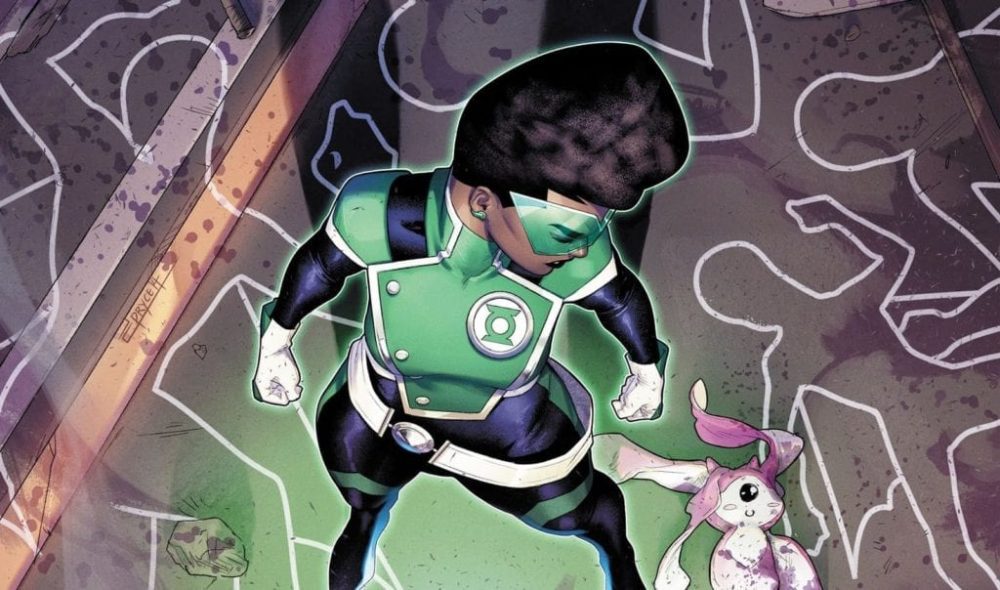
After watching her first murder suspect (and the first murder suspect on The City Enduring in 500 years) get killed in the interrogation room, new Green Lantern Sojourner Mullein has to dig even deeper to find the history and conflicts of this planet’s people. As it turns out, the three civilizations living together in emotionless harmony each have more complex and clandestine pasts than Mullein could have imagined. Now, she’ll have to be wary of drug abusing aliens, possibly being eaten, and apparently even romantic advances if she’s going to solve this planet-scale murder case.

Acclaimed novelist N.K. Jemisin really comes into her own as a comic writer on this second issue of “Far Sector.” While the first issue spent a lot of time dumping exposition via narration to acquaint the reader with this new world, this follow-up exposes the plot’s complexities through meaningful and intimate character interactions. The characters are all so interesting to read here. There are three distinct interactions with different supporting characters that each have their own different tones and they are all so compelling to read. Mullein herself as a character is strengthened through these interactions, as well as made more multi-dimensional through her newly explored flaws. At this rate, she could easily make for one of the best new additions in DC’s roster. The chunks of expository narration are replaced by internal reflection from Mullein, as well as more of the comic-specific style of letting the art do the talking. The pacing from the opening chase sequence to the conversational scenes is fantastic and never feels slow. The dialogue itself is naturalistic and varied among the cast. Overall Jemisin knocks it out of the park on this issue, and it’ll be interesting to see if she can maintain this style in her scripts.

As impressive as Jamal Campbell‘s art was in “Far Sector” #1, it appears that he’s been given considerably more to work with in this second issue. As amazing as his alien city-scapes and sci-fi character renderings are, he really gets to shine through the quieter moments of conversation this issue has. The one thing about his art that was wanting in the previous issue was the characters’ lack of individual expression. This problem is completely removed here. The incredible moments of interaction inter-cut with massive Bladerunner style metropolitan views and quick action make for some of the most wildly impressive art in comics this year. His massive range of digital neon colors breathes a sea of life into the panels, and gives a feast for the eyes on every turn of the page. Absolutely stunning work from one of the best recent artists to enter the industry.

“Far Sector” #2 is as excellent a follow-up issue as any comic could hope to have. It properly improves upon every creative element of the previous issue while also improving on the storytelling itself. N.K. Jemisin’s script fleshes out characters in intimate moments of conversation that also reveal more about the plot itself. Jamal Campbell’s artwork is given even more of a chance to shine with his stellar work on the quieter moments between the characters. Regardless of what your opinions may have been about the first issue, this follow-up showcases the possibilities of this new series. Be sure to pick it up at your local comic shop on 12/11.

Monkeys Fighting Robots Youtube

Review: A Breech Into Another Dimension Erupts In BATTLEPUG #4

Sprinkles staring into breeach

Moll, the Kinmundian’s companion and on-again/off-again love interest, has been having visions of a dimensional break in reality for four issues now. In them she sees flashes of light and an overwhelming presence seek to draw the Kinmundian into its clutches. Unfortunately, these visions have become reality in BATTLEPUG #4 when the Kinmundian attempts to prevent the Queen of the Northland Elves from accessing a realm of magical power far beyond comprehension.

Readers will find the stakes higher than ever when BATTLEPUG #4 hits comic book stores on Wednesday, December 11th.

Story

Knowing nothing of Moll’s visions of destruction, the Kinmundian fights on in the Northland caves in search of the Queen and his recently stolen Sniffles. But the mayhem of battle ultimately gets to the warrior, leaving him at the mercy of a cave of a Yeti-like creature named Juan Diego. Wasting no time, the Kinmundian musters up enough strength to overpower Diego, obtaining vital information about a “magic doorway” in the process.

It is here where readers will undoubtedly see the pieces of the puzzle fall into place. The Queen’s deal with the giant wasn’t for the sole purpose of stripping the Kinmundian of his beloved pet—it was a barter to gain access to the magical realm from whence he came.

Mike Norton’s writing over the past few issues has been leading up to this climatic event, and in this issue the plot is more intense than ever. He shows he’s able to introduce these world-altering events into the story while retaining the same zany tone that made us fall in love with this series.

Artwork

Norton, Allen Passalaqua, and CRANK!’s artwork in BATTLEPUG #4 reflects the increasingly high stakes found within the story. The mix of snow covered landscapes, otherworldly energy pulses from the dimensional breech, and the blood covered ground shows just how much has happened over the course of a few issues. And the lettering is a fitting piece; the onomatopoeia letters seem to break out of dialogue balloons and wrap around the characters, emphasizing their impact.

Comic Covers

Cover A

The book’s main cover features artwork from Norton depicts Sprinkles in front of this breech, bearing witness to his possible involvement with the climatic events to come.

Cover B

Declan Shalvey’s art for Cover B shows the Kinmundian riding Sprinkles as in issues past. This shows us the dynamic duo in their prime, and increases readers’ longing for the two reunion.

Conclusion

BATTLEPUG #4 brings all our favorite characters together in an epic event that’s sure to set the tone for issues to come. Readers are ready to learn more about this new dimension, and the creative team is ready to reveal it.

Do you think the Kinmundian will reunite with Sprinkles? Let us know in the comments below!

Monkeys Fighting Robots Youtube

DOCTOR MIRAGE #5 – A Peaceful End And A Fiery First Step

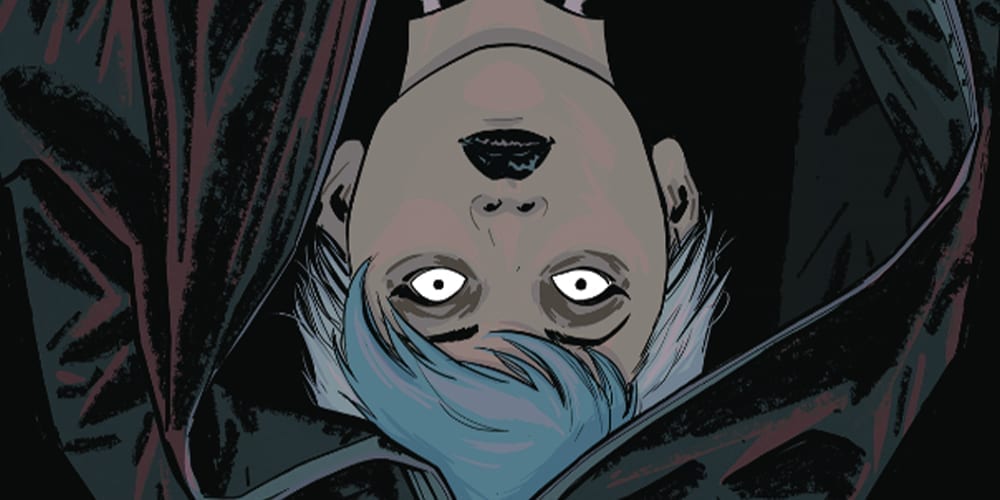
Everything great comes to an end, but as one emotional door closes in DOCTOR MIRAGE #5, another flame-filled entrance makes way for a not so bright future.

Letters by Dave Sharpe. Art by Nick Robles. Colors by Jordie Bellaire

Yes, this is the end for Valiant Entertainment’s 2019 Doctor Mirage, if you haven’t read the previous issues you’ll surely be behind in the plot department. Check out our reviews for the previous issues or run by your local comic shop and pick them up!

The End is Just The Beginning

A large amount of 2019’s Doctor Mirage has leaned on the many emotions of its titular character, Dr. Shan Fong. Above all, this statement rings true in the mini-series’ final installment. These varied emotions come in the revelation of what exactly has transpired recently in the Doctors life, and why it has happened. Without going too far into spoiler territory, the story of Doctor Mirage (2019) is the process of grief over a loved one and moving on. This process is written magnificently by Magdalene “Mags” Visaggio with Doctor Mirage #5 bringing it all to a close.

Through all the trials and tribulations Shan has had one thing in mind since she lost the powers of talking to the dead—find Hwen. This goal has seen her stopping at nothing to be connected once more with her dead husband. Visaggio concludes this plot point in a realistic manner that anyone who has struggled through loss can understand. By the end of the issue, Shan comes to accepting of her dead loved one, and loss of powers. Thus concluding with her moving on and the selling of their house.

Visaggio has brought an understandably human side to Shan in the previous issues. Throughout the series, Visaggio has written a character that all readers will enjoy, while relating with. Aside from an amazing plot, this realistic take on the character helps any reader be able to understand Shan’s motives. All of these great character moments and plots come together in a satisfying conclusion. But, every ending is a new beginning as we soon learn in the final pages.

Letters by Dave Sharpe. Art by Nick Robles. Colors by Jordie Bellaire

Otherworldly Art

In the reviews of the previous issues, I’ve gushed about how great the art team of Nick Robles, Jordie Bellaire, and Dave Sharpe are. The top-notch quality the team has portrayed still stands. You’d be hard-pressed to find any singular page that wouldn’t make your wall look gorgeous. Hell, if you hung up the pages of Doctor Mirage #5 in your living room, your guest will ask where you bought this work of art. Interior home design aside, the team behind the art may be one of the best visual teams out there.

Robles’ panel work continues to change up nearly every page, helping keep a constant pace of speed during the moments that need it, or slowing down for the somber pages. During these emotional pages Roble crafts each characters face with enough emotion to carry the plot sans words. On the opposite spectrum of slow moments are the chaotic fights seen throughout Doctor Mirage #5. In these moments Robles crafts a beautiful fluid action set that’s easy to follow, yet gorgeous in its execution.

Taking Robles’ work to the next level are the vibrant colors that Bellaire showcases in psychedelic manners. The magic showcased in Doctor Mirage #5 pop off the page brilliantly as the colors dance around vividly in your head. These magical moments feel like a multicolored fire come to life, that burns bright and beautiful. That doesn’t mean Bellaire paints everything in a fever dream spectrum, with her balancing these moments with dark shades of colors. Finishing the fantastic art is Sharpe’s use of varying lettering techniques. Be it changing the color style for a character possessed, or the continued use of a film clapperboard, Sharpe continues to help make Doctor Mirage visually stunning.

Letters by Dave Sharpe. Art by Nick Robles. Colors by Jordie Bellaire

The New Beginning For Doctor Mirage

Looking back the number of issues could be on purpose with the five stages of grief/loss. But, the other Doctor Mirage series’ have the same amount of issues. This thesis warrants a look back at the issues to see if they follow each step, especially with issue fives theme of acceptance. Nonetheless, Doctor Mirage #5 is an amazing ending that nails every aspect, while tantalizingly teasing the future of our beloved Dr. Hopefully the next series keeps the same team of creators, as they made one of the best mini-series of 2019.

Cover Story: Honestly, Shan’s face and eyes on the main cover are freaking terrifying!

Cover By Kano

A Look Back With The Reader

What did you think of the final issue of 2019’s Doctor Mirage? Better yet, what have you thought of the series in full? Let us know below!

Monkeys Fighting Robots Youtube

Review: SPIDER-MAN 2099 #1 Revisits Miguel O’Hara’s Origin

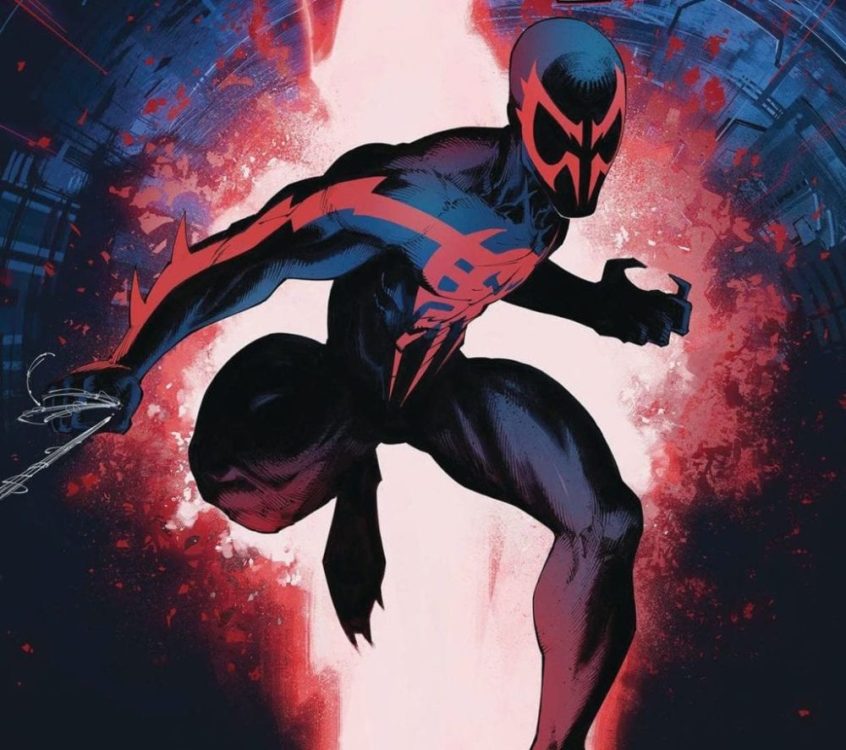
SPIDERMAN-2099 #1 main cover artwork

SPIDER-MAN 2099 #1, available in comic book stores on Wednesday, December 11th, reintroduces us to Miguel O’Hara, a.k.a. Spider-man of the year 2099. Fans last saw him at the beginning of the Marvel 2099 event in which the hero warned Peter Parker of an impending doom in the future. However, the version of Miguel presented to us in this issue appears to have an entirely different story—he’s not Spider-Man, for one, and the only life he knows is within Alchemax.

Story

The issue opens with Miguel waking up from a nightmare within his futuristic apartment. His home’s A.I., Lyla., can tell he’s clearly distraught, but the young man opts to proceed with his day. We then learn that the dream was spurred on his recent venture in a former testing area called the Ravage.

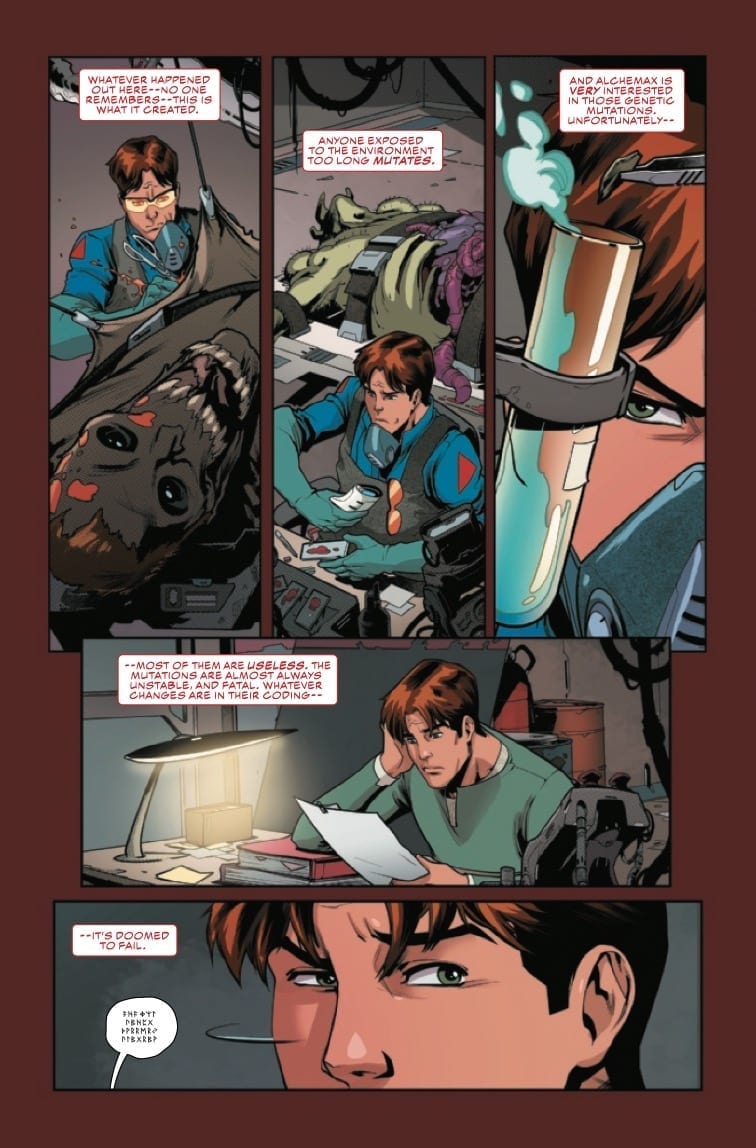
Miguel enters the Ravage

The scene flashes back to the Ravine, where Miguel takes samples from genetic “experiments” he was tasked to examine by the notorious chemical company Alchemax. It’s clear he hates working for them, but we learn it’s a price he’s willing to pay to stay afloat in the corporate-controlled world Earth has become—a particularly fitting metaphor for our own reality.

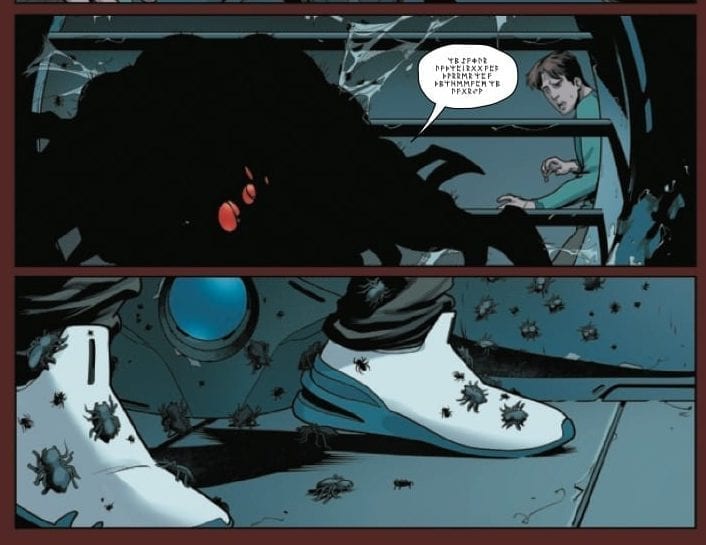
Miguel soon realizes that, though most of the genetically spliced creatures are dead, a few are hidden within the walls. Upon further investigation of the area, a spider-like beast screeches words in an unknown language just as hundreds of spiders fall on Miguel’s feet.

Miguel runs into a genetically modified spider

Could this be the new origin story of Miguel? How does this tie into the version of him in continuity? Writer Nick Spencer, as if responding to these questions, has Miguel experience visions of himself in costume and other events from Marvel Comics history—it’s almost as if the previous version is reaching out to this new character. However, one’s thing’s for certain: the timeline is experiencing fluctuations, and the fate of the future rests on Miguel’s reclaiming of the Spider-Man mantle.

Artwork

Zé Carlos’ penciling and ink work, Brian Reber and Andrew Crossley’s coloring, and VC’s Cory Petit’s lettering were each wonderful additions to this issue’s artwork. The illustrations of Nueva York capture a unique futurism that’s not too farfetched; the buildings look like slightly sleeker versions of those in real life New York. At the same time, the creative team shows a stark contrast between these images and those of the slums and Ravine—the former employs cool colors that are common in digital formats while the latter uses more earthy colors to reflect its lack of technological progression.

In addition to the brilliant illustrations, SPIDER-MAN 2099 #1’s lettering makes it easy for readers to follow Miguel and the other characters’ dialogue amidst the fast-paced scene transitions. The effective use of font and color changes prevent us from losing track of who’s speaking at any given time.

Comic Covers

Main Cover

Viktor Bogdanovic’s main cover artwork depicts Miguel in his classic Spider-Man 2099 garb, centering the focus of this issue on the character.

Variant Covers

Travel Foreman’s and Ron Lim’s variant covers both feature the titular hero swinging through Nueva York. Foreman’s version depicts the supposed futuristic city falling apart, revealing the corruption lying underneath the surface. Lim’s version similarly features the hero roaming between the buildings to show his fierce determination.

Conclusion

This issue is the perfect set up story for the Marvel 2099 event. Telling a new story of a beloved character while keeping it in continuity with comic canon appears is a daunting task, but SPIDER-MAN 2099 #1 seems like it’s perfectly suited for the task.

Do you think this is an official retelling of Miguel’s story? Let us know in the comments below!

Monkeys Fighting Robots Youtube

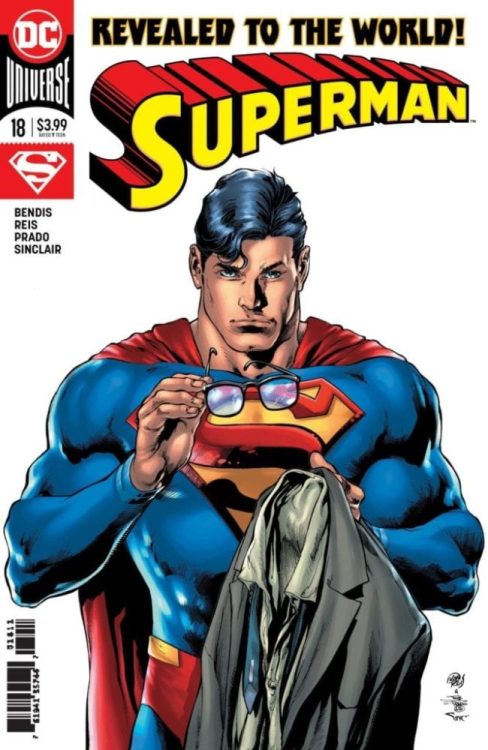
SUPERMAN #18 Gracefully Makes Some HUGE Changes

Written by Brian Michael Bendis, with pencils by Ivan Reis, inks by Joe Prado, colors by Alex Sinclair and letters by David SharpeSuperman #18 may be the start of a whole new era for the Man of Steel’s mythos. There are big spoilers if you haven’t read it yet.

Writing

Bendis is writing a story here that firmly fits into his element. Throughout, Superman is touching base with all of his friends before making the step of revealing his secret identity. The quips and conversations remind us what we love about Superman so much. The Man of Steel has a gooey center, and the air of familiarity Bendis creates with his dialogue helps us enter into the friendships Clark has created with all of the people in his life.

Pencils/Inks

Ivan Reis and Joe Prado’s work is simply stunning. In one particular moment Bendis gives them two pages to themselves, where Reis and Prado’s work shines in the silent interlude. As Clark goes to show Perry White that he is really Superman, Reis and Prado decide that less is more. They draw the scene as almost entirely blacked out in shadow. We don’t see Clark’s expression, just his glasses and the shield he reveals beneath his suit. We don’t see Perry’s face, just his arms wrapping around Clark in a hug. It’s a beautiful moment where Reis and Prado know the intimacy of the scene hits deeper when we take part in filling in all the gaps.

Coloring

Sinclair’s use of color gives the entire issue a feeling of safety and comfort. The issue opens with a bright alien landscape, but when Superman returns to earth Sinclair dials it down and switches out for a softer, darker pallet. It has the kind of effect of drawing the blinds and cozying up with a good book. Everything feels gentler and it enhances the intimacy in Superman’s conversation. It makes it look like the characters are in close quarters, in an enclosed space. Their effect on one another is as calming as Sinclair’s color choices are on our own eyes.

Lettering

Sharpe creates a rhythm to the comic that’s somehow both fast-paced and relaxed. Sharpe resists parcelling out the text into different bubbles in favor of delivering much of the dialogue in large chunks. It slows the reading process down, making it feel as though time and thought is being put into these conversations. Even when Sharpe does divide up the dialogue, he seems to often do it to slow down the moment and take a beat. As Superman says “That’s a big part of what inspired me today…” Sharpe then switches to a separate tier to simply write “You.” The end of the sentence lands with more impact as Sharpe creates a kind of pause leading up to it.

Superman #18 may change the character forever. Unless DC is planning on rewriting its history soon, the whole DC Universe now knows Clark Kent’s secret. The creative team add no fanfare or fireworks for the big reveal, and the result is beautifully restrained. Will this bring Superman back to his human roots, or will it make Clark seem more like a god? If this issue, with its slow pace and intimate art is any kind of sign, Superman just got a whole lot more down to earth. Pick it up Dec 11th at your local comic book store. It is well worth the read.

Monkeys Fighting Robots Youtube

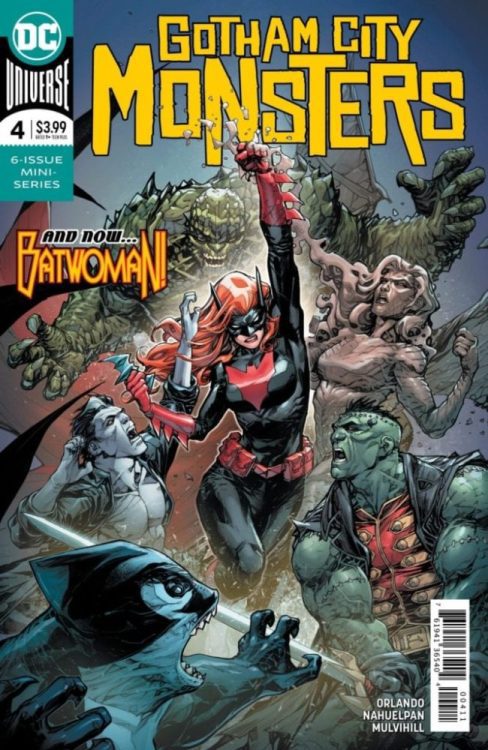
GOTHAM CITY MONSTERS #4 May Be a Secret Big Deal

Gotham City Monsters #4 is written by Steve Orlando, with art by Amancay Nahuelpan, colors by Trish Mulvihill and letters by Tom Napolitano. With few big name characters in this series, Gotham City Monsters doesn’t seem to be getting a lot of attention. But the story is consistently making big choices that might make waves in the DC Universe.

Writing

Orlando’s writing for the series strikes an interesting balance. Everything matters in the long run, yet the quips seem ill-timed. Plot-wise, Orlando is fantastic. He pulls from Grant Morrison‘s Seven Soldiers of Victory, honoring Morrison’s work while pushing the characters in new directions. Tonally, it feels as though Orlando is impatient for his characters to have a rapport that feels unearned. Frankenstein and I… Vampire have inside jokes, but it feels like the reader isn’t in on them. It may be a few issues before this series hits its tonal stride.

Pencils/Inks

Nahuelpan’s art is gorgeous and completely unrestrained. He pulls out all the stops on every page, filling each panel with explosive backgrounds and expressions. Even the most frightening moments are rendered so brilliantly, it’s hard not to revel in the splashes of blood. As Melmoth and his mandrills track a pair of orderlies down a dark hallway, the scene is so beautifully set you find yourself hoping to see it play out. Nahuelpan’s pencils and inks don’t disappoint in giving even the most vulgar moments a sense of gracefulness.

Coloring

Mulvihill’s colors are similarly breathtaking. Mulvihill’s use of lighting throughout the issue helps accentuate the darkness. Melmoth walks through a sewer, and the light from a car on the street above streams through an open manhole. When the mandrills’ hands begin to burn like red embers, the glow on their faces juxtaposes with their black surroundings. Mulvihill really achieves a somber mood through his interplay of light and dark.

Lettering

Napolitano’s lettering is both readable and incredibly unobtrusive. This is also one of those fun comics where the letterer gets to have fun lettering differently for each character. Killer Croc, Frankenstein, and Lady Clayface all get his or her individual fonts. Napolitano gives each a style that seems to fit perfectly for the character. Napolitano has Lady Clayface written in a light brown, making her seem soft-spoken. Frankenstein is both gruff and proper at once, while Killer Croc’s lettering is just gruff.

Gotham City Monsters #4 sets itself up for a great conclusion. Orlando, Nahuelpan, Mulvihill and Napolitano do not pull their punches, and events look to be shaking things up DC Universe-wide. While the tone feels like it has yet to find its footing, it makes up for that with the simple idea that storylines should have consequences. Pick it up at your local comic book shop December 11th.

Monkeys Fighting Robots Youtube

How Far She’s Fallen In LUCY CLAIRE: REDEMPTION #1

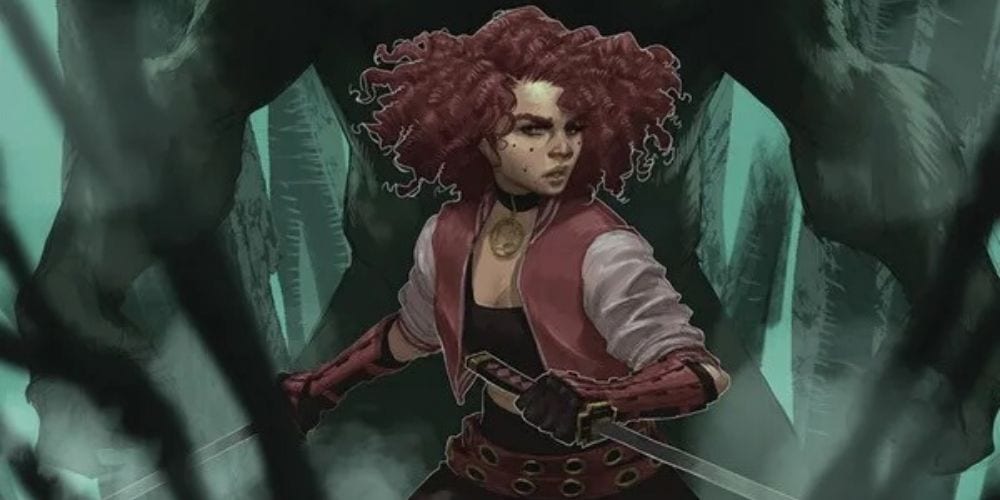
LUCY CLAIRE: REDEMPTION #1 is the first in an all-new series from Image Comics, coming out this Wednesday. Lucy Claire: famous wolf hunter. Only, not. She’s disgraced and retired. And as it turns out, she’s desperately needed once again.

Lucy Claire: famous werewolf hunter. A legend to most. And still very dangerous.

***SPOILER WARNING***

Are you a fan of werewolves and violence? What about sass, snark, and satire? Then the odds are fairly good that you’re going to enjoy Image Comics’ latest series, Lucy Claire: Redemption. Written and illustrated by John Upchurch, this is a series that’s already getting a serious amount of ink.

And with good reason. Lucy Claire: Redemption #1 is an intense and graphic introduction into a world where werewolf hunters become things of legend. Assuming they do it well that is, rather than merely becoming another snack for a hungry wolf.

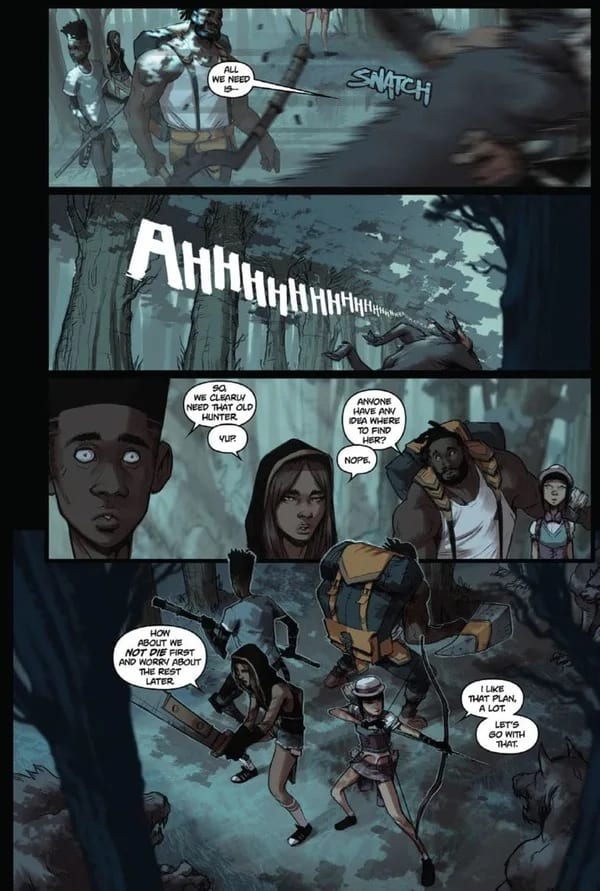
A bunch of rookie hunters…because that will go so well.

The Plot

Lucy Claire: Redemption #1 wastes no time in throwing readers into the thick of things. This issue features several perspectives and points in time, all of which give us an idea of the bigger picture. And that larger picture is a grim one.

Once upon a time, Lucy Claire was the best wolf hunter in town. Then all the wolves went away, or so the people thought. That was all good and fine since Lucy herself seemed to disappear into legend. Like all legends, that means nobody could agree on what actually happened to her.

Enter the beautiful (and slightly concerning) imagery that is Lucy’s past.

Writing

As it turns out, Lucy isn’t so far gone as people might have thought. And once again, that’s a good thing. Because the wolves aren’t gone either. And they’re hungry for violence. Or for people. Take your pick.

And that is the world that John Upchurch has thrown at us. It’s dark and morbid, full of dangerous characters. Lucy herself is clearly not in a great mental state, a fact that Upchurch has only begun to explain to us.

Lucy’s character is put in harsh juxtaposition to the wanna-be hunters shown. They’re young and oh so full of hope. Oh, and they’re desperate to save lives. And then there’s Lucy, she’s tired and jaded, and she’s content with smashing a wolf if she sees one.

This plot is already proving to be delightfully compelling, thanks to the characters and hints liberally strewn around about their backstories. And by all appearances, the plot is only going to get thicker from here.

It’s impressive how much Upchurch was able to fit inside a single issue. There are several scene shifts, and each new scene provides a better understanding. But that also requires more planning and thought – which apparently Upchurch has an abundance of. No wonder people are talking about this series so much.

Nothing like waking up hungover in a prison cell.

The Artwork

And then there’s the artwork itself. Lucy Claire: Redemption #1 is as effervescent and beautifully drawn as it is dark and foreboding. If you want an idea of what is in store for you, take a look at the cover. It’s a true representation of what you’ll find in these pages.

Impressively, the color palette changes along with each scene and perspective. This was the right call for a variety of reasons. One important factor is that it helped make each transition very clear. The other is that it got to show off Upchurch’s sense of color. And trust us, that is something to be aware of because he’s got talent.

There’s a lot to love from this issue. Lucy’s flashback is perhaps the most beautiful set of panels to behold, thanks in part to the lovely and warm colors used. Though the setting itself is stunning – even if the images themselves leave fans concerned about the past.

Or perhaps we should talk about the fight scenes, which were quick and brutal. Given that these are werewolves we’re talking about, that’s probably the only way a fight could go down. And thus the fight is both satisfying and oddly realistic.

Once again, it was Upchurch who provided all of the artwork for this issue. Everything from the lines to the colors. And the cohesion alone is noteworthy. The style is spectacular, leaning towards the dynamic sort of lighting that works so well in horror stories.


Lucy Claire: Redemption #1 was a breathtaking start to a new series. Some fans might be asking themselves if all the talk about this series is simply that: talk. But let us put that fear to rest. Lucy Claire: Redemption has already proven to be an outstanding and memorable series. And it’s only one issue in. This is not a series to miss out on. That goes doubly so if you’re a fan of rich character development and brutal fights.

Monkeys Fighting Robots Youtube

Temptations and Trickeries in STEEPLE #4

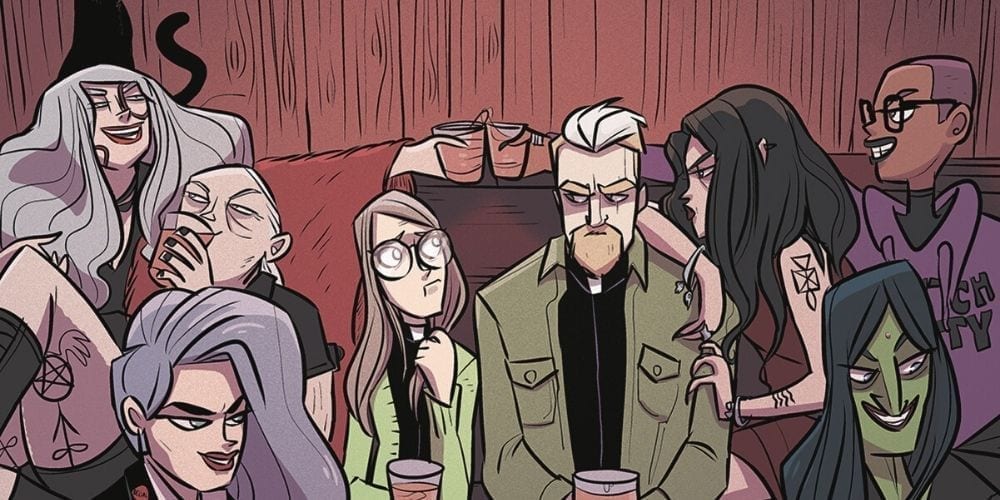
STEEPLE #4, out this Wednesday from Dark Horse Comics, is full of witches, spells, familiars, temptations, and trickery. It’s an issue that is sure to be a laugh, all while the characters find themselves questioning their long-held biases and beliefs.

Things are looking a bit awkward on the cover of Steeple #4.

***SPOILER WARNING***

The second to last issue of Steeple is here, and it’s full of fun little twists and turns. Oh! And did we mention all of the witches? Tredregyn is about to host Witchfest – which is exactly what it sounds like. It seems this town is not as quiet as they want you to think.

Steeple #4 is an issue in which the characters are constantly finding themselves confronted with their choices and biases. In a world full of moral gray areas, that shouldn’t be terribly shocking. After all, hardly anything is as black or white as we’d like to think it is.

Monsters and cosplayers and witches, oh my!

The Plot

Steeple #4 was an interesting issue, all things considered. Though it’s hard to imagine how they’re going to wrap up the series from here. With Witchfest hot on the horizon, Billie has found herself wrapped up in the whole ordeal. That sort of thing tends to happen if you sign up for every volunteer opportunity without reading the fine print.

John Allison has managed to introduce us to a world where nothing is quite as it seems. The monsters coming out of the ocean weren’t monstrous – they only looked that way. And perhaps the members of the church of Satan aren’t all that bad either. At least one of them was at risk of getting picked up by the rapture.

The fourth issue in this series has a lot of reveals and changes to make. Some of these reveals are quite surprising, while others actually fit in perfectly with the characters we’ve been introduced to thus far. It’s yet another example of how people can have many layers.

What is fascinating about this issue is the number of questions it raises. While the characters are forced to confront their own assumptions and temptations, we’re also left asking about our own lines drawn in the sand. It’s a fascinating approach to storytelling, but one that is delightfully thought-provoking.

The Artwork

Steeple #4 was written by John Allison, obviously. But it was also drawn by him. And he has such a unique art style as well. His characters are full of life and personality. Some of them are awkward and gawky, while others have this air of confidence around them. Its impressive seeing how much of all of that becomes infused into the artwork.

There are perhaps a few highlights of this issue. The panels full of storytelling were particularly hilarious to read, especially as they showcased exaggerated telling of the Reverend’s adventures. The magical portrayal (remember: Witchfest) were also fascinatingly done, leaving readers hoping to see just a bit more of that.

Sarah Stern was the colorist for this issue. And her infusion of color was exactly what this series needed. She wasn’t afraid to stay with muted colors when needed. But given the excuse to go bold or bright, she didn’t hesitate. That’s perhaps why the magical scenes ended up looking so good.

And finally, Jim Campbell was the letterer for this issue. And there’s a lot to be impressed with here. Though the posters and billboards are sorts of taking center stage this time around. They’re hilarious.


Steeple #4 was another charming addition to this series. Each and every character is developing in their own way – but none of them are following a predictable path. The end result has been something fascinating and unique. And it will be a shame when it all ends.

Monkeys Fighting Robots Youtube

It All Comes to An End in STRAYED #5

STRAYED #5, out Wednesday, December 18th from Dark Horse Comics, is a dramatic conclusion to the series. Lou and Klara’s journey has come to an end, and it’s a bittersweet moment all around.

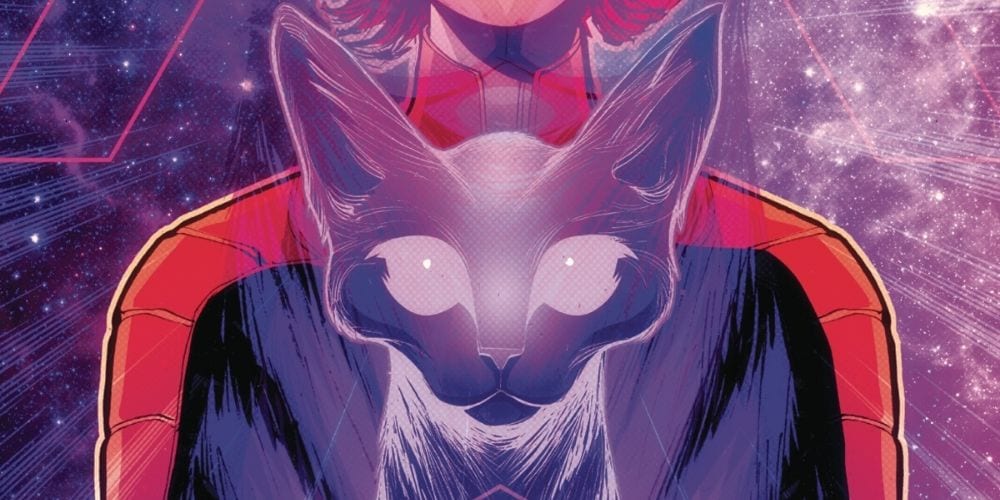
Lou and his owner are looking brilliant on this final cover of Strayed.

***SPOILER WARNING***

Strayed #5 concludes the series involving an astral projecting cat. And readers can only ever hope to have a cat as loyal and loving as Lou. Okay, and as powerful. Though power does come at great cost, as this series has been intent to prove to us.

Strayed was an interesting series, all things considered. It’s the story of a cast who would astral project; his loving owner, who invented a way to communicate with him; and a greedy government, who found a way to use and manipulate them both.

It isn’t every day that a comic series comes out that is absolutely perfect for cat lovers. And yet that is exactly what this series had to offer. Carlos Griffoni (author), Juan Doe (artist), and Matt Krotzer (letterer) found a way to crack open our hearts, leaving us unsure how to feel about the series concluding.

A battle of monsters on this variant cover of Strayed #5.

The Story

Strayed #5 was an issue without any conversations. Instead, it was comprised entirely of Lou’s thoughts – a running monologue of what was happening on the panels. And a voice working their way through what had to come next.

In that sense, this issue had an interesting twist on the writing style. It didn’t read like a normal issue. And in some ways that actually added to the emotional intensity of what was happening. But in other ways it allowed the readers to take a step back.

This issue was largely ephemeral, in a sense. Lou’s grasp on the physical world was always tenuous at best, and now he’s losing even that bit of grounding. Despite this challenge, Lou’s determination to get the job done as a powerful thing to behold.

One thing is for certain, Griffoni set up a conclusion that is sure to leave readers misty-eyed. All endings are bittersweet. But some tug at us more than others. And Lou was a good boy, even if his journey was only a few issues long.

Artwork

One of the most striking things about Strayed #5 is the artwork. It also boasts one of the best covers of the series – which is saying something. This series has always had such a way of showing the strange and alien through vibrant colors and artwork. And this issue was no exception.

The scenes portrayed in this issue were…unique is perhaps the best way to put it. Lou took some strong measures to complete his goal; the sort of actions that could only be done by an astral projecting cat. They were dynamically drawn and colored, lending life to the plot.

As mentioned above, Juan Doe was the artist for this whole series. And thank goodness he stayed on until the end. Strayed just would not have been the same without him. His grasp of organic life and power is unparalleled in many ways. And we hope to see him pop up in another series in the near future.

Matt Krotzer was the letterer for this issue, and that means he was responsible for making the (internal) monologue fit the pages. That is a task easier said than done, as those words are what gave weight to the imagery.


Strayed #5 was a bittersweet ending, through and through. It is one of those issues that will make you think. And perhaps it is not the ending fans imagined. But it is the ending that they’ve been building towards this whole time.

Monkeys Fighting Robots Youtube

Marvel’s THOR: METAL GODS Starts This Week On Serial Box

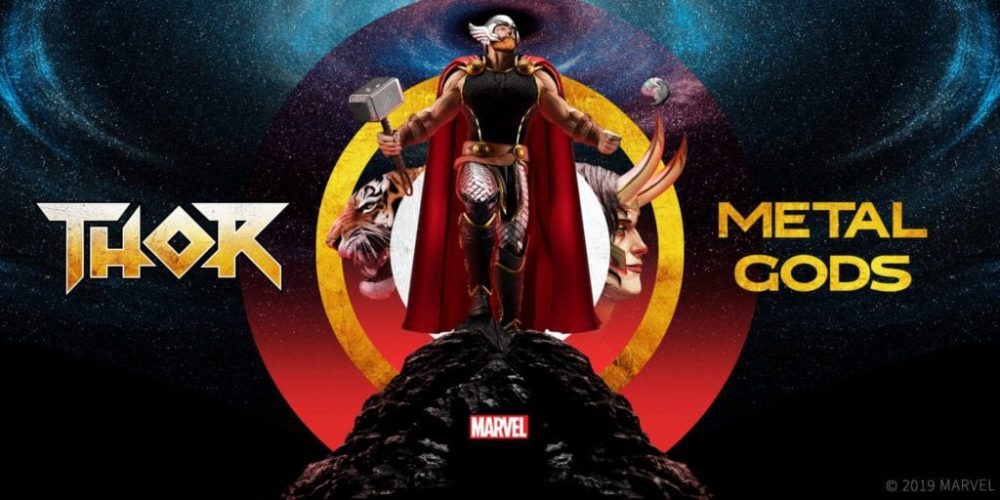
THOR: METAL GODS Starts This Week On Serial Box

How we consume content continues to evolve as Marvel Comics has partnered with Serial Box, as the serialized audiobook Thor: Metal Gods hits the digital airwaves on December 12 from the talented writing staff of screenwriter Aaron Stewart-Ahn (Mandy), Brian Keene (The Horror Show with Brian Keene), Jay Edidin (Jay & Miles X-Plain the X-Men), and Yoon Ha Lee (Ninefox Gambit).

The preview of the series is epic, and you need to listen to it to truly understand the scale of the project (take a listen below). Daniel Gillies’ narration will give you chills (sidenote – Gillies was John Jameson in Sam Rami’s Spider-Man 2).

About the series:
Propelling the saga forward are a fierce Korean demi-goddess, Horangi, and Captain Zia, a charismatic, gender-ambiguous space pirate who shares history with Loki.

Thor and Loki embark on a cosmic odyssey to stop the return of an ancient evil.
A space adventure on an epic scale, Metal Gods propels Thor and Loki on a quest to recover a dangerous alien artifact. Together with a Korean tiger-goddess, a charismatic, gender-fluid space pirate, and Frost Giant mercenaries, the sons of Odin must each confront their pasts and face the truth behind the destruction of a planet that Thor once tried to help. Tinged with humor, celestial horror, complex relationships, space battles, barroom brawls, and blasts of sheer fun.

“The story of Thor is staggeringly epic—from Asgardian myth to intergalactic quests, to the (sometimes surprising, often hilarious) depth of his relationships—he’s got it all,” says Hayley Wagreich, Head of Content at Serial Box. “But what makes this story truly exciting to us as we kick off our collaboration with Marvel is how grounded his story is in real issues of identity, humanity, and what it means to be a hero. We can’t wait to bring Metal Gods to Thor fans across the globe.”

Thor: Metal Gods is the first Marvel e-book series to launch on Serial Box, with more to follow in 2020.

Monkeys Fighting Robots Youtube