Home Blog Page 350

Sacrifice and Loss in STRANGER THINGS: INTO THE FIRE #2

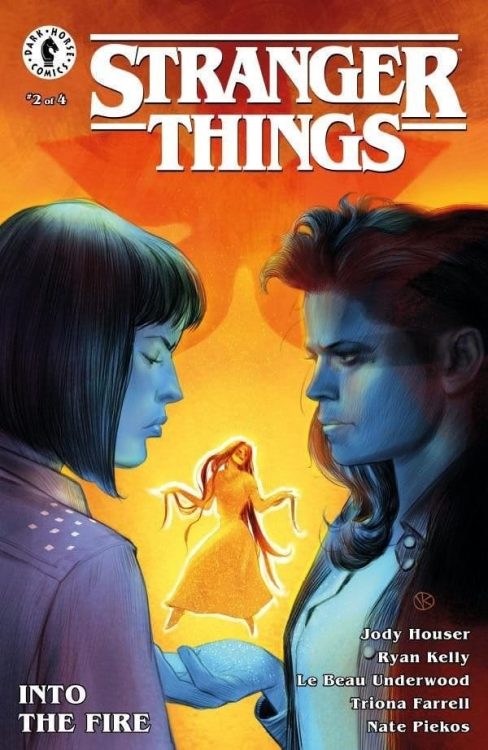
STRANGER THINGS: INTO THE FIRE #2, out this Wednesday from Dark Horse Comics, provides a gritty view into the lives of the other surviving test subjects. Fans of Stranger Things have been asking what happened to the rest – and this series has the answer.

***SPOILER WARNING***

A retro alternate cover is available for Stranger Things: Into the Fire #2.

Did you know that Stranger Things: Into the Fire isn’t the first comic series focused on the Netflix series? There have actually been a few series at this point, set both before and during the events of the show.

Stranger Things: Into the Fire #2 continues the tale of Dr. Brenner’s wayward subjects. While a shocking number of patients managed to escape (seriously, the count is up to four – and that’s just what we’re aware of) it seems that not every subject has been so lucky.

That is merely the beginning of this story. Set sometime after the events in season two, this series gives a glimpse into how Eight has been doing, as well as leaving a clear idea that the events Dr. Brenner set into motion did not all end with his death.

The Plot

Jody Houser was the mind behind Stranger Things: Into the Fire #2, and you’ll probably recognize that name. She’s been behind several of the Stranger Things projects, and that’s actually a great thing. She’s keeping the stories between series cohesive and unified. That’s not something every spinoff series can brag about, so embrace it.

There are a lot of clever storytelling techniques woven into this issue, starting with the creative use of flashbacks to create a narrative. This allows for multiple viewpoints to merge, telling a fuller story. That story is shockingly dark, but then again, this is Stranger Things we’re talking about. So experimenting on human beings (and worse) has sort of become the norm.

There’s this almost beautifully tragic feeling to the entire issue, as the truth is revealed. What had been a celebration has turned into devastation, as characters learn the price of their freedom – and who they left behind. It’s somber, and it’s jarring, but it’s also thematically appropriate for the franchise.

The end of this issue marks the halfway point for the series. That means we only have two issues left to wrap up the plot, which presumably will involve a rescue mission (or the attempt at one), and all of the chaos that will bring with it. That likely means that the next few issues are going to be packed of action, taking full advantage of all the setting up presented here.

A disturbing comparison is made on this final alternate cover of Stranger Things: Into the Fire #2.

The Art

The artistic team behind Stranger Things: Into the Fire #2 really went all out. As mentioned above, there were a variety of flashbacks presented in this issue. Each and every one of them felt unique, with color palettes and details altering based on who was telling the story. It’s a small but effective piece that made this issue work so well.

Ryan Kelly (pencils), Le Beau Underwood (inks), Triona Farrell (colors), and Nate Piekos of Blambot (letters) all worked together to a brilliant effect here. The scenes are dynamic and powerful, showing off all of the drama and intensity that we’ve come to expect.

Adapting a series to comic book form can sometimes be a challenge – especially when you have to pull in recognizable characters. But this issue did a great job portraying Eight and everything that made her so distinctive — all while showing off their own distinctive flair.

In Conclusion

Stranger Things: Into the Fire #2 was a carefully planned issue. One that hinted at the past, while fanning the flames formed by concern and anxiety. Our characters are headed down a dark path, but it’s also the only right path left for them. This is a feeling fans are familiar with, but we’re still looking forward to seeing how it all plays out.
Monkeys Fighting Robots Youtube

NEBULA #1 Begins Her Quest for Change (Or Victory)

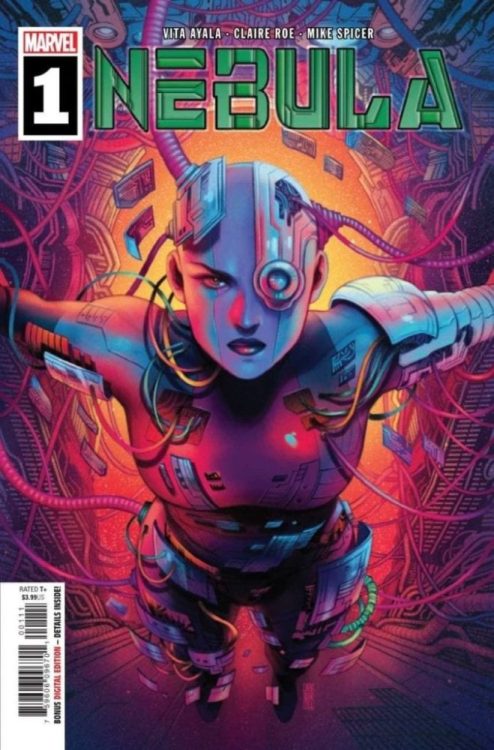
Nebula #1, out this Wednesday from Marvel Comics, is the start of an all-new miniseries focused on the conflicted rogue we love so much. Or love to hate, depending on how you look at it. Nebula is not a character out to make friends or allies, but that just makes her solo story all the more intriguing for fans.

***SPOILER WARNING***

This issue marks the start of a five-issue miniseries following the one and only Nebula. She’s a conflicted and tortured character, and one that has more than earned a chance to tell her story. But given the opportunity, what sort of story will she be inclined to tell?

Nebula, like Gamora, is the adopted daughter of Thanos. Unlike Gamora, she didn’t receive special treatment (for being the favored daughter and all that). That has, understandably, resulted in some bitter feelings on Nebula’s part. Bitter feelings that she’s been drowning in for years.

Perhaps that is the reason she starts off this series with such a drastic measure. For it’s clear that Nebula is desperate to bring change into her life, regardless of any and all risks that may come with it. But then again, this is Nebula we’re talking about…

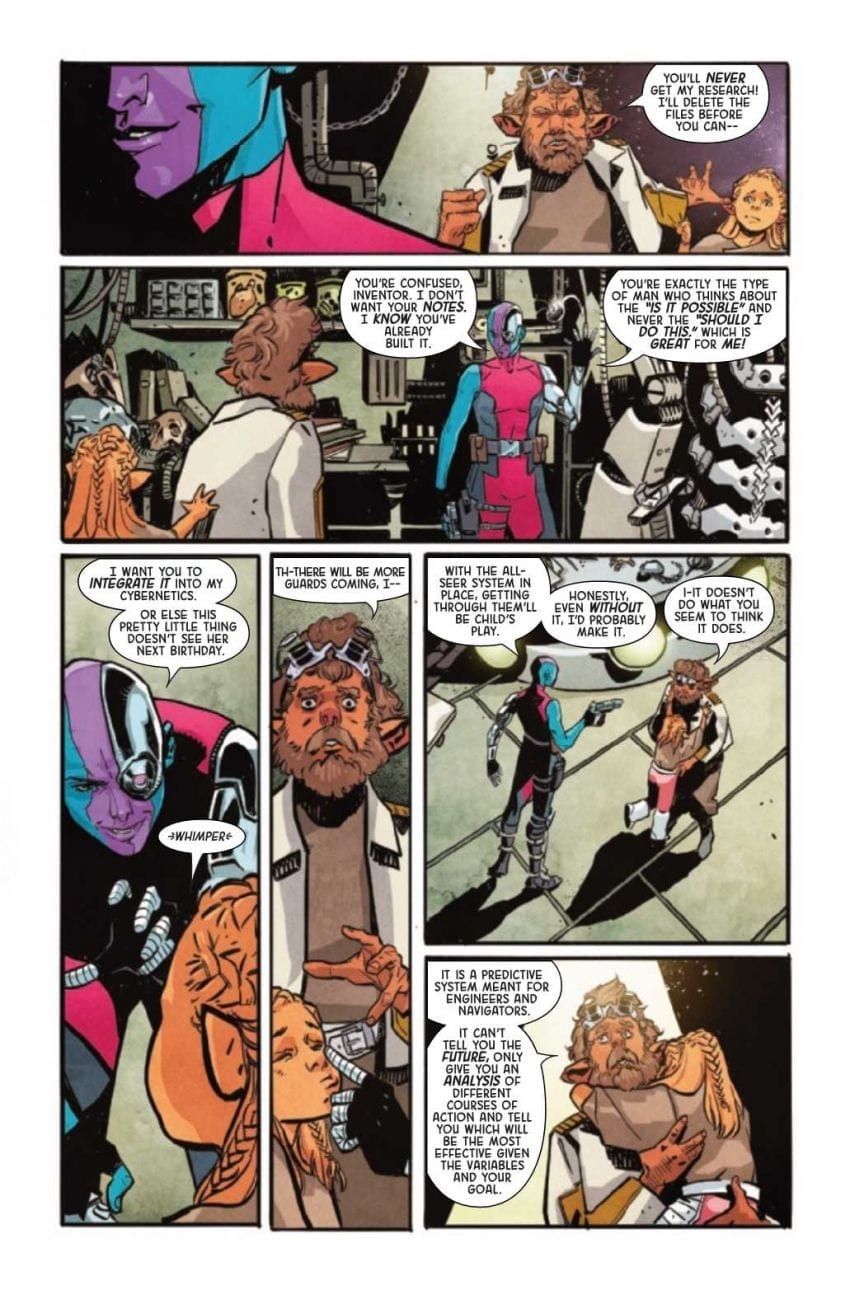
And so Nebula’s quest begins…by scaring a little girl?

The Plot

Nebula #1 is everything it promised the fans it would be. It’s dramatic and full of all that fantastic Nebula angst fans have come to love. Mind you; this is the Nebula we’ve come to know from the comics. Not the MCU version of Nebula, where she’s found a semblance of peace for herself.

Vita Ayala brings us Nebula in her pure and raw form. A Nebula who is still fuming about everything that has been done to her, and as such, is actively seeking to get an edge. Something, anything to let her escape the shadow of Thanos (and Gamora).

If that sounds like a lot of raw emotion, that’s because it is. Ayala bottled all of that up and tucked it neatly beside the core of this plot. Mainly, that plot involves Nebula getting in over her head, all in the name of doing some great (and dangerous).

In that sense, this series is already proving to be exactly what we expected. But there are actually quite a few surprises to go alongside that, such as the way this issue concludes. It’s unlikely that any fan will see that little revelation coming. Nor can we predict how it’s going to go from here. But we have four more issues to find out.

Nebula is ready for a fight, and perfectly content to grab a child by the head.

The Art

The Cover for Nebula #1 is one of the most vibrant and dynamic covers coming out this month. So for that reason alone, this issue deserves a little bit of attention. The artwork inside is also quite noteworthy, as well as being unafraid to have a little fun.

The artistic team really ran with the concepts provided for this issue. The scenes laid out are either striking or fascinating, depending on what is being depicted. The trick that Nebula sought out was especially well portrayed, with clever alterations to any expectation set.

Claire Roe was the lead artist, with Mike Spicer providing the coloring, and VC’s Travis Lanham doing the lettering. Together they brought us a dramatic issue, one full of fighting, anger (again, this is Nebula we’re talking about), and science fiction insanity.

Well, at least now the reason for grabbing that kid makes sense…

In Conclusion

Nebula #1 is a chaotic and highly entertaining introduction to her latest miniseries. It’s got everything fans could have expected and hoped for – as well as a few surprises to keep us going. The artwork made the entire plot all the more interesting, especially thanks to Nebula’s ability to get herself into the strangest battles.

Monkeys Fighting Robots Youtube

Review: SUPERGIRL #39 Fighting The Fight, For Better Or Worse

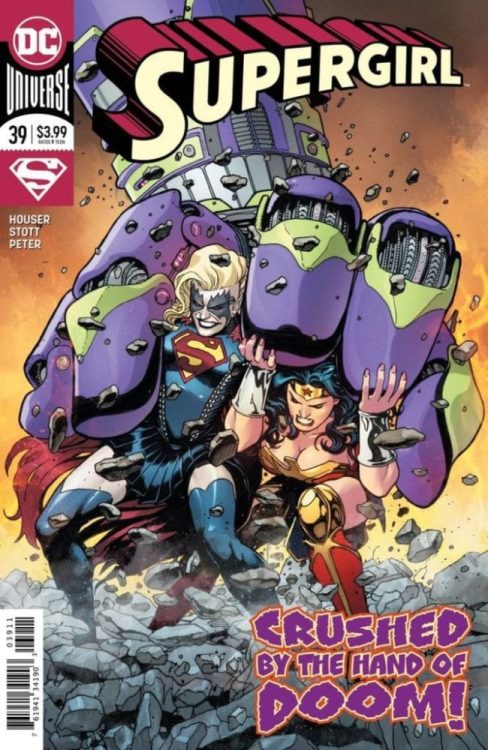
Supergirl #39 cover
Supergirl #39 Credit: DC Comics

The Last Daughter of Krypton fights the Amazonian Princess in an epic battle on the pages of DC Comic’s Supergirl, out this week. Continuing the sage of the Infected Supergirl as she tries to adjust to her new life, Jody Houser and Rachael Stott pull no punches.

It’s a superhero punch-up on a grand scale, but just how long will the U.S. Military sit back and watch? Spoiler: Not very long at all.

Supergirl #39
Supergirl #39 Credit: DC Comics

Super Dialogue

This issue opens with Supergirl’s speech from last issue being played to a U.S. Military War Room. The General in charge explains the situation to those gathered, with mentions of the Leviathan Event currently happening elsewhere and of Superman’s recent Identity reveal. Here Houser is able to turn a ‘previously in’ introduction into an element of the story. With this opening scene she brings the readers up to date on everything that has happened, in Supergirl and elsewhere, while also introducing a new element to the narrative.

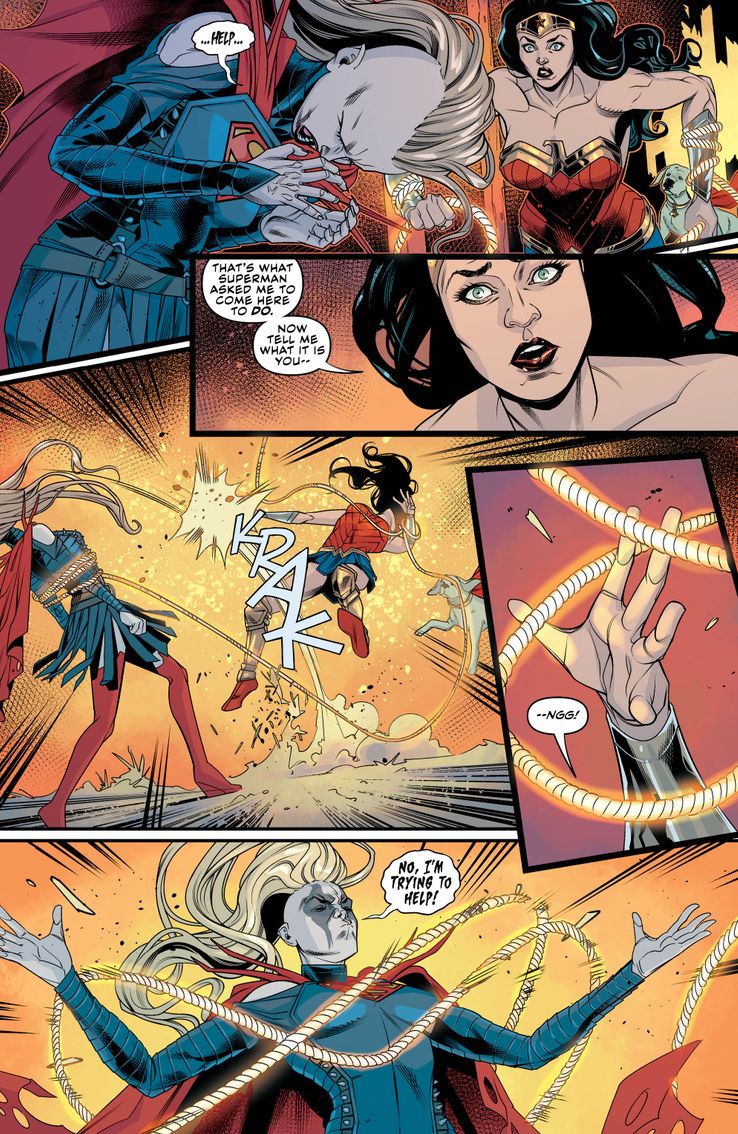
It takes a while for this new element to appear in the comic because there is the whole issue of Supergirl Vs. Wonder Woman. The conversation between Kara and Diana reflects the current personalities of both women. Diana’s pleading for restraint and Kara’s anger and resentment comes through the speech patterns of Houser’s dialogue. This back and forth keeps the pace of the comic moving, assisted by the visual fight scenes.

The reader gets to understand a lot about what is currently making Kara tick at this point. Long time readers will be able to see the struggle happening within Supergirl and the contrast to how she has been represented in previous stories. There is an emotional battle going on within the hero, and Houser illustrates this perfectly within the narrative.

Supergirl #39
Supergirl #39 Credit: DC Comics

Action Illustrated

With any fight scene in a superhero comic you would expect it to be big and bold and this issue of Supergirl won’t disappoint. A large section of the comic is made up of Kara fighting Diana before yet another fight breaks out. Colorist Cris Peter soaks the pages in action inspired colors. Almost all of the pages are predominantly orange and yellow with inserts of red for the most violent actions.

Tom Napolitano’s lettering serves the script perfectly. The harshness of the contrasting fonts between Supergirl and Wonder Woman highlights the differences in personality. The chaotic appearance of Supergirl’s speech goes one step further as it illustrates the conflict within Kara herself. There is a violent struggle within Supergirl’s psyche which is visualized by the lettering.

Rachael Stott, almost in contrast, has a very clean, precise art style. She uses thin inked lines to define the characters, choosing to focus on the foreground instead of the background. This means that only scenery important to the actual story is illustrated, leaving the action to pop from the page, unhindered by location or setting.

For the most part this approach works, especially within a comic such as this. The story is about the interaction between these two super women and the internal struggle facing Kara; to a vast degree, everything else is immaterial. This point is highlighted within the story itself when Supergirl realizes, in true superhero fashion, the consequences that their fight is having on the local inhabitants.

The drawback of this focus is that any inconsistencies within the art are more noticeable. And there are a number throughout Supergirl #39. There is a moment where Wonder Woman’s Lasso of Truth disappears, causing a brief moment of confusion within the narrative. There are also some questionable anatomical decisions in a few panels, making the reader stop unnaturally, disturbing the rhythm of the comic.

Stott injects the images with energy, and her style brings out the power of the central characters. She is also able to fill the cast full of emotion, alternating between rage and helplessness in the lead role but also giving the supporting cast powerful reaction shots. The locals trapped in the barn are a perfect example of this. Their fear is clearly depicted upon their faces.

Supergirl #39
Supergirl #39 Credit: DC Comics

Conclusion

Part 3 of the ‘I’m the Bad Guy’ story has the continued action that is required for this type of superhero comic. Everything in this issue is larger than life, bursting with color, and has the conversational banter that keeps the story moving. Houser has a good grip on the balance between the action and the story. She is able to introduce elements into the combat that feed the emotional drama playing out without it feeling forced.

The artistic team also knows where to focus their talents. They concentrate on creating a visual difference between the two fighting women, which is the main aspect of this issue’s narrative. Unfortunately, a few inconsistencies and a plot that requires knowledge of stories outside of this title give this issue a disadvantage.

If you have been reading Supergirl for a while, this issue gives you precisely what you are expecting, but if you’re coming into this cold, it’s going to be a difficult read. It isn’t the best jumping on point, in fact, I’d give it a couple of months and come back for issue 41 when this current story arc is over.

Monkeys Fighting Robots Youtube

Review: RONIN ISLAND #10 And The Art Of Loving One’s Enemy

Review: RONIN ISLAND #10 And The Art Of Loving One’s Enemy

RONIN ISLAND #10, available in comic book stores on Wednesday, February 12th, comes full circle in a certain sense, bringing Hana and Kenichi back to the Island from which they came all those months ago. But all is not the same—Hana and Kenichi are full-fledged warriors now, capable of both leading fighters and mounting an effective defense for their homeland. Let’s hope they’re able to rally enough support to fend off the Shogun’s army of Byonin.

Story

Hana and Kenichi have their work cut out for them in terms of rallying support. Readers witnessed the crushing disappointment last issue when Elder Jinn refused to let the two samurais and their band of Shogun deserters onto the island, all because of fear of the outside. Though it was heart-breaking, one could almost sympathize with the Elder’s predicament—is it morally justifiable to let in a group of people and risk them spreading the Byonin disease to her people? But the reader will immediately jump to the next consideration: Is it morally right to bar refugees from the Island because of the harm they might cause?

Now Hana and Kenichi find themselves face-to-face with the Shogun’s forces once again, and they’ve decided to fend them off (despite being shunned by the Island). And what a fight they bring. However, Kenichi realizes Hana has been attempting to care for the wounded enemy soldiers after incapacitating them, something akin to treason in the young warrior’s mind. He claims war requires them to engage in harsh tactics, but Hana believes in upholding the Island’s main motto: “Together in strength.” However, this proves difficult, as her comrades remind her that even the Island itself couldn’t embody this principle.

However, at that exact moment, Jin arrives on the scene just in time to save Hana. And she commands her soldiers to care for the wounded in Shogun’s army. It seems that the ideals of the Island haven’t left her after all.

Greg Pak’s storytelling ability shows its true colors in this installment. He expresses the complexities of morality both in Jin’s fear and ultimate courage to hold fast to the ideals of compassion and togetherness. Readers see what it looks like when this principle is taken a step further by embracing enemy combatants.

Artwork

Giannis Milonogiannis’s penciling and ink work, Irma Kniivila’s coloring, and Simon Bowland’s lettering play well together once again in RONIN ISLAND #10; one could place the art from all ten issues side by side and find each piece fit harmoniously with the rest. The panels full of action, effective shading, and variance in font styles keep readers on the edge of their seats.

Comic Covers

Main Cover

Milonogiannis and Msassyk’s main cover artwork features a formidable Jin standing atop a wall surrounding their village on the Island. We see her battle-ready stance, but is she willing to let anyone through who might pose a threat?

Preorder Cover

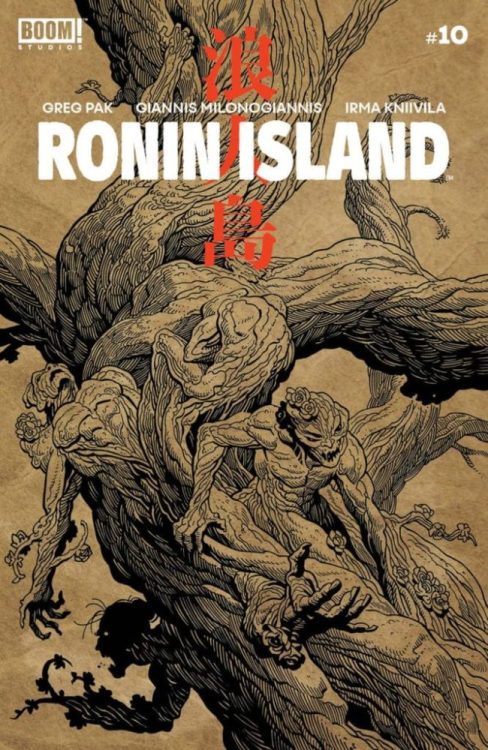
Ethan Young’s preorder cover uses a monochromatic palette and depicts a horrific look at the Byonin, showing their true power.

Conclusion

RONIN ISLAND #10 is an action-packed story full of heart and suspense. We’re excited to see what happens next in this saga!

Do you think the Island will be strong enough to defeat the encroaching army now that Hana and Kenichi are back? Let us know in the comments below!

Monkeys Fighting Robots Youtube

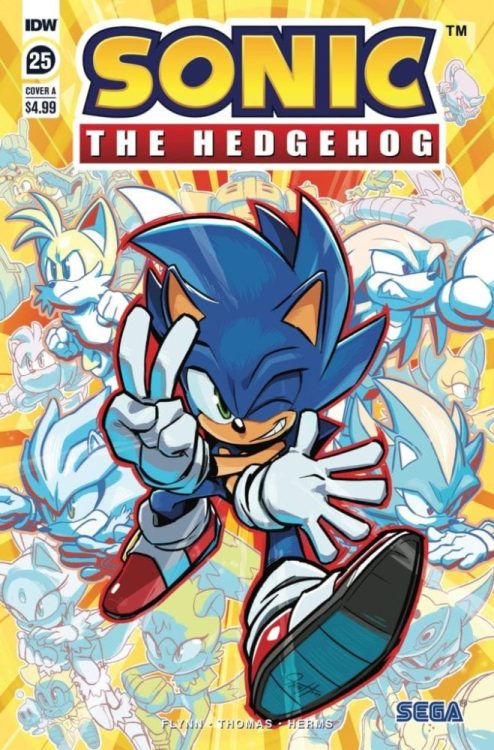
Review: A Power Shift Occurs In SONIC THE HEDGEHOG #25

Review: A Power Shift Occurs In SONIC THE HEDGEHOG #25

Sonic The Hedgehog #25 celebrates the first comic book anniversary for the new series thanks to Ian Flynn, Adam Bryce Thomas, Matt Herms, and Shawn Lee. Is this double-sized issue a true party for the readers or does it lack the makings of a proper celebration?

Summary

“A Sudden Shift.” The world has fallen to the Metal Virus. Heroes, villains, and civilians have become Zombots. There’s only one place left to hide and the few survivors—good and bad alike—find themselves up against a new threat commanding the Zombot hordes. Who will Sonic turn to for help in his most desperate hour?

Sonic The Hedgehog

Writing

The setup from previous issues finally pays off in Sonic the Hedgehog #25. A new obstacle arrives as Dr. Starline attempts to use the abilities of the Deadly Six to take control of the Zombots. As one can expect from one villain trying to get help from another, things do not work out well. What plays out is a new plan of attack with the Deadly Six now possessing a greater threat than with their ability to command a zombie horde of robots as they see fit.

As the Deadly Six make their move, another faction is called in to help turn the tide. This new force helps to show just how much Ian Flynn is versed in the lore surrounding the franchise. The ability to use characters utilized only briefly in the games but can help move along the plot of the comic is a valuable skill to have. It showcases just how much Flynn has the story planned out.

Sonic The Hedgehog

Artwork

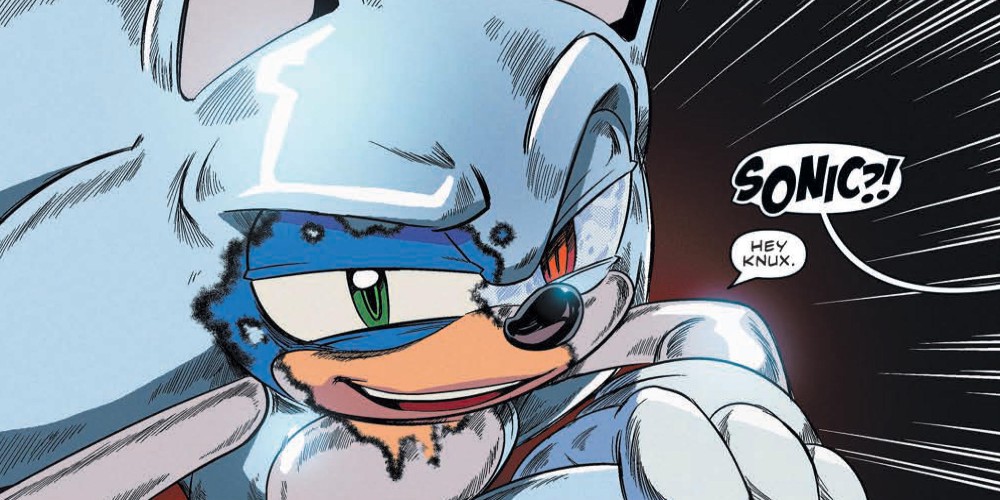
The art Adam Bryce Thomas with Matt Herms on colors is phenomenal. One particular panel stands out more than any other in the issue and it helps to perfectly encapsulate the quality the team has to offer. The panel consists of Whisper’s face, full of hurt and torment over recent events. She is carrying the burden of being unable to save her dear friend Tangle. It’s an emotional moment and comes off perfectly thanks to the attention to detail by both artists.

With Shawn Lee on lettering, the characters convey a great sense of exhaustion and brief optimism over recent events. The reader is able to tell just how tired Sonic and his team are from having to fight against the Zombots and how the idea of a new challenge is taxing. Also, the use of fewer sound effects during pivotal scenes ensures there is no distraction from the drama as it plays out.

Sonic The Hedgehog

Conclusion

Sonic the Hedgehog #25 is another fantastic issue. The team found a way to raise the stakes of the arc and still keep the art quality at a high level. It just goes to show how Sonic The Hedgehog and the characters around him have found a good home at IDW publishing.

Monkeys Fighting Robots Youtube

Review: HARLEY QUINNN & THE BIRDS OF PREY #1 Is Wild, For Better Or Worse

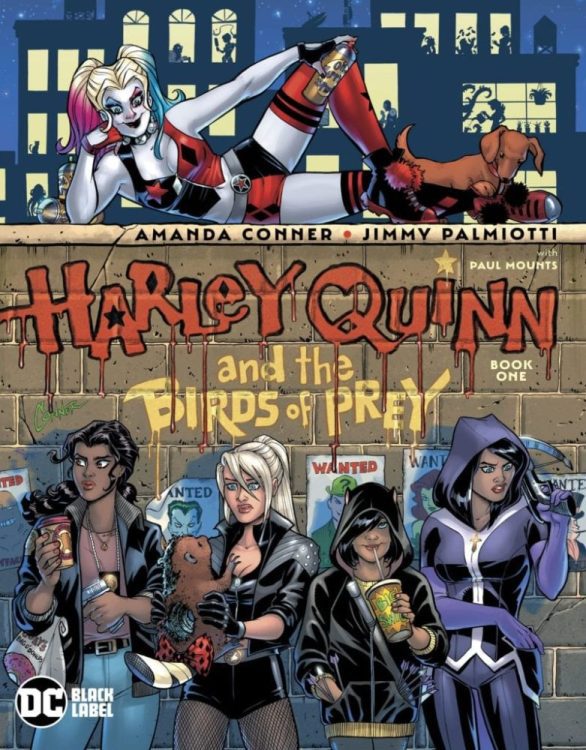
Harley Quinn Birds of Prey 1 Cover

Just in time for the theatrical release of Birds of Prey, acclaimed Harley Quinn scribes Amanda Conner and Jimmy Palmiotti have teamed up to give fans an adult-oriented take on the popular character. DC Comics’ Harley Quinn & the Birds of Prey #1, on sale February 12, offers an off-the-wall opening chapter to another Harley-focused adventure, but the comic’s excessive bloodshed and sexuality may turn off some readers.

Harley Quinn & The Birds of Prey #1

Writers: Amanda Conner & Jimmy Palmiotti

Artist: Amanda Conner

Colors: Paul Mounts

Letters: John J. Hill

If you don’t know what you’re getting into, you might be tempted to put this comic down after a few pages. It opens with a bizarre dream sequence, where the scantily clad Harley and Poison Ivy treat Superman like submissive eye candy. The duo has captured Jimmy Olsen, so Superman does whatever they want-like serving them Kryptonian shots- in the hopes of saving his friend. When Harley and Ivy discuss Superman’s power set, Ivy suggestively says, “I can see him check out my bloomers.” In the context of the whole issue, the dream doesn’t add anything meaningful to the plot. Even for Conner & Palmiotti’s extra zany take on Harley, the whole scene feels gratuitous. But with some patience, you’ll find that, amidst a surplus of violence and oversexualization, this comic offers a story with some emotional depth. 

Harley Quinn Birds of Prey 1 dream image
Right away, Conner reminds us this comic is meant for adults.

After Harley wakes up from her dream, we quickly see that she’s fallen on hard times. Her relationship with Poison Ivy is on the rocks. Loan sharks burnt down the Dreamin’ Seaman hotel where she housed a bunch of her friends. Harley’s life is in shambles, and she’s determined to get back on track. Her quest brings her to Gotham, against her allies’ wishes. Harley’s return home has the potential to deliver meaningful character growth. We already see her reunite with some of her Birds of Prey teammates; the series could flourish with the exploration of these relationships. Plus, Conner and Palmiotti show us that the Joker plans on getting revenge against Harley. A showdown between Harley and Joker could be the highpoint of the story. Though we’re left merely hoping for these future payoffs, the writers build some strong narrative foundations. 

Harley Quinn and the Birds of Prey 1 Harley
Harley Quinn has fallen on hard times, so we’re already rooting for her to persevere.

Conner’s art, like her work on her acclaimed Harley Quinn series, is fun to look at. Bright colors and a cartoonish style make the story feel like an episode of Harley’s self-titled animated series. During a flashback, Harley recalls a tropical vacation with Ivy. Here, color artist Paul Mounts crafts a heavenly setting, with romantic pinks and purples complimenting a golden sun. Thanks to the art team, this scene compliments the passionate bond between Ivy and Harley.

But to be clear, it’s hard to ignore the carnage and the ham-handed focus on sexuality. Conner’s chaotic fight scenes feature, in no particular order, a billboard decapitating a man, a goon falling head-first onto a spiked bat, Huntress shooting men in the head with her crossbow, and Harley repeatedly shooting a man in the chest. The art team shows these brutal acts with minimal discretion. We see the arrow exit the goons’ heads, the bullets shred another man’s body, and so on. Mounts adds plenty of blood spatter throughout these fights to maximize the carnage. Moments like these make the comic feel like it’s jam-packed with R-rated content just to utilize it’s DC Black Label billing. 

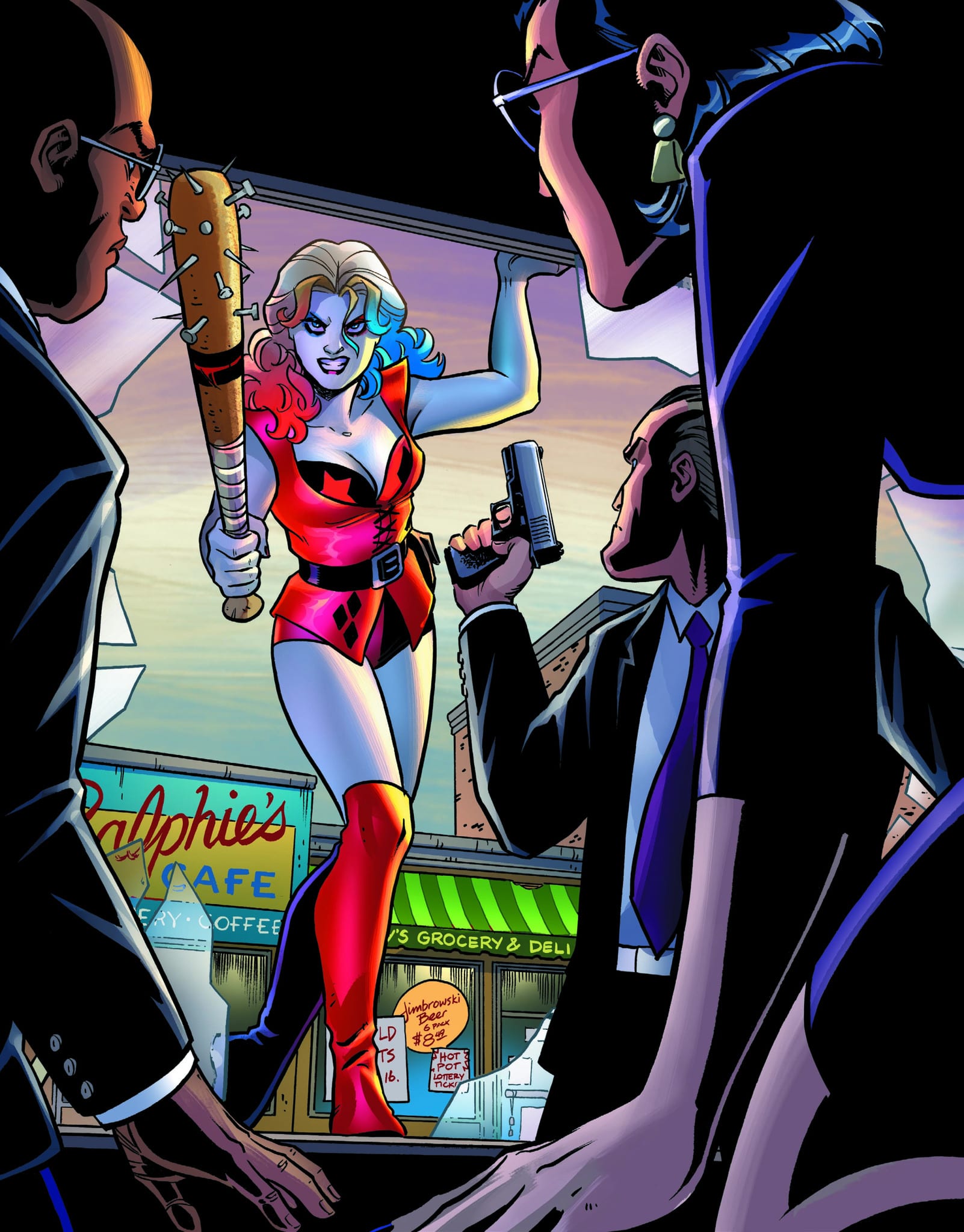
Harley Quinn and the Birds of Prey 1 Harley full page
Harley arrives, in style, and she’s ready to fight.

Likewise, Conner consistently draws Harley as sexually as possible. From needless shots of Harley in her underwear to a whole scene where Huntress helps Harley change her costume, the art consistently objectifies “the Cupid of Crime.” While various other artists are infamous for the lewd way they draw female characters, Conner’s portrayal is still questionable. With each oversexualized drawing of Harley, the comic says, “Look at me, I’m cool because I’m risqué.” Some of DC’s other Black Label series have an excuse for their excess; Joker/Harley: Criminal Sanity features a serial killer, so of course the comic is filled with graphic crime scenes. Here, exaggerated sexuality and violence aren’t needed.

Fans of Conner’s and Palmiotti’s Harley will probably enjoy this opening installment. It captures the quirky tone of their previous work with the character without the limits of a typical comic. In other words, they ran wild with her, and their success ultimately depends on the reader. While there are aspects of the story we can hang onto, the objectification of Harley is off-putting, which makes thoroughly enjoying this issue a tall task.

What’d you think of Harley Quinn and the Birds of Prey #1? Where do you hope to see the series go from here?

Monkeys Fighting Robots Youtube

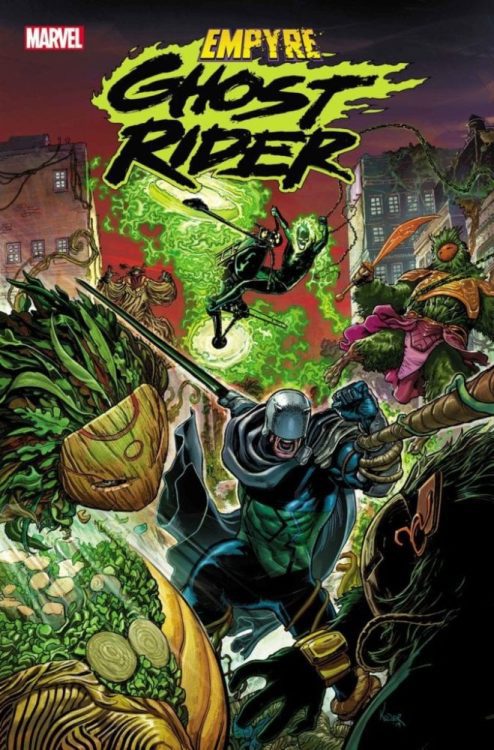
Marvel Comics Announces EMPYRE: GHOST RIDER #1 One-Shot For May

Marvel Comics Announces EMPYRE: GHOST RIDER #1 One-Shot For May

With Empyre‘s launch in April, Marvel Comics informed Monkeys Fighting Robots Tuesday night that writer Ed Brisson and artist Jefte Palo have put together an Empyre: Ghost Rider one-shot for May 2020. Check out the full solicit below.

“Danny Ketch and Vengeance working side-by-side?!? These two have a tumultuous relationship (that’s putting it lightly) and are going to have to put aside their differences to fight off an intergalactic invasion,” said Brisson via Marvel Comics.

EMPYRE: GHOST RIDER #1
ED BRISSON (W) • JEFTE PALO (A) • COVER BY AARON KUDER

An intergalactic war comes crashing into a supernatural showdown between the Spirit of Corruption and the Spirit of Pollution! But who will be left standing?

Marvel Comics Announces EMPYRE: GHOST RIDER #1 One-Shot For May

Are you excited for Empyre? Comment below with your thoughts.

Here are all the details we have so far on Empyre. The Marvel Event will star the Avengers and the Fantastic Four against the Kree and the Skrulls. The creative team is Al Ewing and Dan Slott with art by Valerio Schiti.

According to Marvel Comics Editor In Chief CB Cebulski, Empyre is one of the most incredible science fiction sagas Marvel has ever put to page.


Are you excited for Empyre? Comment below with your thoughts.

Monkeys Fighting Robots Youtube

Panel Breakdown: GWEN STACY #1 by Christos Gage, Todd Nauck & Rachelle Rosenberg

Panel Breakdown: GWEN STACY #1 by Christos Gagg, Todd Nauck & Rachelle Rosenberg

Welcome to PANEL BREAKDOWN, a weekly series where we take a look at our favorite panels of a comic book. This week we are talking about the new Marvel Comics series Gwen Stacy #1 written by Christos Gage, with art by Todd Nauck, colors by Rachelle Rosenberg, and you are reading Joe Caramagna’s letters.

With Gwen Stacy #1, we take a look at Rosenberg’s colorwork, the drastic change in style for a two-page night scene, and the emotional one-page spread that brings the creative team into perfect harmony.

About Gwen Stacy #1:

The First of Gwen Stacy’s AMAZING Adventures!
Gwen and Peter may not have met until AMAZING SPIDER-MAN #31, but that doesn’t mean Gwen’s life began on that page. Learn the never-before-told origin of Gwen Stacy, top of her class, daughter of the Police Captain, and as her friend, Harry Osborn calls her, “The Beauty Queen of Standard High.” But she’s way more than you even know! Gwen’s got a science brain, a nose for trouble, and a no-quit attitude that always gets her in trouble. In the early Marvel Universe, that’s a recipe for disaster. Don’t miss Gwen, Captain Stacy, Harry and Norman Osborn, Crimemaster, Wilson Fisk, Jean DeWolff, Yuri Watanabe and even Spider-Man!


Do you have Gwen Stacy on your pull-list, let me know what you think after you read it.

Monkeys Fighting Robots Youtube

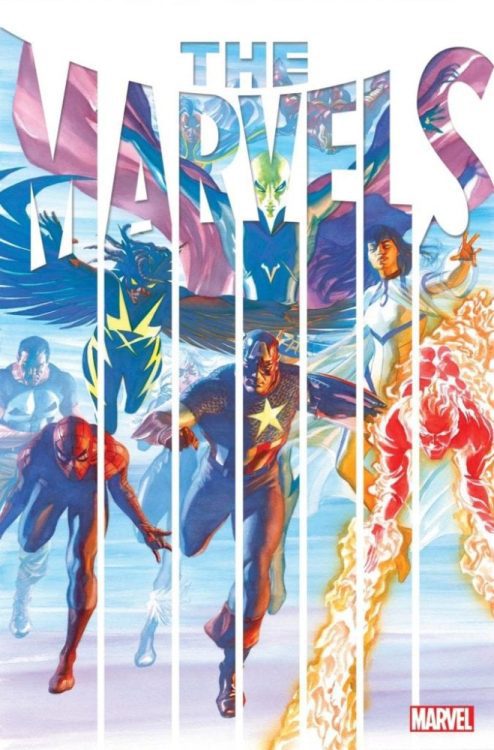
‘The Marvels’ Coming From Marvel & Kurt Busiek

the marvels

Marvel Comics has been hinting a new book involving Kurt Busiek and Alex Ross, and now we know what it is. The Marvels will be hitting stores in May, written by Busiek and illustrated by Yildiray Cinar, with covers by Ross.

But what is The Marvels, exactly? The publisher describes it as “the biggest, wildest, most sprawling series ever to hit the Marvel Universe,” adding:

Telling stories that span decades and range from grand adventure to intense human drama, from street-level to cosmic, starring Marvel’s very first heroes to the superstars of tomorrow, Kurt Busiek and Yildiray Cinar’s THE MARVELS begins a new chapter in the spectacular 616.

Busiek spoke with Marvel.com about the book, with some highlights below.

On his initial pitch:

The whole idea of THE MARVELS is to be able to use the whole Marvel Universe—not just all the characters in it, but all the history of it. The sweeping scope of the whole thing. I think I described it to Tom Brevoort as something like a Tom Clancy thriller, in that there would be multiple threads of story going on, and those threads could come together and split apart again, or maybe never even meet—there could be characters involved in a story that do something important but never meet the other characters in the story, which will very much be the case in the opening storyline, at least.

On the genesis of the idea:

It’s been kicking around for a while, yeah. I think it started back when I was writing AVENGERS (1998), or maybe even earlier, and I’d hear people suggesting that Wolverine or Spider-Man or the Punisher or whoever was big at the time should be an Avenger, because they were big, important characters. And I thought they probably shouldn’t, not in AVENGERS, but that didn’t mean there couldn’t be a book like that anyway…

I talked to Tom about it way back then, about a book where you could use all the big characters at once, in big, expansive stories that didn’t require them all to be on the same team, or even be allies. And the best title I could come up with was THE MARVELS, which I thought might be confusing back then.

the marvels

On which characters will be included:

We kinda wanted to go extra-big with the first arc, and show off the big sweep of it all, so we deliberately wanted to do something that involved characters from many areas of Marvel. Avengers, FF members, X-characters, someone from the Spider-side of things, and so on. To have a real crossroads feeling going on. We talked about, but didn’t include, Guardians of the Galaxy characters, but we can always get to them later.

And we’ve got characters from the distant past, like Aarkus the Golden Age Vision, and characters who are very new, like Aero… We wanted to make a statement about the size of it all.

On artist Cinar:

I’ve been a fan of his since way back when he did an indie comic called Fist of Justice, and it’s been exciting to see him get better and better as he progressed to bigger and bigger stuff. And for THE MARVELS, we knew we needed someone who could draw whatever part of Marvel we threw at him, from gritty mean-streets stuff for a Punisher scene to hi-tech Super Heroes with the Avengers to cosmic oddities and ancient history and more. And Yıldıray can do all that and make it feel spectacular and active and human and quirky, all at once. He’s just ideal for the book, and it’s looking sensational.

You can head over to Marvel.com to read the whole chat. Look for The Marvels in comic stores this May.


Monkeys Fighting Robots Youtube

Juann Cabal Explains His Panel Structure For GUARDIANS OF THE GALAXY #1

Juann Cabal Interview

Guardians of the Galaxy #1 dropped last month with Al Ewing and Juann Cabal at the helm. After I talked about the book on the Panel Breakdown, Cabal offered to explain his thought process behind his panel structure, and relationship with Ewing and colorist Federico Blee.

Enjoy the interview below

MFR: With Guardians of the Galaxy, can you talk about your relationship with Al Ewing? Does he keep his scripts tight, or does he give you artistic freedom?

JUANN: This is the first time Al and I work together, so there’s this logical “info given-info needed” imbalance in issue #1. Luckily, we overcame it pretty fast, and now we are more and more “synchronized” (same with Darren (Shan), Lauren (Amaro) and Federico (Blee))

Al is an excellent writer. His scripts are very descriptive and literary, but clear and precise at the same time. It’s quite easy for me to know what crazy beautiful idea he’s thinking of and how to best translate it into images (and how to boost it, given the chance).

Also, he’s very open-minded in terms of layouts, ambients, and the graphic part in general. This, for an artist (and a control freak) like me, is a dream come true.

MFR: Can you talk about your panel layout in the first issue so the average person can get a better understanding of your work? Some pages had horizontal rectangular panels, and then some had vertical rectangular panels. What’s the meaning behind them?

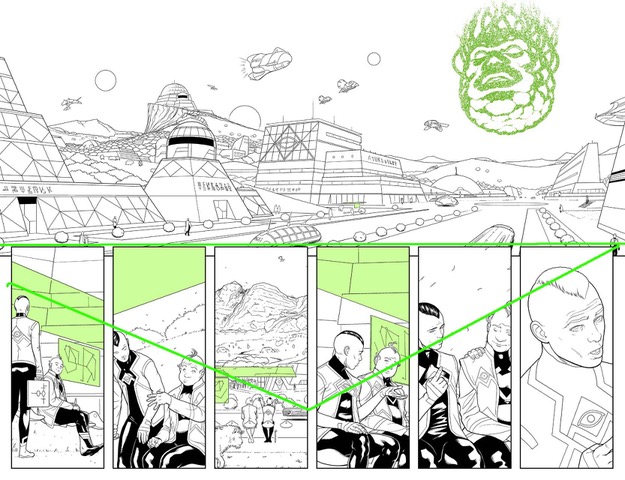
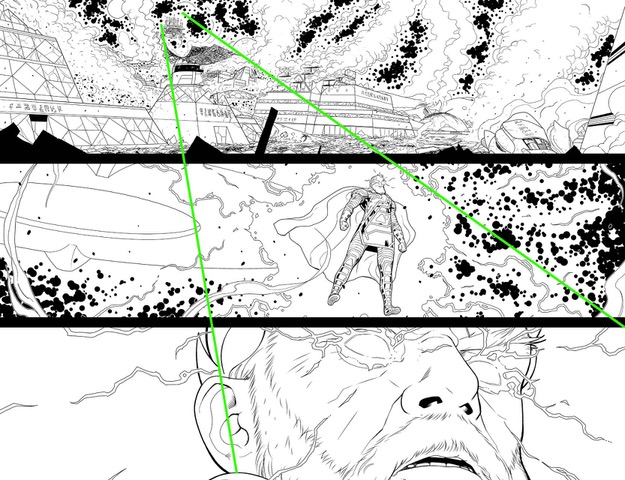
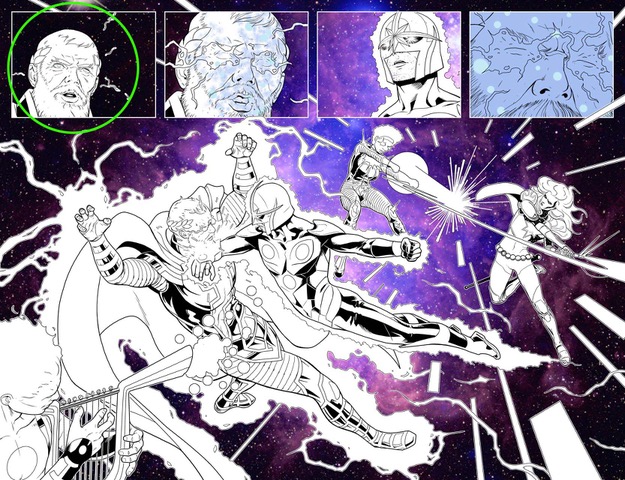
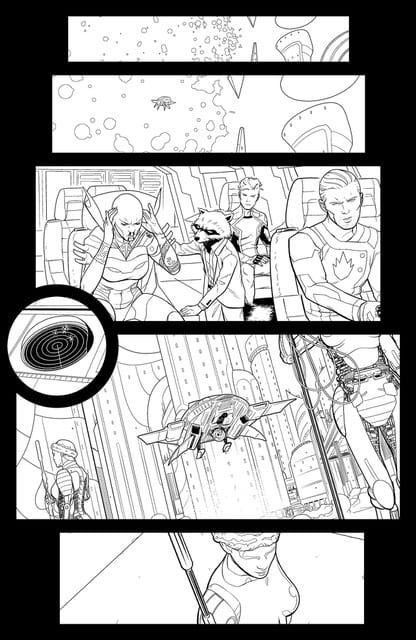
JUANN: My work is based mainly in dualities. In every project, I like to start with a general idea and then experiment, putting it face to face with opposite concepts, depending on what each scene asks for. This approach covers everything, from character design to rhythm. In the case of panel layout, for example, I wanted to make a contrast between expansive cinematic horizontal panels for cosmic sequences and other kinds of compositions for the rest (character development, introspection, etc.)

In order to give a general idea of my working process, I’m going to address some specific pages, if you don’t mind:

MFR: We don’t mind!

JUANN:

PAGE 1 – Vertical paneling and Kirby dots in the kid’s cereals foreshadow de impending doom coming from the sky.

Juann Cabal Explains His Panel Structure For GUARDIANS OF THE GALAXY #1

PAGES 2 & 3 – Utopian planet (horizontal) VS dead looming (vertical), again.

Juann Cabal Explains His Panel Structure For GUARDIANS OF THE GALAXY #1

PAGES 4 & 5 – I wanted this sequence to look ominous and apocalyptic in a cinematic way.

Juann Cabal Explains His Panel Structure For GUARDIANS OF THE GALAXY #1

PAGE 7 – Again, the pace is broken by someone coming from the sky.

Juann Cabal Explains His Panel Structure For GUARDIANS OF THE GALAXY #1

PAGE 9 – The family splits. OK, this is the kind of experimentation I love. It’s relatively easy to make it work in action scenes, but you have to be subtle in quieter ones.

Juann Cabal Explains His Panel Structure For GUARDIANS OF THE GALAXY #1

PAGE 13 – I used a circular composition to introduce Marvel Boy in a classic comic-book fashion. Something cheesy but awesome.

Juann Cabal Explains His Panel Structure For GUARDIANS OF THE GALAXY #1

PAGE 14 – Yes, a broken man under pressure.

Juann Cabal Explains His Panel Structure For GUARDIANS OF THE GALAXY #1

PAGE 15 – Here, there were two factors to push me towards this composition:

  1. I needed space to represent Nova’s isolation.
  2. When Nova falls, Star-Lord rises.

Juann Cabal Explains His Panel Structure For GUARDIANS OF THE GALAXY #1

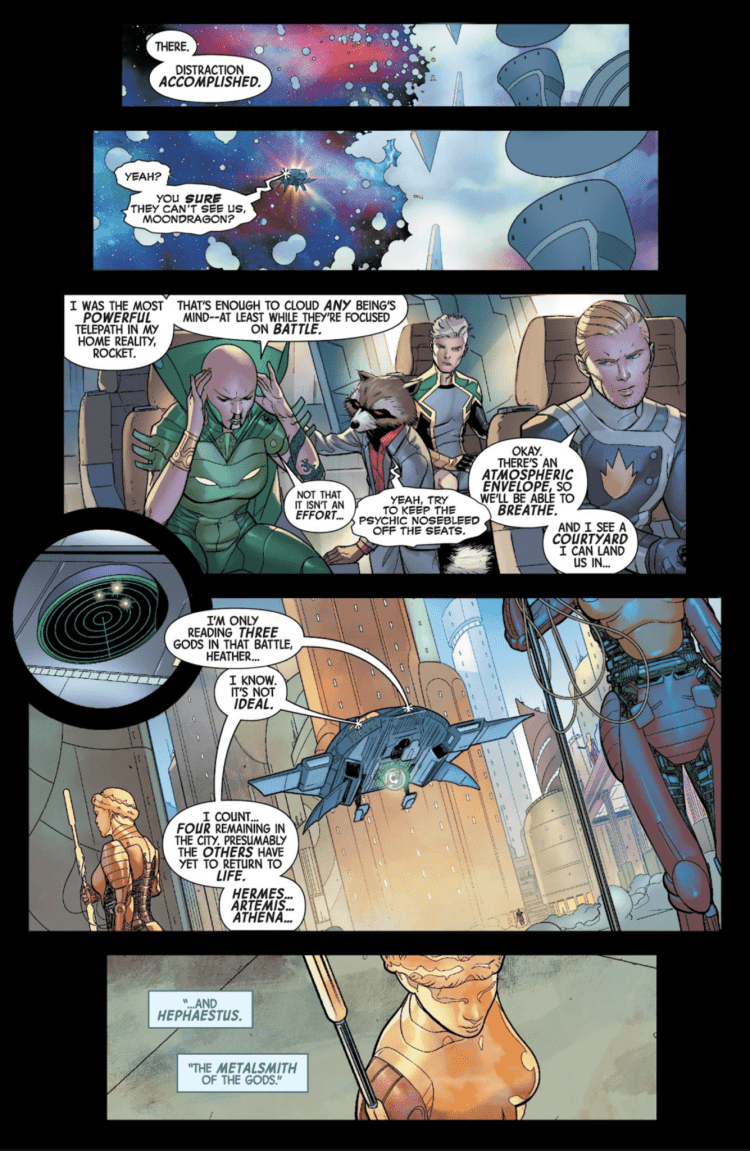
PAGE 16 – This one is a meta-joke. Too subtle, apparently. My fault. You don’t know what’s on Rocket’s hand until he bites it. First, the composition connects it to the citadel, and you may think it has something to do with the plan, but in the end, it’s just some kind of space fruit. This matches the line, “we need a distraction.” That’s the fruit, a distraction for the reader. 😀

Juann Cabal Explains His Panel Structure For GUARDIANS OF THE GALAXY #1

PAGES 18 & 19 – Hmm. That face may look familiar to fans. This is one of the few closeups of Zeus in his human form, and I wanted to establish some kind of visual parallelism with his Norse counterpart (wink, wink). A visual representation of all the gods in all mythologies having the same primal essence.

Juann Cabal Explains His Panel Structure For GUARDIANS OF THE GALAXY #1

PAGE 20 – Love what Federico did with the citadel.

PAGES 22 & 23 – I wanted Moondragon to be the only character to keep the concentric narrative as she’s the one influencing everyone else’s minds.

Juann Cabal Explains His Panel Structure For GUARDIANS OF THE GALAXY #1

PAGE 25 – Contrast again! Speed from the last page VS Hermes striking. I needed something to “break” this sequence as it breaks Moondragon’s manipulation too, so the idea was this panel to look like something static, frozen in time. Think of Quicksilver in X-Men movies.

PAGE 26 – Classic “Z” structure to isolate the action in space from the citadel.

PAGE 27 – My favorite one! I gave lots of thought to Noh’s gauntlets, and I’m very happy with the result. You’ll see.

Juann Cabal Explains His Panel Structure For GUARDIANS OF THE GALAXY #1

PAGE 28 – Here I experimented with the technique of having different characters following the same motion.

PANEL 29 – My guideline here was: open panels for space closed ones for the citadel.

Juann Cabal Explains His Panel Structure For GUARDIANS OF THE GALAXY #1

JUANN: These are a few examples, but I think it’s easy to get the idea. As you can see, there are no pre-established rules (apart from basic composition ones, but even those are not written in stone) and is very intuitive and adjustable to what the script demands.

MFR: Guardians of the Galaxy has a great cast of characters to draw, which character puts a smile on your face when you get to draw him or her, and why?

JUANN: I love Marvel Boy’s weirdness. I’m always thinking of new cool ways to portray his crazy powers. Also, I tried this David Lynch-inspired haircut, and I think it suits him nicely.

Phylla is ultra-cool too. I always liked the depiction of the Cosmic Awareness in the Peter David era. I wanted her to look a little less “knightly” and heavy, and more Barbarella-like.

MFR: With the evolution of coloring, do you leave your art cleaner to let Federico Blee add depth with his colors? What’s the artist/colorist relationship like?

JUANN: I think the colorist needs complete freedom. With Federico, firstly, he told me to guide him a bit with ambients and that kind of stuff. He caught on very fast, and now I barely have to send him notes. He nails it in every scene, plus his rendering and brushstrokes are simply amazing.

MFR: When you draw Peter Quill and Richard Rider, what are the artistic elements that separate them? Did you give them different postures?

JUANN: Reading the script I thought it’d be interesting to swap a bit their features and body language to match their roles in the first arc. You can see a beaten, dejected Richard while Peter looks sharper and cleaner than usual. Again, we’re playing with contrasts. When Nova falls, Star-Lord rises.

They’re both much-beloved characters, so we took extra care to stay true to their essences; and, most importantly, to make them look cool no matter what.

MFR: Friendly Neighborhood Spider-Man and Guardians of the Galaxy both have a ton of humor. How do you set up humor with art in comics?

JUANN: At the end, all emotions come from the interpretation of the script. I need to read not just the character, but the scene and the context. That tells me when a goofy face or a visual gag is appropriate and/or necessary.

MFR: What are you most excited to draw in upcoming issues of Guardians of the Galaxy?

JUANN: Crazy stuff. Lots of crazy stuff. Even crazier than our usual standards. That’s all I can say. ;D


What did you think of the interview? The visual guide Cabal sent over helps so much in understanding the different concepts of the process that we as a reader sometimes miss.

Guardians of the Galaxy #2 hits your local comic book shop next week, on February 19.

Monkeys Fighting Robots Youtube