Home Blog Page 342

Review: JOIN THE FUTURE #1 Invites You Into One Thought-Provoking World

Join The Future

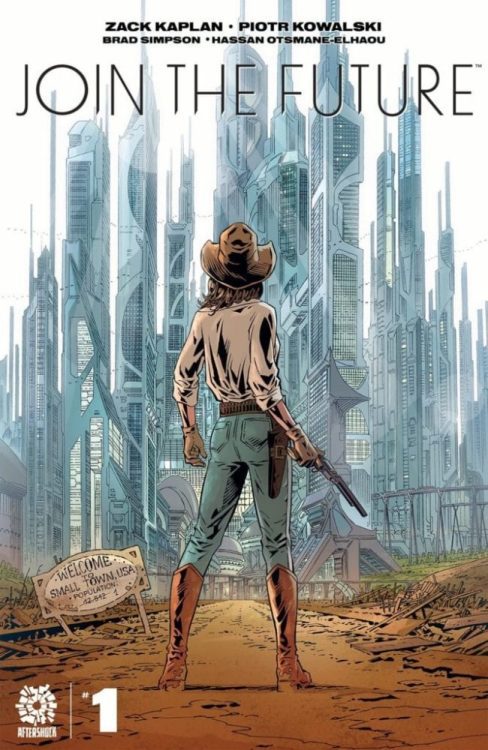
AfterShock Comics’ latest sci-fi title, Join The Future by Zack Kaplan, Piotr Kowalski, Brad Simpson and Hassan Otsmane-Elhaou, is another great book by this ever-growing publisher.

From AfterShock Comics-

The Future. Ultra-modern megacities reward millions of their citizens with a completely funded life, with every need met, from food to housing and healthcare, in order to compete in an economic power struggle in which population is key. But a few rural residents still cling to their independence in what last American small towns are left. When a nearby megacity pressures the people of a small town join up or else, a teenage girl named Clem will learn how far she’ll go to defend her principles. Join The Future

Join The Future #1


Writer: Zack Kaplan
Artist: Piotr Kowalski
Colorist: Brad Simpson
Letterer: Hassan Otsmane-Elhaou

Writing

Writer Zack Kaplan is no stranger to science fiction. He has always had an ability to conceive high concept ideas and then ground them with relatable characters. Kaplan does that once again in Join The Future, and it works great.

The issue opens with exposition, but as it’s a video inviting people to join the megacities; the format and info dump work. The fact that it feels artificial; full of corporate-speak and even current controversial ideas like universal basic income makes it that much more authentic and relevant.Join The Future

So when Kaplan brings us into the small town and the protagonist Clementine Libbey, daughter of the town’s Mayor, we are immediately jarred as to how quiet and personal those scenes are. As Clem’s father teaches her to hunt with her brothers, Kaplan sets up not only each member of the Libbey family on their own but also their dynamic as a family as well (the scene goes from quiet to loud fast!). It’s a great use of dialog and action. A quiet scene between Clem and her brother (who is hiding to listen to music on a forbidden electronic device) is not only a highlight, but it’s a scene that leads to a tragic ending.

And what an ending it as. No spoilers but worlds collide and the reader is left saying ‘Holy Shit’.

Art

Sci-fi comics have to rely heavily on art. Creating a new world that is believable is not easy. It takes attention to details most artists take for granted. Things like new and different kinds of architectures, clothing, tech, etc. In Join The Future, Piotr Kowalski and Brad Simpson not only have to do that, but they also have to create the more western-influenced vistas as well. They knock it out with both. The attention to architecture and detail in the future scenes have an Otomo (Akira) quality to them, with the colors of falling into a very Euro-comics palette. In contrast, the small town ‘western’ scenes almost have a Tim Truman(DC/Vertigo’s Jonah Hex and various westre vibe to them. It’s a great balancing act that both Kowalski and Simpson do together.Join The Future

This is also a beautifully lettered comic. There are a variety of fonts and the pages never feel cluttered. The word placement only adds to the composition of the page and keeps the reading flowing.

Conclusion

Join The Future is not just a compelling and beautiful comic. It’s also the kind of emotionally engaging and thought-provoking story that makes the best use of speculative fiction.


Join The Future is out March 4th, 2020 from AfterShock Comics is available at your local comic store.
Monkeys Fighting Robots Youtube

A Review of the Healthy Competition Between Marvel and DC

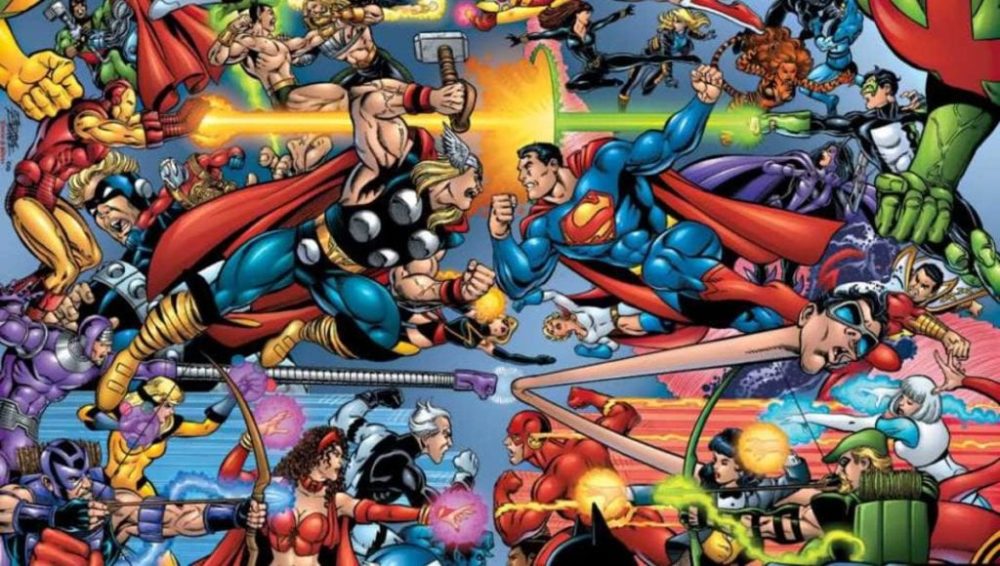
Not just a childhood-to-adulthood debate, the fierce battle deciding whether Marvel or DC is better has transformed into a war. Disagreements in bars and social media quickly turn into endless bickering and unkind film reviews.

In retrospect, both companies have been a glorious success which has influenced many forms of entertainment from movies to series, video games, board games and even casino slot games. The latter may be news, but you can find the best online slot casinos at CompareCasino.com. It is only when the two industries are pitted against each other that people become critical.

So, where did the competition come from? How did it develop, and what does it mean for both enterprises?

Where Did the Rivalry Begin?

The rivalry between Marvel Comics and DC Comics originated as small arguments between the respective writers, making claims that their counterparts were stealing characters and ideas from one another.

To be factually correct, DC has been credited with inventing superheroes when they introduced the world to Superman almost a century ago. It was around three decades later that DC answered the appearance of Superman with their superhero, Human Torch.

These were the early signs of a rivalry bubbling up, and around the same time, that competition was confirmed. Stan Lee and Jack Kirby came up with the Fantastic Four to compete with DC’s growing success with their Justice League.

An Expanding Battle Ground

The origins of the competition predominantly surrounded the development of characters, but that soon developed into narratives and many other aspects of their work once the niche expanded into movies and TV series.

It could be argued that DC finally overtook the work of Marvel at this point through their releases of the Superman series and Batman by Richard Donner and Tim Burton, respectively. Although Marvel, fought back from the dead in superhero style when they released Spider-Man at the turn of the century, which became a massive box office seller.

Yet, DC threw their punches with the Batman Trilogy by Christopher Nolan. This also earned the late Heath Ledger an Oscar for his performances as The Joker. Marvel then returning the serve with a standout showing of The Avengers.

Overall, both companies broke free from the arguments in comic book shops and started battling on the red carpet and still today on streaming services. By entering more entertainment formats, just like the ones mentioned at the beginning of this post, the debate on whether DC or Marvel is better continues among more demographics than ever before.

Always Good for Business…

The competition is healthy because it pushes each team to come up with better products every time, something that all fans will agree has been achieved. It is also beneficial for the industry as a whole because more people are talking about this unique and exciting genre.

Monkeys Fighting Robots Youtube

DC Comics Preview: BATMAN #90

DC Comics Preview: BATMAN #90

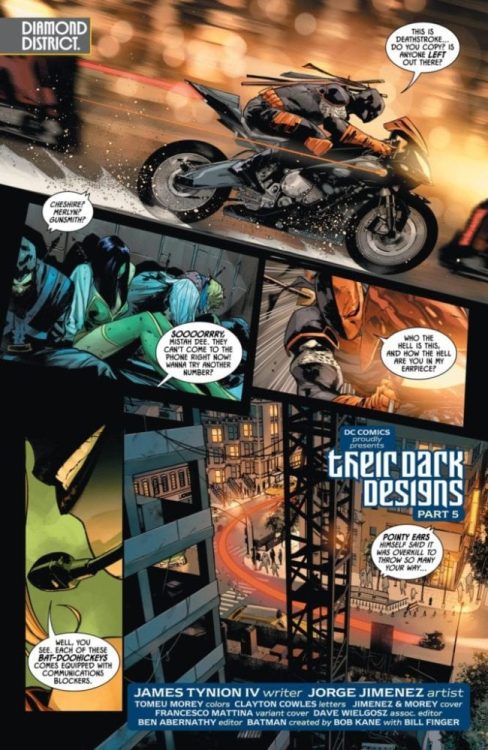
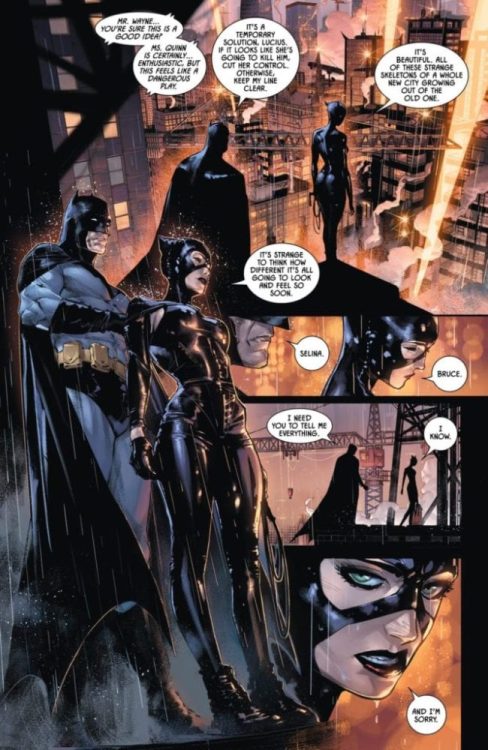
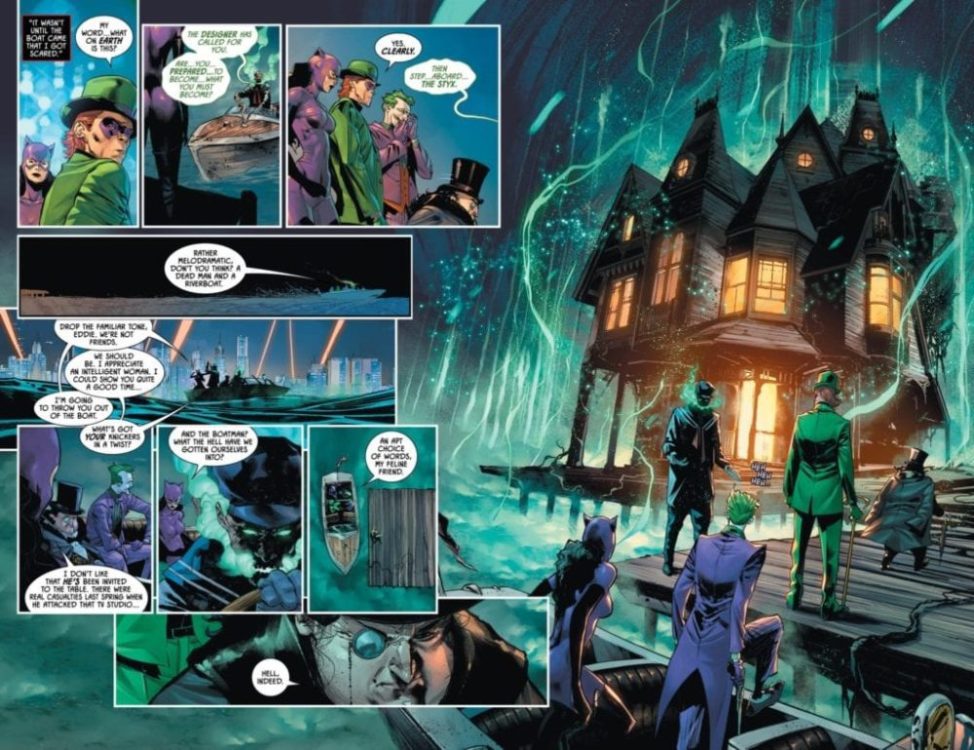
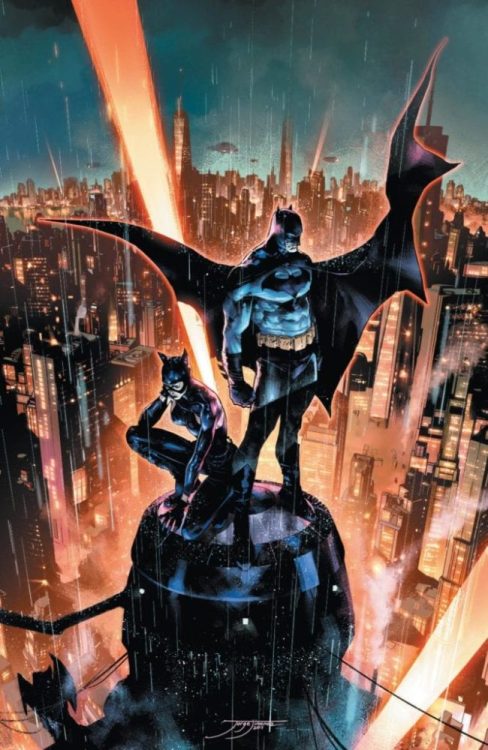
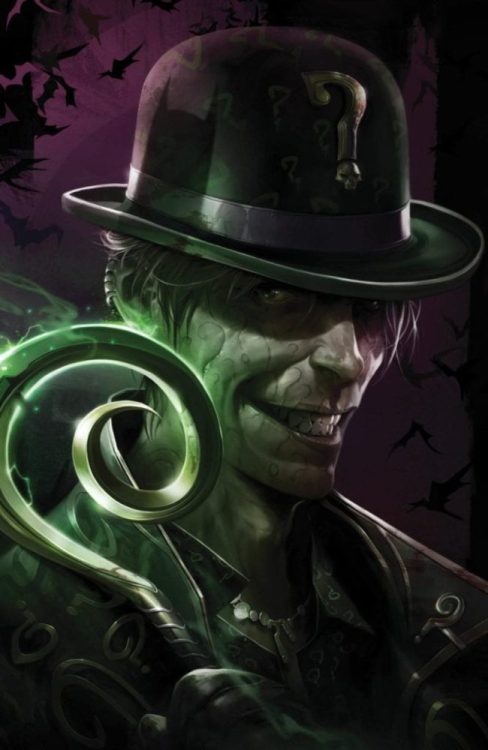
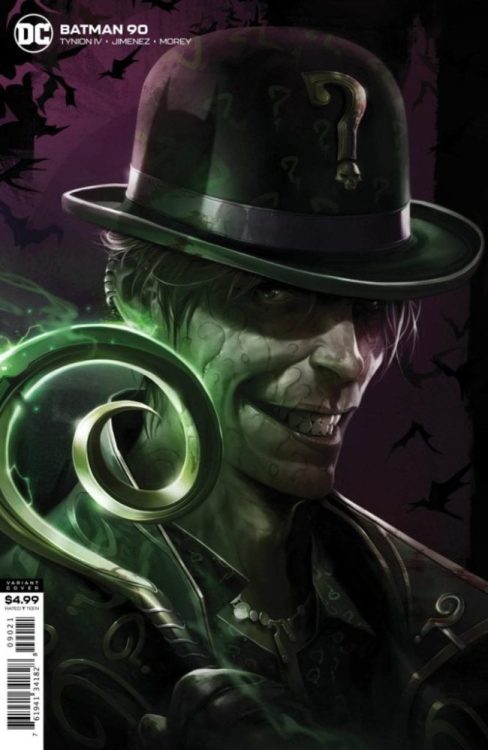
Batman #90 hits your local comic book shop next week, but thanks to DC Comics, Monkeys Fighting Robots has a seven-page preview for you to peruse.

The book is written by James Tynion IV, with art by Jorge Jimenez, Tomeu Morey dropped some color, and you are reading Clayton Cowles letters.

About Batman #90:
The mysterious master criminal known only as the Designer once brought together Gotham City’s greatest criminals to plot the perfect crime, and now his plan has been unleashed upon the city in all its might. Batman will go to any length to uncover the grand design, but Catwoman is the one who holds the greatest secret. If Batman wins against the Designer, he will lose everything.

What do you think of Tynion’s run on Batman so far? Comment below with your thoughts.

Enjoy the Batman #90 Preview:

Monkeys Fighting Robots Youtube

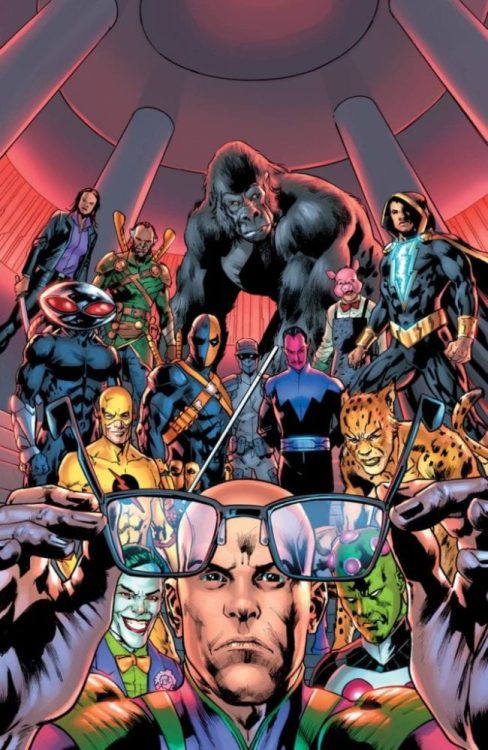
DC Comics Preview: SUPERMAN VILLAINS #1

DC Comics Preview: SUPERMAN VILLAINS #1

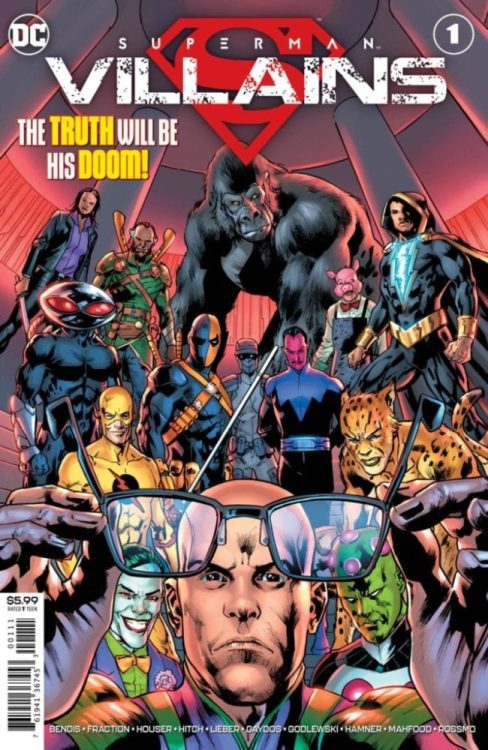
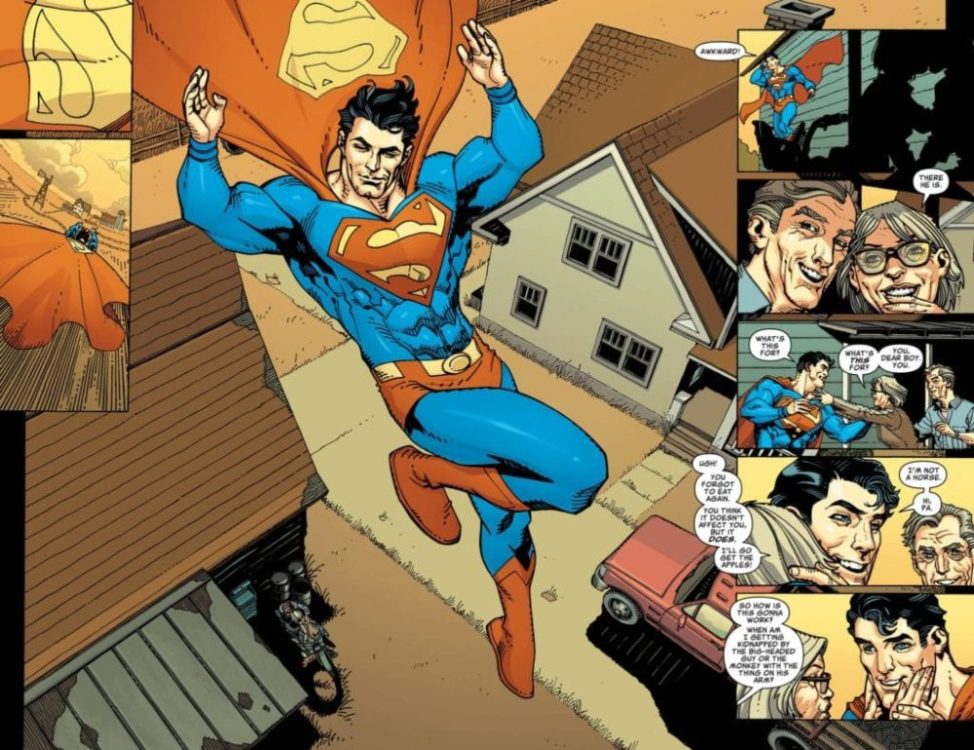
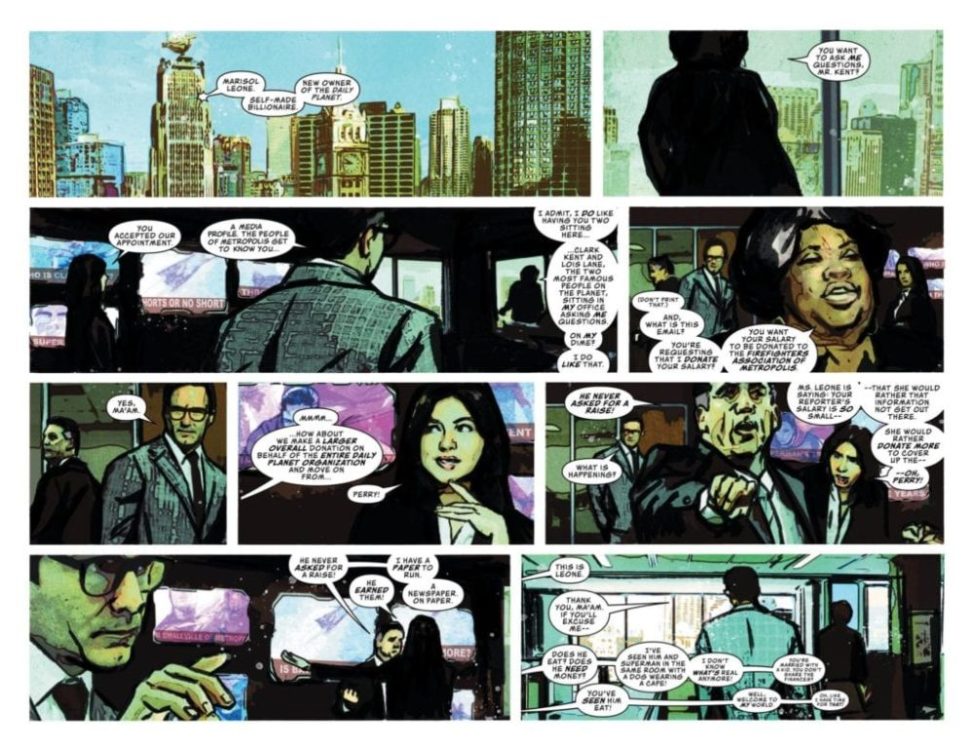
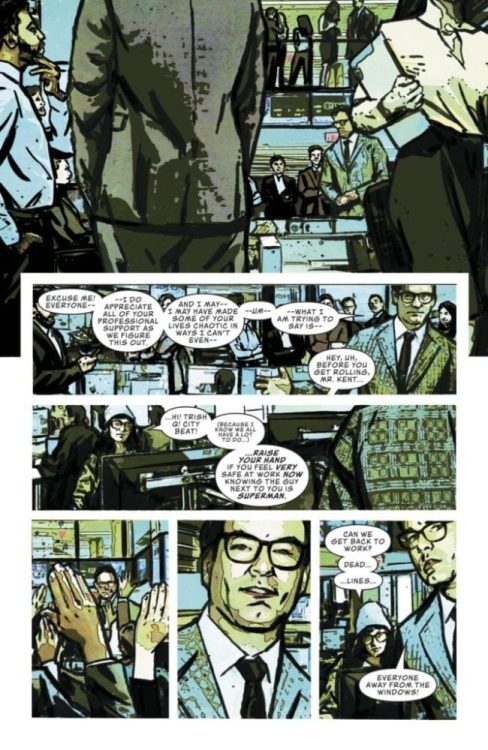
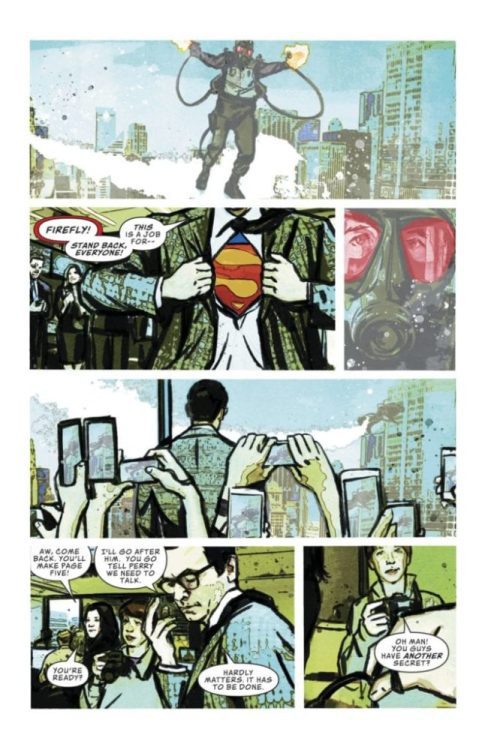
Superman Villains #1 hits your local comic shop next week, but DC Comics dropped a preview for Monkeys Fighting Robots to share.

The book is written by Brian Michael Bendis, Jody Houser, and Matt Fraction. There is a massive art team working on the 48-page one-shot, including Scott Godlewski, Steve Lieber, Bryan Hitch, Jim Mahfood, Cully Hamner, and Riley Rossmo.

About Superman Villains #1:

The Man of Steel’s greatest villains react to the biggest news to ever rock the DC Universe. Lex Luthor, Mongul, Toyman, The Joker, and more of the world’s greatest villains must come to grips with how the world changes now that the truth has been revealed by Superman. Some of comics’ most unique and creative voices unite to tell a story that changes all the rules.

What do you think of Bendis’ run on Superman? Comment below with your thoughts.

Enjoy the Superman Villains #1 Preview:

Superman Villains #1 Sidenotes

Jerry Siegel and Joe Shuster created Lex Luthor, with his first appearence in Action Comics #23 from April 1940.

There are two versions of Mongul. Len Wein and Jim Starlin created the first version, that appeared in DC Comics Presents #27 from November 1980. Then Peter J. Tomasi and artist Scot Eaton created the second version, first appearing in Showcase ’95 #8 from September 1995.

Monkeys Fighting Robots Youtube

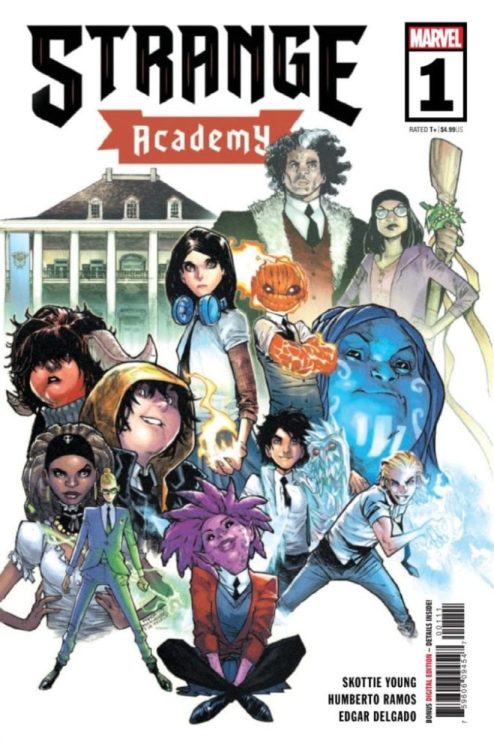
Marvel Comics Preview: STRANGE ACADEMY #1

Marvel Comics Preview:STRANGE ACADEMY #1

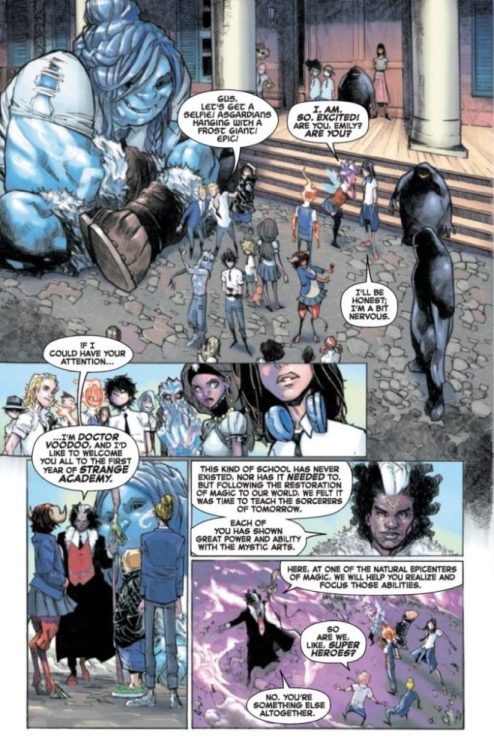
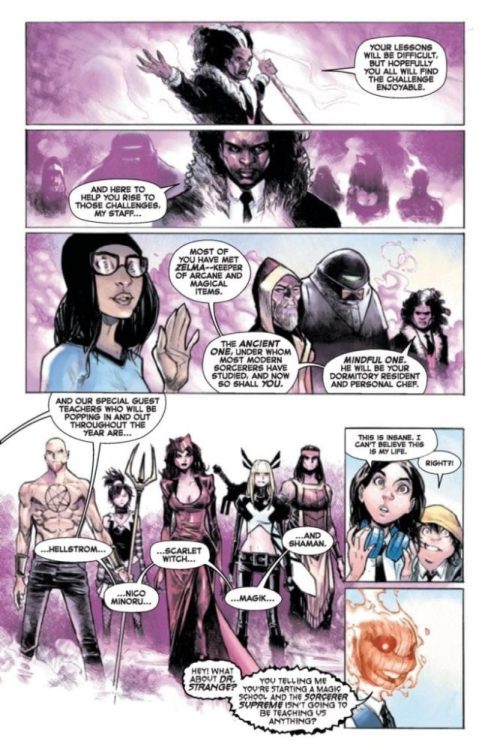
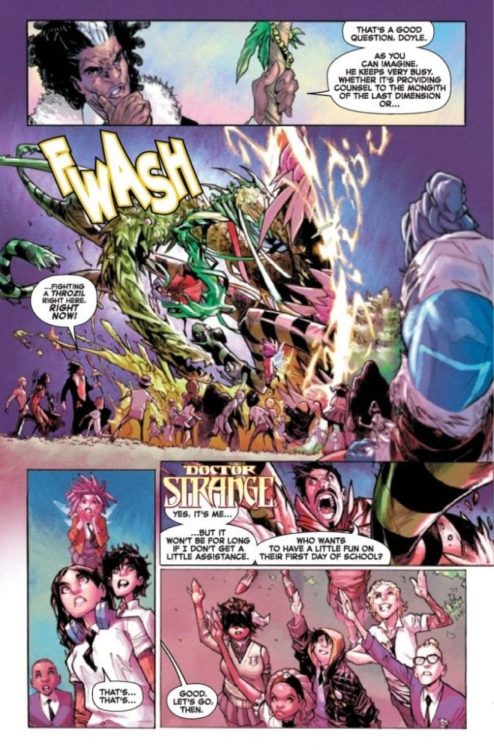
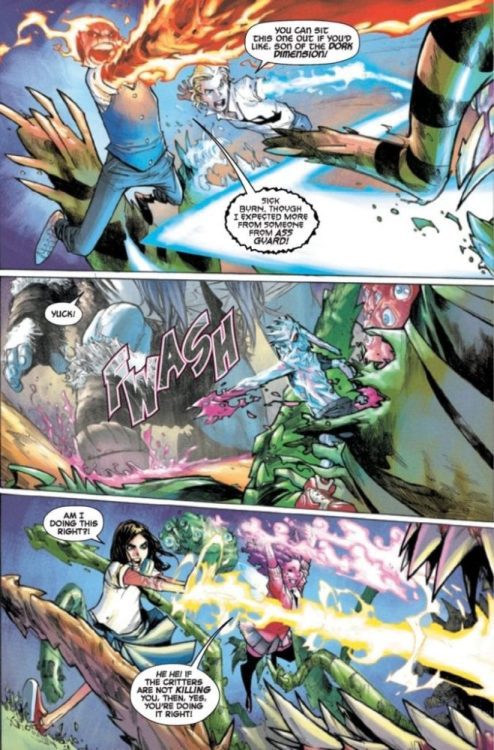
Strange Academy could be one of the most refreshing ideas Marvel Comics has come up with, in a long, it also does help that Skottie Young and Humberto Ramos are working on the project. Awesomely, Marvel sent us a four-page preview Friday afternoon.

The book is written by Skottie Young, with art by Humberto Ramos, colors by Edgar Delgado, and letters by Clayton Cowles.

About Strange Academy #1:
A SORCERER SCHOOL FOR THE MARVEL UNIVERSE!
The Marvel Universe has mysteriously changed in such an alarming way that Doctor Strange has done what he’s avoided for decades; he’s opened a school for young sorcerers. Young people from around the world with aptitude in magic have been brought together in New Orleans to study the Mystic Arts under Strange, Brother Voodoo, the Ancient One, the Scarlet Witch, Magik, Hellstrom, and ALL your favorite Marvel magicians. But with all the new magical threats, is it too late?!

Strange Academy #1 hits your local comic book store on March 4, enjoy the preview below.

Do you have Strange Academy on your pull list? Sound off in the comment section below.

Strange Academy side notes:

Steve Ditko and Stan Lee created Doctor Strange, with his first appearence in Strange Tales #110 from July 1963.

Stan Lee, Roy Thomas, Len Wein, and John Romita Sr. created Brother Voodoo with his first appearance in Strange Tales #169 from September 1973.

Monkeys Fighting Robots Youtube

AfterShock Comics Exclusive Preview: BAD RECEPTION #4

aftershock comics exclusive preview bad reception #4

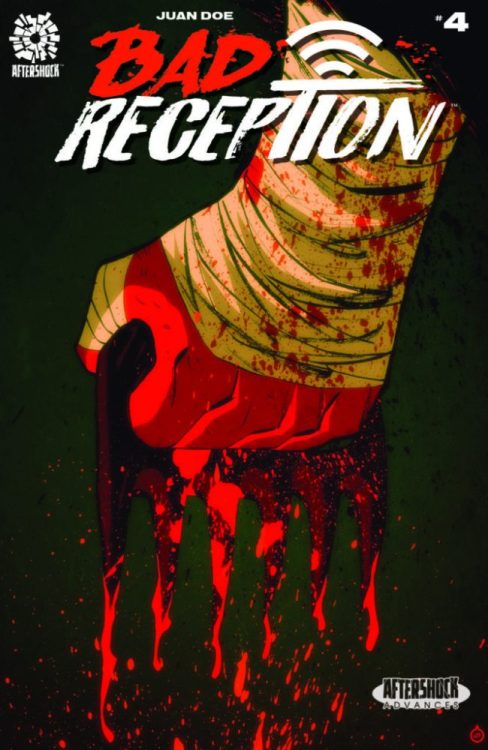
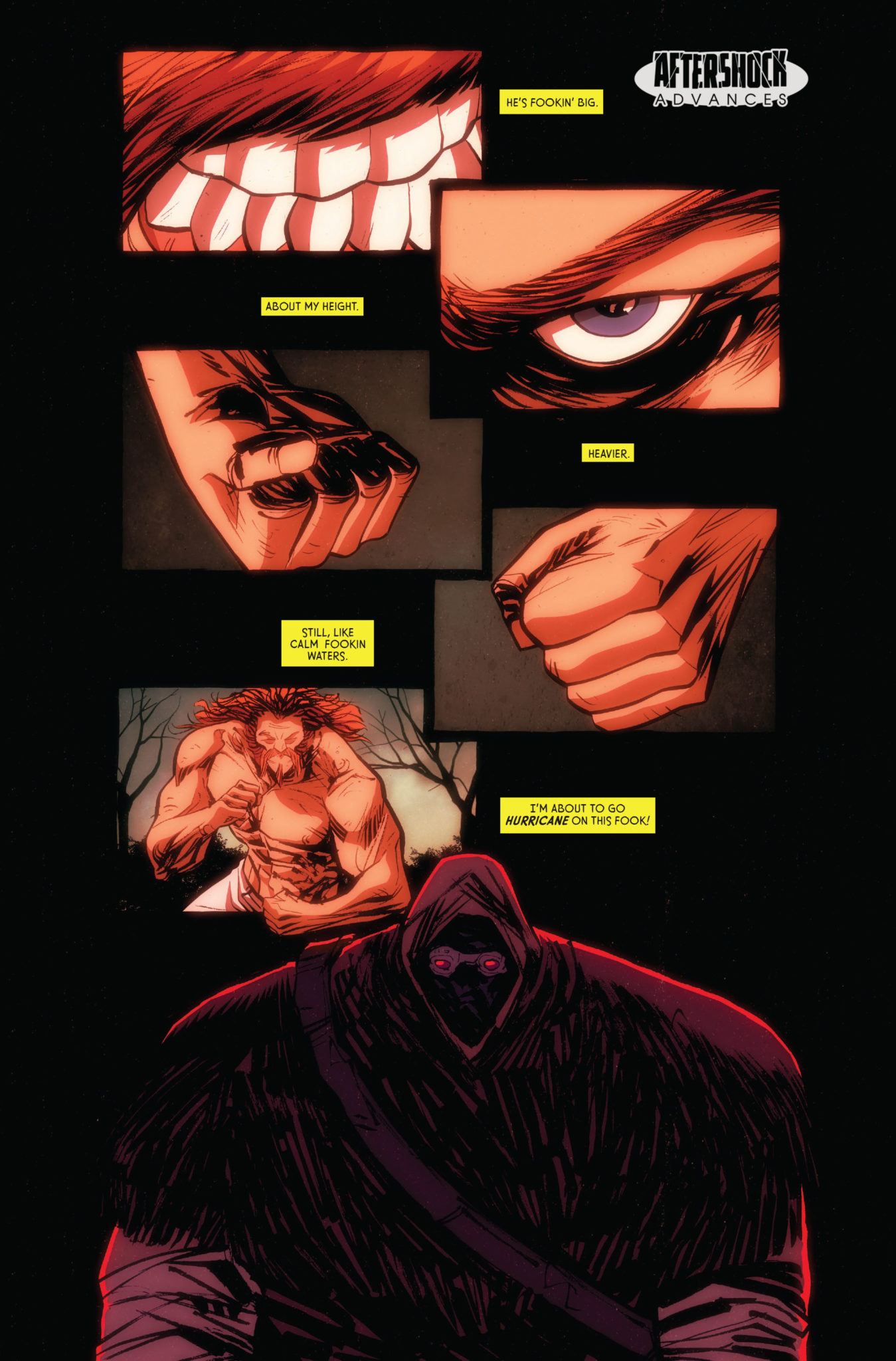
BAD RECEPTION #4 hits your local comic book store March 11th, but thanks to AfterShock Comics, Monkeys Fighting Robots has an exclusive four-page preview for you.

About the issue:
With only a few remaining guests, the tables begin to turn as a shocking secret is revealed about Hashtag. A desperate plan is hatched to capture the hunter, but things go awry when the killer reveals a trap of his own — one that will forever change the relationship of the newlywed couple…if they live. 

Written and drawn by AfterShock’s very own Juan Doe (DARK ARK, AMERICAN MONSTER, WORLD READER), BAD RECEPTION is a searing horror story that doubles as a topical, satirical critique on society’s obsession with technology, social media and the cult of celebrity.

BAD RECEPTION #4 is done entirely by Juan Doe – from the writing, to the interior art, to the cover.

Check out the BAD RECEPTION #4 preview below:

aftershock comics exclusive preview bad reception #4

aftershock comics exclusive preview bad reception #4

aftershock comics exclusive preview bad reception #4

aftershock comics exclusive preview bad reception #4

aftershock comics exclusive preview bad reception #4


Are you reading BAD RECEPTION? Sound off in the comments!

Monkeys Fighting Robots Youtube

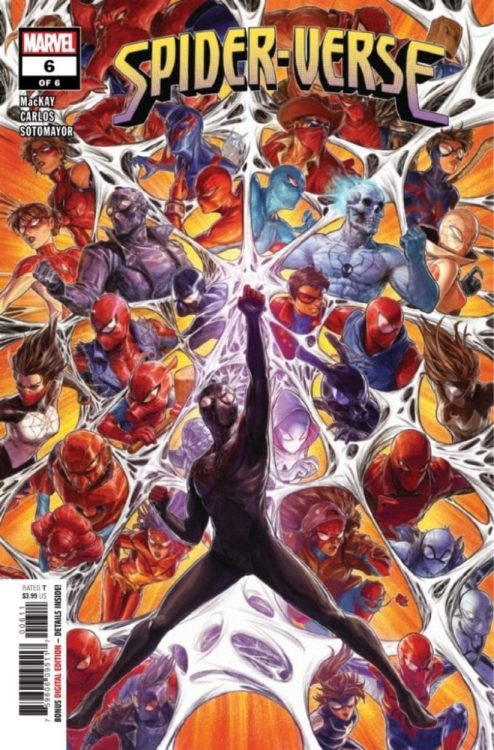
Exclusive Marvel Comics Preview: SPIDER-VERSE #6 (OF 6)

Spider-verse

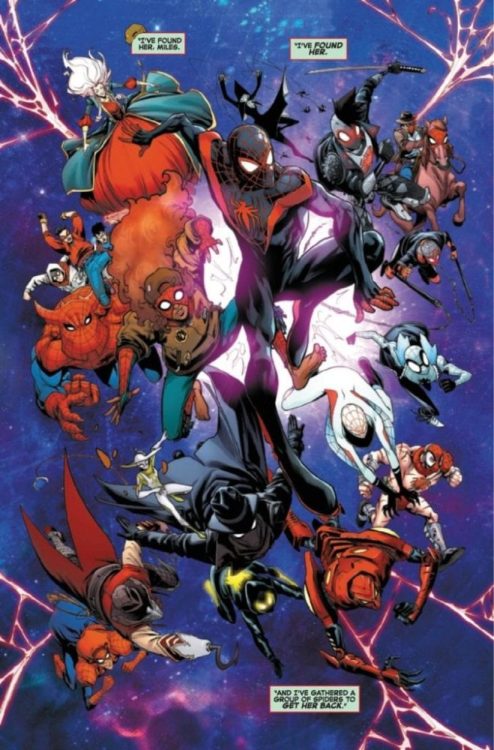
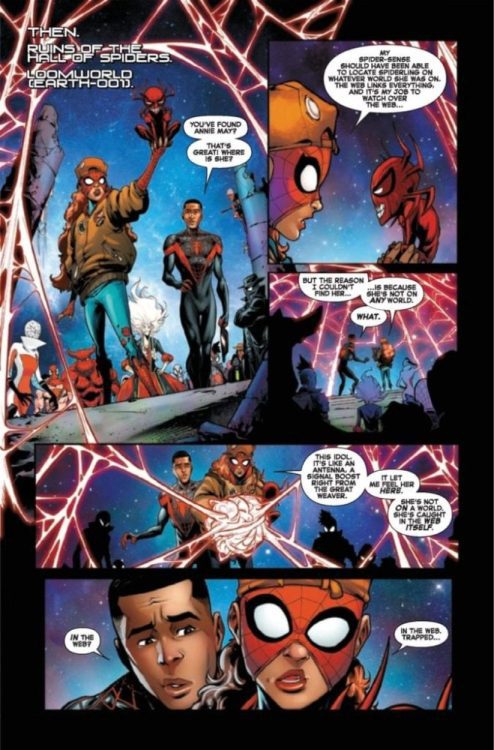
The finale chapter of Spider-Verse hits your local comic book shop on March 4, but thanks to Marvel Comics, Monkeys Fighting Robots has a three-page preview of issue six.

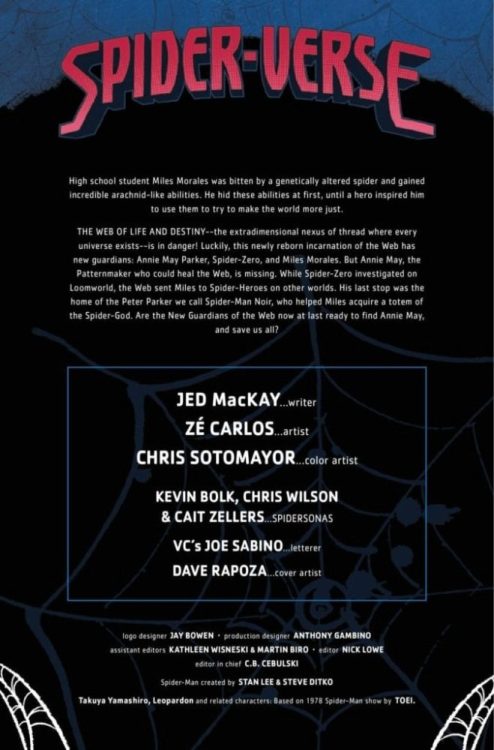
The book is written by Jed MacKay, with art by Źe Carlos, Chris Sotomayor brought the color, Joe Sabino dropped some letters, and Dave Rapoza is the cover artist.

About Spider-Verse #6 (of 6):
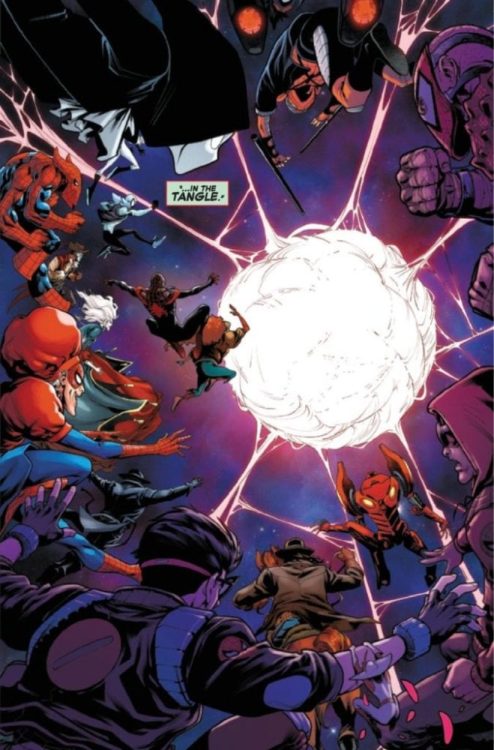
The conclusion to SPIDER-VERSE is here! All the various threads of this series (Miles Morales, Spider-Man Noir, SP//dr, Webslinger, Spider-Ma’am, and all the other Spider-People and Spider-Sonas) come together to re-spin the Web of Life and Destiny! But the journey won’t be easy, so don’t be surprised if all the spiders don’t make it through alive!


What do you think of MacKay’s Spider-Verse, do you have it on your pull list? Comment below with your thoughts.

Enjoy the Spider-Verse #6 Preview:

Spider-Verse Side notes:

Brian Michael Bendis and Sara Pichelli created Miles Gonzalo Morales, with his first appearance in Ultimate Fallout #4 from August 2011.

David Hine, Fabrice Sapolsky, and artist Carmine Di Giandomenico created Spider-Man Noir, with his first appearance in Spider-Man: Noir #1 from February 2009.

Monkeys Fighting Robots Youtube

The Steel Age Of Comics: Renaming And Predicting The Modern Ages

The Steel Age Of Comics: Renaming And Predicting The Modern Ages

The Steel Age of Comics is a working title for the comic books that came out between 2011 and 2026. But where is this all coming from? Fans more than likely know about the Golden and Silver Ages. They were the times of comics that reflect the human conditions and mindsets of publishers and readers. So what exactly happened in the preceding Iron Age to give the foundations for this Steel Age? More importantly, why is 2011 the beginning of this age? This is the research from the gutters.

The BC (Before Comics) Age

If you have ever heard of the Golden Age or Silver Age, it might be because of movies or even comic books. But it’s a concept that creatives used dating back centuries. The most recognizable is the Greek version, the Ages of Man. In it, they describe human existence into different stages. Each seen through different eyes but more or less have the same meaning behind it. All of which says the pessimistic message of how the divine-human existence degrades into something less valuable. Hence why Gold is at the top while Iron is at the bottom.

The Comic Ages

The Comic Ages in simple termsComics, especially that of superheroes, are practically modern versions of myth and legend. Just ask Grant Morrison’s book Supergods. Naturally, fans and historians like to compare these stories to tales of old and how they reflect the human condition. The desire for wish fulfillment exemplifies the Golden Age during the dark days before and during WWII. From 1938 to 1954, comics had little to no limitations in what it could portray. This includes Superman throwing a car with a passenger inside and Batman more willing to kill people. All to the detriment of what became the Comics Code.
The Silver Age is a reaction to comics losing its popularity but getting back into the mainstream by submitting themselves to the Code. As a result, most of the stories from 1956-1970 are full of dialog exposition and goofy stories. If you see Spider-Man stories during this era, you might get a glimpse of people babbling science to explain what’s happening. All of which cause the self-fulfilling prophecies that comics are just for kids.

The Rusting Weapons

Then comes the Bronze Age (1970-1984), where creators have to fight for the right to show more realistic subjects. Take for example, the Green Lantern/Green Arrow story where Oliver finds out about his sidekick Speedy’s heroin addiction. It wasn’t the drugs’ use so much as it was about the struggles people go through under its influence. Several other series follow suit with stories of characters with relatable flaws in attempts to bring back meaningful wish-fulfillment like in The Dark Knight Returns. All while bundling everything up in trade paperbacks and graphic novels.

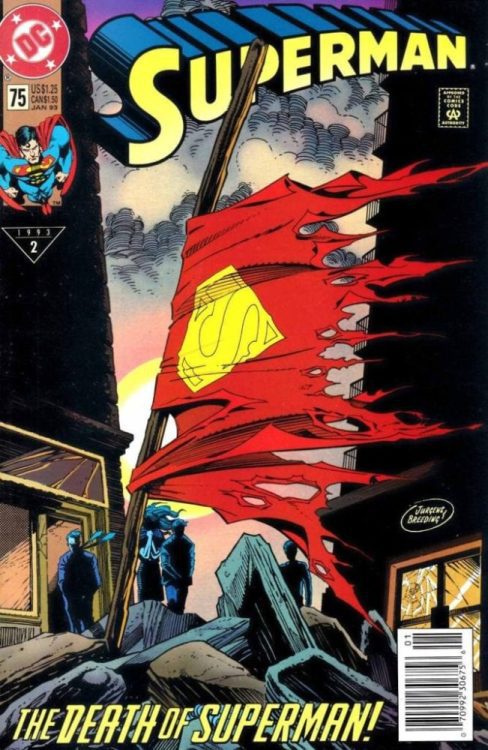
Unfortunately, some creators and publishers took those concepts to the point of parody. Look no further than Death of Superman for how the series grew dark for no apparent reason. Or even Youngblood for unrestrained wish fulfillment. This results in why comics from 1985-2010 are given the dual name of the Dark/Iron Age of Comics.

What Gives The Modern Age its Steel Components?

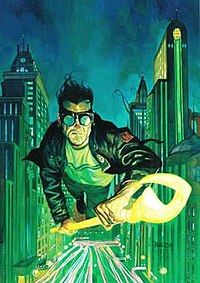
Starman, underrated mascot of the Modern timesThroughout this era, comics that once had shot up in popularity begin to fizzle out. Marvel probably suffers the worst of this as a result of factors like laying off its creatives such as Jim Valentino. Maybe those Greeks were onto something about the lowest point. Yet that would be ignoring the people who make the best of these situations. It’s during these low points that DC decides to implement its Vertigo imprint fully. Almost as if using whatever pure pieces of Iron to create masterpieces. Marvel even uses the more absurd elements of this period to create events like Infinity Gauntlet. That’s not even mentioning the rise in the direct-market for comic shops.

The Steel Age Reforges

That’s not to say that elements from the worst of the Iron Age can’t inspire new stories. Kingdom Come and Marvels are a testament to that. Both series with their art by Alex Ross show worlds where despite the flaws in warped Iron (blowing up Kansas or failing to save Gwen Stacy), they can be remade for an age of steel. Of course, there are different types of steel and situations that suit them best.

Ms. Marvel a hero of the Steel Age.For long-running characters like Daredevil, it’s a matter of balance between the original swashbuckler and the hardboiled ronin. Others, like Carol Danvers take a long time to fold out the impurities to become their best selves. But even as Captain Marvel, there are still challenges ahead that require careful steps to remain consistent. Then there are times when publishers reinvent the wheel with Ms. Marvel‘s Kamala Khan. Because sometimes you have to try and work from a new angle to appeal to a broader audience. In Kamala’s case, it’s about dealing with the labels of millennials and how to find the right balance in life. Like all of life’s struggles, it takes several tries and tolerance to get right.

When Does The Steel Age Begin?

The Steel Age even lets fans be more connected to their fantasies.So with all of that in mind, how does the Steel Age begin in 2011? Especially since that’s 25 years after the agreed-upon beginning for the Modern Age of Comics. According to TV Tropes, the “Iron Age” of comics are codified by “Retcons, Reboots, Retools, and Alternate Universes” as necessities. Because when continuity gets in the way of telling a good story, it’s necessary to start fresh. 2011 is just the point where everyone tries again by putting everything in one package while pruning the liabilities. Namely by embracing the digital medium and cutting ties with the Comics Code. Because if you can give comics to people directly through digital means as Marvel does, why bother with putting up with stuffy desk workers who help ruin your reputation?
What Happens After This Steel Age?

The ages of comics always reflect the needs and desires of the world around them. All while paying respect to what’s come before. A number of outside factors always necessitate the need for change. The Steel Age is exemplified by getting rid of outdated concepts like the Comics Code and embracing modern mediums like the internet. Story-wise, the best comics of the era are about finding the balance between wish fulfillment and realism.

Until then, there will be fans out there trying their part in how they want comics to be presented in their modern age. Anything to comment about this? Leave your thoughts down below.

Monkeys Fighting Robots Youtube

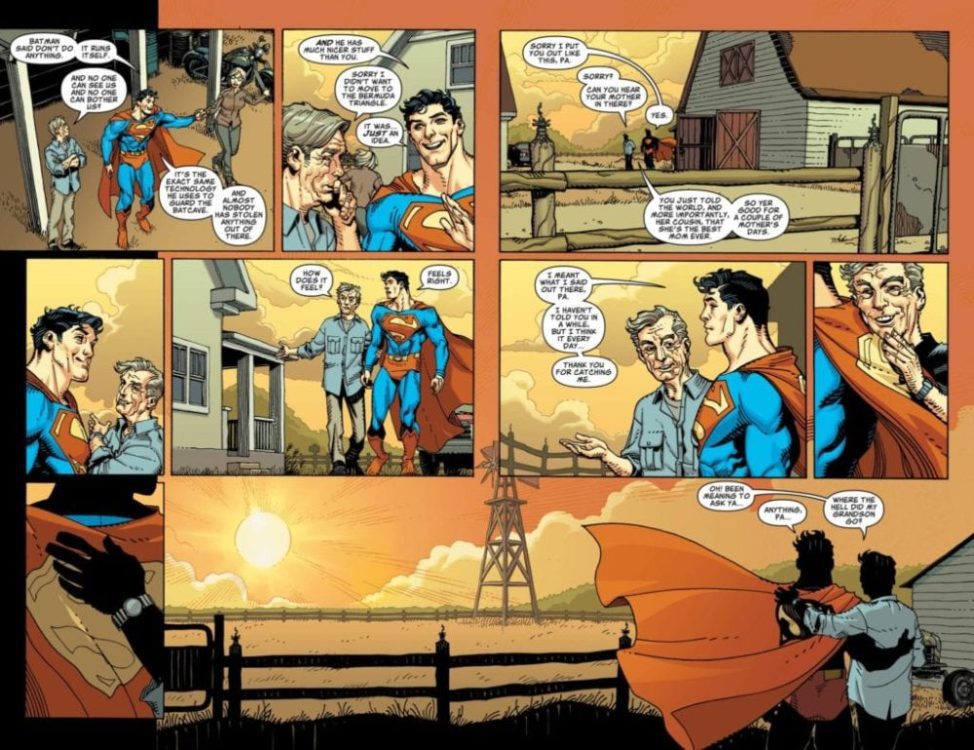
How THE DEATH OF SUPERMAN Changed My Concept Of What A Comic Book Could Be

Superman #75

Prior to the Winter of ’92, comics in print were largely relegated to darkly lit comics shops or the poorly-maintained spinner rack in a local grocery store…and then came THE DEATH OF SUPERMAN. A comic book story – not a movie or television adaptation – was the topic of discussion on the 6 o’clock news, and I had never seen that before.

Growing up as a comics fan, the characters and their stories were something you discussed among, well, other fans. Sure, you could say “Everyone knows who Superman is” from SUPERMAN: THE MOVIE or the deluge of t-shirts, toys and assorted knick-knacks that float around the market at any given moment, but this moment in Winter of ’92 shifted awareness away from the character of Superman to a specific story arc. For once, the story of his actions and deeds became as noteworthy to the general population as the symbol himself.

You can read a fairly good historical account on Wikipedia of how DC Comics came up with the concept to kill Superman. Mike Carlin, the legendary Dan Jurgens, Roger Stern, Louise Simonson, Jerry Ordway, and Karl Kesel were discussing story ideas, and Ordway jokingly suggested killing Superman (temporarily, of course). The idea was to emphasize Superman’s importance to the world within the comics in a new way. The joke turned into reality, and it was a great success, selling over 6 million copies at release. By comparison, comic monthly sales figures for Batman or other top-tier characters at that time was a little over 100,000 copies.

What Ordway and the other writers hadn’t guessed was how important Superman was to the world outside of the comics. The Death story tapped into something that comics fans like myself already knew: these characters and their stories are our modern mythology. They shape our vision of what a world of magic and wonder could be like. Comics show us how heroes save and villains destroy. We cheer when the battle is won, and we hold hands when a friend is lost in battle – fighting for what’s right.

Lois Lane cradling the body of Superman from issue #75

There I was. Winter of ’92. Back from my weekly trip to the comics store with my little brother. Sometimes we hung out at the mall, and we discussed the latest issues of Batman or Green Lantern. Then that news story came on talking about THE DEATH OF SUPERMAN with their man-on-the-street reaction clips. The reaction from everyday folks was sorrowful. Some even showed a touch of grief. It never occurred to me that anyone cared about Superman outside of those darkly lit comics shops. Yet, here was the real world talking about…a comic book story. Everyday people, living their everyday lives expressing shock and sadness as if they had lost a friend.

That’s when I knew comics mattered more than just floppies. New Comic Book Day wasn’t something that only hardcore nerds looked forward to every week. They mattered more than just to my little brother or me or to my (very small) circle of friends. Superman and his adventures mattered to the world.

Monkeys Fighting Robots Youtube

Review: Hilarity Enlarges In ANT-MAN #2

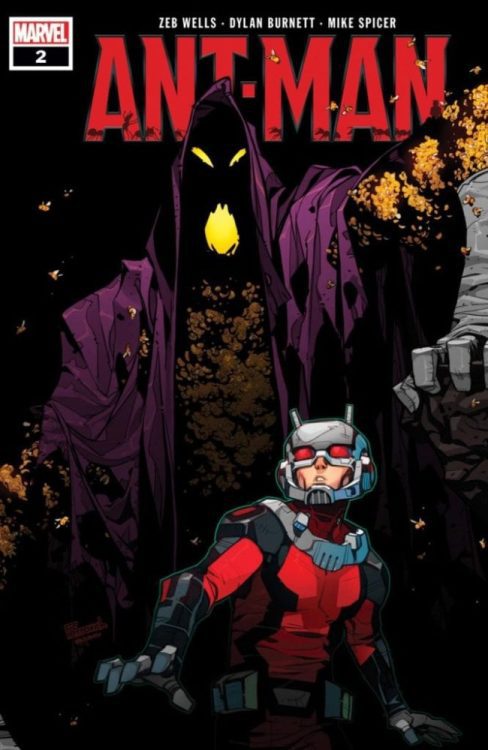
Due to the efforts of Zeb Wells, Dylan Burnett, Mike Spicer, and VC’s Corey Petit, Ant-Man #2 continues the solo adventure for the size-changing Avenger. Does the appeal shrink from the first issue moving into the second or does the issue deliver where it counts?

Summary

A global conspiracy uncovered! Ant-Man faces off against a new host of villians unlike anything we’ve ever seen before – and they’re not falling for any of his tricks. With his back against the wall, will Ant-Man be able to stand his ground or end up squished beneath their heel?

Ant-Man

Writing

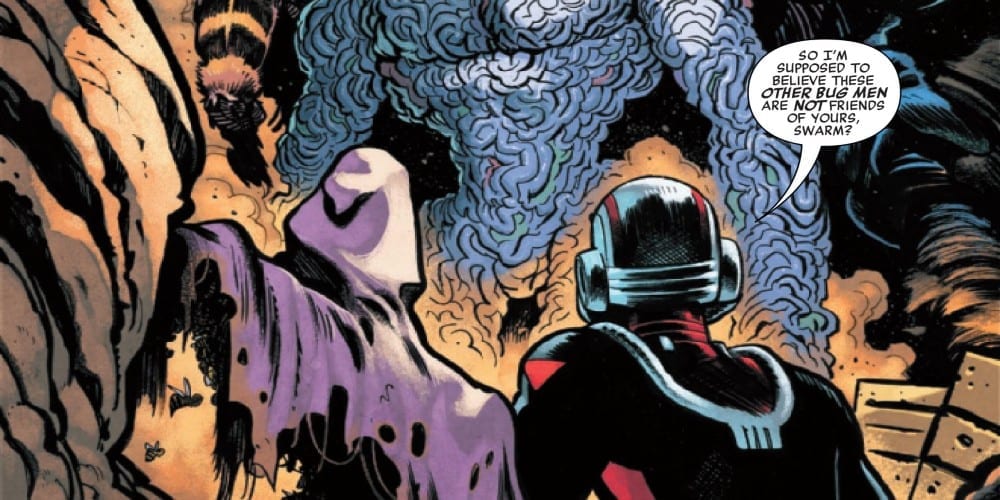
The issue opens with a summary of the 1st installment by Pamela the ant. When you find yourself saying “I never knew I needed an ant to narratee a comic recap” you know you have hit comedy gold. There is greater attention to comedy in the second issue despite the world-ending villains begin introduced. There is also a great back and forth between Ant-man and the Swarm. Ant-Man is reluctantly saving the villain but makes it a point he and the villain are in no way chums.

Writer Zeb Wells does make sure to not just the whole issue a comedic outsing. There are hints of Ant-Man’s daughter Cassie wanting to go hang out with the West Coast Avengers. It’s good to see character development hasn’t been forgotten even though there is an intended increase in humor.

Ant-Man

Artwork

Though Dylan Burnett does draw a few rather weird facial expressions in the issue, some of them help to land a humorous reaction. There also is a very disturbing moment involving an exploding insect. Credit where credit is due, it’s a scene made more memorable thanks to the artwork.

The colorwork by Mike Spicer adds to the special effects of the issue. Ant-Man’s ability to make things shrink and grow to the various insect-based opponents in the issue are of particular note. Basically, the coloring helps to action to flow in a very impressive manner.

Ant-Man

The lettering by VC’s Corey Petit helps to communicate the different methods voices present throughout the issue. The different speech bubbles from the villains and from the insects offer an auditory aspect to the issue. Also, the style used for the main villain showcases him as a definite impending threat.

Conclusion

Ant-Man #2 is still funny and is building to a much bigger development. The biggest questions introduced center around if Cassi will go the West Coast Avengers and if Ant-Man will be in a better place when its all over. Hopefully, he won’t go to the West Coast Avengers thought. It just doesn’t seem like his kind of team.

Monkeys Fighting Robots Youtube