Home Blog Page 219

Review: FRANK AT HOME ON THE FARM #1 — Scared and Confused

FRANK AT HOME ON THE FARM #1, out today from Scout Comics, is the first issue of a 4-issue psychological horror miniseries. If you’re looking for a few good scares, and a mysterious, well-crafted plot, this is the perfect book for you.

About the issue:

Frank returns from the trenches of World War I expecting to be greeted by his loving family on their farm. What he finds instead is a dark mystery, his family missing, and only the animals there waiting for him.

Writing

As a psychological horror writer, there’s a thin line you walk between confusing and intriguing your reader. Fortunately enough, writer Jordan Thomas only manages to do the latter. Throughout the entire issue, there is so much mystery — so many unanswered questions, like “Where is Frank’s family?” or “What’s up with the weird animals in this town?” The reader can’t even get themselves to start questioning what the heck is going on. In this comic, all they can do is sit back and let the puzzling story creep up on them with the promise that it’ll eventually sweep them off their feet and answer every question they have.

One of the big answers in this series brilliantly arrives only at the issue’s last few pages. But when it arrives, the reader’s left so astonished and curious, their thirst to know more grows with each time they contemplate what they had just read. I’m personally really looking forward to learning more about this story’s weird world and characters. Exquisite work here from Thomas.

Art

Bint’s artwork pairs perfectly with Thomas’ creepy tale. His layouts tell a clear story, manipulating the reader’s feelings as Bint sees fit. The terrifying panels look well-detailed and convey real horror. The characters’ facial expressions look incredibly distressing and ugly to great effect. The grim, cold color palettes elevate the story’s uncomfortable vibes, and his use of natural light to add to the mystery and intensity works beautifully. But Bint’s most important feat comes with the paranoia he manages to convey in the pages’ panel gutters.

More specifically, there’s a scene where Frank, the main character, enters an old lady’s store and inquires about his family’s whereabouts. Upon realizing he’s just walked into a taxidermy store, Frank freaks out. The reader keeps getting the paralyzing notion that Frank’s being watched. If the reader doesn’t look close enough, they might miss it. But on a second look, the reader discovers that between the panels, the cold, prying eyes of all the dead animals at the taxidermy store were staring at them this entire time. These simple but clever choices Bint makes along the way never ceases to amaze the reader. After reading this issue, anyone will leave it wanting to see what Bint has in store for them next.

Lettering

There’s simply not a single flaw in LetterSquids’ wonderful, stylish lettering. The bolded words pop out, making the reader think they can almost hear the characters talking. The choice to not use any sound effects brings a new layer of gravitas. When the characters scream, LetterSquids masterfully makes it look realistic and dramatic. Each choice LetterSquids makes elevates the art to a whole new level of creepiness and suspense. It’ll be interesting to see how LetterSquids is going to handle the lettering once the story inevitably reaches its darker moments.

Conclusion

Frank at Home on the Farm #1 gives the readers everything they could’ve hope for, and then some. The story is a psychologically terrifying tale with many unanswered questions, and the art’s unique style further engages the reader in the story’s world and grabs them by the throat, refusing to let go. Strongly recommended for fans of The Shining and Animal Farm.
Monkeys Fighting Robots Youtube

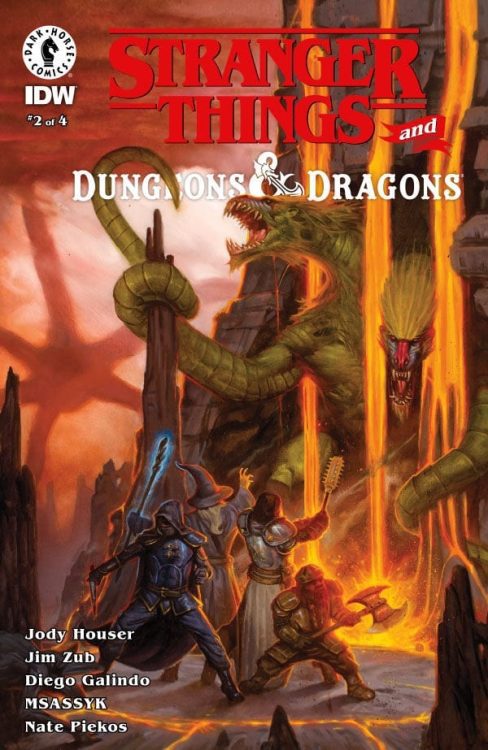
Coping in STRANGER THINGS AND DUNGEONS & DRAGONS #2

STRANGER THINGS AND DUNGEONS & DRAGONS #2, available December 2nd from Dark Horse Comics, continues the adventures of four boys and the Tabletop RPG they fell in love with. It’s so easy to forget just how much this game had a positive impact on their lives.

Heroes unite once again in Stranger Things and Dungeons & Dragons #2.

Easy to forget, that is, until a series like this forces us to see how it all connects. The last issue explained how the four friends came to be, and how they made one discovery that would forever change their lives. Now, it’s time to see more of those long-lasting changes and impacts, in Stranger Things and Dungeons & Dragons #2.

Honestly, there’s something so empowering in seeing how many positive changes were wrought by this discovery. There’s no doubting that D&D changed the lives of these characters for the better. Just look at how well they were able to cope during the Netflix series. They used terminology, confidence, and knowledge gained from that very game.

The Writing

The adventure of four kids in Hawkins continues in Stranger Things and Dungeons & Dragons #2. Written by Jody Houser and Jim Zub, this issue takes place after the events of the first season. Meaning that it happens after Will went missing — and was eventually saved. Not to mention everything else that happened in between.

While there are also two more seasons (at the moment) that take place after that point as well, the focus felt significantly different. This issue, the whole series, was intentionally written to showcase the changes made by D&D.

So naturally, one can guess the focus here: How four kids, damaged and hurting, once again learned coping mechanisms from something they have come to treasure so much. It was heartbreaking yet beautiful to see and read. One of those moments that many a reader can connect with. Even if they themselves are lucky enough to never have faced a Demogorgon in real life.

In many ways, this issue focused on the smaller moments that make up the series. In that way, what was written here felt very…human. Other than their past experiences (and their awaiting future), there was nothing larger than life or supernatural about it. Or how they were coping.

The Art

Stranger Things and Dungeons & Dragons #2 is a vibrant issue. One that struck a balance between comic art and the styles portrayed within the show. It’s an issue steeped in details of the time period — with D&D imagery to help flesh it all out.

Diego Galindo was the lead artist, portraying all of these little details, and then some. Galindo did an especially wonderful job showing the lingering trauma of events, making solid use of the imagery available to do so.

Msassyk’s colors really brought it all to life, while also sticking the issue firmly in the 80s. There’s no avoiding those specific hues, not without diving back into the Upside Down, that is. On that note, The Upside Down and its creatures felt even brighter than ever in this issue, thanks to the contrast.

Nate Piekos’s lettering is another detail worth mentioning. Much of the issue was an internal monologue, yet Piekos arranged it in such a way as to carry the imagery, rather than interfere. The two worked hand and hand, and created something new.

Conclusion

Stranger Things and Dungeons & Dragons #2 is a bittersweet issue, one that follows the events of the first season. Its success is in making the characters feel so very human, as they learn to cope with everything they have seen and survived.

Monkeys Fighting Robots Youtube

How Two Friends Team Up in SPIDER-WOMAN #6

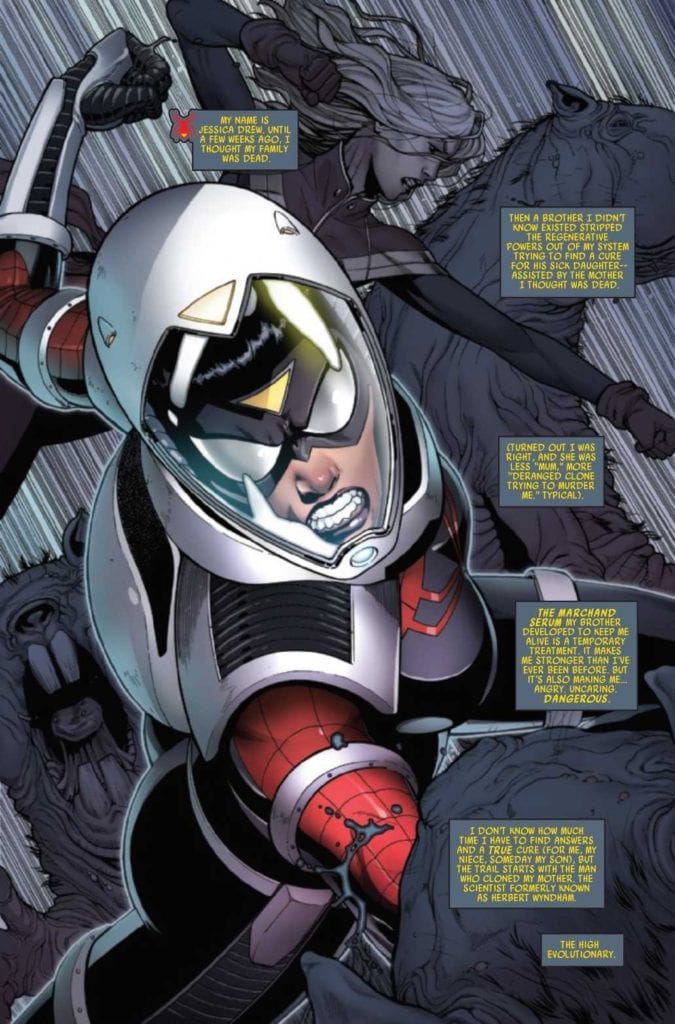
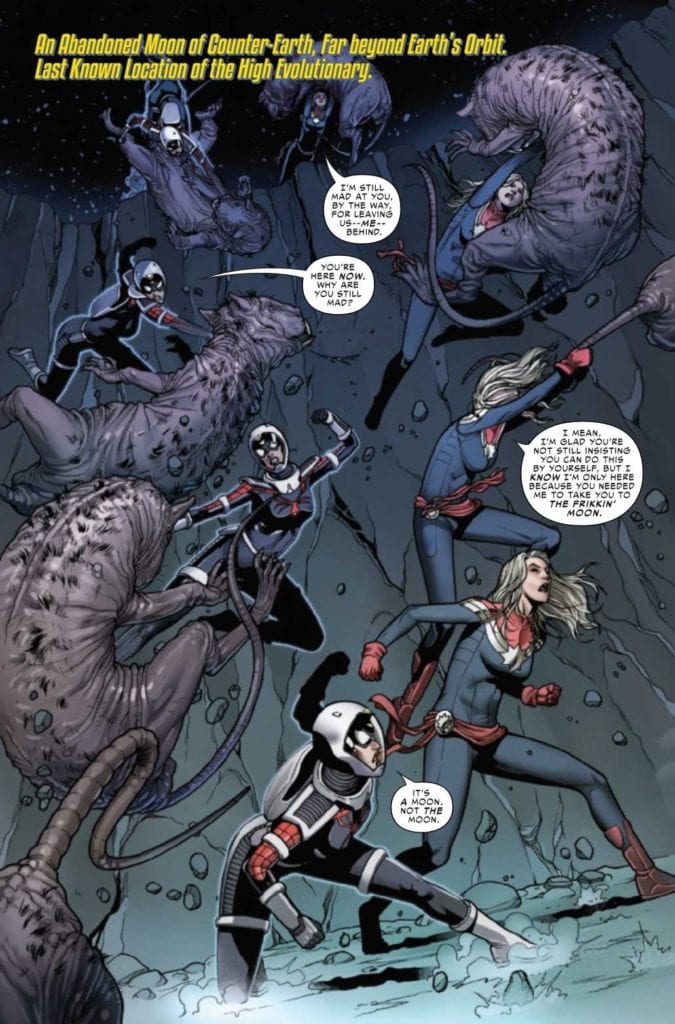
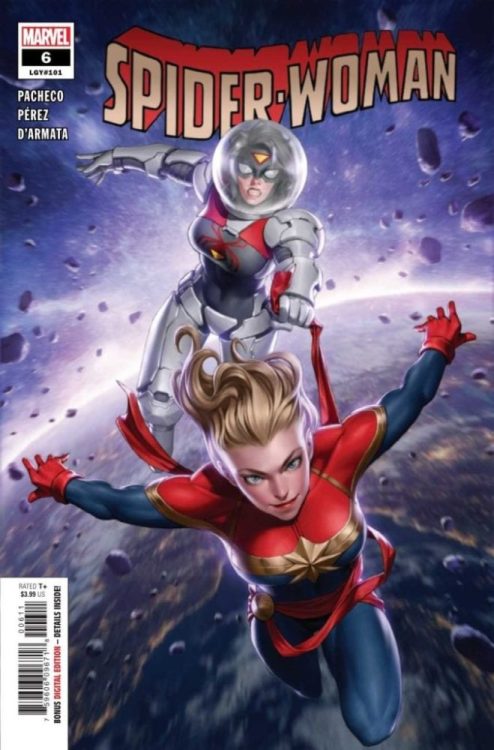
SPIDER-WOMAN #6, available today from Marvel Comics, dives straight back into the latest adventure for Jessica Drew. Only this time, she’s gone to her best friend for a bit of help — and space transport.

Jumping right into a fight in Spider-Woman #6.

Jessica Drew may have her own series again, but it has been far from smooth sailing. Her entire life has been shaken up, from being forced to step away from Gary and Greg, to finding some dark truths about her family.

In truth, her story has only just begun. Every revelation seems to send her down a new spiral. Whatever is causing all of this obfuscation is not making it easy for Spider-Woman, though admittedly the mitigating circumstances aren’t helping either.

At least in Spider-Woman #6, she has an ally on her side. Only, it isn’t quite the team-up that fans have eagerly been hoping for. After all, there’s something wrong with Jessica, and that couldn’t be more apparent than when she’s standing side by side with her bestie.

Two dynamic heroes and besties just taking care of business.

The Writing

In many ways, it feels like Spider-Woman #6 is a deviation from the rest of the series — even though in truth, it isn’t. It may have taken Jessica Drew away from earth, but not away from her problems. That much writer Karla Pacheco made painfully clear.

This issue is a very fine balance of humor, drama, and suspense. There’s plenty of action to be found, thanks at least in part to the mental state of Spider-Woman (if you’ve been following the series up to this point, then you know exactly what is going on).

A lot of the humor comes at the expense of another Avenger, but honestly, that just makes it all the more entertaining. An easy mark, sure, but one that is still appreciated. It very much fits with the dynamics of the characters involved. Namely, the two best friends.

It’s intriguing seeing where this story is unfolding, though it is raising more questions (and concerns) along the way. One thing is certain, fans are once again finding themselves fully invested in what is about to happen to Jessica Drew.

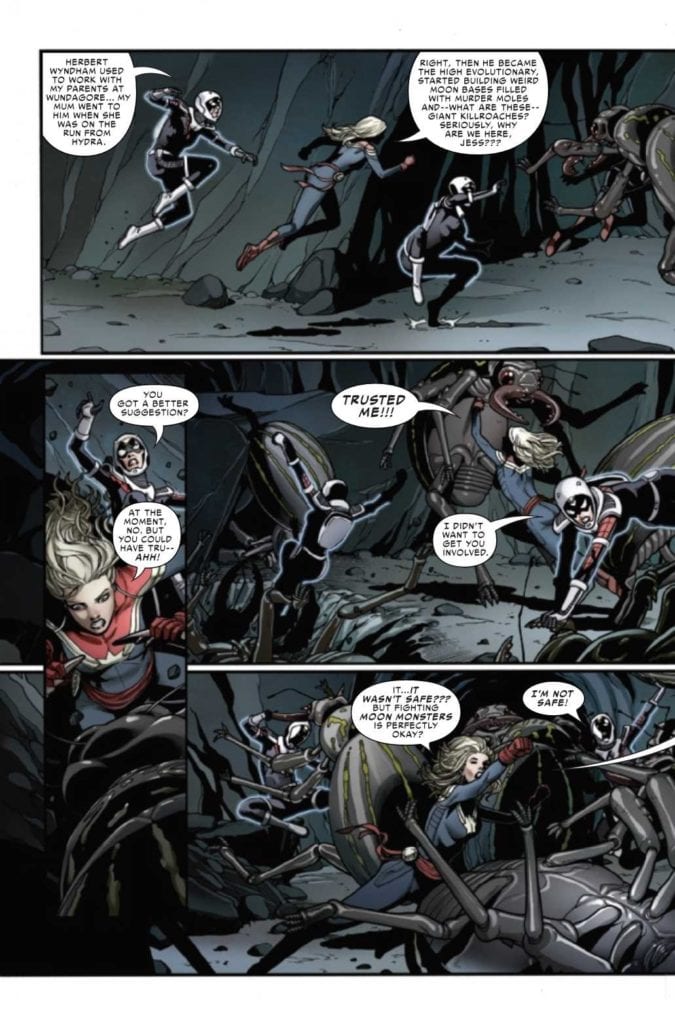
She does have a point…

The Art

The artwork inside Spider-Woman #6 is a treasure, simply put. It also deviates from the norm, but in a way that really showcases the action in particular. Our heroines bounce all over the panels, as they battle and sass their way through multiple situations.

Pere Perez (art), Frank D’Armata (colors), and VC’s Travis Lanham (letters) really did create something memorable here. Not just because of the fighting (though there is certainly that), but the way our heroines react to everything, as well as dozens of other little details.

The colors are so perfect for this issue, transitioning alongside the plot. One moment it’s vibrant and alive, the next muted, as if it too exists in the void of space, and then the next we’re seeing a sun-dried palette perfect for an abandoned world.

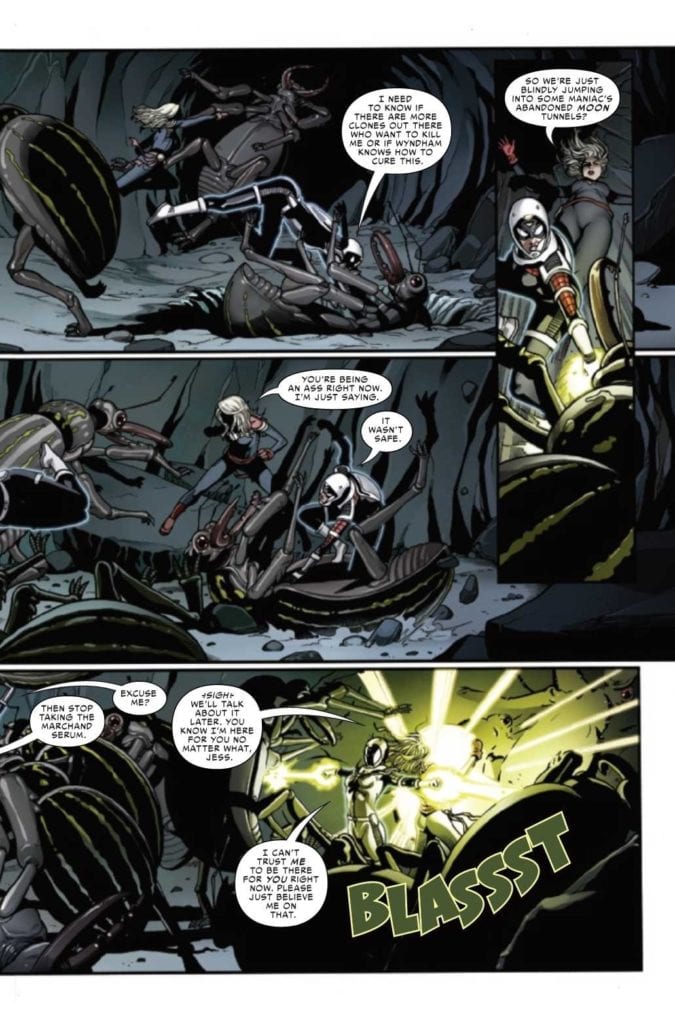
Finally, there’s the lettering, which is top-notch. Everything from Jessica’s mental state to the impact she had on her surroundings (and the people in it) was made clear as day. Thanks largely to the careful placement of those letters.

One major blast to deal with the last of the enemies?

Conclusion

Spider-Woman #6 is one of those issues that is perfect for fans of both Spider-Woman and Captain Marvel. It goes without saying that it is also perfect for those that adore their friendship, and their combined sass.

Alongside all of that sass is a solid plot, one that is dark and compelling. As it raises concerns about our heroine and her fate.

Monkeys Fighting Robots Youtube

How A New Player Enters the Fray in ONCE & FUTURE #13

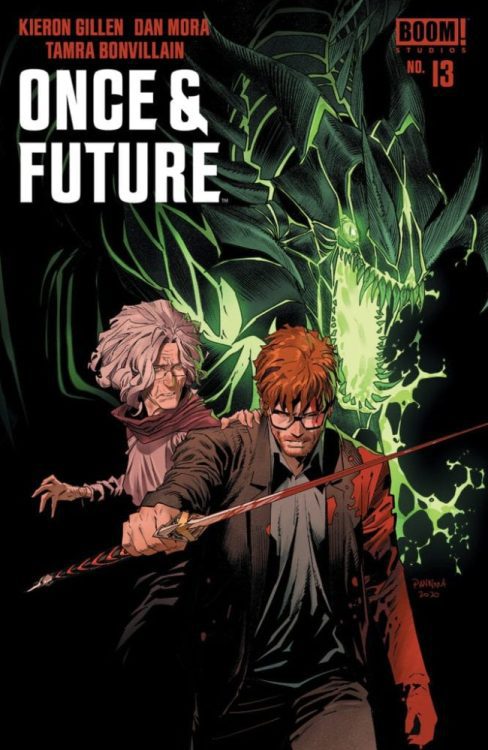
ONCE & FUTURE #13, available today from BOOM! Studios, continues a tale full of legends of old — and the havoc they can wreak when summoned into today’s day and age.

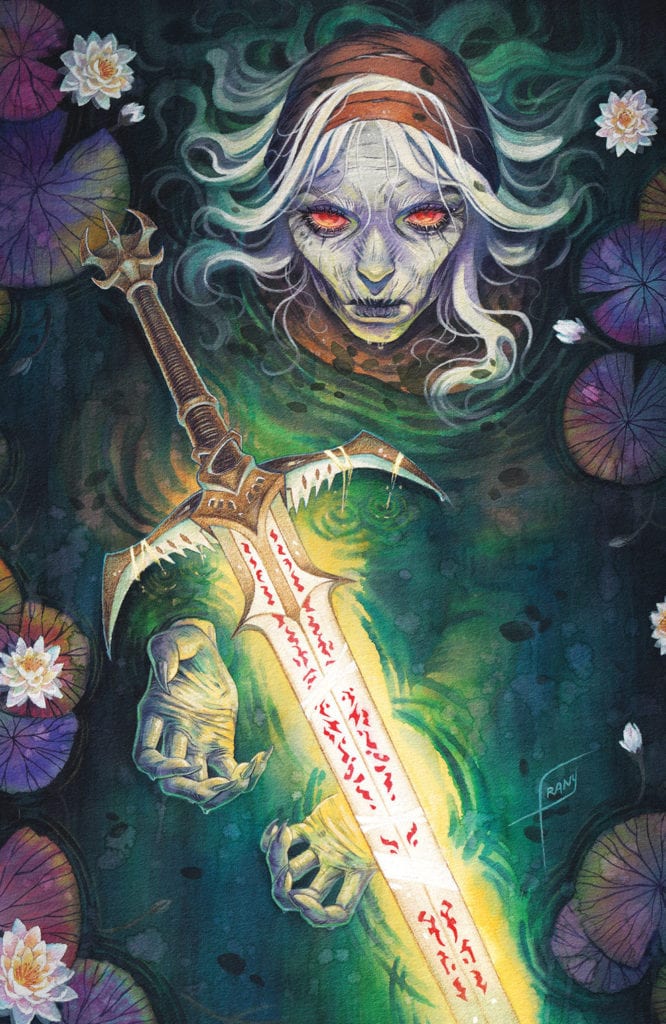
A disturbing variant cover for Once & Future #13.

Once & Future is a series that has been steadily increasing in drama — and danger. It started with a classic Arthurian tale, but with a darker twist. Now it has become a creature of its own making, as the stories come to life.

Before the series started, Duncan was no hero. Now, he’s been transformed, taking on the role of multiple heroes. But even that has a limit, as we’re soon to learn. That is where Once & Future #13 picks up, as he picks up the family career of monster (and legend) hunting.

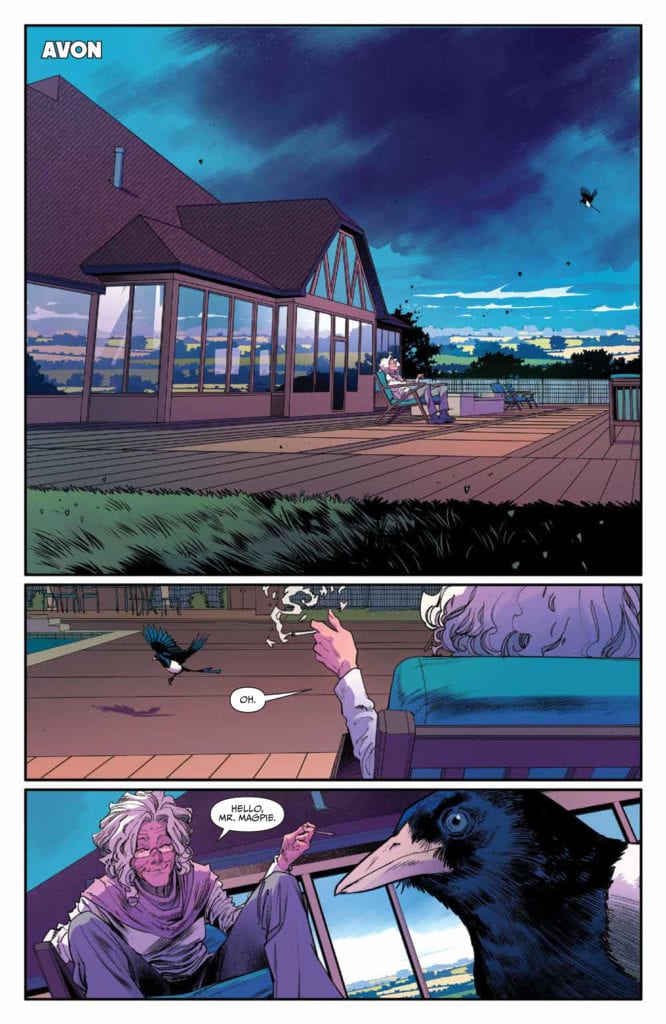
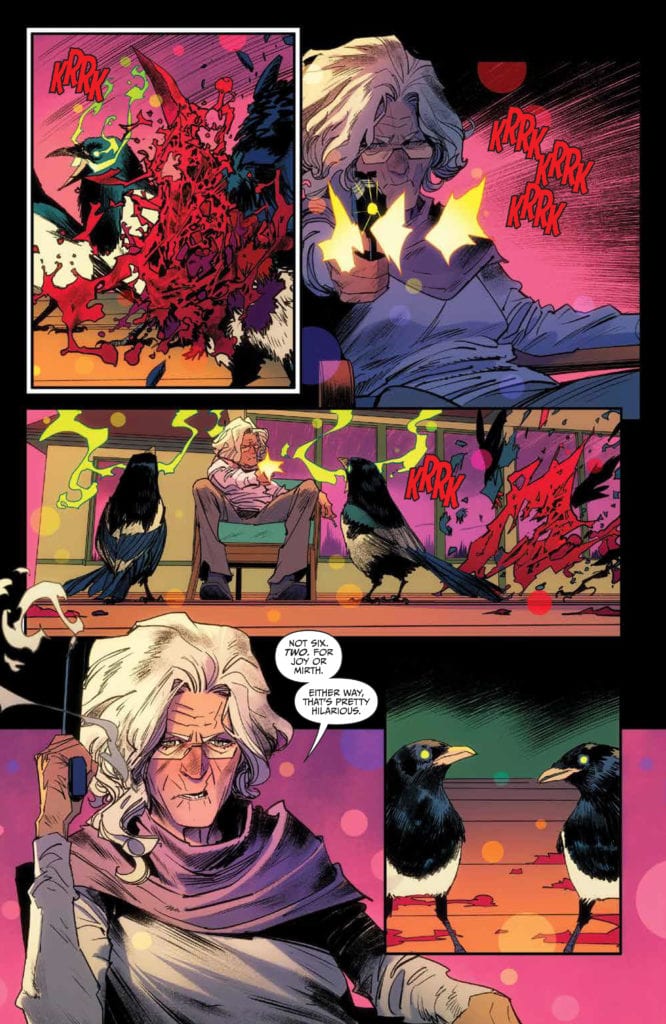
One magpie for sorrow,

The Writing

Once & Future #13 is not quite as full of action as the previous few issues, but it does bring something new to the table: suspense. A creeping feeling, like something is watching from the darkness.

That is Kieron Gillen’s writing style shining through, weaving in different elements into this already horrifying tale. The introduction alone is an intriguing one, though as with the rest of this series, it isn’t exactly for the faint of heart.

From there, the issue takes a few different twists and turns, reminding readers that it isn’t all about the fighting (don’t worry, there’s still that). There are human beings interacting with legends and lore. It’s an important detail that one must never forget.

Oddly enough, there’s even a little bit of humor found within the writing this time around. It’s almost like a breath of fresh air. Almost. It feels more like the calm before a storm, where readers simply know that things are likely going to get even worse than ever. Especially now that we’ve been reminded of all the reasons to root for these characters.

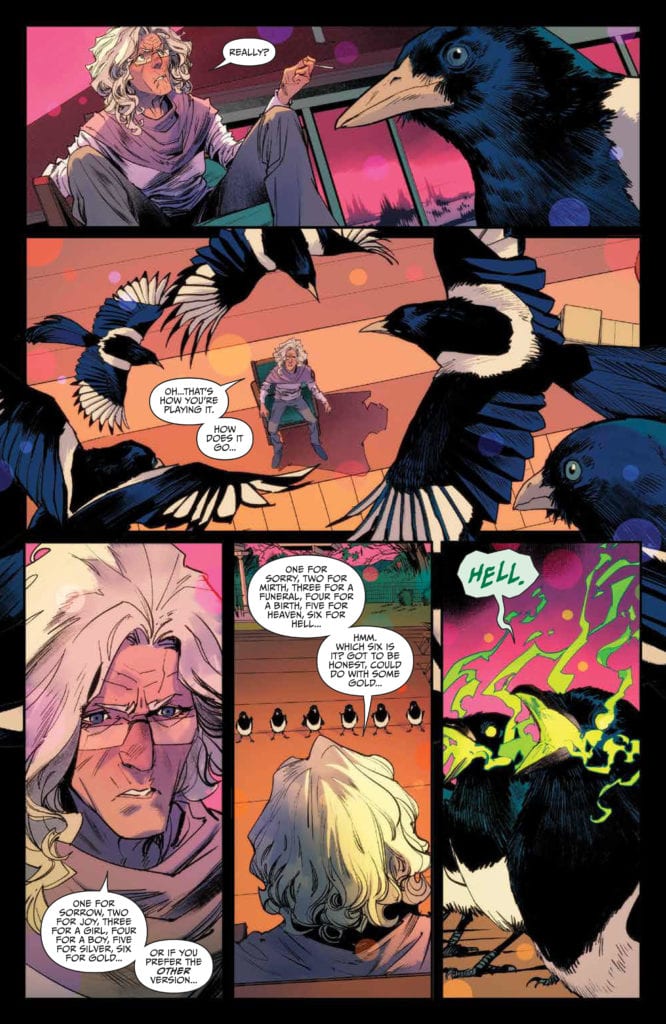
Six magpies for…hell…that can’t be a good sign.

The Art

Once & Future #13 is a bright issue, almost literally, as the case may be. The colors are bold and bright, with backdrops that pop, even in what should be nothing more than a dreary rain scene. It makes for a memorable setting, even without the supernatural interfering.

Naturally, that is not something that will last. Something, some creature, from legend will pop out, and Tamra Bonvillain’s colors will make them absolutely striking. It’s the ideal complement to Dan Mora’s lines.

His characters, be they human or something more, are fascinating. They dominate the pages, requiring only simple backdrops to complement their designs. Admittedly, the creatures tend to be even more captivating, but that makes sense, doesn’t it?

Ed Dukeshire’s lettering is the final touch in this issue, bringing with it an epic scale that is exactly what the story needed. As with the character designs, it’s the creatures and their words that the lettering is the most intriguing.

Does that still count as two?

Conclusion

Once & Future #13 is a unique issue, even among an already unique series. It makes a few deviations, while ultimately getting back to the main focus before the end. Yet that variance allowed for a spark of humor and humanity to shine right through. A poignant reminder of what these characters are battling for.

Monkeys Fighting Robots Youtube

Chaos and Order Battle in LUMBERJANES #75

LUMBERJANES #75, available today from BOOM! Box, brings fans ever closer to the end as the series begins its final wrap up. Yet there is still one adventure left for these daring campers, naturally.

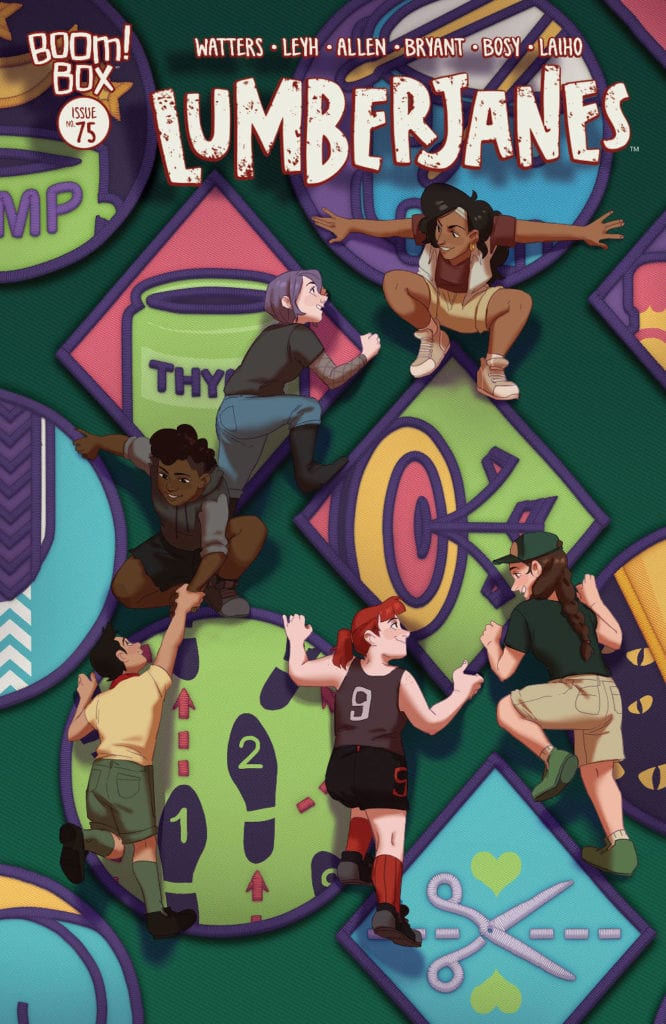
The characters of Zodiac Cabin take center stage on this variant cover of Lumberjanes #75.

The beloved series that is the Lumberjanes is creeping ever closer to the conclusion, which is a bittersweet thought, to be sure. While so far the ending is proving to be every bit a conclusion the characters and fans deserve, it will still be heartbreaking to see it go.

Lumberjanes #75 is the last issue that works towards setting up the true and proper finale. Next month, Lumberjanes: End of Summer #1 will conclude the series. Make sure that you don’t miss the supersized issue! It’s going to be something else.

There is one happy thought to hold onto here if you’re having trouble accepting the end. Lumberjanes was recently optioned for an HBO series. So far, that’s all it is, but there is hope somewhere on the horizon.

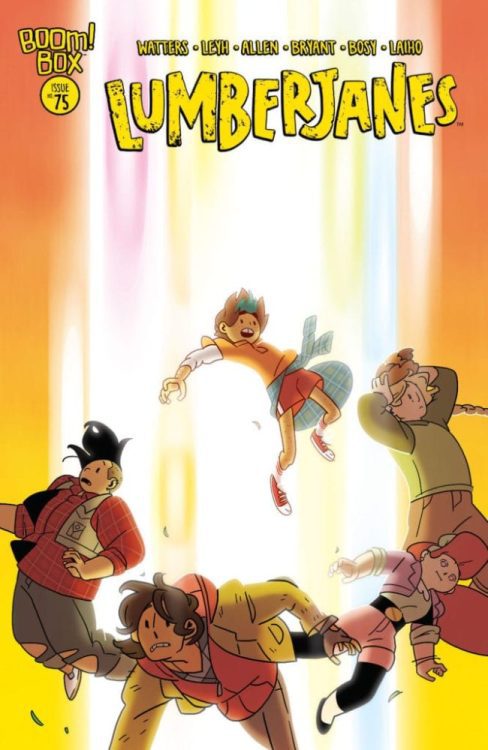
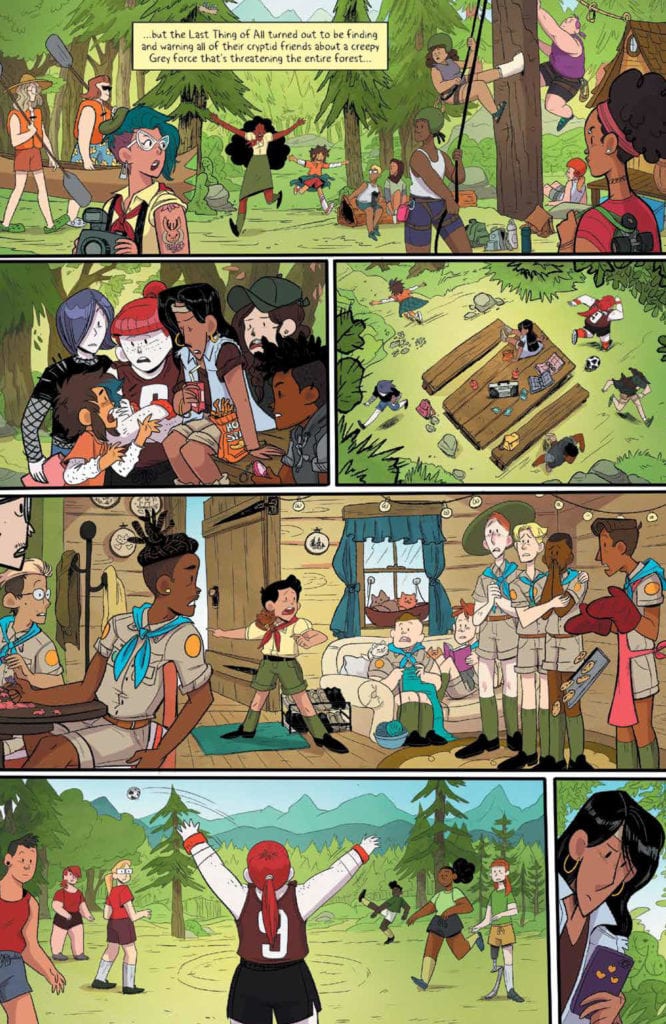
Everyone is in a mad dash to warn their friends of the impending danger.

The Writing

Lumberjanes #75 is a supersized issue, coming in at forty-seven pages. That’s forty-seven pages full of Lumberjanes chaos and fun. Okay, it’s more chaos than fun at the moment, but it’s still an entertaining read through and through.

Written by Shannon Watters and Kat Leyh this issue is literally full of dozens of events and interactions. All of which is leading to the final event, of course — the end of the summer. The Lumberjanes are facing danger like no other, and it’s resulting in all of the characters that they have met, large and small, to come together one final time.

For that reason, it’s a pretty endearing read, seeing so many characters come together. For many, it’s a chance to say goodbye. For others, it’s a reminder of all the reasons why we fell in love with them in the first place.

Leave it to Watters and Leyh to write in such emotionally powerful moments. Yet that is only a fraction of what this issue holds. There are larger revelations found within — implications about the forest itself, and actions taken by the campers.

It would be the understatement of the year to say these actions are doing justice to the characters. Yet it’s also the truth. In many ways, these are things that fans have been waiting for. For years, literally.

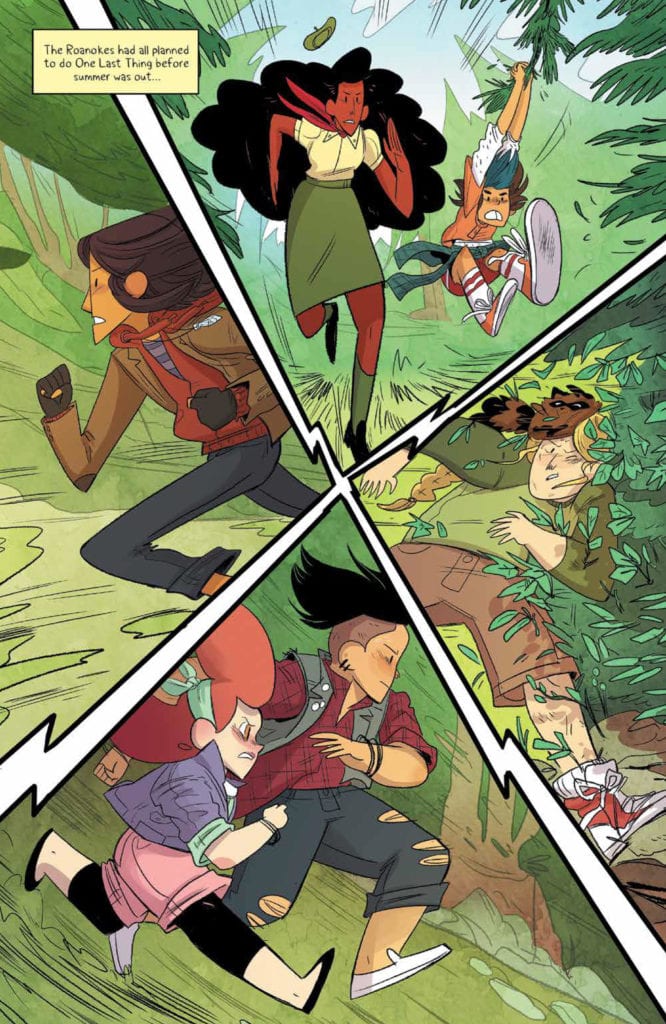
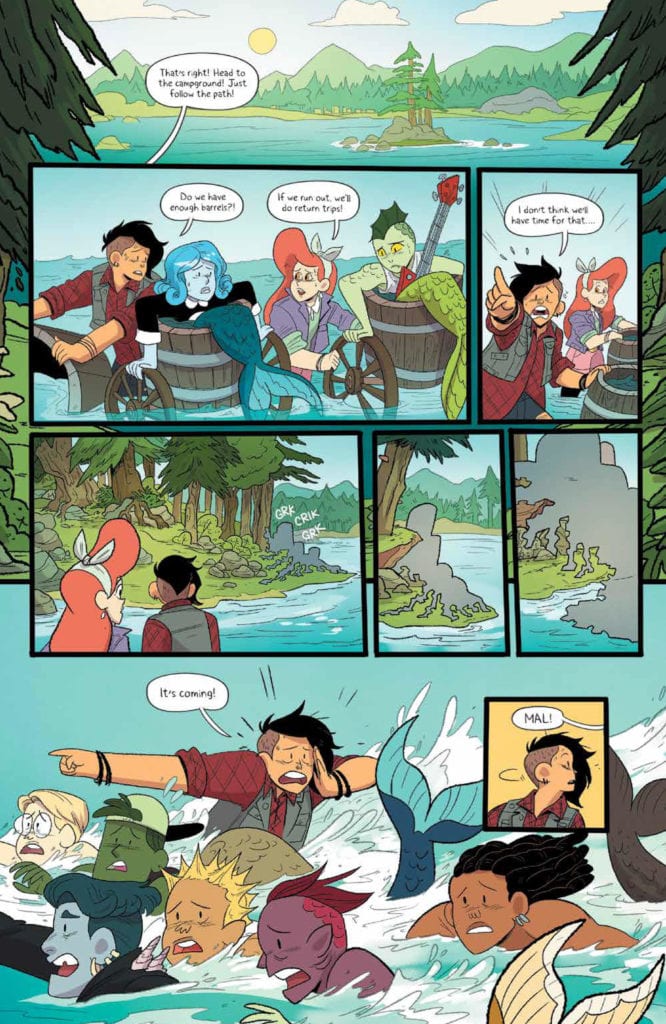
And so the word is spread.

The Art

The artwork inside Lumberjanes #75 is bright and happy, a stark contrast to the threat that is sweeping across the land, and the pages. There’s no doubt that the contrast was done intentionally, yet it is still highly effective.

Brooklyn Allen was the lead artist for this issue, and he had his work cut out for him here. Working alongside Allen are Alexa Bosy and Kenesha C. Bryant (inks). Remember all of those characters I mentioned up above? Well, imagine drawing that many, all inside a single issue. In many times, even inside the same page and panels. It’s an impressive feat.

A feat made all the more impressive by their interactions and reactions. The Lumberjanes have never been the type to react quietly, and that shows here. The colors, done by Maarta Laiho, are a strong complement, both to the artwork itself, and to the confident and determined characters.

Finally, it’s Aubrey Aiese’s lettering that ties everything together. There’s a lot going on, obviously, yet it is never difficult to actually following what is happening. Or what is being said. That may sound simple, but it really is impressive, and worth acknowledging.

It is looking like some characters will be more difficult to evacuate than others.

Conclusion

Lumberjanes #75 is a large issue that practically bursts at the seams to tell its story. There is so much going on, and yet it is every bit an event that fans are not going to want to miss out on. It’s heartwarming and intense, all in those perfect proportions that the series has mastered.

Monkeys Fighting Robots Youtube

Review: A DARK INTERLUDE #1 — A Semi-Sequel To Fearscape

A Dark Interlude #1 Cover

A Dark Interlude #1, out today from Vault Comics, is the beginning of a new series that takes place after the events of the Fearscape, though it is able to stand on its own and welcome new readers while also pleasing fans of the previous series.

(Monkeys Fighting Robots also had the opportunity to interview writer Ryan O’Sullivan about the new series, which you can find here.)

About the book:
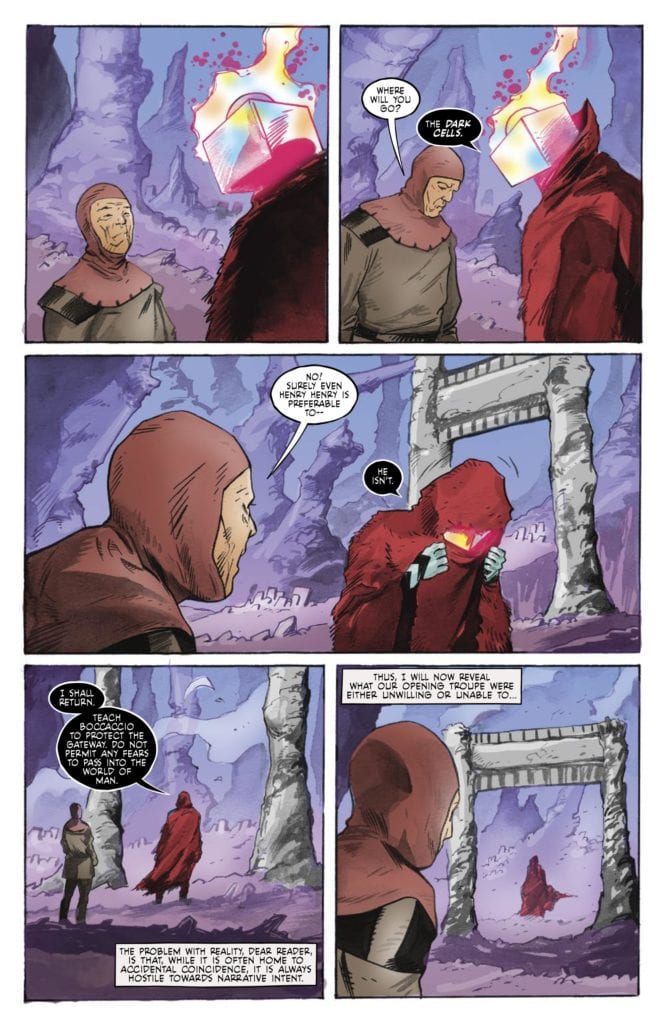
This series follows the events of Fearscape, a story which followed author Henry Henry as he is brought to a fantastic realm to battle humanity’s greatest fear by a Muse who believes him to be this generation’s greatest storyteller. The only problem is Henry Henry is a plagiarist. A Dark Interlude #1 picks up where Fearscape left off, with Henry Henry imprisoned for murder and attempted murder, and the muse — now reincarnated — living with Jill Proctor. This multitude of changes may make the story seem like it depends on its predecessor, but as the comic book repeatedly tells us, this is not a sequel. There are plenty of ways that A Dark Interlude #1 is able to inform us of what took place before and sets up what problems warrant a new story.

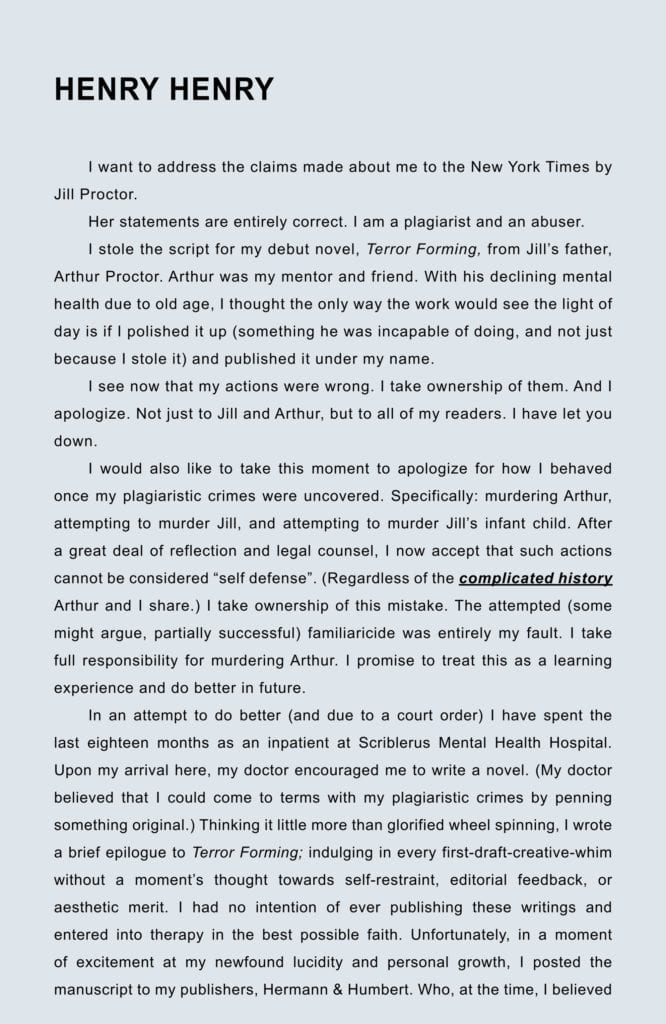
A Dark Interlude #1 Letter from Beginning

A Dark Interlude #1 Story

Many aspects of A Dark Interlude #1 make Ryan O’Sullivan’s story interesting and unique. The first of these aspects greets us immediately as we open the issue and are faced with paragraphs of text, rather than the panels one would expect to see from the medium. The issue does contain panels later, but that does not negate the impact of beginning solely with words. When expecting art and being greeted by text, it intrigues the reader to know why the writer chose to use this to open the series, rather than what the medium typically consists of. Some could argue that adding pages of pure text to a comic book is a cheap way to insert more story in less space, but that is not how O’Sullivan uses it. The text is not merely an explanation of what occurred in Fearscape, but instead is a letter written from our narrator, Henry Henry. The letter does give exposition about what happened before the issue, but it is also is a pleasant way to submerge the reader into the world of the issue. We get a feeling of who the character is, what happened in the past, and how his actions affected other characters.

O’Sullivan also makes A Dark Interlude #1 an intriguing read through the choice of narrator. Just as in Fearscape, Henry Henry is an egotistical narrator who often attempts to skew the narrative in his favor. It is rare to have such an unreliable narrator, and it changes how A Dark Interlude #1 is read. In all, O’Sullivan causes the story of the issue to be entertaining through its strange narrator, cool techniques such as the silent panel, and giving enough information for a new reader, even if they have no understanding of Fearscape.

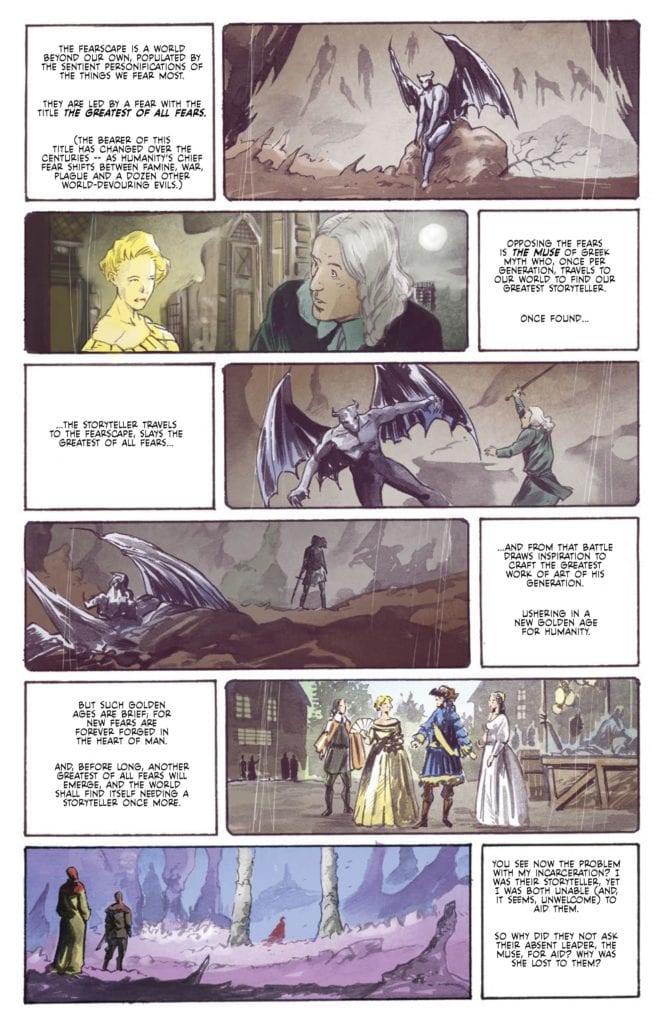
A Dark interlude #1 Lettering Example

Art

The illustrations of Andrea Mutti are what make much of A Dark Interlude #1 an enjoyable experience. Despite having the fantastical realm of the Fearscape to explore, much of the issue centers around characters in the typical world. In these scenes, Mutti’s work with facial expressions comes heavily into play. The issue uses the technique of a silent panel multiple times as a dramatic pause in a scene. In these panels, when no word bubbles are present to take any attention away, the facial expressions become the only point of focus. Mutti delivers on this front and can portray complex emotion on characters’ faces in these panels. However, while Mutti’s art style is pleasant to look at and is terrific at capturing emotion, it does feel like there was a missed opportunity for the art to be stunning for new readers. This may be partly because the issue largely centers on the real world instead of the Fearscape, and while the art is very well done and fits the story here, one hopes that future issues will allow the art team to go nuts and fully explore the fantasy realm. (The smart money says they will.)

A Dark Interlude #1 features the wonderful coloring talents of Vladimir Popov. There is a pleasing contrast between the palette used for the realm of the Fearscape and the real world. Not only are there distinct areas due to this, but each realm has its own unique tone due to these palettes. My only hope for future issues is that Popov uses even more variety to reflect the different tones of each scene.

A Dark Interlude #1 Silent Panel Example

The lettering of A Dark Interlude #1 fits wonderfully with the story and allows the issue to flow naturally. Andworld Design also uses speech bubbles in an interesting way in the issue. When we finally are able to see our narrator in person, his entire face is covered by the speech bubble of someone talking to him. Why this was done is a question in terms of the writing, but the execution of having a word bubble cover his face built suspense, and is not an often seen form of lettering.

Conclusion

A Dark Interlude #1 is the beginning of a new journey in the world of Fearscape. Events are starting to build, and it is clear there are many thrilling stories to await in the series. The art pairs nicely with the story and provides for an excellent, captivating read.

Monkeys Fighting Robots Youtube

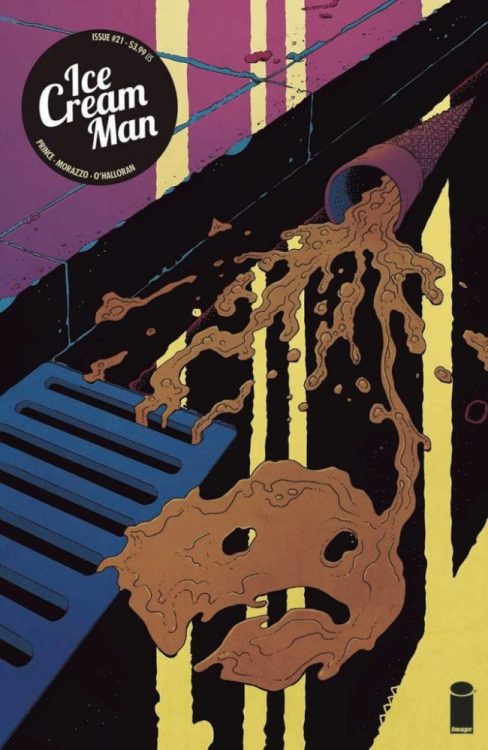
Review: ICE CREAM MAN #21 Answers Questions But Pulls Readers In Further

ICE CREAM MAN #21 hits comic book stores on Wednesday, November 18th, presenting readers with one of the series’ most unsettling issues yet. This suspenseful story follows a man who goes by Detective Kowalski through an investigation of a missing person: Bert Cohen. But unbeknownst to our protagonist is the fact that Cohen was abducted by a mysterious cult—one who worships the “Spider King.” Will readers, and Kowalski, discover the secrets of this organization?

Story

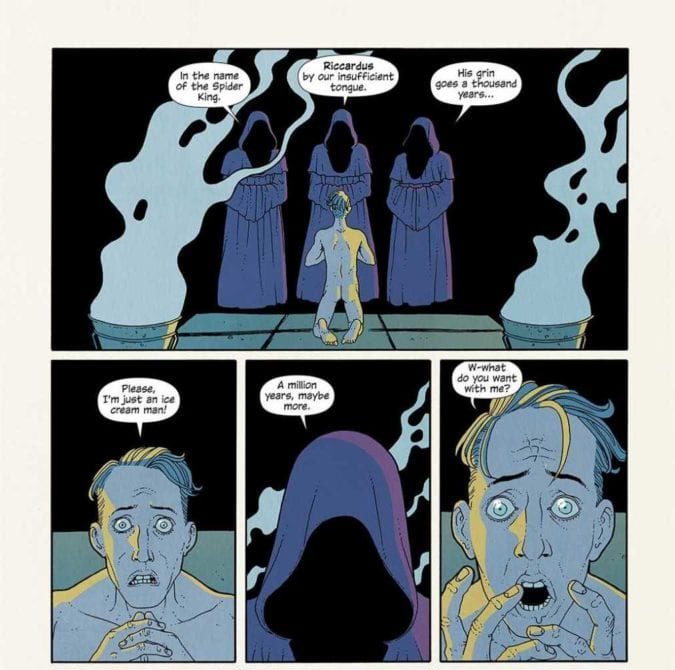
The opening scene of the story brings readers into a darkened room with the missing Cohen bound (naked) before mysterious hooded figures. What’s notable right is his professed job title: ice cream man. From the get-go, we see this unfortunate soul may be a pawn in the nefarious Ice Cream Man’s game.

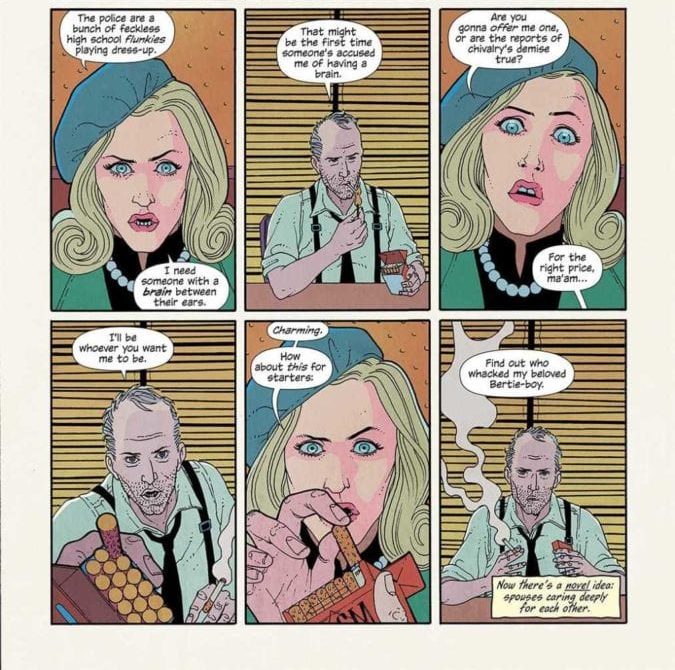
Unfortunately, we don’t get to see Cohen’s ultimate fate as the following panels focus in on Kowalski and the wife of the victim. She expresses what appears to be genuine concern for her missing husband—a sight the detective isn’t used to. We soon learn he is living in constant regret and fear due to a failing marriage.

Writer W. Maxwell Prince takes readers on a journey through Kowalski’s double-life—one side drowning in existential despair while the other loses itself in work. What’s more, this relatable phenomenon is captured in a thrilling tale of suspense and horror. Kowalski finds himself running away from an ever encroaching despair, but does he know what he’s running into?

Artwork

Martín Morazzo’s penciling and ink work, Chris O’Halloran’s coloring, and Good Old Neon’s lettering did a fantastic job of setting the tone for this issue. The eery scenes, constructed with thin lines and darkened backdrops, successfully add an ominous tone. In addition, the curvy and slanted fonts foster a sense of uncertainty within readers. These elements work together in spectacular fashion.

Conclusion

ICE CREAM MAN #21 finally gives readers more information about the titular figure. But how many people have to suffer before he’s revealed?

What do you think of this mysterious cult? Let us know in the comments below!

Monkeys Fighting Robots Youtube

Heather Antos Talks The New World Of X-O MANOWAR

Interview: Dennis "Hopeless" Hallum Explains How X-O MANOWAR Fits In Today's World

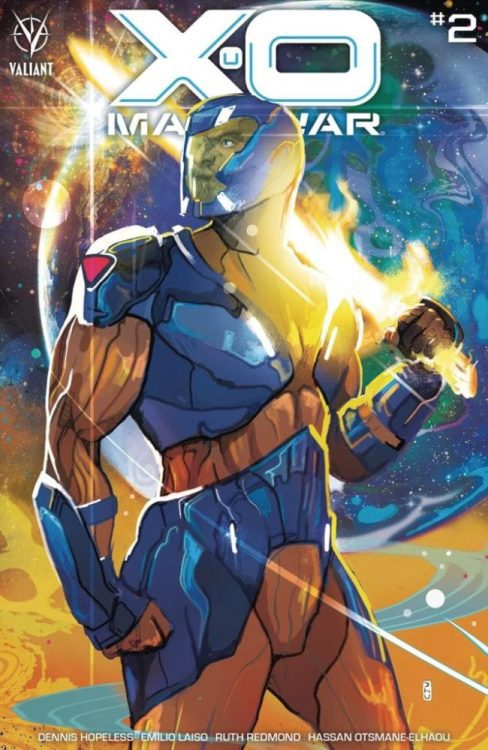
X-O Manowar #2 hits your local comic book store on November 25, but thanks to Valiant Entertainment, Monkeys Fighting Robots was able to go behind-the-scenes with series editor Heather Antos to discuss team building, the process, and the impact of the pandemic.


X-O Manowar #2 is written by Dennis Hopeless, with art by Emilio Laiso, Ruth Redmond drops the color, and you will read Hassan Otsmane-Elhaou’s letter work. About the issue: A new threat emerges from the fires of X-O’s latest battle! Can X-O save the day, or does the world need a new kind of hero?


MFR: Heather, thank you for taking the time to talk with me.

ANTOS: Of course! Always happy to talk comics!

MFR: How much X-O Manowar did you read when you found out you would be the editor on the series?

ANTOS: Well, I spent the couple weeks before my Valiant start date reading the entirety of the Venditti run — did you know there’s a lot? — and then I think it was my second week on the team when I found out my first job would be to follow up Kindt’s amazing run. So I dove in and read through all of that to get caught up to speed.

MFR: Since Valiant has changed several times since 1992, what do readers need to know going into this new X-O series?

ANTOS: Nothing! Dennis does an excellent job explaining everything a new reader would need to know about Aric (the Visigoth warrior abducted from the 5th century by aliens), Shanhara (the sentient alien turned super-powered battle armor), and how together they make the superhero known as X-O Manowar! One of the biggest shifts from the previous series is — for the time being, at least — X-O is Earthbound. We’ve seen Aric battle Alien battalions on other planets, we’ve seen him protect Earth from Alien invasion in outer space, but now it’s time to see how exactly he deals with the consequences of being a superhero with boots on the ground — both from civilians as well as new villains. Needless to say, it’s a lot more complicated than I think he wants to admit…

MFR: To take our readers behind the scenes of producing a book, what’s the big picture look like when you relaunch a series like X-O Manowar?

ANTOS: There is a LOT that goes into play. From what the needs of the publisher are, the needs of the universe as a whole, as well as the needs of the character and what their next natural story progression looks like, there are a LOT of conversations that are typically had in-house between various team members from editorial, sales, and marketing BEFORE talent is ever approached — not to say this is always the case, though. From there, talent conversations begin — reaching out to a writer to begin the conversation to see if it’s a good fit and beginning to develop a story and a pitch. As X-O Manowar is a flagship character, the pitch will oftentimes need to be reviewed and approved by different people internally before it’s approved to move forward to scripting, selecting the art team, et cetera. Of course, each book has its own process, and not every book is put together the same exact way. Sometimes you’ll have an artist on board first, sometimes a different concept…making comics really is alchemy, when you get down to it!

MFR: I love flipping through a comic book and looking at the color palette used. Did you have conversations with artist Emilio Laiso and colorist Ruth Redmond regarding the colors used on the first two issues?

ANTOS: “Bright, colorful, and superhero!” I believe those were the exact words I gave to Ruth Redmond when she came on board. In order to bring Aric to a modern superhero story, we needed a modern superhero color palette — and Ruth does just that! Emilio was very open and excited to the idea, as well, and the warmth Ruth brings to the story really shines through!

MFR: Since this is a new series, did you have to work with writer Dennis Hopeless on Aric’s voice or tone? What’re conversations like when you feel a writer is veering off course with a character?

ANTOS: Lucky for me, Dennis actually was a Valiant fan and had pitched for Valiant a few times before X-O. Dennis and I had many conversations during the earliest stages of developing the series about what sets Aric, Shanhara, and X-O apart from other superheroes in comics — what are his core tenets? What motivates him? What makes his and Shanhara’s relationship so significant? So special and unique? In my experience, when you have these conversations and get on the same page creatively before any scripting happens, 99% of the time, you won’t have to worry about a writer veering off course with a character and can focus more so at the story at hand.

MFR: The first issue of X-O Manowar came out, and then the world shut down because of COVID. That has to be a huge disappointment. Can you talk about that on an emotional level? Did you think you might not ever publish the second issue?

ANTOS: It was super disheartening, for sure. Dennis, Emilio, Ruth, Hass, and I had been working together on the series for just about a YEAR by the time issue #1 came out. We were so excited to get this series out there and into the hands of the diehard Valiant fans and new readers, so for everything to be built up in anticipation only to come to a screeching halt was…well, it SUCKED. I don’t think anyone was concerned about the rest of the series never coming out; rather I think the biggest question on our minds was WHEN. Luckily…I think we know when that is happening now, ha!

MFR: For the future editors reading this interview, how do you get the most out of your creative team?

ANTOS: Every editor has a different editorial philosophy, but I think there are a couple of key things to always keep on the forefront of their minds: 1) Keep your expectations of your creators’, characters’, and stories’ limitations realistic. 2) Always keep an honest and upfront line of communication open with your teams. 3) Always anticipate something to go wrong. That way, you can be pleasantly surprised when things run smoothly.

MFR: Heather, thank you for your time and best of luck with the series

ANTOS: Thank YOU, and I can’t wait to hear what you (and all of your readers) think of it!


Do you have X-O Manowar on your pull list? Comment below with your thoughts.

Interview: Dennis "Hopeless" Hallum Explains How X-O MANOWAR Fits In Today's World

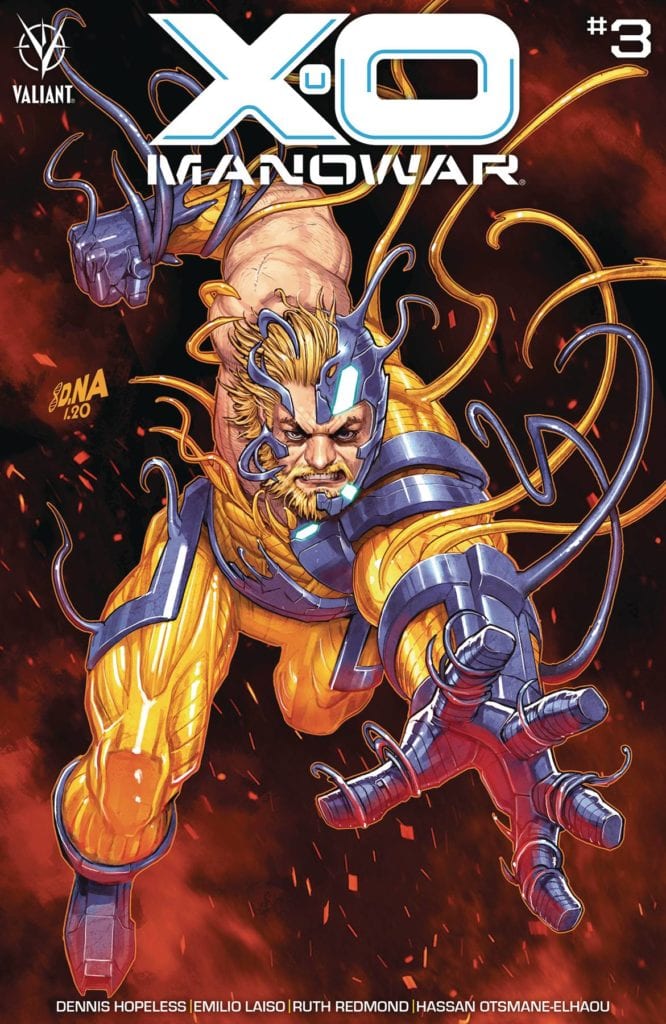
X-O Manowar #3 hits your local comic book store on December 23, 2020.

Monkeys Fighting Robots Youtube

Review: Sharon Fights For Liberty In CAPTAIN AMERICA #25

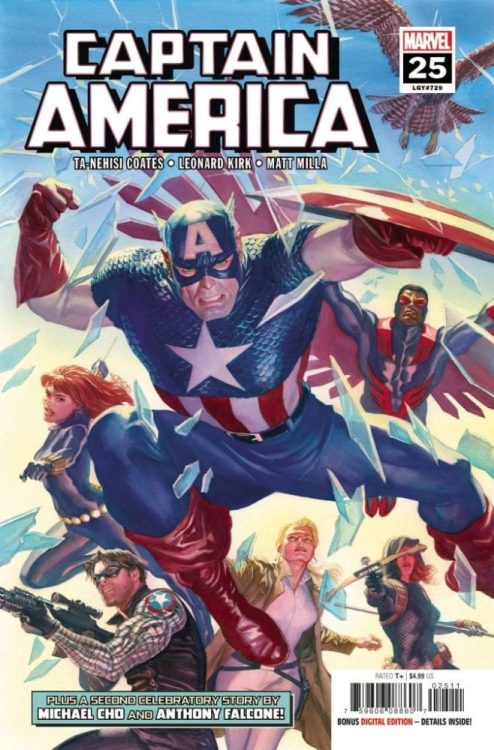
CAPTAIN AMERICA #25, available in comic book stores on Wednesday, November 18th, features an infiltration of Alexa Lukin’s Madripoor base by Steve Rogers and Sharon Carter. This dynamic duo stunned readers with their otherworldly chemistry in both battle and love for many issues. And they’ll surprise readers more in this thrilling issue full of action, betrayal, and unexpected outcomes.

Story

This issue mostly follows Sharon, Steve, and the rest of the team’s efforts to free the Daughters of Liberty. Readers enjoy a fully laid out rescue plan, which is complete with stealth, sniping, and espionage.

Ta-Nehisi Coates’s script is set up beautifully—by giving Sharon control of the narrative voice, the reader enjoys an intricate look at the relationship dynamics in play. It’s through this process that we learn more about Alexa’s history with the Daughters. And watching Sharon seek out Peggy and reclaim her organization’s legacy in this issue is awe-inspiring.

Artwork

Leonard Kirk’s penciling and ink work, Matt Milla’s’s coloring, and VC’s Joe Caramagna’s lettering made for excellent visual storytelling. Each hero on Sharon and Steve’s team is drawn uniquely, from Sam Wilson’s sleek, sharp winged uniform to Bucky Barnes’s buffed physique. In addition, the characters’ relatively bright hues are contrasted beautifully against mysterious dark blue, purple, and black shades. We also enjoyed Sharon’s bright yellow dialogue boxes set against these backdrops, which helped emphasize her speech.

Conclusion

CAPTAIN AMERICA #25 is the culmination of multiple character building issues for Sharon. We were thrilled to see how engaging of a character she’s become.

Do you think Sharon and Steve will be able to save all of their teammates? Let us know in the comments below!

Monkeys Fighting Robots Youtube

Review: The Dark AND THE WICKED Serves Bland Misery

The Dark and the Wicked has strong visuals combined with a growing sense of dread, but its narrative is offering meaningless misery. It’s impressive when films try to accomplish what Hereditary did two years ago, but each attempt lately seems to forget what made that film effective. The Dark and the Wicked has all the ingredients to be great, but the script hinders it multiple times. Still, this is one of the more terrifying films to be released this year.

Religious horror films always aim to make the audience’s skin crawl, and this movie will have a few people feeling uneasy. These films tend to leave portions left for the audience to interpret as they please. However, in the case of The Dark and the Wicked, not enough is given to come to a logical conclusion regarding the central conflict. Directed and written by Bryan Bertino, the film stars Marin Ireland, Michael Abbott, Julie Touchstone, Lynn Andrews, Tom Nowicki, Michael Zagst, Xander Berkeley, and Ella Ballentine. The Dark and the Wicked follows Louise (Ireland) and Michael (Abbott), two siblings who return to their family farm to mourn their dying father (Zagst) and help their sickly mother (Touchstone). Their week-long stay suggests that a demonic presence is haunting this family.

Marin Ireland in The Dark and the Wicked

Bertino fails to give you any reason to care about these characters because we get to know very little about them. It’s clear that Michael and Louise are atheists and they don’t share the religious views that their mother does. These small details are great, but that’s all he offers the audience. The Dark and the Wicked comes off like it just exists to cause misery with no real purpose to it. Developing the siblings could have caused a better execution because the script is lacking in many ways. A positive component from the script is the division amongst the family, as they gather to mourn the patriarch. The performances from the actors involved make the divide stronger. It’s this divide that adds to the growing evil that Bertino has chosen to haunt the family. Other than poor development, Bertino abandons the subtle approach here and conjures up more confusion as a result.

A film’s ambiguity is only effective when it can create logical outcomes. The outcomes presented here don’t feel logical for one reason or another. Thankfully, Ireland and Abbott deliver strong performances along with their on-screen parents. The depression this family struggles with is made very clear thanks to the actors, who save the film’s weak script in the process. Touchstone beautifully portrays a spouse with a broken heart, as she watches her husband slowly die while dealing with her demons too. The performances are adequate to make viewers feel sorry for the family, but not care what happens to them in the end.

Xander Berkeley as Priest in The Dark and the Wicked

Similar to The Strangers, Bertino delivers a tense, dreadful journey that will reel viewers in from the opening shot. The dread never leaves, it starts small and grows with each second that passes. There is an odd choice of pacing though, but Bertino still grips his audience and doesn’t release till the end credits begin. The shots captured in The Dark and the Wicked are very haunting, nail-biting, and disturbing. Tom Schraeder’s score will send chills down viewer’s spines, as it accompanies some horrific shots in the film. It adds another layer to the tension Bertino is creating and amplifies the feeling of unease felt throughout the film.

The Dark and the Wicked is all over the place in terms of its narrative, but it’s held up by strong performances and brilliant direction. Unfortunately, it won’t go down as one of the better religious horrors films, but it could be remembered for the haunting shots featured throughout. The Dark and the Wicked is a bland horror film for the most part with nothing too intriguing to offer the genre.


Monkeys Fighting Robots Youtube