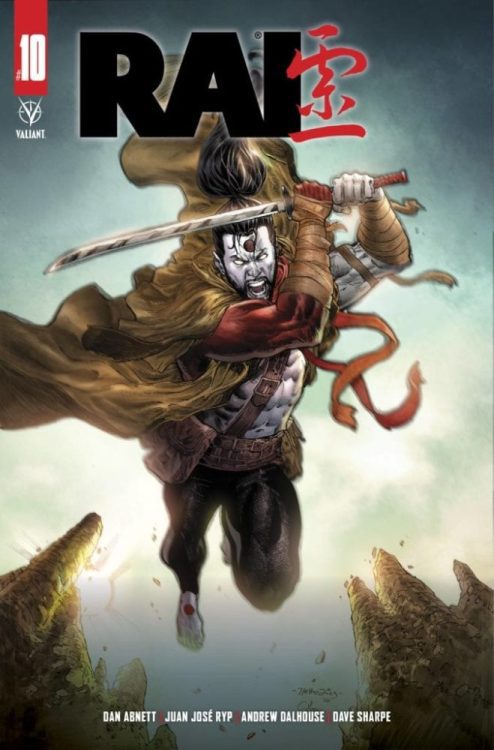
Rai #10, out December 16th, concludes this chapter of Dan Abnett’s science-fiction saga in the Valiant Universe. Art duties on this issue are split between Juan José Ryp and Beni Lobel, while Andrew Dalhouse and Dave Sharpe retain their respective coloring and lettering roles.
Rai #10: Anticipation Is Key
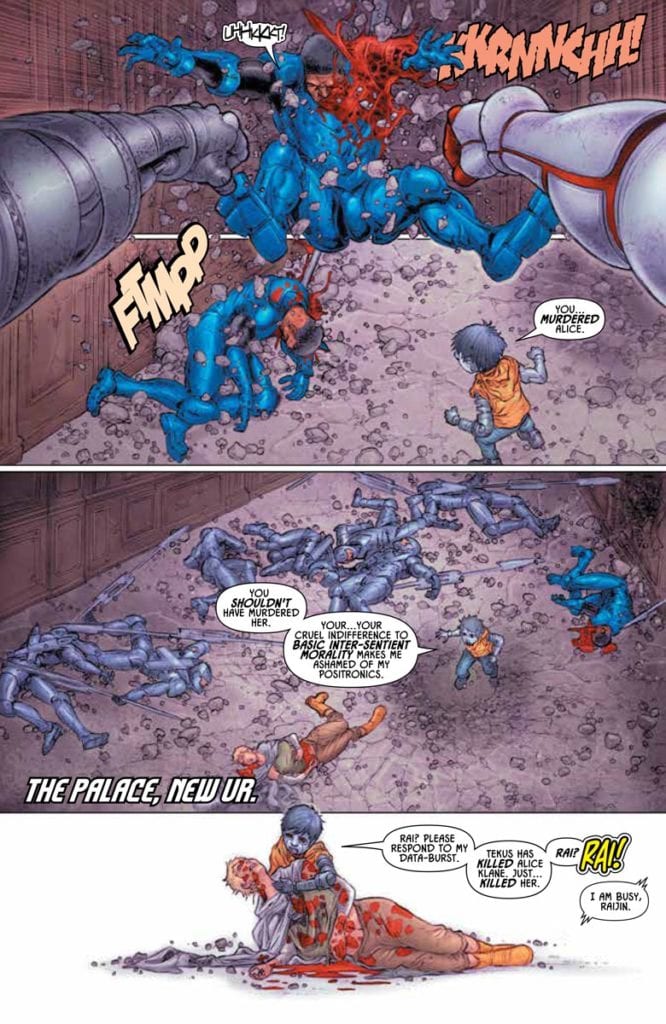
Within Rai #10 is a lot of anticipation both for what’s in the story and what’s to come afterwards. The opening pages call back to a conflict that stirs issues past, a conflict with technology and indifference. One of Rai and Raijin’s inner conflicts comes from how they want to live like humans, but they can’t deny that they’re part of their creator’s hold on the world. That same creator is a threat so severe that Lula has to abort her task on helping Bloodshot. But both conflicts come together near the end that will undoubtedly have the reader question the morality of the situation. Can beings of technology like Bloodshot and the cyborg brothers really live alongside organics? Or will they only destroy the memory of people like Rai’s companion Alice? Abnett leaves these questions in the air for the reader as the issue announces Rai’s return.
Closing The Gaps
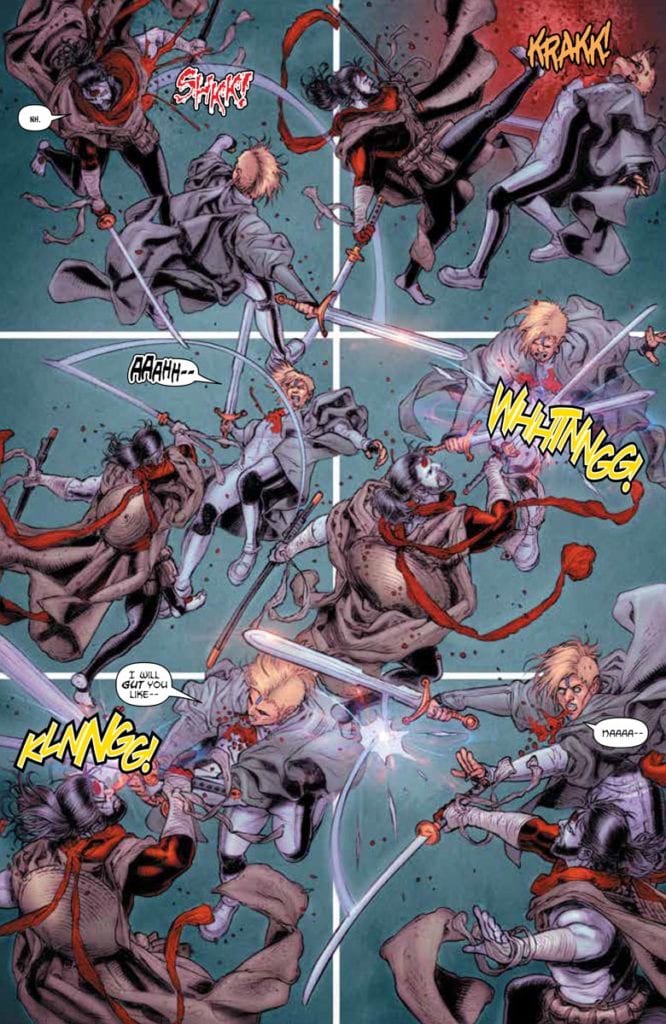
Ryp illustrates most of Rai #10, giving the action scenes a lot weight to movements. The use of afterimages displays Rai’s speed and strength above the average positronic android. It’s why the fight with Fusion is so notable, as every one of their movements can be followed by their body language. There’s no artistic licensing, just movements that the reader can follow to find the impact. Given the speed that Rai can go at, it makes the impact blows all the more impressive.
Then there’s Lobel, whose simpler art style contrasts with Ryp’s ultra definition. The two pages of Lobel’s art makes the fight from before lose half of its impact. Unlike before when each move looks telegraphed to give weight, the blows in these pages substantiate on speed lines on the borders; it’s almost like Rai and Fusion are rushing rather than fighting. Fortunately, the coloring by Dalhouse makes up for this by retaining the definition throughout. In Ryp’s fight scene, a splash of red heightens the impact of a kick by highlighting the speed it’s traveling. Then, in Lobel’s scene, the wrinkles of a coat are visible without lining and a glimmer of light of a sword. It’s that kind of consistency in color that allows readers to follow through despite Rai #10‘s sudden shift in artwork.
Words As Loud As Actions
Sharpe’s lettering gives impact in every page and panel in Rai #10. Making use of his stock wordmark images, the little changes make each action feel unique. Even the grunts in Rai and Fusion’s fight leads to the intensity of their battle. All of this leads to one wordmark that looks in dedication to a splash page marking the end of their fight. Sharpe also takes the opportunity to give characters a distinctive voice through fonts and word balloon coloring. Fusion’s classic font implies an older dialect, while Bloodfather’s red outlined word balloons gives off his fierce and commanding voice. Each word and little noise feels authentic and gives every moment twice as much impact.
Rai #10 Leaves Readers Wanting More
After such a climatic battle and major developments, readers have to wonder what’s next. Everyone involved in Rai #10 puts so much work and dedication to their craft, it feels shameful to leave things on a cliffhanger. Only time will tell what the next saga of the Valiant Universe’s future will display. But until then readers will be pleased with this chapter opening new possibilities.
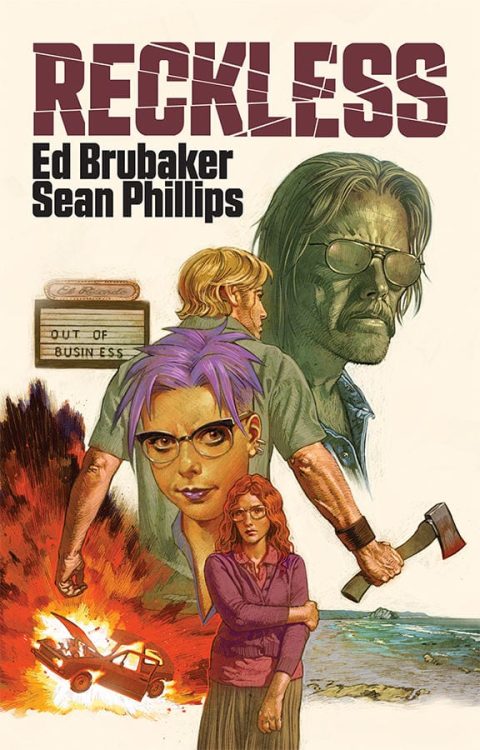
Written by Ed Brubaker, with art and letters by Sean Phillips, and coloring by Jacob Phillips, Image Comics’ Reckless is nearly a perfect graphic novel. It’s a wild ride through a version of the 1980’s which feels more like a stale 1970’s. We meet a cast of characters, including titular Ethan Reckless, who are clinging to a past that’s gone, because there doesn’t seem to be much of a plan to see the future.
Writing
“If I had more time, I would have written a shorter letter.” That’s a quote that’s been attributed to Mark Twain, Winston Churchill, Blaise Pascal and more. It’s one of those things that rings so true, everyone wants to claim their hero said it. (Pretty sure it was actually Pascal, by the way.) Brubaker’s script is a good example of this idea. It’s just one draft away from being perfect. About a third of Brubaker’s captions feel unnecessary. As he introduces us to Ethan Reckless, we are also introduced to Ethan’s inner monologue. Some of it is just Brubaker giving us a sense of where we’re heading, and what Ethan has planned next. Other times, Brubaker harps on the right detail.
Details like our antagonist Wilder’s impression of Ted Bundy, or a flashback where Ethan and his old flame Rainy think they can just run away together. These are the kinds of details that tell us so much, while pretending to be innocuous. It’s still an incredibly strong script, with wonderful twists and turns. But there’s room for a little more mystery in these pages. And the strongest moments happen when there is no narration and Brubaker lets events speak for themselves. Like when Ethan and Special Agent Hancock take a tense ride home. Brubaker often does use extensive narration in his works — it provides the neo-noir feel that he’s mastered — but this feels a little bit heavier than usual. As we get deeper into the story, Brubaker becomes more and more focused on the right details, until we hit the magnificent finale.
Art
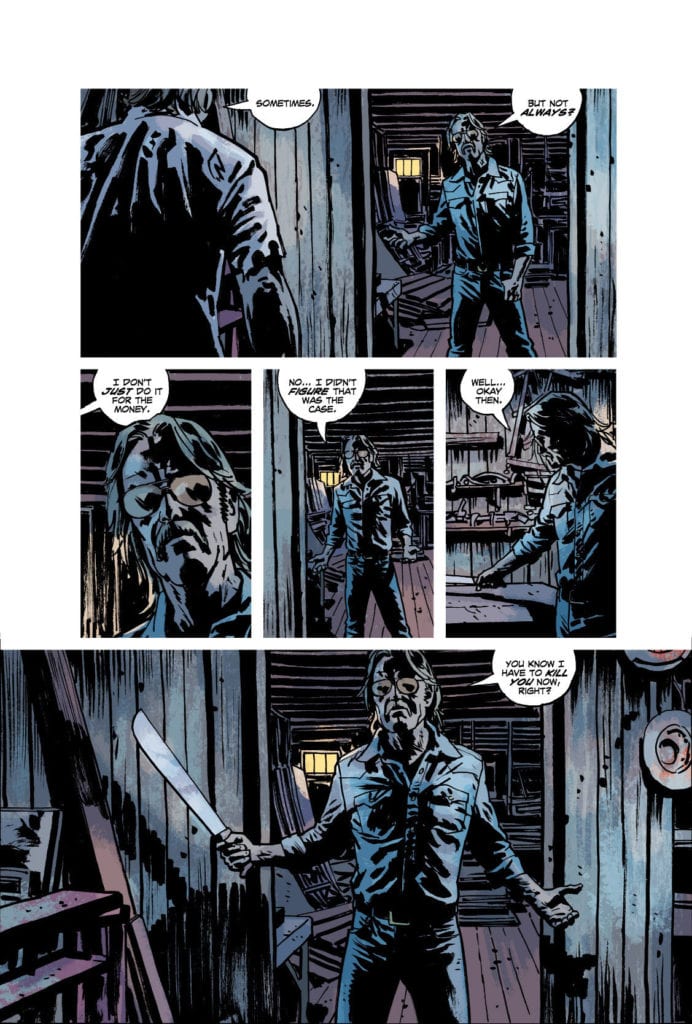
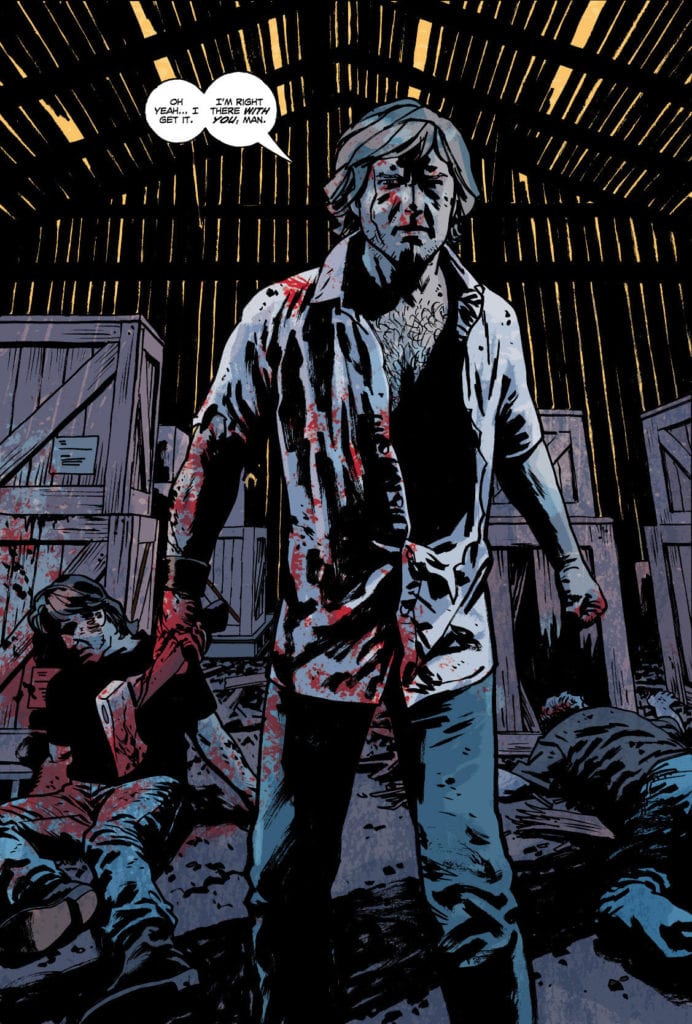
Sean Phillips creates a visual rhythm in Reckless. There are essentially three forms his pages take: 1) with three rows of panels, two rows separated from the page’s edge by a white margin, while the third row is one wide shot that goes all the way to the edge of the page; 2) instead of the wide shot, Phillips has one panel connecting to a corner of the page; or 3) we get a splash with art covering the entire page. Phillips varies small things in these formats, but the layouts become familiar quickly. This means that the 10 pages, out of a good 150, that don’t fit the format slap the reader right in the face.
The few pages Phillips has that have a white margin around all of the art make the reader feel trapped. One page is even depicting gridlocked traffic. Another of these pages, Reckless is watching as his life explodes, unable to do anything. But one page layout, which Phillips only uses twice, sticks in the mind. On the upper left corner of the page and on the lower right, Phillips has two panels that go right to the page’s edge. On one page, we see Wilder. He’s a monster in the first panel, but in the last he suddenly feels dangerously human. On the other page, we see Reckless. In one corner he looks determined, maybe angry. In the other corner, he’s trying to look like he hasn’t just been crushed. These pages begin and end with a close up of a character, but what happens in between these images deeply affects how we see the character by the time we come back to them.
Coloring
Jacob Phillips colors Reckless in a way that’s deliberately reminiscent of old pulp comics and paperbacks. At times, the coloring looks like it’s just a little off. The coloring for Reckless’ hair is smidge too far to the left, so it falls outside of the lines. It gives it the feel of something that went through the printer with the coloring and inking out of sync. But it isn’t distracting. It’s an accent to each page. Occasionally they’re to be noticed and appreciated as a callback, but only if you’re looking for it. Phillips used a similar style in Pulp, giving that graphic novel the same old-comics feel.
Phillips also balances a monotone feel with simple beauty brilliantly. We get the impression that Reckless’ life is pretty bland. Much of the color palettes showing his day-to-day don’t have much variation to them. But Phillips adds dashes of colors that jump out at you. Whether it’s the pink haze of what it’s like to see Rainy again, the neon orange and yellow of their erotic acid trip, or the bright red of a fist to the face, these are moments where our unfeeling protagonist actually feels. And while the rest of the comic does feel quite monotonal, each page being predominantly different shades of one color, it’s still gorgeous. Phillips manages to capture an unfeeling existence and keep it interesting at the same time.
Image Comics’ Reckless is nearly perfect. If the script were whittled down slightly, it would be perfect. As it is, it’s still a mind-blowing beginning to another fantastic series from Brubaker and the Phillipses! Don’t miss another awesome, pulpy, neo-noir crime comic from the guys who do it best. Reckless is out December 16th, from Image Comics, at a comic shop near you!
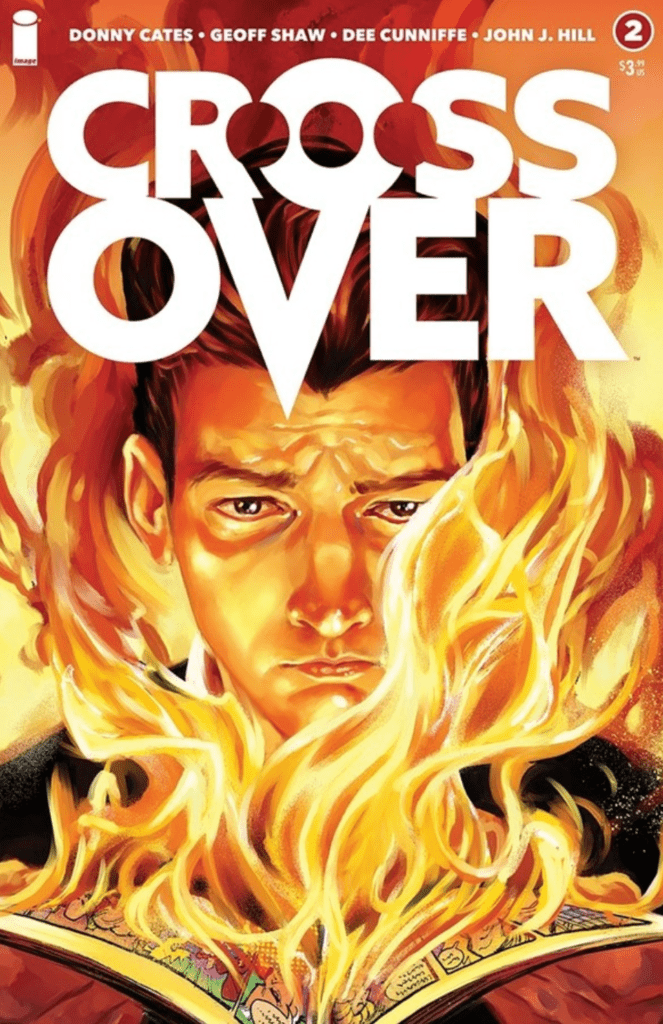
Crossover #2, out now from Image Comics, is the second issue of this fun, fascinating world that is sure to become an epic for the ages that no comic fan will want to miss.
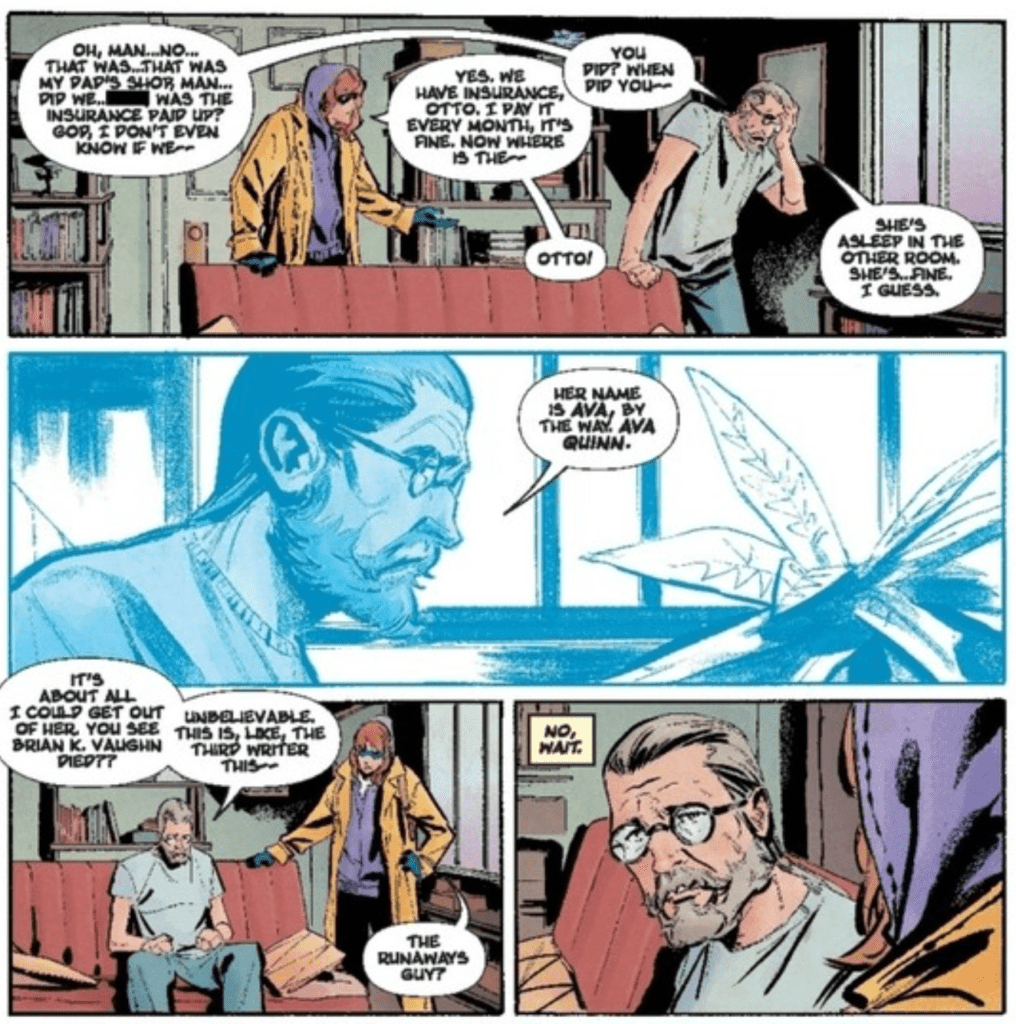
A world where all of your favorite characters straight from the comic book pages come to life sounds terrific until you begin to think of all the innocent bystanders that are brutally murdered in the pages of your favorite superhero series. Crossover brings us this strange place where the horrors of people’s response to the heroes maybe even worse than the tragedies caused by the heroes’ presence. Crossover #2 shows us more of this situation where people’s fear turns to hate, which eventually leads to atrocities that are difficult to stomach. As always, Donny Cates creates a tale that establishes a strong emotional connection with ease. Whether it be through an innocent child that you hope no harm comes to or relatable comic-book-loving main characters, Cates gives you a reason to be engaged with the story.
Geoff Shaw’s work in Crossover #2 turns every time that Cates’ story pulls on your heartstrings into a vicious tug that leaves you feeling a deeper connection with the protagonists. The faces are stunningly emotive and bring the issue to life. Shaw also provides some gruesome art when given a chance. This issue didn’t feature much of this, but when Shaw can provide gore-filled art, it is incredibly effective at disturbing the reader.
Dee Cunniffe knows how to set a tone with coloring. Crossover #2 is a shining example of this. From the lifeless colors of jail to the malevolent reds of a threatening office, to the peaceful blues and purples of a “calm before the storm” scene, Cunniffe makes the reader feel the way he wants them to. It’s almost as if every color has a specific purpose, and it transforms the issue into a highly memorable read.
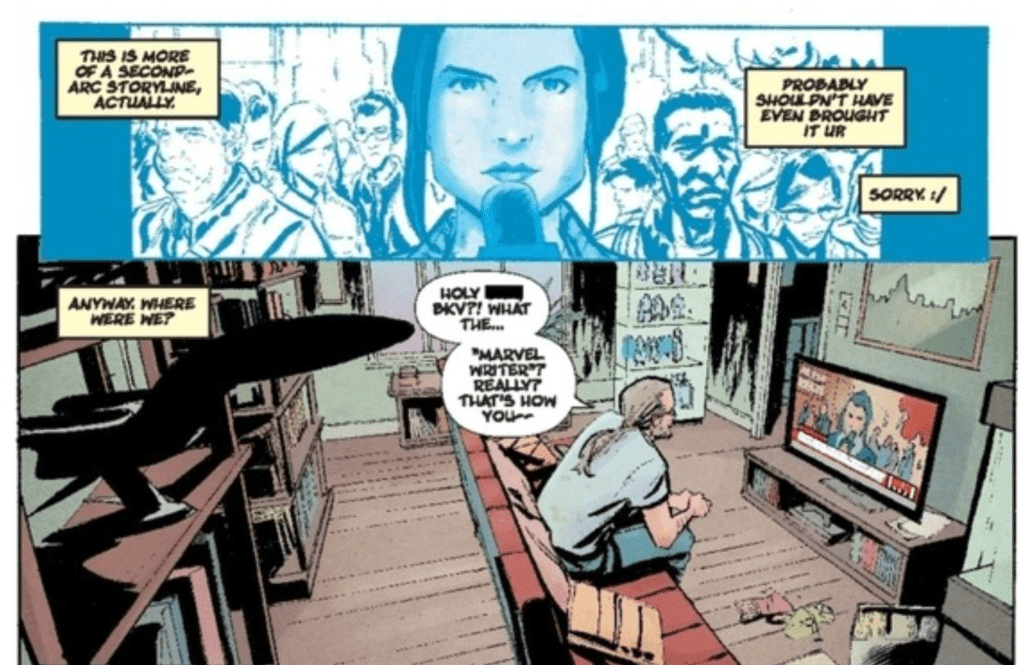
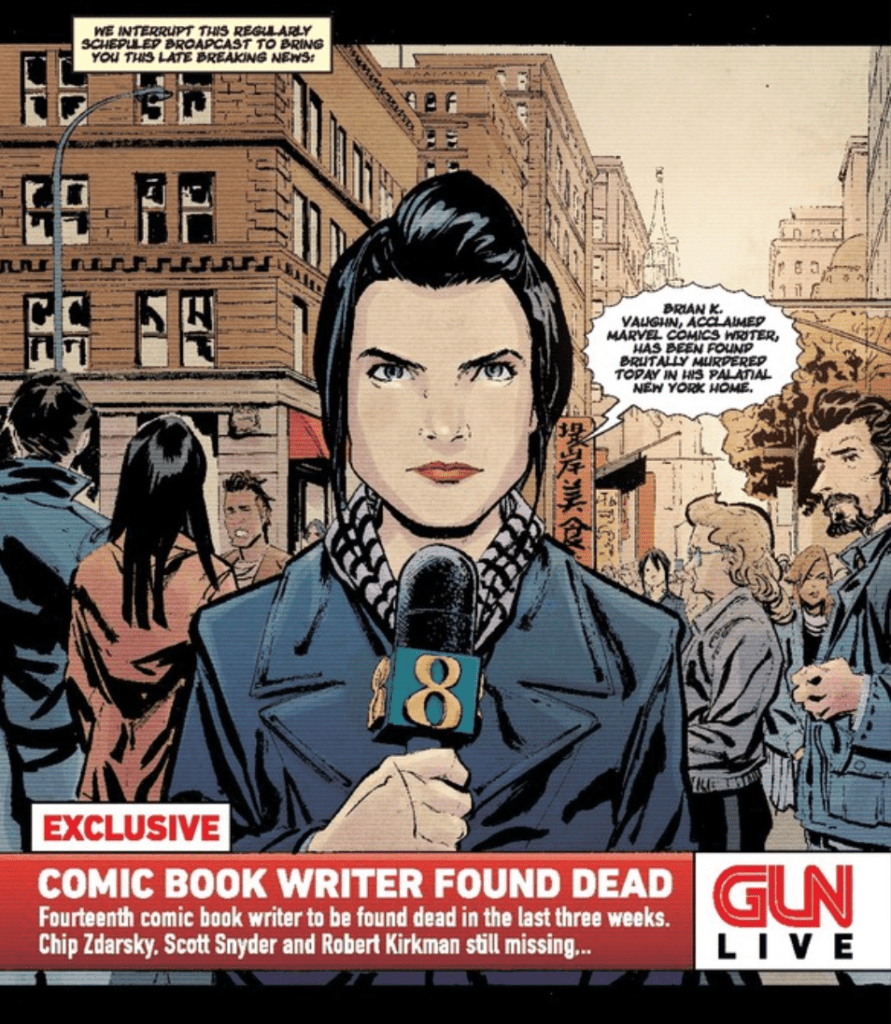
Crossover #2 features the lettering and design talents of John J. Hill, who created the fantastic logo of the series and organized the speech bubbles of the issue in a manner that allowed for the dialogue to flow naturally. Hill also uses distinct lettering for the headlines of a news channel in the issue. The choice of fonts and logo beautifully mimics real news stations and wonderfully immerses the reader into the fictional world.
You do not want to miss picking up Crossover #2 from your local comic shop. Cates, Shaw, Cunniffe, and Hill make it an enthralling experience and continue to set up its vast world. It continues to dip its toes into the water of the epic setting they have created, and it will leave you desperate to read more.
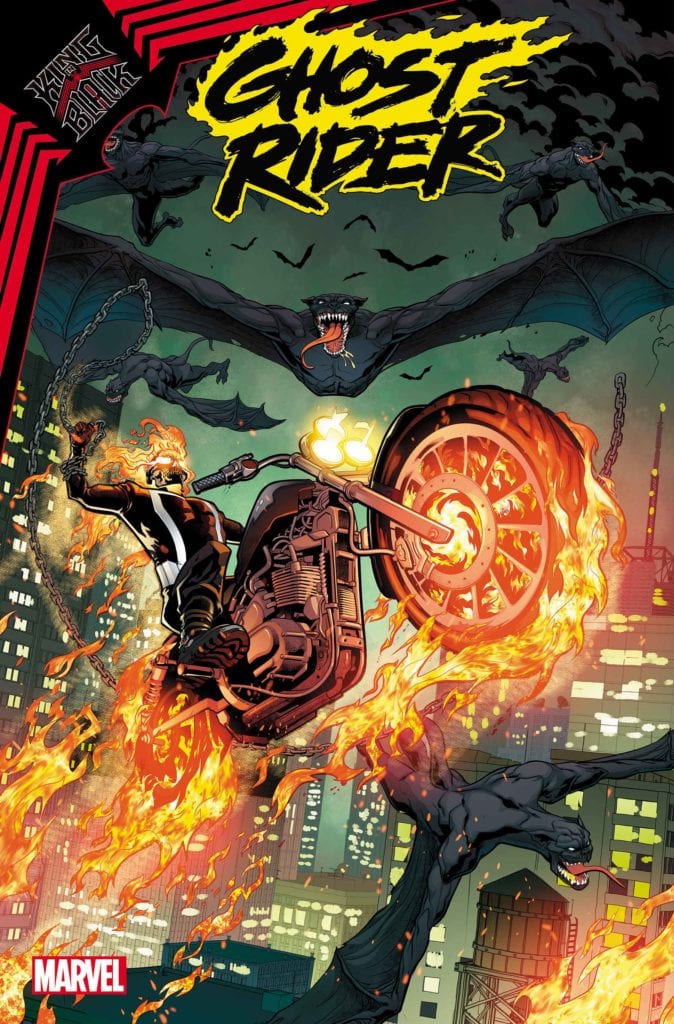
KING IN BLACK: GHOST RIDER #1 is a one-shot hitting your local comic shop in March, but thanks to Marvel Comics, Monkeys Fighting Robots has the privilege of revealing the cover and solicit text for you.
The comic is by writer Ed Brisson and artist Juan Frigeri, with a cover by Will Sliney.
About the issue: THE WAR FOR HELL’S THRONE MEETS THE KING IN BLACK!
All Ghost Rider wants is to destroy Mephisto, round up an army of escaped demons, and secure his seat on the throne of hell. Is that so much to ask? But now a dark god from space has shown up to throw the world into chaos, and some of Johnny’s old friends have come to ask for his help. It may take everything they’ve got to stop this madness. Maybe even…the devil himself?!
“I miss writing Danny and Johnny, so was thrilled to get my mitts on Ghost Rider again. I think fans of what Aaron, Juan and I did in our recent series will be thrilled with this one shot, which will answer all of the questions they’ve been asking since it ended. Doing it all with backdrop of such an explosive event is the icing on the cake.” – Brisson
Check out the KING IN BLACK: GHOST RIDER #1 cover below:
Are you enjoying Marvel’s KING IN BLACK event so far? Sound off in the comments!
Muse is an English rock band with eight studio albums, dozens of hit songs, and an eclectic sound that seems like it’s not only from the future but multiple versions of the future. Director Lance Drake has made music videos for Muse, and now he collaborates with the band for their most ambitious project yet, a film based on their 2018 album, Simulation Theory.
In Muse: Simulation Theory, viewers are treated with intense, powerful, and emotional music. Woven into the concert footage is a narrative that marries the music and its messages to create an overall cyberpunk vibe undeniably Muse. The film’s story puts viewers in multiple realities, including one that’s all too eerily familiar that includes misinformation and pandemics.
PopAxiom and Lance spoke about becoming a filmmaker, making videos for Muse, and working on the ambitious project Muse: Simulation Theory.
The First Film
“Filmmaking for me began at the age of seven,” Lance recalls his earliest years, “while making home movies with friends and action figures. We used my neighbor’s VHS camera and made movies riffing off of the movies of the time. Spielberg and James Cameron movies. They were spoofs of our favorite films.”
From an early age, Lance says, “It became such an obsession for my friends and me that from the age of nine to 16 we created a near three-hour long movie with action figures.”
Lance went to film school then moved out to LA. “Over the years, I got hooked into doing music videos. Over the past ten years, I’ve been mainly a music video and promo director and also doing documentary work.”
Dig Down
“Three years ago, I pitched on a track for Muse,” he says. “It was for the song ‘Dig Down,’ and it was a hail-mary pitch.” Lots of directors make their case for why they should be in charge of a particular project. “I’ve pitched on so many songs with so many bands and so many near misses.”
“But the idea I wrote clicked with the band,” Lance says, “and their manager had seen a lot of my work, which is super-narrative based. I like pushing the boundaries of what is possible in a music video and telling a story in three or four minutes.”
Previously, Lance directed a video for Miike Snow for the song ‘Heart is Full,” which was a “Ghost in the Shell, Akira, action mini-movie.” “Muse wanted to do something cyberpunk leaning,” he continues, “So, I pitched and got it.”
“It was super-exciting!” Lance was not only directing a new project where he could push the envelope but, he admits, “I’ve been a fan of Muse for a long time. I saw them play when I was 16 during the Curiosa Tour. They played on Stage C, which was in the parking lot. They played to maybe 30 people. It’s just crazy to think that all these years later, they’ve become my friends.”
Lance’s pitch for “Dig Down” was an ambitious effort with an important message. “The video stars Lauren Wasser, who is a model, activist, and amputee.”
“I was dealing with personal family trauma,” Lance shares. “I read her story and how inspiring she was that I was like, ‘I want to work with her one day.’ I wrote her into the pitch.”
Lance continues, “We put Lauren in a mini-action movie, and along with the message of the song, it’s such a powerful statement. I still think it’s the best video I’ve done for the band.”
About Muse: Simulation Theory
Muse is a band that features a distinct rock sound and signature epic stage shows. “What’s unique about these three years with Muse,” he says, “is that they wanted to try something conceptually different from any of their past albums with Simulation Theory.”
“Usually, when doing an album,” Lance explains, “they’ll work with one producer, but they wanted to work with an eclectic mix of producers this time. So, every song basically had a different producer. The thing that linked them together is that they worked with me on the videos. Visually, the album was aligned with one voice, but musically, it’s their most eclectic album ever.”
The process for creating the music and movie for Simulation Theory involved another atypical move. “They also didn’t record the album all at once. The songs were recorded over about a year and a half. They would send me a song, and we’d do a video. So, instead of listening to the album all at once and thinking of something to be like a visual album, we were almost riffing off ideas as we went along.”
“For instance,” Lance continues, “we did this video for ‘Something Human’ where Matt becomes a werewolf. The next song they sent me, ‘Dark Side,’ opens with Matt howling. So, it’s almost like the videos and the music were starting to intertwine. It was a cool, unique thing.”
“Collectively, we did nine or ten videos for the album,” Lance explains further. “They’re all interconnected through a storyline, but it’s still very loose and open. We didn’t want to do something that was a hardcore story, but more like pieces of a puzzle. It is almost like Twin Peaks, where there is a sense and a feeling of the world, but it’s looser and freer. It allows the music to do more.”
Making Muse: Simulation Theory
As the album and visuals evolved together, creating a narrative concert film began to take form. “It’s all grown out of this album Simulation Theory. The cover has characters from the videos. Muse embarked on a world tour. They worked with their touring creative director Jesse Lee Stout to reinterpret the themes we made with the album into a live show. Two big parts of the live shows are these dancers and the scale of the show.”
“When it came time to do the film of the tour,” Lance guides us into the making of a unique cinematic concert movie, “we wanted to capture the scale of the show and how exciting it was, giving people a front-row seat. We also wanted to fill in the story beats of what the dancers were doing.”
Muse: Simulation Theory feels like being on a thrill ride across a rainbow. The colors are vibrant, and the energy is intoxicating. “A big goal for the film was to contextualize the show’s flow and the wardrobe changes, plus bring in some really big ideas that we had for the album.”
Those big ideas are heady but endlessly fascinating. “This idea that we’re living in two realities now since the birth of the Internet. What’s true and what’s not? What’s real and what’s not?”
“A big theme conceptually for the album,” Lance says, “was the song ‘Thought Contagion,’ where an idea, like a meme, is like a virus that spreads. Those two words, ‘Thought Contagion,’ started us on a visual journey of the guys in hazmat suits and the virus.”
Viruses spreading and hazmat suits? Sounds eerily familiar. “It’s so strange that it all came true. From the idea of calling the virus a hoax, to media manipulation, and the mass confusion that we’re all experiencing.”
“We did it in a fun way,” Lance laughs. “I was apprehensive when we went into lockdown. We finished the film, and I thought, with everything going on, that it would come off as insensitive. We didn’t know where it would be right now.”
Muse: Simulation Theory does poke at some of the heated political debates of today. “I think it’s just the right amount of politics, lightness, and brevity. It feels real, but not like you’re being preached to.”
“I’m super proud of the film and what we achieved.” For 95 minutes, viewers receive an audio and visual treat that’s like few, if any, concert films before. “Like everything I’ve done with Muse and my work in general, it’s insanely ambitious. We filmed the entire movie in four days. We shot three days of narrative in London, and then two nights, I shot the live concert at the O2 Arena.”
“It was brutal,” Lance admits about the shoot. “If you saw my office, it was a wall of index cards and story beats. We color-coded for the story and songs. We’d written the script to help fill in what the story was going to be.”
Lance declares: “I’m proud of it, and the fans are loving it.”
Muse-Verse
Muse has a massive fan base (this author included) driven by the music to create more than any of the band members could imagine. “The film is a fulfillment of everything the band represents. The power of Muse. Not only are they inspired by so many different types of music and so many forms of art, but they also inspire others.”
“That is what has been amazing throughout this whole process,” Lance says. “The amount of fan art that’s been made, fan videos, and fan fiction, is unbelievable. It’s a Star Wars level of fandom.”
Among the legion of fans, Lance discusses one of his favorites. “There’s this one group called Algorithm Squad, no one knows who they are, and they seem like an organization of hackers who have predicted stuff that we had come out. They made their own documentary on the making of this album.”
Lance thinks that more projects like Muse: Simulation Theory from other artists might be on the horizon. “I feel with a lack of live shows, artists are going to have a lot of touring money to be able to put into creating things like this that go beyond the music.”
The Muse: Simulation Theory experience did a run in IMAX, and to see it at that scale is just a reminder of the power of cinema.
Wrapping Up
Within the dazzling array of visuals and music found in Muse: Simulation Theory, there are plenty of winks and nods to pop culture inspirations. “There are so many movie references. From the opening with the arcade as a reference to Tron, the interview they do with the NPC is like The Day The Earth Stood Still, Matt traveling through time in a Lamborghini is Back To The Future, a car chase that’s like Cannonball Run, and a fight scene is paying homage to “Night on Bald Mountain” from Fantasia.”
Lance shares another movie reference that we’ll let viewers see for themselves. “You’re feeling a glimmer of all these other films.”
The film is available for digital rental or purchase through Amazon or iTunes. But more is to come. “In December, there’s going to be a deluxe box set with a BluRay of the film and bonus physical cassette tape. We partnered with Marvel to make a comic book adaptation. There’s a lot of awesome bonus stuff in that set, and it’s gorgeous.”
Is Muse: Simulation Theory on your watch list?
Thanks to Lance Drake and Backlight PR
for making this interview possible.
The box office is a peculiar place that, upon closer look, makes a lot of sense if you take into account the world as a whole. Thirty years ago, an action star ruled the box office with a comedy. Twenty years ago, a man got a glimpse into the mind of women, and ten years ago, a cult classic returned in visually stunning style.
I’ve looked at decades worth of box office data all year long. Each month we’ve witnessed the shifting patterns of movie audiences. Comedies once ruled, where now the epic action film has taken over like never before. Oscar-contending and winning films stood a chance to take the box office crown. Today, you’d be hard-pressed to find much convergence, though 2019s The Joker bucked that pattern as did Black Panther.
So, who took the box office crowns in our analysis this month? Let’s take a look back ten, twenty, and thirty years ago at the biggest movies released in December.
1990 • Kindergarten Cop • 61.9 million
By December of 1990, action star Arnold Schwarzenegger was the undisputed king. Earlier in the year, he starred in the science-fiction hit Total Recall, and in December, he returned to comedy with Kindergarten Cop. The film unleashed the famous line “It’s not a tumor!” and further cemented Arnie as a supremely bankable star. Kindergarten Cop co-star Penelope Ann Miller was a rising star who also appeared in the second-place film on this list.
Awakenings came in behind Kindergarten Cop for second place. The film starred the late, great Robin Williams and Robert DeNiro with direction from A League of Their Own director Penny Marshall. The Godfather Coda, a “director’s cut” of the original Godfather, Part 3 from Francis Ford Coppola. Arguably, the most beloved film on this list is EdwardScissorhands, a film from Tim Burton and starring Johnny Depp about that’s sort of gothic rom-com as only Burton could make. In fifth place is Look Who’s Talking Too, a sequel to the talking baby movie that brings back the original cast and adds two new voices in Roseanne Barr and Damon Wayans.
2000 • What Women Want • 110.1 million
Ten years after Schwarzenegger charmed us all with a comedy, fellow action star and Oscar-winning director Mel Gibson starred in a romantic-comedy-drama called What Women Want. In it, Gibson’s chauvinist advertising exec nearly accidentally kills himself. Instead of dying, he wakes up with the ability to read women’s thoughts. Co-star Helen Hunt helps Gibson learn to be a better man and succeed in reconnecting with his estranged daughter.
On the heels of What Women Want was a dramatically different film, the Oscar-nominated Cast Away starring Tom Hanks and Helen Hunt. Hanks is a FedEx employee trapped on a deserted island and spends most of the movie with a blood-stained soccer ball as his friend. December of 2000, third place starred Sandra Bullock as an FBI agent going undercover in the film Miss Congeniality. The Emperor’s New Groove, an animated hit from Disney, came in fourth while The Family Man starring Nicolas Cage in a Christmas movie about a man getting a glimpse of the life he left behind.
2010 • TRON: Legacy • 117.5 million
Ten years ago, Daft Punk unleashed the most outstanding long-form video for an entire album the world’s ever seen, and its name was Tron: Legacy. Of course, I’m talking about the sequel to Disney’s 80s cult classic Tron, which continued the story of life within the machine. Jeff Bridges returned, and Olivia Wilde lit up the virtual world as a co-star alongside Garrett Hedlund, who played Bridges’ son, Sam. Tron: Legacy was a hit, but talk of sequels didn’t surface until recently.
Tron: Legacy held a healthy lead over Little Fockers, the third (and final) chapter in the Meet the Parents film series, which took second place. In a close third, The Chronicles of Narnia: The Voyage of the Dawn Treader. Like Little Fockers, Voyage of the Dawn Treader was the third and final film of the series. From Narnia, we go to the old west for the fourth place film True Grit starring Jeff Bridges and Halie Steinfeld in a movie from the Coen Brothers, which received ten Oscar nominations but won zero. Yogi Bear, the lovable cartoon bear who steals food, got a 3D CG upgrade and came in fifth place.
December 2020 & Predictions
COVID sure made covering the box office an exciting thing in 2020. The virus devastated the cinema experience, which was already hurting from lagging domestic ticket sales for nearly two decades. As of this writing, Warner Brothers announced they’d be releasing all their 2021 films, things like Dune and Matrix4, in theaters and on HBO Max at the same time. It’s a painful blow to exhibitors, but it’s also a self-inflicting wound that was inescapable. Streaming subscriber numbers cannot justify the cost of a film like Dune with an estimated budget of 175 million-plus marketing costs. But, you can’t shelf a movie like Dune for too long either. In the end, Warner Brothers may just be waiting out the virus before they open their own chain of branded cinemas meaning the current exhibitors are damned if they do and damned if they don’t. The end of the theater chains we know may be nigh.
Which of these films do you still watch today? Leave your thoughts in the comments below!
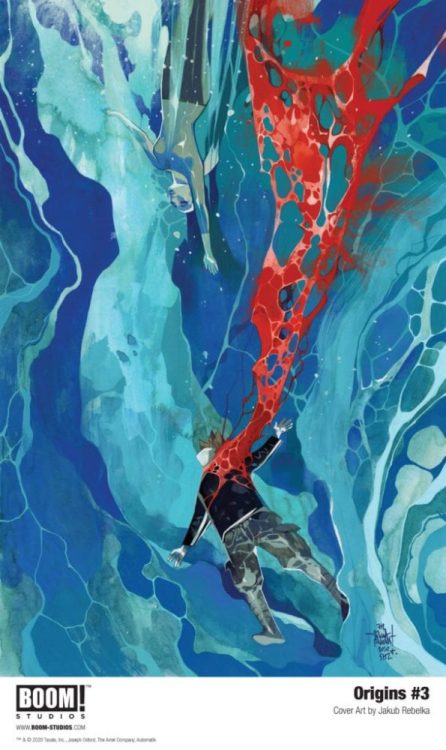
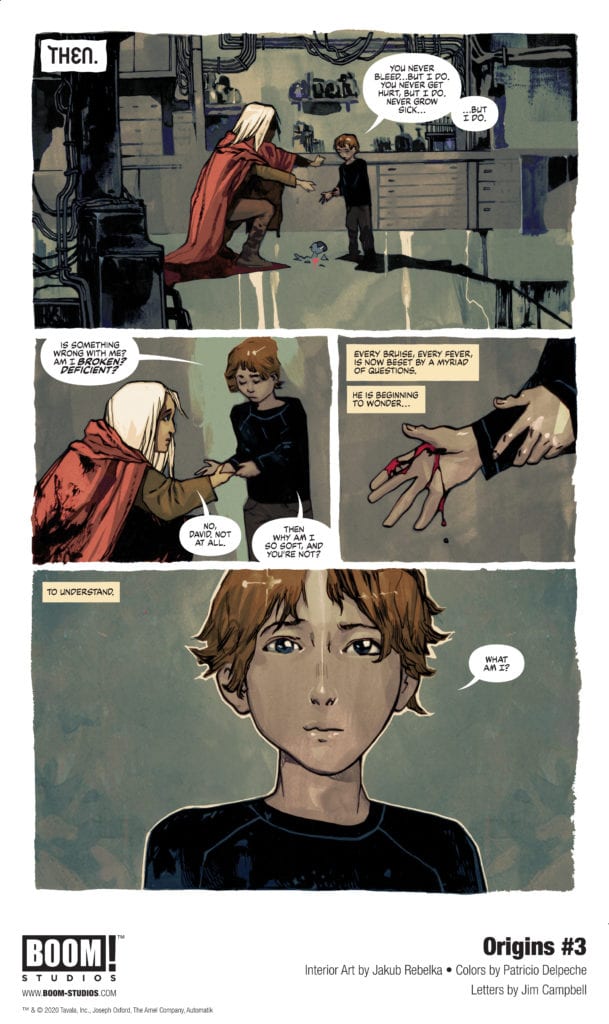
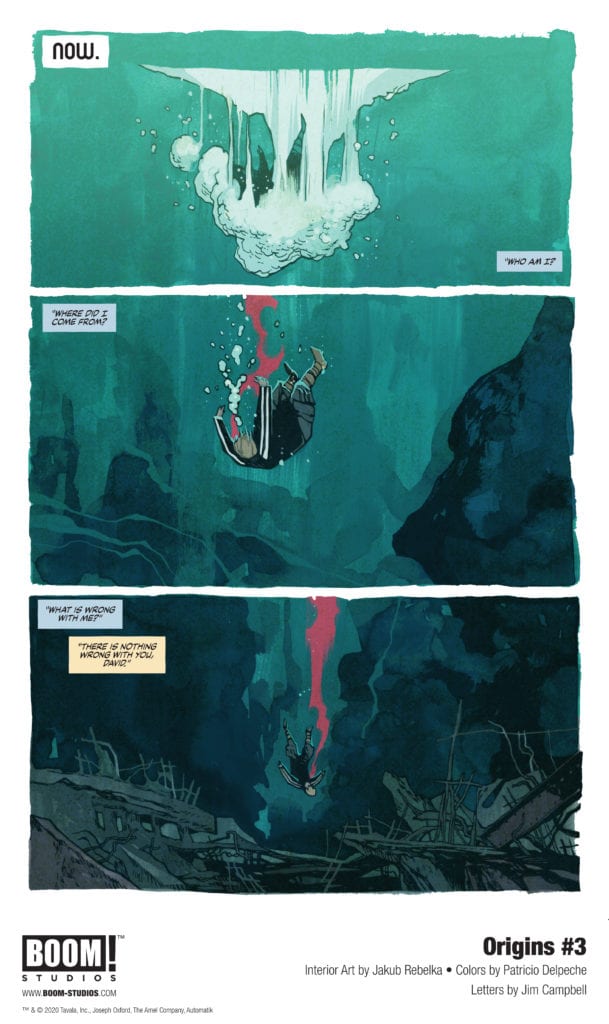
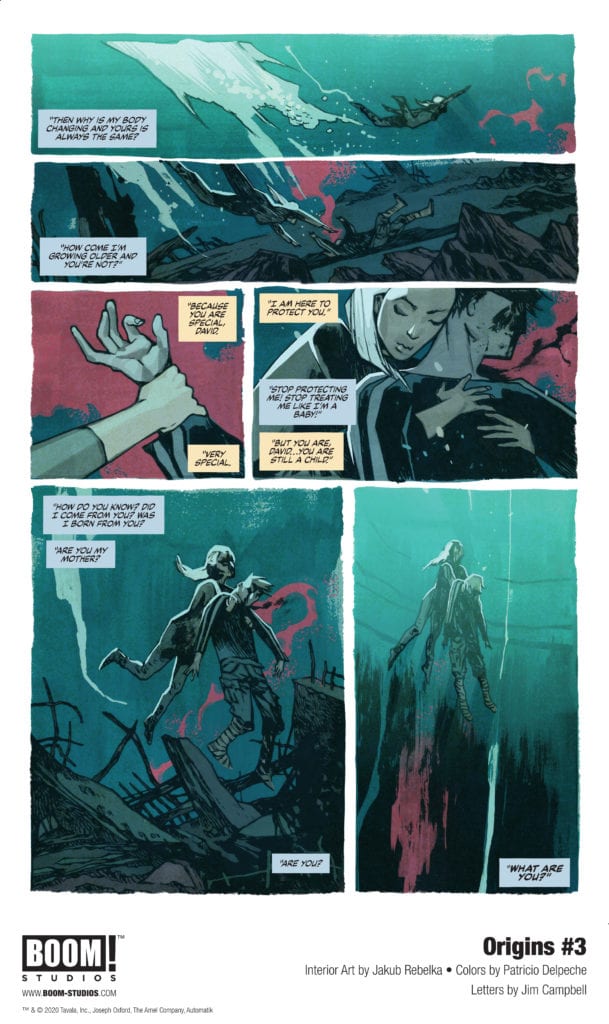
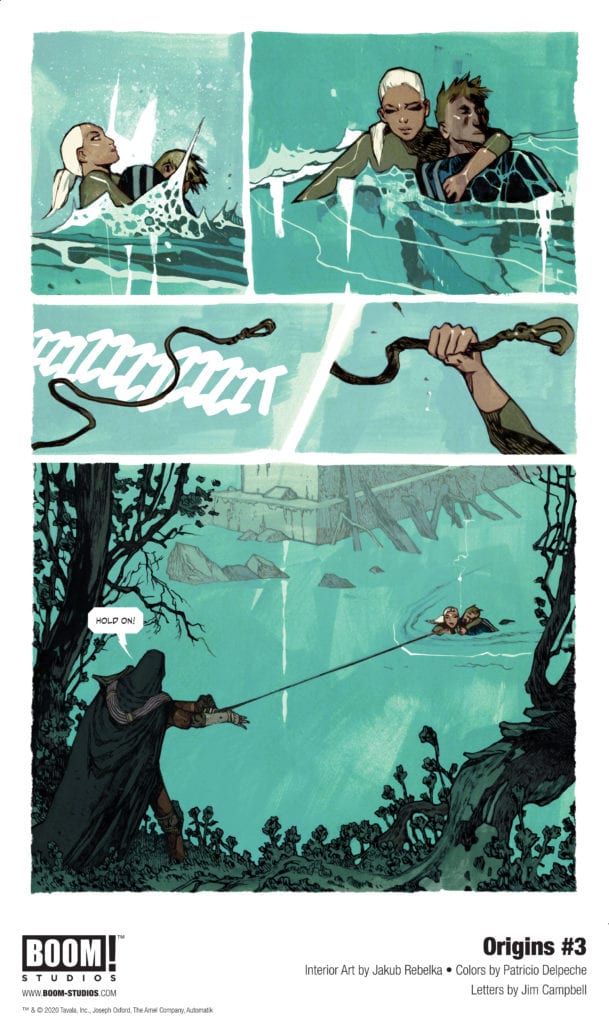
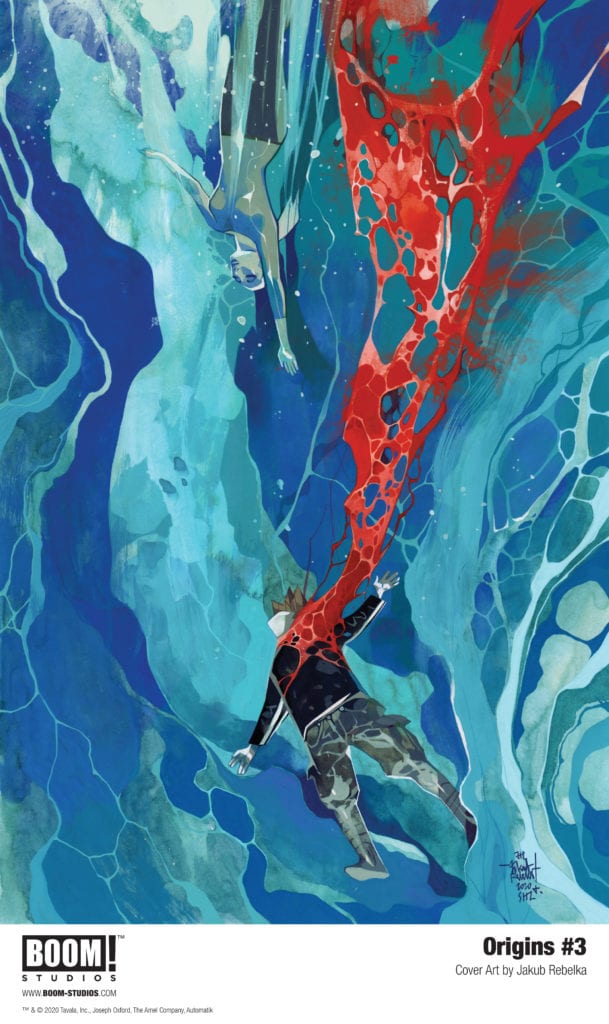
ORIGINS #3 hits your local comic book store January 13th, but thanks to BOOM! Studios, Monkeys Fighting Robots has an exclusive five-page preview for you.
About the issue: Chloe and David have discovered a lost city, populated by the robot servants of long dead humanity. But now that they’ve encountered their first human being in over a century, will they help Chloe and David – or become their enemies?
ORIGINS #3 is by writer Clay McLeod Chapman and artist Jakub Rebelka, with colors by Patricio Delpeche, and letters by Jim Campbell.
BOOM! describes ORIGINS as “a stunning view of a future where humanity’s last hope may be the person who brought about its destruction.“
Check out the ORIGINS #3 preview below:
Are you reading ORIGINS? Sound off in the comments!
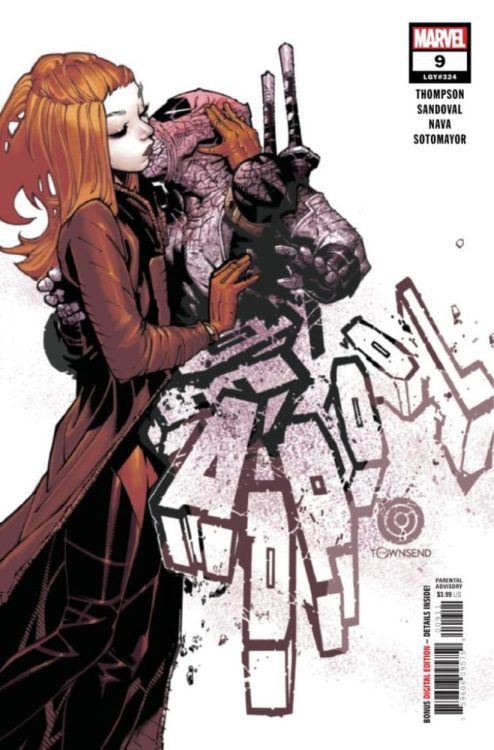
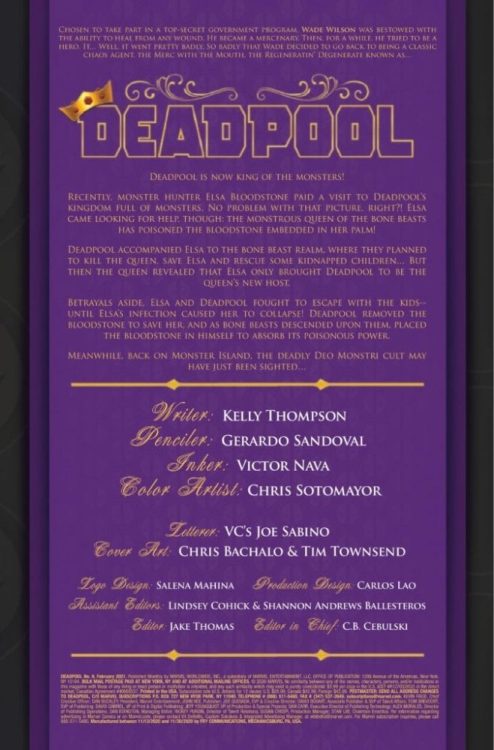
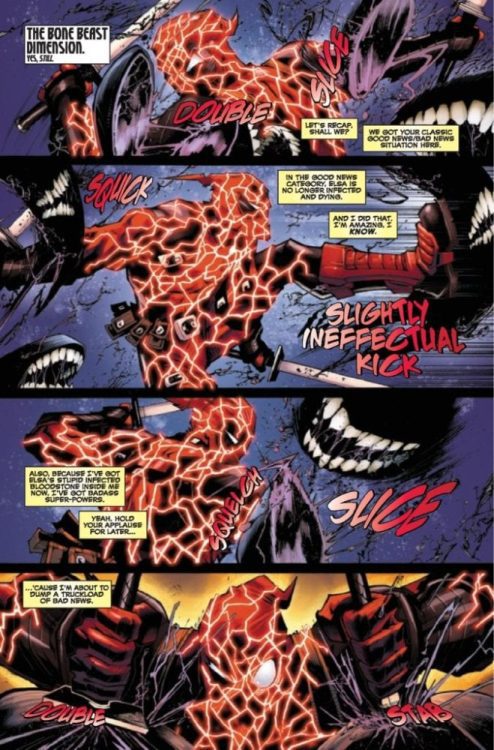
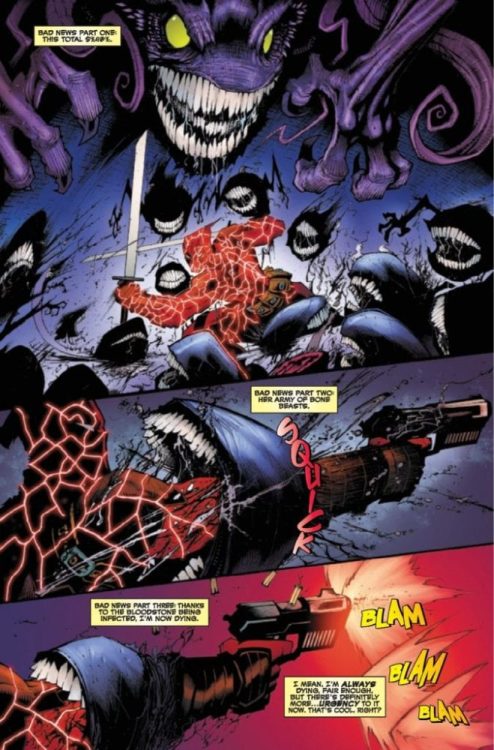
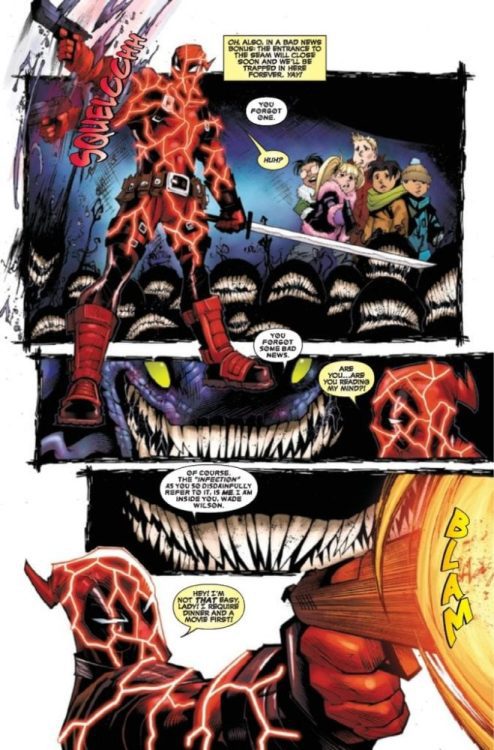
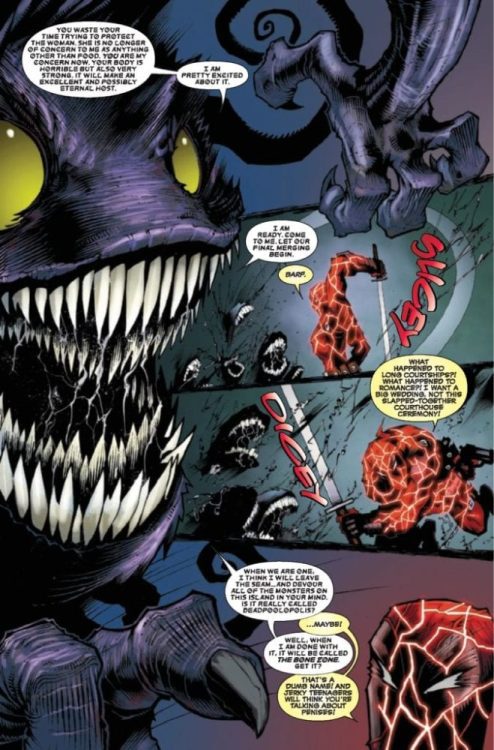
DEADPOOL #9 hits your local comic book shop on December 16, but thanks to Marvel Comics, Monkeys Fighting Robots has an exclusive four-page preview for our readers (Scroll to the bottom for the preview).
The book is written by Kelly Thompson, with art by Gerardo Sandoval, Victor Nava handles inks, Chris Sotomayor drops the color, and you will read Joe Sabino’s letter work. Chris Bachalo and Tim Townsend created the cover.
About the issue: ONE LAST KISS?! Elsa Bloodstone sold Deadpool out to the bone beast queen! With this tenuous alliance already falling apart, who will save the children? And what about Jeff???
What do you think about Thompson’s work on Deadpool? Comment below with your thoughts.
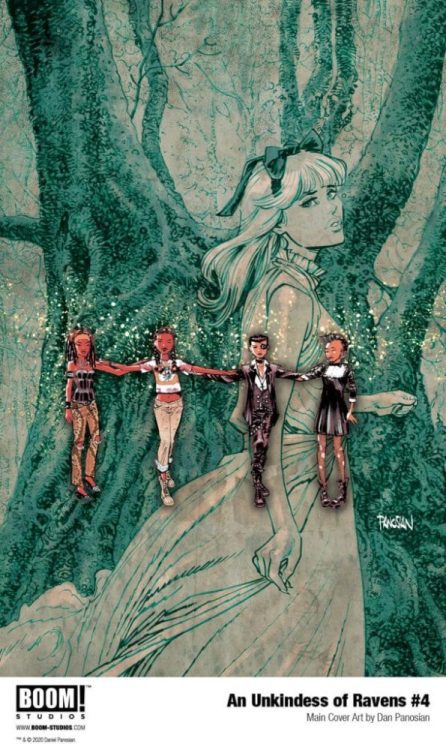
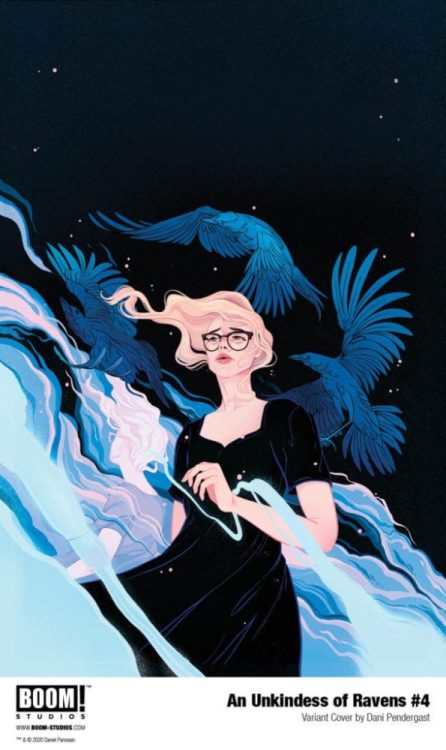
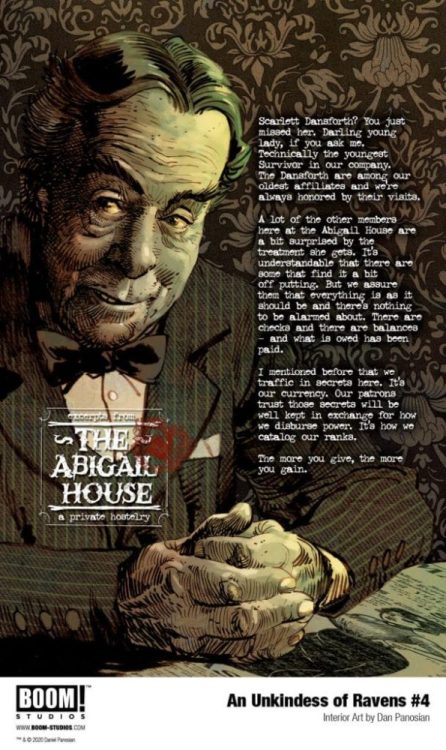
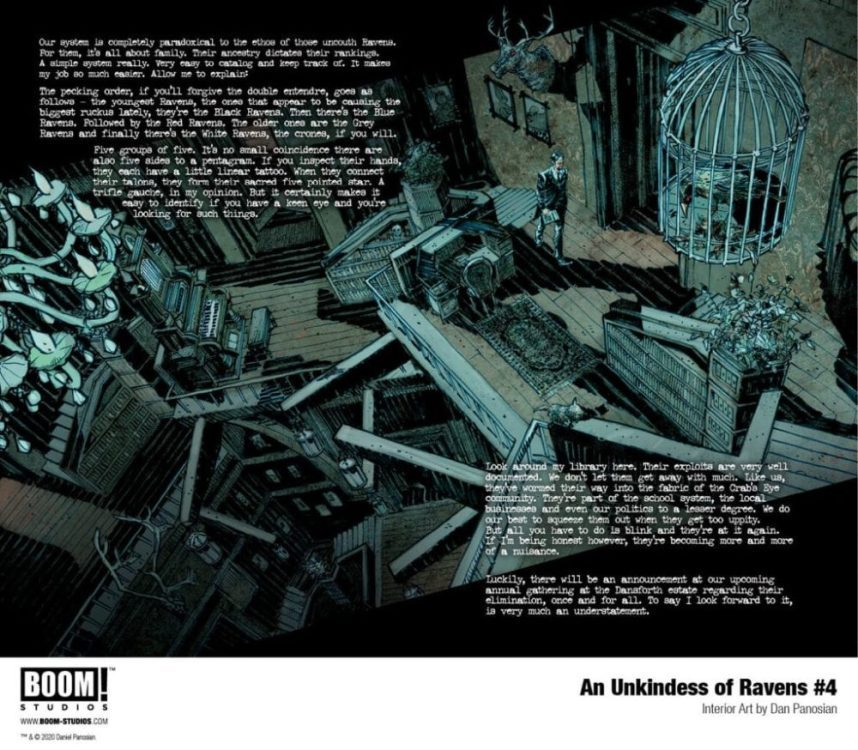
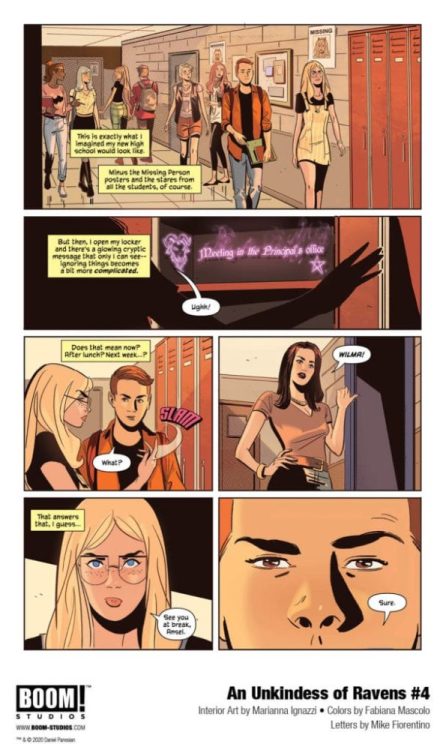
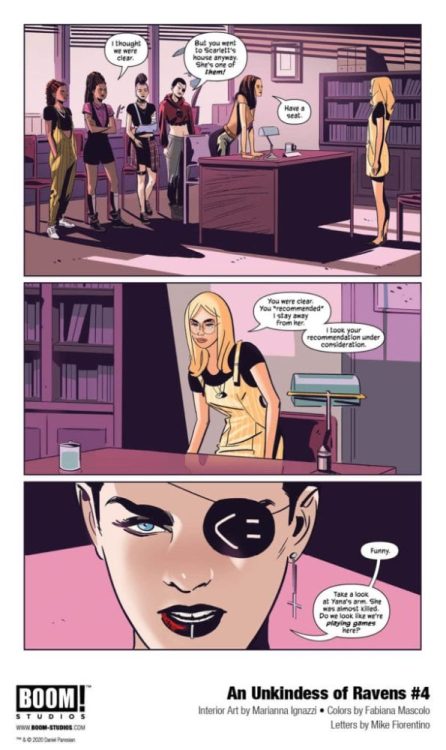
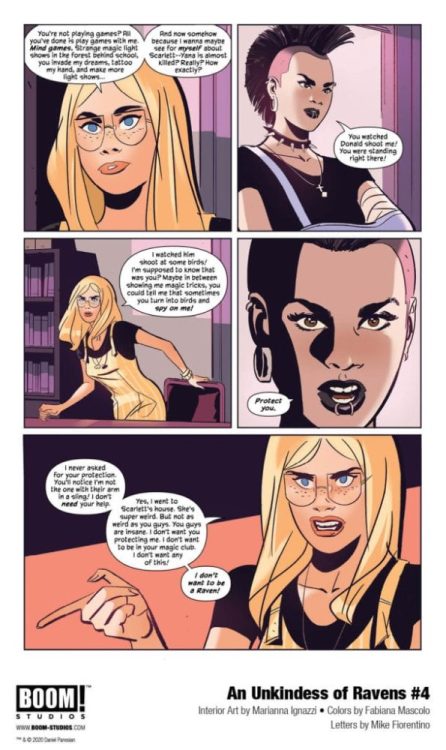
AN UNKINDNESS OF RAVENS #4 hits your local comic book shop on December 23, but thanks to Boom! Studios, Monkeys Fighting Robots has an exclusive first look for our readers. (Scroll to the bottom for the preview.)
The five-issue series is written by Dan Panosian, with art by Marianna Ignazzi, Fabiana Mascolo drops the color, and you will read Mike Fiorentino’s letter work. AN UNKINDNESS OF RAVENS #4 features main cover art by Panosian and illustrator Dani Pendergast.
About AN UNKINDNESS OF RAVENS #4: A supernatural mystery about a group of high schoolers steeped in witchcraft and the town they live in filled with long-hidden secrets and unchecked power.
The truth about Wilma – and the people she loves most – is finally revealed! But as Wilma is left reeling from these revelations, she and the Ravens discover just where Waverly has been – and it may be more than they can handle.
Do you have AN UNKINDNESS OF RAVENS on your pull list? Comment below with your thoughts.
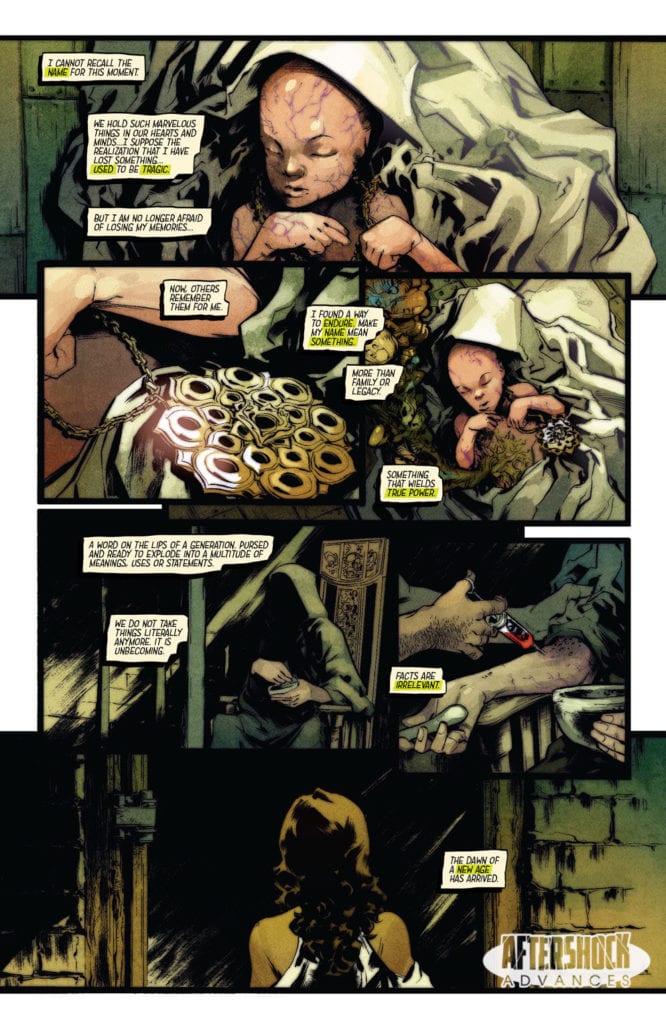
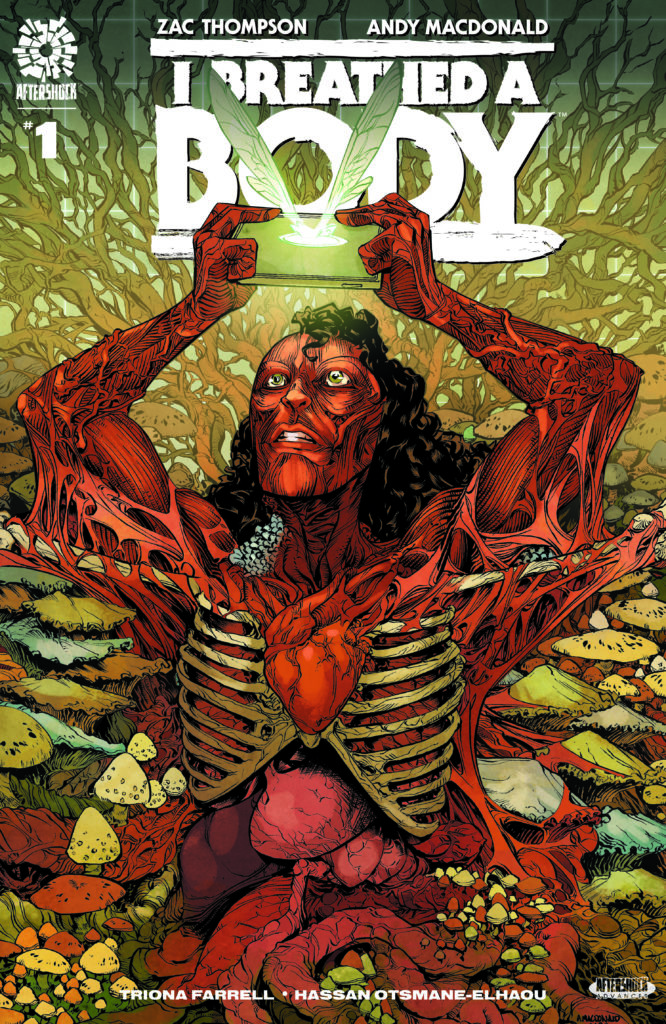
I BREATHED A BODY #1 hits your local comic book store January 20th, but thanks to AfterShock Comics, Monkeys Fighting Robots has an exclusive four-page preview for you.
About the issue: A science fiction horror series about social media, big tech, and influencer culture.
It’s The Social Network meets Hellraiser. When the world’s biggest influencer posts something irredeemably horrific online, the world changes in an instant. Now it’s up to his social media manager, Anne Stewart, to fan the flames of outrage and create a sensationalist campaign that rewrites the rules of “banned content.” Thus begins a carnival of lust, revulsion, desire, and disgust – all for viral videos.
I BREATHED A BODY #1 is by writer Zac Thompson and artist Andy MacDonald, with colors by Triona Farrell, and letters by Hassan Otsmane-Elhaou. The main cover is by MacDonald and Farrell.
“A HORROR SERIES ABOUT THE VOYEURISM OF VIOLENCE AND THE BIG TECH COMPANIES WHO ENGINEER PATTERNS OF FEAR IN SOCIETY“
Check out the I BREATHED A BODY #1 preview below:
Are you excited for I BREATHED A BODY? Sound off in the comments!


 Within Rai #10 is a lot of anticipation both for what’s in the story and what’s to come afterwards. The opening pages call back to a conflict that stirs issues past, a conflict with technology and indifference. One of Rai and Raijin’s inner conflicts comes from how they want to live like humans, but they can’t deny that they’re part of their creator’s hold on the world. That same creator is a threat so severe that Lula has to abort her task on helping Bloodshot. But both conflicts come together near the end that will undoubtedly have the reader question the morality of the situation. Can beings of technology like Bloodshot and the cyborg brothers really live alongside organics? Or will they only destroy the memory of people like Rai’s companion Alice? Abnett leaves these questions in the air for the reader as the issue announces Rai’s return.