Home Blog Page 156

Review: BATMAN/CATWOMAN #5 and the Hysteria that Follows Darkness

Batman Catwoman King DC Comics

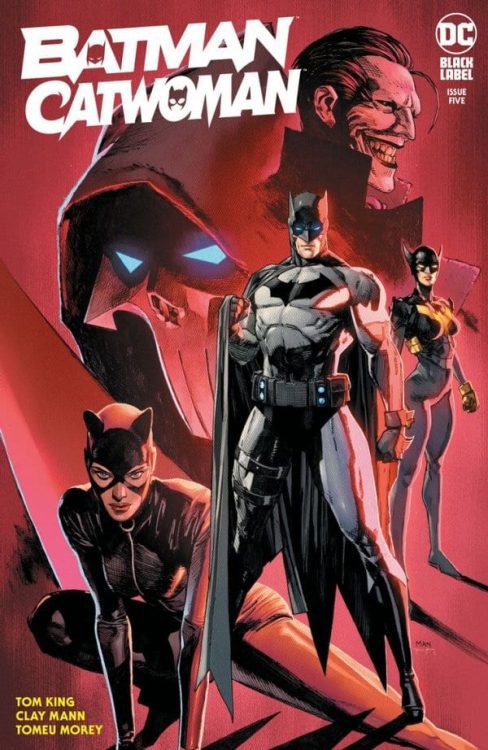
It’s often troubling to read a particularly dark story. That’s probably why we refer to them as “dark” in the first place. But creators have several tools to help us take their dark themes in. Some creators push the pedal to the metal. They say, “Oh, you think this is dark? You haven’t seen anything yet.” Others almost ignore it. Their characters, as a coping mechanism, push aside their trauma and fill the silence with laughter. Batman/Catwoman #5 fills its silences with hysteria. As this plot kicks into gear, writer Tom King, artist Clay Mann, colorist Tomeu Morey, and letterer Clayton Cowles show us that these characters are starting to break under the pressure.

Writing

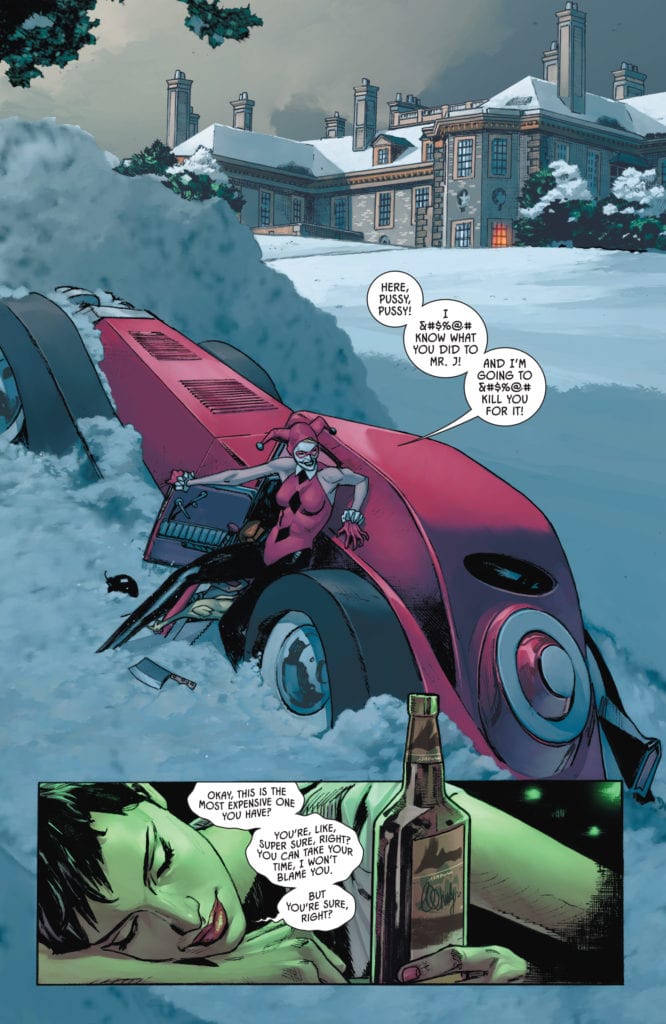
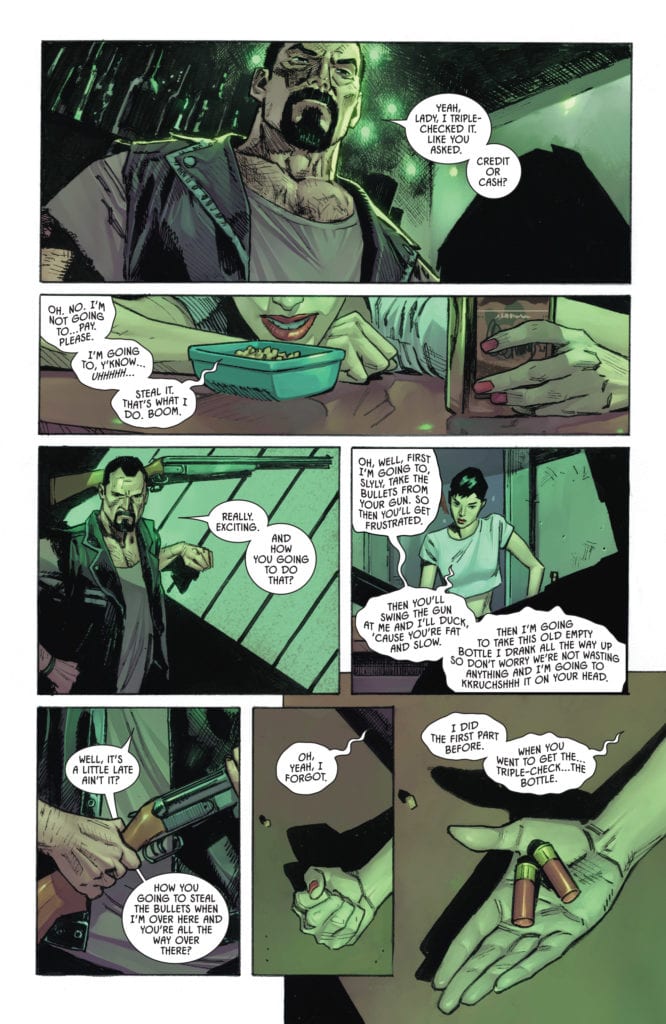
King’s approach to the darkness in this plot is almost one of ignoring it. Catwoman gets drunk and taunts a bartender instead of grappling with some of the things she’s seen. But she has a madness that is just below the surface. It’s telling that we get three plotlines in this issue, and in only one of those is Selina drunk, but she acts with similar abandon in all three. She copes through self destruction. She finds comfort in witty banter and whimsical violence. But it all ends in blood and sweat. And the fact that these three plotlines are years apart, shows that she’s been carrying this trauma with her for a long time. King pushes deeper into what it’s like to be a superhero. He asks us to look at the scars that are left once the bright sound effects have long faded away.
Batman Catwoman King DC Comics

Art

Mann never lets us forget the dual nature of Selina’s self destructive tendencies. She’s a funny drunk, but she’s also brutal fighter. One page shows old Selina, looking down through her sweat at someone she beat the crap out of. Mann interrupts that panel by overlaying a picture of a younger Selina from the panel below. She leans against a wall with a bottle in hand, a slight smile on her face. She seems harmless one moment but ruthless the next. Similarly, Mann shows Selina’s snap from comic book violence to true gore. She dodges bullets and delivers karate kicks, only to pummel someone into a bloody mess a page later. Catwoman is unpredictable and Mann shows us this has potential to be just as scary as it is charming.

Coloring

Morey has reds, blues, and greens representing themes and moods in this issue. The red is always used in instances of violence. Even when it seems fun or bright, Morey quickly subverts it and brings it back to gore. Red surrounds Phantasm in every scene. She is an Angel of Death, after all. But it follows Selina into the future. We begin to wonder how much Selina has become a product of Andrea Beaumont’s actions, rather than Bruce Wayne’s. Morey visually links the two almost as though he’s asking us to spot the difference.
Batman Catwoman King DC Comics

Lettering

Cowles also shows us the link between Andrea and Selina. At one point, we see Andrea talking to one of her victims. (If “victim” is the right word.) She talks and her words surround him. Her speech bubbles create a wall around him, on the page. Visually, he’s boxed in by her, trapped. Cowles is showing us that her words tell him that he’s not getting out of this. Later, when we see Selina fighting with someone in the future, she does the same thing. In the midst of the battle, she speaks to her opponent. Her speech bubbles surround the other character, making it visually clear not only that Selina has the upper hand, but she’s also learned a thing or two from Andrea Beaumont.


Batman/Catwoman #5 shows the cracks that are forming beneath the surface. From its first issue, this story has been about the scars a life of crimefighting can bring about. Now we’re actually beginning to see where those scars came from. King, Mann, Morey, and Cowles continue to do some of their best work. Pick up Batman/Catwoman #5, out from DC Comics June 1st, at a comic shop near you!
Monkeys Fighting Robots Youtube

Review: THE SWAMP THING #4 is a Wonderful Mix of the Old and New

Swamp Thing V DC Comics

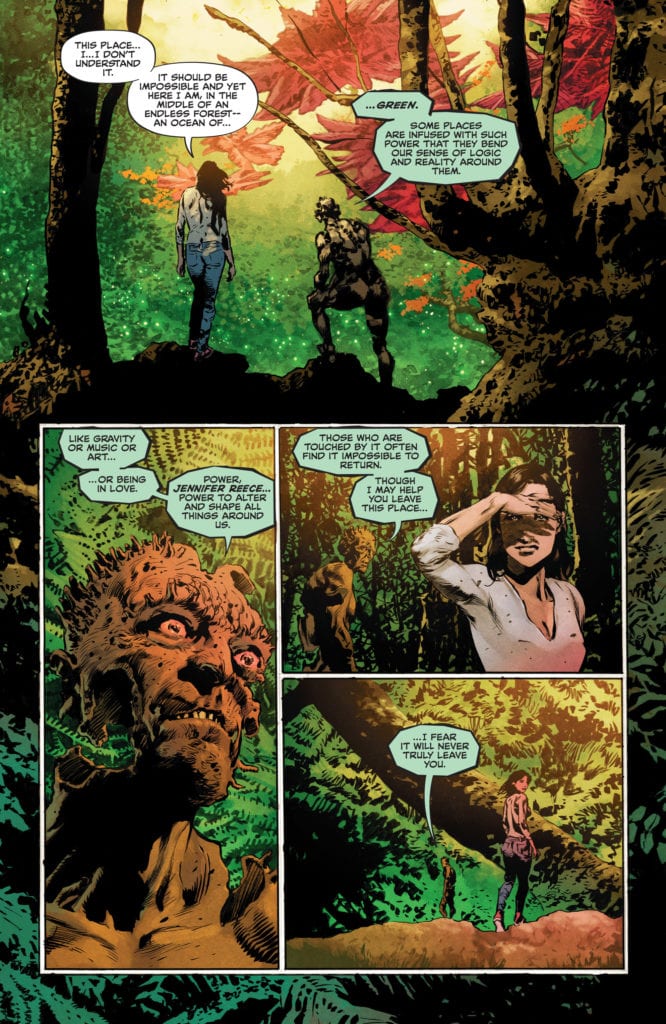
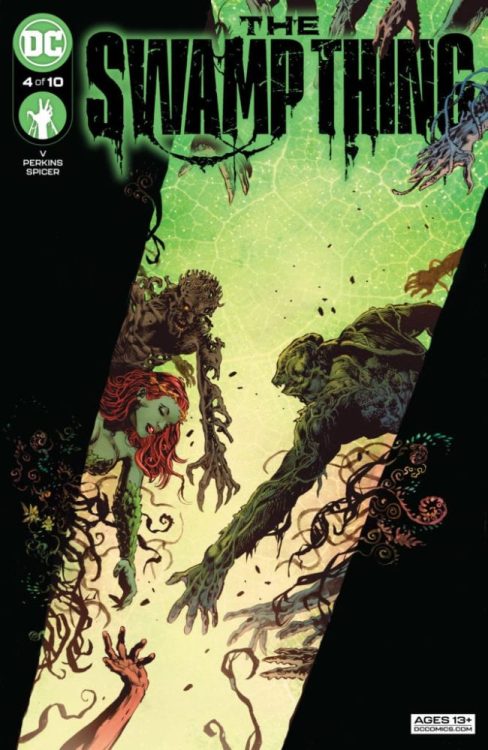
The Swamp Thing #4 reads almost as much like a page from a textbook as it does a comic. An exciting textbook. Its pages are chock full of history. Writer Ram V, artist Mike Perkins, colorist Mike Spicer, and letterer Aditya Bidikar turn the Green into a world of old comics and ripe new ideas.

Writing

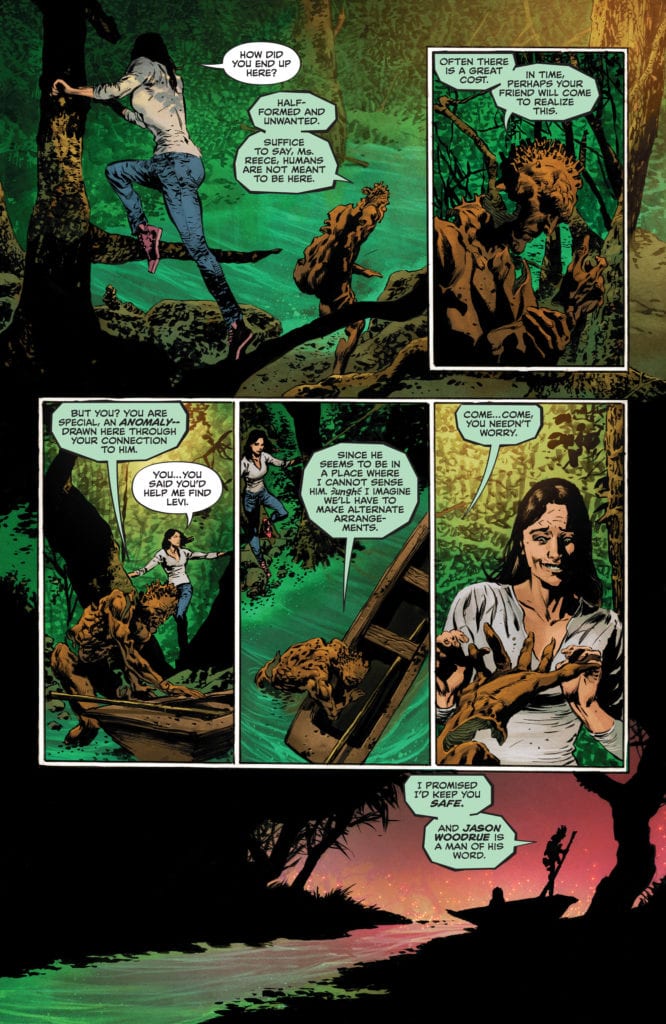
V’s story is a collision of the old and the new. His fresh faced characters rub shoulders with legends. Perhaps it’s because V makes this history lesson so beautiful, or because this series has already been such a delight, but one can already picture writers of the future treating V’s story with the same gravitas. Though this issue risks being overly expositional, V sidesteps this pitfall. He informs us of the rules of this world through the inquisitive eyes of newcomers. But he also gives a unique voice to each of their guides. “How did you end up here?” Jennifer Reece asks the Floronic Man. “Half-formed and unwanted,” he answers. It doesn’t answer her question, but it tells us so much more about who it is that’s leading her through the wilderness.

Swamp Thing V DC Comics

Art

Perkins is Stephen Bissette. He’s Bernie Wrightson and John Totleben. Yet somehow, in all of it, he’s also Mike Perkins. Perkins seems to effortlessly take on the styles of his predecessors. He moves between his own style and theirs so seamlessly that it underlines again why Perkins is a perfect fit for Swamp Thing. But not everything Perkins does in this issue is an homage. His original work is a breathtaking ode to the all-encompassing nature of the Green. When Swamp Thing connects with the Green, he sees its power. Behind his head we see plant cells, the patterns on a leaf, large forests, and the indistinct image of a green land mass. The images show the scope of the Green, but they also surround Swamp Thing. Perkins envelops us in this world, making us wish we never had to leave.

Coloring

There’s a clear battle in Spicer’s pages between the Red and the Green. The Red represents Man’s encroaching influence. We see it in the flowers, spreading like a pestilence through the Green. But we also see it in Swamp Thing. The more the issue goes on, the more red seems to cling to our moldy friend. Some of it is Levi Kamei, as beneath the surface he’s still a man. We see images of Swamp Thing in the past, but as they catch up to the modern day they become more and more infused with red. But some of this crimson hue is the mysterious mark that Levi’s brother left on him. The red drips like blood but offers no answers just yet.

Swamp Thing V DC Comics

Lettering

One of the most noticeable things about Bidikar’s lettering is what’s missing. There are no sound effects. There’s plenty of action. Plenty of chances for a “BOOM” or “POW.” But Bidikar offers none, and it gives the Green an almost religious quality, like whispering in church. That’s not to say this issue’s lettering doesn’t have style and even a sense of fun. This whole issue just goes to show how much Bidikar does. Rarely do characters speak in plain speech bubbles with normal font. The Floronic Man, Ivy, and Swamp Thing all have their own fonts and speech bubbles. They each have their own sound. And when one character fades away, their words fade too. Bidikar is deliberately and brilliantly doing everything to add flavor to the lettering. It’s working.


The Swamp Thing #4 is beautiful and a fantastic mix of homage and innovation. This creative team is creating a series that feels quiet and gentle. Just like the Swamp Thing himself. Pick up The Swamp Thing #4, out from DC Comics June 1st, at a comic shop near you!
Monkeys Fighting Robots Youtube

Review: REPTIL #1 – An Effective Re-introduction

Reptil #1 Cover

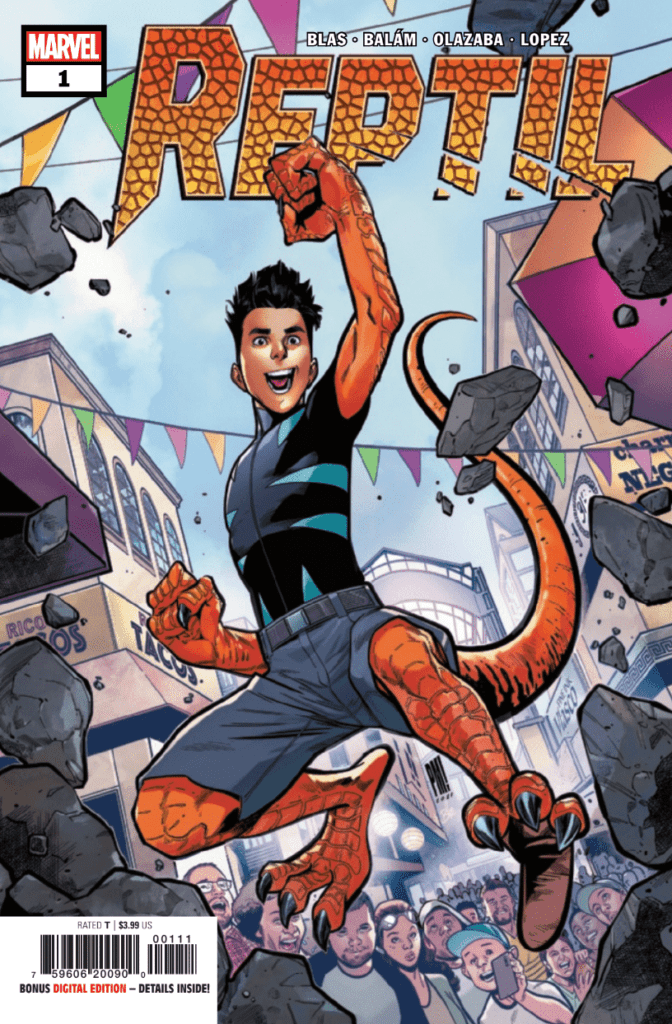
Reptil #1, out now from Marvel Comics, gives new life to the character and sets up a fun and fast-paced adventure.

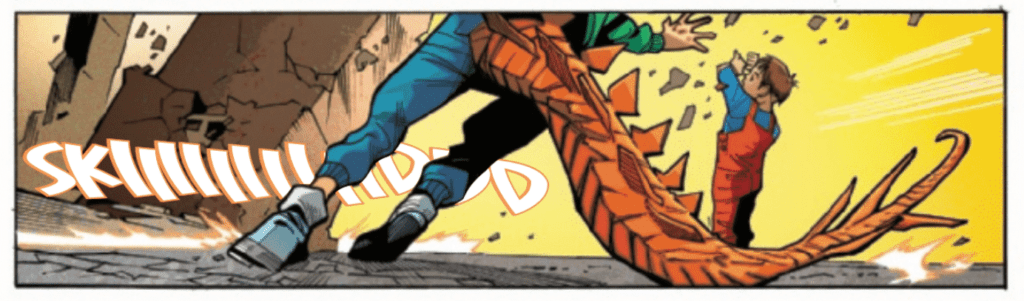
Reptil #1 Art ExampleTerry Blas writes Reptil #1 in such a way that the series welcomes readers unfamiliar with Reptil with open arms. There is a quick and concise retelling of Reptil’s origin and the introduction of new conflicts for the character. Blas keeps us entertained throughout the entire issue with twists, turns, and a gripping cliffhanger to end it all. Not to mention the way he is able to address the serious problems the characters are facing while also making much of the issue feel light-hearted. Blas also has the main characters use Spanish phrases throughout the issue, which adds to their character and makes them seem more three-dimensional.
Reptil #1 Coloring Example

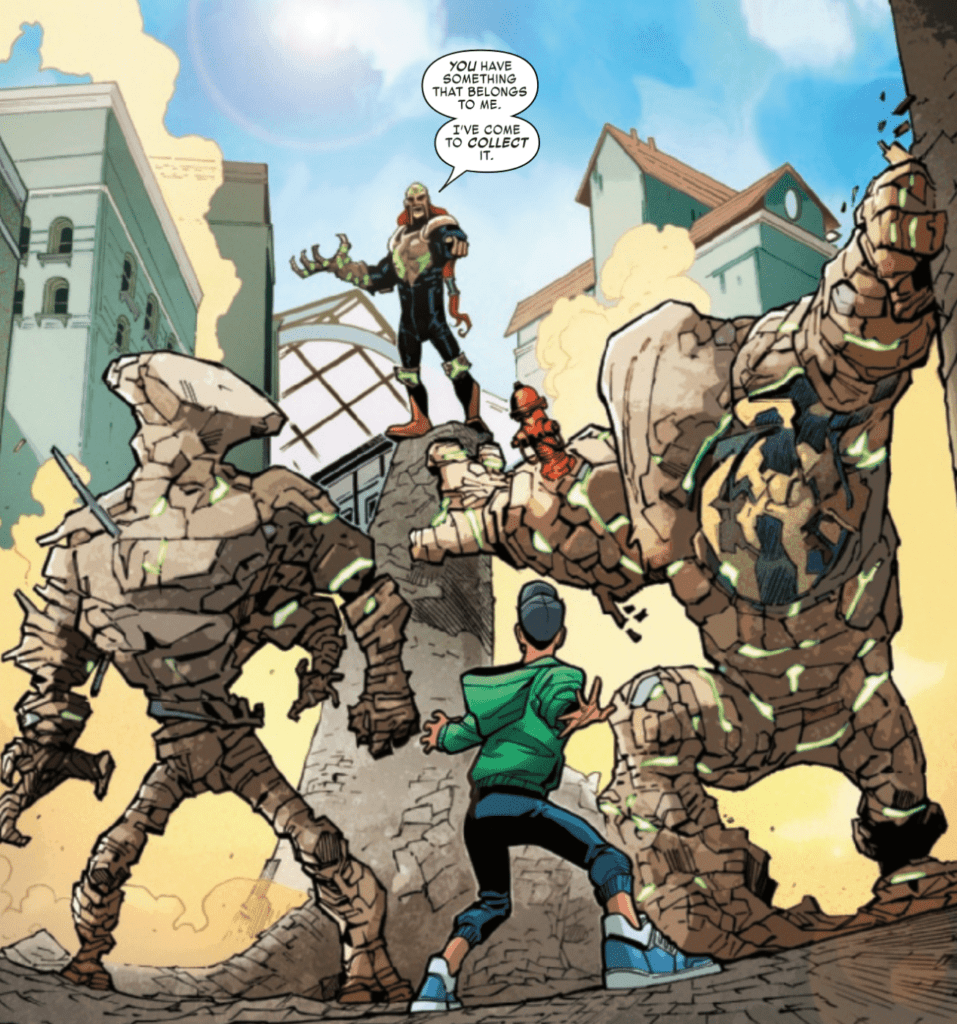
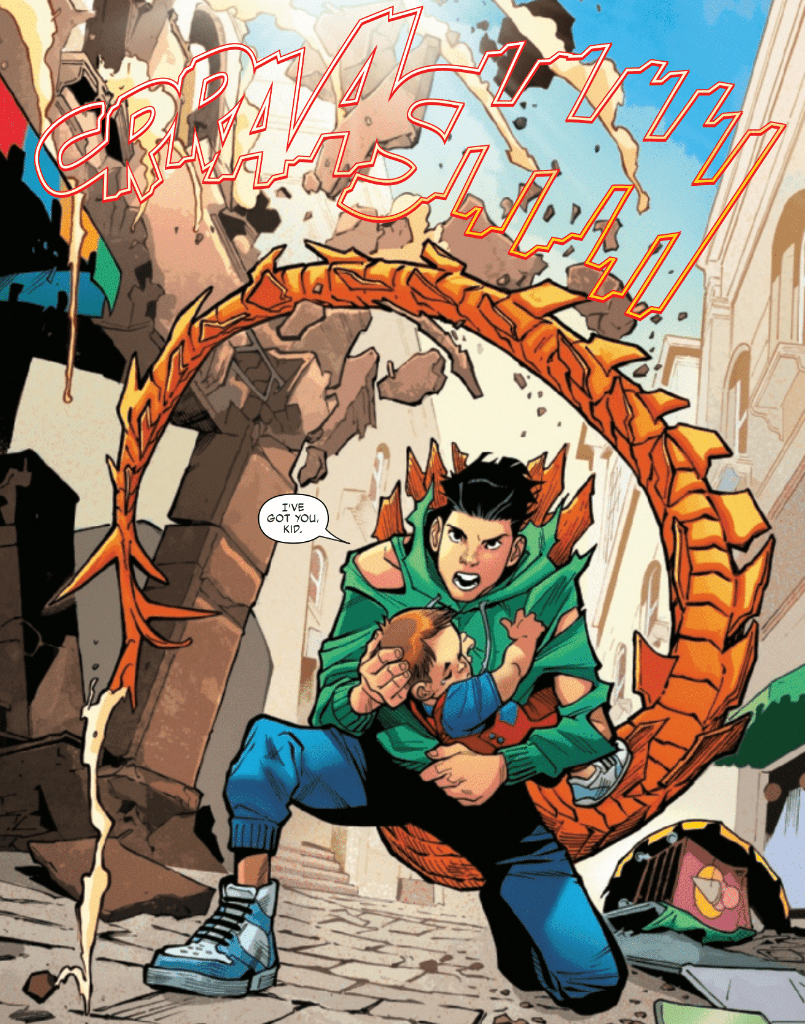
The pencils of Enid Balám and the inks of Victor Olazaba give Reptil #1 the fun feel it needs. The style features emotive and cartoonish figures that allow for a pleasant tone for much of the issue and serious moods when the story calls for it. The figures in this issue are also incredibly dynamic, which causes fight scenes to draw you in easily.

Reptil #1 benefits significantly from Carlos Lopez’s use of color. The entire issue has a broad color scheme, which causes the story to feel energetic. At certain moments, Lopez chooses to have a single color dominate a panel, which is a highly effective way to make the mood of a scene clear. This technique isn’t often used, which helps make the moments where it is used more impactful.

Reptil #1 Lettering Example

VC’s Joe Sabino’s lettering talents do wonders to help the story in Reptil #1. The lettering is standard for many moments, but when things get heated, the lettering changes to reflect that. By having moments where the lettering isn’t very eye-catching and moments where it is, Sabino creates a contrast that is certain to catch the reader’s attention, especially when Sabrino provides some stunning choices for sound effects during fight scenes.

Reptil #1 is a fantastic reintroduction to the character that starts a new intriguing storyline while also filling in new readers into what happened before. The art is light and enjoyable and perfect for a series of this style. If you want to join in on a wild adventure, be sure not to miss this excellent start to a new series.

Monkeys Fighting Robots Youtube

Review: KILLADELPHIA #13 – A New Figure Arrives

Killadelphia #13 Cover

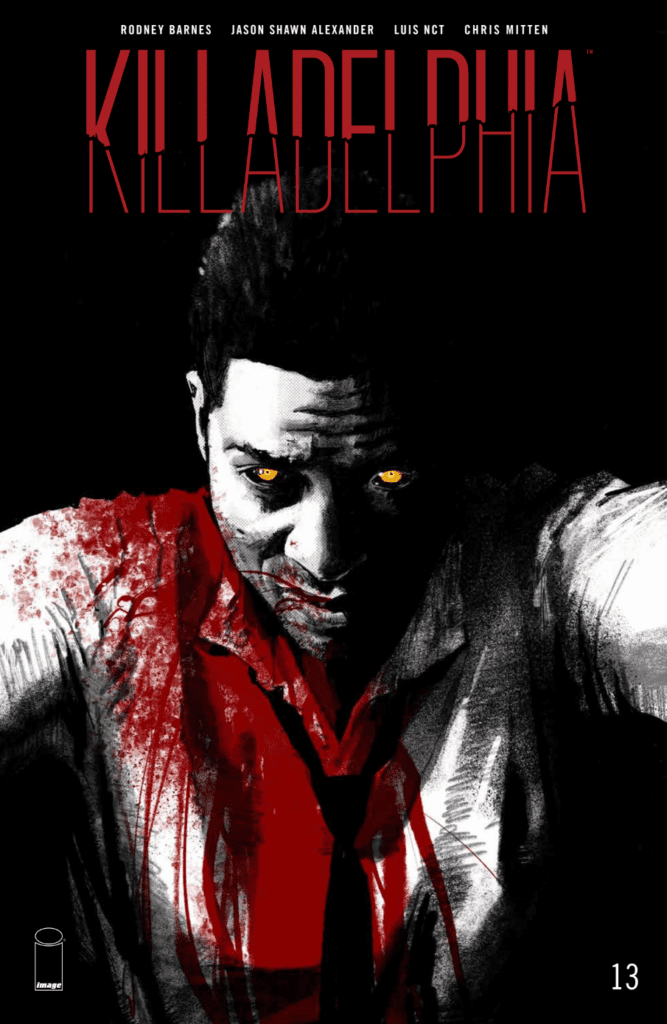
Killadelphia #13, out now from Image Comics, once again brings us a captivating story with stunningly gruesome art.

Killadelphia #13 Art Example

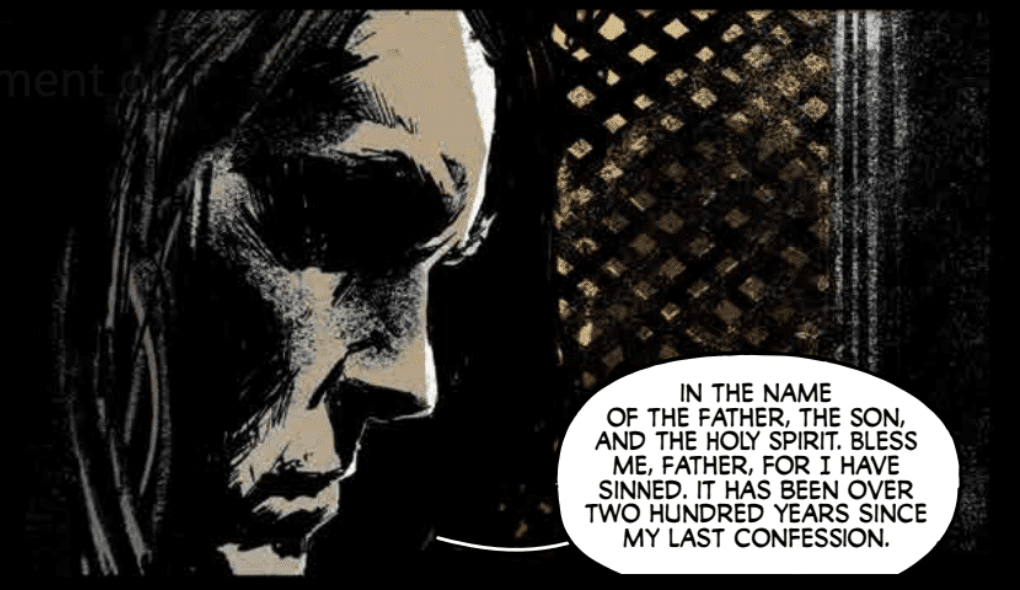
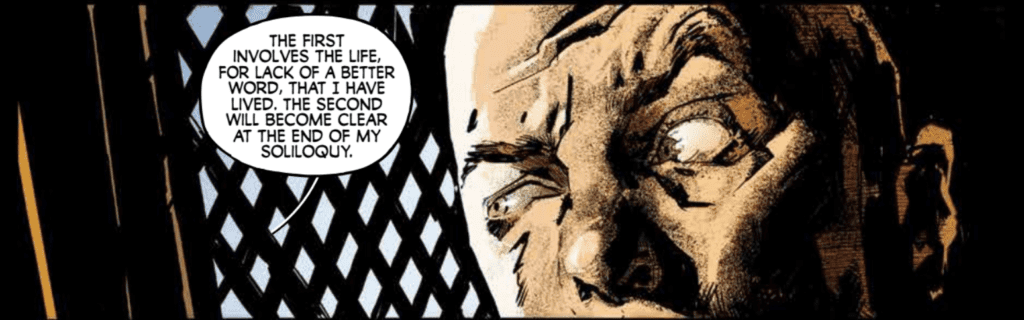
Throughout the series, Rodney Barnes provides several backstories for historical figures that have lived up to the modern-day as vampires and somehow he is always able to make these tales thoroughly engaging. It has been done for John Adams, Abigail Adams, several characters who lived through historical times, and now a new figure in Killadelphia #13. Barnes’ choice of having this backstory be told through a confession booth is an intriguing way to get the character monologuing, and it is highly effective. The issue also features an awaited confrontation between two characters, and the result does not let the reader down.

Killadelphia #13 Writing Example

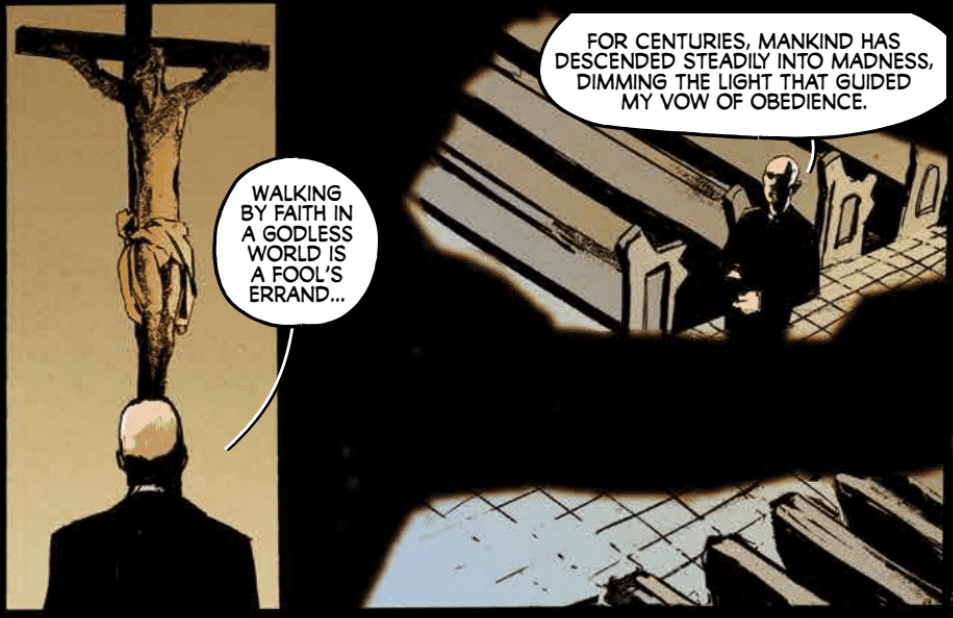
Killadelphia #13 is another issue filled with stunning art. Jason Shawn Alexander provides some gorgeous and gruesome imagery, expressive yet realistic faces, and impressive use of shadows. Many panels in this issue are composed of character silhouettes, which significantly helps the atmosphere of scenes. A panel that stood out in this issue had a character surrounded by a completely black background while they were coming to an important realization. The black blended in with the panel borders, so the void surrounding this character added lots of weight to this specific moment.

Luis NCT’s colors in Killadelphia #13 almost always focus on tone rather than the natural colors of the setting depicted, which results in a pleasant, stylized look. When a scene becomes violent and chaotic, reds will overpower the rest of the colors, making the scene more intense. It’s choices like these that make NCT’s coloring pair fantastically with the art of Alexander.

Killadelphia #13 Coloring Example

Marshall Dillon’s lettering in Killadelphia #13 gets the job done and allows the story to flow freely. Dillon uses several techniques to accomplish this. One such technique is providing a specific color for caption bubbles so the reader can be certain which character is speaking. The green color chosen for these captions is distinct from the rest of the palette, making it stand out from other captions. Dillon also changes the font and color of dialogue when some characters shout, and his font choices for sound effects always help scenes become more immersive.

You are missing out if you haven’t been following the Killadelphia series, and this issue reaffirms that point. Killadelphia #13 has the impactful moments and the beautiful art that this vampire tale has consistently provided us with, and it is not an issue you want to miss.

Monkeys Fighting Robots Youtube

Review: STAR WARS ADVENTURES: THE WEAPON OF A JEDI #1

the Force is strong

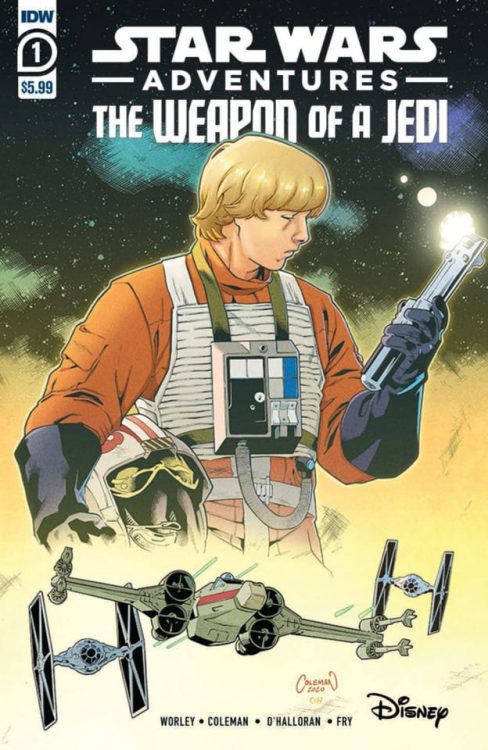
Luke’s Rebel mission takes a back seat on a journey from the Force. Available now from IDW Publishing and Disney, Star Wars Adventures: The Weapon of a Jedi #1 adapts Jason Fry’s 2015 novel. Written by Alec Worley and illustrated by Ruairí Coleman, the issue takes place somewhere between A New Hope and The Empire Strikes Back. Chris O’Halloran and Amauri Osorio provide colors and lettering respectively with design help from Germany’s 49 Grad Medienagentur company.

No classic Star Wars adventure would be complete without the usual suspects of Luke Skywalker, C-3P0, and R2D2. The gang’s all here in this issue. But here, Luke isn’t a Jedi quite yet. He has visions from the Force and senses things he doesn’t quite understand. So, when one Rebel mission is thwarted by an Imperial blockade, Luke follows the signs to the planet Devaron.

Homage

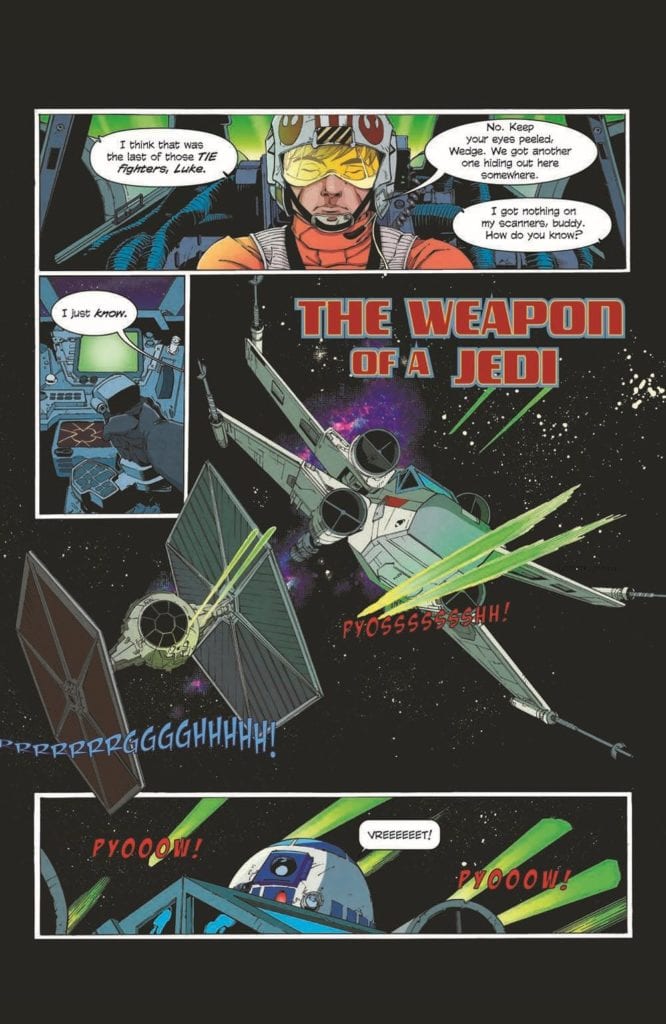
In fewer than forty pages, Worley and Coleman include two epic battles and carefully placed flashbacks that don’t slow down the pace. Other than a couple superfluous captions, everything is in service of character and plot. Worley’s script allows Coleman to show off the vastness of space and give us the action sequences fans expect.

homage to original trilogy
THE FORCE CALLS LUKE.

Artistically, Coleman copies the aesthetic of the original trilogy with a Silver Age drawing style. That is: line work is thin, there’s lots of cross-hatching, and inks are blotchy. Moreover, Coleman makes full use of page space with plenty of master shots and POVs to heighten the tension in action sequences. It’s so aesthetically satisfying and a fitting homage to the original trilogy.

Adventurous Adventure

Maintaining the homage is O’Halloran’s color palette. Earthy green, ruddy yellow, and deep Navy blue dominate in diluted hues. Nothing stands out as being particularly warm or cold, saturated or de-saturated. It’s familiar and so cool precisely because it doesn’t change or try to “fix” the tried and true Star Wars formula.

However, my one nitpick is that Osorio overuses special effects. It felt as if the letterer was trying too hard to evoke the sound effects of the films. Otherwise, Osorio’s font choice and dialogue placement complement the overall style well.

Regardless, as a peripheral fan of the Star Wars franchise, I see this issue for what it is: good nostalgic fun. I may not be invested in the series’ continuation, but I can appreciate this as being accessible to newcomers and another item in a seasoned fans’ collection. Star Wards Adventures: The Weapon of a Jedi #1 is an adventure indeed.

Monkeys Fighting Robots Youtube

Review: COMPASS #1 Shatters Expectations And Leaves You Wanting More

Review: COMPASS #1 (of 5) Shatters Expectations And Leaves You Wanting More

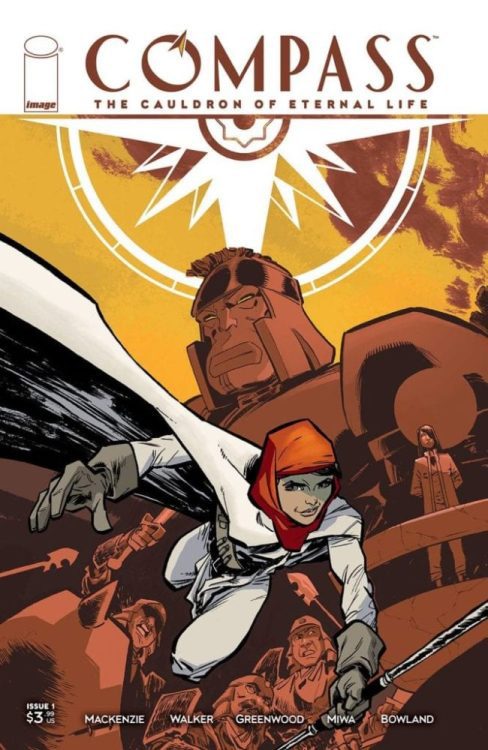
Compass #1 (of 5) from Image Comics hits your local comic book shop on June 16; the issue feels familiar, but then opens up a world that is vast and rich with potential.


About COMPASS:
Shahidah El-Amin is many things: scholar, cartographer, astronomer, mathematician, scientist, explorer, adventurer, and—when need be—two-fisted fighter. Setting out from Baghdad’s legendary House of Wisdom during the Islamic Golden Age, Shahi’s quest brings her to 13th-century Britain…where the Welsh are whispered to possess the secret of eternal life. But Shahi’s not the only one after it…


Writers Robert McKenzie and Dave Walker set up the story at a basic level without expanding on characters. This left parts of the story open for me to interpret, and it creates a shared journey between myself and the main character, Shahidah El-Amin. McKenzie and Walker also set up the first issue to build towards a specific moment, but cuts the reader off right before this moment. Where the story stops in the first issue is perfect because now I’m thirsty for the second issue. In the world of binging comics in trade form or watching a full season of TV in one sitting, it’s surprisingly satisfying to have to wait for the next issue and think about the story you just read. Since Compass has a mystery element, I can see people rereading the issue looking for clues.

Review: COMPASS #1 (of 5) Shatters Expectations And Leaves You Wanting More

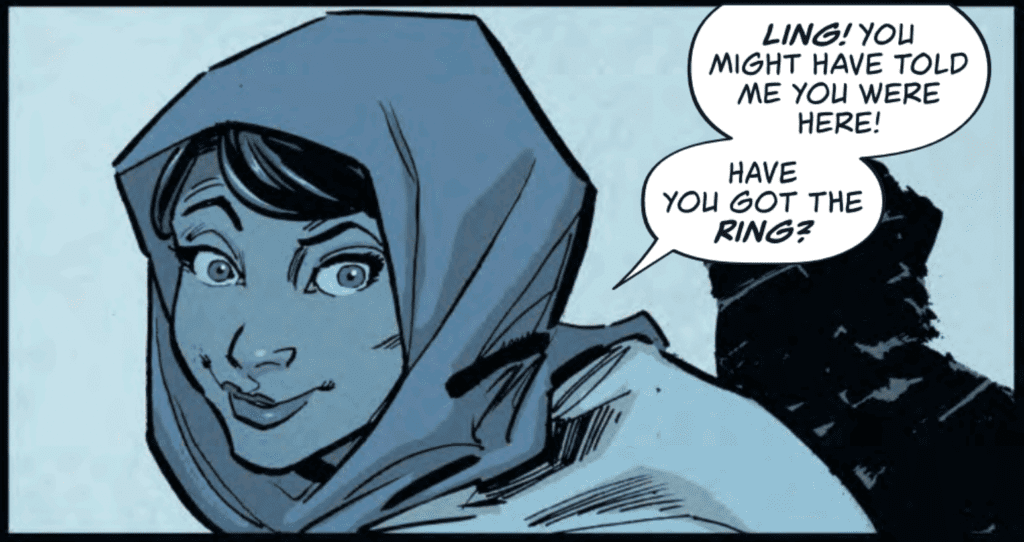
Justin Greenwood has a Chuck Jones style to his art, which creates intoxicating moments with characters’ eyes. Greenwood’s artwork also brings several feelings to the table and forces me to adjust my perceptions. How Shahi moves in a panel, her smile, and the weapons she uses had me looking at the issue through the lens of Dick Grayson or Tim Drake, aka Robin, in the first action sequence as she is looking for the treasure. This is not bad because Robin is a character I like, and now there is a bond with Shahi by association. Then, as the story progresses, Shahi slowly breaks through the lens and becomes her own character, but never leaves my previous attachment. Greenwood changes how Shahi moves when she arrives in Britain, and this is where the “Robin” lens fades. There is a tougher, more determined feeling to how she is presented in a panel.

Daniela Miwa’s colors work well in the issue. The first half is very dark, with the back half very bright. The colors add to the storytelling elements as the world begins to expand as the pages get brighter. You literally go from tunnel vision to wide-open spaces. The dark colors make you focus on page details, where the brighter, more calming colors make you look at the page as a whole.

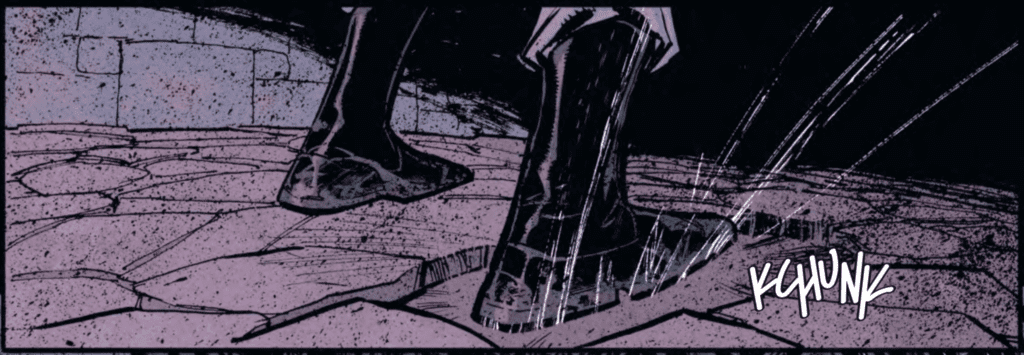
Letterer Simon Bowland doesn’t use a ton of sound effects, but when he does, you listen. The beginning of the issue is very dark and quiet, so when you read a “KCHUNK,” you almost jump out of your seat in fright. Bowland uses a well-balanced approach to the letter work that allows the reader to clearly understand the story and look for hidden meanings in the bold typeface.

Review: COMPASS #1 (of 5) Shatters Expectations And Leaves You Wanting More

Overall, Compass #1 (of 5) is a fun read with a solid mystery that grabs the reader’s attention. If you pick up the first issue, be prepared to have feelings and emotions that remind you of some of your favorite memories.

Monkeys Fighting Robots Youtube

ComiXology Exclusive Preview: YOUTH Season 2 #3

comixology youth season 2 #3 exclusive preview

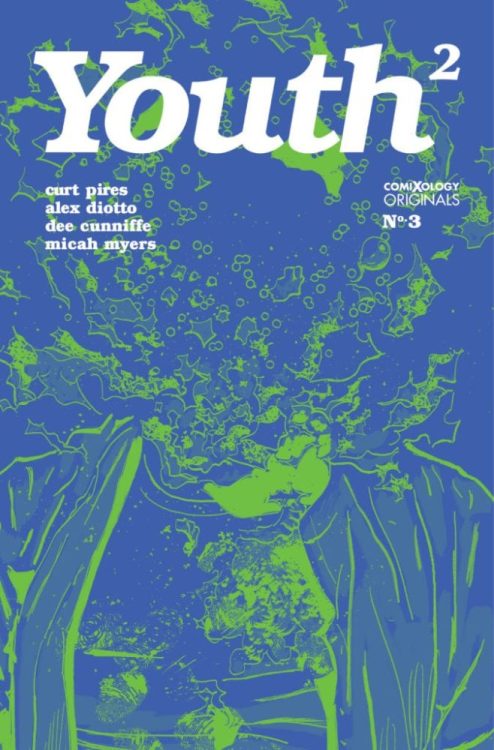
YOUTH Season 2 #3 hits the internet June 1st, but thanks to comiXology, Monkeys Fighting Robots has an exclusive six-page preview for you.

Sex. Drugs. Liquor. Murder. Superpowers.

About YOUTH Season 2 #3:
One of the kids dies. One of the kids lives. Nothing is what it seems. The truth is revealed.

YOUTH Season 2 is by writer Curt Pires and artist Alex Diotto, with colors by Dee Cunniffe and letters by Micah Myers.

YOUTH is currently in development for Amazon Prime Video. It’s part of the comiXology Originals line of exclusive digital content only available on comiXology and Kindle. These titles will be available as part of comiXology Unlimited, Kindle Unlimited and Prime Reading at release.

Check out the YOUTH Season 2 #3 preview below:

comixology youth season 2 #3 exclusive preview

comixology youth season 2 #3 exclusive preview

comixology youth season 2 #3 exclusive preview

comixology youth season 2 #3 exclusive preview

comixology youth season 2 #3 exclusive preview

comixology youth season 2 #3 exclusive preview


comixology youth season 2 #3 exclusive preview


Are you a fan of comiXology’s YOUTH? Sound off in the comments!

Monkeys Fighting Robots Youtube

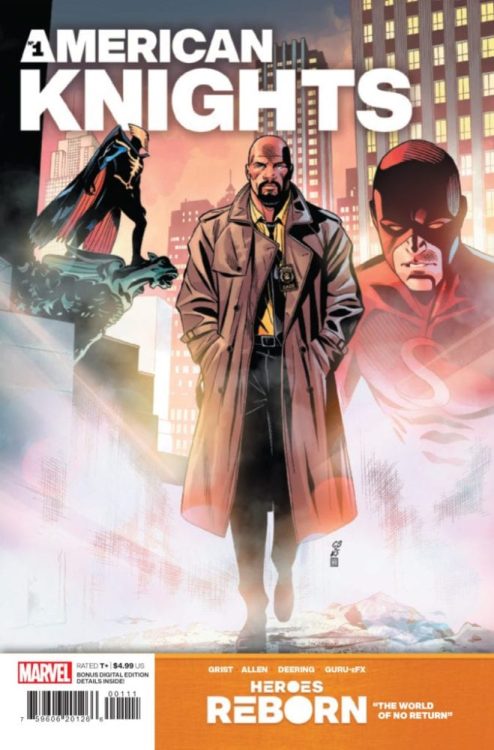
Marvel Comics Exclusive Preview: HEROES REBORN: AMERICAN KNIGHTS #1

marvel comics exclusive preview heroes reborn american knights #1

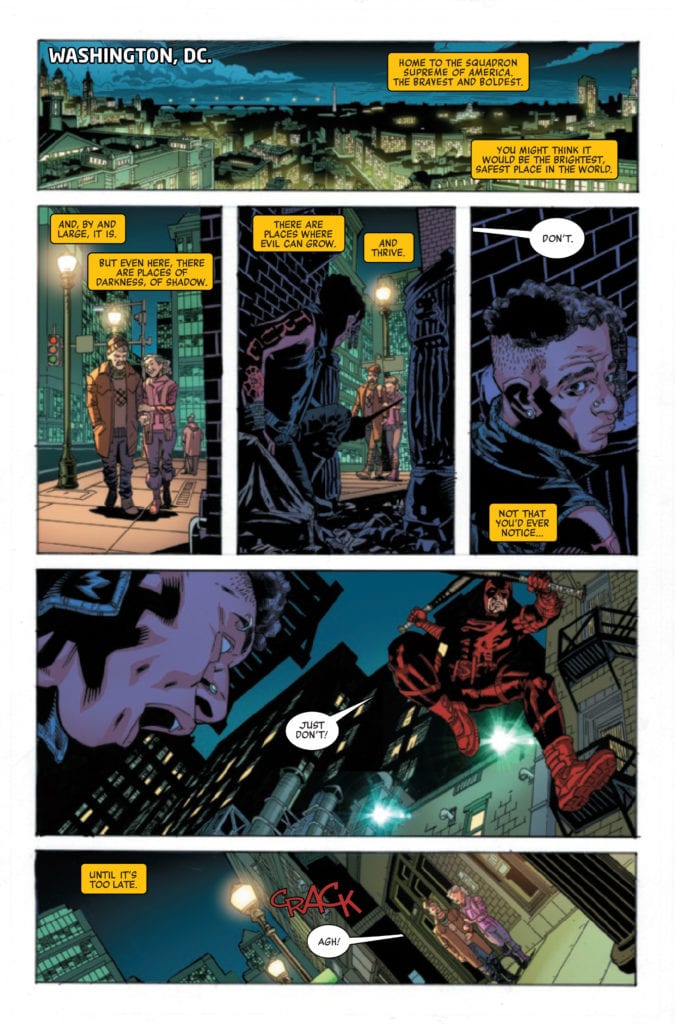
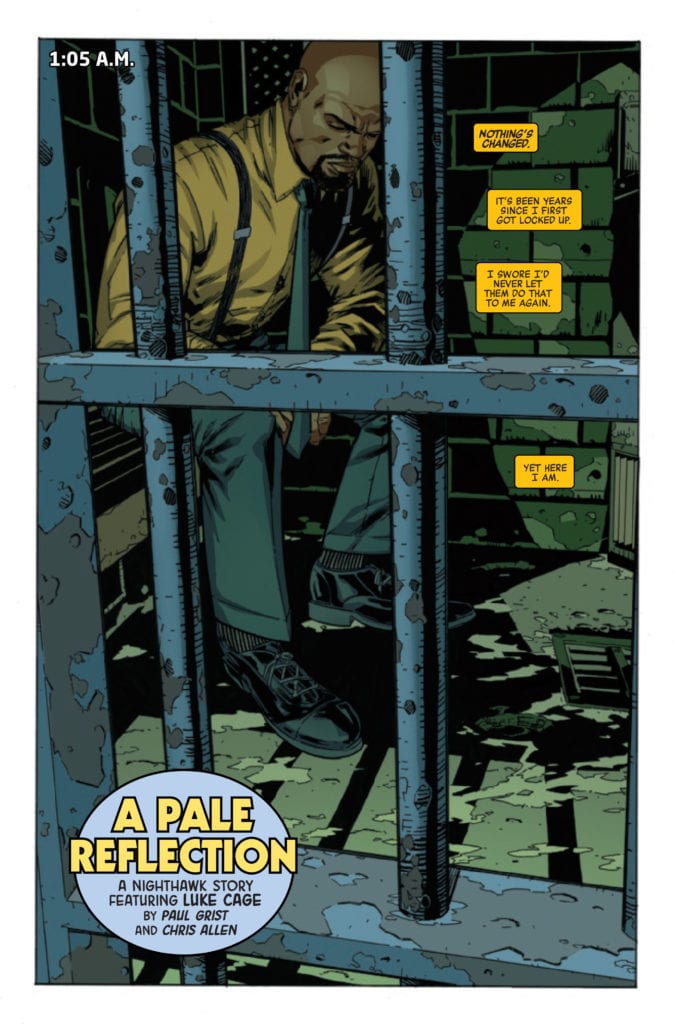
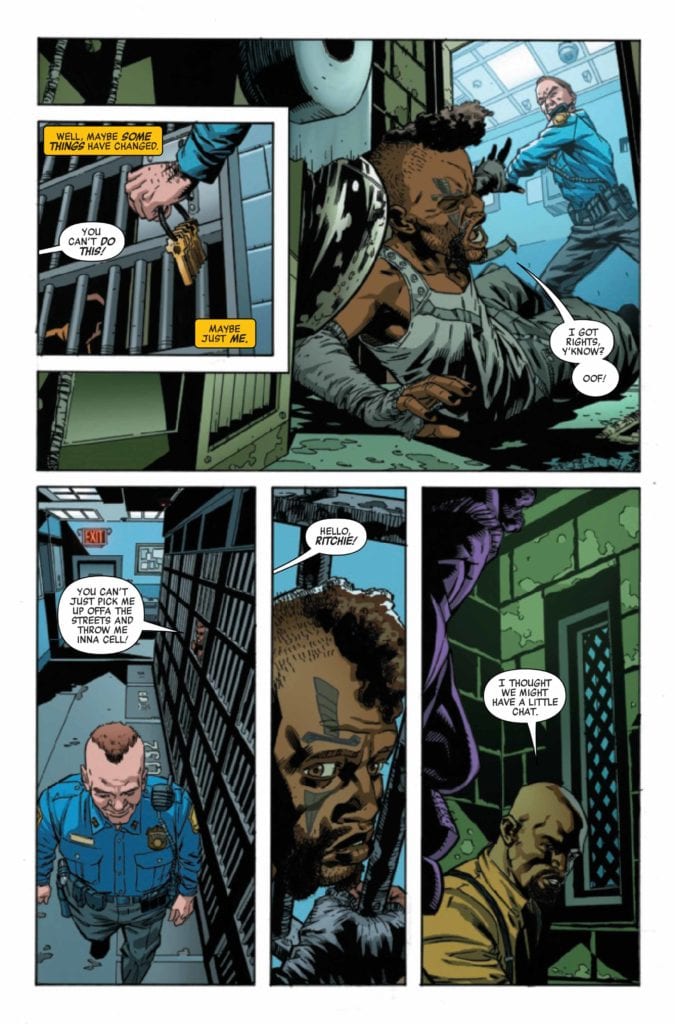
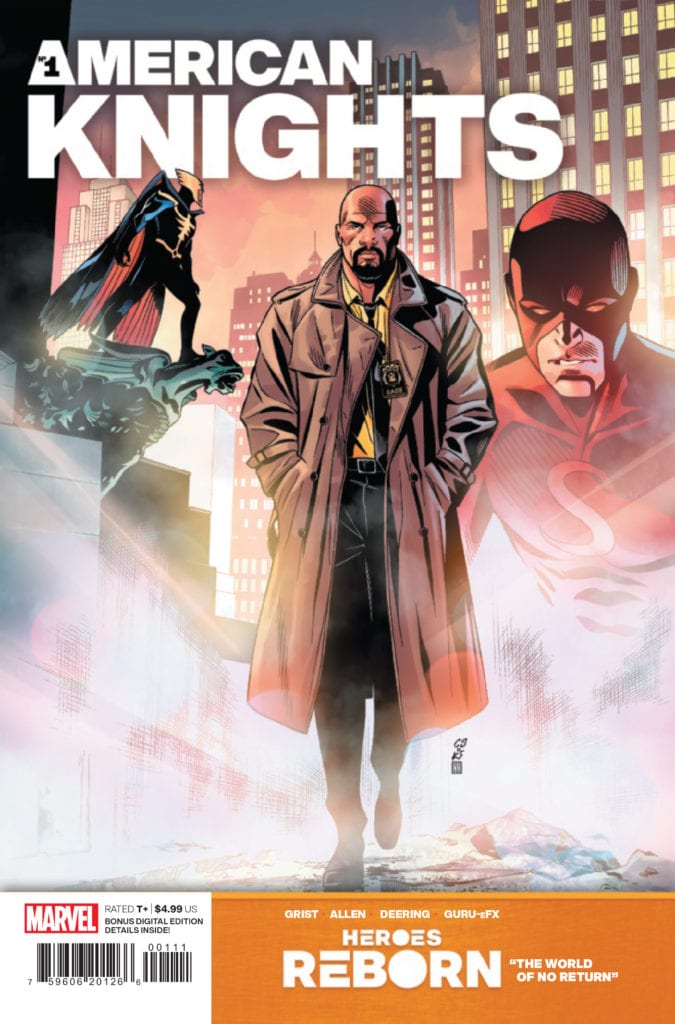
HEROES REBORN: AMERICAN KNIGHTS #1 hits your local comic book store June 2nd, but thanks to Marvel Comics, Monkeys Fighting Robots has an exclusive 4-page preview for you.

About the issue:
An epic, oversize slugfest between the Squadron Supreme and an otherworldly group of Avengers for the final fate of the whacked-out world of HEROES REBORN.

The issue is by writer Paul Grist and artists Chris Allen and Marc Deering, with colors by Guru-eFX, and letters by Cory Petit. The main cover is by Chris Sprouse, Karl Story, and Neeraj Menon.

AMERICAN KNIGHTS is a 56-page one-shot set in the HEROES REBORN universe. It is a play on the street-level MARVEL KNIGHTS stories featuring alternate versions of Luke Cage and Daredevil.

Check out the HEROES REBORN: AMERICAN KNIGHTS #1 preview below:

marvel comics exclusive preview heroes reborn american knights #1

marvel comics exclusive preview heroes reborn american knights #1

marvel comics exclusive preview heroes reborn american knights #1

marvel comics exclusive preview heroes reborn american knights #1

marvel comics exclusive preview heroes reborn american knights #1

marvel comics exclusive preview heroes reborn american knights #1


What are you thinking of Marvel’s HEROES REBORN so far? Sound off in the comments!

Monkeys Fighting Robots Youtube

AfterShock Comics Exclusive Preview: SEVEN SWORDS #1

seven swords aftershock comics exclusive preview

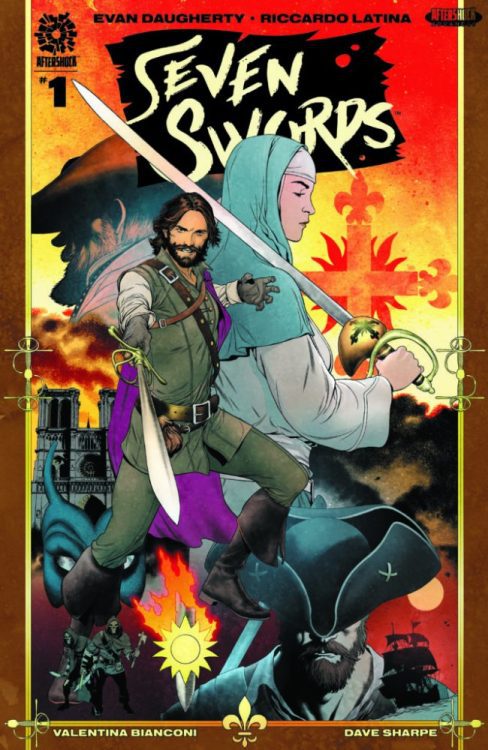
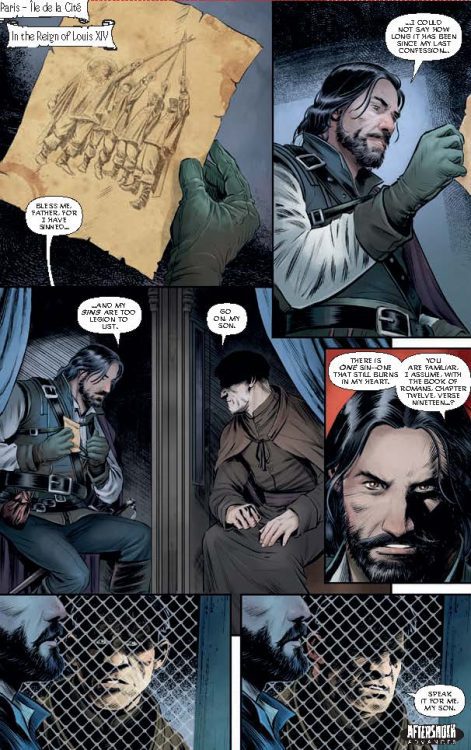
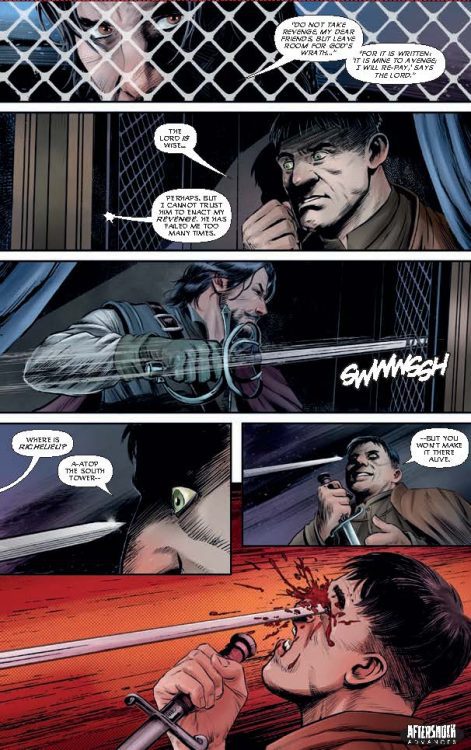
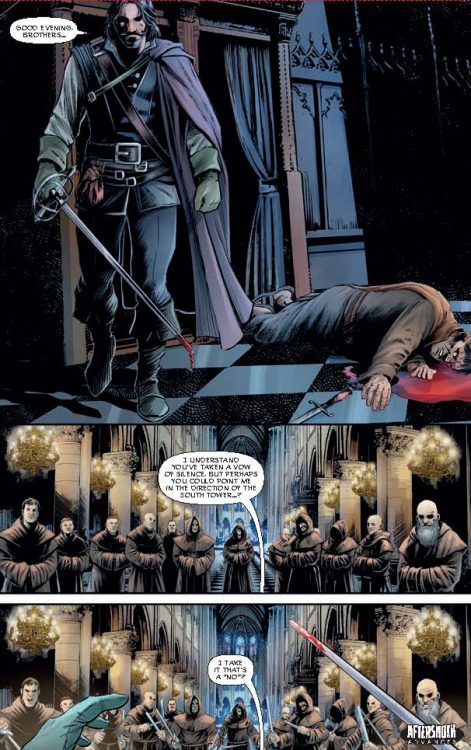
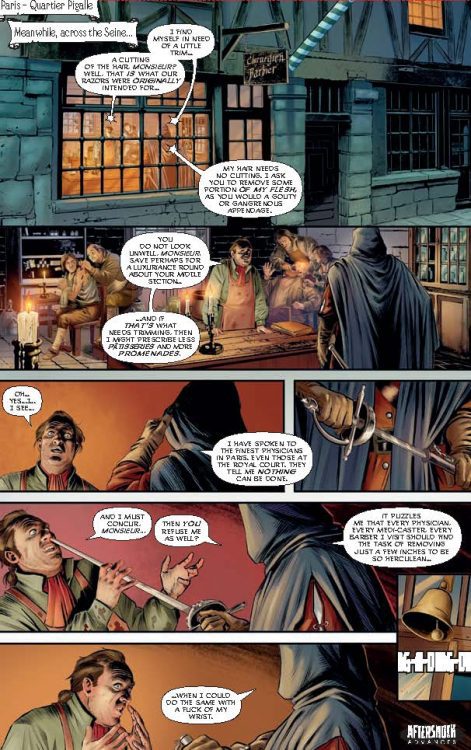
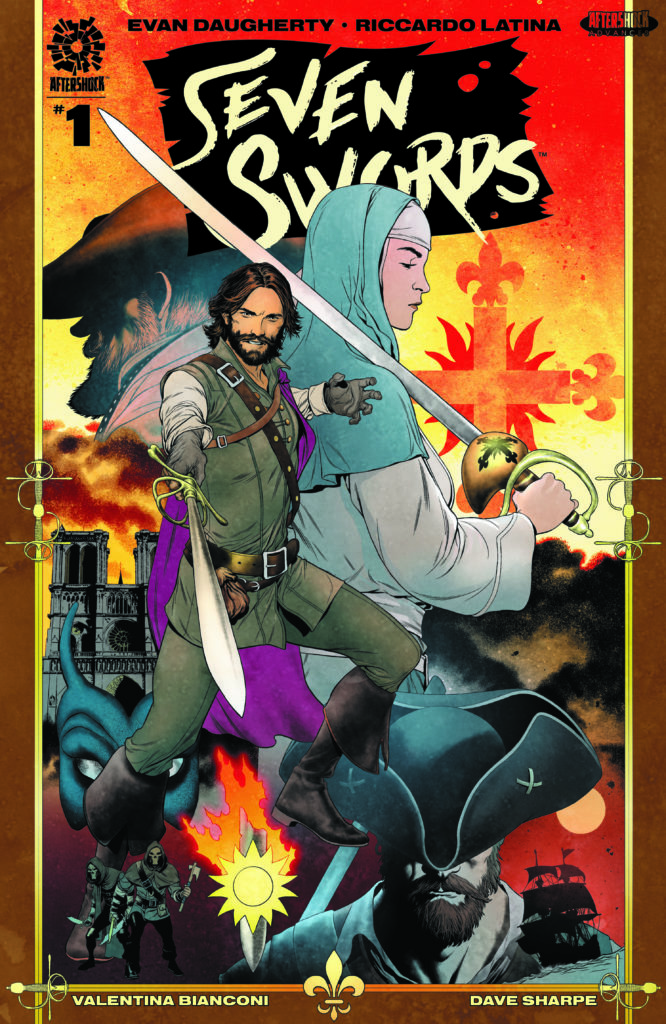
SEVEN SWORDS #1 hits your local comic book store June 16th, but thanks to AfterShock Comics, Monkeys Fighting Robots has an exclusive four-page preview for you.

About the issue:
A weary and jaded D’Artagnan is drawn into a final conflict with the wicked Cardinal Richelieu, whose ruthless quest for power has led him to the supernatural.  But the Last Musketeer can’t defeat these infernal enemies alone. 

To save the world, he’ll need to join forces with seven iconic swashbuckling heroes: Don Juan, Captain Blood, Cyrano de Bergerac, to name a few.  SEVEN SWORDS, who must overcome their host of differences and work together if they have any hope of thwarting Richelieu’s diabolical plans.

SEVEN SWORDS #1 is by writer Evan Daugherty and artist Riccardo Latina, with colors by Valentina Bianconi and letters by Dave Sharpe. The main cover is by Andy Clarke and Jose Villarrubia, with the incentive cover by JG Jones.

Daugherty has previously written films such as Snow White and the Huntsman,
Divergent, and Teenage Mutant Ninja Turtles (2014).

Check out the SEVEN SWORDS #1 preview below:

seven swords aftershock comics exclusive preview

seven swords aftershock comics exclusive preview

seven swords aftershock comics exclusive preview

seven swords aftershock comics exclusive preview

seven swords aftershock comics exclusive preview


Are you excited for SEVEN SWORDS? Sound off in the comments!

Monkeys Fighting Robots Youtube

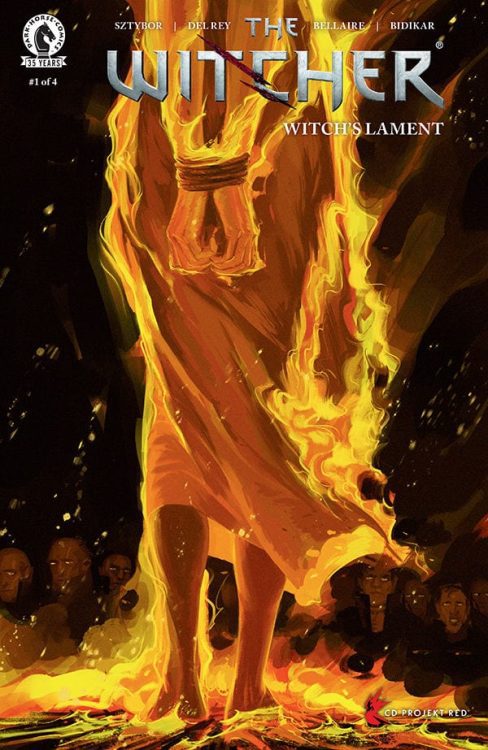
Review: THE WITCHER: WITCH’S LAMENT #1 Is A Rocky But Engaging Start

Writer Bartosz Sztybor and artist Vanesa Del Rey bring us the first issue of a four part mini-series set in the monster and blood-filled universe of CD Projekt Red’s masterpiece RPG trilogy. “The Witcher: Witch’s Lament” #1, with layouts by John Starr, colors from Jordie Bellaire, and letters from Aditya Bidikar, is a rough but entertaining start to this comic series. Uneven pacing and inconsistent art are saved by a fantastic atmosphere and characterizations that will take fans of the game series right back to this brilliant world based on Andrzej Sapkowski’s novels.

“Flames rise as a witch is burned at the stake. As Geralt searches for his next job, disturbing images of the fatal persecution appear before him, bringing an ominous warning.”

Writing & Plot

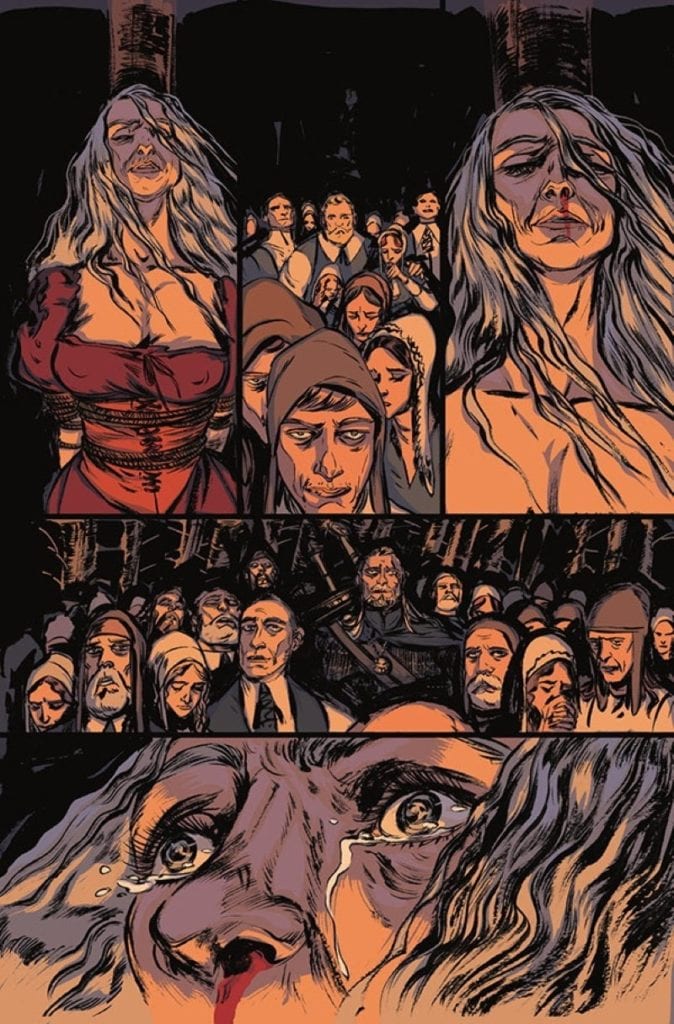
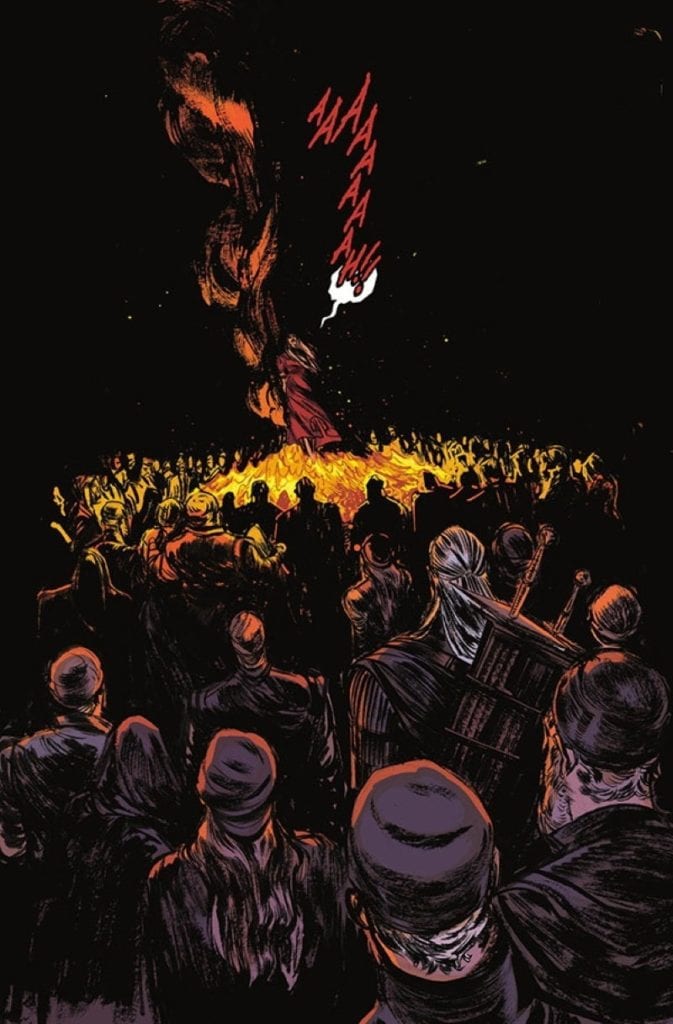
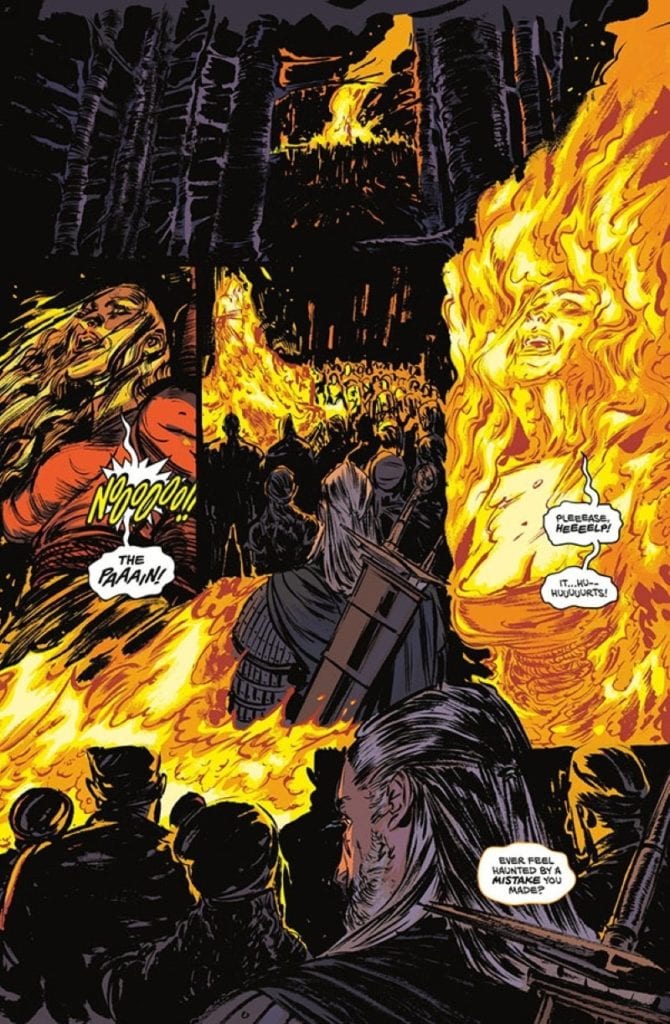
Bartosz Sztybor’s script for “The Witcher: Witch’s Lament” #1 does a solid job of setting up its immediate conflict and creating an eerie sense of tension from the opening page. The tone of the story is immediately crafted with Geralt watching a witch be burned at the stake, an event that he is responsible for in some way. Those who have played the Witcher games (or read the original novels, which this comic does not take as much influence from) know about Geralt’s complicated associations with witches and sorceresses, so seeing this as an opening is a seriously intriguing and emotionally conflicting start for any series fan. Sztybor nails Geralt’s characterization, from his gruff single syllable vocabulary to his internal conflict and thinly veiled remorse about his actions. His mercenary attitude is always just a front for his altruistic nature, but he still won’t suffer a fool or a double-cross. Unfortunately, this issue has a bit of trouble keeping its audience focused. It feels like the script can’t quite decide what the most important part of the issue is. This comic almost seems like its emulating the games in that its setting up side quests and subplots that complement the main arc; a maneuver that really only works in the gaming medium. There’s obviously an endgame in mind here, it’s just taking a roundabout way of getting there. This is still a solidly written issue that Witcher fans are sure to enjoy, it just has some bumps here and there that could easily be smoothed out in the coming chapters.

Art Direction

Visually, “The Witcher: Witch’s Lament” #1 is a properly atmospheric and eerie looking comic, albeit also a bit inconsistent. At its best, the pencils are absolutely stunning. Vanesa Del Rey’s thick and shade-heavy pencils populate this desperate world with an ever-threatening landscape and weary individuals. The ever-stonefaced Geralt of Rivia contrasts with the desperate, frightened, and scheming people he constantly runs into, perfectly replicating his visage and that dynamic from the games. The monsters are taken straight from CD Projekt Red’s artbook, with all the details there to make RPG fans rejoice. The panel layouts from John Starr are directionally easy to follow and flow reasonably well, making for a structurally solid reading experience. Jordie Bellaire’s colors are deep and varied, with an array of tones dancing across every surface and perfectly reflecting whatever light source is found in the panel (which in this world is only moonlight or fire, or nothing at all). Unfortunately, the way this comics dark atmosphere is handled can sometimes be a bit inconsistent. There are moments where it is hard to discern where the setting is and not just due to the comic’s atmospheric direction. This issue’s very stylized art direction can sometimes make character’s faces rougher than usual to the point where the art looks rushed. The lettering from Aditya Bidikar on the other hand is perfect for a comic set in this world, with scratchy and eerie font choices that vary based on character and tone of voice. This is a mostly solid looking comic, with just a couple of minor issue that drag the visual presentation down a bit.

“The Witcher: Witch’s Lament” #1 is a creepy and atmospheric opening issue that nails the voice and feel of the games (and novels) it is based on, while also a bit marred by some uneven pacing and inconsistent art. The character voice and main plot thread here is enticing and engaging to read, even though it can be hard to decides what needs to be focused on. The visuals are perfectly dark and unnerving for a nighttime hunt for ghouls and witches, although they can dip into the sloppy and rushed side from time to time. If you’re a fan of this grim and lore-rich universe, be sure to grab this issue when it hits shelves on 5/26!


Monkeys Fighting Robots Youtube