Home Blog Page 114

BELFAST Is A Lovely Nostalgic Look To A Troubled Time

BELFAST

Kenneth Branagh is a director known for making a wide range of films. He has made numerous Shakespeare adaptions, Disney films, an MCU offering, etc. However, Belfast is his most personal film because it is a semi-autobiographical story.

Buddy (Jude Hill) is a young Protestant boy growing up in a working-class neighborhood of Belfast just as The Troubles flare up. The Catholic residents get hounded out of the neighborhood by the more militant Protestant community members. As the sectarian tensions grow, Buddy also sees problems with his parent’s marriage and their finances, issues involving his grandparents, and falling for a girl in his class.

Nostalgia has dominated the cultural landscape in recent years. It has been popular and profitable. Branagh set out to reclaim the true meaning of nostalgia by making a sincere reflection about his childhood.

Belfast was told from a child’s point of view. Buddy overheard conversations about his parents’ financial issues, his grandfather (Ciarán Hinds) having health issues, and Buddy’s dad (Jamie Dorman) getting pressured by Billy (Colin Morgan) to join the cause. Due to Buddy’s age, he only had an inkling about what was happening, and the adults tried to protect the boy from the worst aspects of these issues.

Buddy’s age made him innocent, and he wasn’t judgemental towards Catholics. He spoke like a child regarding Catholic practices: he did not speak out of a place of prejudice or hatred. When Moira (Lara McDonnell) told Buddy how to tell if someone’s a Catholic, Buddy picked holes in her logic.

Buddy was fortunate that his family didn’t have any prejudice towards Catholics, so he didn’t inherit any negative views. The film pointed out that the neighborhood was mixed before the militants hounded the Catholics out. Protestants and Catholics were friends and neighbors, and the children played together before Billy led the mob against the Catholics. Belfast had a great opening where it showed Buddy’s neighborhood was a close-knit community. The children were playing games, their mothers called them in when dinner was ready, and older children helped the adults round up the kids. This wholesome vision quickly turned to panic and terror when the mob attacked the street.

Belfast showed the early events of The Troubles. Communities were purged of Protestants and Catholics, makeshift walls were constructed, and the British army was sent to try and maintain the peace. The economy of Northern Ireland suffered because of the issues. Buddy’s dad had to work in England and could only visit his family once a fortnight. The violence and the economy were factors to Buddy’s parents debating on whether they should leave Belfast, the only place Buddy’s ma has ever known.

Belfast did feel a little like the sitcom Derry GirlsDerry Girls followed a group of teenage girls (and the wee English fella) in 1990s Derry. Both were about growing up in The Troubles, and both took the wisest approach: show people trying to live their lives. In Belfast, characters go to work school and spend time with their family. In Buddy’s case, he gets up to misadventures like trying to sit next to a girl he liked in school or getting roped in by Moira to steal from the local shop. It was all relatable. The film’s villain used The Troubles for his own financial gain than any conviction.

Branagh did sneak some references to his own body of work and showed his influences. Buddy was reading a comic book, and at Christmas, there was a book written by an author Branagh had adapted. The film showed Buddy having a love for cinema and TV; an experience Branagh must have had as a child. However, a scene where the family watch Chitty Chitty Bang Bang looked more like a commercial than how a family would watch a film.

Belfast did have an excellent cast. Hill was a strong child performer and did have some sweet interactions with Catherine (Olive Tennant). But Hill’s Buddy was a passive character since he was a child; he was just a spectator to events. Balfe and Dornan were terrific as the parents. Balfe was the mix of loving and stern that a mother would be and having to do with the financial, personal, and social strains put upon her. Dornan showed he could play an everyman character who has to be the breadwinner, be a good father despite being away in England, and protect his family from the poisoning effects of The Trouble. Despite their marital issues, Dornan and Balfe did play a believable and caring couple.

Belfast was at times a meandering experience because it straddled numerous plotlines, yet it managed to be a wonderful film that showed one family’s experience amidst The Troubles.
Monkeys Fighting Robots Youtube

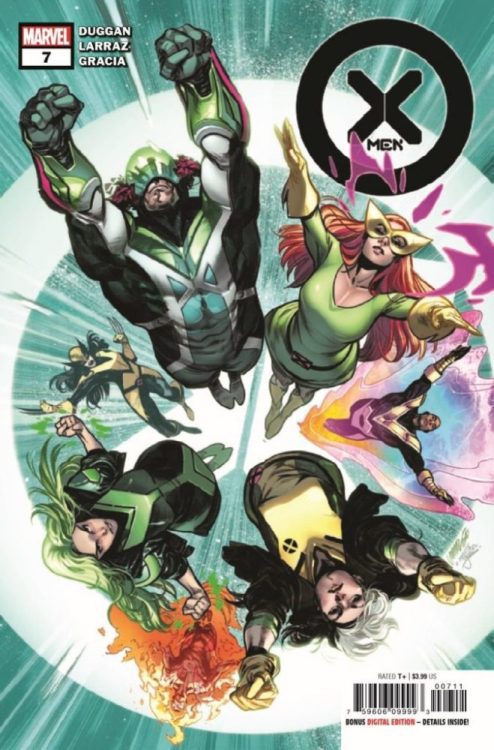
Review: X-MEN #7 — An X-Man Falls So That Others Can Live

Gerry Duggan’s X-Men run is seven issues in, and so far we have seen several characters get spotlight issues. In this weeks X-Men #7, it’s Cyclops’ turn as we see how he transforms into the newest mutant on the block, Captain Krakoa. Duggan is joined by Pepe Larraz on pencils, Marte Gracia on colors and Clayton Cowles on letters.

WRITING

Gerry Duggan has had the tough task of following Jonathan Hickman’s monumental X-Men run, but this issue feels like Duggan is coming into his own as the writer of the series. Duggan continues to build up his villain Dr. Stasis, and in this issue we get to see more of the character than in any other issue so far. We see that Stasis has his own genetic mutants and uses them to do his bidding. On top of that, Duggan effectively provides a number of sweet moments between characters. Whether it’s Emma consoling Scott after a resurrection, or Wolverine crying for a fellow teammate, Duggan packs this issue with emotion. X-Men #7 allows us to see what a true hero looks like, and Cyclops personifies that role. Cyclops commands the team with ease, utilizes the younger members in new ways (like he does with Synch by combining their powers), and makes many tough decisions as well risk his life to save civilians. Not all heroes wear capes; some wear ruby quartz visors.

ART

Pepe Larraz is a phenomenal artist who has never let fans down with his line work. On certain pages in this issue, like a full page of Cyclops unleashing his full optic blast on Dr. Stasis’ creatures, we get to see just how good of an artist Larraz really is. Emotion plays a big part in this issue, as mentioned. Larraz has an ability to give us gut-wrenching panels that make us feel a certain way. As Wolverine lies over the body of a fallen comrade, Larraz shows one of the most emotionally sound X-Men breaking down, and this gets to you as you look at the panel.

The colors by Marte Gracia go hand in hand with Larraz’s pencils. This is a Cyclops issue, so expect a lot of red as he unleashes optic blasts on his enemies. Gracia’s colors flow into the issue so effortlessly and seem to pair perfectly with what Larraz lays down on the page. The creatures Dr. Stasis unleashes on the population are colored perfectly, at times covered in shadows with a slight amount of light hitting off of them. This is a perfectly shaded issue that is illuminated by the bright reds and oranges as mutants use their powers to save the city.

The letters by Clayton Cowles work well here for readers. The thing that stands out most for me is the disgusting sounds Dr. Stasis’ creatures make. In your head you can hear a distorted “Roar” or “Hisssss” as these gross mutations storm the city and wreak havoc on the residents. The highlight of the lettering is a nice big “Zark” as Cyclops blasts several mutant creatures with an amazing bank shot.

CONCLUSION

X-Men #7 is the best issue of the run so far. This creative team overloads us with action, emotion, and intrigue as we start moving toward a new dawn for Cyclops and his team. X- Men #7 is on sale now at your local comic shop.

Monkeys Fighting Robots Youtube

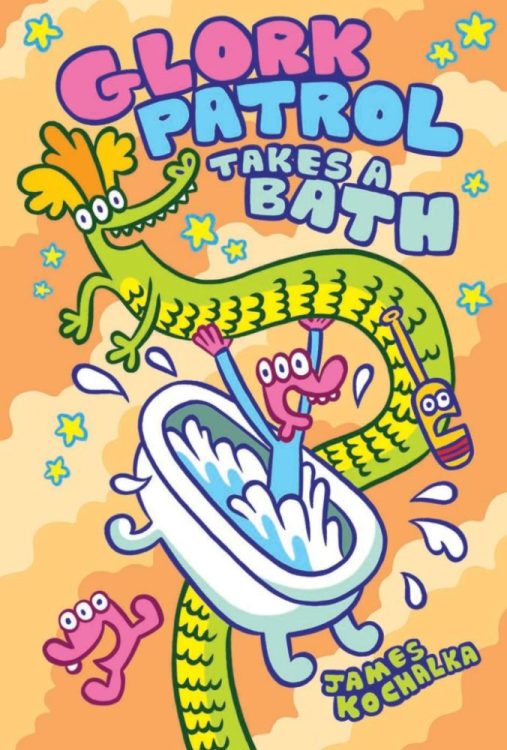
Exclusive Preview: James Kochalka’s GLORK PATROL (Book Two)

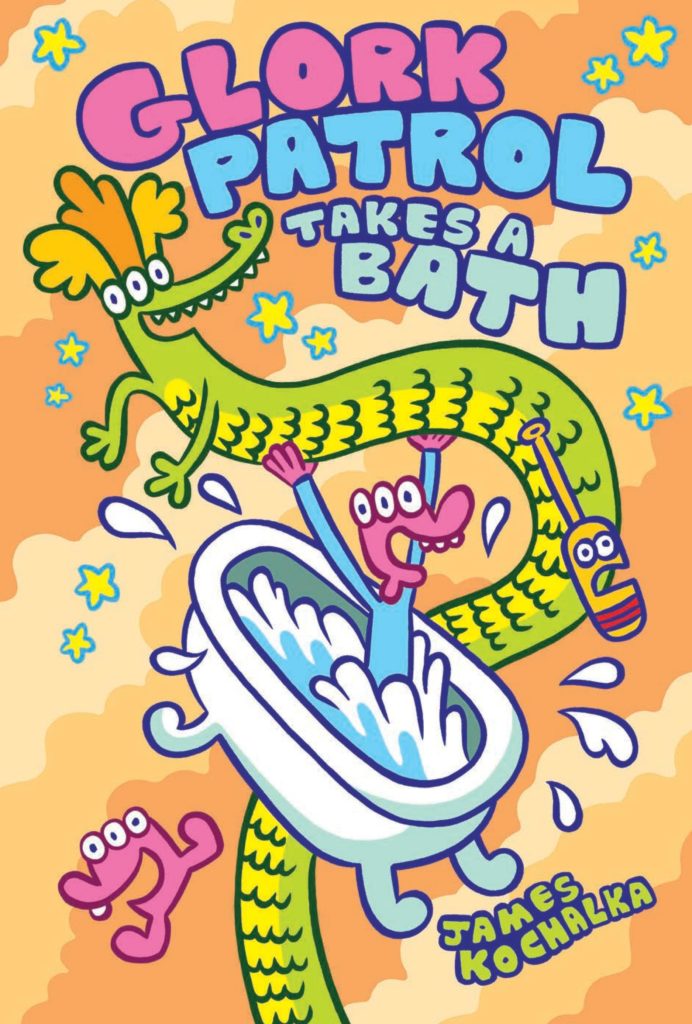
Exclusive Preview: Glork Patrol (Book Two): Glork Patrol Takes a Bath

Glork Patrol (Book Two): Glork Patrol Takes a Bath from James Kochalka hits your local book store on March 9, but thanks to Top Shelf Productions, Monkeys Fighting Robots has an exclusive preview for our readers.

About the book:
Guess who’s back for even more wacky outer-space adventure? The Glorkian Warrior and his crew! It’s a sticky, soapy, messy delight from the award-winning creator of Johnny Boo and Dragon Puncher!

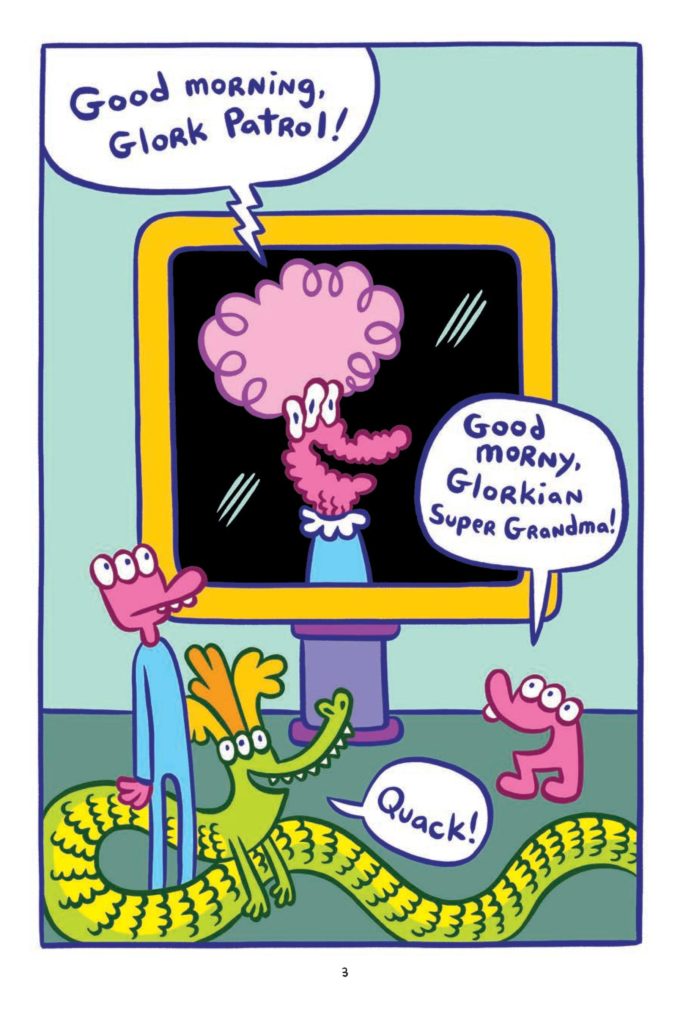
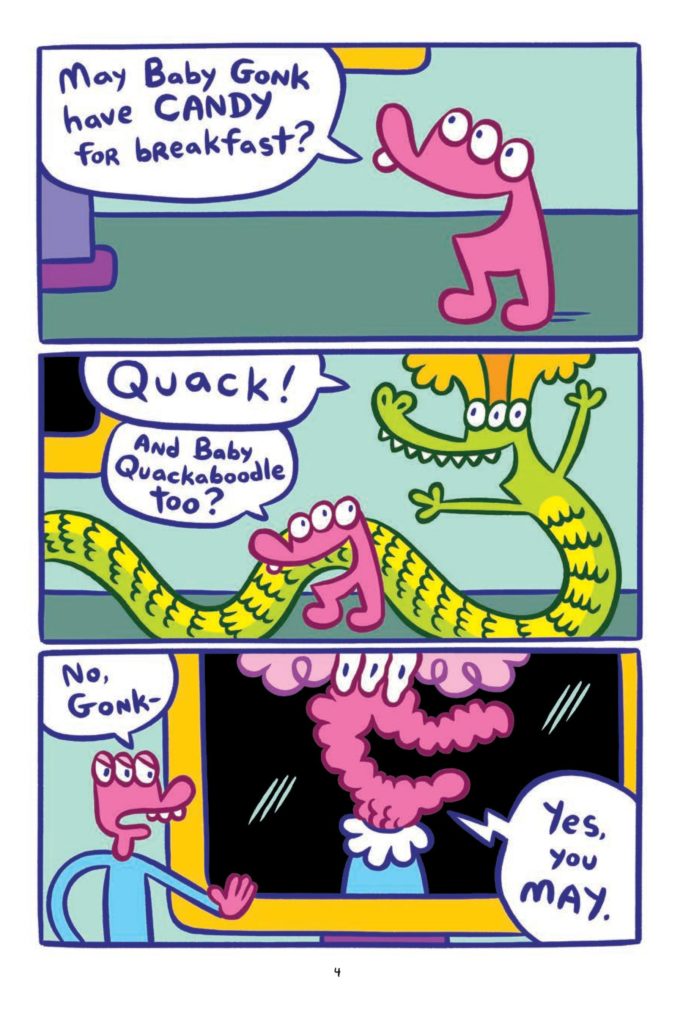
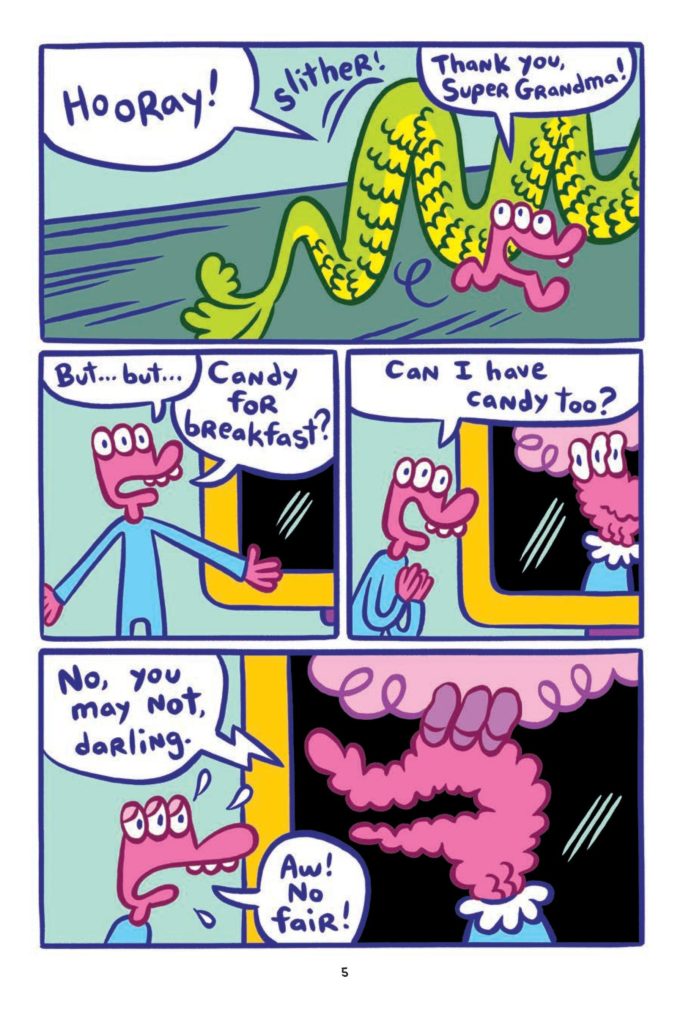
What a mess! It all started when Glorkian SuperGrandma told the Glork Patrol they could eat candy for breakfast… now their “Dada,” the Glorkian Warrior, has a lot of cleaning up to do. Super Backpack gets a robot super-suit made of candy wrappers and takes Baby Gonk on the adventure of a lifetime, while Glorkian Warrior stays behind and tries to help the uncontrollable Baby Quackaboodle take a bath.

Families come in all kinds… even in outer space. This kooky, colorful adventure will feel hilariously relatable and have kids giggling through story time and bath time alike!

Check out the preview below.

Exclusive Preview: Glork Patrol (Book Two): Glork Patrol Takes a Bath

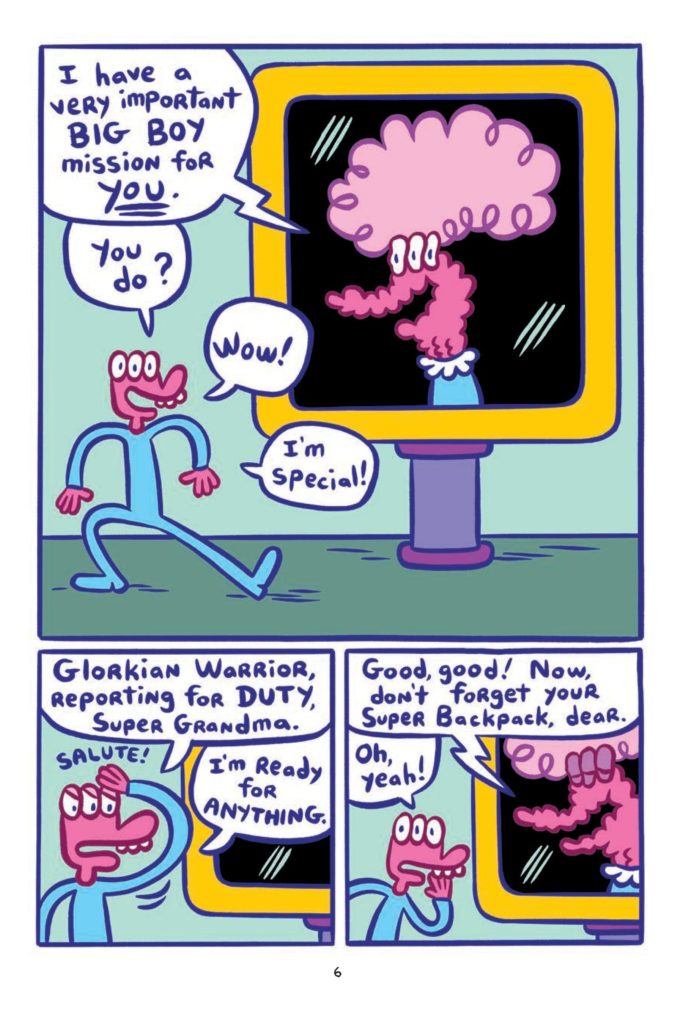
Exclusive Preview: Glork Patrol (Book Two): Glork Patrol Takes a Bath

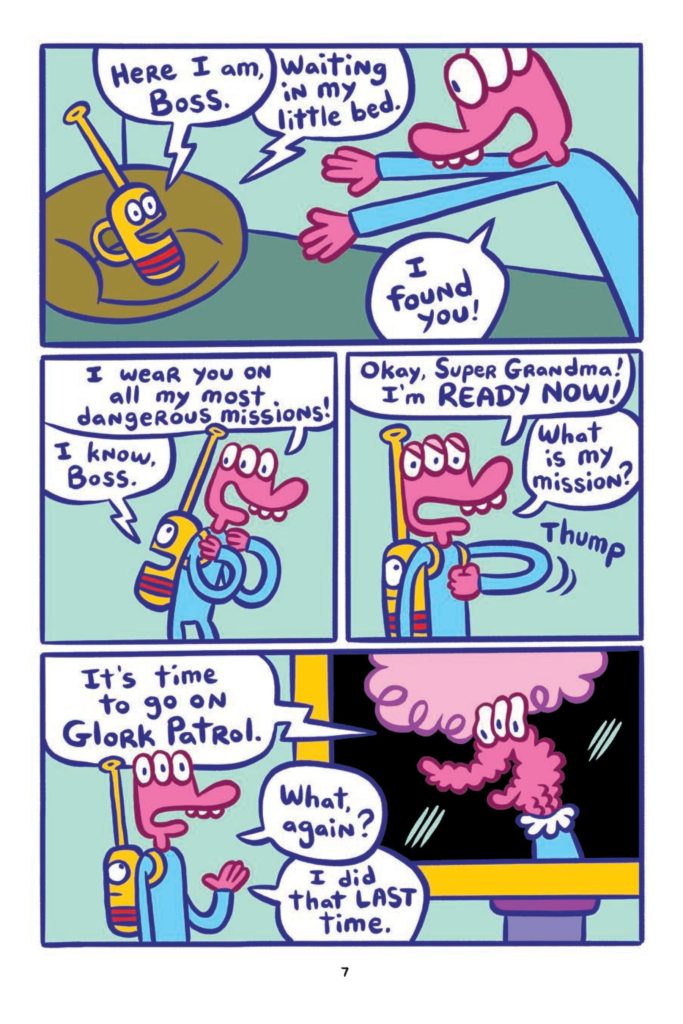
Exclusive Preview: Glork Patrol (Book Two): Glork Patrol Takes a Bath

Exclusive Preview: Glork Patrol (Book Two): Glork Patrol Takes a Bath

Exclusive Preview: Glork Patrol (Book Two): Glork Patrol Takes a Bath

Exclusive Preview: Glork Patrol (Book Two): Glork Patrol Takes a Bath

Exclusive Preview: Glork Patrol (Book Two): Glork Patrol Takes a Bath


ABOUT JAMES KOCHALKA

James Kochalka is, without question, one of the most unique and prolific alternative cartoonists working in America today. His comics have been published internationally by almost every alternative comics publisher; he’s recorded several music albums under the name James Kochalka Superstar (making him a favorite at college radio stations across the country), and he’s developed animated cartoons for Nickelodeon and Cartoon Hangover. He is the first official Cartoonist Laureate of the state of Vermont, appointed in 2011. Among his best-known works are the Monkey vs Robot series, the superpowered frathouse comedy SuperF*ckers, the beloved Johnny Boo and Dragon Puncher series for children, and his magnum opus, the decade-plus span of daily diary comics known as American Elf. James lives in Burlington, Vermont with his wife Amy, their two sons, and their cats, all of whom appear frequently in his comics.


Monkeys Fighting Robots Youtube

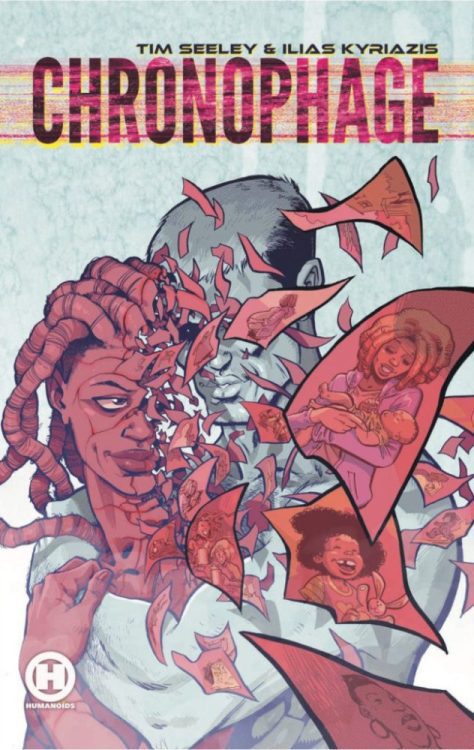
Review: CHRONOPHAGE, A Family Drama Wrapped in Sci-fi/Horror

Chronophage
Chronophage Cover Credit: Humanoids

It’s difficult to pin a label on Chronophage. Is it a horror? Is it Science Fiction? Is it a drama? The answers are not straight forward, like the book itself, however the only thing you really need to know is that it is good.

Let’s give that the emphasis it deserves, so you know that we mean it: It’s VERY good!

This new graphic novel is written by Tim Seeley, drawn by Ilias Kyriazis, lettered by Crank!, and is published by Humanoids. It’s release date is the 15th of February, and it has 130+ mind bending pages of exquisite storytelling.

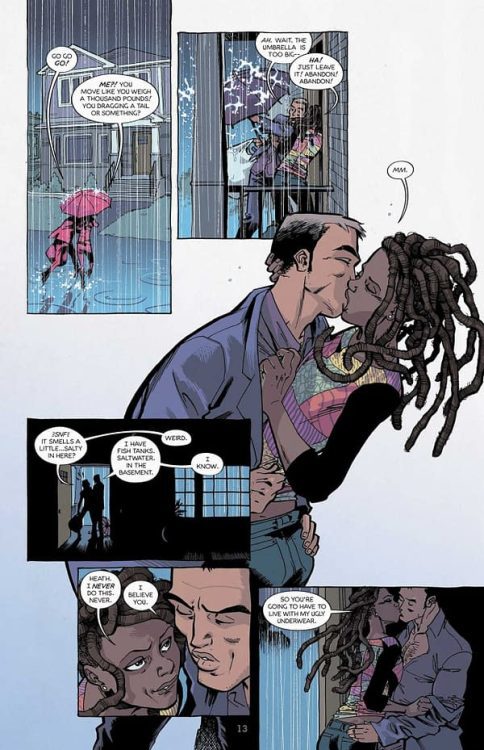
The plot revolves around a single mum, Chloe, and her relationships with her daughter, Kai, and a travelling businessman named Heath. At first the family drama unfolds with a hint of supernatural terror but before long the twists and turns of the characters lives spiral out of control as the genre bending narrative not only plays with the lives of it’s cast but also with the very medium itself.

Chronophage Page Art Credit: Humanoids

Unwinding Stories

Tim Seeley’s script is tight and naturalistic. The characters are comfortable within their bodies and their speech reflects this. Their changing tones and inflections match the people we are introduced to. As a reader, you are instantly drawn into their lives and the mystery unravelling in the plot is secondary to the characters, to begin with. By opening the book with a character-driven, relationship-heavy, examination of life, Seeley creates a safe springboard for the readers which eases you into the world of Chronophage while not giving any hint as to where the story is going.

In fact, one of the triumphs of the book is that at no point will you guess where the story will lead. The family drama gives way to an urban ghost story before travelling along a number of different genre lines ending in a superb ‘where-will-it-go’ finale that is satisfyingly upsetting. All of these twists and turns could so easily have led up a blind alley or two but Seeley keeps a tight control over the narrative and allows the strong characters to lead the readers into one of the craziest but most satisfying narratives released in the last few years.

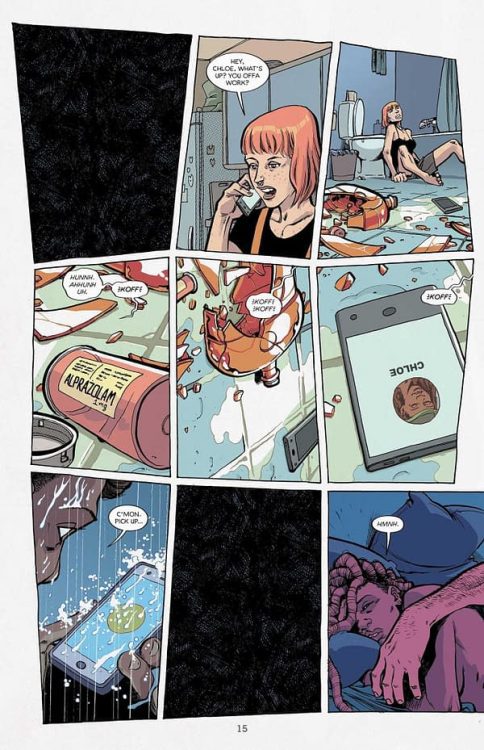
Chronophage Page Art Credit: Humanoids

Removing the Fourth Wall

From the design and layout of the opening nine panel grid you know that you are in for an artistic treat. Ilias Kyriazis’s hand is so obvious on the page. The wobbly panel borders and loose, sketchy inks, demonstrate a personal – almost intimate – touch and is present from the very start. This style draws the reader into the comic and the narrative, making Seeley’s characters more empathetic and emotional. You can’t help but have feelings for Chloe and her daughter, and even her brash mother and dodgy new boyfriend.

The everyday feel of the characters and settings in the opening salvo of the narrative grounds the story and allows the readers to identify with the characters. This makes the occasional emotive panel leap from the page as they appear alien among the recognizable other. Emotional outbursts are rendered with an overlay of red across the entire panel thus soaking the moment with anger and rage, a contrast to the more natural panels that lead up to and follow such moments. However, these moments become more significant as the comic unfolds and the true nature of Seeley and Kyriazis’ story is exposed. Without wanting to spoil anything, as that would be an absolute crime for a book of this nature, the way that Kyriazis uses the plot to examine the nature of comic book storytelling is simply brilliant. There are moments where the artwork doesn’t so much break the fourth wall but simply refuses its existence. Cheeky blink and you’ll miss them moments, such as the use of a ‘censored’ black rectangle grabbed by a character to cover up his genitalia, are subtly woven into the panels, preparing the reader for the larger, in-your-face moments where the comic’s Reality is questioned.

You can follow this book through simply to engage with the clever and moving narrative, but it does raise more interesting and exciting questions about the nature of the format itself. The use of the panel becomes more than just a way of containing each image and is transformed by Kyriazis into a portal through which stories and characters can move and interact, outside of the usual principles of narrative. The possibilities of Comics as a medium is examined within the confines of a science fiction horror story in much the same way that the BBC television show Staged challenged the format of modern TV sit-coms.

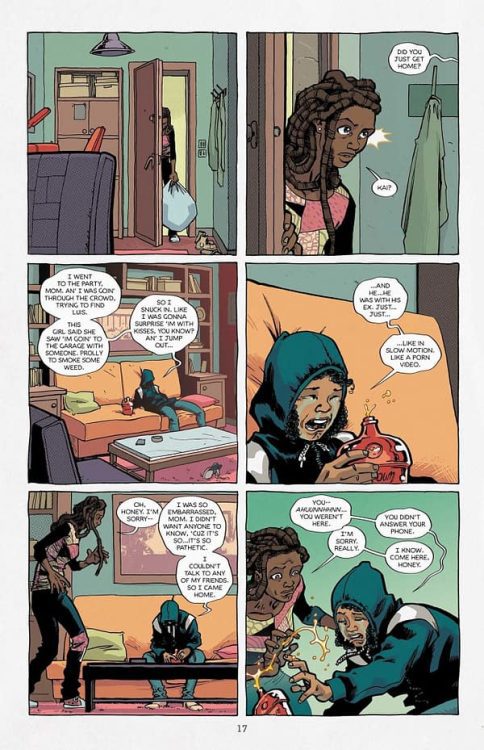
As the pages build a complex narrative and critical subtext, control over the flow of the story falls onto the lettering, here handled brilliantly by Crank! There is as much going on with the text and the sound effects as there is in the rest of the book. Difficult to navigate conversations have been laid out in simple yet effective patterns, allowing the reader to navigate the often unusual flow. Certain elements of the speech have unique qualities that are required to be both confusing but readable, not an average ask in mainstream comics. However, in Chronophage, challenging conceptions of story and the comics format appear to be the name of the game. Luckily, Crank! excels and appears to enjoy pushing the possibilities of his craft.

Chronophage Page Art Credit: Humanoids

Conclusion

Despite the title of this book, Chronophage, sounding like the name of a 1980’s European time wizard, there is amazing work between the covers that will entertain you but also make you think about what you are reading. There are twists and turns a plenty but a strong character-driven undertone makes the most outlandish parts of the book totally acceptable.

I would recommend approaching this book with no prior knowledge of what it is about. The promotional material, in my opinion, gives too much away. It is far better to be in the dark and learn, with Chloe, what is happening in her world.

And there is a lot happening. There are moments of disturbing horror, grotesque sci-fi, and experimentation with the Comics form itself. This book has it all and that makes it difficult to pin down, except of course, for these important words: This book is VERY good!

Monkeys Fighting Robots Youtube

INTERVIEW: Editor Gabriel Fleming Finds Tension In NATIONAL CHAMPIONS

national champions-film-interview-editor-gabriel fleming

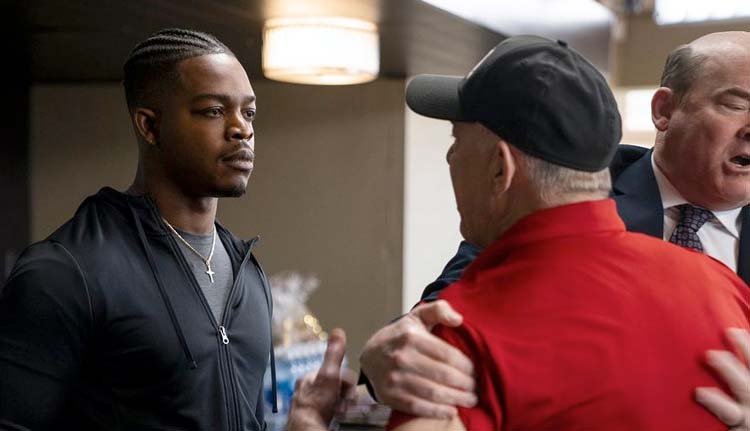
National Champions is a new film from Ric Roman Waugh (Greenland) about the complex relationship between top-tier colleges and the student-athletes who put their health on the line to generate billions of dollars.

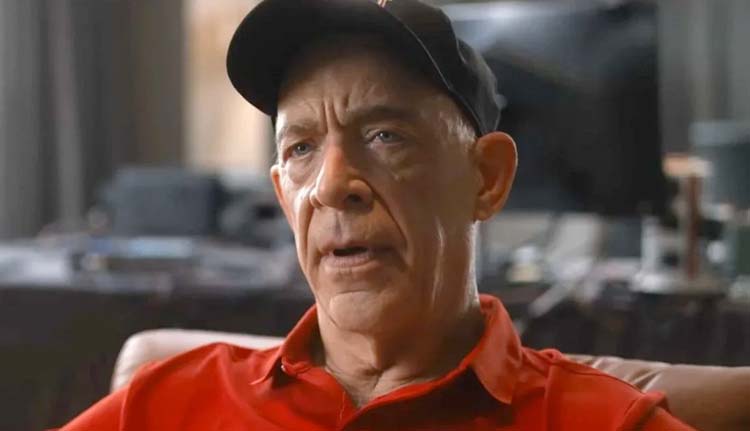
Coach James Lazor, played by JK Simmons (Whiplash, Spider-Man: No Way Home), has come close to a national championship several times but never held the trophy. However, things are looking bright this season with his superstar, Heisman-winning QB LeMarcus James (Stephan James). The team prepares to play for the national championship. However, LeMarcus makes a bold decision to strike against the NCAA and not play in the championship game. Now seventy hours before the game, many players on both teams have joined James’ protest.

PopAxiom spoke with Gabriel Fleming about becoming a filmmaker and editing National Champions, a “hotel drama” as a “thriller.”

That’s The Job

Gabriel’s connection to making visual art “… started with a video camera when I was 12 years old. I worked as a busboy at a local restaurant so that I could save up to buy a VHS camera; this was 1985.”

“One of the new features on the camera,” he continues, “was a flying erase head so you could do clean edits. It was very new; the first consumer-friendly form of editing. I was messing around with that as a kid.”

Gabriel attended film school, where he initially focused on “writing and directing,” he says. Then, “I got into the French New Wave and documentary-style art films. Finally, I made a couple of micro-budget feature films.”

“I do remember that when I thought about feature films, I saw cuts in it.” Gabriel’s editor brain was in full effect. “As a director, I didn’t think about just the story or lines or performance, I was more interested in visualizing how one shot connects to the next and how that would combine with the music and sound to build emotion.”

Gabriel kept creating and realized that the visual way he put together movies was “just the way my brain worked.”

“It is all about the montages and how one element juxtaposes the next to create a feeling or an idea,” he adds. “ Editing is the unique art of cinema. All the other elements are borrowed from theatre and photography, and fashion. Editing you can do only in a film. That’s always appealed to me.”

Of course, understanding editing and committing to the act of editing are two different things. “I was an editor on America’s Top Model for a couple of seasons. I had an assistant who got his first chance to edit. He was editing a couple of scenes, and he came out and said to me one day, ‘How do you watch it over and over again?’ I said, ‘That’s the job.’” Your brain has to be wired that way.”

editor-national champions-interview-gabriel fleming

About National Champions

National Champions director Ric Roman Waugh and Gabriel worked together on two previous films, “Angel Has Fallen and Greenland, which were action films.”

COVID happened, and the film industry had to shift gears in the way things were produced. “This film came up for Rick. It’s something that can be shot during COVID because it takes place almost entirely in hotel rooms. So, the cast and crew could be easily quarantined.”

Having actors safe in hotel rooms is great, but how do you make an exciting film in these locations? “One of the things Rick said early on was, ’this isn’t just a drama in hotel rooms, this is a thriller.’ So we want to treat it with that in mind.”

“Also, treat it as a football game, yet there’s no football in the film,” Gabe shares. “We want to think of it as ‘this side has scored a point and they’re up, then this side scored and is in the lead.’ We want to keep the thriller tension in that back and forth in what could’ve been a plain, beige wall hotel room movie. We wanted to keep the audience on the edge of their seats.”

Gabriel compares National Champions to a previous project with Rick. “You can feel a little bit of a similarity between National Champions and Greenland, which is a movie about the end of the world,” Gabriel laughs. “There are some stylistic similarities with pacing and music approach.”

national champions-editor-interview-JK Simmons

Pacing & Process

Every film has a pace, a rhythm or a tempo that reveals the plot. “Pacing is so subjective. In my process, I start with the first pass of a scene. I try to pace it as reasonably fast as I think I can. Then come back to it later and discover, ‘Oh, this is way too slow’ then pace it up.”

“Eventually, I like to go through the whole movie and pace it as fast as it allows,” he continues. Finding the “right” place for a film is part of the puzzle for editors and filmmakers. “Then I go back, and sort of loosen a bunch of pockets. So you get an ebb and flow instead of this monotonous type of pacing.”

National Champions has long scenes of drama and tension. “The second to last scene, which is a 12-minute long scene, was one that we tried pacing it up, and it was just breaking it. It was ruining the scene.”

“In the end,” he explains, “we ended up pacing it down from my original editor’s cut. Slowing it down in certain pockets was surprising to me. This movie was a discovery in pacing for me because of the mix of thriller and drama.”

The mix of a thriller’s fast pace and a drama’s slow one was a balance that Gabe sought to find. “That’s the art of editing, that personal taste of how something flows and moves and guiding the emotions of the audience.”

Working with JK

JK Simmons is one of the principal characters in this riveting, poignant story. “JK is such a pro,” he says about editing scenes of the legendary actor. “He delivers an amazing performance in every single take. But, of course, that can present its own challenges. You’re always trying to find not the best take, but what is the most appropriate performance for this moment.”

Gabe recalls the first day of shooting. “There’s a scene where JK gives a speech to a whole team, and we see what he can do. It’s the very first day of shooting, and he’s got this 5-page monologue essentially. He did probably about 15 takes. He’d do something a little different in each one. One might be stern, then threatening; the next, he’s more vulnerable. Finally, there’s one take where he’s crying through most of it.”

“That was about finding each mode of his performance and intermixing the different emotional places that he was in in a way that created a shape to the scene,” he explains. “I could dip in and out of the vulnerability for a few lines, and the threatening lines intercut with the faces of these players who are real college players.”

As an editor, “It’s just a pleasure to work with someone like JK and get these subtle variations.”

Wrapping Up

What filmmakers does Gabe love to watch? “These days, any Denis Villeneuve film I’m excited to see. Watching Dune was mind-blowing. I’m a huge David Lynch fan. I listen to his weather report every morning in LA. But, I do like some obscure international filmmakers like Apichatpong Weerasethakul (Memoria).”

“I always say to my agent ‘Star Wars,’” he shares. “If there’s a Star Wars project available, I’ll do it. Star Wars and Star Trek were really important in my childhood. I’d love to be involved with that.”

Is National Champions on your watch list?

Thanks to Gabriel Fleming and Backlight PR
for making this interview possible.

Discover more interviews from Ruben R. Diaz right here!

Monkeys Fighting Robots Youtube

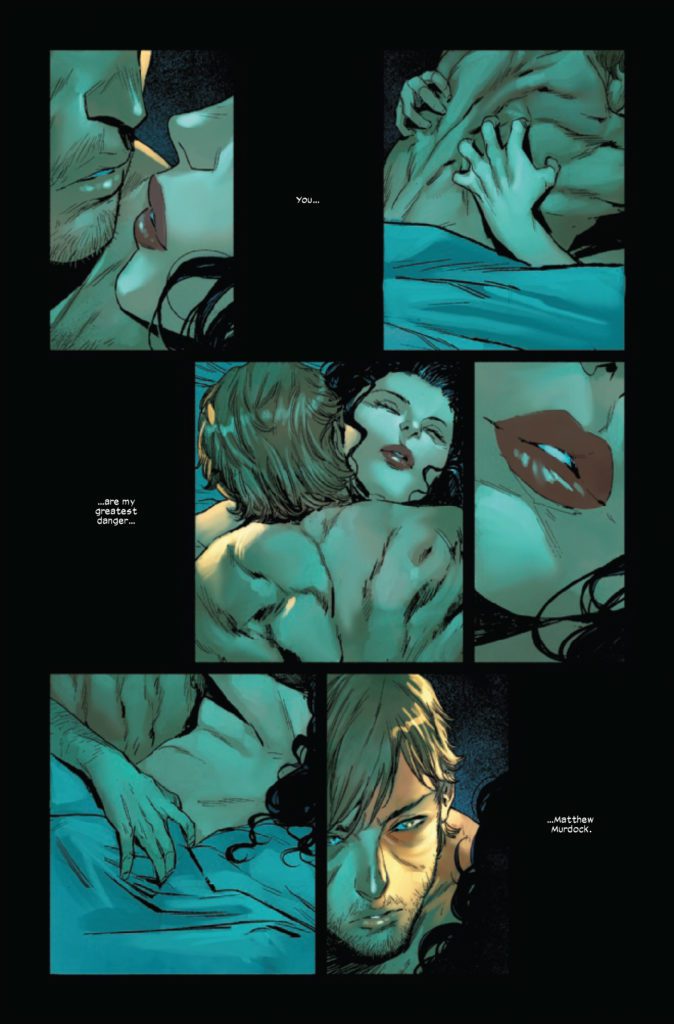
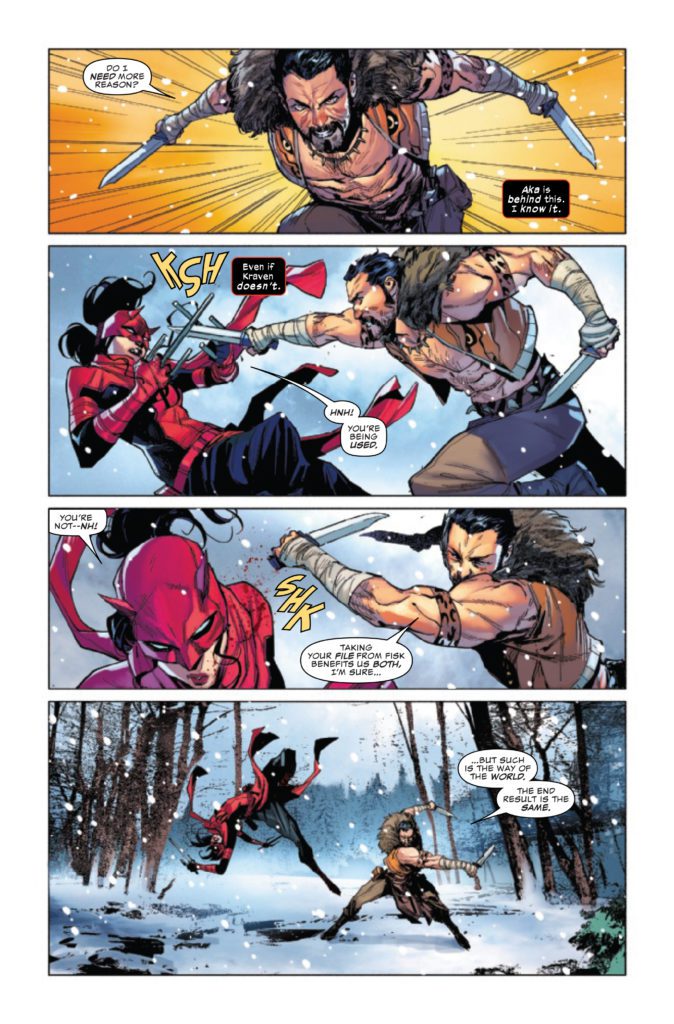
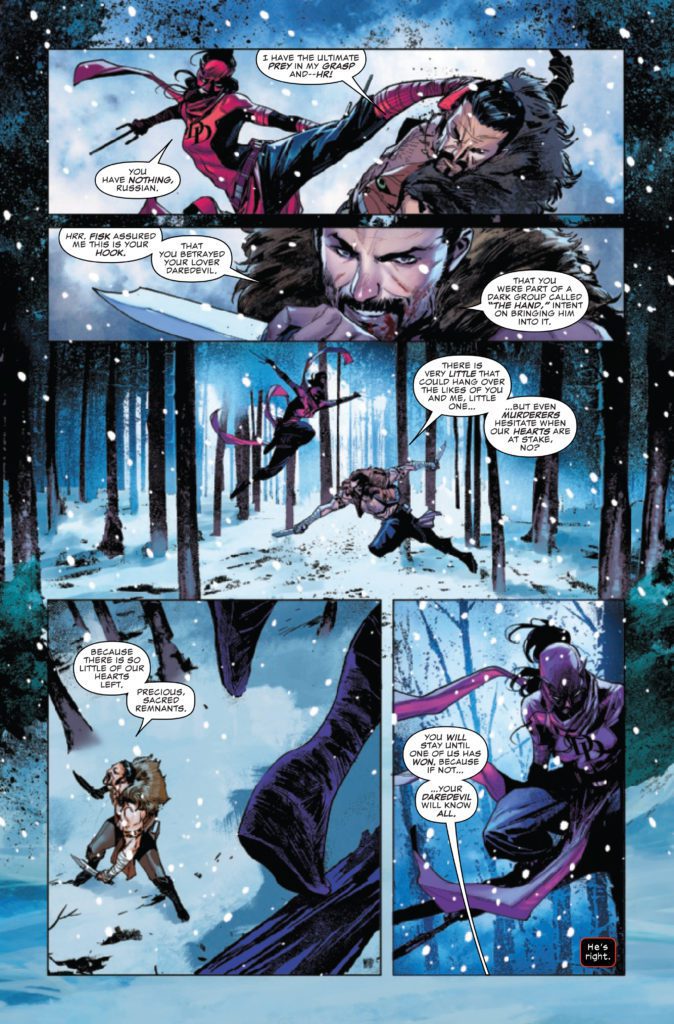
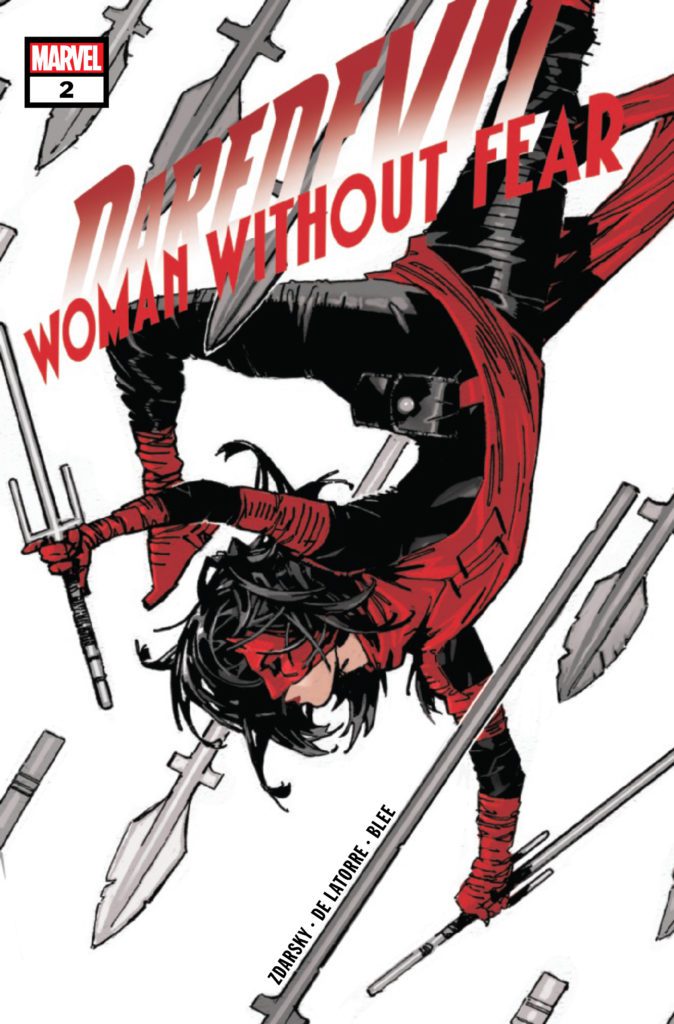
Marvel Comics Exclusive Preview: DAREDEVIL: WOMAN WITHOUT FEAR #2

marvel comics exclusive preview daredevil woman without fear

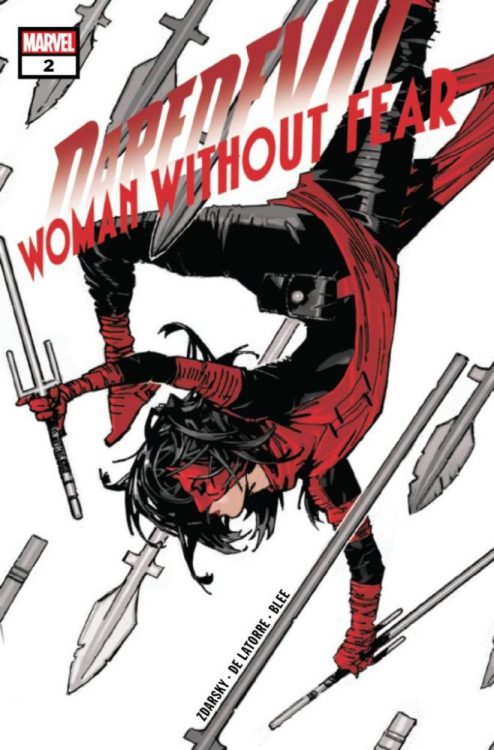
DAREDEVIL: WOMAN WITHOUT FEAR #2 hits your local comic book store February 2nd, but thanks to Marvel Comics, Monkeys Fighting Robots has an exclusive four-page preview for you.

About the issue:
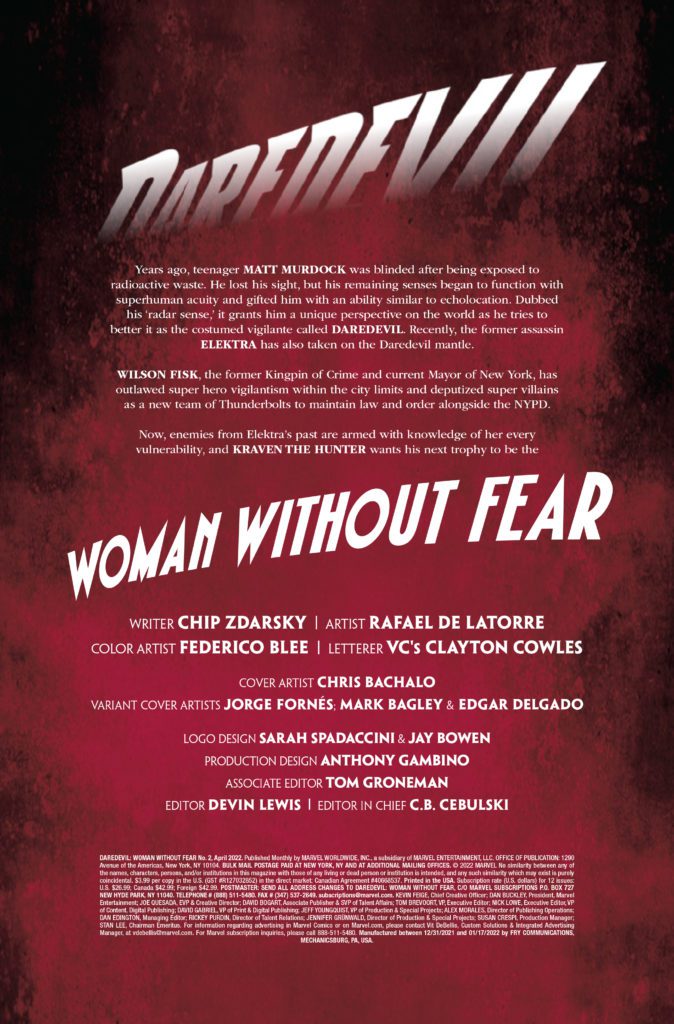
Elektra Natchios is the greatest assassin in the Marvel Universe – but having recently taken up the mantle of DAREDEVIL, she’s taken a vow to never take a life again. But that vow is about to be put to the ultimate test, as KRAVEN THE HUNTER has her dead in his sights…and, unlike Elektra, he has no reservations about killing. If anything, he likes it when his prey struggles. At least, he thinks he does.
The issue is by writer Chip Zdarsky and artist Rafael de Latorre, with colors by Federico Blee, and letters by Clayton Cowles. The main cover is by Chris Bachalo.
WOMAN WITHOUT FEAR is a tie-in to DEVIL’S REIGN, also written by Zdarsky.

Check out the DAREDEVIL: WOMAN WITHOUT FEAR #2 preview below:

marvel comics exclusive preview daredevil woman without fear

marvel comics exclusive preview daredevil woman without fear

marvel comics exclusive preview daredevil woman without fear

marvel comics exclusive preview daredevil woman without fear

marvel comics exclusive preview daredevil woman without fear

marvel comics exclusive preview daredevil woman without fear


Stay tuned to Monkeys Fighting Robots for Marvel Comics Exclusive Previews every week!

Monkeys Fighting Robots Youtube

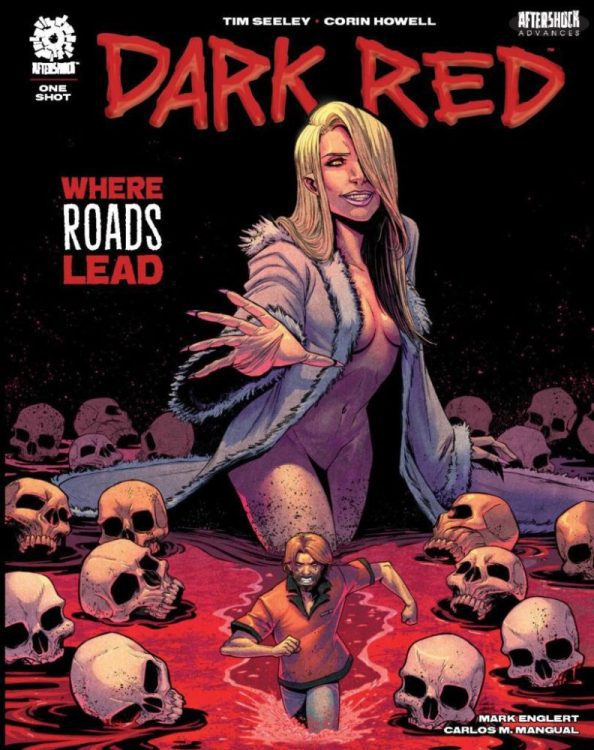
AfterShock Comics Exclusive Preview: DARK RED: WHERE ROADS LEAD

aftershock comics exclusive preview dark red where roads lead

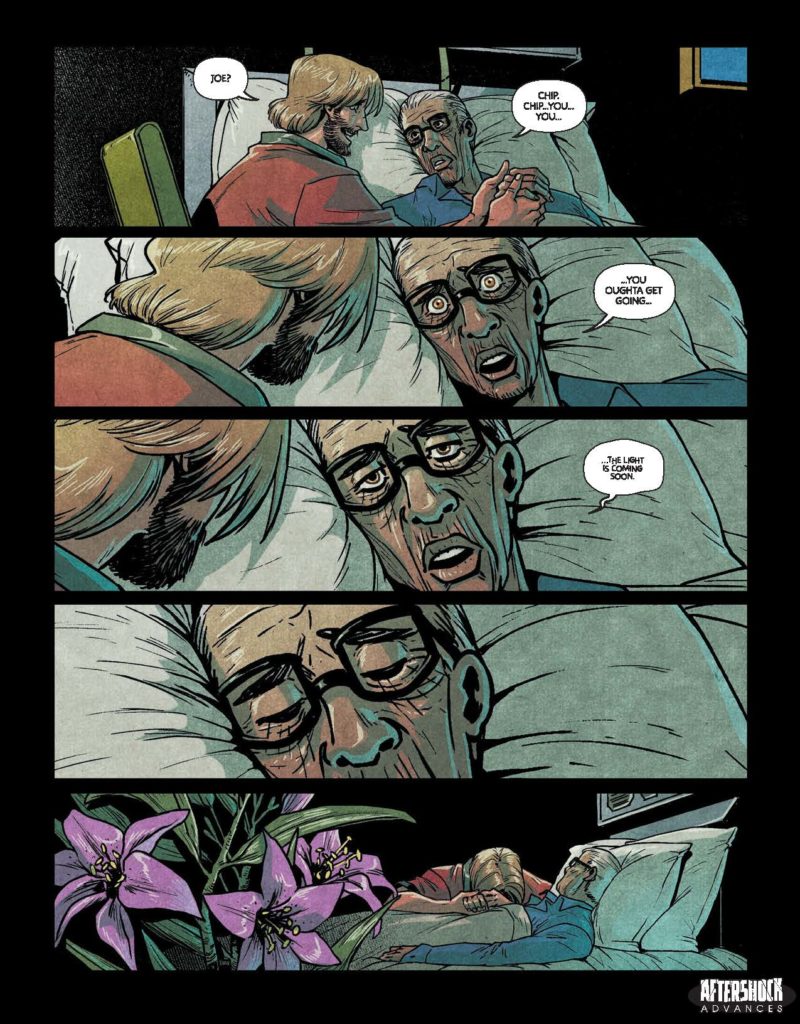
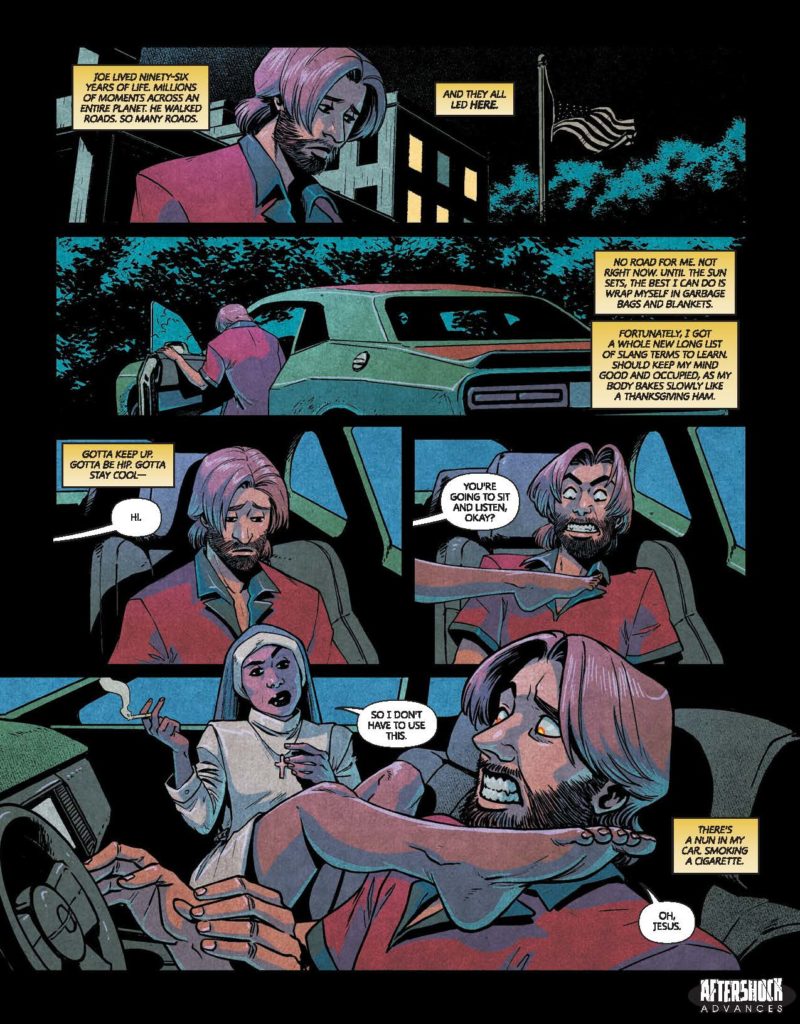
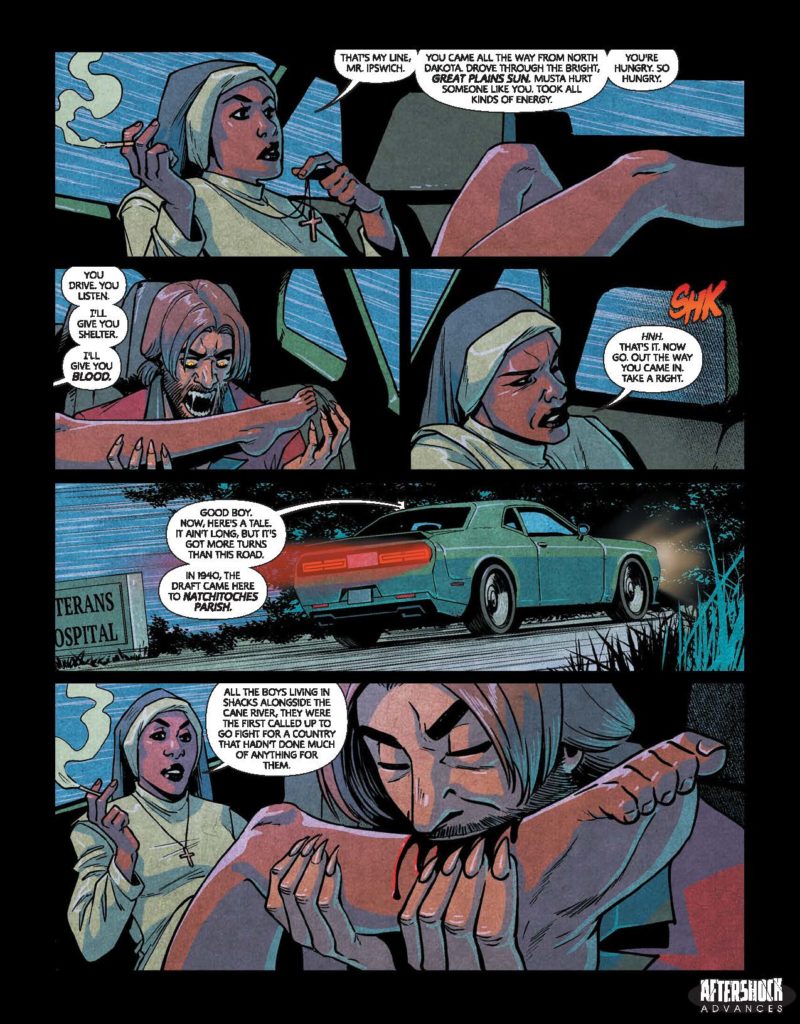
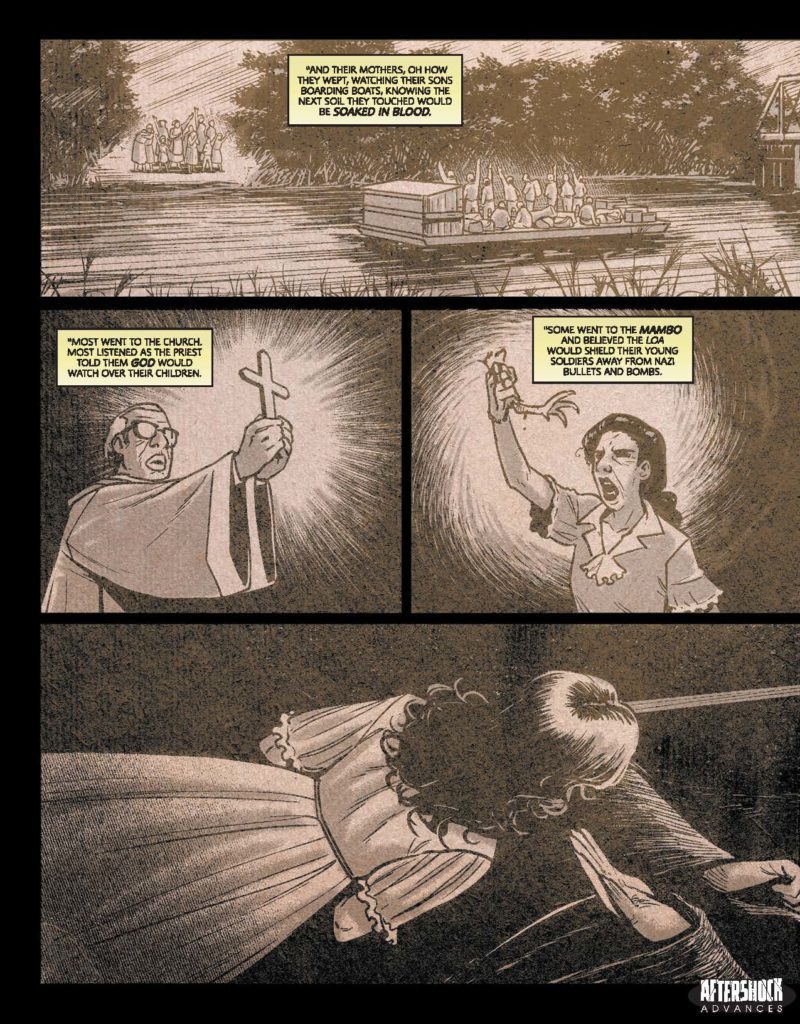
DARK RED: WHERE ROADS LEAD hits your local comic book store February 9th, but thanks to AfterShock Comics, Monkeys Fighting Robots has an exclusive five-page preview for you.

About the issue:
The hit vampires-in-the-heartland series returns! 

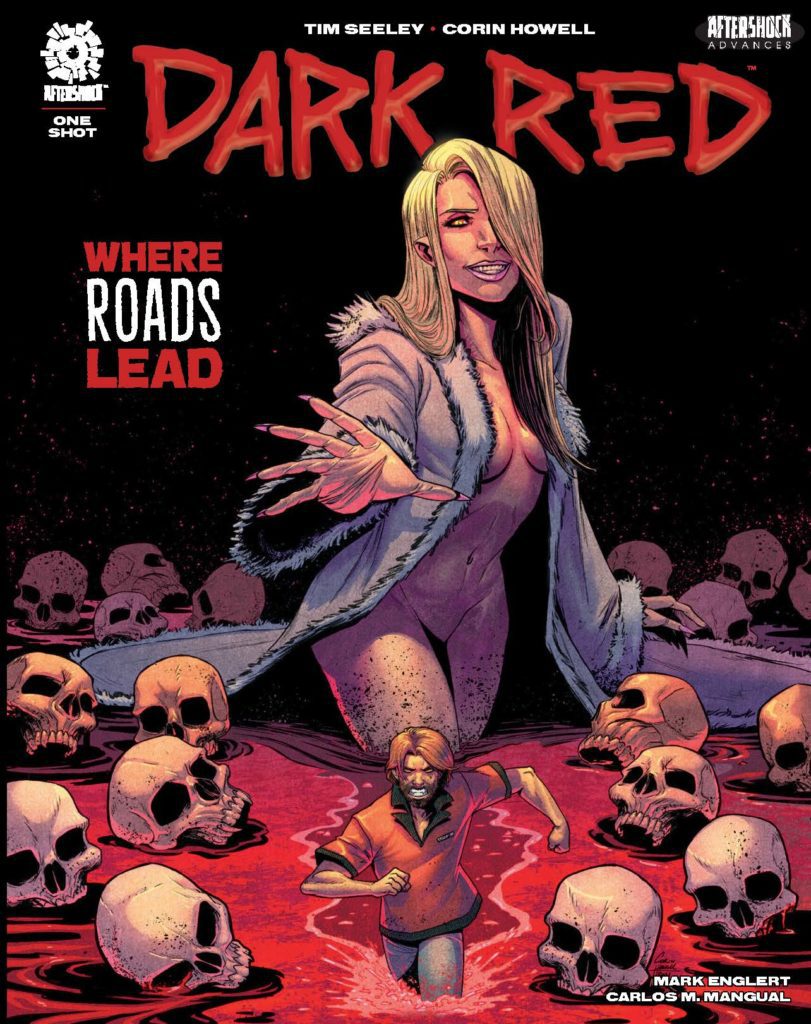
Following the events surrounding the defeat of the Order of the Eventide, blue-collar vampire Chip tries to return to his life of quiet, rural isolation. But soon he has to ditch his late-night convenience store shift to travel across the country to New Orleans to visit a dying veteran. What starts as a trip of noble intent becomes a quest through a hell of wars to retrieve a stolen soul and escape an old enemy.

The 48-page one-shot is by writer Tim Seely and artist Corin M. Howell, with letters by Carlos M. Mangual. The main cover is by Howell, and the incentive variant is by Andy Clarke and Jose Villarrubia.

Seeley and Howell return to bring us the next chapter in the epic tale of horror and adventure that is DARK RED – and this one has twice the bite!

Check out the DARK RED: WHERE ROADS LEAD preview below:

aftershock comics exclusive preview dark red where roads lead

aftershock comics exclusive preview dark red where roads lead

aftershock comics exclusive preview dark red where roads lead

aftershock comics exclusive preview dark red where roads lead

aftershock comics exclusive preview dark red where roads lead

aftershock comics exclusive preview dark red where roads lead

aftershock comics exclusive preview dark red where roads lead


Are you a fan of DARK RED? Are you excited for WHERE ROADS LEAD? Sound off in the comments!

Monkeys Fighting Robots Youtube

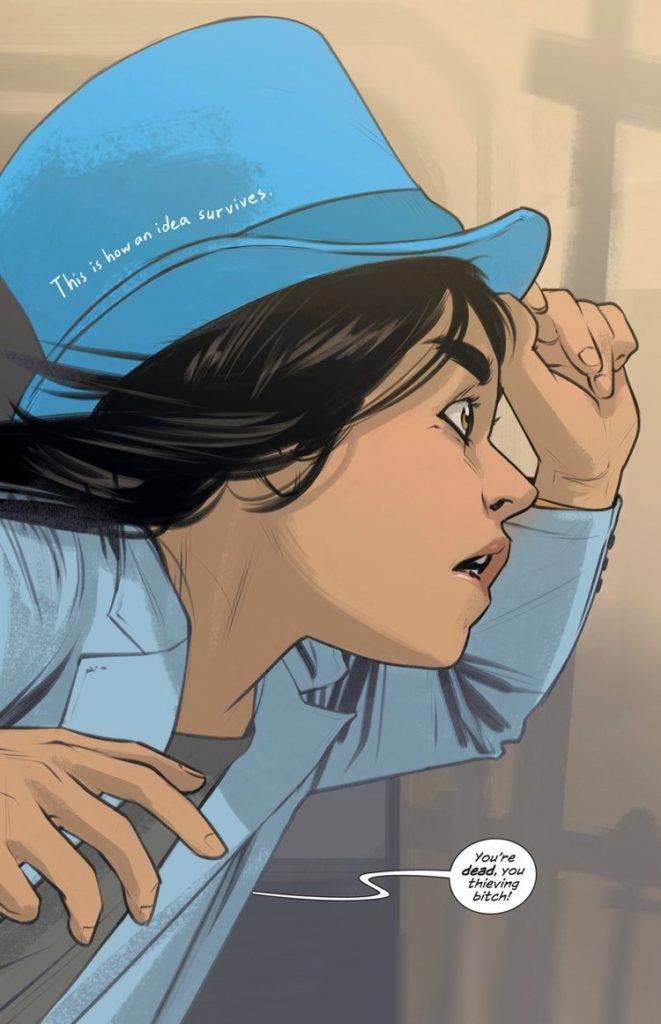
Spoiler-Free Review: SAGA #55 — The Return

saga 55 image comics review

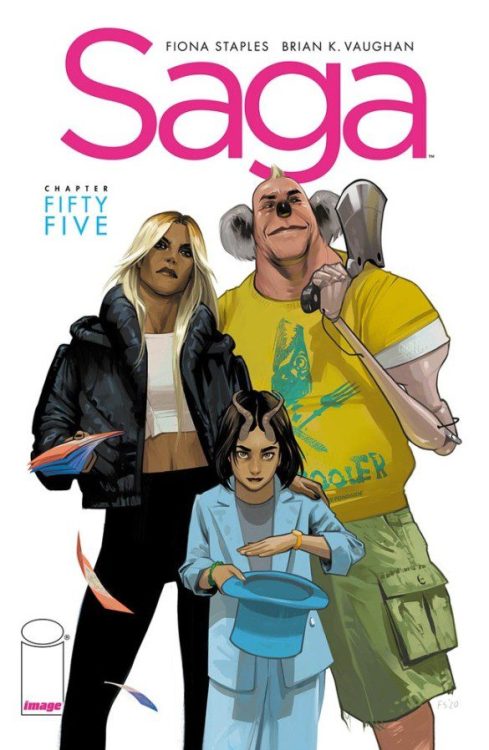
SAGA makes its triumphant return to comic book stores this week, and if you were concerned that the series lost a step during its hiatus, we’re here to put your mind at ease.

Disclaimer: This is a spoiler-free review. Due to the nature of the series and its long break, we will be discussing this issue in as little detail as possible, trying to focus instead on its tone and characters in a more abstract sense.

The last issue of SAGA came out on July 25, 2018, roughly three and a half years ago. That’s an insanely long break for one of the best-selling and most critically-acclaimed comics on the stands, and in that time, fans began to wonder if the series was actually ever going to return. Well return it has, and with the same, original creative team: artist Fiona Staples, writer Brian K. Vaughan, and letterer Fonografiks.

This is a difficult issue to review, because, well…it’s SAGA. As mentioned, it’s one of the best-selling series out there. If you’re a fan, chances are you were at your local comic shop this morning to pick up the new issue. But a lot can change in three years; as Vaughan mentions in his letter at the end of this new chapter, there are probably readers out there who have moved on from SAGA, or from comics entirely. So this review is for those people, the ones who are unsure whether or not they want to return to this world.

In short: you do.

saga 55 image comics review

Staples and Vaughan throw readers right back into this worn-torn galaxy, and it’s like we never left. We’re reunited with the characters we know and introduced to new ones who feel like they’ve always been there. Even though things have changed since we last saw Hazel and her family, this world still feels familiar, even with the introduction of new conflicts.

One of SAGA‘s greatest strengths has always been its ability to grab hold of you at the get-go and not let go until you run out of pages, and that still holds true. Staples’ art is full of emotion and kinetic energy — she’s the star of the show, with all due respect to BKV and Fonografiks. She fills this world with life and excitement, to the point where you’ll finish this double-sized issue in no time and start your re-read immediately.

Cast your reservations aside: SAGA is just as good as it’s ever been. It’s as funny, crass, and horny as you remember (damn, is this issue horny). Staples’ work has only gotten better since we last saw it. But crass humor and horniness aside, SAGA is still, at its core, a story about families and the flawed individuals that make them up.

That last sentence almost dovetailed into a soliloquy on all the things SAGA is about, but the fact of the matter is that SAGA is about a lot of things, good and bad, and that’s what makes it a relatable, beloved series that has (and will continue to) stand the test of time.

Read SAGA. That’s all.

Monkeys Fighting Robots Youtube

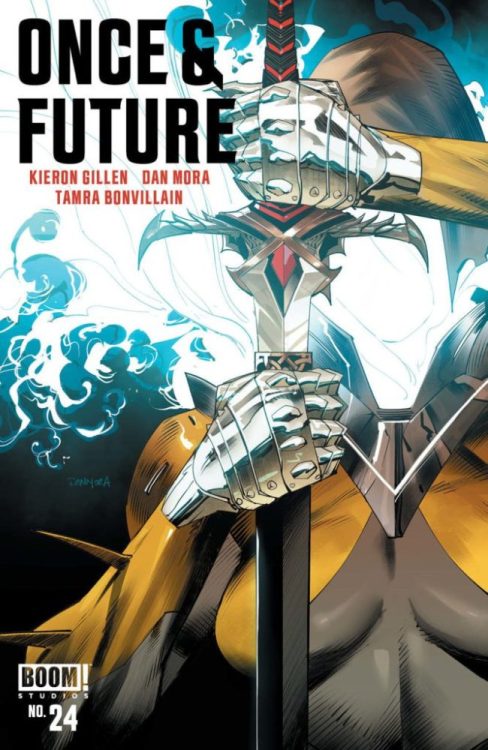
Review: A Multifaceted Battle in the Works in ONCE & FUTURE #24

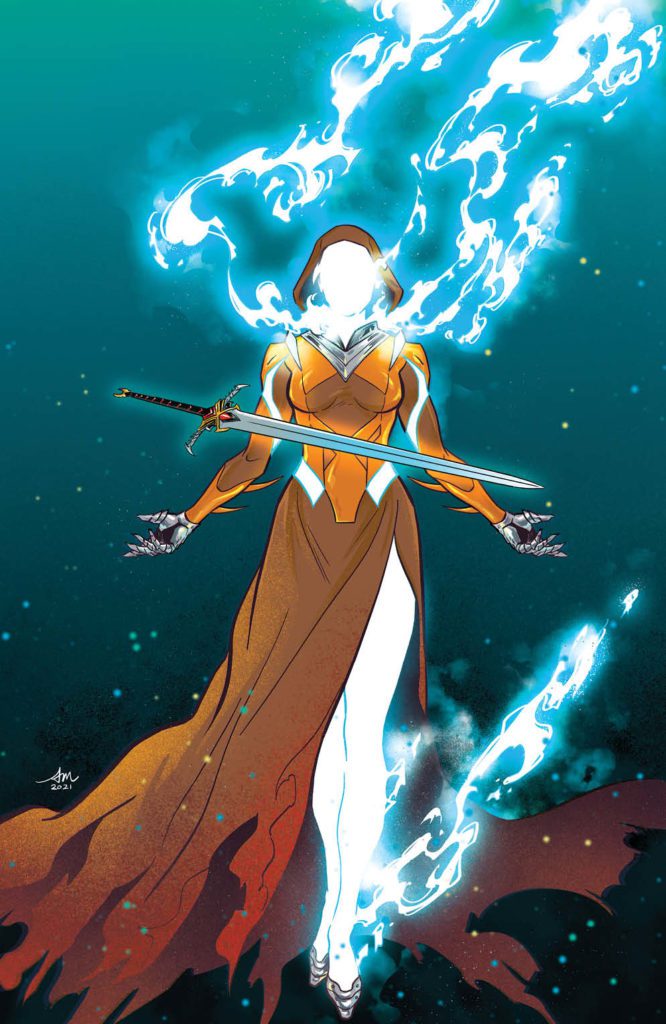
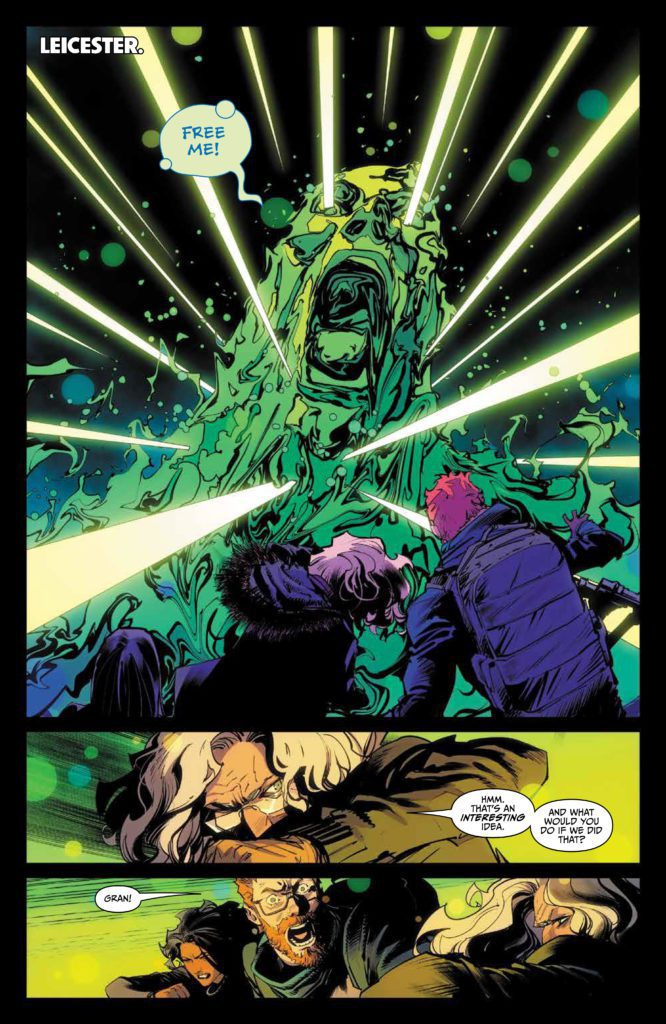
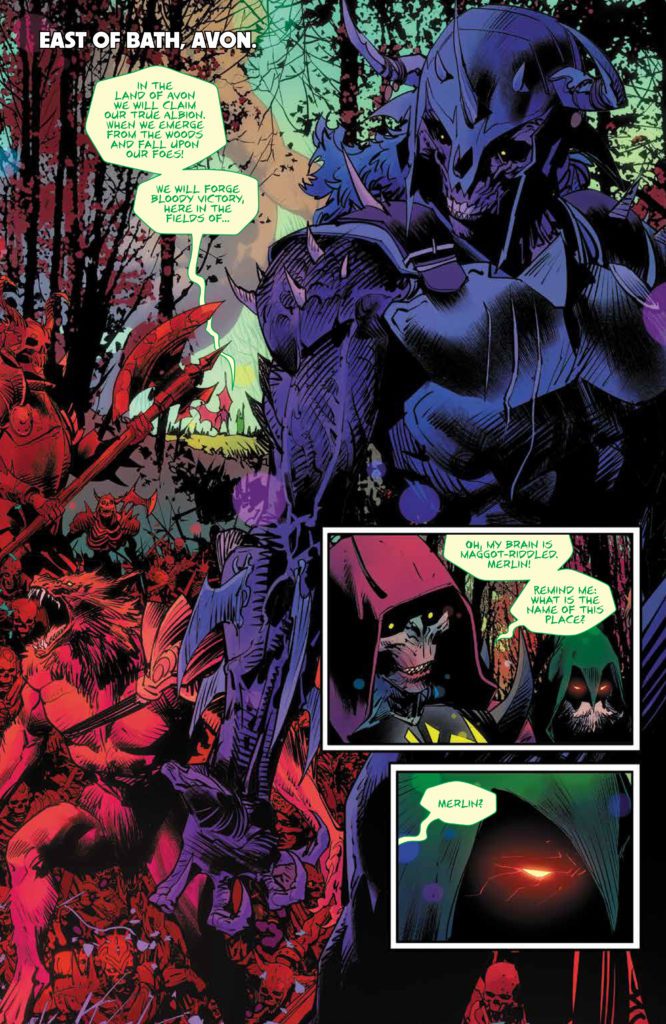
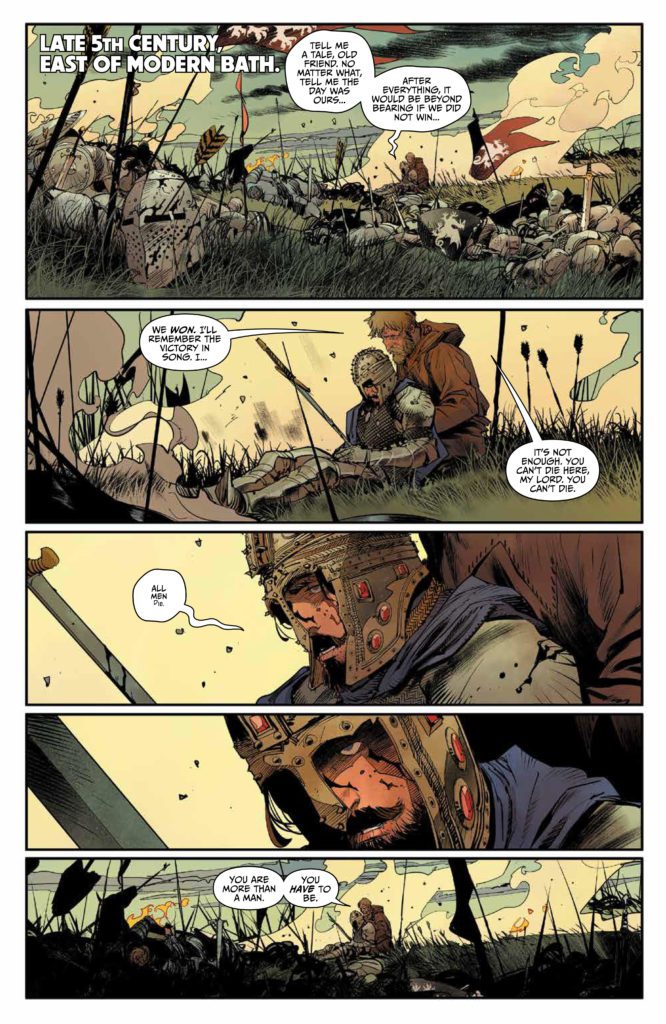
BOOM! Studios’ Once & Future #24, available now, brings the arcs of many stories to battle — both literally and figuratively. Be sure to check out this latest issue, brought to us by Kieron Gillen, Dan Mora, Tamra Bonvillain, and Ed Dukeshire.

Once & Future #24
More legends coming to life on this variant cover of Once & Future #24.

Remember twenty-plus issues ago, when Duncan had no idea what was up with his family’s history? More than that, remember when Britain wasn’t overrun by monsters and beings of legend and lore? Yeah, things have changed.

Once & Future #24 brings readers to a war-torn Britain, though arguably not in any way that we could have ever anticipated. In this war, multiple Arthurs battle for supremacy, with dozens of other legendary beings (literally) running around and making messes of their own. All while the surviving humans continue to try and do just that – survive.

To say that this is a complicated world at the moment would be an understatement. And yet that is where this series shines – in its complexity. These are not the stories people dream of finding themselves stranded in, nor are they clear-cut. This warped version of classical tales has found a way to add new life to the lot.

Once & Future #24
Gran’s sass is coming out strong right out the bat in Once & Future #24.

Writing

Once & Future #24 continues its complex dance, with Kieron Gillen at the helm. There are many players on the field, and if we’re being honest, any one of these characters would have been enough to hold our attention — not to mention enough to create a severe threat for all the humans involved (Duncan, Gran, and Rose included).

Throwing so many to the world simultaneously makes it all so delightfully unpredictable. Just when the motivations become clear, something happens to change it all up. Usually, that something comes in the form of violence.

As such, Once & Future #24 keeps up the dramatic trend – full of action and storytelling elements. One of the highlights of this issue (of which there are many) would have to be the battle of two Arthurs.

There’s something oddly poetic about the concept and about the way it is portrayed. Perhaps this is because we’ve had quite some time to get to know them. More likely, this is another instance of Gillen carefully leading the readers through a curated journey.

Once & Future #24
While the humans are busy on one adventure, another threat continues to rise in Once & Future #24.

Artwork

One of the reasons Once & Future has become so popular is the blindingly brilliant artwork. It almost feels like each panel or page of this series would make for an outstanding print, especially with a fantasy bend. Once & Future #24 is no exception, providing fantastic artwork for readers to relish once again.

Dan Mora’s art style has proven perfect for this world, bouncing back and forth between the human realm, the gore of battle, and the fantastic elements of stories. It makes for a visually compelling masterpiece.

Once & Future #24 has a lot going on within these pages, both in the storytelling and visually. It’s easy to understand how rapidly the battles are changing, thanks to how the panels are laid out. This design increases the drama and anxiety of it all, though in somewhat unexpected ways at times.

Unsurprisingly, the colors remain one of the best parts of this series. Tamra Bonvillain’s colors are out of this world – and that makes them ideal for this entire series. But that fact has never been more accurate, as legends and worlds forcefully collide here.

Ed Dukeshire’s lettering plays a critical role in this issue, grounding the series and the tale as a whole. It does all this while casually reminding readers of each legend’s role, all through font and color choices.

Once & Future #24
A blast to the past in Once & Future #24 – one that should feel quite familiar.

Conclusion

Once & Future #24 is yet another incredible addition to this series. Truth be told, it is hard to believe how consistently the ante has been upped. Every issue (this one included) adds new complications and reasons to eagerly countdown the next installment. Until then!

Monkeys Fighting Robots Youtube

Review: Goodbyes Are Never Easy in STRAY DOGS: DOG DAYS #2

Image Comics’ Stray Dogs brings us another wave of goodbyes in Stray Dogs: Dog Days #2. So if you’re in the mood to visit some of the best canines around — and have your heartbroken at the same time — make a point of reading this latest issue by Tony Fleecs and Trish Forstner, available now.

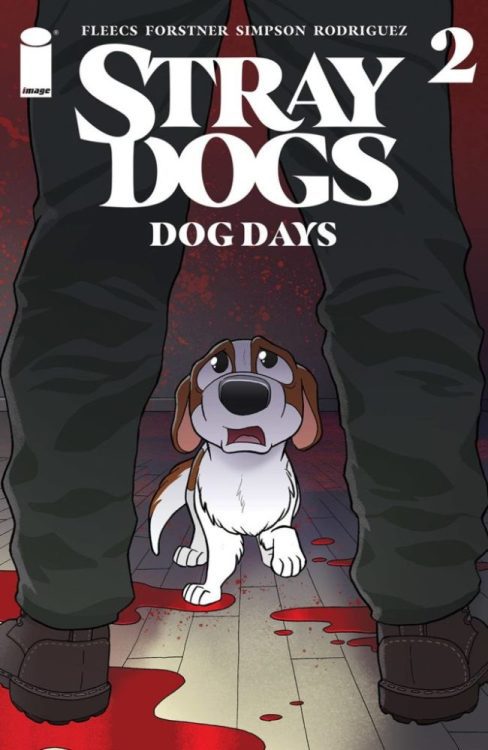
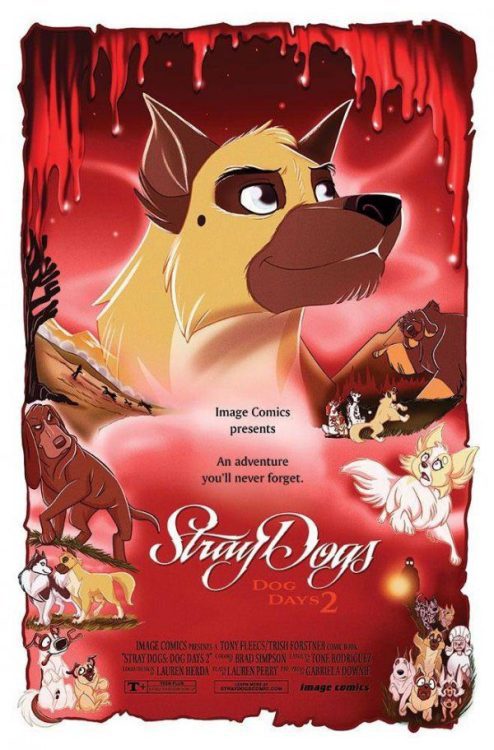
Our canine cast looks like they’re about to find themselves in a fair amount of horror, given this variant cover of Stray Dogs: Dog Days #2.

Stray Dogs: Dog Days #2 continues a series of one-shot stories focused on the individual dogs that made this story come to life. Most of the stories in this collection occur before Stray Dogs‘ events, which adds a strong bittersweet note to it all.

There’s something very melancholy about seeing the life of a happy pet before their life (and the life of their owner) gets turned upside down. However, it is a gentle comfort to know that they had love in their life.

One of the best parts of Stray Dogs: Dog Days is that readers finally get a chance to know a bit more about each dog – not just the canines who stole the show. Yes, it comes at a price, but it’s a price I’m willing to pay, and I’m sure I’m not the only one.

*Spoiler/content warning: Stray Dogs and Stray Dogs: Dog Days are essentially Silence of the Lambs merged with All Dogs Go to Heaven. It gets pretty heavy at times, especially for animal lovers out there. Please keep this in mind.

Stray Dogs: Dog Days #2
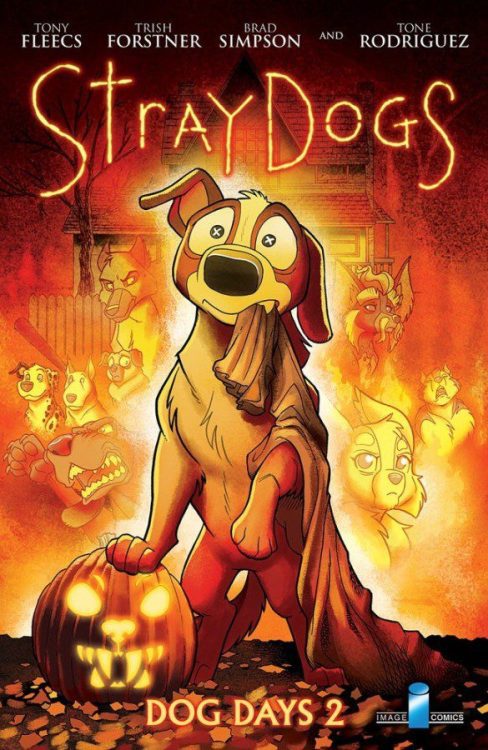
Balto? Is that you? Nope, just another variant cover for Stray Dogs: Dog Days #2.

Writing

It sincerely feels like every panel in Stray Dogs: Dog Days #2 (and the series as a whole) was designed to tug at our heartstrings. It certainly succeeds in making us feel a plethora of emotions, thanks largely to Tony Fleecs’ writing.

There’s no point in pretending that this is a light-hearted series — it isn’t. Yet even with that fact in mind, it does feel like Stray Dogs: Dog Days #2 is darker than its predecessor. Before, it was easier to pretend that these happy moments were almost outside of the larger story. That is more difficult to do in this issue.

That is likely due to the dramatic (and twisted) beginning of the issue. Readers are thrown right into the thick of things, with a quick reminder of what Master was really up to this whole time.

Despite that heavy introduction, it is impressive how many surprises and little details are woven into these short stories. Some provide insight that maybe we were better off without, while others offer a much-needed sense of closure.

All things said and done, Stray Dogs: Dog Days #2 tells us stories about Henry, Sophie, Earl, and Victor. However, other hounds appear here and there, only when it makes sense for their appearance. Victor’s story is by far the most satisfying of the set, as it gives readers a sense of closure, alongside a good place to say goodbye (again).

Stray Dogs: Dog Days #2
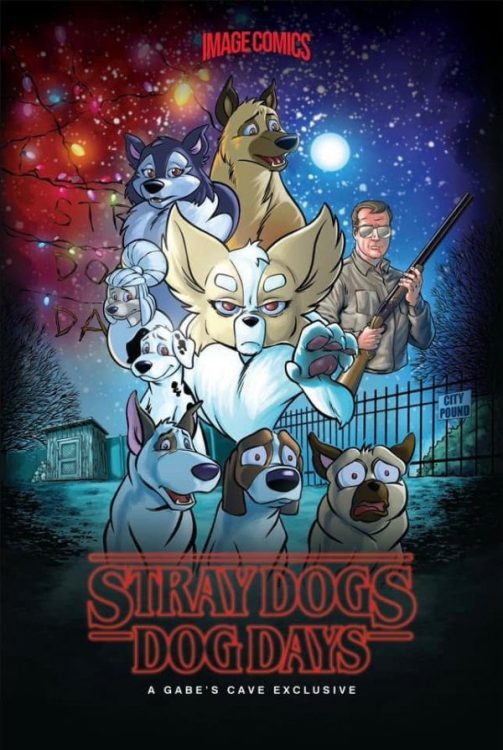
Stranger Things meets Stray Dogs on this cover of Stray Dogs: Dog Days #2.

Artwork

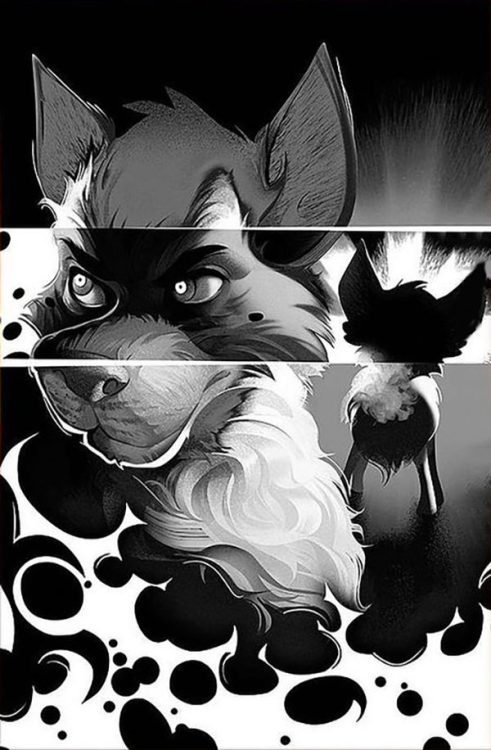
Before talking about the artwork inside Stray Dogs: Dog Days #2, we must take a moment to talk about the variant covers available. Not only are there a ton of them (the ones included in this review are only a small sampling), but the sheer breadth of them is impressive. The references are all over the place, showing a sense of humor that is sometimes morbid (but still very much appropriate).

As for the artwork inside Stray Dogs: Dog Days #2, it is perfection, as always. Trish Forstner makes this series what it is. In addition, there’s Brad Simpson, who provided the colors for this issue.

Several of the stories in this issue rely heavily on nonverbal elements to build the narrative. As such, Forstner and Simpson do a lot of heavy lifting here. The end result makes it worthwhile, as there’s a lingering feeling that comes with finishing this issue, one that takes some time to fade.

For me, it was page thirty-three that cut to the quick. Four seemingly simple panels, and yet it feels like they carry the weight of the world. For lack of a better description, they almost feel hauntingly real.

As for the colors, they are vibrant and alive. This makes for a stark contrast to the story’s tone. But it is also where much of the charm for this series comes from. Here it is easy to see where All Dogs Go to Heaven created inspiration within the creative team.

The wanted posters at the beginning of each chapter hit home as well. I don’t think they would have carried the same level of import if not for a certain dedication to detail through lettering and colors. The lettering helps to further enhance each and every scene, especially as the calm of the before merges into the here and now.

Stray Dogs: Dog Days #2
Adding an extra sense for this variant cover of Stray Dogs: Dog Days #2.

Conclusion

Stray Dogs: Dog Days #2 may not give readers all of the closure they’ve probably been craving, but it comes close. It is yet another goodbye to the series that feels exceedingly final.

Monkeys Fighting Robots Youtube