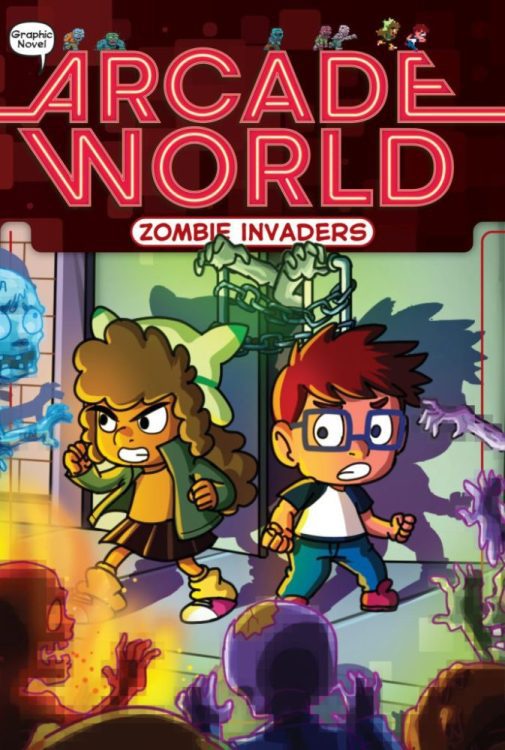
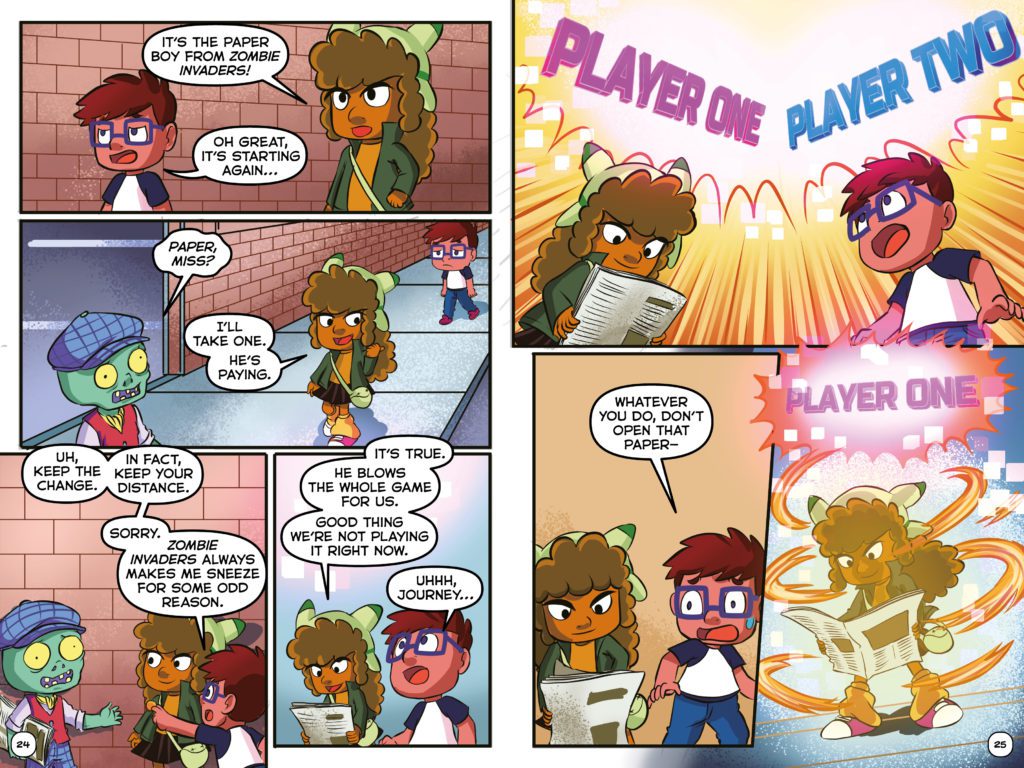
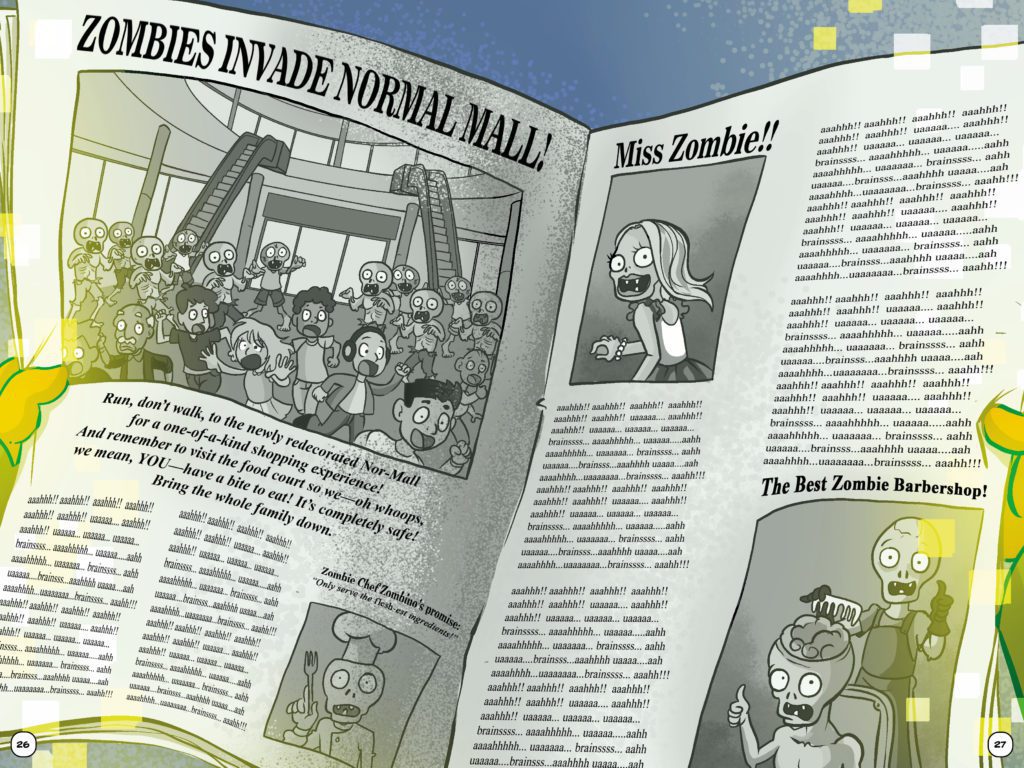
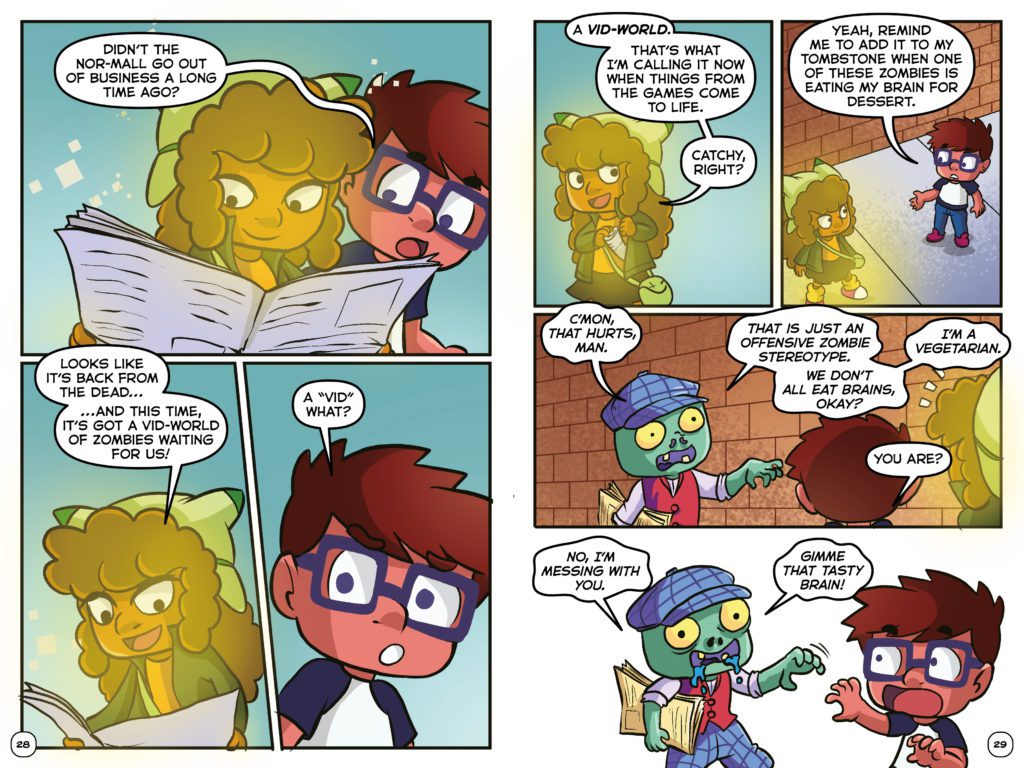
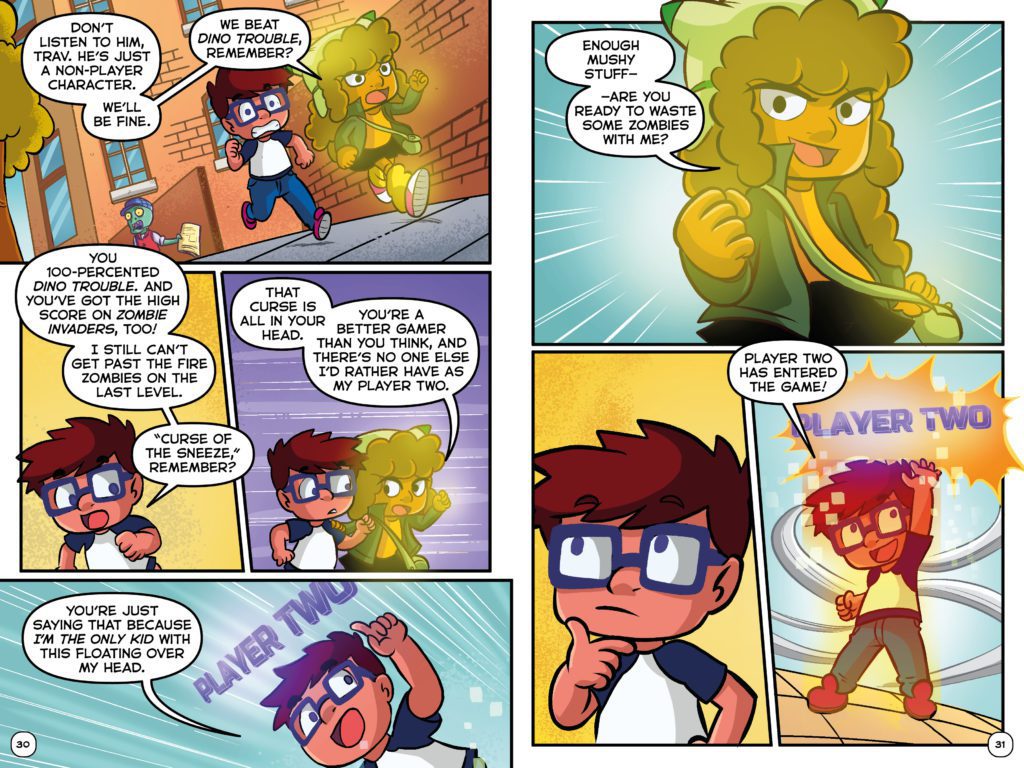
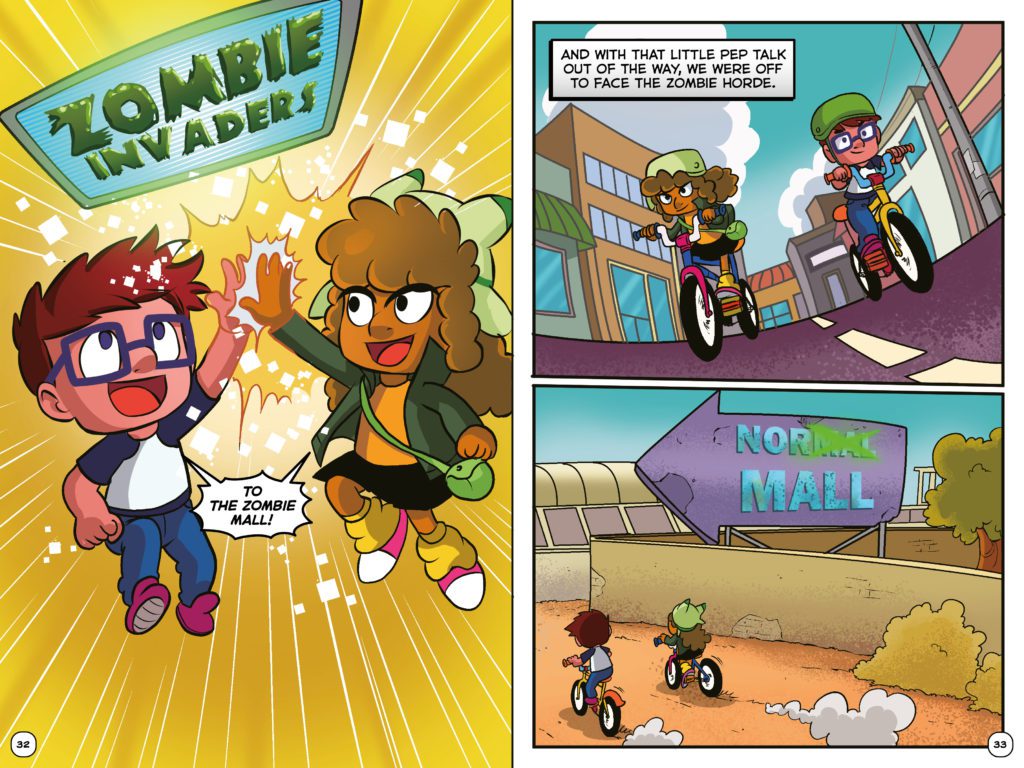
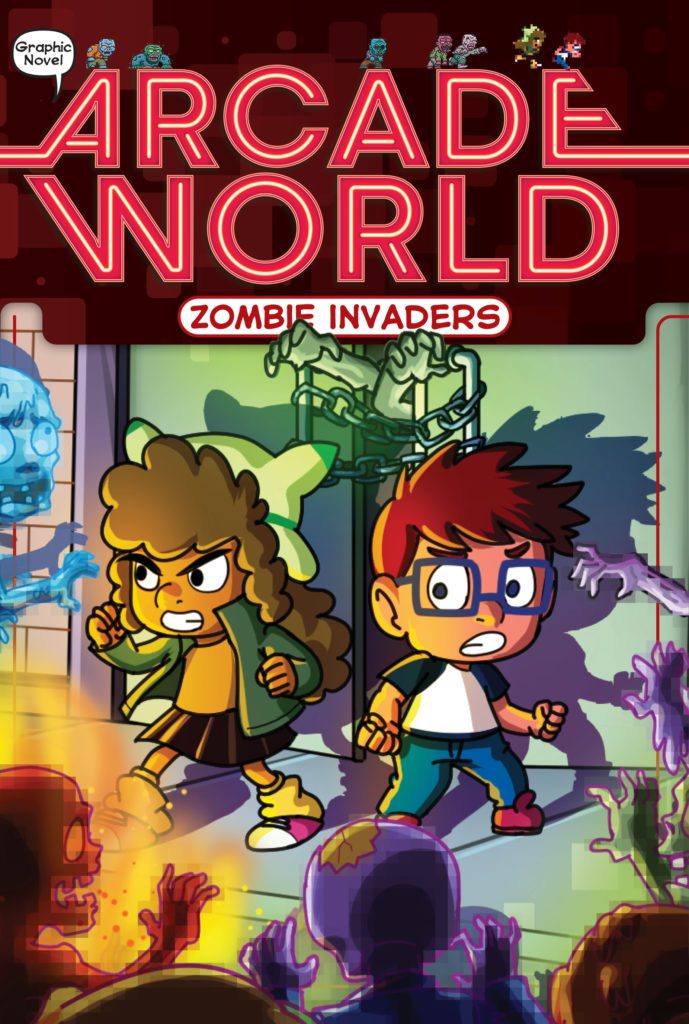
ARCADE WORLD: ZOMBIE INVADERS hits your local book store on February 22, but thanks to Simon & Schuster, Monkeys Fighting Robots has an exclusive preview of the new middle-grade adventure series for our readers.
The book is written by Nate Bitt, with art by João Zod.
About ARCADE WORLD: ZOMBIE INVADERS: Travis and Journey are two best friends who live in a town that’s been taken over by video games. Journey West is a high score legend and an absolute gaming champion. Not only is she unbeatable, but she always sets out to finish what she starts. And it’s all thanks to her handy survival guide, a secret notebook where she keeps all of her game notes and cheat codes.
But when the Zombie Invaders video game comes to life and the notebook gets destroyed, Journey and Travis are really put to the test. Now they are dealing with zombies, an evil hooded shadow, and lots of brains. Can Journey and Travis combine their brains and dead-ication to finish the game? Or will the zombies stand victorious in this grave new world?
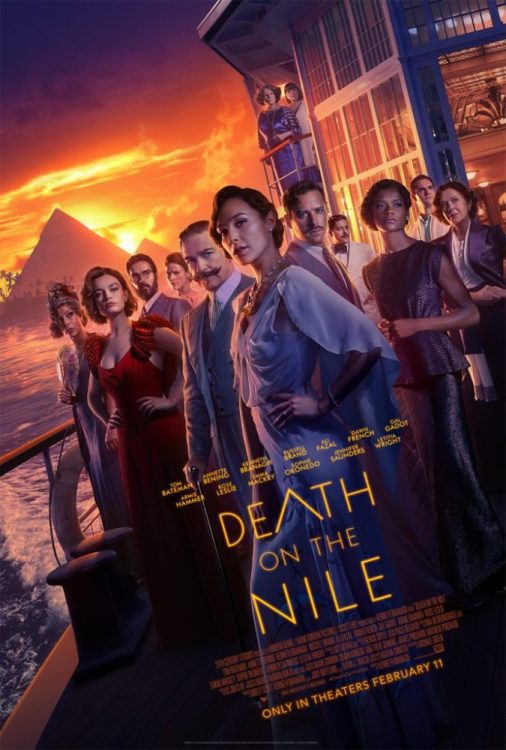
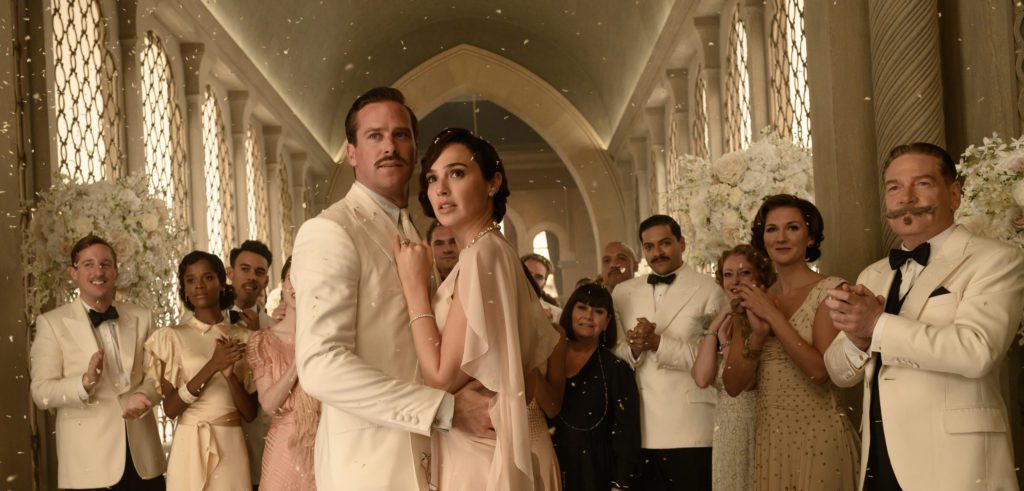
The latest adaptation of Death on the Nile doesn’t offer anything new to the whodunnit genre. It’s not very engaging early on and only gains momentum when the deed is done. Once the investigation is brought to a close, the tension that was building is stepped on by a flat ending that felt too quick. Death on the Nile isn’t bad, but I don’t think I’d revisit this movie over other whodunnits anytime soon.
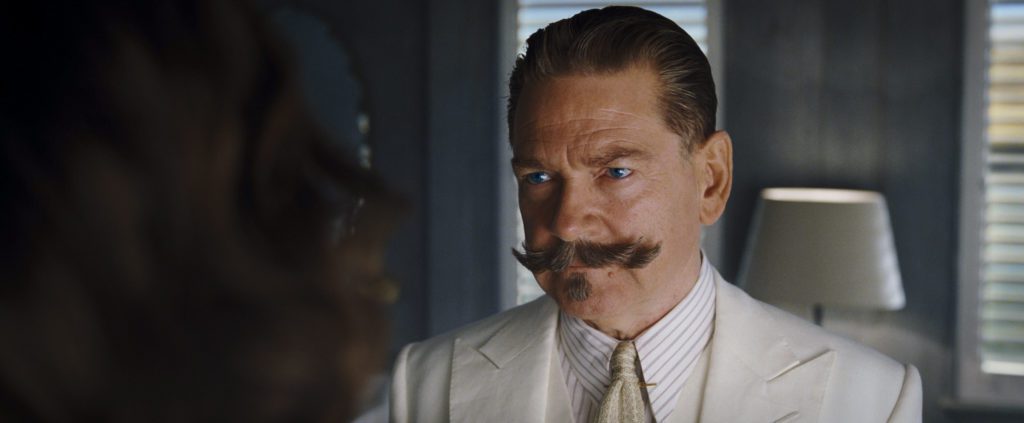
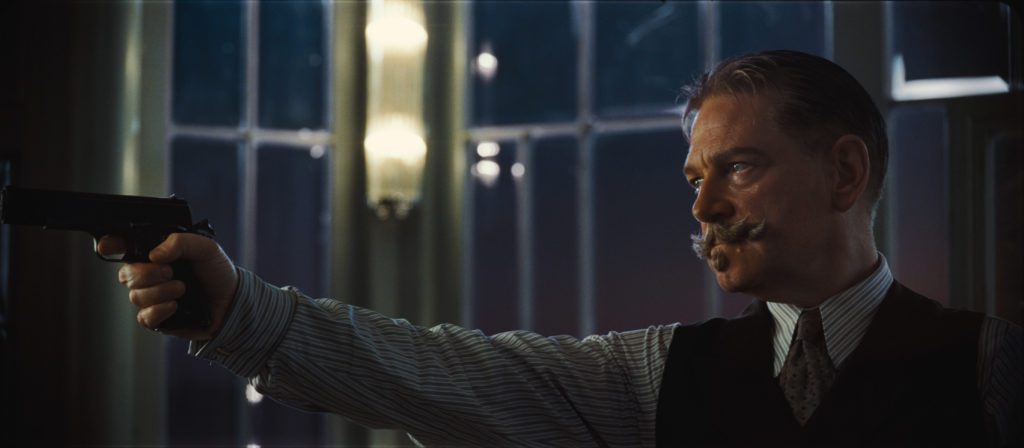
Death on the Nile is a follow-up to Kenneth Branagh’sMurder on the Orient Express. Knives Out was a breath of fresh air for this genre and Death on the Nile is just a well-done but forgetful addition. Its jam-packed cast of stars isn’t that interesting in these roles, unfortunately. Everyone is doing their best for the most part, but the characters remain dull and bland.
The film centers on Hercule Poirot (Branagh), as his vacation on a river streamer turns into a hunt for a killer after a honeymoon between two lovers is put on hold. Gal Gadot stars as Linnet Ridgeway-Doyle, one-half of the prestigious couple. Her spouse, Simon Doyle, is portrayed by Armie Hammer. The chemistry between the two is nonexistent and their acting here was questionable at times. Death on the Nile also stars Russell Brand, Tom Bateman, Annette Bening, Ali Fazal, Letitia Wright, Emma Mackey, and Sophie Okonedo.
Michael Green pens the script for Death on the Nile and it includes some of the blandest characters to watch caught in a murder investigation. The film does a great job at making everyone out to be a suspect, so that’s where it’s able to retain your attention for the most part. Linnet’s luxurious life is made out to be a threat to her family and other associates joining them on this adventure. Poirot is the only character that can be stomached at times since he is representing the audience.
Death on The Nile makes you question everyone’s potential motivations, so naturally, the film’s detective becomes the most relatable and interesting figure. Before the investigation, far too much time is spent getting to know these people. Character development is an important aspect of a story, but the absence of the murder investigation makes the first half difficult to endure. Linnet and Simon are boring characters, which makes spending time with them frustrating.
On a more positive note, there are some breathtaking shots featured throughout. The setting of Egypt holds your attention more than the one-note characters. Branaugh’s follow-up remains afloat mostly due to its visual appeal and the strong second act in between. Performance-wise, Mackey was the standout from this ensemble outside of Branaugh. She stars as Jacqueline de Bellefort, Simon’s former romantic interest.
Mackey impresses as this emotionally unstable woman and eats up every scene she is featured in. I’d say Jacqueline was the most interesting character out of the group of suspects. The aspect of not knowing if she’d go off the deep end only amplified interest in her. Gadot’s performance was acceptable, but her delivery isn’t always the best, which only puts another dent in the uninteresting nature of Linnet.
The film seemed to lack energy that could retain your attention for nearly two hours. Poirot truly is the most engaging character when Jacqueline isn’t present, and the rest feel like distractions. Branaugh captures your attention quite well in the second act, which is where the story is at its best. Pacing begins to get better, and Branaugh’s acting is so commanding in this role.
Death on the Nile is fine for what it had to offer but felt like it could have been a lot better. It felt stuck in a shift that wouldn’t let it be more than just a well-done film. It’s not shocking with its reveal, and that’s fine, but the aftermath is what kills the tension that had been built up prior. Death on the Nile is fun when it wants to be and features some strong technical aspects, but it’s never consistently good and often took itself too seriously.
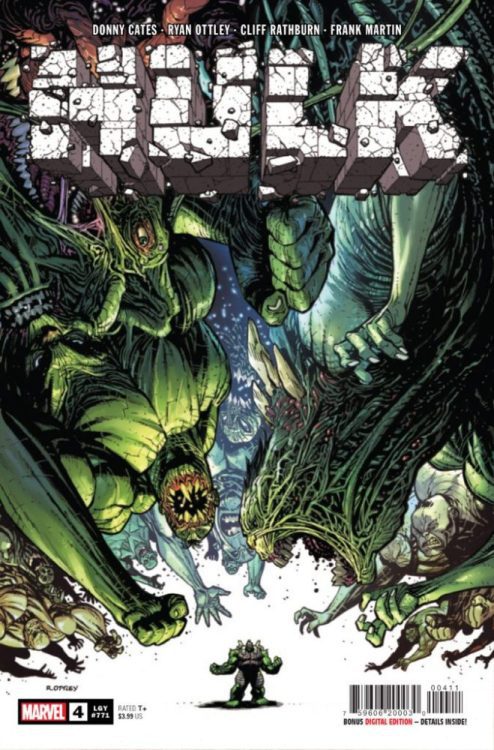
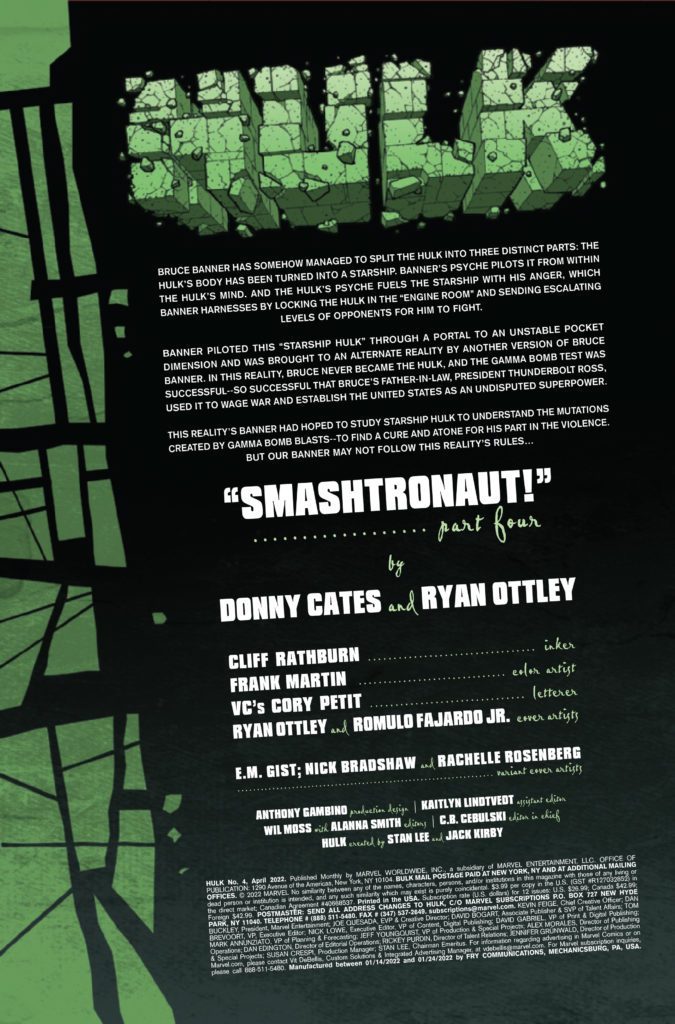
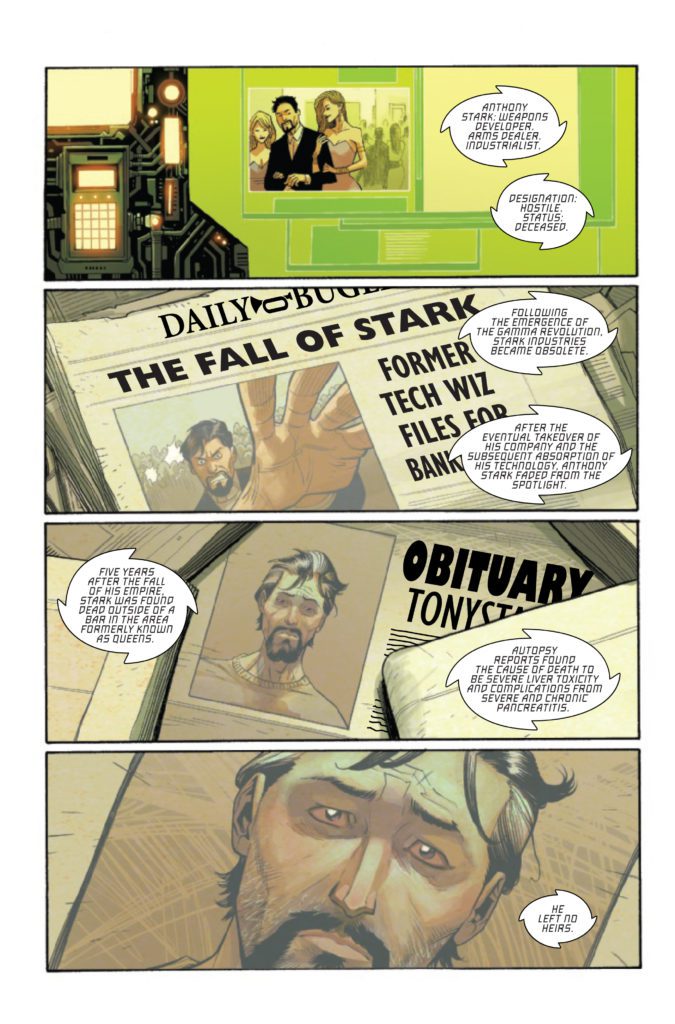
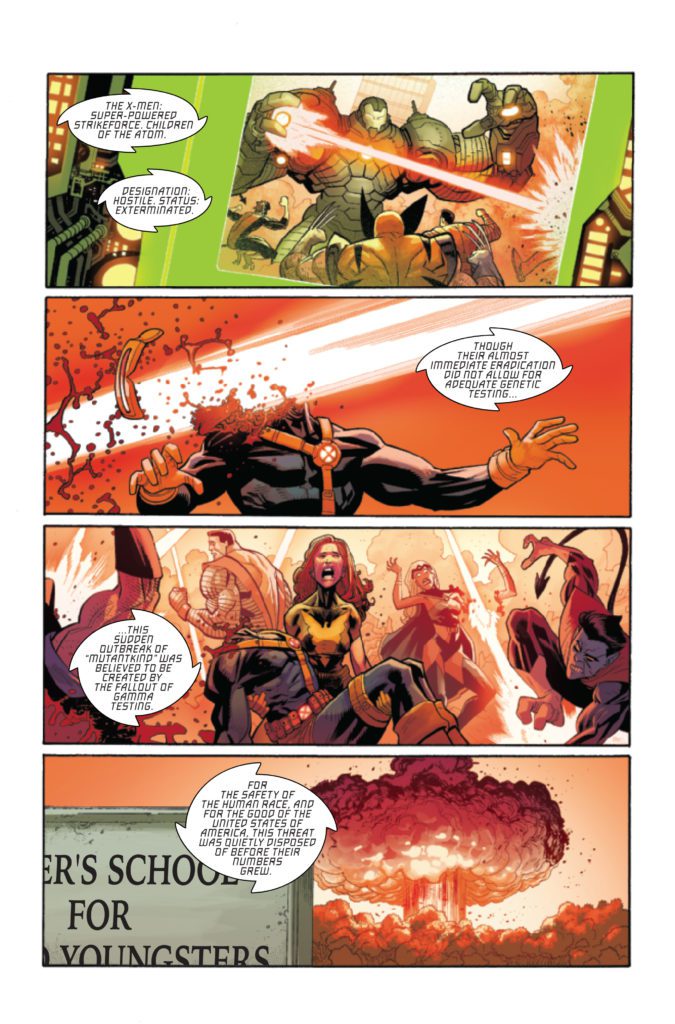
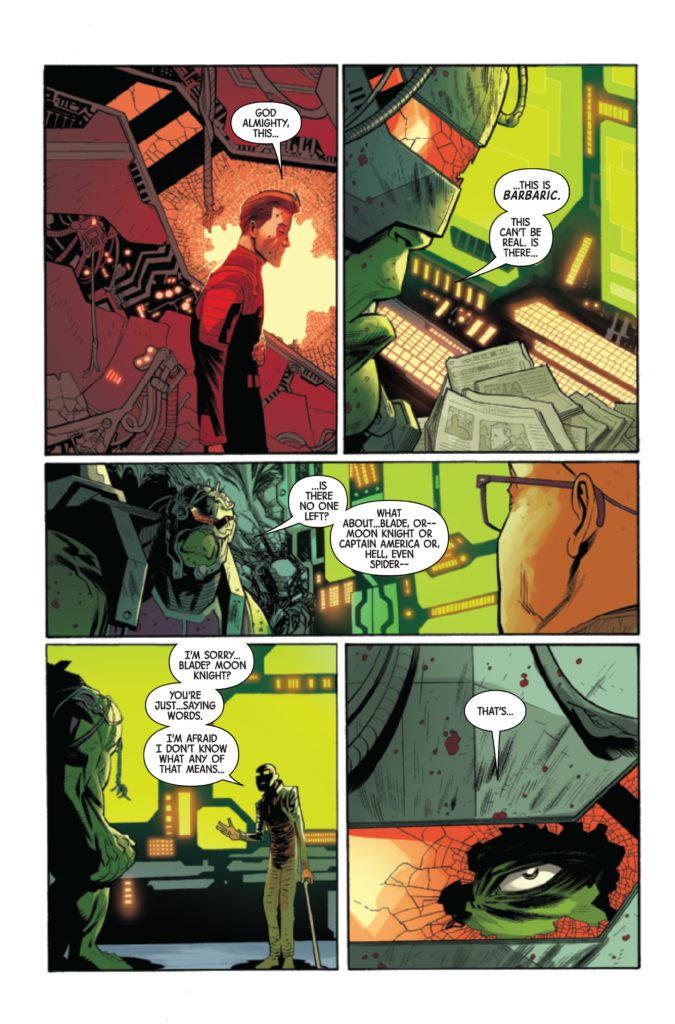
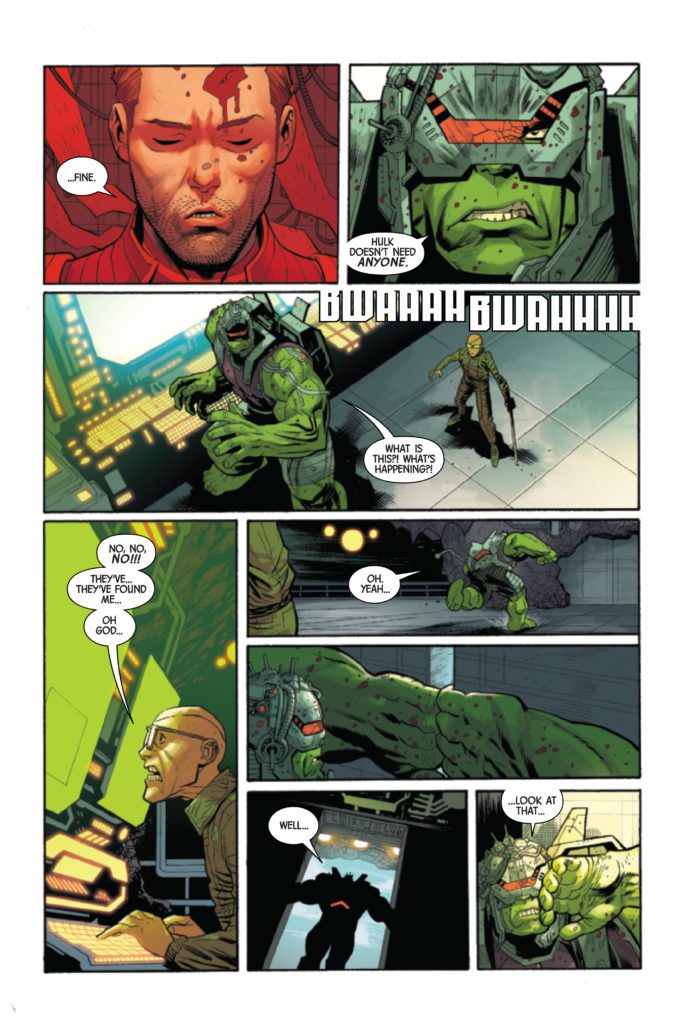
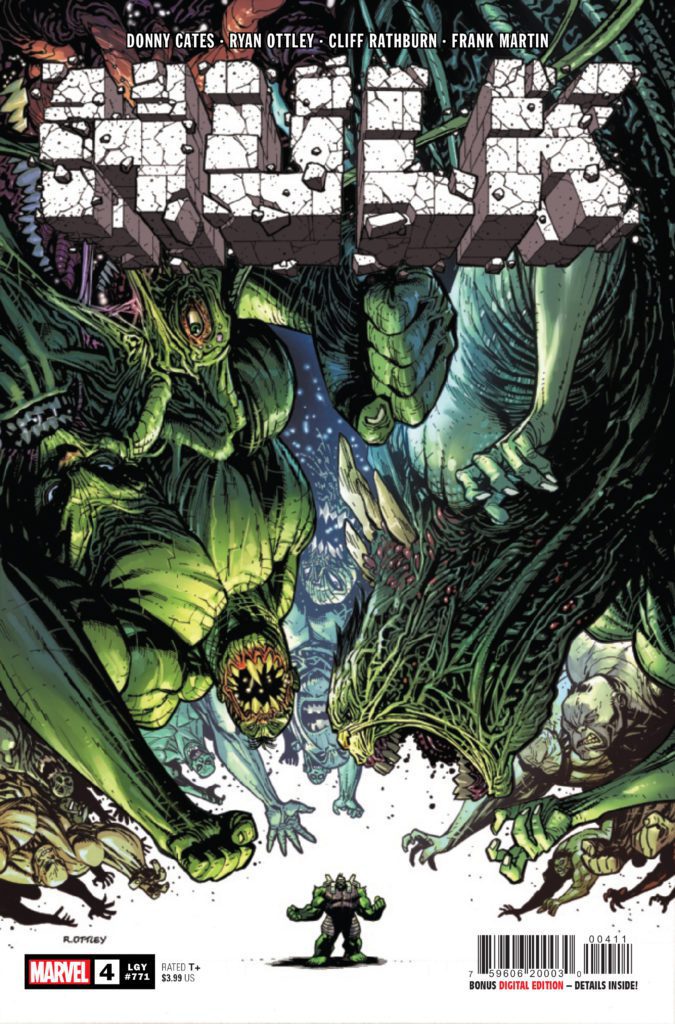
HULK #4 hits your local comic book store February 16th, but thanks to Marvel Comics, Monkeys Fighting Robots has an exclusive four-page preview for you.
About the issue: “SMASHSTRONAUT” part 4 of 6! As the mystery behind the Hulk’s shocking new status quo deepens, Banner has piloted the Starship Hulk to an alternate Earth – one where Thunderbolt Ross is president, and he has an army of gamma-powered monsters under his command. Get ready for a surprise-filled, all-out brawl that only the insane minds of Donny Cates and Ryan Ottley can bring you!
The issue is by writer Donny Cates and artist Ryan Ottley, with inks by Cliff Rathburn, colors by Frank Martin, and letters by Cory Petit. The main cover is by Ottley and Romulo Fajardo Jr.
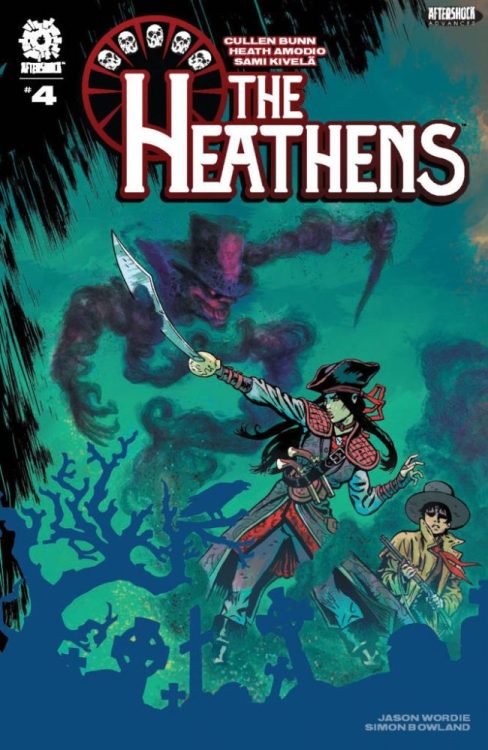
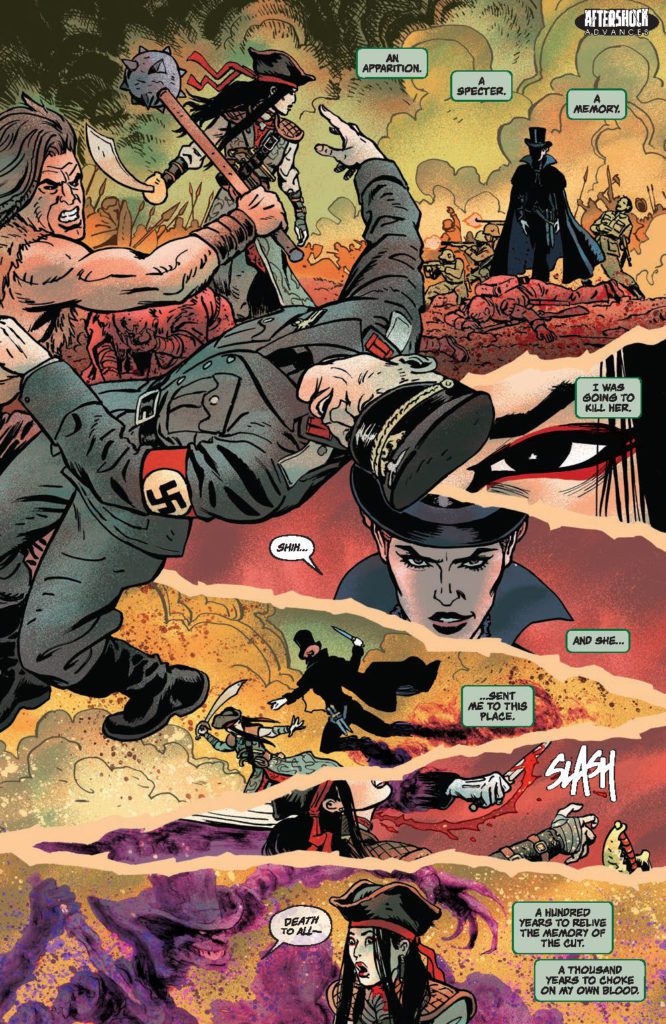
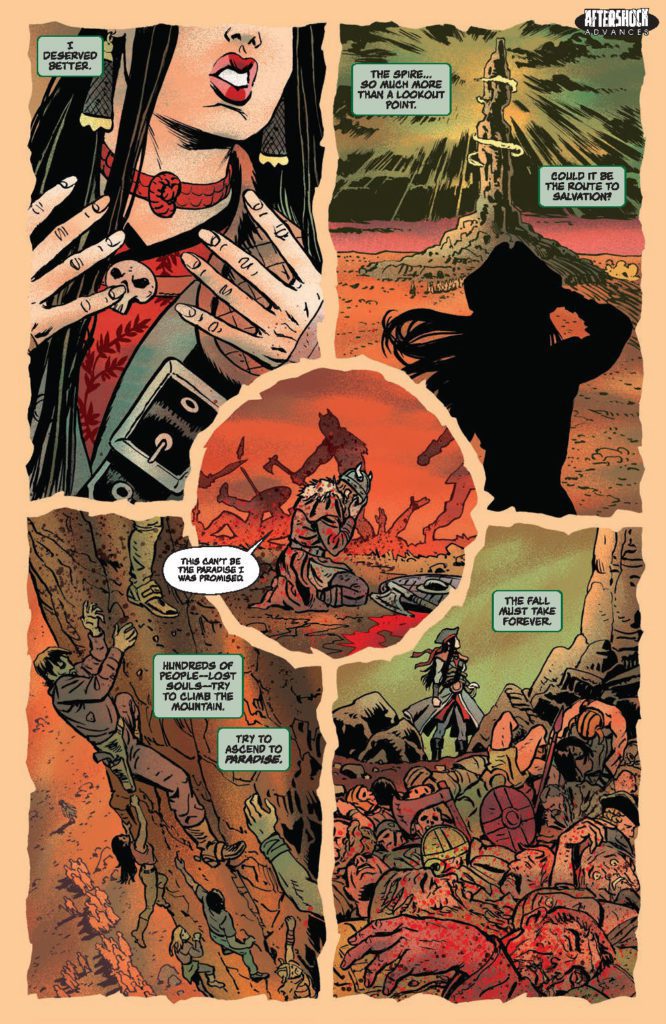
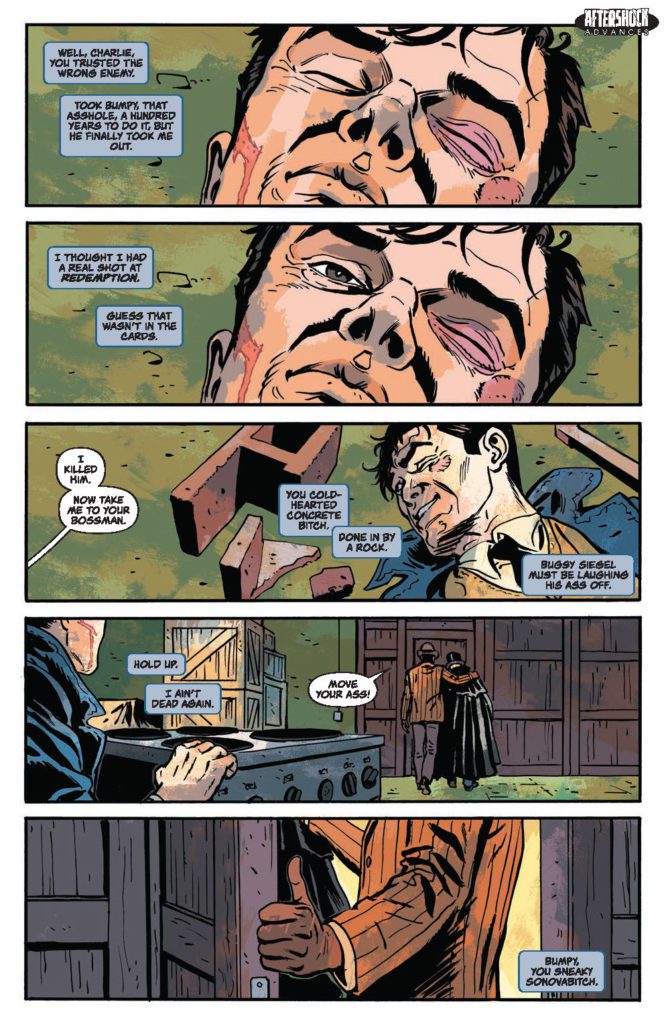
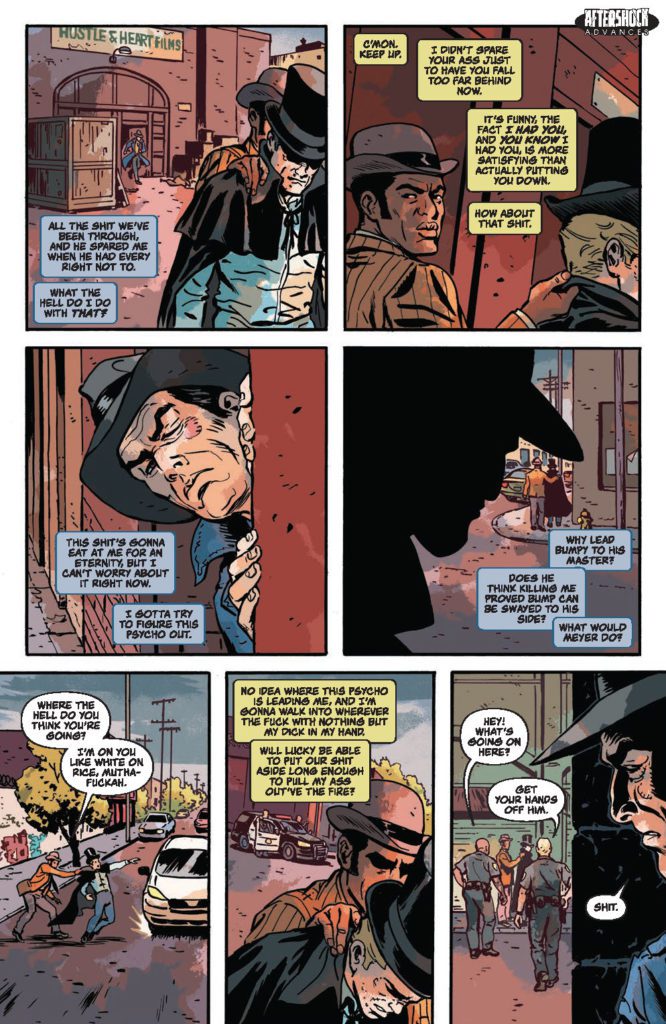
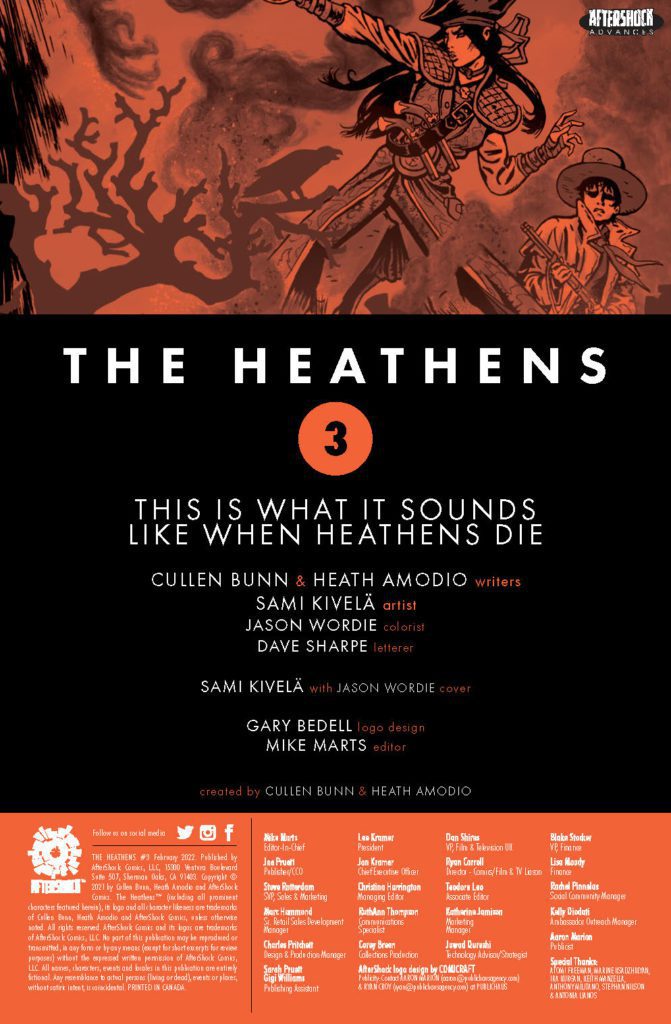
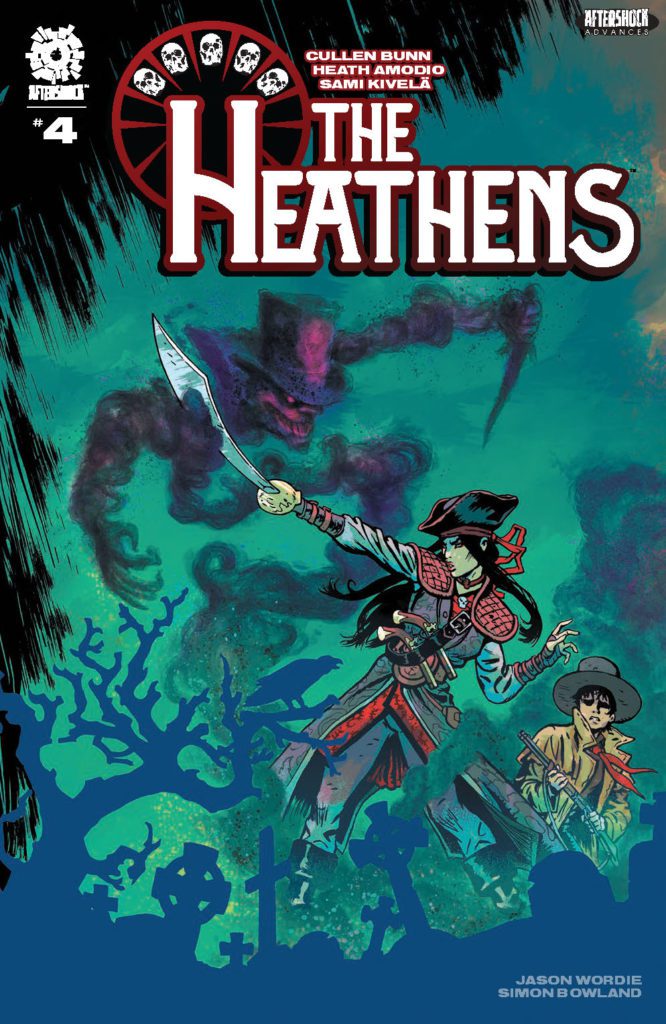
THE HEATHENS #4 hits your local comic book store February 23rd, but thanks to AfterShock Comics, Monkeys Fighting Robots has an exclusive four-page preview for you.
About the issue: Death is not the end for those that are already dead. How many Heathens remain, and will they be enough to take down the Ripper and their followers?
The comic is by writers Cullen Bunn & Heath Amodio and artist Sami Kivelä, with colors by Jason Wordie, and letters by Simon Bowland. The main cover is by Kivelä and Wordie.
Check out the THE HEATHENS #4 preview below:
Are you reading THE HEATHENS? Sound off in the comments below!
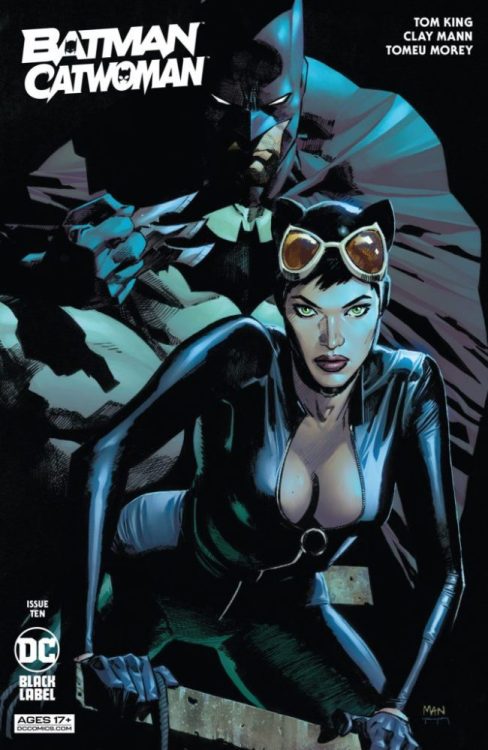
DC Comics’ Batman/Catwoman #10is pure chaos. All of the slow, intricate threads have lead to one big, messy ball of violence. Writer Tom King, returning artist Clay Mann, colorist Tomeu Morey, and letterer Clayton Cowles bring this series to a fever pitch. Anything can happen now.
Writing
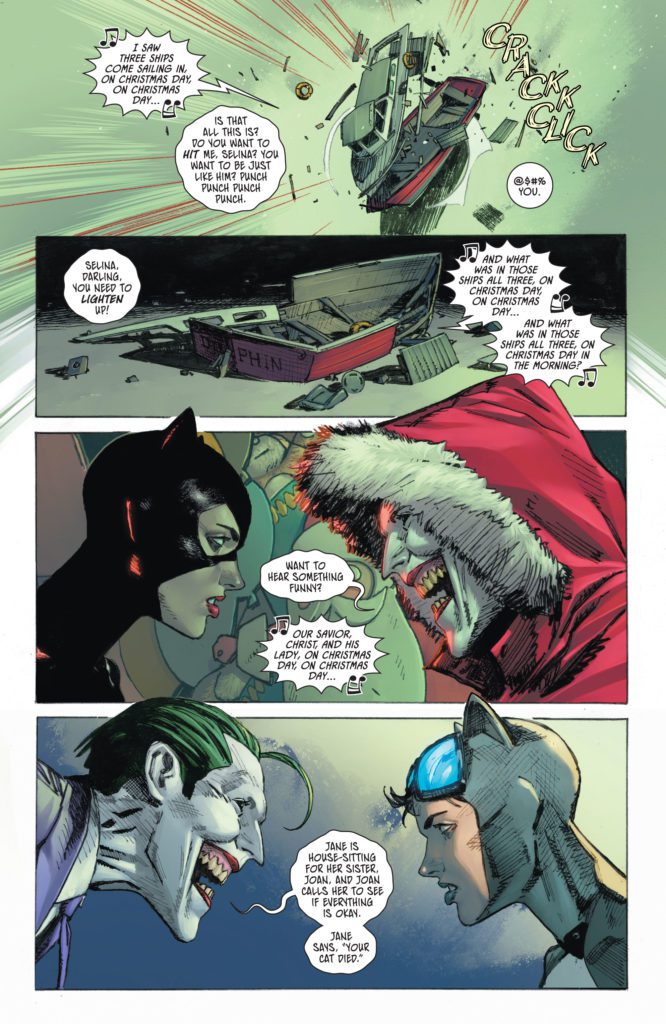
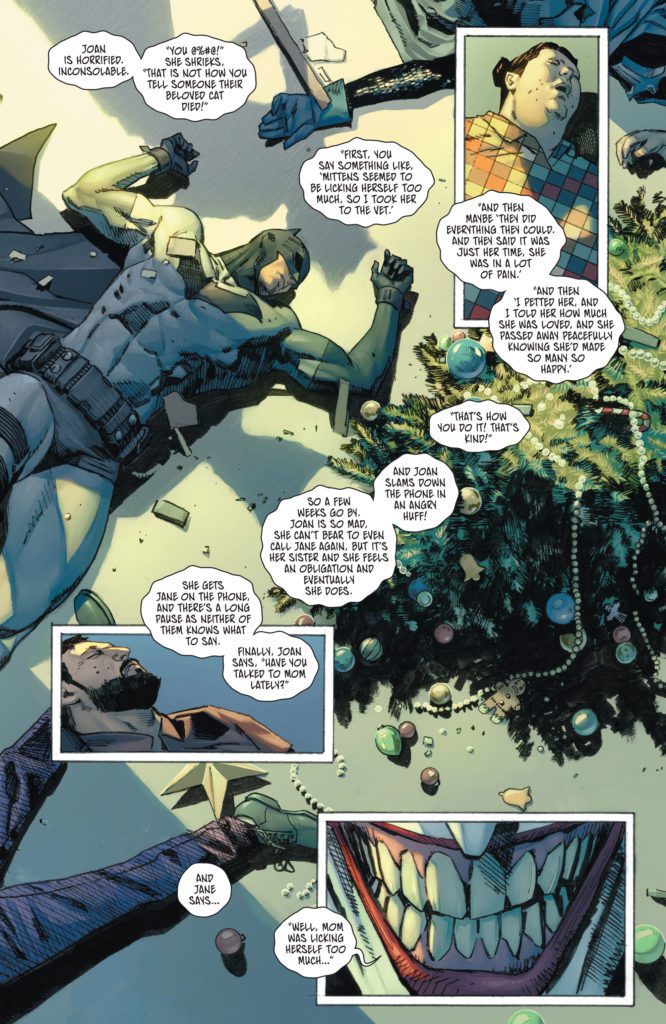
The timelines in King’s script, three threads set in different moments of Selina’s life, are more interrelated than ever. Often, King has a character ask a question in a scene. The scene cuts off, interrupted by another timeline where another character almost seems to be answering that same question. King uses this to make sure we’re paying attention. At one point, the end of one of Catwoman’s lines feels incredibly disturbing, until we see she’s talking to someone else in another time. Some of this script, however, does feel almost like a tantrum. Characters scream into each other’s faces, grasping at anything they can say that would be hurtful. It feels like a firehouse of information and dialogue being blasted across the page. Some lines hit hard, others just miss the mark. And after 27 pages of punching and yelling – something that’s entirely out of character for King to write – the stakes begin to slip away. This issue feels messy and a little unfinished. Though, with characters like these, it’s quite possible that that’s the whole point.
Art
Mann really emphasizes Selina’s power in this issue. With one important exception, Selina is either looking straight out at her opponent or looking down at them. She’s above them, they are powerless beneath her. She hunches over Joker, ready to rain fists down upon him. She even looks down her nose at her own daughter. But while this points to Selina’s power, it points to her own dysfunction too. She actually sees herself as above all of this. Mann often depicts her standing on one side of the page, arms crossed and looking unimpressed. When someone finally has the upper hand and towers over her, she looks up at them, furious and small. Mann tells us so much about who Selina is by what he shows us in her fights.
Coloring
Morey gives each scene, or timeline, its own specific coloring. One scene is cast in the light green glow of a toy shop, and later the red of the Christmas lights outside. Another scene is washed in the soft pink of the Iceberg Lounge’s neon sign. The third scene is colored in a gentle blue, set during a cold winter night. The red is interesting. It begins by creating a Christmasy feeling, matching the red of Joker’s Santa suit. But it quickly starts to feel more like the scene is characterized by bloody violence and fury. The pink has a similar effect, as Selina fights her daughter. In a way, the pink lights remind us that this is Selina’s little girl that she’s trying to beat up. But it’s the gentle blue color that’s the most interesting of all. As Selina fights the Joker, she’s getting nothing out of him. Her punching isn’t relieving any of her stress, his tormenting of her is met with matter-of-fact retorts. The scene, though actually violent, feels sterilized and unemotional. It’s just another day for these costumed hooligans in Gotham, and that’s exactly why Selina wants to break the cycle. It’s the normalcy of it that disturbs her the most.
Lettering
Cowles gives his sound effects so much character. The “SLASH” of nails slicing through the air is written in thin white letters that cut across the page. The “CRACKKCLICK” of a toy boat shattering against a wall is written in letters that look like they’re falling apart. When Joker is tossed onto a pile of display case Christmas presents, the “KRAANKKK” sound effect he makes is shown in big, hollow letters. It makes you feel like you can hear that the boxes are empty as Joker’s body hits them. Cowles is constantly coming up with new ways to make you hear this comic in your head. It’s fantastic.
DC Comics’ Batman/Catwoman has been slowly getting to its big climax for a while now. Issue #10 might just be it. While the script for this issue feels a little unrefined, it’s true to these characters. We’ll have to wait and see how much comes of this issue, and how much of the big picture we’re still missing. Pick up Batman/Catwoman #10, out now at a comic shop near you!
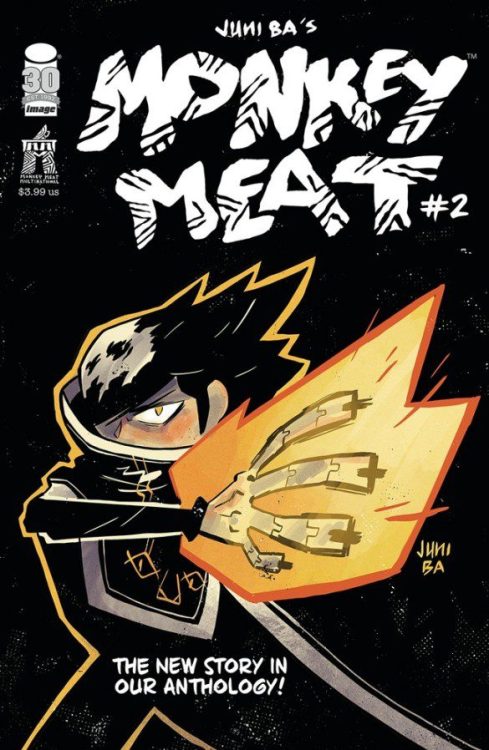
Comics in pop culture are unavoidably tied to the idea of “heroes.” The nature of heroism, whether one can truly be a “hero,” which hero could heroically pound another hero into the dirt… Power tends to go hand-in-hand with comics “heroism,” and Juni Ba’s Monkey Meat is a series focused on a corporation so powerful, it’s made a production line out of heaven itself. So how does the comic fantasy of righteous power fare in the face of absolute corporate greed? Well, not to give too much away. But not so well.
WRITING
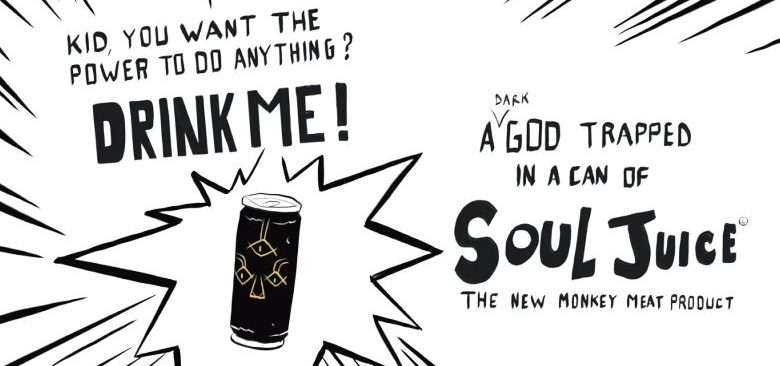
Continuing the anthology format of the first issue, Monkey Meat #2 focuses on a young nerd named Haricot, sent to Monkey Meat Island by his parents to try and find a job. Though after a violent run-in with two monkeys in sharp suits, revenge becomes his priority. The power he needs for that vengeance comes from a chance meeting with a god trapped in a soda can. One sip and he transforms into a twisted imitation of his favorite manga hero, a character styled after, of course, the Monkey King. Branding his drive for vengeance as a form of “justice,” Haricot begins his hunt for the ones who wronged him. All bringing him into conflict with a certain groundskeeper from the first issue…
That first issue of Monkey Meat focused on island inhabitant Thaddeus Lug making a deal with his people’s conquerors, inadvertently drawing him into a life of never-ending slaughter. Here, Ba uses newcomer Haricot as a critique of people who take a “monkey see, monkey do” attitude towards their favorite area of pop culture. Haricot feels frustrated with his lot in life, but lacks perspective, causing him to frame his mundane struggles as righteous struggles against evil. Thaddeus’ return helps drive this home, as Haricot’s frustration pales in comparison to Thaddeus’ never-ending torment.
This could all be fairly heavy, and in some ways, it is. But Ba keeps a solid sense of humor running through the issue, making it closer to the tone of a Tales from the Crypt-style cautionary tale than an out-and-out tragedy. When Haricot proudly declares himself a hero, a bystander in the background shouts “Nah, man. We hate u!” A twist in the last few pages involves a monkey dressed as Darth Vader. Ba is clearly having fun with this book, and it’s hard for the reader not to get swept along.
ART
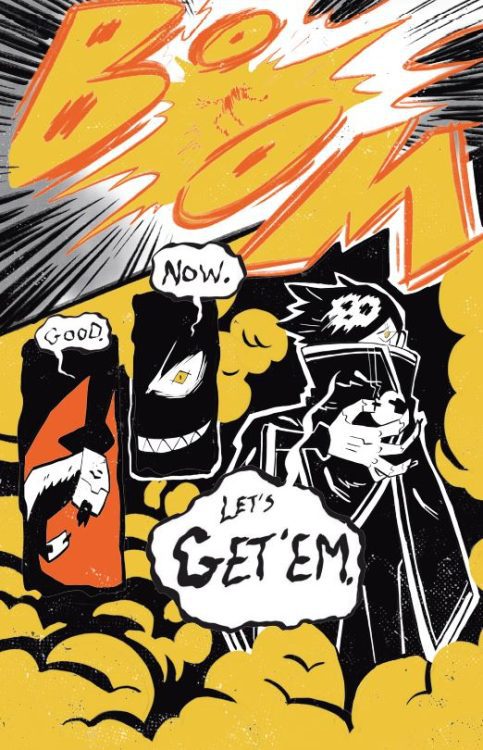
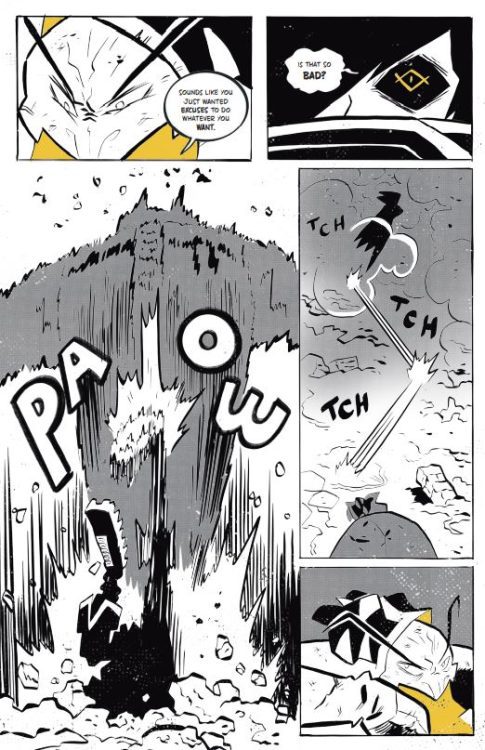
Juni Ba has a simple, expressive style well suited to showing the emotional tantrums of a teenager. Since Haricot idolizes a manga hero, this issue takes a different approach from the first by presenting itself in mostly black, white, and grey. But the god trapped in a soda can introduces a piercing yellow to the color scheme, and further supernatural events create more bright yellows and oranges. Beyond just being a manga reference, the black and white works as a way to show Haricot’s dreary everyday before he’s introduced to the excitement his superpowers bring him.
That excitement spills over into stylized fight scenes, as Ba goes wild with speedlines and hand-lettered sound effects that spill out from the point of impact. Hands glow with power, beams of energy crash, characters shatter the earth.
But the character who ultimately holds the power in this issue doesn’t resort to any of these shows of might. Ba just gives him a suit with an unearthly fade from white-to-black and a cool smirk.
VERDICT
Monkey Meat #2 continues its ruminations on power by showing how the misguided power-fantasies of a child can lead to something far more sinister. Seeing how connected the first two issues of the anthology have been, I’m curious to see if the further issues continue to build on one another. Wherever it goes, I’ll be excited to see Ba draw it.
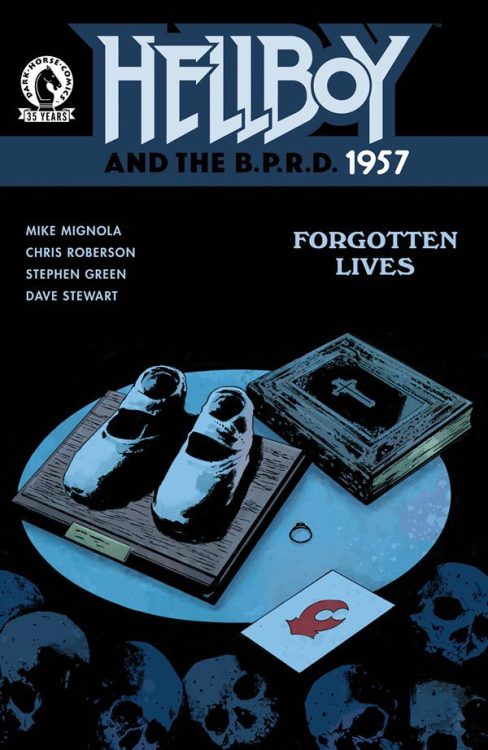
A lot of Hellboy one-shots don’t need much context. They’re a big red guy tromping through classic ghost tales or folklore. But for this comic? There’s a year in the title. Which sets it in a fairly specific point in Hellboy’s life, building on subplots Hellboy and the B.P.R.D. comics have had running for years. All built around a mystery that calls back to a one-page backup from an over decade-old comic. Newer readers can still have fun, but this one goes out to all the lore-heads.
WRITING
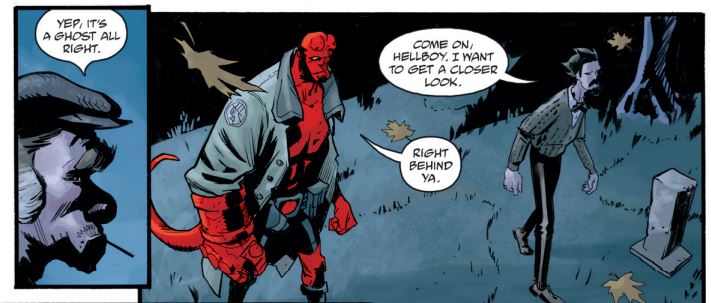
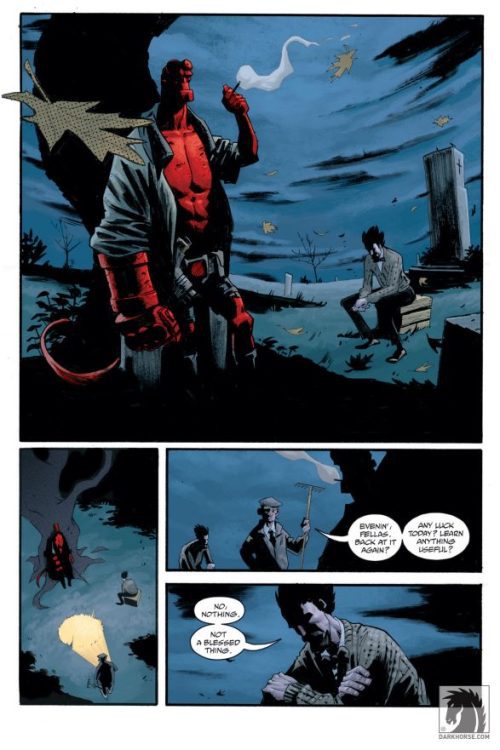
Mike Mignola and Chris Roberson keep their team-up going strong, focusing here on a fairly classic team for the comic itself – Hellboy and his surrogate father, Trevor Bruttenholm. The comic begins when Hellboy visits Bruttenholm at his Brooklyn office, hoping to reconnect in the face of Bruttenholm’s frequent absence from headquarters. Bruttenholm suggests they investigate a local haunting he’s been following as a hobby. And so, the two investigate the mystery at a leisurely pace, hoping to find the identity of a ghost haunting a mass pauper’s grave.
Each installment in the 1957 series of one-shots has focused on Hellboy’s relationship with a different member of the B.P.R.D., but the Hellboy/Trevor dynamic is both the comic’s longest running and most emotionally charged. Though the overwhelming feeling here is one of distance – both Hellboy and Trevor are dealing with recent loss they feel they can’t tell the other about. That the story’s core mystery concerns the forgotten dead weighs on both of them, coming through in moments of silence and frustrated aimlessness. But as the mystery continues, Hellboy starts to show more of his wonder and enthusiasm for his childhood heroes, while Bruttenholm remains a jaded adult.
It’s also worth mentioning that the story reveals Hellboy was present for what was previously a throwaway joke in a one-page backup story. It is in service of what’s ultimately a sweet story about wondering how we’ll be remembered when we’re gone, though one has to wonder if it was necessary to insert Hellboy into yet another minor part of the universe’s history. It makes the world feel smaller. Of course, this is the fate of many long-running universes – most readers are connected to the characters above all else. Background details can be about unnamed strangers, but stories are going to be about characters readers like. So tell a story about a previous background detail, and a beloved character will probably get involved. Tell enough, and the universe will start to shrink.
ART
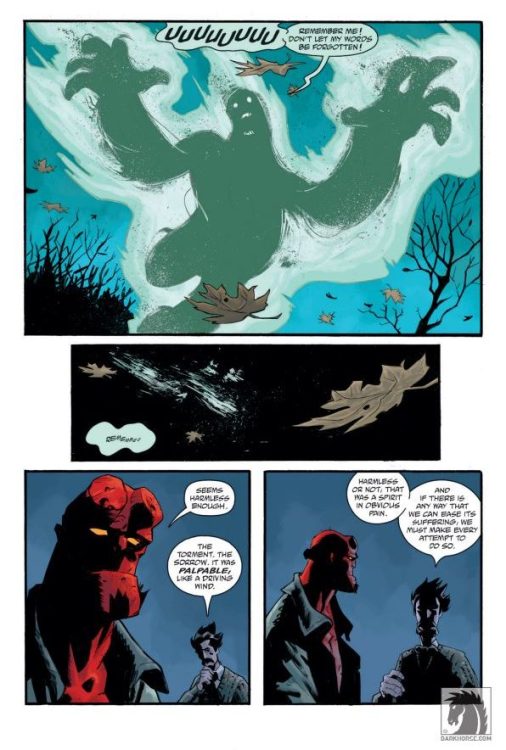
Stephen Green is on art duties, and pulls off the unenviable task of making an issue of mostly dialogue visually interesting. He always manages to make the characters feel lively, whether its young Hellboy reading a comic, jaw agape, or an auctioneer quietly adjusting his glasses. He draws a rugged, scarred Hellboy with wild sideburns. It’s a fun take, and works well for a Hellboy who’s been around the block but isn’t quite as world-weary as he will eventually become. He also does a good job when it comes time to draw the supernatural, as his ghost is a sketchy silhouette, smeared and speckled like it was made of ink.
As for Dave Stewart’s colors and Clem Robins’ lettering, both are Mignolaverse regulars who maintain their high standards. In the page above, you can see how the sky briefly turns electric blue to compliment the unearthly green of the ghost, the letters trailing away as it fades into darkness. Both creators have been integral to keeping the feel of the Mignolaverse titles, which is incredibly important for a universe that puts mood front and center.
VERDICT
Hellboy and the B.P.R.D.: 1957-Forgotten Lives helps the reader get a feeling for where Hellboy and Bruttenholm are at following the events of 1956. The ghost at the core of the narrative gives them a chance to reflect on recent losses, both acting as a sort of recap and stage-setting for whatever stories come next. It’s a chance to check in with the characters before the next big Hellboy and the B.P.R.D. plot starts up. Though I’m glad we’ll be getting a few more one-shots first – I’m always happy to spend a bit more time with these characters.
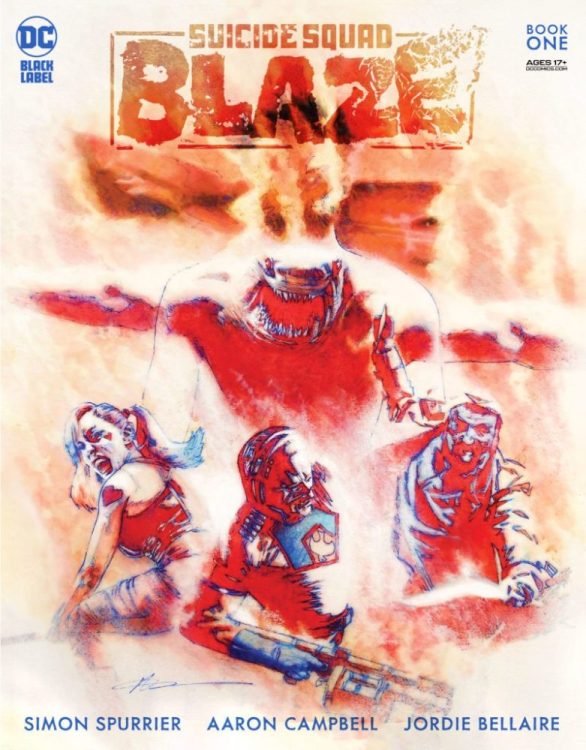
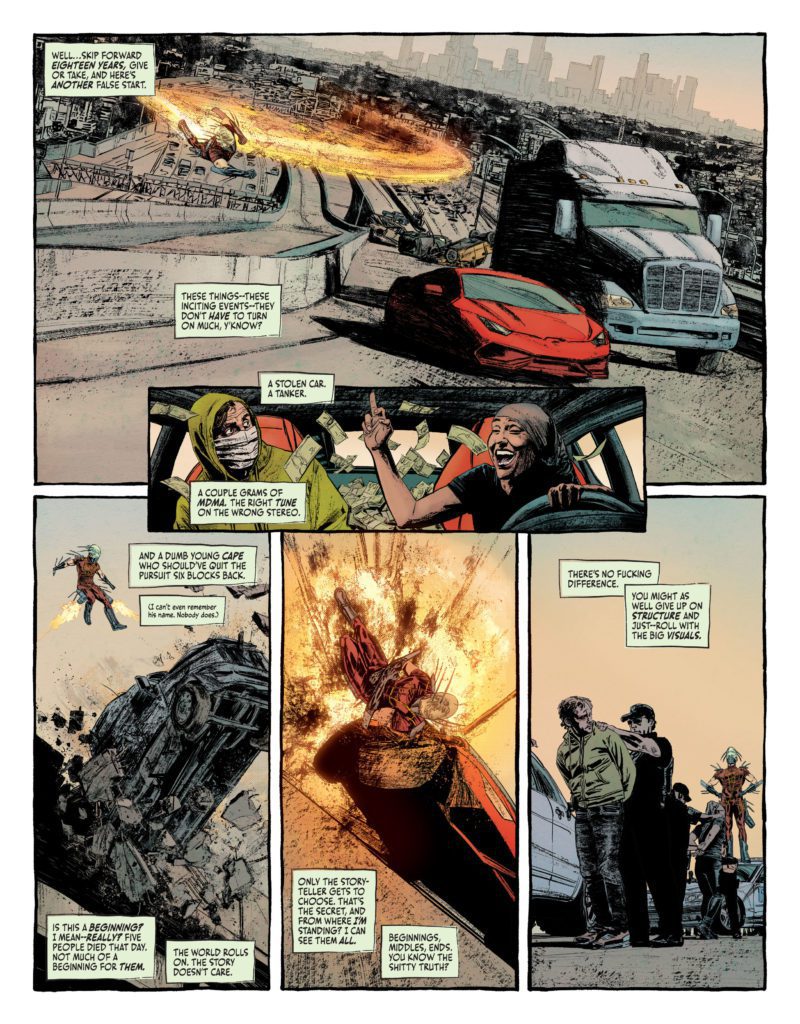
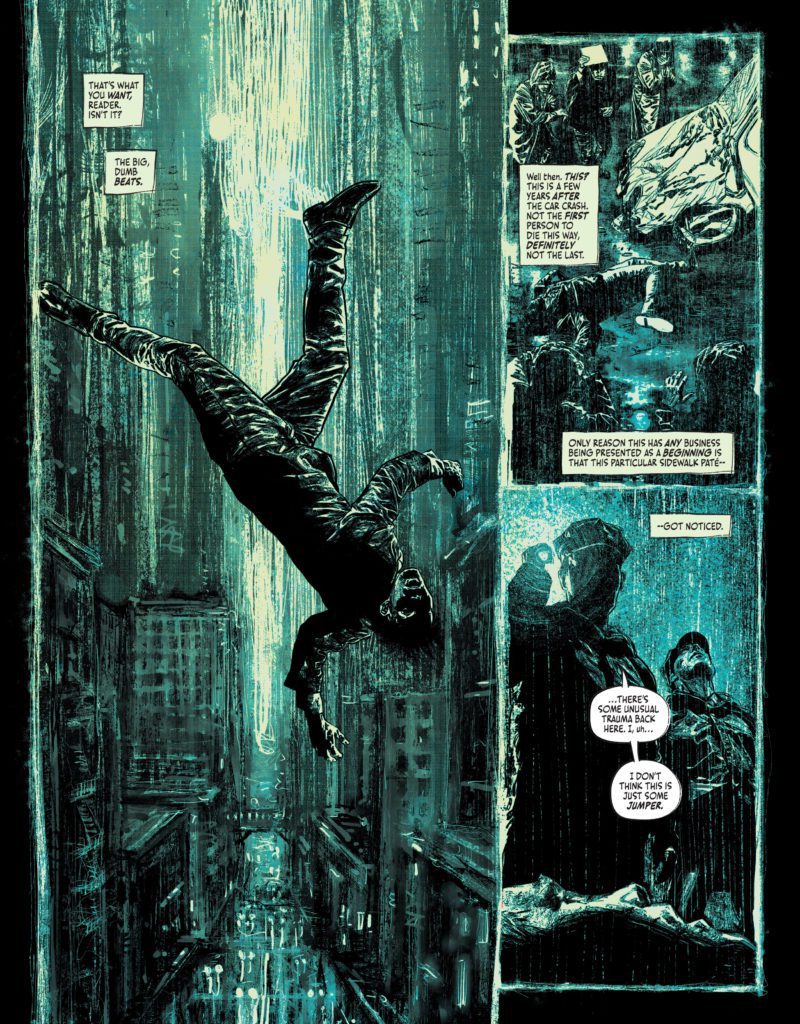
Suicide Squad: Blaze #1 starts by contemplating where a story should begin. The narrator, with a proverbial finger flipped to the reader, eventually gives up trying to figure out where to start and just begins giving us what we want: “The big, dumb beats.” Suicide Squad: Blaze #1 is a comic that plays by no one’s rules. It turns its nose up at being defined or picked apart. Writer Simon Spurrier, artist Aaron Campbell, colorist Jordie Bellaire, and letterer Aditya Bidikar have created a story that’s as wild, rebellious, and aggressive as its characters.
About Suicide Squad: Blaze (from DC Comics):
The attacks begin without warning. Brutal, sudden…cannibalistic. A metahuman with all the power of Superman but none of his humanity. An unstoppable being ruled only by hunger and instinct, striking at random across the world. To stop this threat, Harley Quinn, Peacemaker, Captain Boomerang, and King Shark have been assigned to corral, nursemaid, and if necessary execute five deadly new recruits: the expendable products of a secret government procedure called BLAZE. They’re ordinary prisoners, endowed with incredible power… and the certain knowledge that it’ll burn through them like wildfire. They have six months to live, maximum.
Writing
Spurrier’s tone is irreverent and aggressive. He’s hostile towards the reader, almost mocking them for picking up the comic in the first place. He skips through to the important bits, narrating about his impatience for the story to get going. Of course, this is all actually done through the voice of Spurrier’s main character, Michael Van Zandt. But it’s a brilliant reverse psychology that pulls the reader in. And while there’s plenty of aggression to be felt from Van Zandt and some of the other characters, there are little moments of levity and humor that happen on the sidelines too. Like when King Shark puts his hands over his nose at the smell of blood, quietly telling himself to keep it together. Spurrier creates an overall mood for this issue, for sure – this reads like a comic that’s been backed into a corner and is swinging at anyone who gets close – but he also shows incredible range with his characters. From the psychotic to the well-meaning. From the suicidal to the homesick. There’s so much to love and fear in each of them.
Art
I could talk for days about Campbell’s incredible art. You can smell his grimy prison cells, feel the texture of the desert sands on your fingertips, and taste the rain in the air of his gloomy Gotham nights. His characters feel layered. At first glance, many of them often look emotionless. Yet, behind their eyes is a deep-seated hatred that still shines through. These are characters who have their walls up. And Campbell’s art doesn’t stop inside the panels. He makes an art of his page layouts too. The panel borders for much of this comic have a slightly uneven border to them, looking like they were actually drawn on with a black pen. One page, depicting a rainy night, actually uses the rain to create the edges of each panel. Campbell’s art feels like it’s barely contained, bursting at the seams and trying to get out.
Coloring
A big part of this story is about the destructive nature of power. Power itself is often shown in a brilliant green that crackles across the page. When the main characters have powers bestowed upon them, the room is cast in a green light. And then three of those characters awake with powers that manifest in dazzling lime colored energy clouds. But even before the characters have their new gifts, there are pages that have a sickly green hue to them. These pages almost look as though they’re beginning to rot, like gangrene is setting in. Bellaire seems to be saying that even the promise of power corrupts. Her pages are stunning and disturbing all at once. Moments of extreme violence are rendered in a breathtaking mélange of colors, looking more like a painting by Cezanne than a comic book page. Bellaire is the perfect fit for a comic that’s finding beauty in the most unlikely places.
Lettering
Bidikar gives Van Zandt’s narration of events a really natural feel. When Van Zandt is saying something that’s beside the point, or something he doesn’t really care for the reader to notice, Bidikar writes in small, lower case lettering. You can hear it like Van Zandt is saying it under his breath. Bidikar’s sound effects are shown in a scratchy, thin lettering across every page. It matches the feel of the book perfectly. One “SKOOSH” noise in particular, the sound of someone’s head getting caved in by a mallet, looks like it’s being formed by the blood in the scene. Bidikar brings even more flavor and fun to every scene.
DC Comics’ Suicide Squad: Blaze #1 is a no-holds-barred, brutal, brilliant issue. This creative team will disturb you and delight you in equal measure. You don’t want to miss this raucous, wild new series – even if it has you reading it from between your fingers as you try and cover your eyes. Pick up Suicide Squad: Blaze #1 at a comic shop near you!
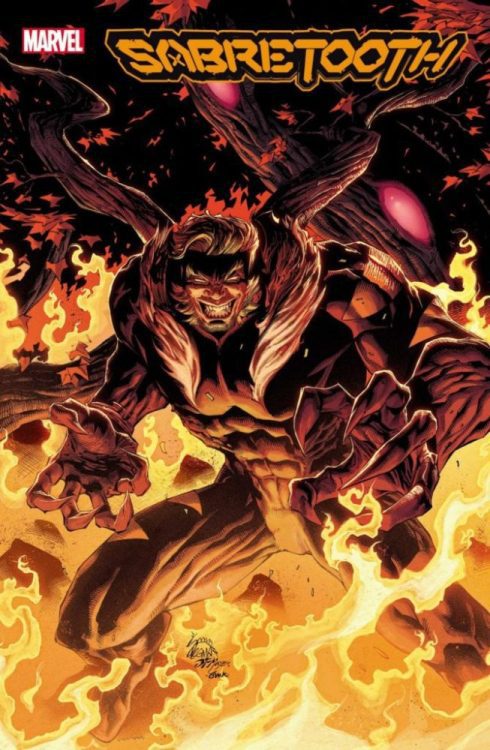
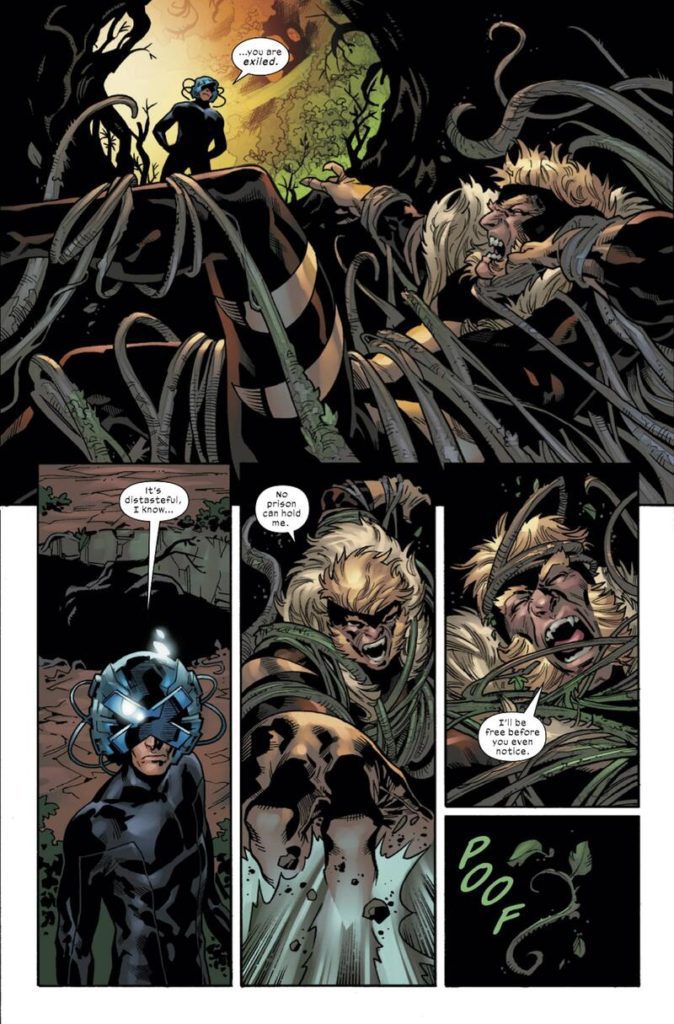
Sabertooth #1 answers one of the most pressing questions in the X-Men books since Jonathan Hickman ushered in a new era for the mutants; What happened to Sabertooth? Victor LaValle is not only going to show us what Sabertooth has been up to, but he’s also going to show us that he’s as vicious as he’s ever been. Joined on the issue by Leonard Kirk on pencils, Rain Beredo on colors, and Cory Petit on letters, we are allowed to see what happens to the mutants that break the laws of Krakoa.
WRITING
LaValle had an exciting decision in front of him for a book like this. He had to decide how he wanted to write Sabertooth. At times, the character appeared as an anti-hero who would work with other mutants, or he was a ruthless killer who did whatever he wanted. LaValle chose the latter. This is a psychological book that focuses on the mind of Sabertooth. From the get-go, LaValle allows us to see that Sabertooth has no remorse for what he did in House of X, he killed civilians while on a mission, and he has no intention to change. This is made clear by him attacking fellow mutants the first chance he gets. LaValle writes Victor like the true creep that he is. While meeting with representatives from Krakoa, all Sabertooth wants to do is murder them. Sabertooth not only wants to kill everyone, but he also wants to kill them gruesomely, and in that sense, LaValle nails down who Sabertooth really is. LaValle takes us through the inner workings of Sabertooth’s mind and shows us how disturbed of a character he really is. Whether it’s ripping off fellow mutants’ faces or beheading people who wish to help, there is no redemption in sight for Victor Creed.
ART
Kirk has his number called as he does the pencils for this issue. Kirk has the difficult task of drawing all these vicious panels of beloved characters getting murdered. On top of that, he also has to draw a visually appealing issue that won’t ruffle feathers as these characters die. Kirk shines most on this issue when drawing these deadly panels. X-Men dying is not that big of a deal at the moment, but them dying this violently is something that rarely happens. Having a beloved character getting their throat bitten out by the story’s main character is a tall task, but Kirk pulls it off with his stylish line work and clean pencils. Kirk can draw both the feral side of Sabertooth as he murders all his enemies and the calmer, emotional side of the character as he accepts his final fate in the pit. This duality highlights the complexity of a character like Sabertooth and Kirk’s talent as an artist drawing both emotions.
The colors by Beredo are integral to the issue, if for no other reason than to color all the various superhero blood everywhere. In all seriousness, Beredo had a challenging task at hand; coloring a maniac murdering for half the issue is a difficult task. Decapitated characters with blood splashing all over the page, blood on X-Men’s faces mixed with a dark background and of course, the ever difficult Warlock. Many of the backgrounds are light for such a dark story, especially when Beredo is lighting up the page with a Cyclops optic blast. This is a violent and gross issue to color, but Beredo does a fantastic job of keeping readers invested in the work on the page. Beredo’s colors add life to this book, whether it’s blood-splattered or an emotional epiphany for Sabertooth.
Petit is on letter duty, and he also had a difficult job. As characters get their faces ripped off, we see “Shhhrrrrppp.” In a comic book, we can hear that noise in our head as we read the issue. Petit also gives us the infamous “Bamf” sound from nightcrawler. You may smell a little brimstone as you read that on the page as well.
CONCLUSION
Sabertooth #1 picks up right where we last saw the villain, in the Krakoan pit. This issue gives us insight into what Sabertooth has been doing with his time and why he still deserves to be locked up. Sabertooth #1 is on sale at a comic shop near you!
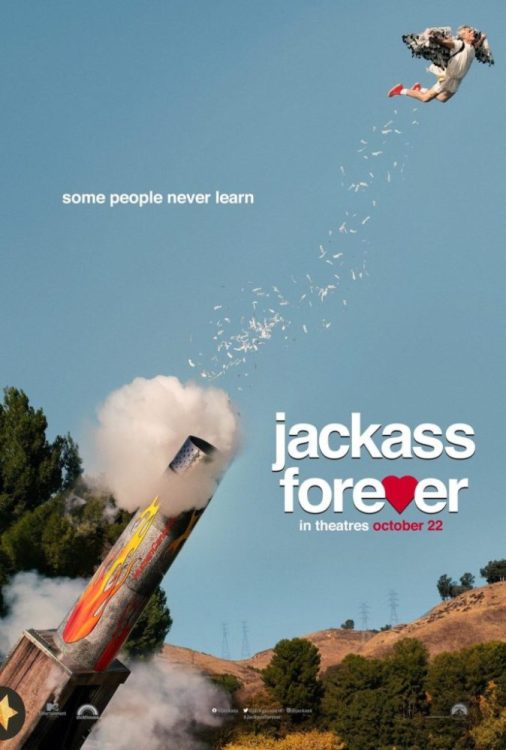
Jackass Forever revives the death-defying franchise for a new generation and those who grew up with the MTV series. The film’s ridiculous stunts line up with the gags pulled in the past, but this reunion with old friends is highly thrilling. Jackass Forever will make you laugh and squirm while the insanity unfolds. This is a satisfying return that should be experienced with an audience.
This franchise probably shouldn’t exist, but Jackass was Youtube before it even existed for those that grew with the MTV series. It provided a compilation of nonsense and risky stunts before they were easily accessible through a search bar. Jackass Forever arrives at a time where penis stunts and several bonkers gags can be found online at any point. This doesn’t take away from the antics pulled in Jackass Forever, but it does make the experience nostalgic.
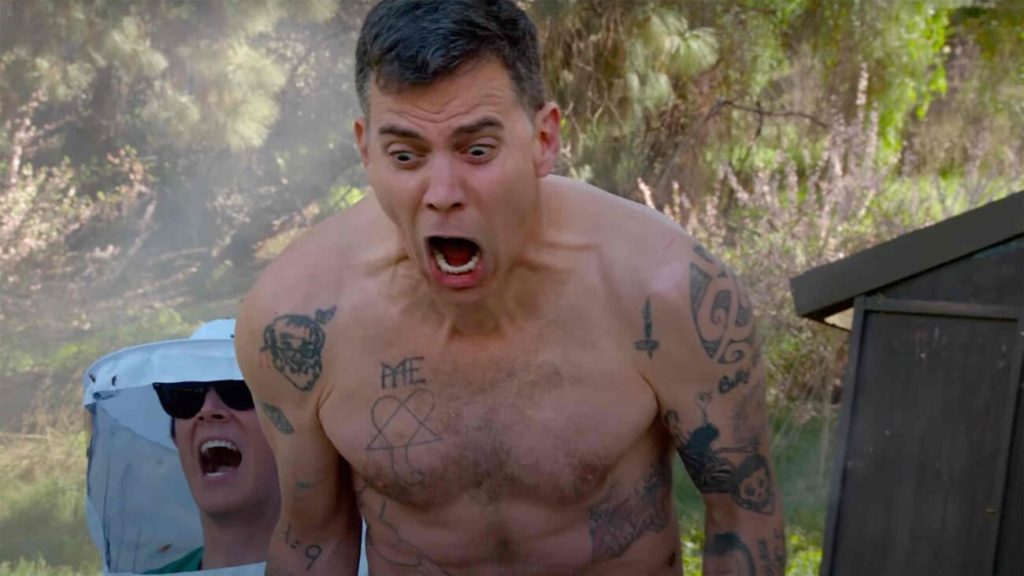
Jeff Tremaine returns to direct Jackass Forever which features many familiar faces including Johnny Knoxville, Wee Man, Steve-O, Ehren McGhehey, and other surprise guests. No one should expect a traditional film here, but expect a long compilation of outlandish stunts that will cause endless eruptions of laughter. One, in particular, involves bees in a spot they don’t belong and this sequence grows increasingly disturbing as it progresses. There are some familiar gags found in Jackass Forever, so that is one of the film’s weaker aspects.
Knoxville and his crew deliver the painful yet hilarious gags audiences expect and one involving a heavyweight fighter will stick with you. McGhehey is MVP due to the amount of excruciating pain he endures. It’s all for the sake of my entertainment though, and I laughed more than I expected. Jackass Forever waste no time getting to the penis jokes during its opening act, which was insane to witness and Godzilla will never be the same.
Arriving over a decade after Jackass 3D, this fourth entry doesn’t disappoint but it would have been nice to see some other old faces return. Jackass is the only franchise I can recall using horse semen for comedic purposes, and the semen jokes are taken to the next level in Jackass Forever. While the humor is consistent, certain bits had me wincing and cringing, but this wasn’t in a negative manner.
There are just moments that you can’t believe these guys still put themselves through this for our entertainment. The amount of dedication to being ridiculous for comedic purposes shouldn’t be overlooked. Jackass Forever is dumb fun done correctly, as it doesn’t take itself seriously, and doesn’t expect you to either. There undoubtedly is a lot of unused footage that will be revealed on Jackass 4.5 because that has been the trend in the past.
Jackass Forever has earned the right to be called my second favorite theatrical experience of the year so far. A fun trip down memory lane that doesn’t need to accomplish much besides making you burst into uncontrollable laughter. Even if you aren’t a fan of Jackass this latest entry could send you back in time to revisit the previous entries. I’m not sure how much longer Knoxville and his crew can keep this up, but nostalgia never gets old when it’s done right.
Jackass Forever is the most fun you’ll have laughing in a crowded theater this year. It’s ridiculously immature, but that’s what you will be here to witness and it’s enjoyable from start to finish. The familiarity of it all combined with the callbacks kept me smiling in between all the laughter. Jackass Forever was a delightful return with old friends who still want to have the most bonkers fun possible.