Home Blog Page 448

Review: BLACK MIRROR SEASON 5 – An Uninspired Entry to the Series

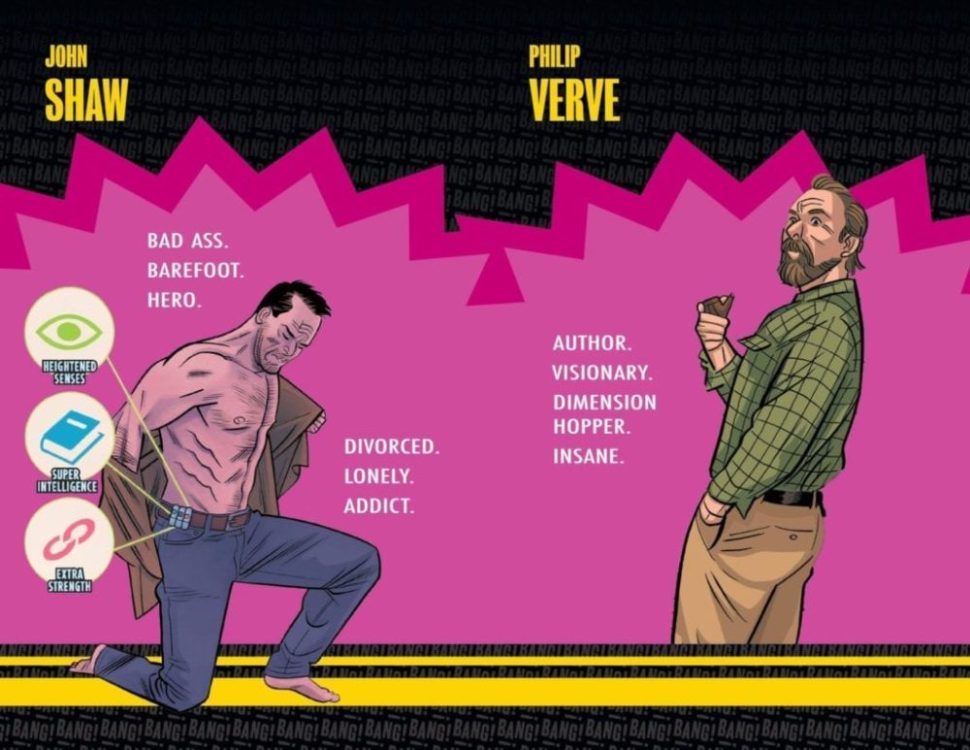
Exclusive Dark Horse Preview: BANG! #1

Black Mirror is one of the jewels in Netflix’s crown, attaching big name actors and directors to the anthology. Due to the complex production of Black Mirror: Bandersnatch the fifth season had a shorter run of three episodes instead of the usual six for Netflix. Sadly the fifth season is the most forgettable out of the seasons of the show.

“Striking Vipers”

“Striking Vipers” opens the season, following an illicit relationship in the virtual world. Anthony Mackie stars as Danny, a middle-aged man trying to have a baby with his wife (Nicole Beharie). Danny is given a new VR video game from his old roommate, Karl (Yahya Abdul-Mateen II) and their play time quickly turns from fighting to fucking.

Charlie Brooker is an enthusiastic gamer and with “Striking Vipers” he is taping into the past and future of video games. Brooker stated that this episode was influenced by his experience playing Tekken with his flatmates in the ’90s, the character designs and move set in “Striking Vipers” were similar to Street Fighter, and even the title of the game is similar to Fighting Vipers. As someone who grew up on ’90s fighting games these references were appreciated. Although I find it hard to believe that a VR fighting game could be turned into a sex simulation, at least not without some hacking of the software.

“Striking Vipers” is really a story about two male friends who enter into an affair. The game world allows for characters to meet up without even leaving their home. They could fulfill their wildest fantasies but it was underdeveloped. The relationships were also underdeveloped – there was no great exploration as what drives people to be closeted or why they can act differently online. The episode even missed a trick because it focused on Danny when it would have been more interesting to look at Karl who was a woman in the virtual world.

“Striking Vipers” is a disappointment, wasting its ideas. The episode had little to say about technology or the human condition.

It will be amusing for superhero fans to see Falcon, Mantis, and Black Mantra in the same episode.

“Smithereens”

“Smithereens” is the first contemporary set episode since “Shut Up and Down.” Brooker felt that Black Mirror moved too far into the sci-fi genre and wanted to make at least one episode that looks at the impact of social media.

Chris (Andrew Scott) is an Uber driver in London whose fiancé died 18 months prior. After a one night stand with another grief sufferer he decides to take action against the social media giant Smithereen (basically Twitter.) He plans to kidnap an employee and threatens to kill him if Chris doesn’t get to speak to the company’s CEO.

“Smithereens” is a standard plot for a thriller which has added social commentary about the tech age we live in. Most of the episode takes place in a field where Chris is surrounded by armed police, leading to a tense standoff between Chris and the police whilst Smithereen employees in California try to find out what Chris really wants. Smithereen ends up being the ones who find out about Chris because they have access to all his social media posts and are able to hack into Chris’ phone. It shows how easily personal information can be accessed and uses revelations by Edward Snowden as a part of the plot (i.e. hacking into phones so they can be used as bugging devices.)

“Smithereens” is one of the more human Black Mirror stories. Chris is a man of the edge and Brooker avoids the typical route of making out Smithereens to be a heartless corporation who only care about their profits. The people at the company are human beings who don’t want someone to get hurt, not even a lowly intern.

The episode needed to have great performances. “Smithereens” was lucky to have Andrew Scott who gives a strong, tortured performance as a smart man but quick to anger due to his delicate mental state. Scott has proven himself to be a talented actor in previous roles and he’s allowed to use his natural Irish accent.

It is a refreshing change of pace to have an episode that’s more grounded.

“Rachel, Jack and Ashley Too”

“Rachel, Jack and Ashley Too” will easily be one of the most divisive Black Mirror episodes with its 6.0 IMDB score reflecting this.

Rachel (Angourie Rice) is a lonely and awkward teenager and a huge fan of pop star Ashley O (Miley Cyrus.) Ashley O releases an interactive doll that’s a cross between Amazon’s Alexa and a Funko Pop doll. When Rachel gets an Ashley Too doll for her birthday she treats it as a friend, leading to her older sister, Jack (Madison Davenport), to worry. At the same time Ashley O life struggles creatively and is dominated by her aunt/manager (Susan Pourfar.)

The first half of “Rachel, Jack, and Ashley Too” is typical fare for Black Mirror where a new technology is released and someone becomes obsessed with it or it has a negative impact. This was done in “Be Right Back” and “Arkangel” and has the added dimension of focusing on a teenage girl. It easily draws on ideas that children and teens are too dependent on technology for socialization and validation.

As well as being a story about technology “Rachel, Jack and Ashley Too” is a story about siblings and this is where the episode was really relatable. Rachel and Jack are chalk-and-cheese, Jack is a moody rocker who scoffs at her younger sister’s tastes and often makes fun of her. But deep down Jack does care, from telling their dad when Rachel’s birthday is, to trying to protect Rachel from a negative influence. Anyone who has brothers or sisters could easily relate to their story.

Ashley O’s story is nothing out of the ordinary where a young pop star personal life is hell. Ashley O is forced to sing music she has outgrown and controlled by her handlers. The most interesting part of this story was it acted as a meta-commentary about Miley Cyrus’ career. She started out as a teen singer who wanted to break away from her Disney image when she got older. It did lead to the question of how the stories would connect.

When the stories do merge the episode turns into an outright comedy and this is where the point of contention arises. Cyrus was clearly having fun voicing Ashley Too who was allowed to swear like a sailor and the narrative turns from a slow boil to a fast-paced heist. It was tonally inconsistent but the humor make a change of pace from the usually depressing show and Cyrus was funny in her role.

“Rachel, Jack, and Ashley Too” had a lot of interesting ideas and the three leads gave strong performances. Rice was particularly impressive as the awkward teen and shows why her star is rising. The episode did need a bit of refining, especially for the final act where Brooker wanted to get to the end quickly.

Conclusion

Season 5 is sadly the weakest Black Mirror season so far in its consistency. The quality of the acting and the special effects were still of the same high standard and there are worst episodes as individual pieces. But this season has a rushed quality to the writing: the philosophical and social ideas and character development were not as rich as in the previous seasons.
Monkeys Fighting Robots Youtube

Marvel Comics Exclusive Preview: STAR WARS AGE OF REBELLION DARTH VADER #1

Monkeys Fighting Robots

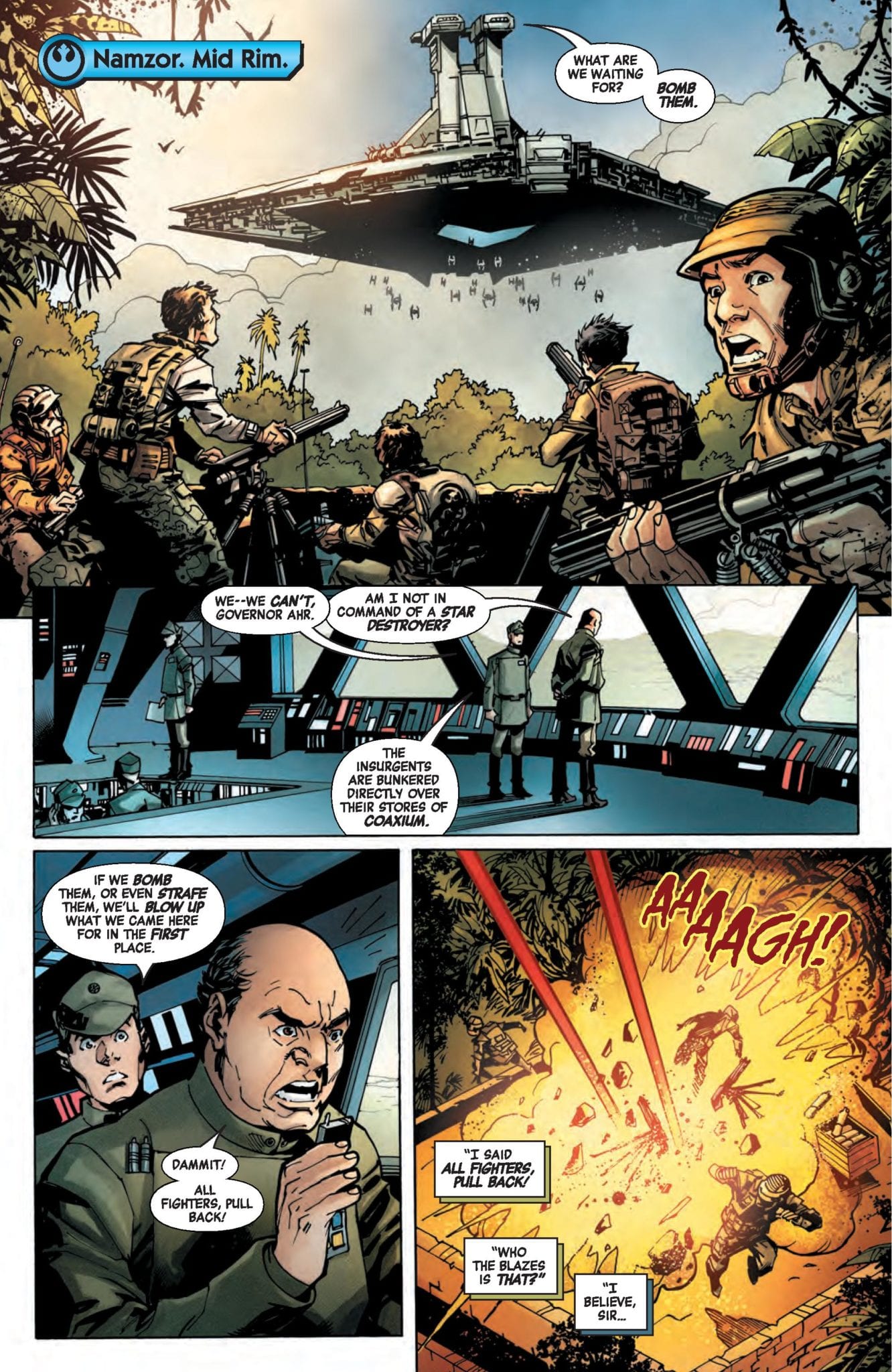
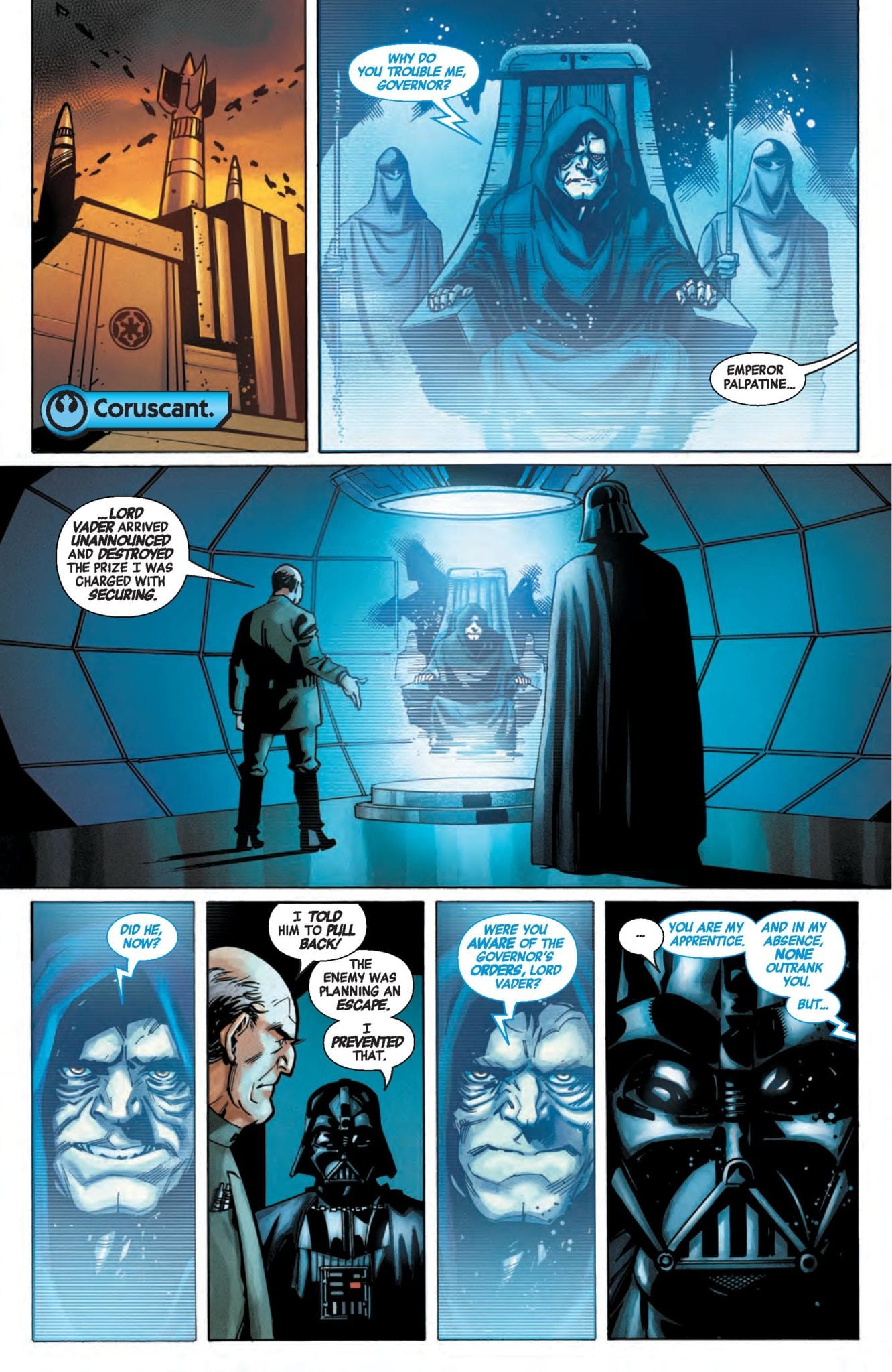
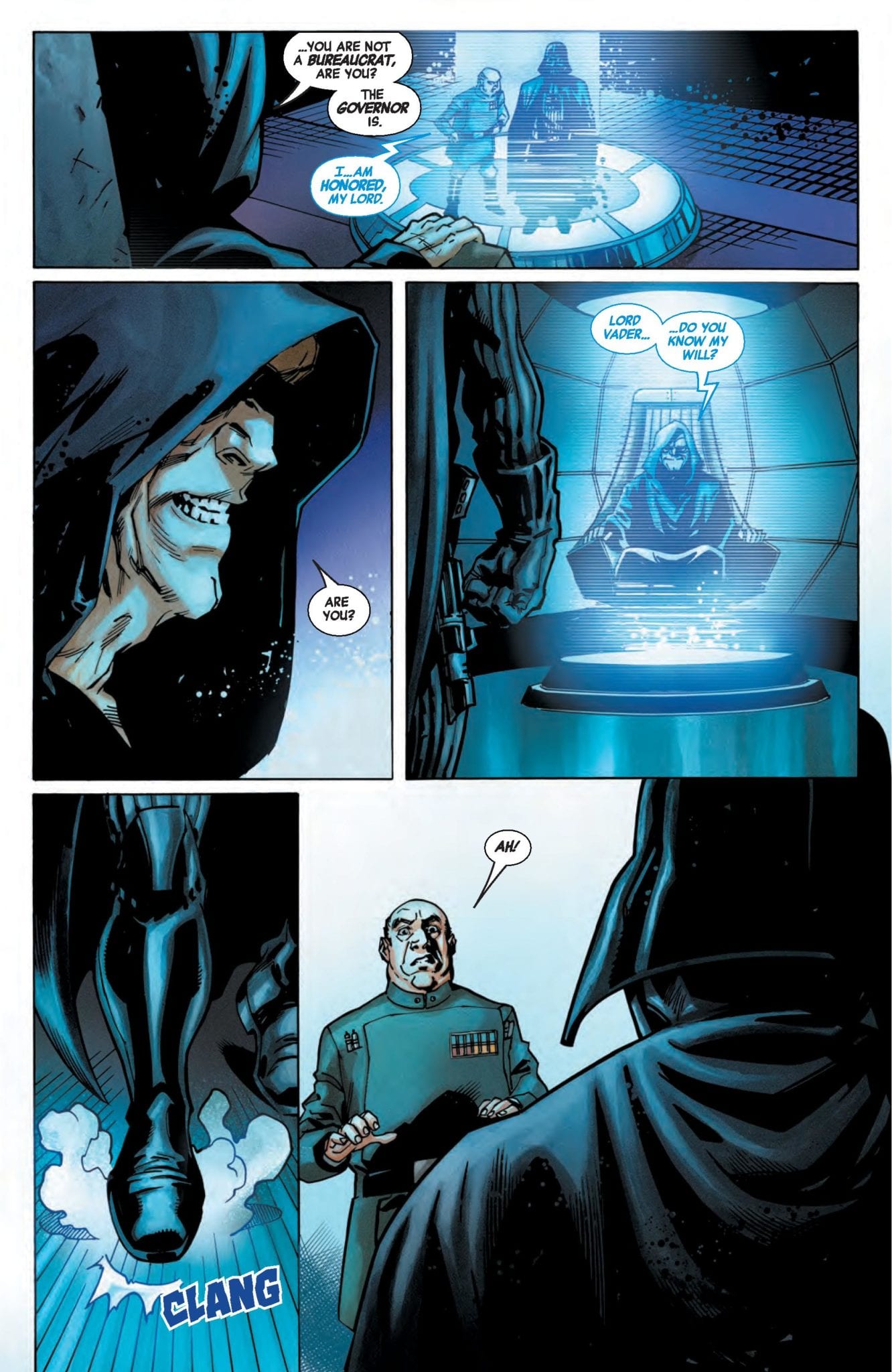
Star Wars Age Of Rebellion Darth Vader #1 hits your local comic books store on June 26, but thanks to Marvel Comics, Monkeys Fighting Robots has an exclusive five-page preview of the issue to share with you.

Star Wars Age Of Rebellion Darth Vader #1 is written by Greg Pak, with art by Ramón Bachs, colors by Stéphane Paitreau, Travis Lanham’s letters, and Terry and Rachel Dodson worked on the cover.

About the issue:
YOUR HUMBLE SERVANT VADER!
DARTH VADER may be the most feared man in the galaxy. But to the proud Grand Moffs of THE EMPIRE, he’s just the Emperor’s apprentice – below them in the hierarchy. But what fury burns in the heart of a SITH with such overwhelming rage when a mere Moff dares command him? And at what point does Darth Vader show them his true power?

Take your first look Star Wars Age Of Rebellion Darth Vader #1:

Marvel Comics Exclusive Preview: STAR WARS AGE OF REBELLION DARTH VADER #1

Marvel Comics Exclusive Preview: STAR WARS AGE OF REBELLION DARTH VADER #1

Marvel Comics Exclusive Preview: STAR WARS AGE OF REBELLION DARTH VADER #1

Marvel Comics Exclusive Preview: STAR WARS AGE OF REBELLION DARTH VADER #1

Marvel Comics Exclusive Preview: STAR WARS AGE OF REBELLION DARTH VADER #1


What do you think of Pak’s take on Darth Vader? Comment below with your thoughts.

Monkeys Fighting Robots Youtube

Marvel Comics Exclusive Preview: FANTASTIC FOUR #11

Monkeys Fighting Robots

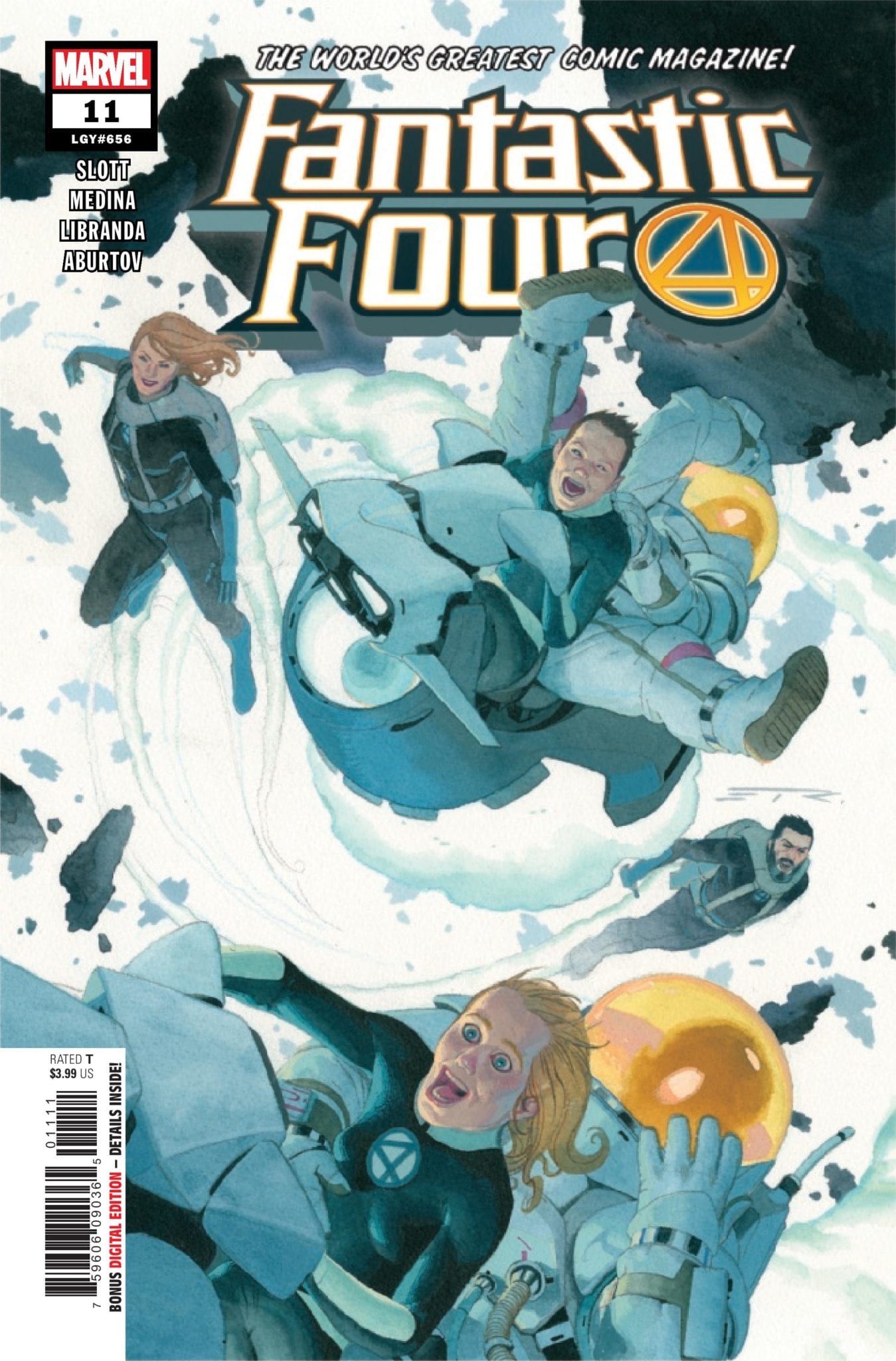
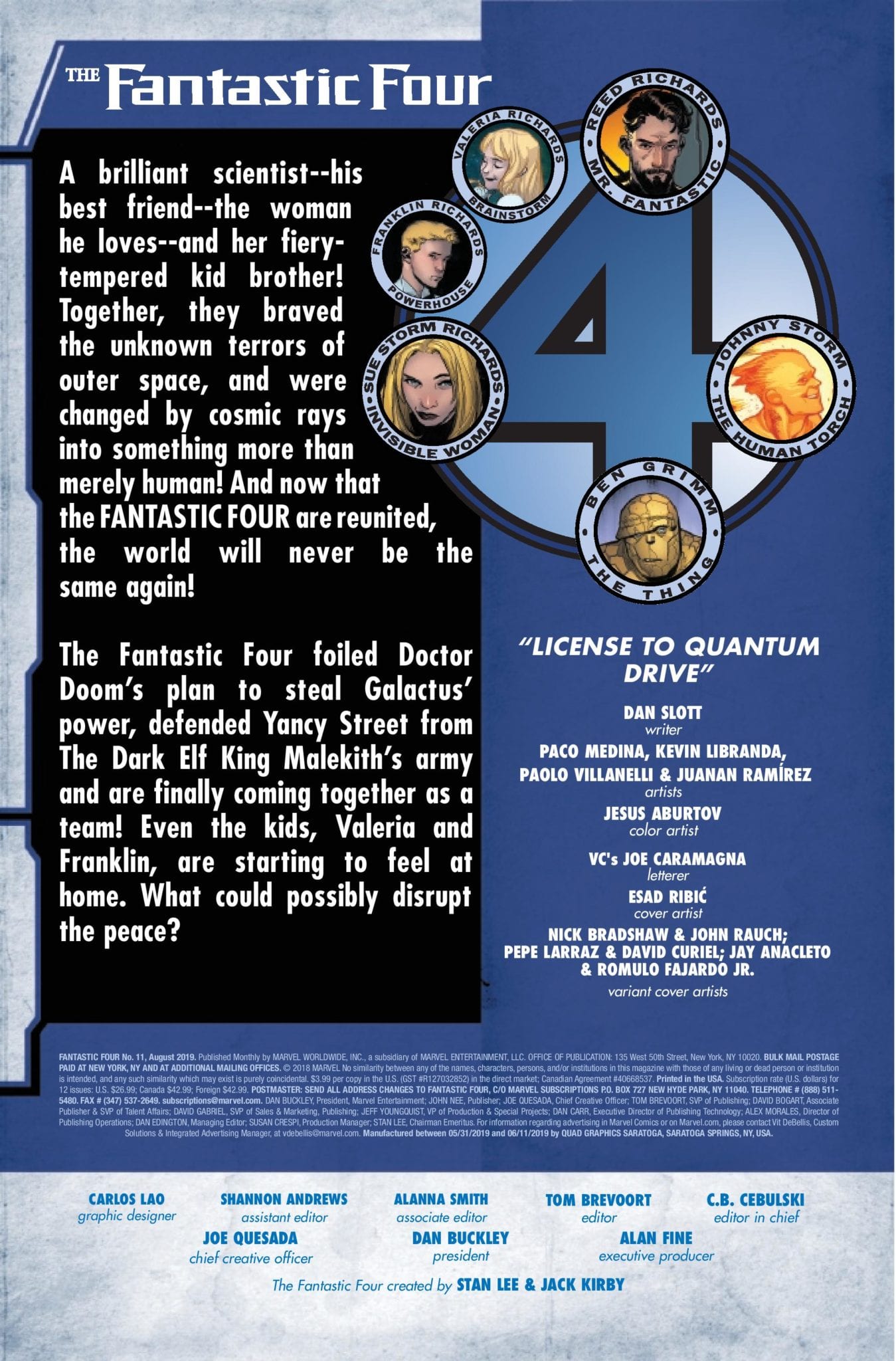
Fantastic Four #11 hits your local comic books store on June 26, but thanks to Marvel Comics, Monkeys Fighting Robots has an exclusive five-page preview of the issue to share with you.

Fantastic Four #11 is written by Dan Slott, with art by Paco Medina, Kevin Libranda, Paolo Villanelli, and Juanan Ramírez. Jesus Aburtov is the cover artist on the book, with Joe Caramagna’s letters, and Esad Ribic worked on the cover.

About the issue:
LICENSE TO QUANTUM DRIVE!
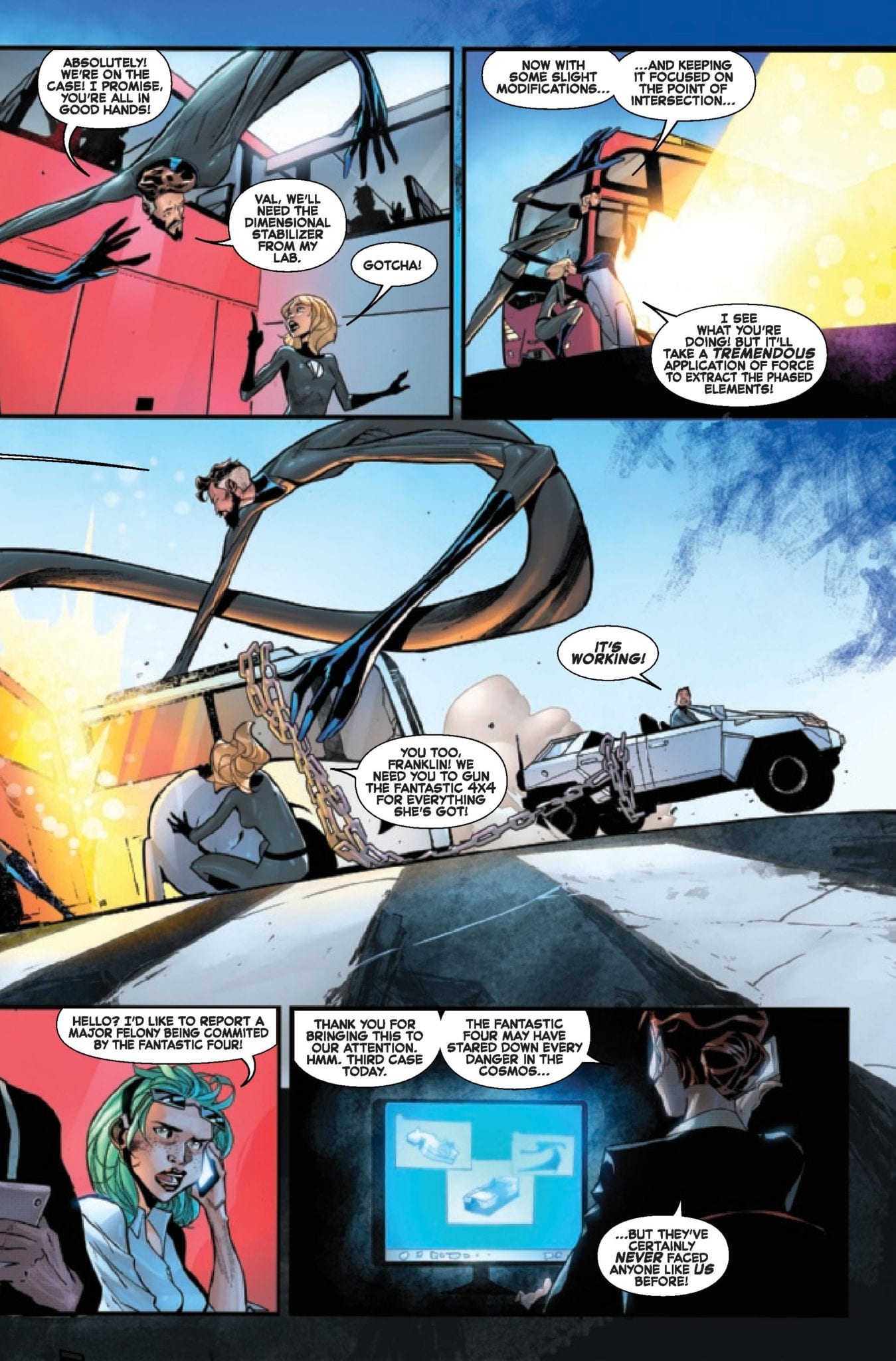
Franklin and Valeria are growing up fast…but not fast enough to legally operate Fantasti-Cars in NYC! But wouldn’t you know it, the day of their big driving test is at the exact moment the entire Microverse might implode and take our reality with it! Get ready for a cosmic adventure with Marvel’s first family…and two members of New York’s Department of Motor Vehicles. Going to parallel worlds? Easy. Parallel parking? Kinda hard!

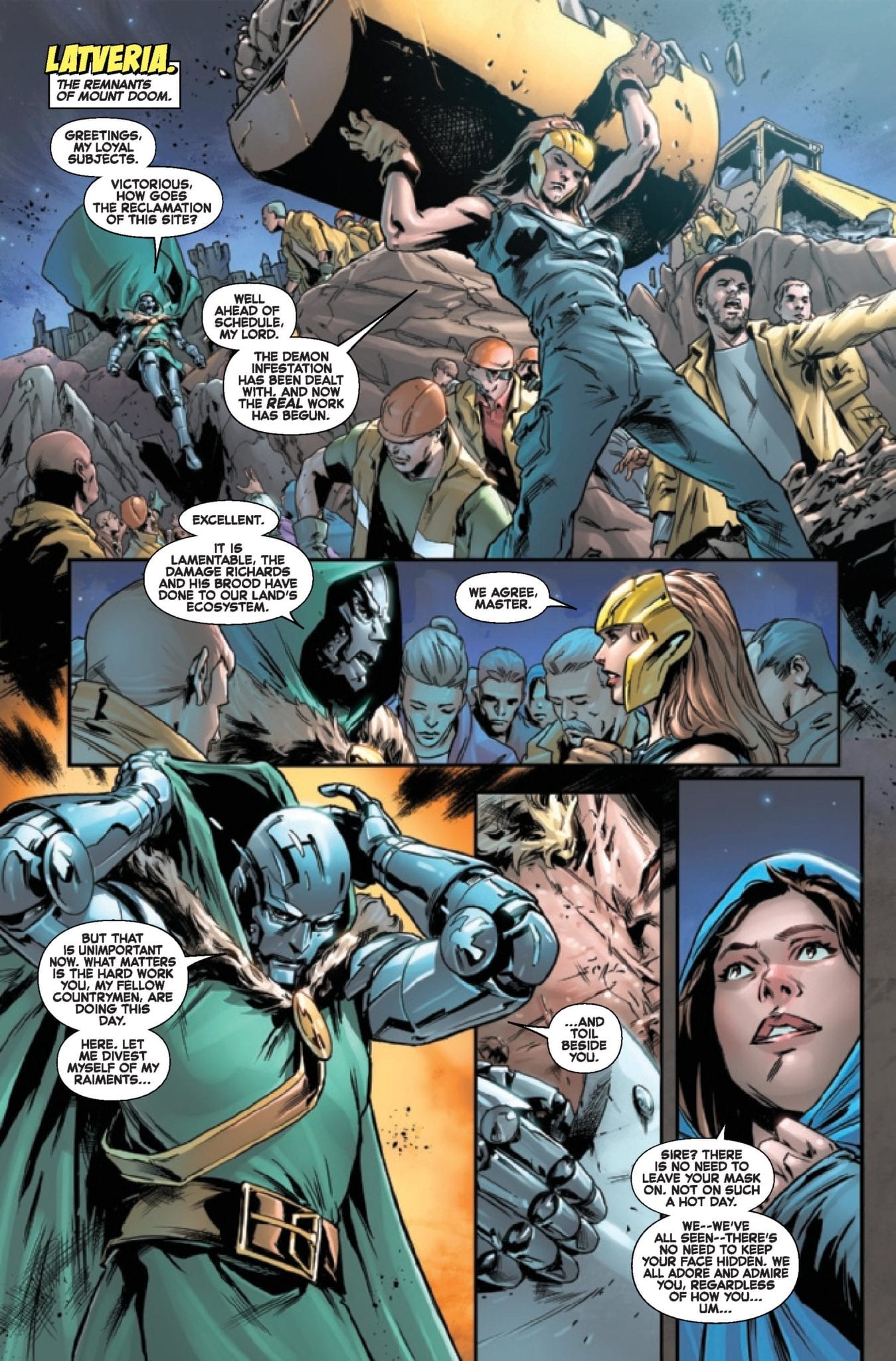
Take your first look Fantastic Four #11:

Marvel Comics Exclusive Preview: FANTASTIC FOUR #11

Marvel Comics Exclusive Preview: FANTASTIC FOUR #11

Marvel Comics Exclusive Preview: FANTASTIC FOUR #11

Marvel Comics Exclusive Preview: FANTASTIC FOUR #11

Marvel Comics Exclusive Preview: FANTASTIC FOUR #11

Marvel Comics Exclusive Preview: FANTASTIC FOUR #11


Do you have Marvel’s first family on your pull list, what do you think of Slott’s run so far? Comment below with your thoughts.

Monkeys Fighting Robots Youtube

INTERVIEW: Ashley Neumeister On The Rhythm And Sounds Of American Soul On BET

Probably the only good parts of this series

American Soul is a BET series looking into the rise of Soul Train, the long-lived American dance program that thrived off of the music of the day and making the new show sound just right is music supervisor Ashley Neumeister.

Soul Train started in Chicago in the early 70s before making a move to Los Angeles and prominent national exposure. American Soul starts there and takes us through the life of the long-time host and the show’s creator, Don Cornelius. Artists like Kelly Rowland and Wayne Brady show playing legendary singers like Gladys Knight and Little Richard, and another multi-award winning artist wrote several original songs for the show’s characters who are aspiring entertainers.

PopAxiom caught Ashley between a spotting session and preparation for an awards show to talk about being a music supervisor and American Soul.

Something In Music

Ashley grew up in “… A really small a** town …” La Crescent, Minnesota. Population: 4,830 (as of 2010).

“My parents were big music lovers, so music was always a big part of my life.”

Growing up, Ashley listened to everything, but also learned “… piano,” and, “… sang in the choir.”

As she definitively puts it, “I just loved music.”

Musical passion took Ashley to “… Columbia College in Chicago to study Music Business. I didn’t know what I wanted to do, but I wanted to do something in music.”

Ashley focused on being a record producer, but near the end of her time at Columbia, she felt “this isn’t what I really want to do.”

Ashley joined a new program at the school in Music Supervision. “I quickly realized that was what I wanted to do.”

Being A Music Supervisor

Ashely’s been busy in the business for more than a decade now. What’s changed over that time? “There’s no such thing as a production season anymore.”

We’re in a world of non-stop movies, network TV, premium cable, video games, and streaming. “We’re working all year round.”

The job of a music supervisor like many jobs in film and creative projects “… changes depending on the project.”

What does Ashley do? “In addition to finding music for scenes, it’s about getting the rights to use the songs, which is incredibly time-consuming.”

“You’d think it [getting rights] would be a lot easier, but it’s challenging.” More on that later.

Ashley adds about her role as music supervisor that she will, “Reach out to the people. Negotiate fees. Stay within budget.”

But it doesn’t end there. Or start there. It’s whatever needs to get done. “Sometimes, we help hire composers and provide support with that process. I would manage on-camera performances too. Getting the talent to make that happen.”

Ashley also needs to clear songs, a process that goes through phases, deliver audio to the stage for live performances, and getting it to the music editor. “It’s a lot of little things that you have to manage and be aware of.”

About American Soul

wayne brady-BET-American Soul-Soul Train
Wayne Brady as Little Richard in American Soul on BET

For American Soul, Ashley had to do pretty much all the above. The process included some legendary talent. “The three main characters of the show are an aspiring group. We had five original songs written by Kenny “Babyface” Edmonds.”

During the process of creating those songs, Ashley, “… had to make sure the lyrics make sense with the script.”

Soul Train featured an incredible amount of music in its 35-year history. American Soul has original songs, plus a brilliant score from Kurt Farquhar, but also, “We re-recorded 25 cover songs; early 70s R&B hits. That involves a lot of things.”

On rare occasions, Ashley notes, “… writers will write in song titles. I will see that and let them know if it’s possible or not.”

“Most of the time, editors cut in songs because editors love to edit to cut to music. I try to give them the music ahead of time. For American Soul, I gave the editors a bunch of different folders for stuff that could work bar scenes … diner scenes … that way they’re pulling from a folder of stuff that we can use.”

Challenges

The role of a music supervisor comes with many hats, which makes it challenging which, in turn, makes it fun for the people who love to do it. The first challenge Ashley mentioned before — song rights. “One of the biggest challenges really is who owns music. Who are the writers and publishers of a lot of music and finding that contact information.”

The legal rigamarole is real. “There are a lot of songs that are in conflict, and no one knows who really owns it.”

The second biggest challenge? “… Deadlines. TV moves fast.”

Wrapping Up

If you could work on a remake of a favorite film, what would it be? “Footloose.”

When it comes to what kind of music she likes, Ashley puts it simply, “I listen to everything.”

What’s she listening to lately? “I work on a lot of shows that use R&B and soul music, so I’ve been listening to a lot of that. One of my favorite artists is Jacob Banks. I’ve used a few of his songs in my shows. I also love Masego; also a soul singer who plays saxophone, and does a lot of really cool collaborations.”

Ashley’s work continues on “… Games People Play” on BET. Also coming up is “Ambitions on Own.”

Thanks to Ashley Neumeister and Rhapsody PR
for making this interview possible.

Want to read more interviews like this? Click Here.

Monkeys Fighting Robots Youtube

Review: INVISIBLE KINGDOM #4 Explodes With Character And Action

Monkeys Fighting Robots

Dark Horse Comics and Berger Books continue to impress the market with complex, compelling, and imaginative comics. Invisible Kingdom is one of the highlights of this publishing line and the fourth issue was released this week.

An outlandish world full of corruption, greed, and hypocrisy great the reader as they return to the adventures of a trainee nun and a disgraced cargo ship captain. After being chased by a floating monastery, can things possible get any worse?

Writing/Story

On the run with nowhere to turn, Vess and Grix must work together to survive in the hostile world they find themselves in. But with the militant arm of the Renunciation on their trail is there any chance of escape?

After the scene setting and character building of the previous issues, G.Willow Wilson concentrates on the action in the latest issue of Invisible Kingdom. The characters still play an important part, and it is in the subtleties of Wilson’s script where the character’s shine. The central cast each have their own distinctive voices and mannerisms which help scenes to play out in a particular way. Wilson is able to manipulate a sequence of events through the character interactions so that certain tones are brought out. The tenseness on the ship is built via the characters, just as the sense of loneliness and abandonment is later in the comic.

Even with the outstanding action taking place, Wilson manages to make Invisible Kingdom about the characters and their greater fight against the ‘State’. The Sundog spaceship is a vessel of castaways, people isolated from their own kind, and their desperate situation brings them together. The overriding theme of this comic is one of individual acceptance, a message that Wilson isn’t afraid to place front and centre in the story.

Invisible Kingdom #4 Explodes with character and action
Invisible Kingdom #4 Credit: Dark Horse Comics

Art

The personal interactions between the cast members are often portrayed in the smallest of moments. Christian Ward has proven that he can present out of this world scenery with beautiful art work and spellbinding layouts and in issue 4 of Invisible Kingdom he turns that magic towards the character. Sly looks between shipmates, and intimate moments show off the acting ability of Wards characters. There are some images that portray strength and confrontations while others are sentimental and touching.

The emotional aspects of the central cast are laid bare in these pages, hooking the reader. It is impossible not to feel for their plight or become engrossed in their relationships. Ward illustrates the action with dynamism and energy but it it is the infusion of raw emotion in the panels that really makes the storytelling so spellbinding.

Sal Cipriano’s lettering blends into this sea of beauty despite the whiteness of the speech balloons. This is achieved by having uneven boarders on the speech balloons so that the black lines are not solid or ridged. It is as if the art work is encroaching on the speech, taking it over. This becomes more noticeable when the Hammer of the Path vessel turns up and the spiked balloons force themselves into the lives of the heroes. The violence and anger of the captains voice is visually represented through the speech balloon giving it emphasis and domination over the scenes.

Conclusion

Invisible Kingdom has grown as a comic month on month which is impressive considering how good the first issue was. The art work is without question beautiful to behold; it is daring and exciting but the panel compositions are also dramatic and emotional. The script is clever and subtle and the story is compelling.

Wilson, Ward and Cipriano have created a masterpiece of science fiction. It is an adventurous tale of space exploits but also a commentary on current social acceptances. Easily the best place to get your science fiction fix.


Monkeys Fighting Robots Youtube

Review: AQUAMAN #49 Reveals How Arthur Curry “Died”

Monkeys Fighting Robots

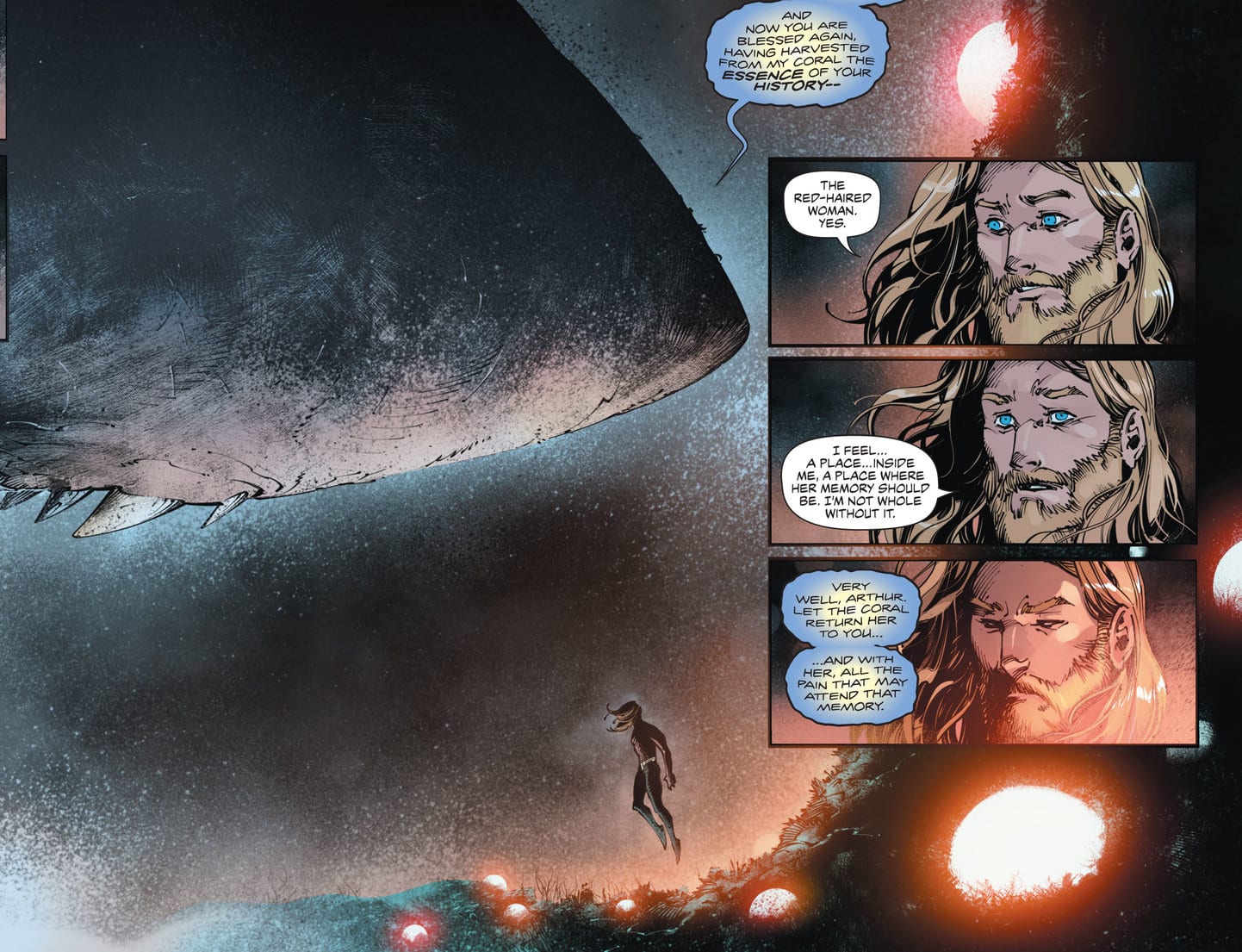
Arthur Curry, a.k.a. Aquaman, met the powerful oceanic deity known as Mother Shark last issue and continues to probe her for answers to his past. The hero desperately needs to know how he died after the events of DC’s Drowned Earth event. Fortunately, Mother Shark is ready to answer this query but with a warning that the memory could leave him devastated.

An Aquatic Love Story Gone Wrong

Kelly Sue DeConnick dives into the second part of AQUAMAN’S Mother Shark storyline by featuring a deep conversation between the deity and our hero. Mother Shark begins by posing an important question: Out of all the poor souls who’ve lost their lives at sea, why did she save him? This gives Arthur great pause as he recollects the most memorable moments in his life, but each memory comes back to one person: Mera.

Mother Shark speaks with Arthur about Mera

It is here readers get to relive some of the most intimate moments between the couple, experiencing the highs and lows of their relationship. One feels the pangs of loss as Arthur slowly realizes that the love of his life was somehow involved in his death.

DeConnick continues prying open these forgotten memories throughout the issue and eventually reveals the sequence of events leading to Arthur’s supposed death. It’s exciting to read a story that starts slow and smoothly builds up to the secret’s unveiling. This is definitely a story AQUAMAN readers will not want to miss.

Breathtaking Artwork

Viktor Bogdanovic’s penciling and inking, coupled with Daniel Henriques, Jonathan Glapion, and Ryan Winn’s additional ink work, provide incredible details to the underwater world, whether it be the Atlantean throne room or the depictions of Arthur’s classic superhero suit. And with Sunny Gho’s coloring readers are able to feel fully immersed in this aquatic landscape.

Clayton Cowles’ letters continue to prove worthy of this comic, especially the bubble-like styling he applies to Mother Shark’s speech balloons.

Mera, the Queen of Atlantis

The Comic Cover Art

Robson Rocha, Alex Sinclair, and Henriques’ main cover artwork features a skeletal version of Arthur kissing Mera on their wedding day, alluding to the death the hero recalls throughout this issue. Josh Middleton’s variant edition adds more life to Arthur as he swims across waves in triumphal fashion.

Conclusion

AQUAMAN #49 delivers on the answers the series promised readers many issues ago. But this reveal was well-worth the wait. We’re excited to see what Arthur does with his newly restored memories.

What did you think about Arthur’s death mystery reveal? Let us know in the comments below!

Monkeys Fighting Robots Youtube

Review: BATMAN #73 May Forever Change Batman’s Motivation

Monkeys Fighting Robots

Following Bruce’s encounter with Bane in our last issue, Batman #73 sees the two Batmen roaming the desert, cowboy-style. Thomas’s ultimate goal, his reason for working alongside Bane, is simply to get Bruce out of the super game. How he plans to do it, though, is the matter at hand. The shock reveal in the issue’s last pages seems to pull it together.

The Writing

Tom King’s writing on Batman is marked by obscured, seemingly surreal sequences that eventually come into focus after the fact. He lets the mood foment as events occur, then applies context to give the narrative shape. Batman #73 is no exception to this approach.

We open with an unconscious Bruce Wayne being driven through the desert on horseback by his father. The horse drags a coffin behind it, and all the while, we have Thomas Wayne ceaselessly delivering the lines to the folk tune Home on the Range. The book seems fairly inscrutable for its first two-thirds, but snaps into focus with information revealed toward the book’s end.

Thomas’s use of the song seems to harken to a desire for escape and simplicity. He wants a kind of return to innocence, the significance of which becomes clear with the reveal in the last three pages.

It’s hard to issue a solid verdict here. The writing is strong and consistent, based on the approach laid out above. That said, Batman #73 will likely be a polarizing issue among longtime fans. The issue resolves some questions, such as key elements of Thomas Wayne’s motivation. But, for every issue resolved, more come about; namely, as it pertains to the book’s ending: “if this were always an option, why is it only coming up now?”

Tom King said what he’s doing with Batman is “going to change the character for a generation, or maybe more. Maybe forever.” If this issue is an indicator of where we’re headed, that’s entirely possible. We’re yet to see whether it will pay off.

Batman #73

Batman #73

The Artwork

Mikel Janin turns in another strong showing for Batman #73. The book’s first half is full of heavy silences and sparse dialogue, and Janin captures this well. We feel the space as Bruce and Thomas wander the desert. Dramatic shots of Thomas riding on horseback while dragging a coffin behind him pay homage to Django and other spaghetti westerns. It lends itself well to the ambiance and atmosphere of the issue.

The book splits its time between wide, painterly illustrations and tight, regularly-spaced, close-cropped panels. The work feels cohesive throughout, though, and flows nicely.

Jordie Belleaire bathes Janin’s illustrations in earthy tones. Reds, oranges, and browns are the dominant tones through most of Batman #73. Only occasionally does the artist break this scheme, opting for ethereal evening greens and lavender sunrises. It’s not always naturalistic, but rather a skilled impression of the time of day.

Final Thoughts

Batman #73 is likely to be another polarizing issue among fans. If Thomas is to be believed—and based on King’s statements, he is—these next issues could change Batman forever. I won’t give spoilers, but it threatens to essentially strip away Batman’s raison d’etre. We’ll have to wait and see what the consequences may be.

Monkeys Fighting Robots Youtube

INTERVIEW: Composer Kurt Farquhar Puts The Rhythm Into American Soul on BET

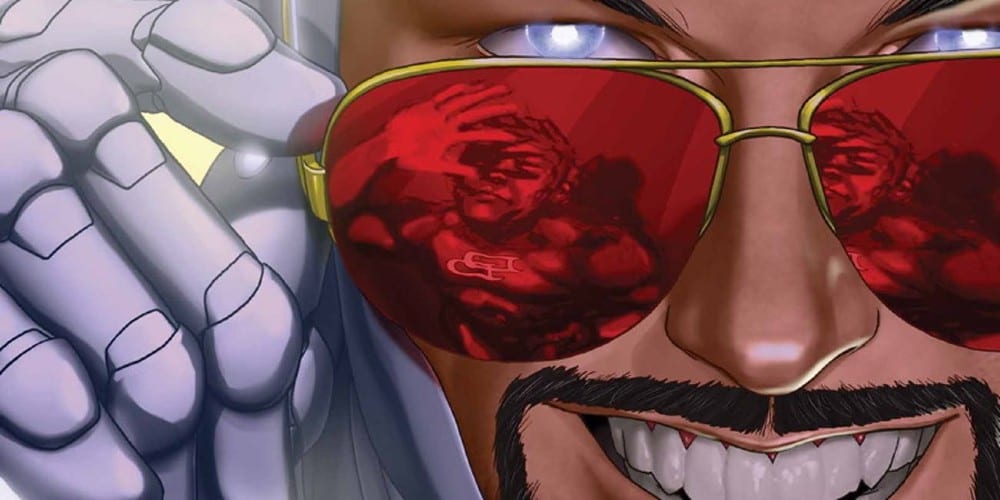
Iron Man

Award-winning composer Kurt Farquhar brings 70s vibes to modern TV to score American Soul, a BET series that looks at the rise of Soul Train the long-lived music-dance television show. 

Soul Train ran for 35 years and featured some of the most amazing musical talents during its run. American Soul is c0-produced by Anthony Cornelius, the son of Soul Train’s creator and long-time host Don Cornelius. Of course, this is a dramatized version of it all, but it features musical stars just the same with the likes of Kelly Rowland playing Gladys Knight, Michelle Williams playing Diana Ross, and Wayne Brady playing Little Richard.

PopAxiom got on the dance floor with Kurt Farquhar to talk about making music for shows like Black Lightning and The Neighborhood and putting the rhythm into American Soul.

Symphony To Soul

Kurt began playing music “very, very young, around the age of four,” and his mother encouraged him to “play guitar.” However, Kurt, “Didn’t take to it.” Flash-forward, a few decades and Kurt, can now play 20 instruments, but “… I still can’t play guitar.”

“Oddly enough, I write for guitar really well. Just can’t play it though.”

Despite lacking the skills for the guitar, Kurt says, “I was very much a rock and roller when I was a kid. A lot of Hendrix and Jethro Tull.”

Kurt wrote his first symphony at age 12, so there was little doubt music would be his professional life. “I thought that the word composer was snooty. It took a few years of doing scores for TV shows before I called myself a composer. Other people are composers,” Kurt thought, “I look at James Newton Howard, one of my favorite composers ever, that’s a composer.”

While working in TV, Kurt also worked with musicians like the Pointer Sisters, Natalie Cole, and Lionel Richie. More gigs came in from both ends, and something had to give. Unsure which way to go, Kurt called his brother, writer Ralph Farquhar, who said, “What’s going to pay the bills?” Kurt quickly replied, “… the TV stuff.” Ralph hung up. ‘Nuff said.

Like the hero in a story destined to accept his place in the grand scheme, Kurt embraced the word composer. “To go from Sister, Sister, to Moesha, and King of Queens to Black Lightning, The Neighborhood, and American Soul … it’s pretty humbling at times.”

kelly rowland-american soul-BET

About American Soul

American Soul premiered on BET on February 19th, 2019 and the network already renewed the series for a second season. “I’m from Chicago, so I have a personal connection with the show.”

American Soul is based on a legacy that’s rich with incredible music that appeared through the 30+ years of Soul Train. “The key to doing the show was for it to sound ‘retro’ but not ‘old.’”

Kurt’s score was going to live alongside classic hit songs plucked by Music Supervisor Ashley Neumeister and original songs written by Kenny “Babyface” Edmonds. “I wanted the score to feel like it was inhabiting the same world. Some of the mysterious or sinister scenes feel like a 70s cop show. I took that vibe from the 70s and made it slightly newer.”

“I’m proud of the sound. It’s not like anything else on TV.”

Soul Train started in Chicago, and American Soul begins as the show makes its move to Los Angeles and prominent national exposure. Kurt explains, “I wanted a lot of live musicians. So, I brought in a lot of really amazing Chicago musicians like guitarist Keith Henderson, Ray Fuller, and Daryl Jones.”

Wrapping Up

Kurt’s musical influences run the gamut of what’s out there. But he joyfully confesses, “I do love country western a little more than everything else. True story.”

What’s next? “I’m working on Games People Play on BET. It’s an exciting show. I also worked on a show premiering on Own [Oprah’s network] starring Michael White and Robin Givens.”

Thanks to Kurt Farquhar and Rhapsody PR for making this interview possible.

Want to read more interviews like this? Click Here

Monkeys Fighting Robots Youtube

Review: JUSTICE LEAGUE #26 Returns to the House of Heroes

Monkeys Fighting Robots

Previously, on Justice League, the team successfully defeated the World Forger and the elder versions of the heroes from bringing their “perfect” society to the prime universe. In the aftermath, Superman pleaded with the World Forger to help them defeat his mother, Perpetua, and prevent the destruction of the Source Wall to save the entire Multiverse. He agreed, and when the League returned to their home, discovered that Lex Luthor televised a message to the citizens of Earth – that the Justice League is to blame for the death of the Source Wall, and that the only way to save it, and themselves, is to unleash their inner DOOM.

And so, the universally praised “Sixth Dimension” story has come to a close, and the “Year of the Villain” has officially began. The great minds behind the last few issues – Scott Snyder and Jorge Jimenez – take a brief reprieve from Justice League, handing the keys to Snyder’s former padawan James Tynion IV and Javier Fernandez. Both have done impressive work in and out of Justice League. But the work that was done in “Sixth Dimension” was consistently fantastic, and pretty difficult to top. How did Tynion and Fernandez fair in the first part of the “Apex Predator” story? Read on to find out…

** Some Spoilers Below **

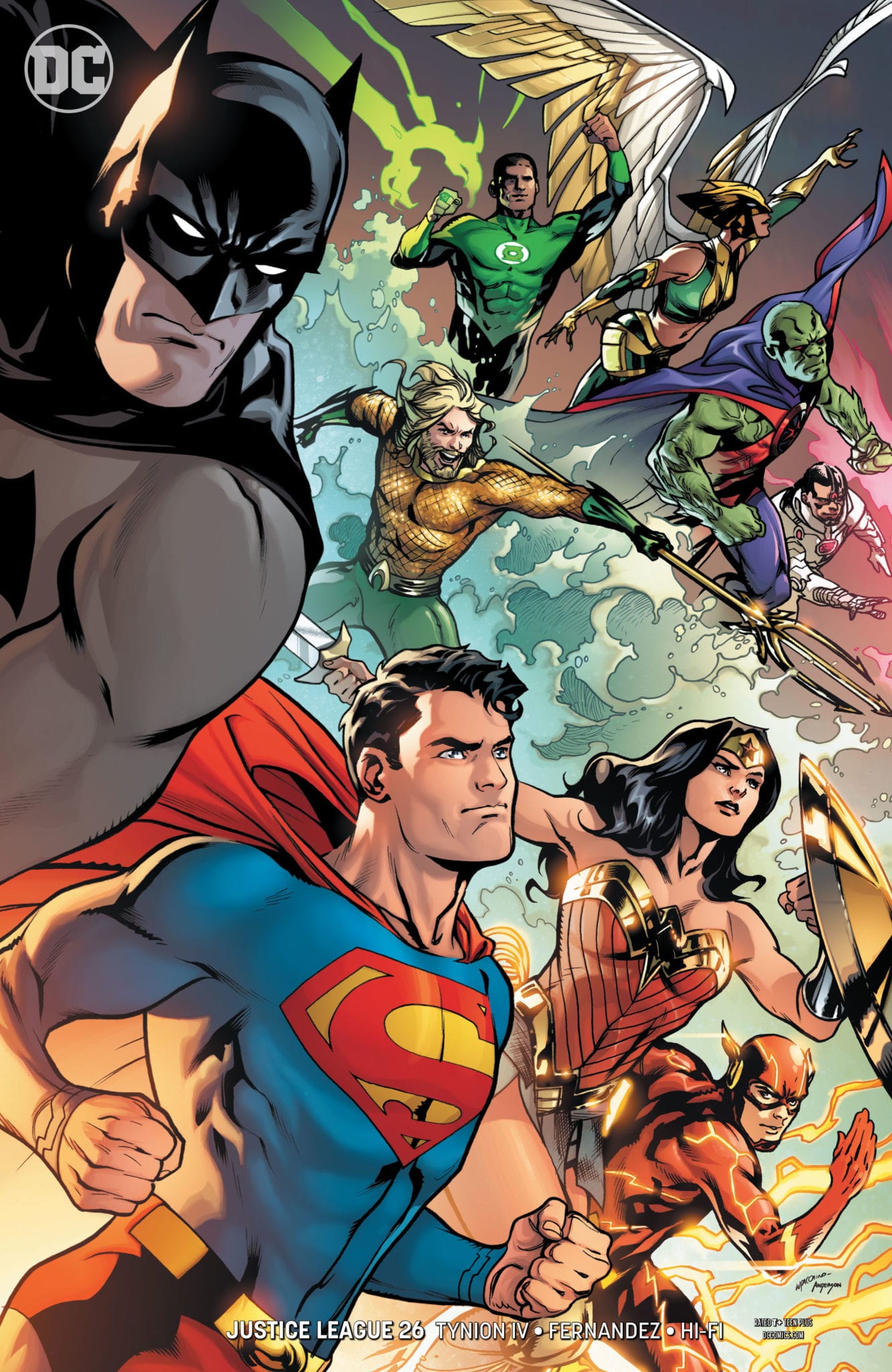
Justice League #26 Cover

Story

After being off-planet for so long, the Justice League must try to pick up the pieces of their lives—but Lex Luthor has other plans. If he has his way, he’ll show all of humanity that the Justice League will never be there in the world’s time of need!

James Tynion IV is a much more verbose writer than Snyder. Sometimes, those words have felt somewhat overwhelming, especially when trying to weave in so much plot and worldbuilding and character development. In this one issue, he is charged with wrapping up “Sixth Dimension,” set up “Apex Predator,” continue “Year of the Villain,” and further escalate to what feels like another Crisis- level event. That’s a lot of moving pieces.

And yet, Tynion succeeds in weaving the aforementioned into a solid, 20-page issue of Justice League. He does so by splitting the weight of all that story into three different threads. We have J’onn J’onnz, who searches for a cloaked man that people are using as the embodiment of fear mongering across America in the aftermath of Lex Luthor’s villainous call to action. Tynion characterizes J’onnz as a steadfast, yet somewhat paranoid detective as he hunts for the cloaked man.

Meanwhile, the bulk of the prime League-ers venture to the House of Heroes – the pandimensional Watchtower as first seen in Grant Morrison’s The Multiversity way back in 2014 – to recruit their doppelgangers in the effort to fix the Source Wall and stop Perpetua. Readers will get a kick of seeing these heroes from across the Multiverse pop up in the main continuity. Here, we get some lighthearted exchanges between Barry Allen and John Stewart, but the sequence is missing what feels like a great opportunity for characters to interact with their multiversal counterparts.

Finally, Hawkgirl leads the charge in the Hall of Justice, searching for The Legion of Doom. A number of familiar faces have answered the call, including the Metal Men, the Teen Titans, and… Rorschach. There’s also a brief bit featuring Starman, who is looking for aide across time to mend the Source Wall, which is also the wellspring of his power. This is a hero that has been wholly underutilized since popping up in Justice League way back in November 2018. He seems to have the strongest connection to the Source Wall, yet only appears in one or two pages per issue. Hopefully, they are sowing the seeds for something big involving Starman.

Justice League #26 Page

Art

Artist Javier Fernandez brings a classic, pulpy style to Justice League #26. It’s darker and heavily shaded, giving the book this ominous feeling that doom is looming overhead. While the bright, energetic styling Jorge Jimenez is missed, Fernandez still manages to capture the robust imagery we have come to know and love in this current run of Justice League.

The scenes in the Hall of Heroes and Hall of Justice are fun in that we get to see a wide array of heroes from other teams and other universes. It would have been great if Fernandez had more fun with the multiverse heroes, giving them a more unique look as if plucked from their respective books with the artists styles in tact. There double page spread featuring the heroes from multiple earth’s is a substantial achievement, and something to admire. However, it still felt as if something was missing from it. There should have been a little more depth and detail to help give this image the magnitude it deserves.

Conclusion

Though it isn’t as exciting as anything from the “Sixth Dimension” story, Justice League #26 is an admirable entry in this series, easily setting up its new arc, while also adding crucial bits to the “Year of the Villain” event.

What did you think of Justice League #26? Let us know in the comments!

Justice League #26 Variant Cover

Monkeys Fighting Robots Youtube

Review: SUPERMAN YEAR ONE #1 Chronicles the Wonderful Life of Clark Kent

Monkeys Fighting Robots

The Life and Times of a Growing Superman

In February of 1987, DC put out the first issue of Batman Year One by Frank Miller. It followed the story of Bruce Wayne and James Gordon as they come back to Gotham and begin working to make it a better place, as a cop and as Batman. It’s an iconic story and continued the already growing popularity of Frank Miller.

Thirty-two years later, Frank Miller comes back with another Year One story for DC’s Black Label line of comics. This time around it will be centered on Superman, a choice which is surprising to this reviewer, as Miller has made the Man of Steel an antagonist on more than one occasion. Will Miller catch me off guard and deliver a story worthy of Superman?

Superman Year One Cover

**Some Spoilers Below**


Story:

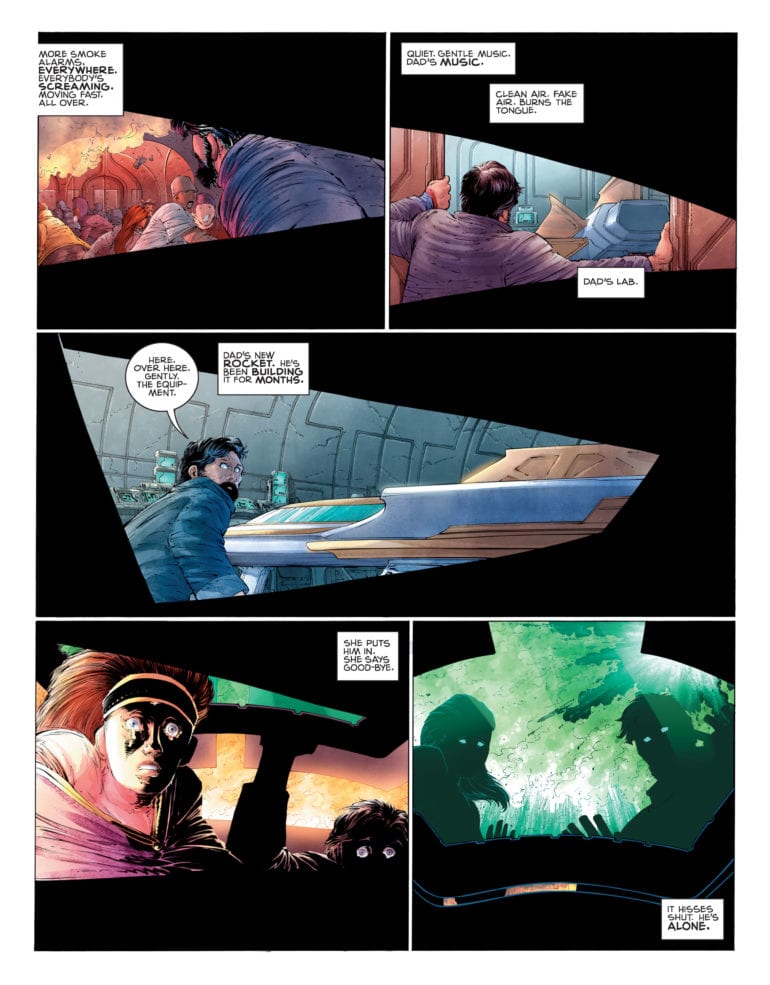
We open the story as most Superman origins do: On a dying Krypton. After an emotional opening that describes Clark as semi-aware of what’s happening, he ends up on Earth and is found by Johnathan Kent. The Kents adopt him and raise him as his own, taking the emergence of his powers in stride. Soon it’s time for Clark to go to High School where he faces off against his first villains: Bullies. He tries his best to keep them off the back of him and his friends, but Clark isn’t fully Superman yet. Thankfully there is a light in the school that brings him happiness: Lana Lang.

Superman Year one 1 p1

Now there are going to be people who will hate the lack of actual Superman in this book but that kind of makes it better. We keep the story grounded and more personal as we watch Clark grow up. Moments such as the narrator describing Clark needing to be soft in his throws while playing catch with father make the story feel real. This is less of a Superman tale and more of a coming of age story for Clark Kent. Every kid has felt like an outcast as he appears in the book and that’s what truly makes the character relatable.

We still have moments of Superman within this book. Moments of flying, pushing bullies, and lifting large objects. That being said, most of it is off-panel, leaving those hoping for action left wanting. By the end of the story, Clark has head out into the world which promises for plenty of action. This lack of action doesn’t detract from the story, so it can only get better from here.

Superman Year one 1 p2

Art:

The art of this book is done by the famous(or infamous depending on your point of view) artist, John Romita Jr. He does a fantastic job keeping a grounded look for this story, allowing the readers to relate more to this story. The colors and linework of Clarks decision to leave is just breathtaking. I’m not surprised they used it for previews. The only part of the issue I thought could have been better was Krypton. It’s not that it wasn’t bad, it was just nothing new. Other than that, we have one great looking Superman book on our hands.

Conclusion:

Overall, I was surprised by how much I loved this first issue. I was going in expecting this gritty retelling of the Superman origin and instead find a more down to earth tale. I loved seeing these simple moments in Clark’s life; it makes the character feel more human than most incarnations. The art helps capture that feel as well with grounded designs yet bright colorwork. The first year of Superman has begun, and I can’t wait to see what Miller and Romita have in store for us. Go pick this up today.


Monkeys Fighting Robots Youtube