Home Blog Page 192

Review: JUDAS AND THE BLACK MESSIAH Tells Powerful Black Panther Story

Judas and the Black Messiah is a compelling film held together by its phenomenal lead performances and electrifying story. Award recognition is a must for this film because it features career-changing acting, great direction, and is a phenomenal historical outing. A film many could consider appropriate for the current climate in America, Judas and the Black Messiah is revolutionary.

Judas and the Black Messiah had its world premiere this past Monday at the 2021 Sundance Film Festival. A film of this magnitude has been in the works for years, and finally, it has come to fruition. Fred Hampton, chairman of the Illinois Black Panther Party in the 1960s, now has his story told triumphantly. Directed and co-written by Shaka King, the film stars Lakeith Stanfield, Daniel Kaluuya, Jesse Plemons, Dominique Fishback, Ashton Sanders, and Lil Rel Howery. Judas and the Black Messiah takes place in the 1960s and follows William O’Neal (Stanfield), a criminal who infiltrates the Illinois Black Panthers to assist the FBI in taking out Fred Hampton (Kaluuya).

Daniel Kaluuya as Fred Hampton in Judas and the Black Messiah

Films that focus on betrayal, racial injustice, and other social concerns are always interesting to watch play out. King and co-writer Berson deliver a story that lays out both sides of the situation in the best way possible. O’Neal is a criminal looking at doing time until he begins working with Roy Mitchell (Plemons), the FBI agent that recruited him to infiltrate the Panthers to get closer to Hampton. Hampton is an activist, a self-proclaimed revolutionary who wants social change. Judas and the Black Messiah is mostly told from O’Neal’s point of view, so opportunities are missed due to that decision. For instance, the impact of his betrayal on the Panthers isn’t felt from the film’s ending. The law enforcement’s feelings on Hampton’s pending assassination are evident, but with the film having moments of the Panther’s contemplating double agents amongst them, it was odd to not see the impact O’Neal had on them afterward.

The script terrifically demonstrates that O’Neal was skeptical about his actions throughout and even regretful about the impact he had. The guilt he wrestles with is powerfully brought to life by Stanfield’s performance. Kaluuya shines in his role as Hampton, he’s demanding, empowering, and gives a near-perfect portrayal of the real-life activist. This is arguably Kaluuya and Stanfield’s best performances to date, and the two previously collaborated for Jordan Peele’s debut feature, Get Out. Kaluuya’s acting in this film could earn him an award in the future. King keeps the film engaging with its pacing, building on the angst of the audience as O’Neal’s frustrations gradually increase. The score utilized is equally striking, and assists with the urgency King is aiming for here.

LaKeith Stanfield as William O’Neil in Judas and the Black Messiah

Judas and the Black Messiah is arriving at an appropriate time, and thanks to the wonderful ensemble it certainly won’t go unnoticed. As mentioned above, there are only some minor narrative hiccups, but it’s still a thought-provoking watch. While Kaluuya’s performance might get the most attention, it’s important to note that Stanfield is faking it from a variety of different angles in this film, which is very impressive. Ultimately, O’Neal spends so much time putting on a show for the Panther’s and Roy, that we rarely spend time with his true self. Kaluuya and Stanfield both deserve every bit of attention this film brings to them.

Judas and the Black Messiah is a superb change of scenery from Shaka King. It is the best film to be showcased at this year’s Sundance Film Festival. A powerful retelling of betrayal that’s spearheaded by top tier acting that demands your attention. This is a well-told story that could have dug a little deeper but still delivers from every angle overall.
Monkeys Fighting Robots Youtube

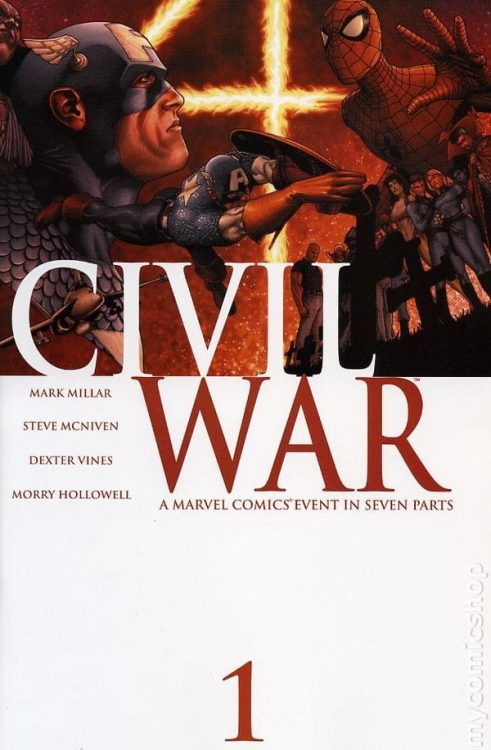
Oped: Re-Reading Marvel’s (First) CIVIL WAR in the Age of Trump

Remembering 9/11

If you were alive in 2001, you have your “9/11” story. Mine is pretty unexceptional. I was asleep until 11:00am that day, when I got a phone call from my mom saying, “We’re being attacked by Paris!” Having misheard “terrorist” as “Paris,” I was confused about the state of world affairs for the next 10 minutes or so until I turned on the TV and witnessed my generation’s defining world event.

Marvel Comics’ Civil War was written in the context of a post 9/11 world. This world was notable for its concerns about freedom and security, FISA and surveillance overreach, indefinite detention at Gitmo, and the Patriot Act. A lot of political discourse during this time reflected the tension between concerns for both freedom and security. Choruses of people quoted Benjamin Franklin’s famous “those who sacrifice freedom for security deserve neither” line.

Civil War gives us a moment to reflect on how context specific the framing of certain stories can be. The politicians on the Left and the Right in the U.S. were having a very different conversation about freedom and security during George W. Bush’s presidency. Republicans tended to side with the Bush administration’s at times heavy-handed (and arguably illegal) approach to maintaining security, while largely compliant Democrats brought up concerns about violations of civil liberties (but put up little effectual resistance to Bush administration security policies).

Civil War in a Post-9/11 World

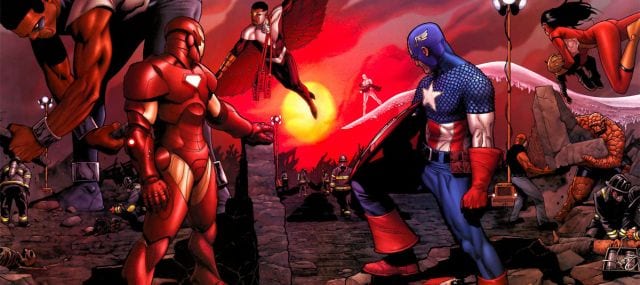
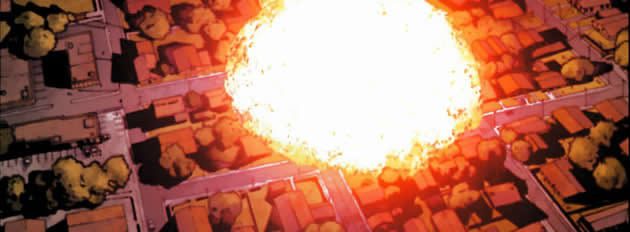
Marvel’s Civil War pitted Captain America against Iron Man. After a group of young, naïve superheroes instigate a fight with a group of supervillains that ends with the death of over 600 elementary schoolchildren in Stamford, Connecticut, the U.S. begins to push to pass a Superhero Registration Act to ensure greater accountability for superheroes and better training.

The explosion of the supervillain Nitro and its aftermath.

In Civil War #1, Cap maintained, “Masked heroes have been a part of this country for as long as anyone can remember,” and that the government was overstepping its boundaries when “Washington starts telling us who the super-villains are.” This could set a dangerous precedent.

Meanwhile, Iron Man maintained that the world we lived in required pragmatic compromise in the face of unprecedented threats that the founders of the U.S. Constitution couldn’t have foreseen. Sometimes difficult decisions in the name of security need to be maintained.

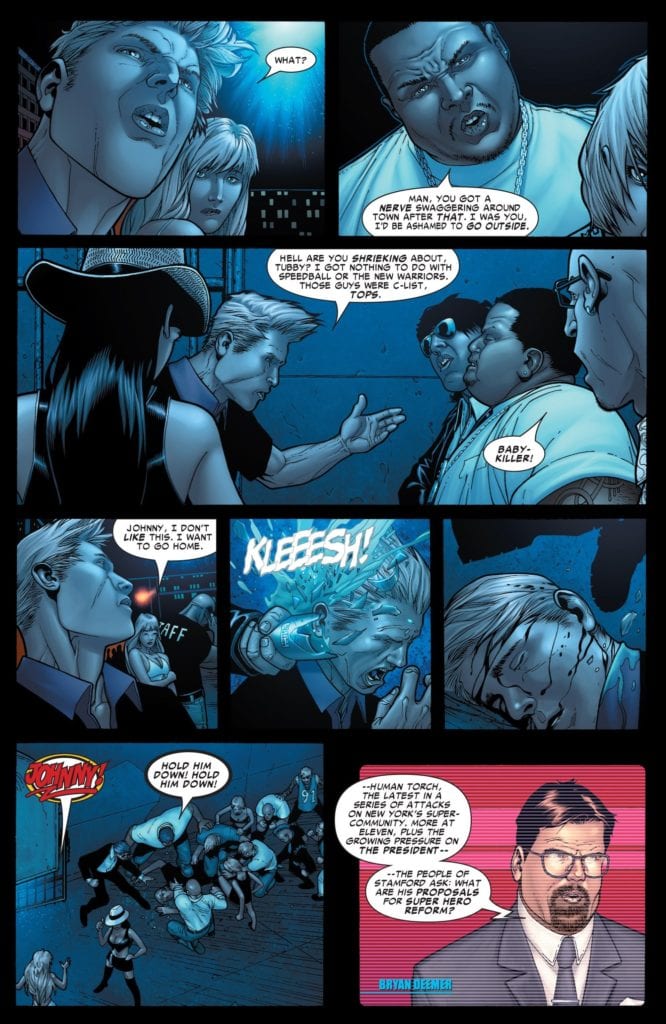
In the decade following 9/11, debates raged about freedom and security and how the country could strike a balance between these concerns. This was the milieu in which the story for Civil War emerged. The series could even be read as lightly touching on the ensuing Islamophobia after 9/11 when Johnny Storm is attacked by a superhuman-hating angry mob or even when Cap warns Tony in Iron Man/Captain America: Casualties of War about giving too much power to the government because “you don’t know who could get elected, how public sentiment might change. I’m old enough to remember Japanese-Americans being put in camps because they were judged potential threats to national security.” In the age of indefinite detentions for innocent Muslims in Gitmo (as well as a fair share of racial profiling), this comment was particularly resonant.

Johnny Storm (“The Human Torch”) attacked by an angry mob.

While the main series painted Cap in a pretty good light, the tie-ins were a bit more sympathetic to Iron Man (but given the events that followed, including the rise of Spider-Man villain Norman Osborn to power in the Dark Reign event, one could argue that Cap was vindicated in his concerns about trusting the government too much).

Civil War in a Post-Trump Era

Fast forward 15 years and concerns about freedom, security, and pragmatic compromise mean something different in the Age of Trump. In terms of how the story has aged, I wouldn’t say it has aged poorly, but it is a different reading experience in 2021 than it was in 2006.

We now face a pandemic that is coming close to claiming just as many lives in the U.S. as the Spanish Flu of 1918 (675,000). At least during that pandemic, people understood the need to wear masks (although even then, resolve faded). From the beginning, people have found a way to resist wearing masks for the public good under the auspices of personal choice (but wearing masks isn’t effective unless its done en masse since its about protecting others from you, not vice versa). Cap’s resistance to doing what is necessary during a national crisis isn’t a good look in 2021.

And then, of course, we have our political debates about gun control in the U.S. The private ownership of guns has indeed been a part of the traditions of the country (questions about the 2nd Amendment’s relationship to “a well-regulated militia” notwithstanding). People have been permitted to hunt and defend themselves in this country’s past, and in the age prior to the existence of assault weapons, there really was no stipulation on the types of guns one could own.

However, one might be forgiven for reading Civil War in the age of Parkland and Sandy Hook and thinking, “Y’know what? Iron Man is right. 600 kids dying is a sign that some sort of regulation needs to be put in place.” It’s hard not to side with Maria Hill in thinking that Cap is an old fool for not being willing to compromise on the Superhero Registration Act. Even more so, the idea that Iron Man is a communist who hates the U.S. and wants to leave people defenseless is also laughable. If anything, it almost seems callous to NOT compromise (particularly in light of Australia’s success).

While one might have been forgiven for being torn between Cap and Iron Man in 2006, it’s really hard to read Civil War in 2021 when the arguments about personal freedoms and pragmatic regulation are bogged down in the complaints of anti-vaxxers, climate change deniers, and conspiracies about child actors in school shootings. All of which have real world consequences that are paid for by the lives of real people.

Politics has always been a part of the comics reading experience. With Marvel’s first Civil War event, we can see how the same story communicates a different message during a different time.


Monkeys Fighting Robots Youtube

Review: AVENGERS MECH STRIKE #1 Presents A Colossal Challenge

Avengers

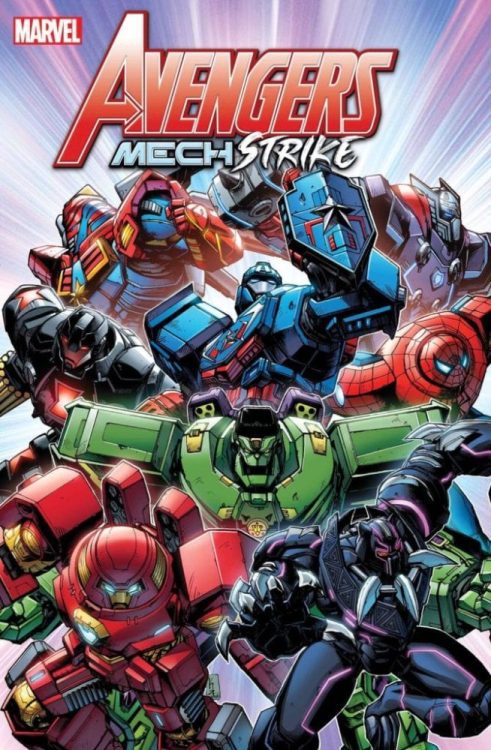
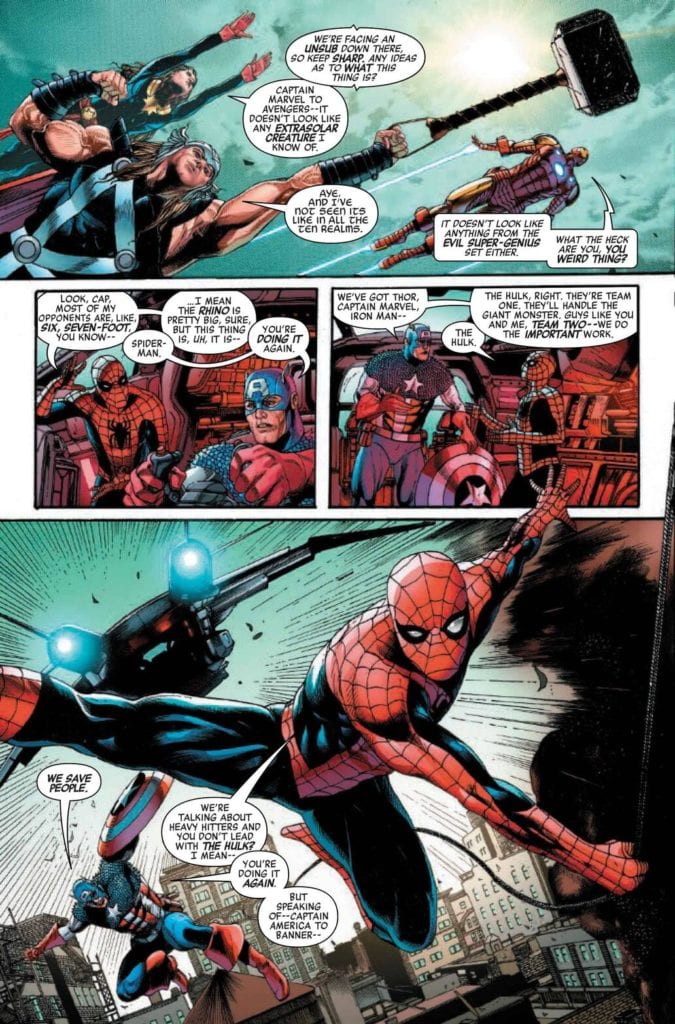
Avengers Mech Strike #1 out this week from Marvel Comics introduces a new threat to the team. One they are unable to defeat through teamwork and instead have to break out some new tools to handle effectively. This titanic battle arrives thanks to Jed Mackay (writer), Carlos Magnos (artist), Guru-eFX (color), and VC’s Cory Petit (lettering).

Summary

The Avengers are confronted with an unstoppable new menace, one that is seemingly impervious to their every strength! But the Avengers aren’t so easily beaten, and when new threats arise, powerful new tools must be brought to bear!

Avengers

Writing

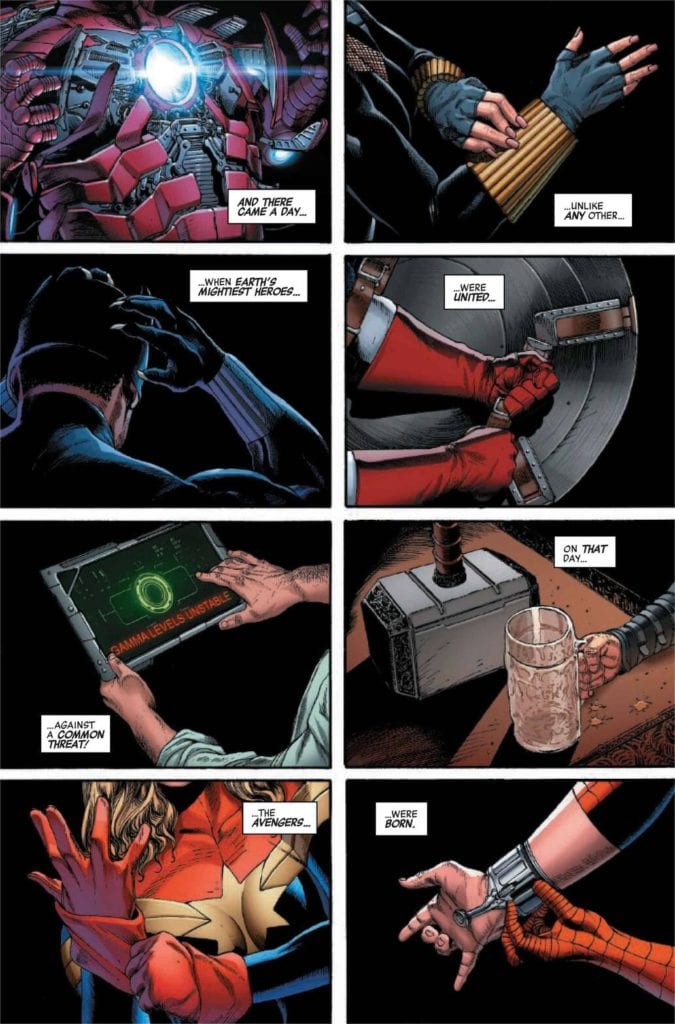
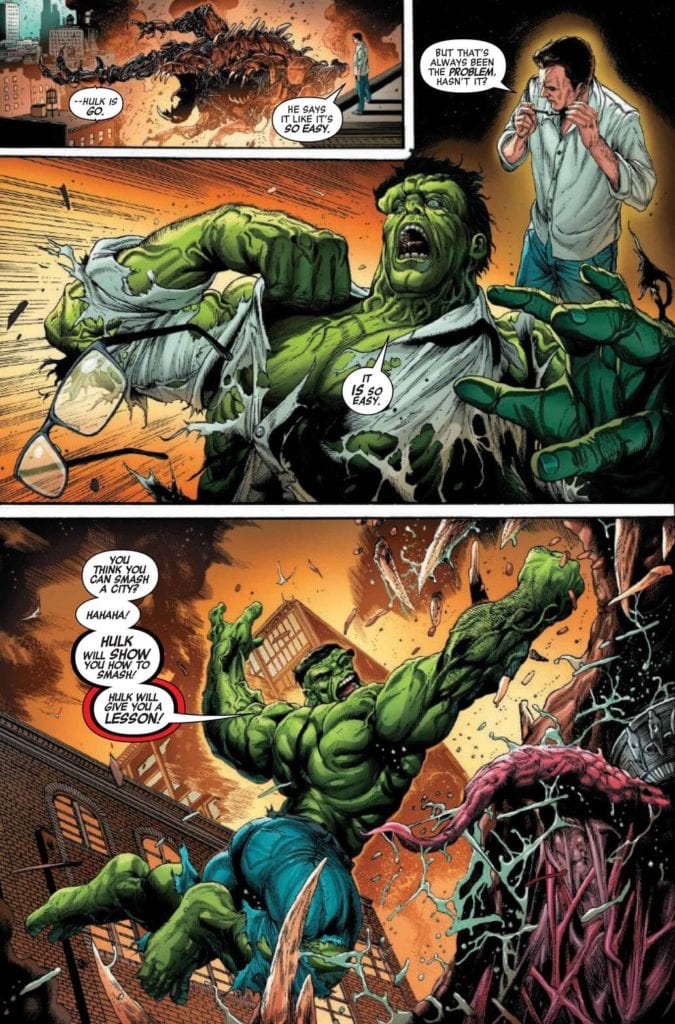
Question of the day: Why do the Avengers need Giant Robots? This first issue set out to answer this exact question. The issue mainly focuses on the battle against the Biomechanoid (the new giant threat) and the destruction it causes. The latest threat to the safety of the Marvel Universe gets bigger with everything it eats and is able to siphon energy as well to become any more powerful. The origin of where it came from and who is pulling the strings for this new threat is not even hinting at, helping to pull in the reader to the mystery surrounding this new storyline.

By showing how the entire team struggles to defeat their opponent Jed Mackay does an impressive job laying out the need for the Avengers to get an upgrade. All while Spider-Man makes sure to throw out some very grin-inducing oneliners. Now if there only could be some kind of meta-joke where Spider-Man references the robot he had in the Japanese Live Action series.

Avengers

Artwork

The artwork by Carlos Magnos allows for incredible scale at the same time not skipping on the details. The Biomechanoid is shown to not merely be a slick, smooth forgettable robot but more like if someone turned a monster from Lovecraftian horror into a cyborg. The fine attention to detail of the monster helps to make it more memorable and terrifying all at the same time.

With the coloring by Guru-eFX, there is an engaging juxtaposition from frame to frame. Everything around the Biomechanoid is bathed in reds, oranges, and blacks emphasizing the destruction taking place. Meanwhile, special attention is paid to the Avengers as they enter the battle, bring a sense of hope and inspiration.

Avengers

The lettering by VC’s Cory Petit is a bit of a mixed bag. The letter is used in several frames to direct a sense of flow to how the action is supposed to play out. At the same time, a few roars and loud noises fonts can be distracting and not blend as well with the rest of the issue.

Conclusion

Avengers Mech Strike #1 helps to introduce a new creature with an unknown origin which proves to be a threat the Avengers may not survive. Above all, though the issue is just a lot of fun. Even if this series doesn’t turn out to be the new status quo for the team and is just a story where the Avengers get giant robots is it such a crime? Sometimes you have to just have to be entertained with the comics you read and nothing more.

Monkeys Fighting Robots Youtube

STAR TREK: LOWER DECKS SEASON 1 | TV Review

Star Trek is a franchise that has been around for 50 years and shows a great deal of variety. The franchise now entered the funniest frontier: adult animation.

Star Trek: Lower Decks follows the crew of the U.S.S. Cerritos, particularly four members of the lower decks. They are Beckett Mariner (Tawny Newsome), the rule-breaking maverick and daughter of the captain; Brad Boimler (Jack Quaid), a by-the-books ensign who wants to become an officer; Sam Rutherford (Eugene Cordero), a skilled engineer; and D’Vana Tendi (Noël Wells), a new and enthusiastic member of the medical crew. They face wacky scenarios as well as serious space adventures over the course of ten episodes.

Viacom has all full in with its Star Trek franchise. Star Trek: Lower Decks is the third series to come out on CBS All Access and there are more TV shows to come. Star Trek: Lower Decks marks a departure for the franchise because the franchise has generally appealed to all ages and the tone has generally been serious. Star Trek: Lower Decks was a full-on comedy and aimed at adults. There was swearing, violence, and nudity.

Star Trek: Lower Decks was a risk because a vocal section of Trekkies have let their thoughts be known about how much dislike the direction that the franchise has gone in. Some have genuine concerns, others like the Youtube channels Midnight’s Edge and Nerdrotic just have a political ax to grind. Star Trek: Lower Decks was an even bigger change for the franchise.

Star Trek: Lower Decks was created by Mike McMahan, a writer on Rick and Morty, and co-created Solar Opposites. This was evident due to Star Trek: Lower Decks’ art-style matched those shows and the opening episode with a zombie outbreak – a plot device used by Rick and Morty and Solar Opposites. Mariner was like protagonists in other adult animated shows – she was an alcoholic, rebellious badass. Mariner also had parental issues like Archer and Bean from Archer and Disenchantment.

The series does suffer from a sluggish start. The first episode seemed like the people were trying to shock the audience with the zombie carnage, Boimler getting attacked by a giant spider, and Tendi having to pump someone’s heart with her own hands. It was the fourth episode when the show hit its stride. That episode’s plot saw Mariner gets promoted to lieutenant because her mother wanted to bore her into requesting a transfer. However, Mariner showed that when she applied herself, she could be a capable officer and she could work well with her mother.

My favorite episode of the season was the ninth. In that episode the main characters turn the Holodeck into a movie set and Mariner got to act out her violent fantasies. It was an entertaining episode that played homage and spoofed the movies like Star Trek: The Motion Picture and the J.J. Abrams reboot. It was also a character-driven episode because Mariner was acting out her rage against her mother but was forced to come to a realization.

The episodes beyond episode four felt much more like Star Trek. They had plots like the crew finding an abandoned ship that had terraforming technology, the Cerritos helping with the demolition of a moon, and the popular stable of Star Trek: a trial episode. These were concepts that could have worked in more serious episodes. The Pakleds were a major threat in the season finale because they created a powerful spaceship made from scavenging parts from other spaceships.

Out of the main characters I liked Rutherford and Tendi the most. They were decent people who loved their jobs. Mariner was the most interesting character – she started off as a stereotypical rebel but grew due to her parental issues and as she states in the sixth episode that she may bend and break the rules, but she would never do anything that would put the Cerritos in danger. Boimler was a bit whinny and lacked the enduring qualities of characters like Morty and Elfo. Yet it was still fun to see him in his element in the third episode and when he did do a traitorous action in one episode there was a good reason for it.

The senior officers were fun characters. Captain Freeman (Dawnn Lewis) improved as a character as the series progressed – she showed herself to be a decent captain and whilst she had an aggressive demeanor she showed could come up with reasonable diplomatic, solutions. Jerry O’Connell’s Jack Ransom was an old-fashioned action hero who jumped into situations and T’Ana was great as a cranky doctor and cat-person. Shaxs, the security officer, was arguably a one-note character but it was entertaining to see him want to use force and go headfirst into battle.

Star Trek: Lower Decks was also a love letter to all things Star Trek. There were references to many past stories and events, like a return to Beta III, visual references to Star Trek: The Motion Picture and Star Trek: The Undiscovered Country, and many others. I am only a casual viewer of Star Trek so there were plenty I probably missed. It was enjoyable to see all the crew members who suffered from scientific mishaps. The ending of the episode “Terminal Provocations” was incredibly similar to what happened to Zapp Branigan in the Futurama episode “Brannigan, Begin Again” and a reminder of Futurama is always good.

The adult animation field is an extremely crowded field right now, and Star Trek: Lower Decks doesn’t match the levels of Bojack Horseman or Rick and Morty. Yet it was a breezy watch with a solid mix of action, comedy, and sci-fi concepts.

Monkeys Fighting Robots Youtube

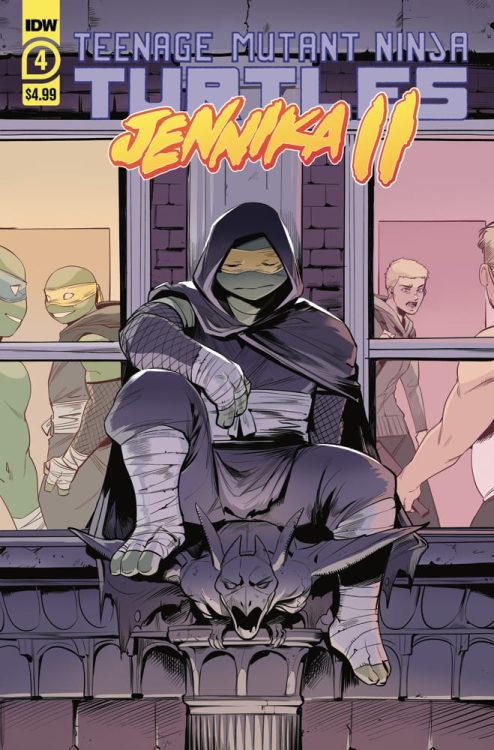
Review: TEENAGE MUTANT NINJA TURTLES: JENNIKA II #4 And The Regrets Of One’s Past

TEENAGE MUTANT NINJA TURTLES: JENNIKA II #4 hits stores on Wednesday, February 3rd, opening up a new chapter in the life of Jennika. While continuing to find her place within the new landscape of Mutant Town, the young ninja meets a wealthy mutant businesswoman. And the chance encounter resurrects a past Jennika is unwilling to face.

Story

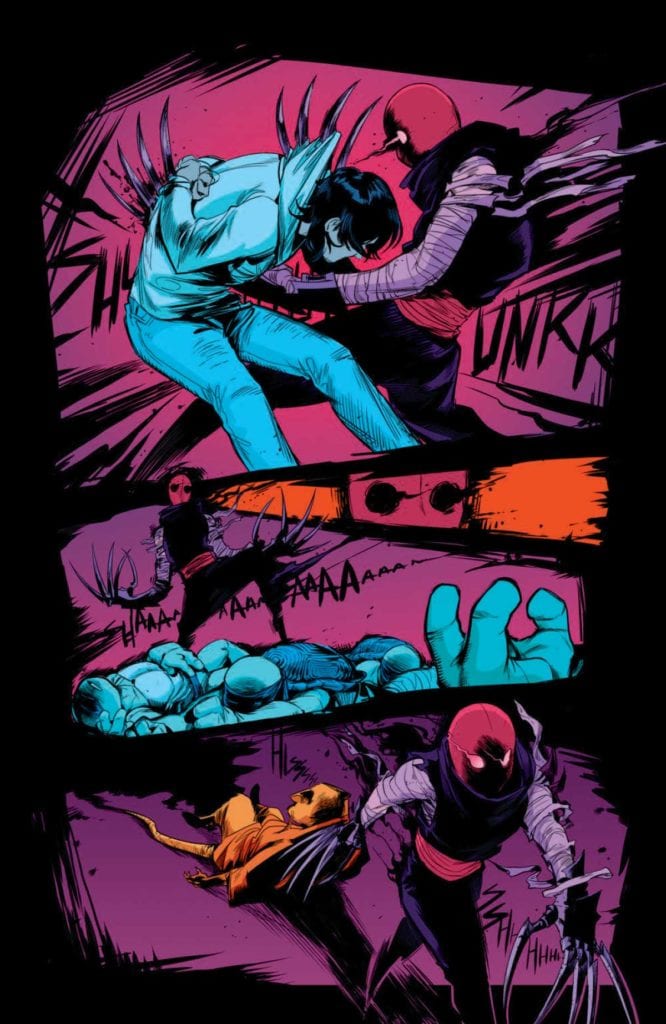
This issue is framed around Jennika’s self-perception, beginning with a horrible nightmare. In it the ninja finds herself in her old assassin role, but this time the targets are her comrades in Mutant Town.

Waking from this horrific nightmare, Jennika leaves homes to clear her head and remind herself of who she is as a person. What’s unclear, though, is whether this dream is a future event, a warped view of her past, or something entirely different. This ambiguity draws readers in.

While on patrol Jennika runs into the aforementioned woman demanding she be let out of Mutant Town. Wanting to distance herself from the nightmarish thoughts, the ninja speaks with the woman and learns she’s trying to find her son. But soon Jennika finds that this woman is connected to a piece of her past—a piece she’s tried to forget.

Ronda Pattison’s writing is well-paced and strategic. Rather than adhering to straight forward storytelling, she gradually reveals pieces of Jennika’s past that inform the reader’s understanding of the present events. In this way, readers learn that one’s past regrets can fuel one’s present choices.

Artwork

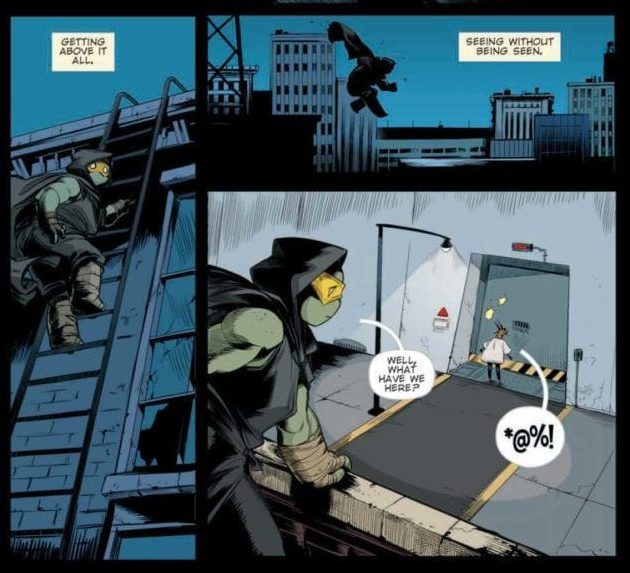
Jodi Nishijima’s penciling and ink work, Pattison’s coloring, and Shawn Lee’s lettering function very well with the written narrative. The panels featuring past Jennika offer a stark contrast with his present self through varied borders and colors. Yet the continuity is there to show how much things have changed. The lettering helps connect these past elements with separate word boxes featuring Jennika’s self-narrated trip down memory lane.

Conclusion

TEENAGE MUTANT NINJA TURTLES: JENNIKA II #4 is a story detailing the nature of regret and atonement. We’re excited to see where this issue leads us.

Do you think readers will learn of Jennika’s secret past? Let us know in the comments below!

Monkeys Fighting Robots Youtube

INTERVIEW: Composer Jordan Seigel Brings Balance To The Film Half Brothers

Half Brothers is a comedy-drama starring Luis Gerardo Méndez (Murder Mystery) and Connor Del Rio (Unfriended: Dark Web) as two unlikely brothers forced together on a long road trip. Composer Jordan Seigel created a score to balance the laughs and tears.

Luis Gerardo Méndez plays Renato Murguía, a wealthy Mexican businessman working in the aviation industry. Renato grew up loving planes thanks, in part, to his father. However, during an economic downturn, Renato’s father heads to America to find work and never returns. Renato grows up a shrewd man, always wondering what happened to his dad. The truth reveals itself when Renato gets word that his father is dying. The trip to say goodbye introduces Renato to his half-brother Asher played by Connor Del Rio, and together they set off on a journey to unravel their father’s past.

PopAxiom and Jordan discussed making music, playing piano for Peanuts, and balancing the score of Half Brothers.

Balance

Jordan is a Los Angeles native. “I’ve been playing piano since I was about five years old. My dad played piano and had a great ear. There was always a piano around the house, and it was a fun thing to do.”

“I was mainly doing classical music growing up,” he says, “but I didn’t excel at it. That didn’t happen until I found jazz.”

By high school, Jordan was “doing jazz, and it wasn’t until the end of high school that I said ‘I want to work in music.’”

At that point, the would-be composer “didn’t even know being a film composer was a dream yet.”

Jordan studied at the Berklee College of Music in Boston. “While I was there,” he says, “I loved playing piano, and I loved composing, and I searched for a good career path. Someone suggested film scoring. Growing up in LA, I knew about it, but I hadn’t thought about it. I loved films and the music from like Jurassic Park and Star Wars.”

Once Jordan started thinking about film scoring, he “started watching music with that ear and fell in love with it. I ended up majoring in film scoring.”

Jordan’s list of IMDB credits is rapidly growing, but he keeps a “balance composing music and still playing the piano.”

half brothers-composer-interview

About Half Brothers

Half Brothers centers on two men who didn’t even know the other existed. It was Jordan’s real-life (and close) brother who helped bring the composer to the project. “Luke Greenfield, he’s friends with my oldest brother. I knew him as my brother’s friend. He contacted me and said he was looking for composers for a new film. He sent me a list asking what I thought of the people on there. I said, ‘Hey, let me demo.’”

“I kept demoing over serval months,” he says, “I wrote for the montage and the ending. I read the script. I was only sent specific scenes during that time. I scored it as a drama.

Luke was on board, but the final decision rested on the shoulders of execs. “Luke fought for me on the project, because for a studio, I was a relatively unknown composer.”

The work on the demo was part of a long, evolving process for the Half Brothers score. “I don’t think there’s anything that I demoed that ended up in the final film. But the vibe of the movie and the music evolved to find this middle ground between comedy and drama.”

“It’s a long process,” says of making movies and the scores that accompany them. “I came on the project in December and finished the score by June. Things were being recorded, the VFX were being completed, and there was some uncertainty about the timing, but that’s how the process goes, and everything worked out.”

The evolution of the Half Brothers score involved the usual tough choices of what to take out. “The montage scenes were much longer, and it was making things too sad and taking away from the momentum.”

“We wanted to go full out Shawshank Redemption serious score,” Jordan says. “But We can’t do this. We have to find a middle ground within the context of each scene. Once we understood that the score fell into place.”

half brothers-film-comedy-drama

Wrapping Up

Thomas Newman and Randy Newman are significant influences for Jordan. “Bernard Hermann was a huge influence,” adds to his list, “to see what he did and how he approached scoring in terms of using restrictions to make a score interesting. He’d say, ‘I’m only going to use woodwinds or string quartet, interesting ensembles to create a unique score.”

“Ravel and Stravinsky are incredible,” Jordan says of classical influences. “Stevie Wonder is probably the greatest American songwriter. No one can write a song like Stevie. The Beatles. Duke Ellington in terms of jazz.”

Jordan shares what a dream project to him might look like. “Anything where I can write a really strong melody that can transport an audience. You get a melody in your head that moved you. The Pixar movies do that so well.”

Half Brothers is available on YouTube and Vudu. The score is available on Spotify, YouTube Music, and other services. So, what’s next for Jordan? “I get to play piano on AppleTV’s The Snoopy Show which comes out on February 5th!

Is Half Brothers on your watch list?

Thanks to Jordan Seigel and Rhapsody PR
for making this interview possible.

Want to read more interviews? CLICK HERE.

Monkeys Fighting Robots Youtube

Review: KING IN BLACK: BLACK KNIGHT #1 — A Self-Reckoning For The Ages

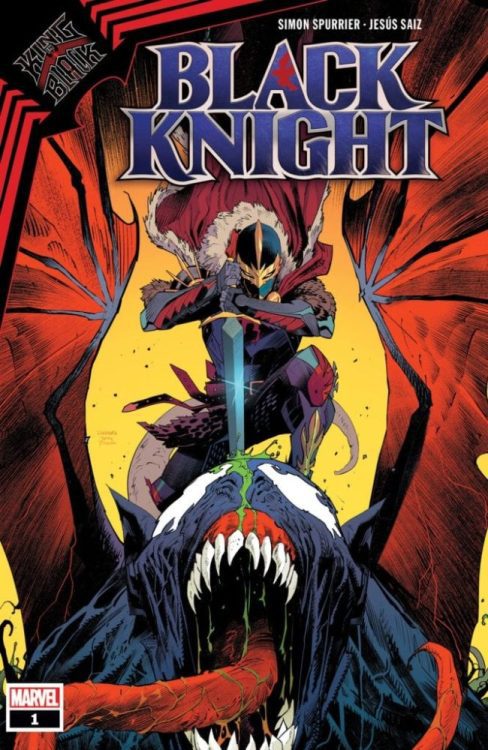
KING IN BLACK: BLACK KNIGHT #1, available in comic book stores on Wednesday, February 3rd, follows the troubled character of Dane Whitman amidst the symbiote god Knull’s invasion. Fighting to abate the call to violence from the mystical Ebony Blade, Whitman has spent a lot of time attempting to cultivate peace within his mind. But when a distress call from the Avengers is brought to his attention, we’ll see the Black Knight forgo all caution and seek to satisfy his lust for battle.

Story

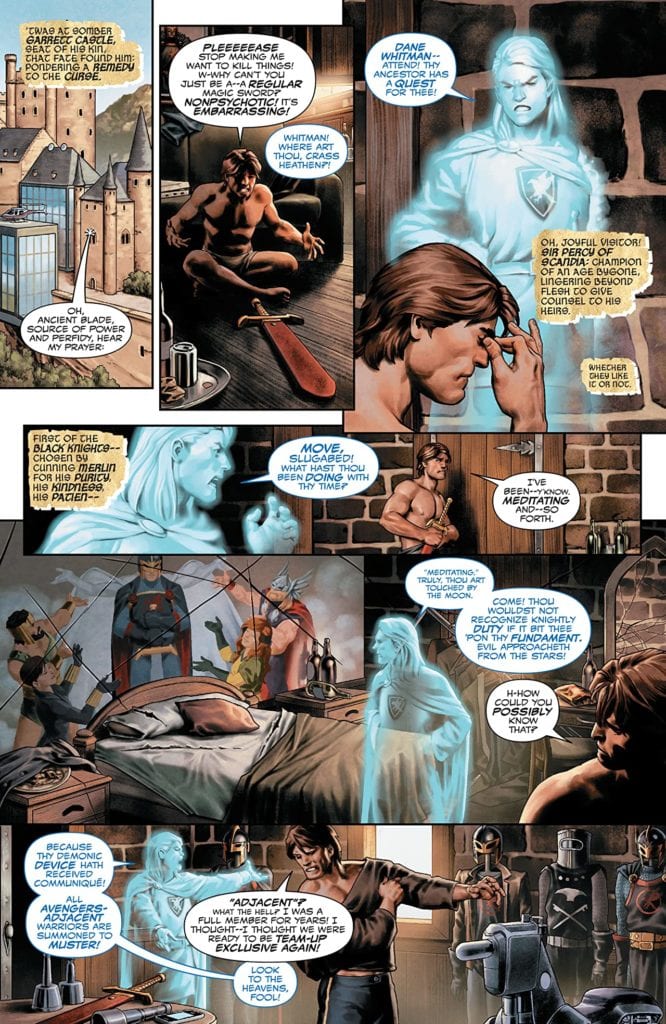
This issue is set in the midst of Knull’s army’s descent upon the earth. A medieval ancestor of Whitman alerts him to the Avengers call, who implores the knight to make a plan of action.

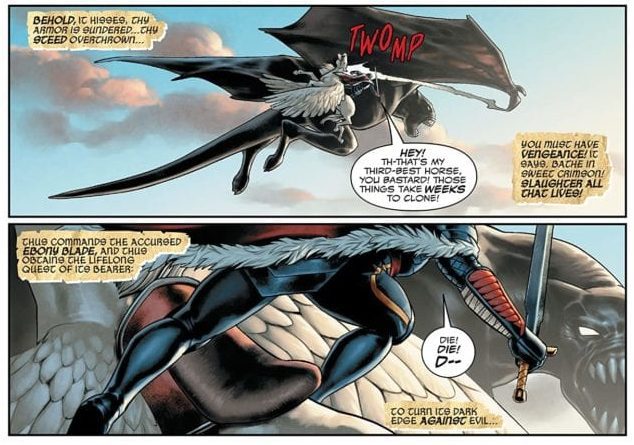
Feeling a sudden, irresistible urge, Whitman jumps into battle with a massive symbiote dragon. And the fight looks promising. But in the kerfuffle the symbiote god contacts him via telepathically, causing him to drop the Ebony Blade.

There’s an intriguing contrast in the story’s depiction of Whitman. On the one hand is the awkward guy who’s just trying to do his job (poorly), and on the other we see a caricature of a knight from storybooks, believing himself to be pure and valiant. But once Whitman comes into contact with Aero and other heroes, he’ll realize there are parts of his heart that so pure.

Simon Spurrier’s epic tale of Whitman’s self-evaluation is a thrill. The main protagonist must come to terms with his own morality, which reflects our own desires to be “good” while often falling short of them.

Artwork

The artwork in this issue is fantastic in its detail and fantasy elements. Jesus Saiz’s penciling, ink work, and coloring create epic fight scenes for readers. They offer shining swords and armor, detailed character designs, and colorful landscapes.

VC’s Cory Petit’s lettering was one of the best artistic features in this issue. Whitman’s fairytale-esque narration appears to be set on tattered pieces of parchment torn from a storybook.

Conclusion

KING IN BLACK: BLACK KNIGHT #1 is a fantastic one-shot featuring the intriguing psyche of one of the lesser known former Avengers. We hope there are more stories featuring Black Knight in the King in Black event to come.

Do you think the Ebony Blade has the power to vanquish Knull? Let us know in the comments below!

Monkeys Fighting Robots Youtube

Back to the Beginning in MARVEL ACTION: ORIGINS #1

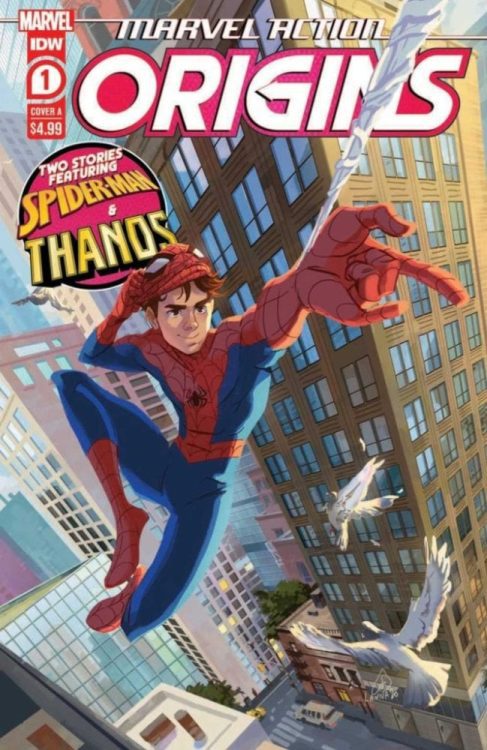
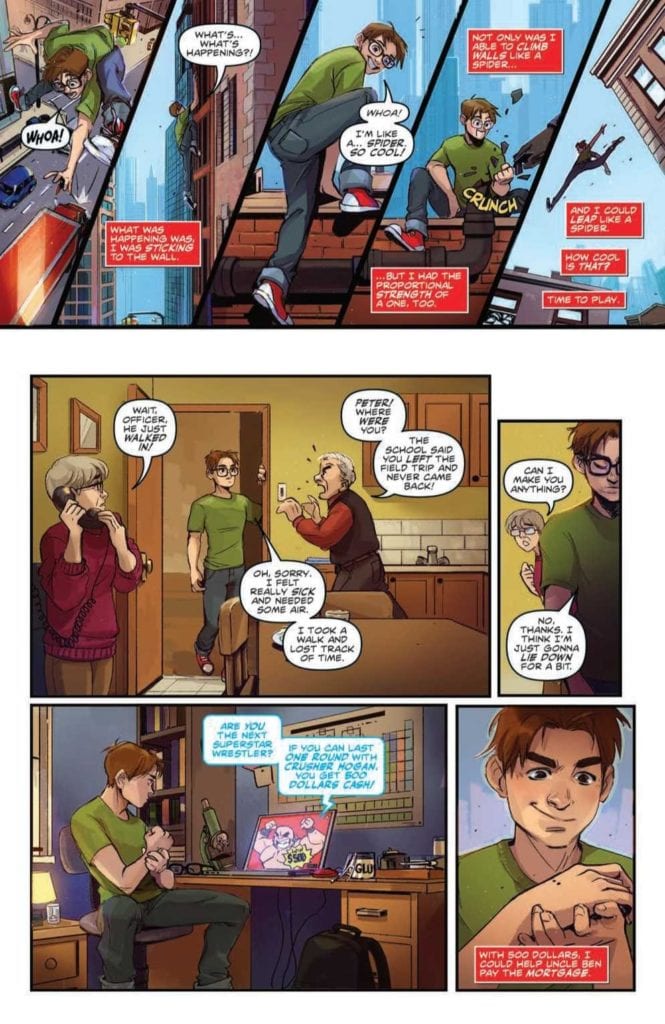
MARVEL ACTION: ORIGINS #1, available Wednesday from IDW, is about to transport fans, old and new, to a very classic point in the lives of Marvel characters. Their origin stories, that is. The first issue starts with a bang, introducing both Spider-Man and Thanos.

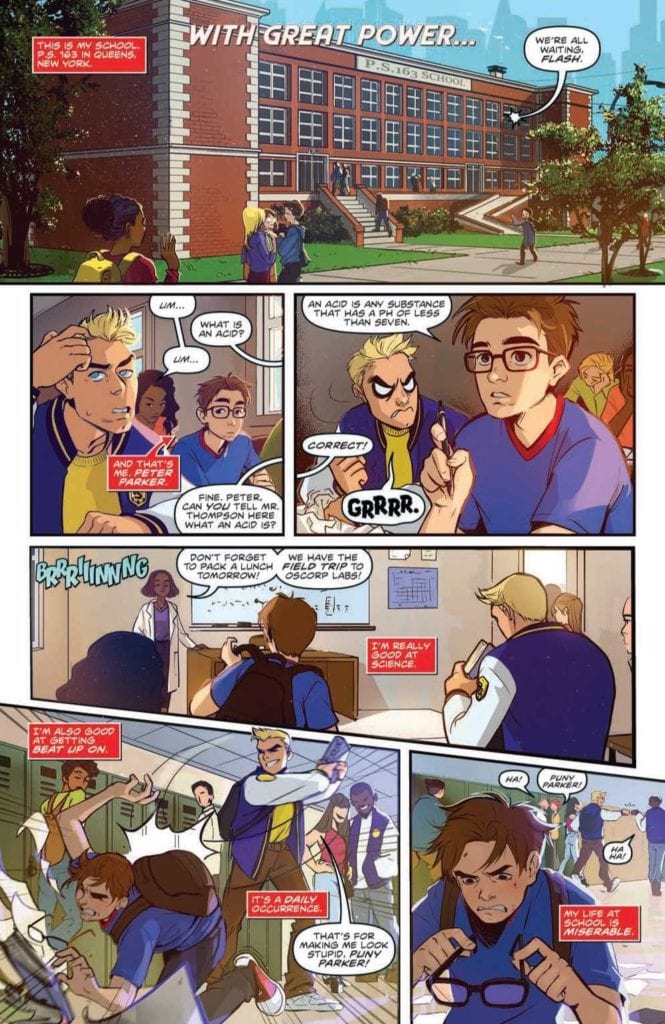
Enter Peter Park in ‘With Great Power.’

Marvel Action: Origins is a very honest series and title. It is exactly what it promises: a series of origins of those characters we love the best. While some fans out there may be tired of the idea of going through it all again, there’s also that hope that new fans will pick up this series and find a whole new appreciation for it all.

Plus, sometimes all we need is the chance to see a classic character in a new light, right? Marvel Action: Origins #1 starts out with one of the more iconic Marvel heroes out there: Spider-Man. From there, it jumps right to a classic villain; Thanos.

Yep! Both a hero and a villain get to tell their origin story in this issue, a trend that will continue, from the looks of it (hint: it looks like Captain Marvel and Green Goblin will be featured in next month’s issue!).

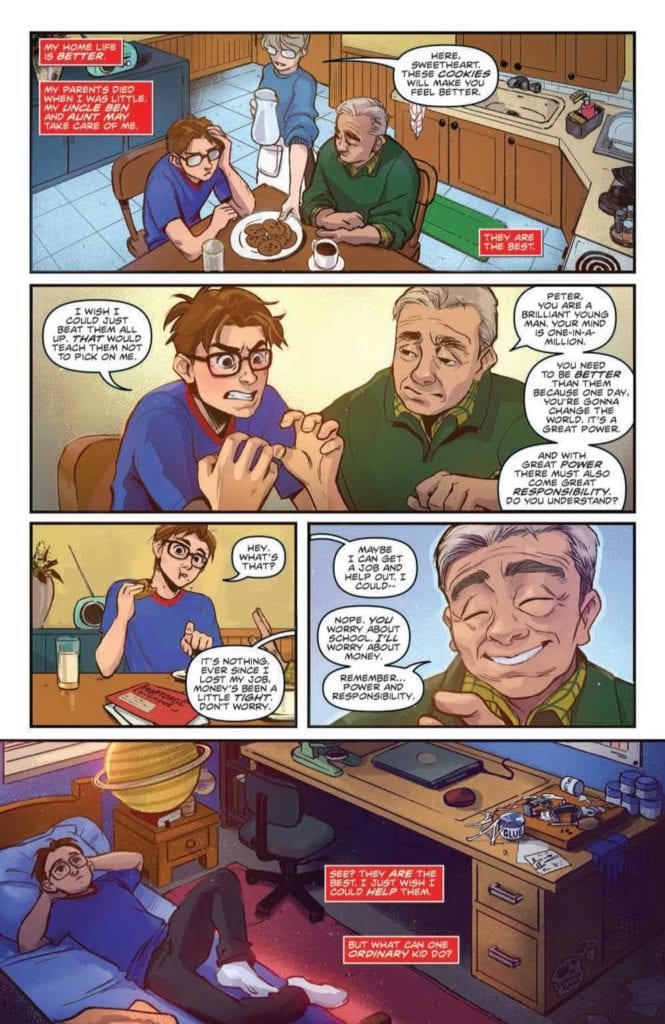
Don’t you just want to hug Uncle Ben?

The Writing

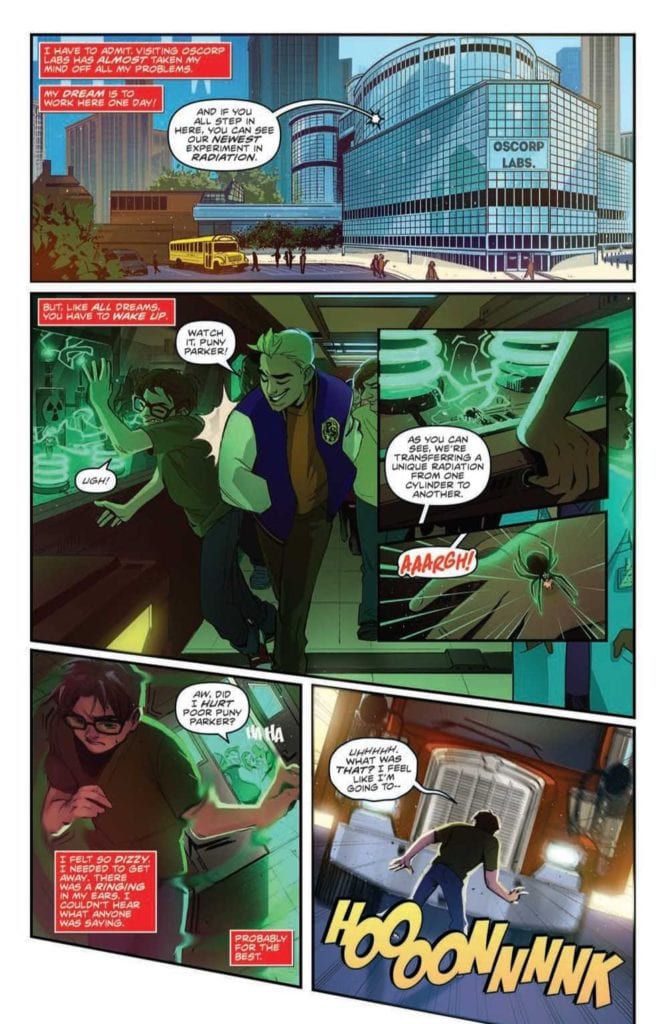
Marvel Action: Origins #1 starts out more or less exactly as any Spider-Man fan would expect, and I don’t mean that as a bad thing. Written by Christopher Eliopoulos, With Great Power contains a quick rundown of everything Peter Parker related.

Or, more accurately, everything that happened to him in the earlier years. You know how the story goes, so I won’t rehash it here. I will say that Eliopoulos did a solid job of portraying the complexity of the situation for such a short period of time. All of which helps to quickly explain how this iconic hero came to be such a force of light for those that adore him so much.

Perhaps The Mad Titan will bring with it more surprises, but once again; both halves of this issue will be full of shocks to those newer to the franchise. Thanos’ origin story doesn’t quite start at the beginning, but once again helps to give a solid understanding of his character, his drive, and his ultimate goals. All while hinting at more, as we all know his character is more complex than a quick glance would hint towards.

We all know how this is going to go…

The Art

Marvel Action: Origins #1 was illustrated and colored by Lanna Souvanny, and lettered by Shawn Lee. Together they brought two very different characters to life on the pages. They portrayed the best and the worst they had to offer.

That’s a task in and of itself, even without having to illustrate so many Marvel characters. Admittedly, the second half gets the most there – as at least half a dozen different (and yet immediately recognizable) characters grace the pages.

The colors are bright and alluring, all of which probably hints once again at how this series would be great for a younger (and newer) audience. It’s eye-catching and flashy in all the best ways, yet sophisticated when it needs to be.

The end result is something that is memorable, even when the tones lean towards the more somber side of things.

The rise before the fall, as they would say.

Conclusion

Marvel Action: Origins #1 went a long way in portraying the highlights (and okay, the worst memories in Peter’s case) of two iconic Marvel characters. The series is all set up to showcase the important moments and origins of many a Marvel character. While none of this information was new, I still found myself appreciating seeing it all laid out so cleanly, and am looking forward to seeing how they handle one of my favorite characters and her origin.

Monkeys Fighting Robots Youtube

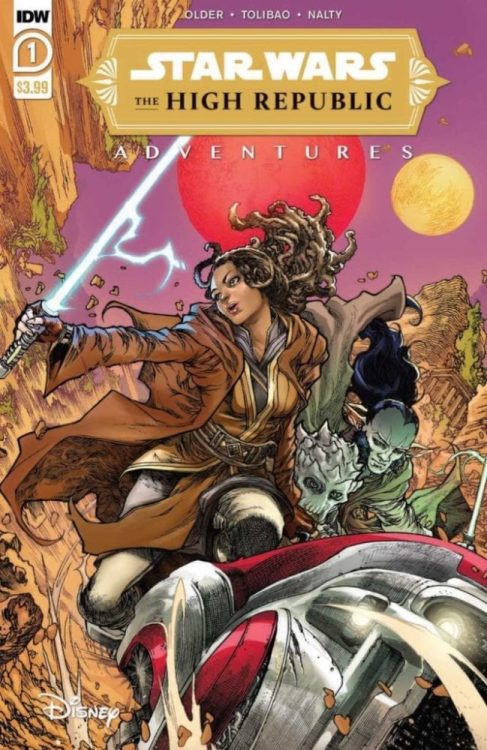
A New Beginning in THE HIGH REPUBLIC ADVENTURES #1

STAR WARS: THE HIGH REPUBLIC ADVENTURES #1, available Wednesday from IDW, is the start of an all-new series of Star Wars adventures. All of which will be set in the era of the High Republic – a current favorite among fans.

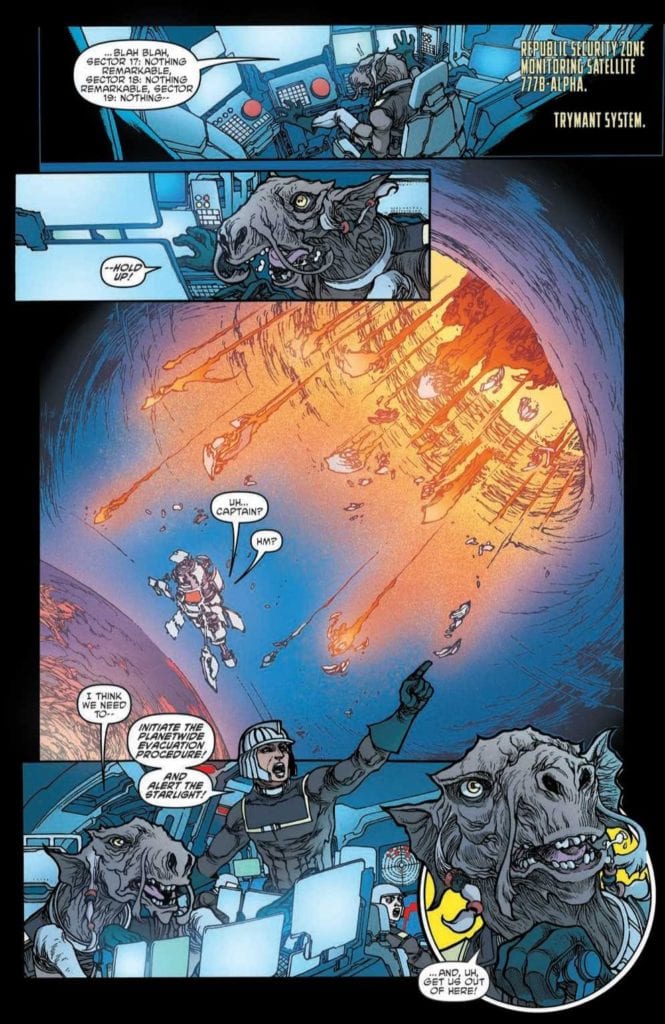
A planet in need of evacuation – talk about high stakes.

The High Republic Adventures #1 is the first of a new series following Masters and Padawans alike in a tale welcoming to all ages. The fact that it’s set in the High Republic just makes it all the more exciting.

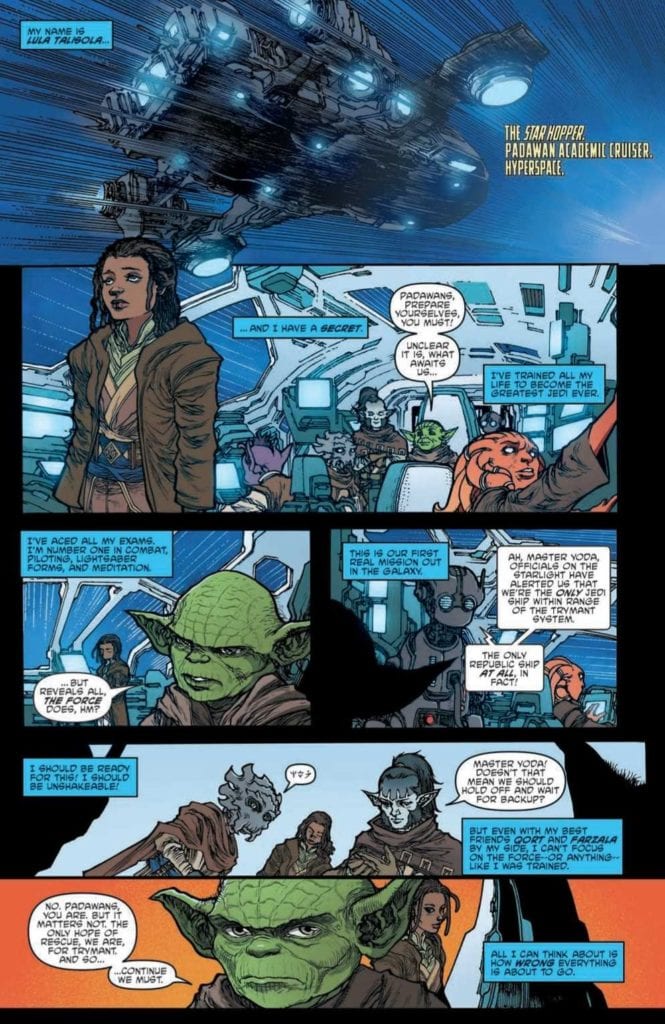
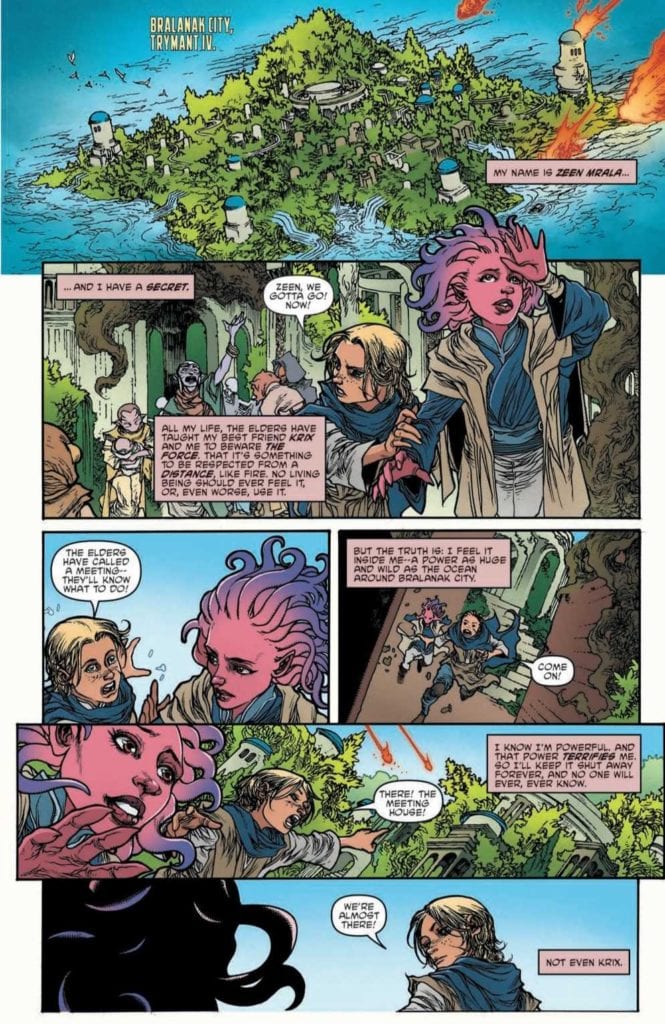
Collision Course is the first arc in this series, and it introduces a variety of characters. From those we know well (Master Yoda) to new younglings finding their way through life (Lula, Zeen). It’s already looking to be a high stakes adventure, which sounds about right!

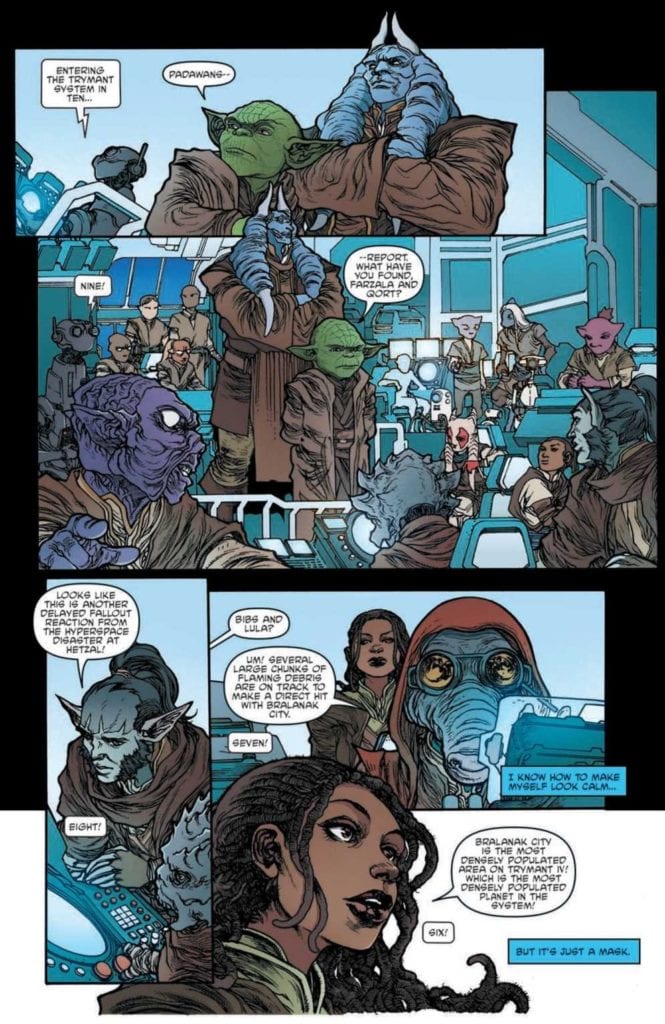
Enter Lula Talisola, she’s a Padawan, and she has a secret…

The Writing

The High Republic Adventures #1 is this unique blend of thrilling adventures and comfortable storytelling that only Star Wars can manage. Even when portraying something so new and exciting – there’s something so relaxing about the idea of diving into a new adventure.

Written by Daniel Jose Older, this first issue wastes no time throwing readers and characters into the thick of things. In short order we’re introduced to two different sets of characters, as well as having a clear understanding of the stakes at hand.

The use of two different perspectives helped to speed things along quite a bit, naturally. It also helped to form a sense of kindred spirit, making what was an interesting story all the more compelling due to the potential that lay within.

The High Republic Adventures promised to be a series that any fan of any age can enjoy, and so far it’s proven to be truthful. While the main perspectives lean towards a younger range (read: young Padawans), there is still plenty for the adults out there to enjoy as well, even if it is simply the inclusion of some of their favorite characters.

Meanwhile, young Zeen on Trymant IV also has a secret.

The Art

The stylistic choices made for The High Republic Adventures #1 make it a truly standout visual experience. While the whole of the series resonates with that classical Star Wars look and style, it also showcases some unique styles and risks.

The lead artist, Harvey Tolibao (Magnus Arts), did a fantastic job of creating an entirely new set of characters – many of whom are not human. The variety is noted, and very much appreciated. Likewise, Tolibao portrayed younger versions of characters we know so well. And no, it doesn’t feel nearly as jarring as one might expect.

Rebecca Nalty’s colors are a highlight in my mind, as characters practically pop off the pages they are so vibrant. The backdrops and explosive elements also demand attention accordingly. Which admittedly helped to be a constant reminder of the danger they were all in.

The lettering, provided by Jake M. Wood, is the final touch for this issue. You can really feel the sense of balance that Lula was reaching for. While also seeing the rage and fear that coursed through those that stood opposite her. It’s impressively done.

The difference between Padawans and Masters.

Conclusion

The High Republic Adventures #1 held up to all the promises it made. Portraying a compelling and interesting start to this series. The fact that it can be appreciated by fans young and old is such a treasure. One that leaves room for new fans to find their way to the franchise.

Monkeys Fighting Robots Youtube

These Times Are Changing in RUNAWAYS #33

RUNAWAYS #33, available Wednesday from Marvel Comics, presents fans with a version of the Runaways that is in constant flux. Everything is changing, regardless of how tightly each and every one of them tries to hold on. An impressive feat, given Molly’s strength.

The Runaways are back!

The Runaways have been through it all. The best, and the worst, that the Marvel universe has to throw at them. However, the events involving Dr. Justice may very well have pushed this group of children (young adults now, really) too far.

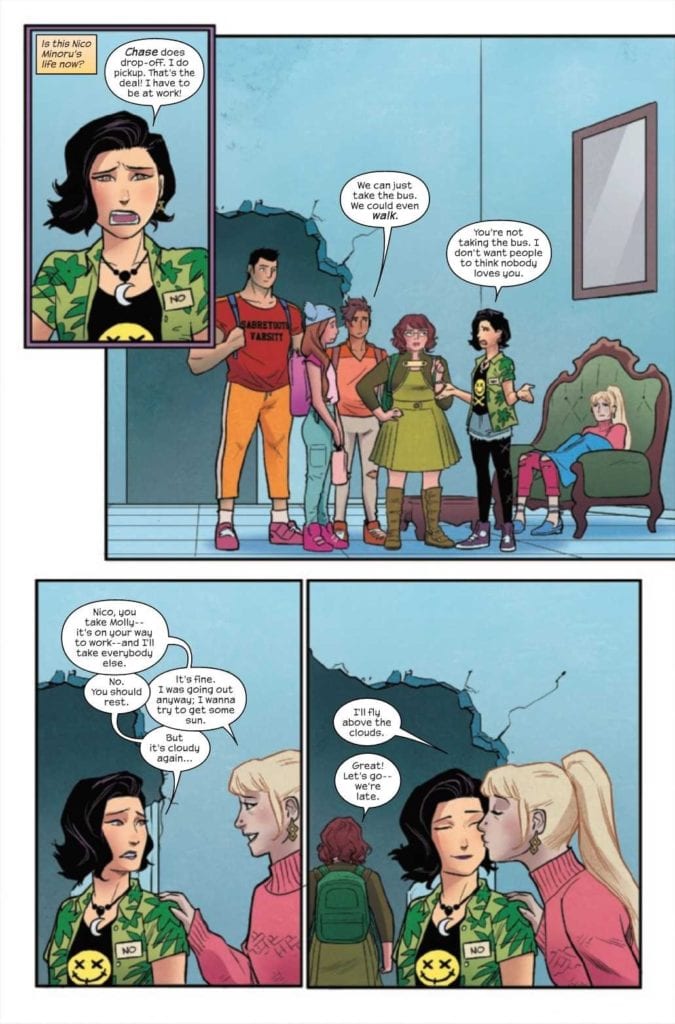
Runaways #33, much like its predecessor, promises much change. In the last issue, we saw three of the crew heading back to school, alongside young Molly. That’s an unexpected move, for a group that typically has zero faith in the system.

Naturally, this act raises several questions. How long can this sense of normalcy (admittedly one full of adjustment and pain) last? What is the motivation for going back to school? And how long will outside forces allow the Runaways their freedom?

It’s important to remember current events when heading into this issue. There has been a lot happening in the wider Marvel ‘verse that the Runaways have largely been ignoring. They’re lucky to not have been pulled into many of the major events that seem to drag all the heroes under on a regular basis.

Time for school? Yet they’re missing a driver…

The Writing

In a way, Runaways #33 is fairly jarring. Not for all the insane things they’re going up against – but because they’re now railing against normal teenage battles. The contrast can be quite shocking when put up against their normal adventures.

It’s just further proof that Rainbow Rowell is trying to push these characters to new points, sneaking in character growth and surprises all over the place. Speaking of surprises, there are quite a few in store in this issue.

Some come with a sense of humor, mostly revolving around one (newer) Runaway in particular. Others carry a sense of foreshadowing, as they should. On that note, I really appreciate that Rowell hasn’t let that subplot drop, as I’m eager to see where it leads. While admittedly dreading it all at the same time.

It’s a complex situation that they’re in, and I honestly don’t think they’ve yet to grasp the full scope of it all. All of this makes for an interesting foundation for what happens next. A surprise cameo, or rather, two surprise cameos. In a way, it actually feels like it shouldn’t be a surprise. And yet it is. It adds yet another layer to the mess that the Runaways are trying to work through.

Who do you think just showed up at the Hostel?

The Art

The artwork inside Runaways #33 is bright and rich at the same time. While the series as a whole does tend to lean towards brighter colors, it just makes the darker moments (or the details that lack color) all the starker.

Andres Genolet did a great job of portraying a variety of scenes, from the classic high school trope to the slightly chaotic home life that the Runaways are more used to. However, it’s the last five or so pages of this issue that really steal the show. Those panels are full of life and action, showing a sense of animation that many of the characters seemed to (intentionally) lack up until that point.

Obviously, Dee Cunniffe’s had a major impact on this issue. The colors are bold, as is the style for this series, but it goes beyond that. Karolina’s coloring plays an important role in this issue, and it also feels like the background tones are leaning towards certain characters at times. It’s all very cleverly done.

VC’s Joe Caramagna’s lettering is perfection, as always. There are two scenes that really showcase the finesse in this case. Ironically, both scenes are fairly distinct from one another. Yet both imply a certain level of activity and intensity.

Well, that’s a surprise!

Conclusion

All things considered, it’s good to have the Runaways back. Even if several of their members are going through their own version of an existential crisis. Runaways #33 made for a fascinating issue, one that brought about plenty of change, and even more hints for what is to come.

Monkeys Fighting Robots Youtube