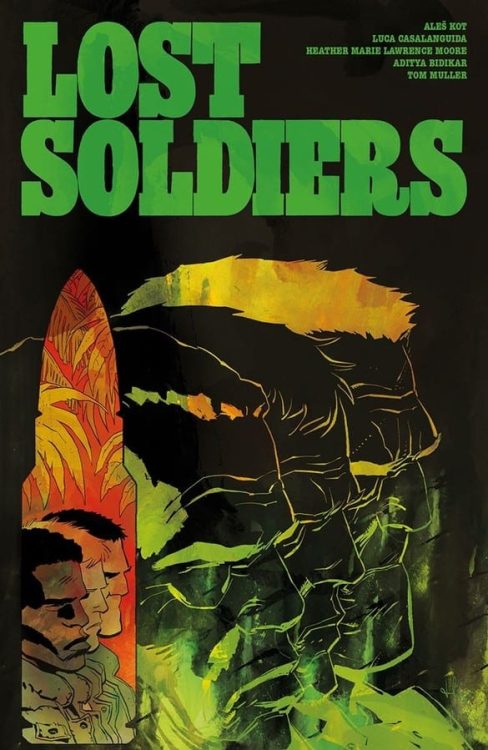
Lost Soldiers is a 5-issue mini-series written by Ales Kot and drawn by Luca Casalanguida, with colors from Heather Moore. It’s published by Indie comics heavyweight Image Comics, and it may very well be the most crushing series they’ve ever had across their table. Lost Soldiers is a devastating yet poetic examination of how war affects the people who fight it both on the field – and especially years after the bullets have stopped. With a haunting script from Kot and surreal, graphic visuals from Casalanguida and Moore, this is one of the best war comics ever published.
“Vietnam, 1969. Juarez, 2009. Three men tied together by the war they left behind—on a collision course with the new one. As old grievances resurface close to the border, the bodies pile up. Can the men escape the cycles of violence, or will they be swallowed by them again, this time forever?”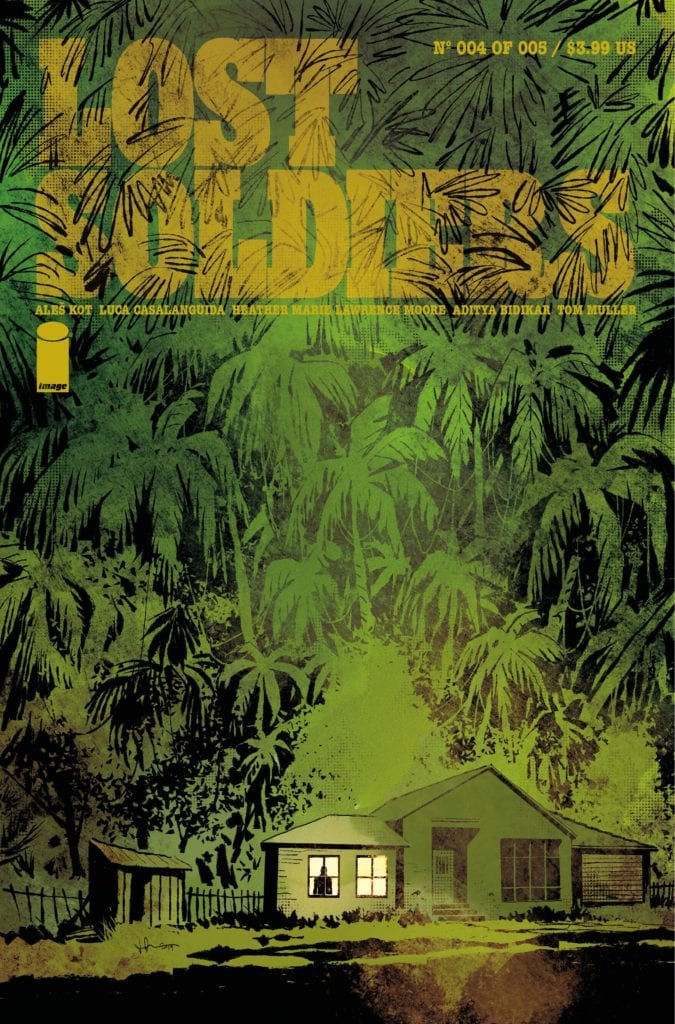
Writing & Plot
The bulk of Ales Kot’s narrative in the five issues of Lost Soldiers takes place not in the heads of its scarred protagonists, but in the grim poetic machination of the voice of war. At least, that’s what we imagine it is. Both the disembodied narration from this unknown malevolent force and the actions of our main protagonist stalk the pages with a desperate, cloying hunger. The story’s switching focus between 1969 Vietnam and 2009 Juarez is held together not only by the haunting experiences of the two lead characters, but by this malevolent voice that slithers its way into many-a panel in this series. This series focuses less on combat then it does the inner turmoil of our unnamed protagonist. Not giving him a name is a symbolic choice here. This character obviously goes through his own intense traumas during his time in Vietnam – not going to get into spoilers, but more intense than even most accounts of warfare would likely bring about. He lives an existence afterward that many soldiers would likely have. This is the point. Despite this character’s experiences being very much his own, Kot decides to make him a symbol for the effects of war and unimaginable shock and what they do to the mind. More than this, Kot’s story is an examination of three different men’s response to extreme PTSD. One man has done all they can in terms of therapeutic resources to resume a semblance of a normal life. One has taken their hardened stoicism that they had 40 years prior and doubles down on it for the wars of today. The last – our nameless protagonist – never left the jungle. Saying any more would be giving up the goods.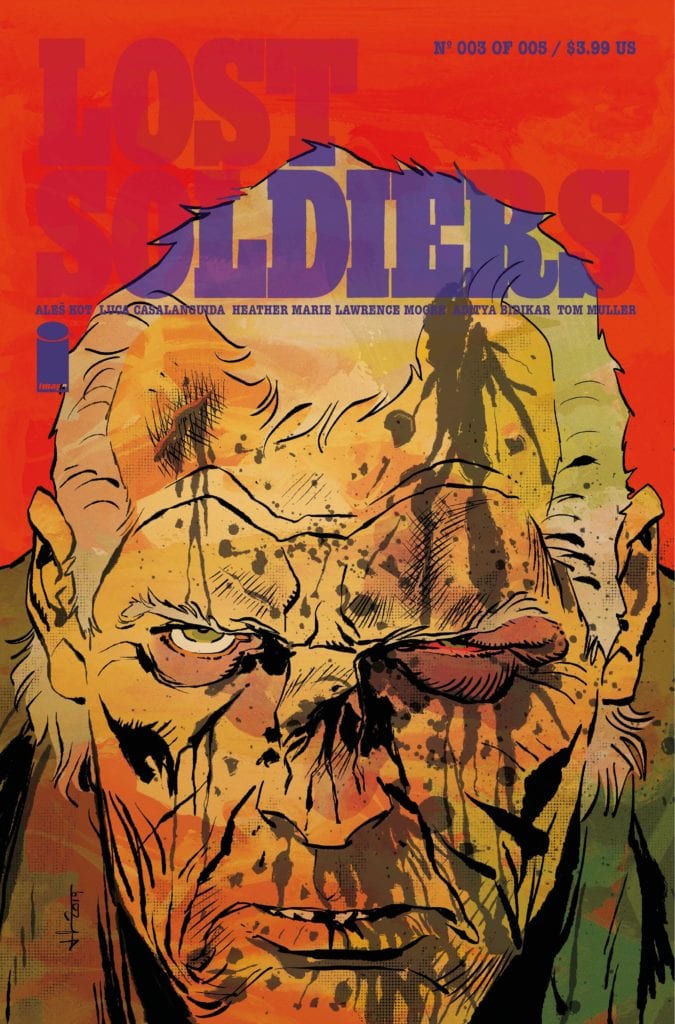
Art Direction
The relentless, sullen tone of Lost Soldiers is brought to life by the combined efforts of Luca Casalanguida’s pencils and Heather Moore’s colors. Their work on this comic series sees its settings transform from the humid jungles of Vietman to the sandy streets of Juarez, but painting them in an almost surreal, otherworldly light. The visual effects brought out in this series make this comic feel like equal parts Full Metal Jacket and Apocalypse Now. Sequences of feasible reality will twist and morph into impossible, nonsensical imagery rife with rays of color shooting through the panels. The eyes of men with thousand yard stares color this comic in a way that makes us see the world through their eyes. The wear and tear is visible in the creases in the faces of the three men this comic centers on, and just getting looks at them put us as readers in their mindset without ever even having to go to the battlefield sequences. There is a masterful command of character art in terms of detail, shadow, and color in this comic that is rarely seen by even the industry’s best talents. This comic is so striking visually during just the quiet scenes of conversation or reflection that when the action hits it has the intended effect of being brutally shocking. The combat sequences are full of their own detached color scheme, like reality is fading before the eyes of the soldiers fighting. This uncanny atmosphere is permeated by the sight of tracer rounds and oh, so much blood. There are the standard shots of dead men that one would expect in a war story, but there’s an added cerebral horror to the carnage by Moore’s colors and Casalanguida’s choices with both gore and character reactions. There’s a disturbing sense of realization that Casalanguida brings to the faces of injured and dying men that is unnervingly haunting. This is a searing and vivid visual experience of a book, and potentially the most effectively drawn war comic I’ve ever read.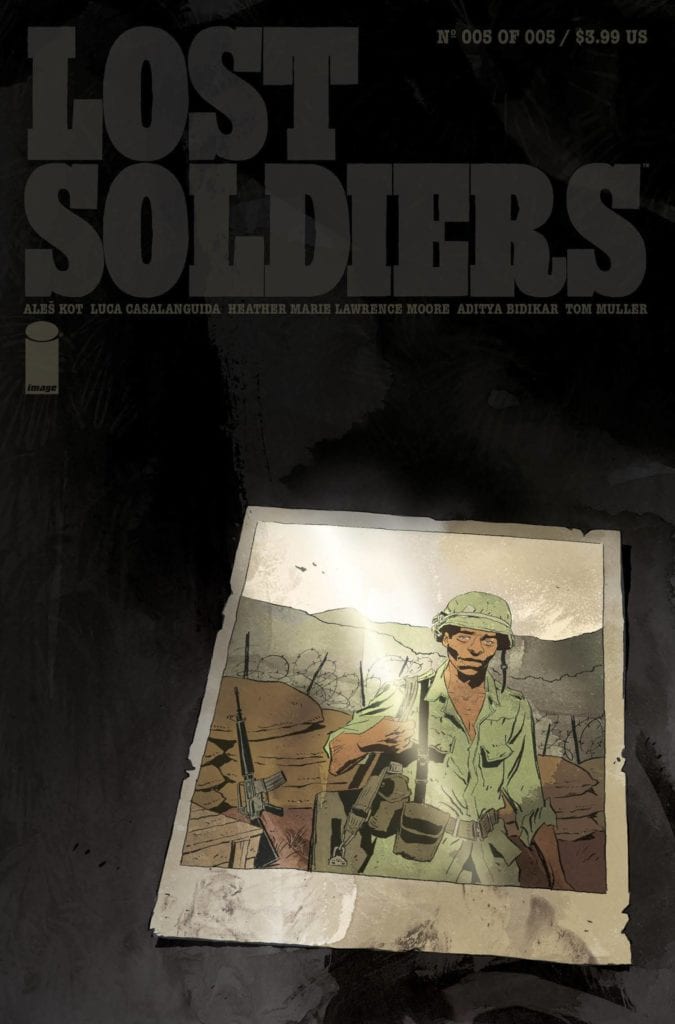
Lost Soldiers is more than a war comic. It is a treatise on people who never truly come home from war, and will live the rest of their lives on a battlefield. This is a book about three men who have found war, and have found way to satiate its appetite – but can and will never leave its call. Writer Ales Kot and artists Heather Moore and Luca Casalanguida have created an unforgettable and haunting experience that may be one of the most essential comic reads of the past several years. Be sure to grab this complete collection when it arrives on shelves on 2-10.
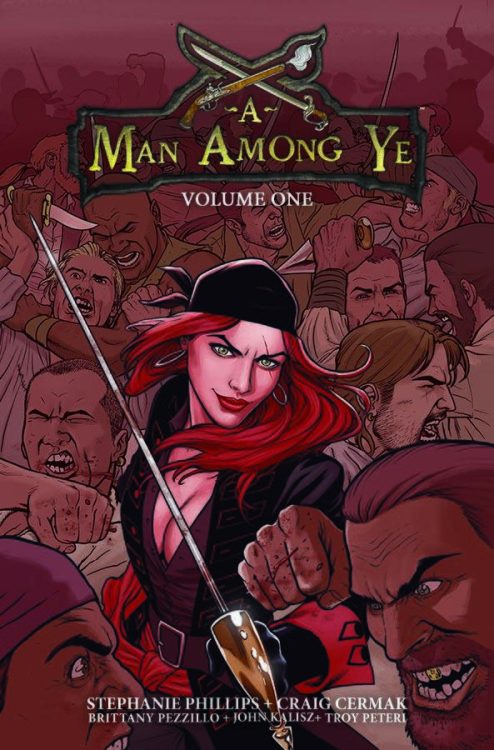
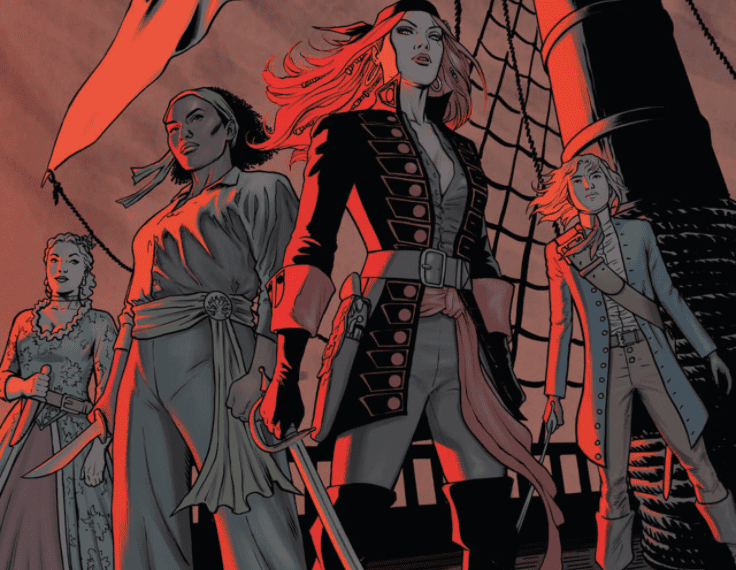 A Man Among Ye is first and foremost an alternate history about Anne Bonny and her companion Mary Read. Phillips makes this stand out by making Mary a decade younger than Anne, whereas historically
 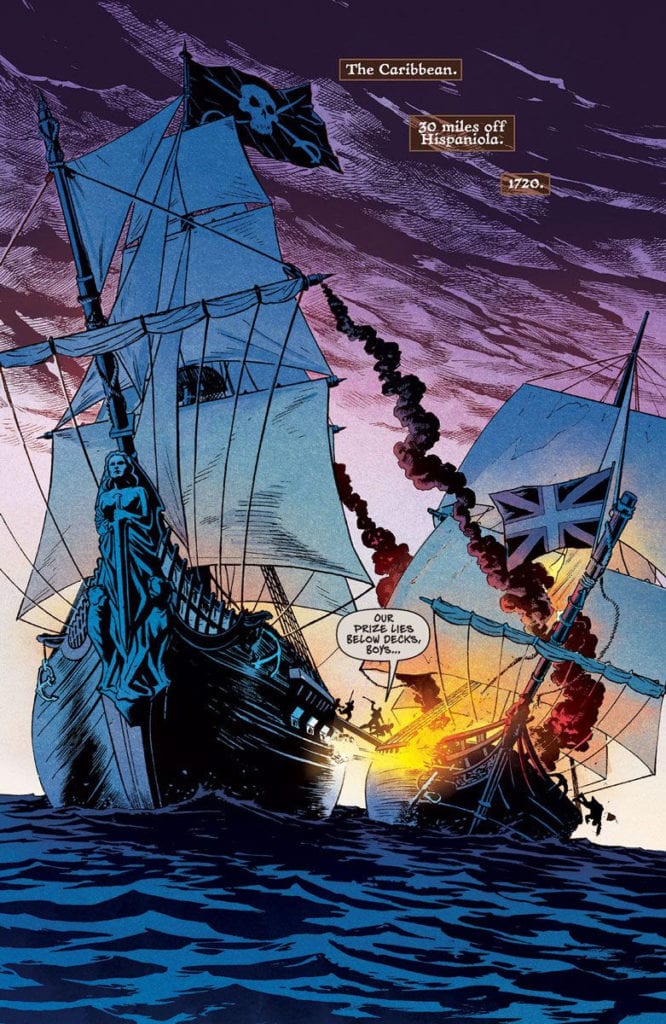 Cermak uses artistic techniques to keep the reader’s attention. Cermak, in all of his pencils and inking, evokes very sensational scenes straight out of a pulp novel. An opening involving a pirate ship and a navy ship in battle certainly makes a strong first impression. Especially when that pirate ship takes up the most space, that shows how powerful a presence the pirates are.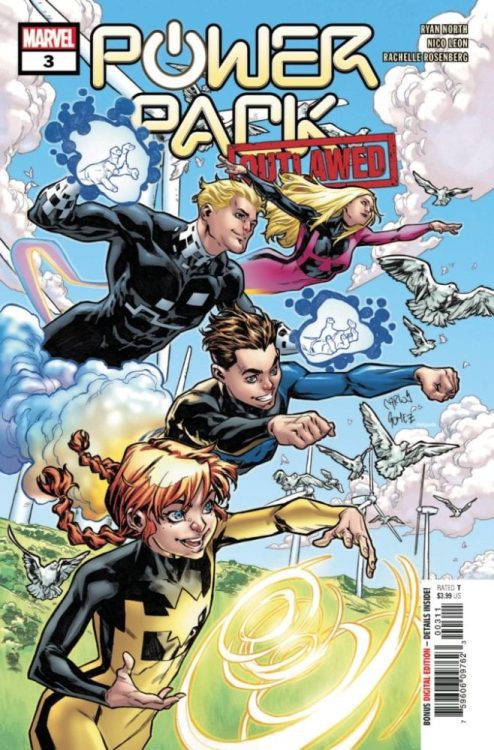
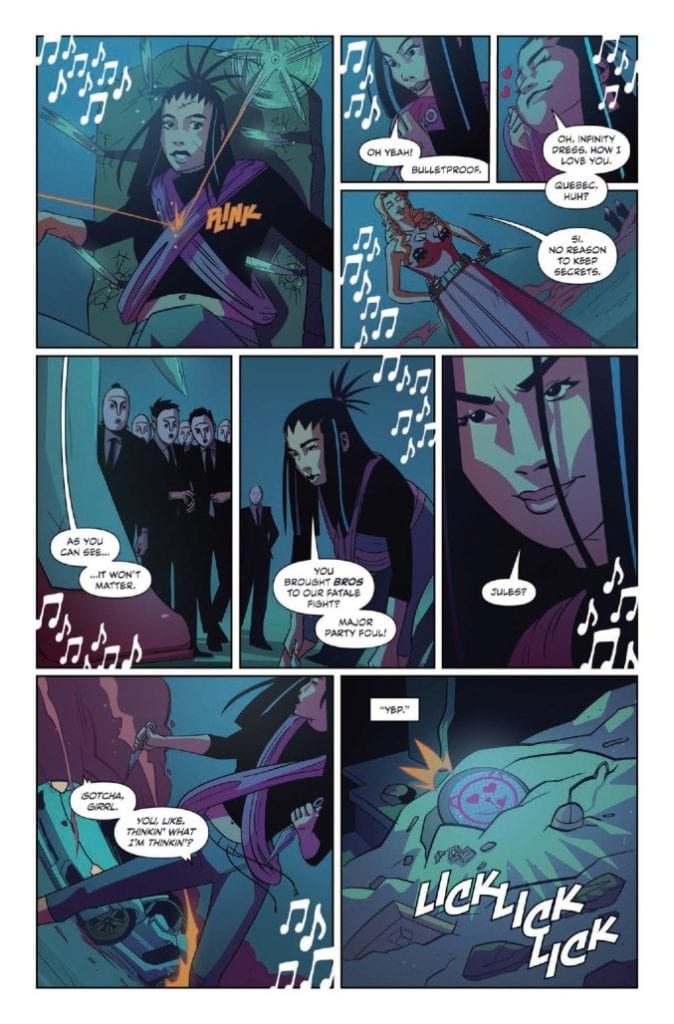
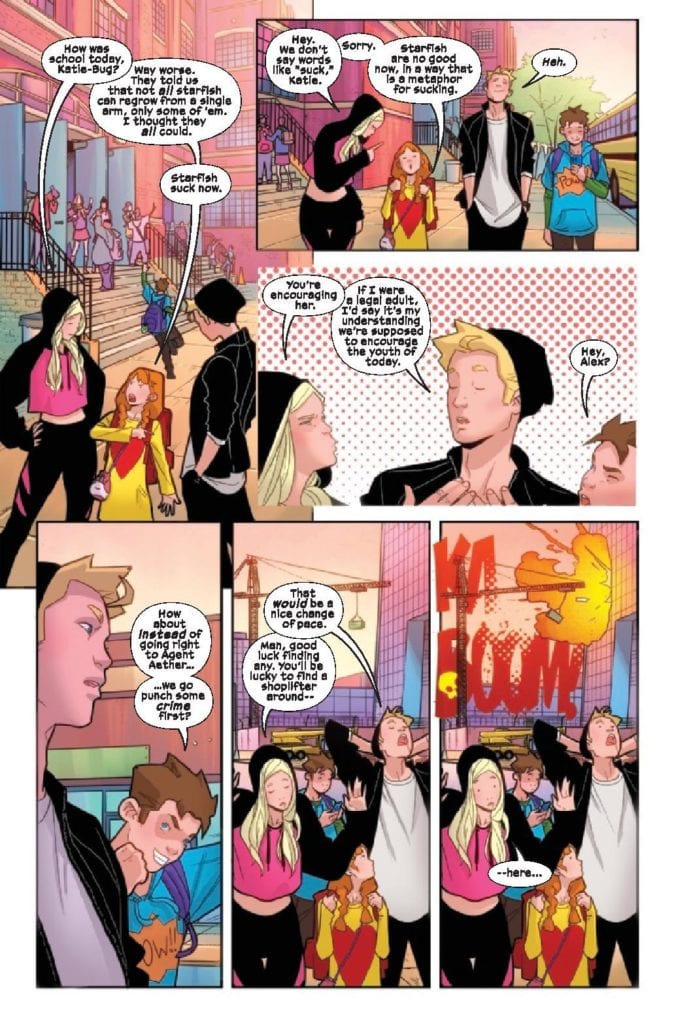 Power Pack #3 takes Julie/Lightspeed’s perspective, as readers look at the sibling’s family dynamic. Julie often tries to act as the Pack’s voice of reason when they get into their minor quarrels. If anybody has relatives that drive each other crazy, wanting to calm everybody down is relatable. North takes this a step further by showcasing how Lightspeed thinks on her feet in battle against Taskmaster. Thanks to Julie’s experience outside of the Pack, she knows how to goad powerful fighters like Taskmaster, to her and the Pack’s advantage. It’s always good to see heroes work with what they’ve got when they’re at a disadvantage.
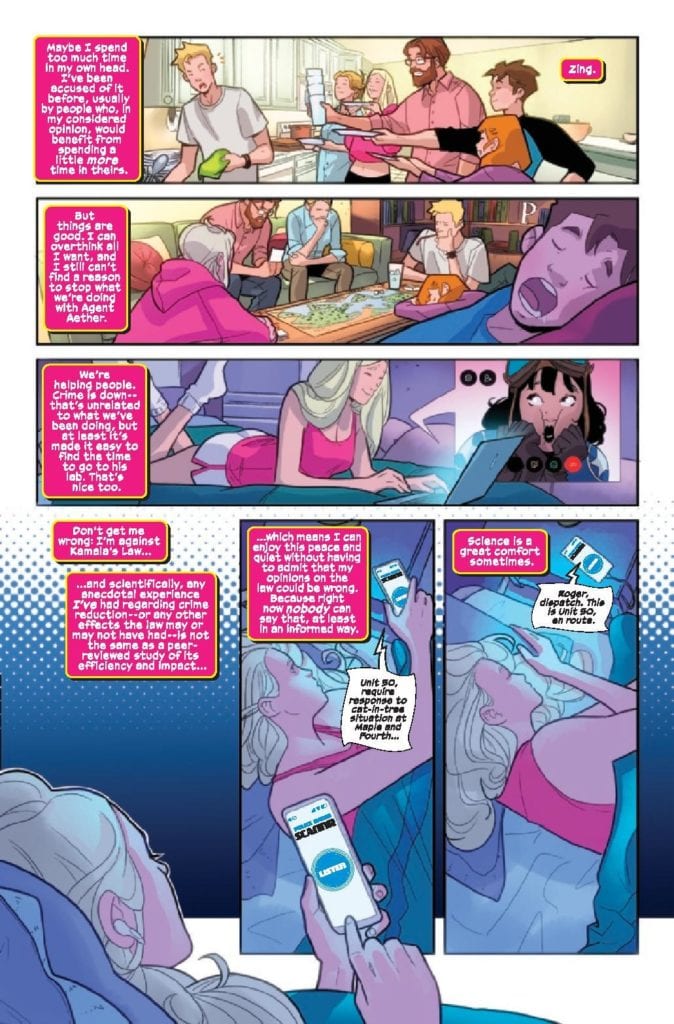 Rosenberg includes a lot of magenta in this issue with its focus on Lightspeed (it’s the color of her costume). Whether it’s the lights, mental images of her girlfriend, or the background, it serves as a way to tell the reader that Julie pulls the most weight in this issue. This extends to the captions from Lanham who uses them in juxtaposition with Lightspeed’s mood. When she’s going in for an attack, she screams out her frustrations. It’s nice to see that while Lightspeed does have experience, she is still young and has quirks that make her more relatable.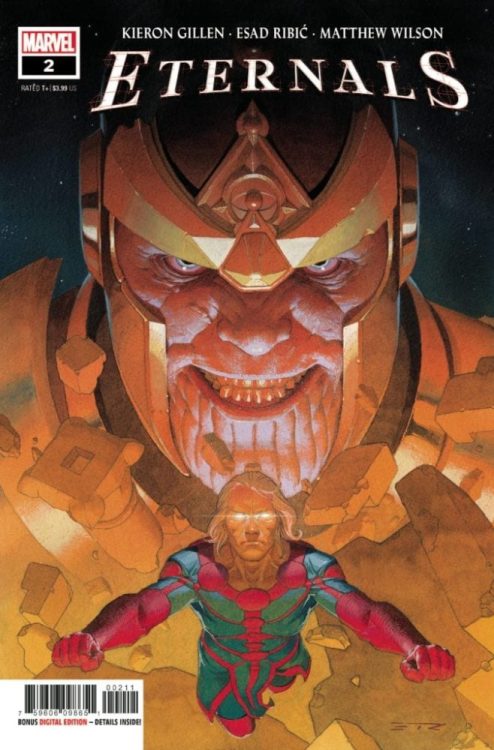
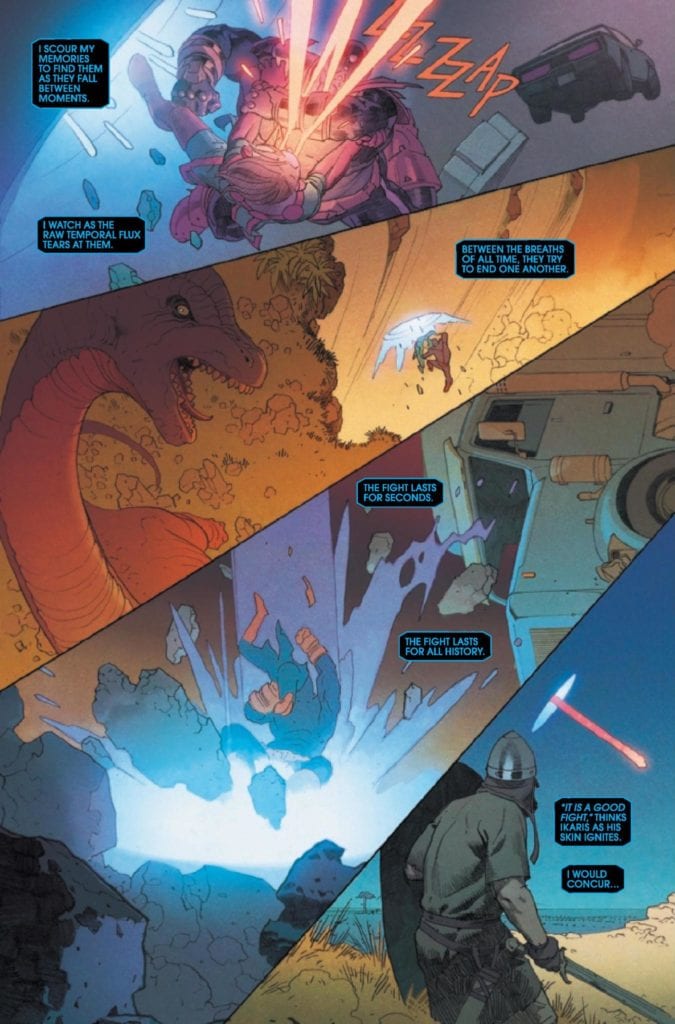
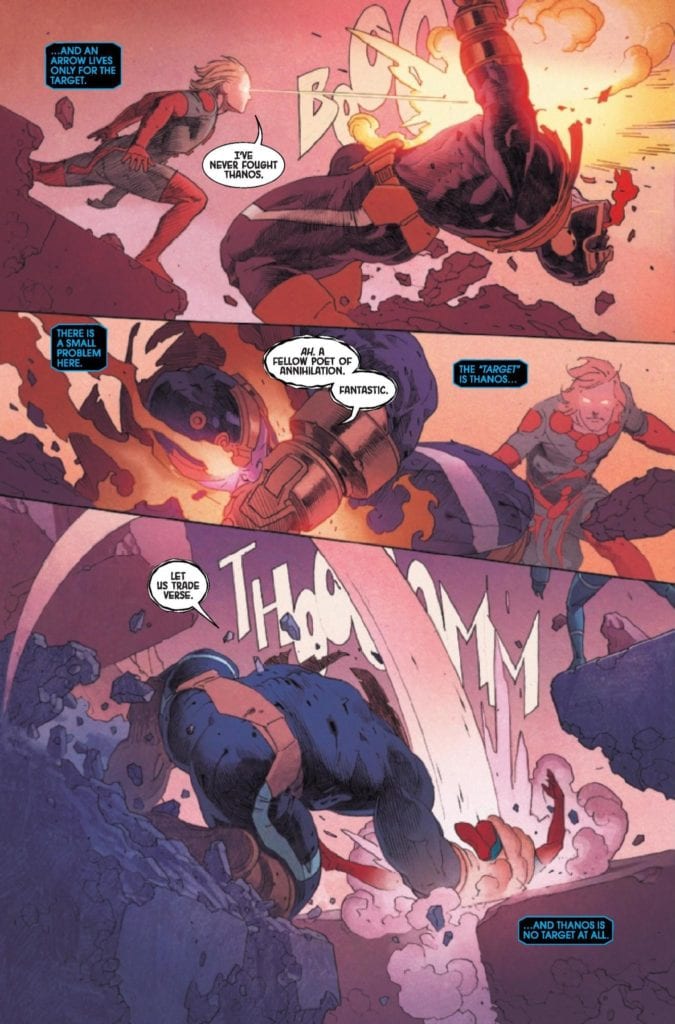 Eternals #2 has Ribic’s art show the angles and dynamic positions of the situation at hand. In Ikaris’ battle against Thanos for example, Thanos’ height and movement demonstrate his control over the situation. Which is incredibly ironic, considering the effects of the Great Machine. It helps Ikaris fight Thanos in many different time periods, through a series of portals. No matter how chaotic and familiar Ikaris is with his world’s resources, Thanos remains an ever-powerful threat to him.