Home Blog Page 118

Review: DAREDEVIL WOMAN WITHOUT FEAR #1 Is Striking and Emotional

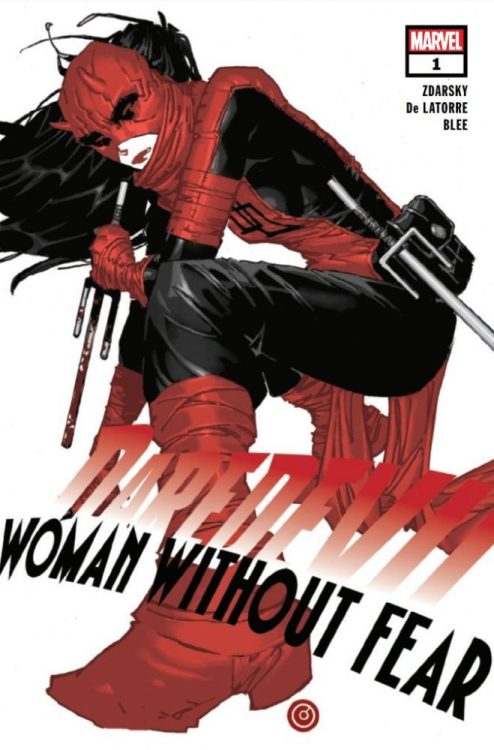
Daredevil Cover
Daredevil Woman Without Fear #1 Credit: Marvel Comics

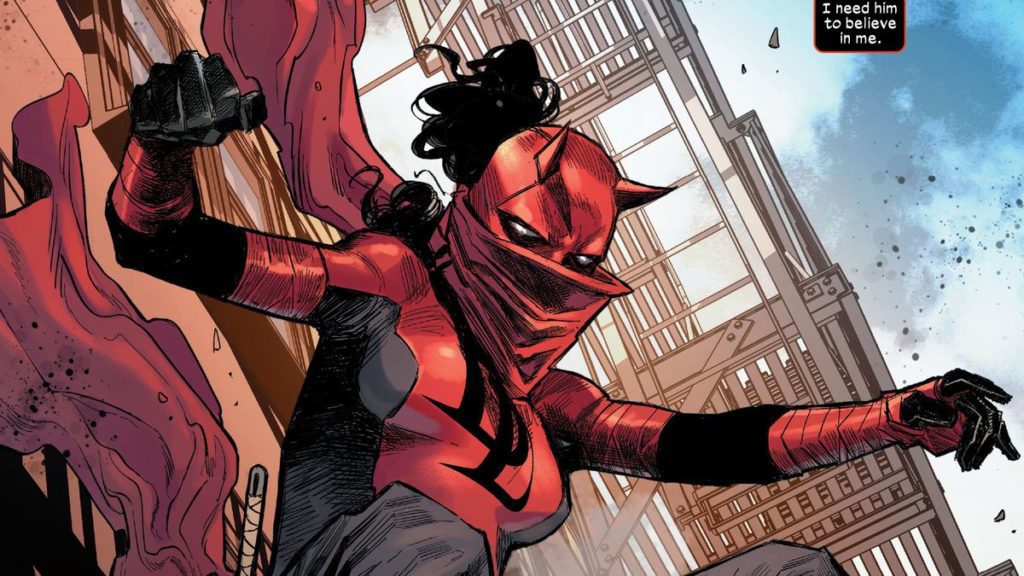
There’s a Cross-over event happening at Marvel Comics, and on the streets of New York, forces are amassing around Elektra Natchios as she dons the mantle of Daredevil. Old memories are awoken as the once hired assassin is forced to face her past in her current battle against the demonic cult, The Hand.

Daredevil Woman Without Fear #1 is the first of a three-issue mini-series that focuses on Elektra in her current role in the Marvel Universe and her complicated history. Despite the number 1 on the front, this is not an easy entry point for new readers; instead, it stands as background for the more significant stories happening elsewhere in Marvel Comics.
Daredevil
Elektra as Daredevil Credit: Marvel Comics

Scripting

Chip Zdarsky’s writing is punchy and emotional. As a reader, you get a real sense of the characters on the page, who they are, and what they are about. The majority of the comic focuses on Elektra herself and her interactions with a host of characters. Each meeting leaves you with a better understanding of who she is and where she’s come from. This allows Zdarsky to maneuver the reader through the comic and keep the reader interested in the character’s development despite the lack of a comprehensible plot.

That’s not to say that there isn’t a plot, and in some respects, it’s a fairly straightforward affair, but this reads like the middle of a story or even the background elements of a larger story happening somewhere else. It does not feel self-contained, and this will be a problem for some people picking this title up. There is nothing on the cover to indicate that this is a mini-series or that it is linked directly with a number of other comics. The selling point here is the number 1, but this does not read like a first issue, and readers who aren’t following the current Marvel comics will become lost in the mix of modern-day action and historic origin snippets.

As part of a larger story, Zdarsky handles the narrative structure very well and, as stated, the characters are cleverly crafted. Throughout the comic, there is a high emotional streak presented to the reader through Elektra’s interactions with her friends and foes; unfortunately, without knowledge of the greater story, this emotional arc isn’t tethered to anything.
Daredevil
Daredevil Woman Without Fear #1 Credit: Marvel Comics

Visualization

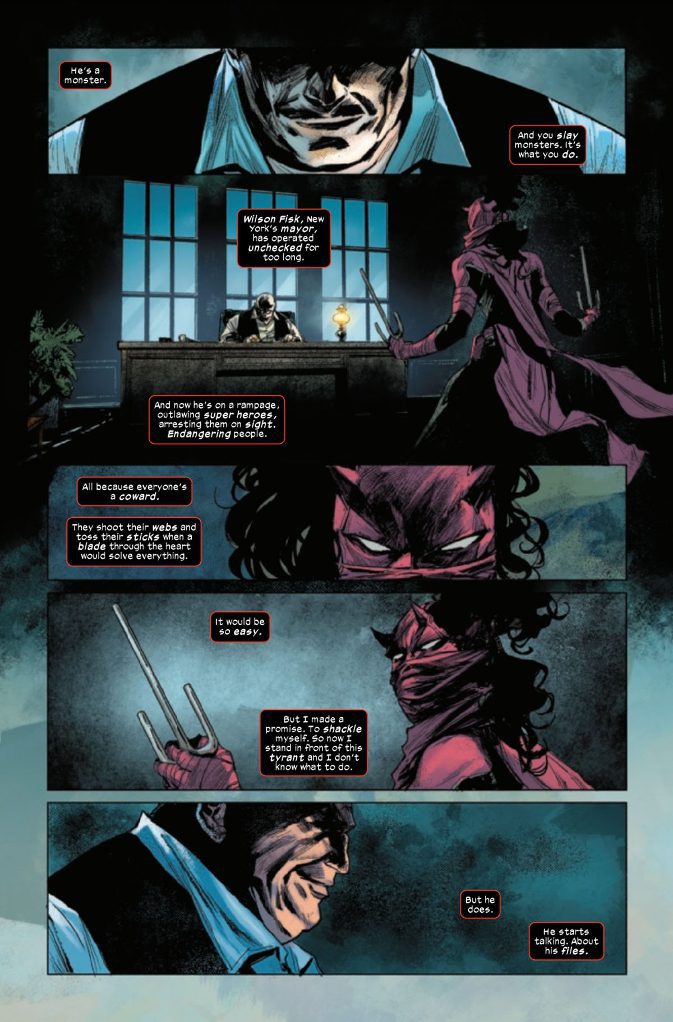
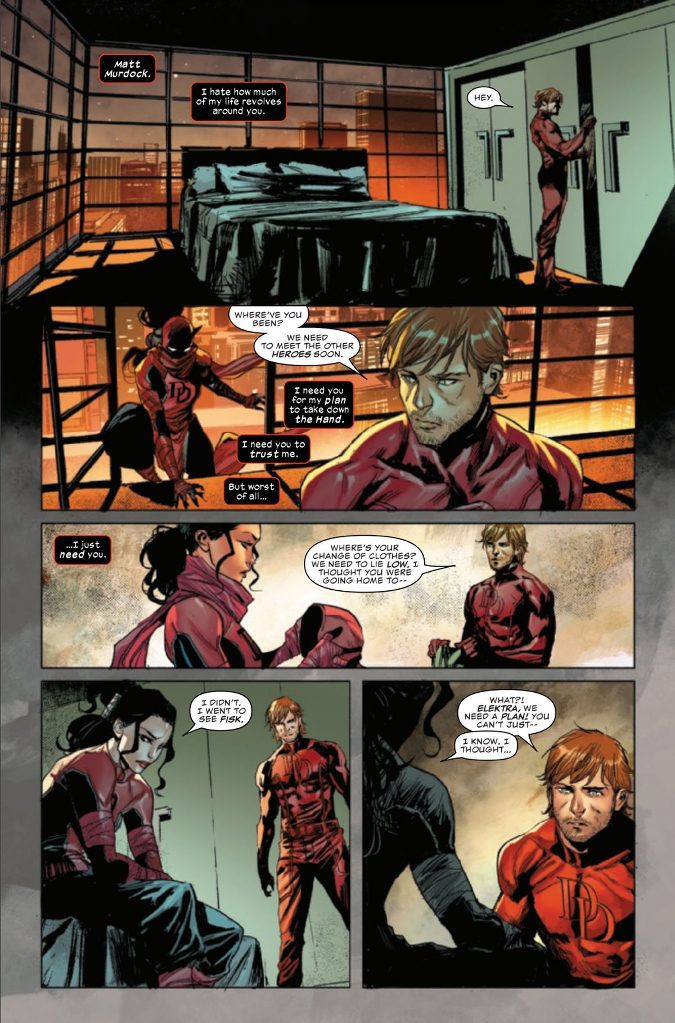
The artwork provided by Rafael De Latorre is dynamic and captures the action sequences beautifully. De Latorre uses fantastic choreography to express the fighting skills of the central characters. He also focuses on the people within the scenes, allowing the backgrounds to fade seamlessly into color washes, devoid of objects. The scene for each sequence is set early in the panel layouts and then becomes superfluous to requirements. The emotional aspect of Zdarsky’s script is pulled through into the art by De Latorre’s attention on the character and their reactions within each scene. In some respects, this comic feels like a low-budget martial arts movie where the camera follows the actors and the setting is barely glimpsed.

One of the highlights of Daredevil Woman Without Fear is the lettering work by Clayton Cowles. The subtle highlights and clever pauses created by the placement of the caption boxes and word balloons give the speech character and, along with the artwork, allow the script’s emotional aspect to jump from the page. You can almost see the desperation in Elektra’s voice when she talks to Matt Murdock and hear the disappointment in Stick’s voice as he trains the young assassin. Cowles’ lettering is a treat of visual storytelling and as crucial to character-building as every other aspect of the comic.

There is a constant shift in Daredevil Woman Without Fear between the warmth of Elektra’s friend group and the coldness of her past. This is represented throughout by the contrasting colors on the page. The contrast is best illustrated in a scene where Elektra catches up with an old friend. Federico Blee washes the scene with orange and yellow while leaving a cold white space in the background that acts like an overbearing memory that Elektra can’t escape. This contrast of colors is a motif running throughout the comic and illustrates the emotional turmoil within the central character. It is clear from a quick glance of each page what Elektra’s emotional state is just from the color scheme.
Daredevil
Daredevil Woman Without Fear #1 Credit: Marvel Comics

Conclusion

Daredevil Woman Without Fear is an intense examination of the emotional state of the title character. It goes a long way to illustrate her relationships with several characters from her past. However, the reliance on previous plot knowledge makes this a problematic comic to engage with if you are not well-read. Anyone picking this up, believing it to be the start of a new run or even a new story arc, will be left disappointed. This may seem like a moot point to many readers; it is almost expected these days that readers are engorged within the Superhero world they are reading, but it ultimately means that this comic fails as a First Issue. It fails to bring new readers into the world that the strong character inhabits, instead reminding them that there is so much more you need to read before you can follow the plot of this single issue.

If you’re reading the Daredevil comics, this will be a great addition to that collection of stories. If you are not caught with the Daredevil mythos, this will be a tough read and require some research with previous polt threads.

Monkeys Fighting Robots Youtube

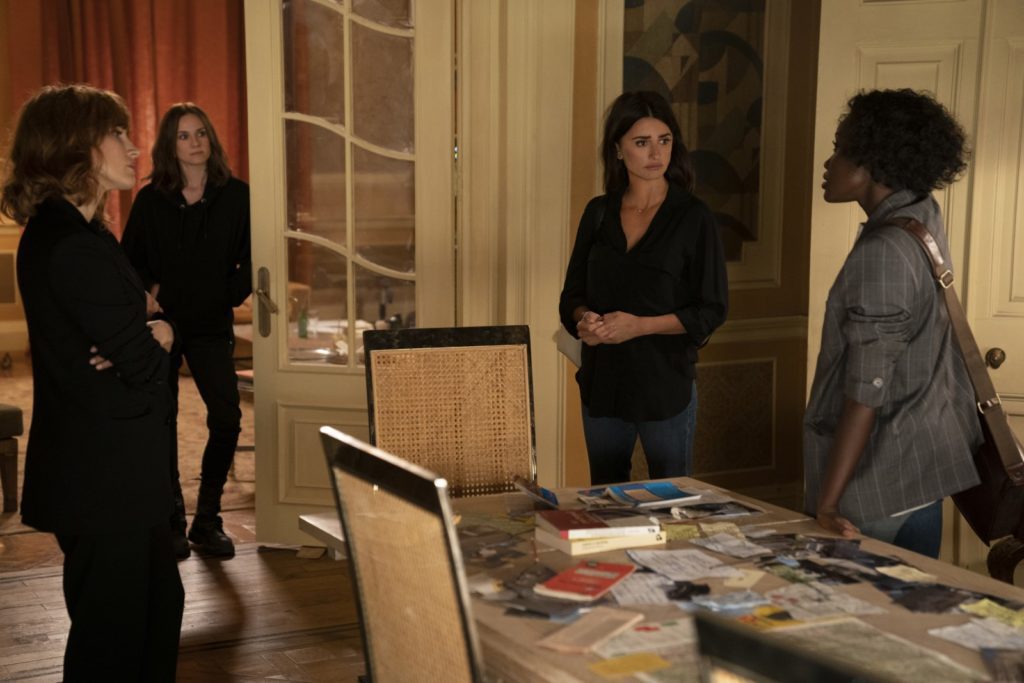
Review: THE 355 Star Studded Cast Can’t Save Its Lackluster Plot

The 355 was an entertaining experience carried by strong lead performances and thrilling action sequences. The chemistry between its leads keeps the narrative compelling, but never enough to truly care about the outcome. Suffering mostly from its lackluster plot, The 355 doesn’t make the most out of its potential to be a great spy film. It would have been a worse outcome without this talented group of actresses.

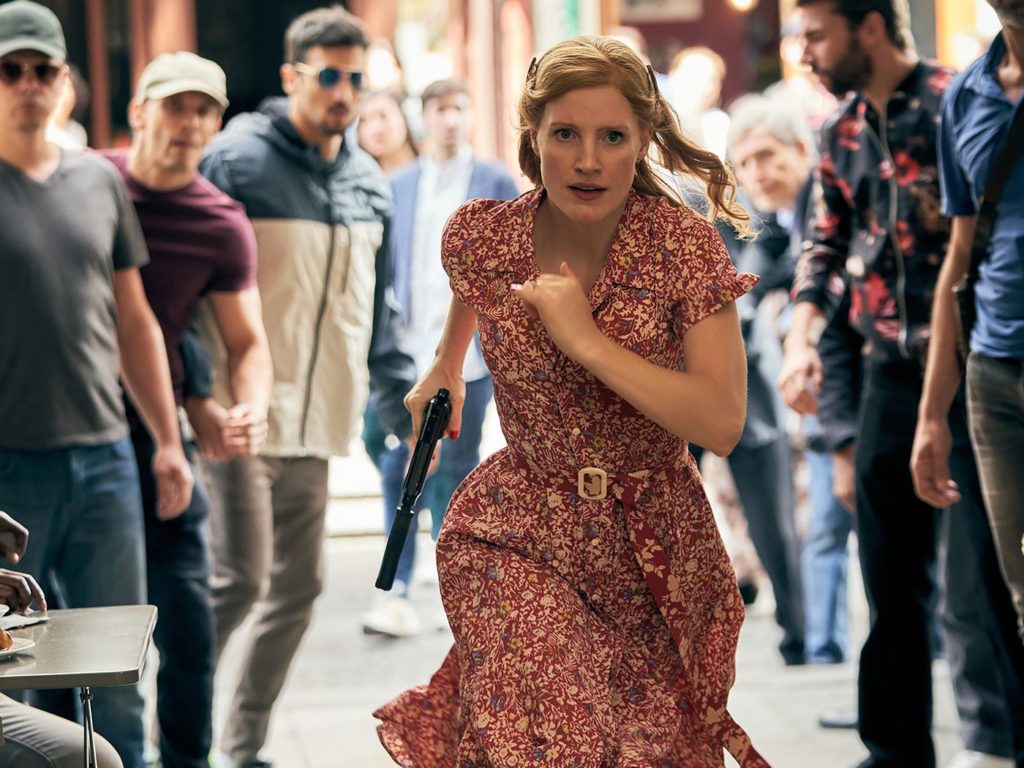
Jessica Chastain leads the ensemble cast of talented actresses, who all make their characters feel unique. Sadly, The 355 doesn’t deliver a story that is worthy of all the talent it features. An international spy film that is very fun at times, but its rapid pacing can grow tiresome on many occasions. Chastain is joined by Penelope Cruz, Diane Kruger, and Lupita Nyong’o. The 355 follows Mason Browne (Chastain), a CIA officer, who teams up multiple agents to stop a terrorist organization from starting World War 3.

As compelling as it sounds, this film doesn’t always retain its intrigue when the action ceases. Mason Browne is a skilled CIA agent that possesses a lot of confidence in her role. She joins forces with Khadijah (Nyong’o), an old ally after a device designed to take over computer systems falls into the wrong hands. These ladies team up with Gracie (Cruz) and Marie (Kruger) after they identify a common enemy. While they all stand out on their own, the film’s pacing makes it difficult to grow attached.

Performance-wise, The 355 stays afloat thanks to the brilliance of its main quartet. Everyone plays off each other well, and over time, there is a familial bond growing between the characters. I just can’t understand why the film didn’t decide to give the characters more depth. There’s tremendous acting on display for flat characters, which doesn’t always leave a good impression. It had the ingredients to be something special but just came across like another action film.

The action sequences will have you on the edge, and the choreography is great as well. However, this is always when the film is at its best because the character interactions aren’t always interesting. The 355 might leave some viewers confused due to the narrative feels like it’s running a marathon. Despite its two-hour runtime, this movie could have benefitted from letting its plot breathe. It does grow hard to follow at times due to how much information is being unpacked at once with almost no time to process it.

Director Simon Kinberg collaborated with Theresa Rebeck on the screenplay for the film. Its biggest issue lies in how its conflict shines brighter than the characters involved. As a whole, The 355 doesn’t give strong reasons to care about these ladies stopping World War 3. While admirable, Mason and her partners just get overlooked in terms of character development. The 355 allows bits of their personal lives to become intertwined with the conflict, which heightens interest in the ladies silencing the doubt they face from their respective agencies.

The film’s messaging about female empowerment is made loud and clear. It doesn’t get shoved down your throat, but some dialogue could have been left out. Witnessing the quartet of women travel the globe in elegant clothing was another highlight. The multiple locations they visit amplify the high stakes. Kinberg makes all the hard-hitting action exciting, and I’d say this was better than the last project he directed.

The 355 has all the ingredients to be something great but didn’t come together as neat as it could have. This won’t launch the Bond-type franchise, and possibly is going to be ignored upon release due to the lack of marketing. A star-studded spy film that coasts on its star power the most. The 355 will not be the film everyone rushes to see, but it’s entertaining enough.

Monkeys Fighting Robots Youtube

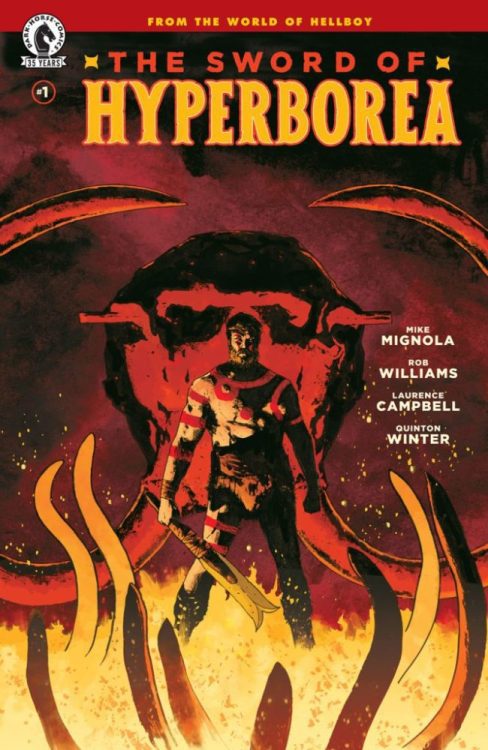
Review: THE SWORD OF HYPERBOREA #1 Is A Very Pretty Gap-Filler

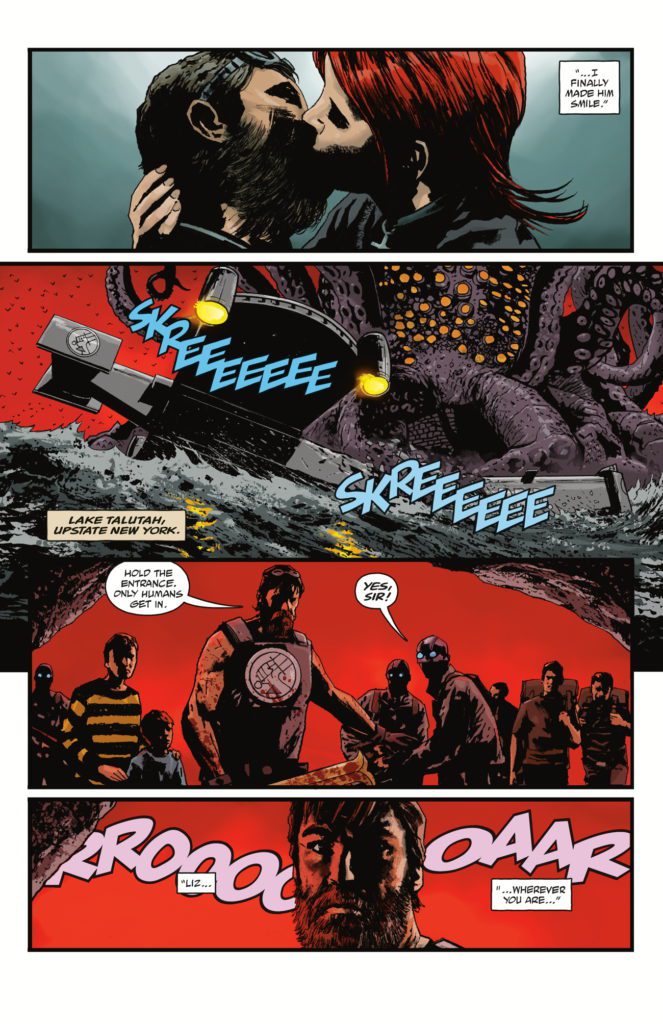
From legendary Hellboy creator Mike Mignola and writer Rob Williams, along with artist Laurence Campbell, comes a history lessen about a deadly McGuffin in The Sword Of Hyperborea #1. Featuring colors by Quinton Winter and letters from Clem Robins, this opening issue is more of a lore-note than a comic book. While held aloft by stellar artwork, this issue has little to offer anyone who isn’t an absolute diehard Hellboy fan who must know all the things.

“From the ancient warrior Gall Dennar, to Sir Edward Grey, to the B.P.R.D.’s Agent Howards, the iconic Hyperborean sword from the world of Hellboy has landed in many influential hands. And this has been no accident. Trace the sword’s path through the adventures and encounters that finally brought it to Ragna Rok, at the end of the world, and witness the sword’s journey through history.”

Writing & Plot

Mike Mignola and Rob Williams make a move to fill some of the gaps around Agent Howards’ badass weapon in The Sword Of Hyperborea #1. Admittedly since its first appearance in the pages of B.P.R.D., it has been an object shrouded in enticing mystery. Like with many recent Hellboy universe comics following B.P.R.D.: The Devil You Know, Mignola & Co. offer to answer this mystery. Unfortunately, despite this comic’s intriguing premise, this first issue comes off as scattered. We’re presented with slices we’ve seen before in prior stories, such as Gall Dennar in prehistoric times leading his tribe. This issue fills in a bit more of that, which is admittedly pretty satisfying to see for a longtime fan of this universe. However the rest of this chapter ends up feeling overly vague.

There are clearly important time-parallel hijinks going on here, and plenty of mad wizards and giant monsters to contend with. Despite having all the ingredients for a great Hellboy/B.P.R.D. story, this comic just feels like its throwing scenes at the reader without reiterating why they’re important. This is sort of the problem with making a story surrounding an item. The balance between characterization and just moving the plot forward for more story can be hard to maintain. There is certainly material here to love for diehard Hellboy fans, but that doesn’t save the script from feeling bland and scatterbrained.

Art Direction

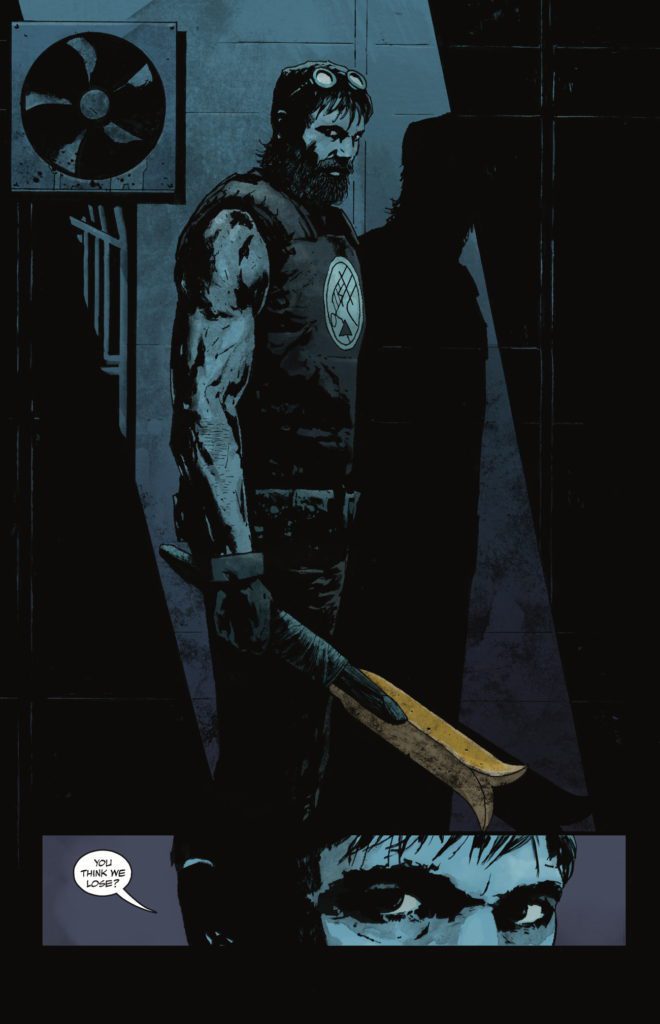
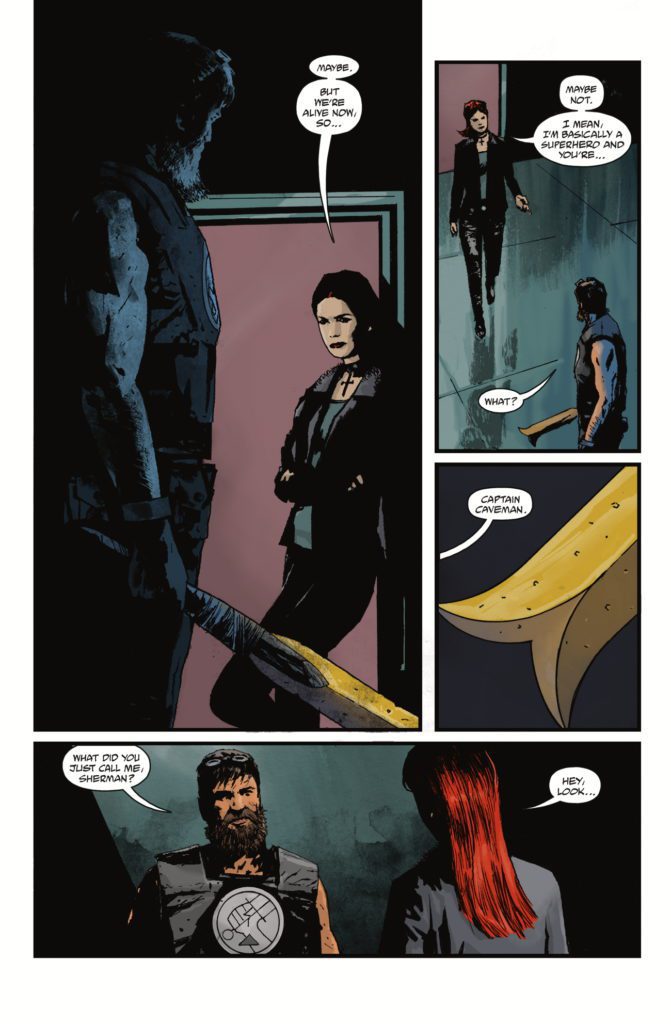
You can almost always count on a Hellboy universe comic to have fantastic visual work, and Laurence Campbell keeps that tradition going in The Sword of Hyperborea #1. Campbell’s heavy inks pay homage to Mignola’s signature style while still keeping his unique touch intact. Every character and surface is detailed in a manner that makes the scenes appear almost three-dimensional. There’s a digital look to the art, but it’s given an atmospheric grittiness by the inks and Quinton Winter’s colors. Those colors are rich and finish off the dark, unsettling feeling of a Hellboy comic spectacularly well. The lettering from Clem Robins is classic, highly competent Hellboy comics fare. He maintains the same lettering style that has been utilized in every comic book in this universe, and it brings back that reading experience perfectly.

In all honesty, this is possibly one of the best looking Hellboy universe comics I’ve gotten to read.

Verdict

The Sword Of Hyperborea #1 is a gorgeous comic book with an unfortunately underwhelming script. Mignola and Rob Williams make some interesting moves with exploring more of the sword’s past.  Unfortunately, it still feels scattered and too vague to feel like a satisfying single issue. The visuals from Laurence Campbell and Quinton Winter save the comic with detailed and atmospheric visuals. From the artistic end, this is a top-tier Hellboy universe entry. If you’re a diehard fan of this universe, be sure to grab this issue when it hits shelves on 1/12!

Monkeys Fighting Robots Youtube

Series Review: DECORUM – Next Stop: God Machines, Lady Assassins, & Cosmic Eggs

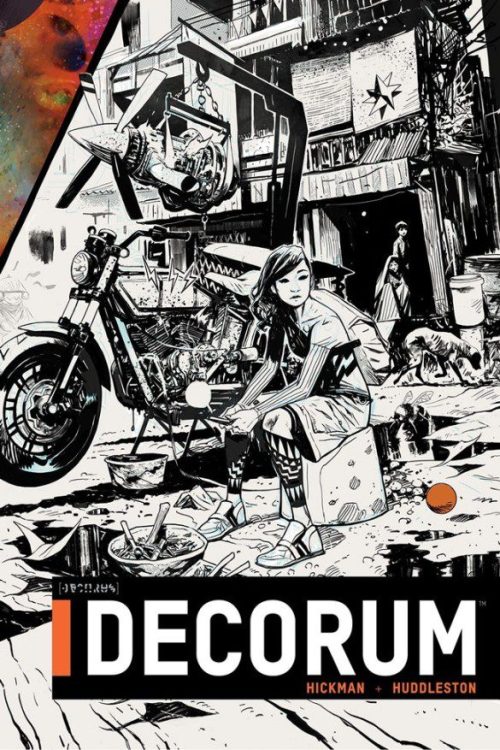
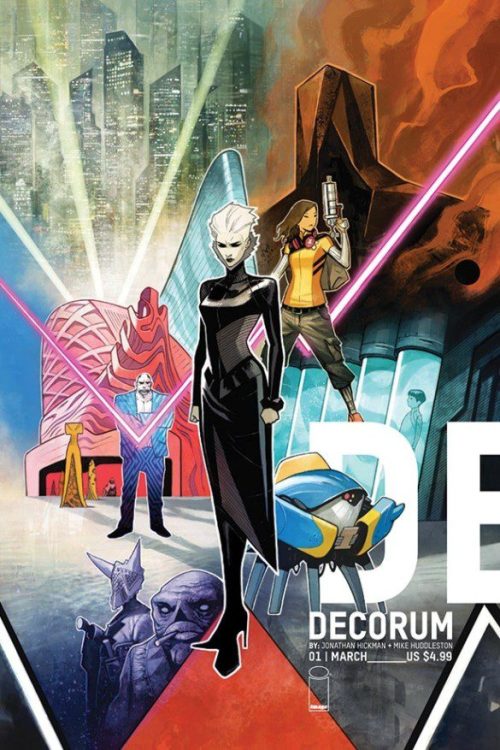
From veritable comics auteur Jonathan Hickman (East Of West, X-Men) and artist Mike Huddleston (Butcher Baker, The Strain)comes a grandiose science-fiction epic in a compact package in Decorum. This 8-issue series recently concluded and will be collected in a deluxe hardcover this Spring. So the question becomes: is it worth your time and money? Why yes! After all, it’s Hickman! Albeit a bit of a slow start and a rushed finale, this comic makes up for minor shortcomings with a story that combines Hickman’s massively imaginative universe-building with his compelling and fun character writing. Featuring unbelievably dynamic art from Huddleston and outstanding design work, this mini-series is an absolute feat of comics creativity.

“There are many assassins in the known universe, this is the story of the most well-mannered one.”

Writing & Plot

Writer Jonathan Hickman is no doubt best known for his sprawling, complex method of crafting science fiction universes. Decorum is no different. Hickman builds both character and world in “story then glossary page” format. Every issue is intercut with a page offering readouts of planetary statistics and general universe information. One writer described it as “all the stuff Hickman couldn’t write into a comic,” and I’m inclined to agree. Think the glossary and indexes in Hebert’s Dune, but presented visually. This is a classic Hickman-ism that you’ll either love or hate. These slices are compelling slices of info, and several of them are creatively and humorously delivered. If this isn’t your cup of tea though don’t worry, as the story itself is tight as well. Mostly.

Hickman’s story here begins with two separate plots. The first, and the most mysterious, involves a race of zealot-like A.I. and their religious figurehead as they wage war on the universe searching for an egg. If you’ve read a Hickman book before, this is pretty bog-standard. The other, easier to follow plot, involves a streetwise courier and her induction into a guild of all-women assassins from around the galaxy. Again, pretty standard stuff. The latter is a perfectly compelling and often hilarious, as Hickman utilizes his brand of sardonic humor. Witnessing this new universe from the ground level through our protagonist’s perspective is the exact sort of comics magic most may expect.

The big cosmic plot on the other hand is, well, very Hickman. It’s fascinating, don’t get me wrong, but it takes a long time making itself feel relevant. These two seemingly separate stories take so long to come together it leaves the ending feeling rushed. Don’t get me wrong, it’s still wholly satisfying and the plots come together quite nicely given the time constraints. I just found myself wishing that I’d gotten more time with this universe once all the ingredients came together. Don’t get the wrong idea, this is a fantastically imaginative and entertaining comic. I just wish there was more breathing room in the right spots.

Art Direction

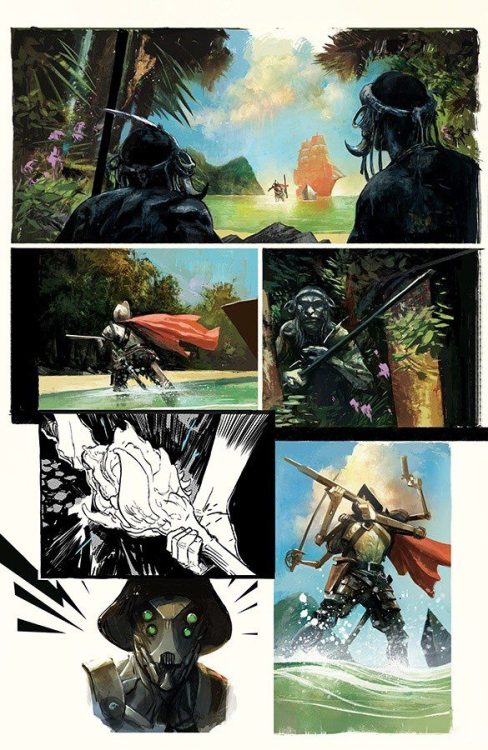
It takes a masterclass artist to craft a Hickman vision, and Mike Huddleston manages to fit the bill in Decorum. His ever-shifting style and unreal direction are the majority of what makes this series so memorable. Huddleston changes from more conventional pencil and ink art for the assassin plot. This juxtaposes to the abstract, painted Ditko-esque visuals presented in the other plot. There are even more multitudes, though. Huddleston will drift from impeccable painted views of planets and cosmic events, to intentionally unfinished-appearing line drawings at a moment’s notice. It’s consistently inconsistent and somehow, somehow, it makes sense. Not only does it make sense, it’s mind-bogglingly cool. Character details and alien designs are diverse and wildly unique, as we would expect from a comic of this scope.

Panel design in this book, which is also brought together by Sasha E. Head, comes across as part comic and part visual guide to a new galaxy. Huddleston completely eschews conventional panel direction in favor of panels overlaying one another and slicing into each other. The fact that this comic has such wild direction but still pulls the reader along with no trouble or confusion is a remarkable feat. The geometric designs that pattern the info-dump pages are classic Hickman-comic material, and they always manages to continue building a great hard sci-fi atmosphere.

The lettering from Rus Wooton is dynamic and modern. Fonts and effect lettering trade off naturally and change in perfect step with events on the page. This is an unbelievable looking comic from front to back. While its intentionally all-over-the-place style may rub some the wrong way, it is regardless a massive feat of comics talent.

Verdict

Decorum is a massive display of science-fiction imagination and raw visual talent in comics form. Jonathan Hickman’s writing on the series is tight, compelling, and wholly entertaining, even if I feel it needed more time to breathe and explore its concepts. The visual work of Mike Huddleston, with design work by Sasha E. Head, is stunning and full of surprises. Huddleston constantly changes style and approach, which when combined with this book’s off-the-wall visual design, makes for a comic experience unique unto itself. You can read all of Decorum now via any comics app you may use, or wait and grab the gorgeous oversized-hardcover edition when it releases this Spring. I know what I’ll be getting.


Monkeys Fighting Robots Youtube

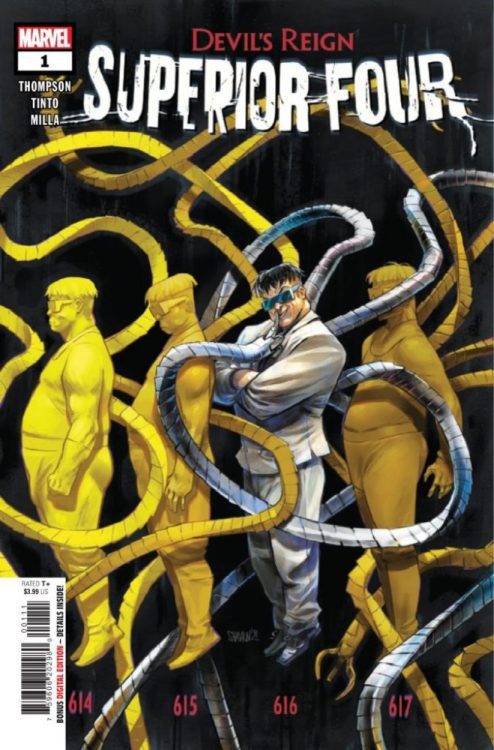
Exclusive Marvel Comics Preview – DEVIL’S REIGN: SUPERIOR FOUR #1

Exclusive Marvel Comics Preview: DEVIL'S REIGN SUPERIOR FOUR #1

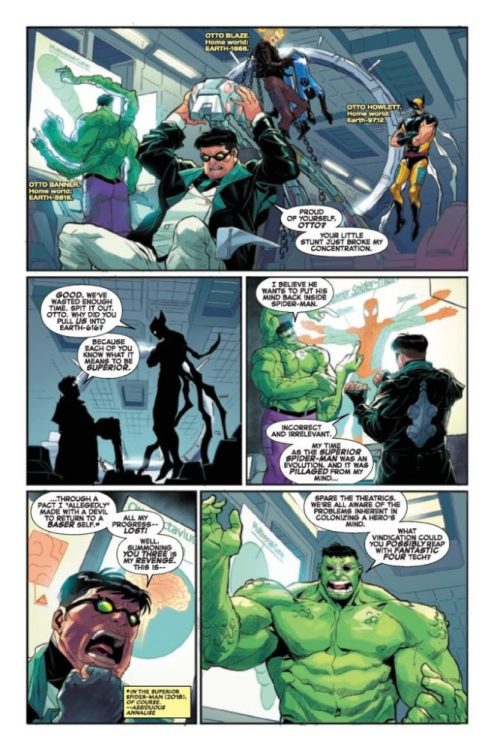
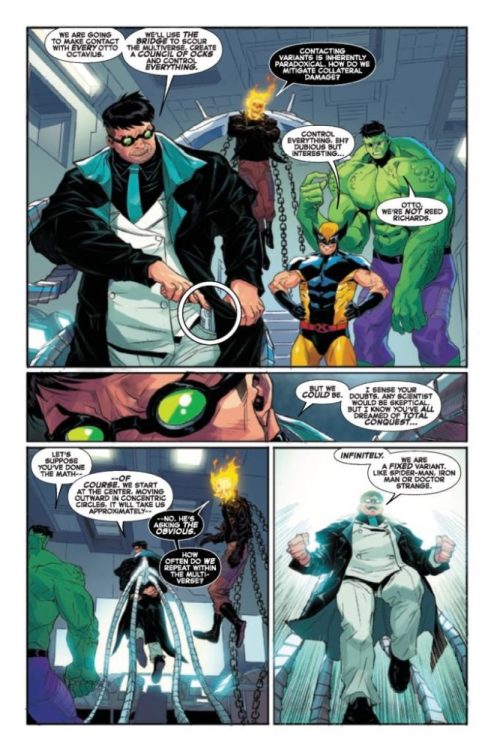
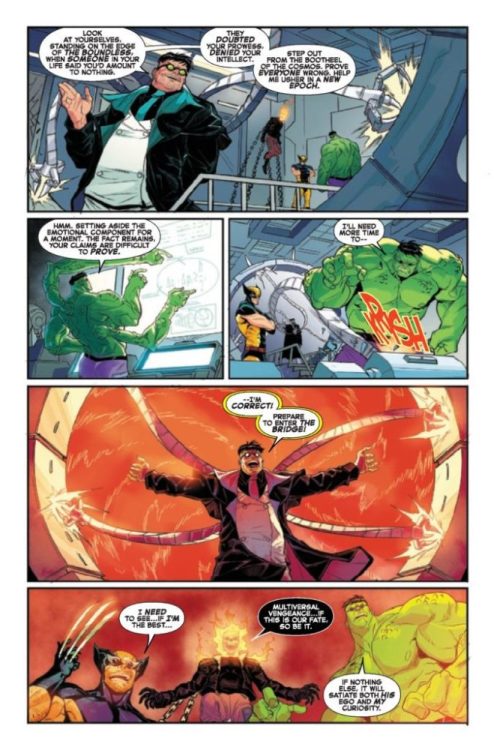
DEVIL’S REIGN: SUPERIOR FOUR #1 hits your local comic book shop next week, but Monkeys Fighting Robots has an exclusive preview for our readers’ thanks to Marvel Comics.


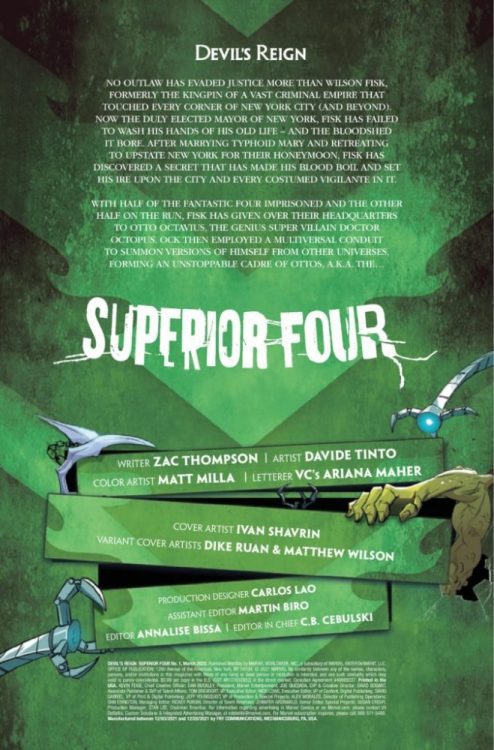
DEVIL’S REIGN: SUPERIOR FOUR #1
Writer: Zac Thompson
Artist: Davide Tinto
Colorist: Matt Milla
Letterer: Ariana Maher
Cover: Ivan Shavrin

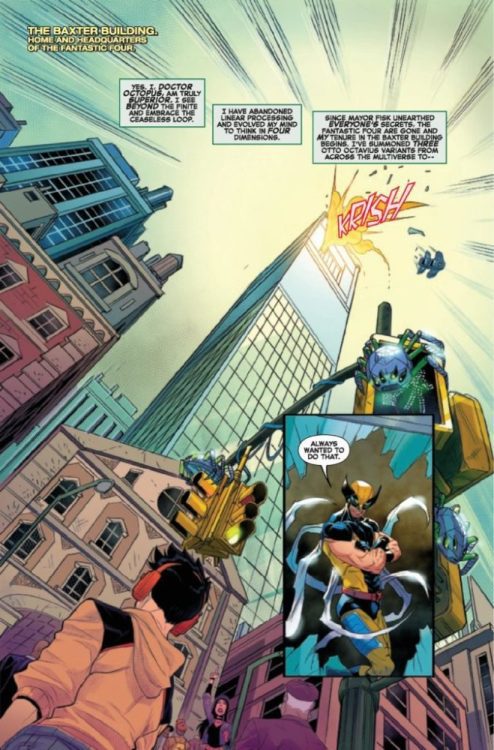
THE FANTASTIC ARE NO MORE. LONG LIVE…THE SUPERIOR FOUR. Otto Octavius has acquired a taste for the infinite. Empowered by Wilson Fisk, Doctor Octopus faces a tantalizing, unprecedented opportunity to scour the Multiverse, amassing an army of…himself. An army to march on our reality, proving Otto’s supremacy – and it all begins with his SUPERIOR FOUR


Monkeys Fighting Robots Youtube

Exclusive AfterShock Preview: CROSS TO BEAR #4

Exclusive AfterShock Preview: CROSS TO BEAR #4

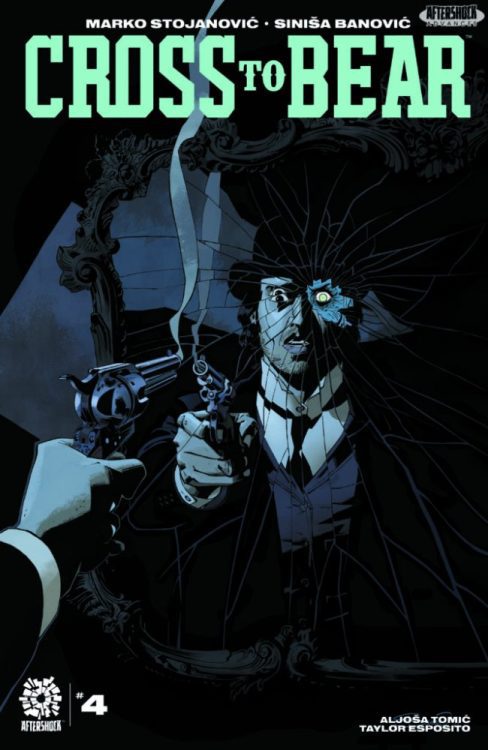
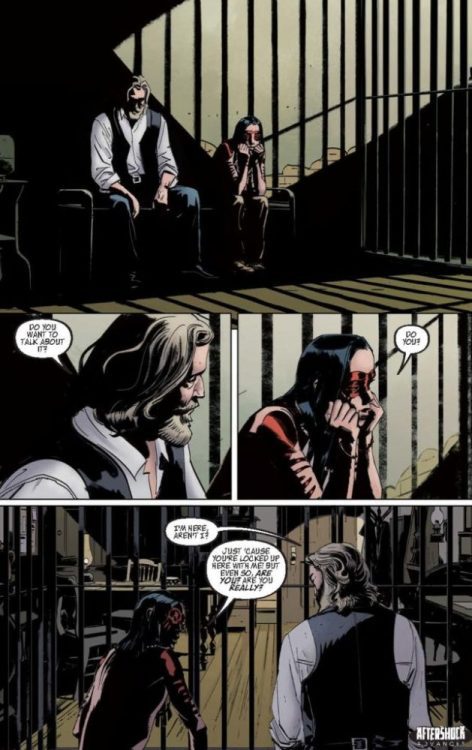
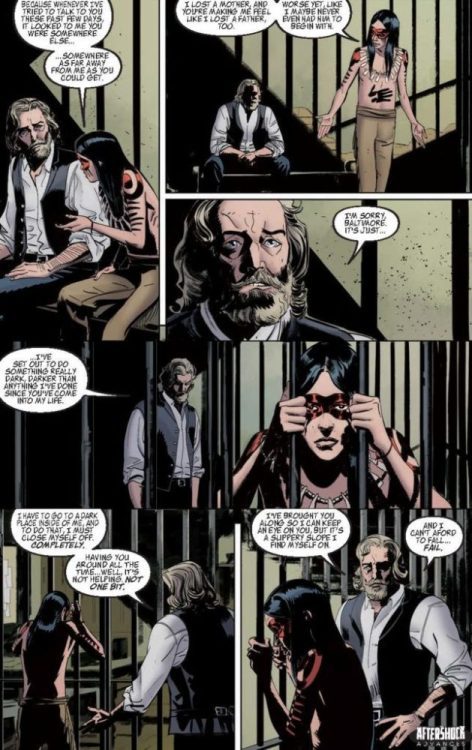
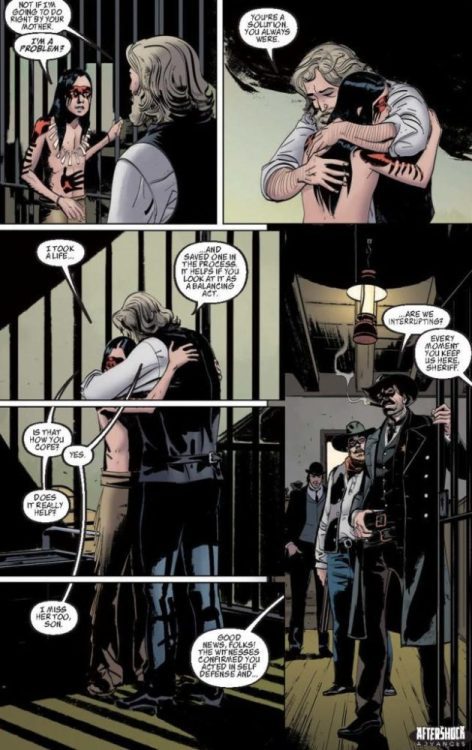
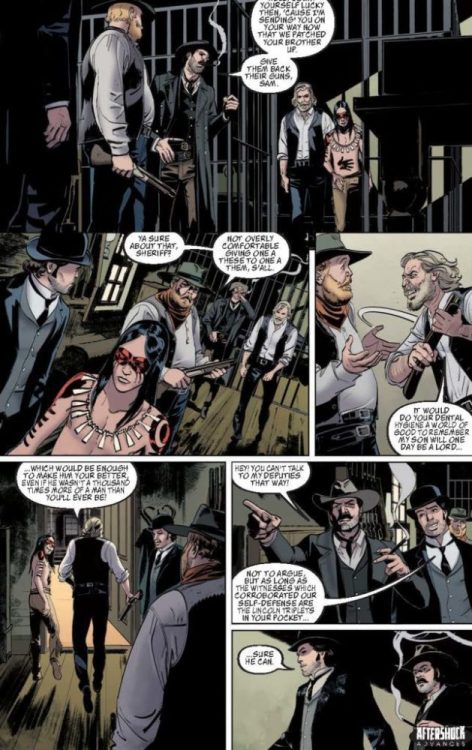
CROSS TO BEAR #4 hits your local comic book shop on February 16, but thanks to AfterShock, Monkeys Fighting Robots has an exclusive four-page preview for our readers. Enjoy the preview below.


CROSS TO BEAR #4
Writer: Marko Stojanović
Artist: Siniša Banović
Colorist: Aljoša Tomić
Letterer: Taylor Esposito
Cover: Sinisa Banović

Colts bark and scalpels bite! Chaos ensues when the Order finally catches up with the Ripper at the Mexican border. All bets are off, and only one thing is for sure as things finally come to a head: You did not see this one coming!


Monkeys Fighting Robots Youtube

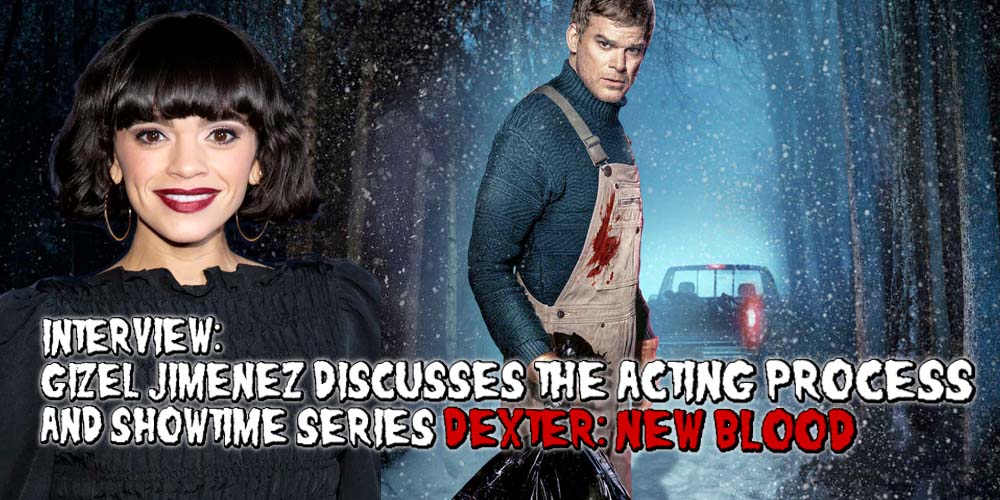
INTERVIEW: Actor Gizel Jimenez Discusses The Acting Process And Dexter: New Blood

dexter-gizel jimenez-interview

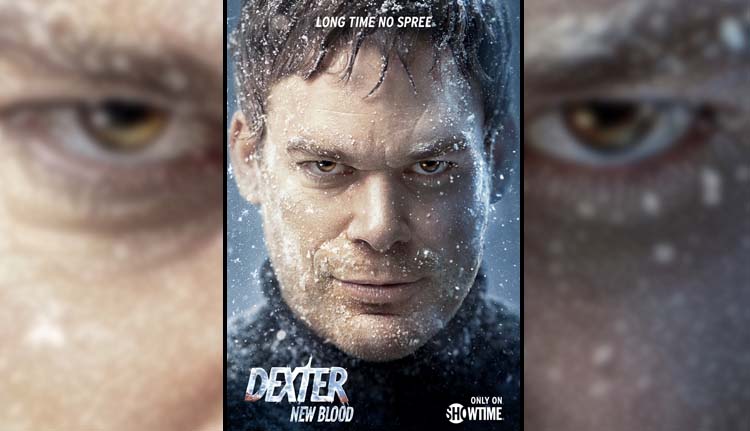
Dexter: New Blood is the recent Showtime revival of the beloved serial killer Dexter Morgan, played by Michael C. Hall, and Gizel Jimenez is along for the wicked ride.

The former forensics expert who spent his nights as a vigilante, finds himself retired 10 years later in a small town called Iron Lake in upstate New York. Dexter now goes by the name of Jim Lindsay living peacefully among the small town people of Iron Lake.

In this new limited series, Gizel plays the role of Tess; a High School science teacher by day and a part-time bartender by night who’s completely unaware of the “dark passenger” Jim carries with him.

PopAxiom spoke with Gizel Jimenez about her actor’s journey from training, to stage performance, to the screen and how it all lead her to Dexter: New Blood.

Safe

Born in Miami, raised in New York, Gizel is the daughter of Cuban immigrants. Her mother Nancy is from the Capital of Cuba, Havana, and her father Pedro is from the city of Santa Clara. She grew up in an “old school” household where rules and discipline kept her in her shell. “I was extremely shy as a kid. Any attention from people gave me crippling anxiety. I loved school” she continues, “Learning came easy to me. I felt safe in this world of books, pencils and paper.” Safe, that is, until the day her elementary school teacher had all of the students audition for the school play.

“There was no way I was auditioning,” Gizel remembers thinking. 
“What if I ask to be the assistant to the teacher instead?” she thought. To her relief, the teacher said yes. “It felt like my first job,” she says, “being the teacher’s right hand. It continued my sense of purpose while I remained behind the scenes and out of the spotlight. I went above and beyond learning the entire show on my own just in case someone needed help with a line, a lyric, or where to stand on stage. Little did I know that extra work would end up changing my life for good.”

Didn’t Even Know

“Days before our opening night, our soloist who plays Belle in the opening number of Beauty and the Beast called out sick. We were scheduled to run through the opening number that day and our director insisted on running it without her. She asked me to stand in for her. No pressure.”

Gizel went on stage, closed her eyes and began to sing. “I heard my voice out loud for the first time that day. The melody vibrated through my body and calmed my anxiety and turned it into a healing blanket of comfort.” It was during that moment that Gizel discovered the freedom that came with being someone else. Following that performance, everyone around her looked shocked and confused. “Our director came up to me and asked: “Why didn’t you tell us you could sing?”; “My response was simple. I didn’t even know I could.”

dexter-new blood-showtime

Natural

At the age of thirteen, tragedy struck when Gizel’s mother passed away. She then moved to Florida to live with her dad. “My father enrolled me in a Magnet Middle school where I joined the chorus program. I loved it! Choral music was the first genre I studied. It has nothing to do with your individual sound and all to do with blending. As a result, the journey to discovering my voice as a soloist was put on pause.”

Fast forward to Gizel’s sophomore year at Coral Reef High School. “I continued my interest in Chorus and began to compete in classical vocal competitions. Sadly enough, I would get terrible scores. When I asked my Choral director why, he explained that I fail to give proper posture in the room. “The judges aren’t interested in the performance of the song. All they care about is vocal technique and posture.” My response came in the form of a simple question: How do they expect me to stand still with excellent posture while I’m singing about my dead baby?

Gizel’s “common sense,” as she calls it was just her instinct to express the story further. Her teacher suggested, musical theatre. “You’re very expressive Gizel. I think you should try auditioning for Miami Children’s Theater at the Jewish Community Center.”

Southeast Side Story

“At the time, the JCC was holding auditions for West Side Story. I figured I’d give it a shot and as a result, I was cast as Anita. I hadn’t even learned acting yet,” she laughs. “But subconsciously I was just a kid pretending. It made sense in my head.”

Gizel fell in love with acting from that production forward. “Senior year I joined our Thespians club. The drama teacher then set me up with an audition for a private College at New World School of the Arts. I got in, and freshman year was the first time I learned the fundamentals of acting.”


100 Tapes

“I come from a Broadway background. My first professional job was a Broadway tour. I was the cast as Rosalia in the first National Tour of West Side Story after receiving my BFA in Music Theater. Since then, I’ve performed regionally, Off Off Broadway, Off Broadway, and Broadway for close to ten years now.” So, how did the first-generation Cuban actress go from stage to screen as a Puerto Rican bartender? “I did do some Guest/Co-Star roles on TV. But because my theater career was non-stop, I never had the time to really focus on TV acting.”

But Gizel doesn’t like to rest on her laurels by simply continuing to act within her comfort zone. She believes doing so stems from fear. “That’s the mindset I give myself. I set goals. I accomplish them. Then I set new goals. I’m always challenging myself.”

The theatre industry shut down during the pandemic, so Gizel got to work on a new goal. “Why don’t I perfect my TV craft?”, she thought. “I did a self-tape every day and said yes to every audition my agents and manager sent via email. I must have sent in to at least 100 self-tapes during that time.”

dexter-new blood-showtime

About Dexter: New Blood

One of those self-tapes led to Dexter: New Blood, the Showtime revival of the long-dormant show. “The process starts with an emailed attachment of the script and/or audition scene, information on the creative’s involved and a character description. It’s our job as actors to interpret that character. Once you’re on set, you’re expected to lift the words off the page and bring them to life.”

As Tess formed, the process continued. “Marcos Siega, who directed mostly all of the episodes that I’m in, was great to work with. I absolutely adore him. And I love his most recent work on the Netflix series You and HBO’s Flight Attendant. He’s the kind of director who trusts his actors. So I got on set and he really just let me go for it.”

“After he allows the actor to play,” she adds, “he decides how he wants to sculpt us; to maybe take some air out of a line or adjust blocking. He was time efficient, direct, down to earth, with a great sense of humor. I soaked up everything from him. His level of trust brought out my confidence and allowed me to trust him right back.”

Wrapping Up

Many creative souls inspire Gizel. “Rita Moreno is one of the OG people who inspired me. When I learned that for many productions her skin had been darkened because she wasn’t ‘dark enough’ to be Hispanic,” I thought to myself, “She is a warrior and a survivor.”

“Meryl Streep is another one,” she continues, “I study her. She’s an actress that pays attention to every detail. She’s so specific. Which I find key in creating a character.”

The third of many inspirations is “Anya Taylor-Joy” of Queen’s Gambit and, more recently, Last Night In Soho. “She is another one who is so subtle, with so much depth in her eyes. It’s the kind of depth I seek as an actress and hope to carry in my work.”

Gizel took a shot at one of her dream jobs when she tried out for the role of Maria in Steven Spielberg’s remake of West Side Story. “I didn’t get it but I got so many other opportunities during the time. Everything happens for a reason, and I really believe that.”

Acting on camera brings me such joy.” She says, and her new goal is clear: “I want to continue my journey with television and film.”

Gizel became “obsessed with the subtlety of acting for the camera.”

“I’m a fan of horror, so I’d love to be a vampire,” she muses, “or one day have superpowers, maybe do a badass gun scene or fight scene with a few tricks. I guess I’m a kid at heart. I also grew up reading comics and watching lots of action and superhero shows.”

Is Dexter: New Blood on your watch list?

Thanks to Gizel Jimenez and Rhapsody PR
for making this interview possible.

Find more interviews from Ruben R. Diaz!

Monkeys Fighting Robots Youtube

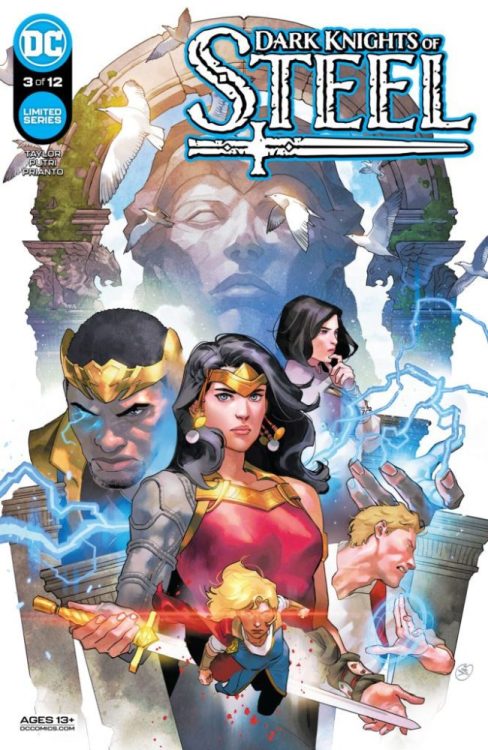
Review: The Chaos of War in DARK KNIGHTS OF STEEL #3

Dark Knights of Steel DC Comics Taylor

God laughs at the plans of men. Writers laugh at their own plans. There’s an incredibly organic feel to the script of DC Comics’ Dark Knights of Steel. It sets itself up, ripe with foreshadowing and characters full of potential. But it feels like this script got away from the creative team, in the best way. Writer Tom Taylor, artist Yasmine Putri, colorist Arif Prianto, and letterer Wes Abbott don’t give us a tale that feels planned and safe. No, DC Comics’ Dark Knights of Steel #3 is full of the chaos and destruction of war.

Writing

In the first issue of Dark Knights of Steel, Taylor made it clear that this is not your mom and pop’s version of Superman or Batman. He made a point of showing that anything can happen. And that’s true within the parameters of his own story too. Just because a character seems like they’ll be a big influence on the story, doesn’t guarantee their safety. Just because a plotline feels like it’s going somewhere, doesn’t mean it won’t be killed in its tracks. It’s a fantastic way of communicating how chaotic war is. Taylor shows that this won’t follow the typical beats of a story, because war is unpredictable. And still, within the chaos, Taylor gives us just enough time to connect to each character. It’s cruel and beautiful all at once.

Dark Knights of Steel DC Comics Taylor

Art

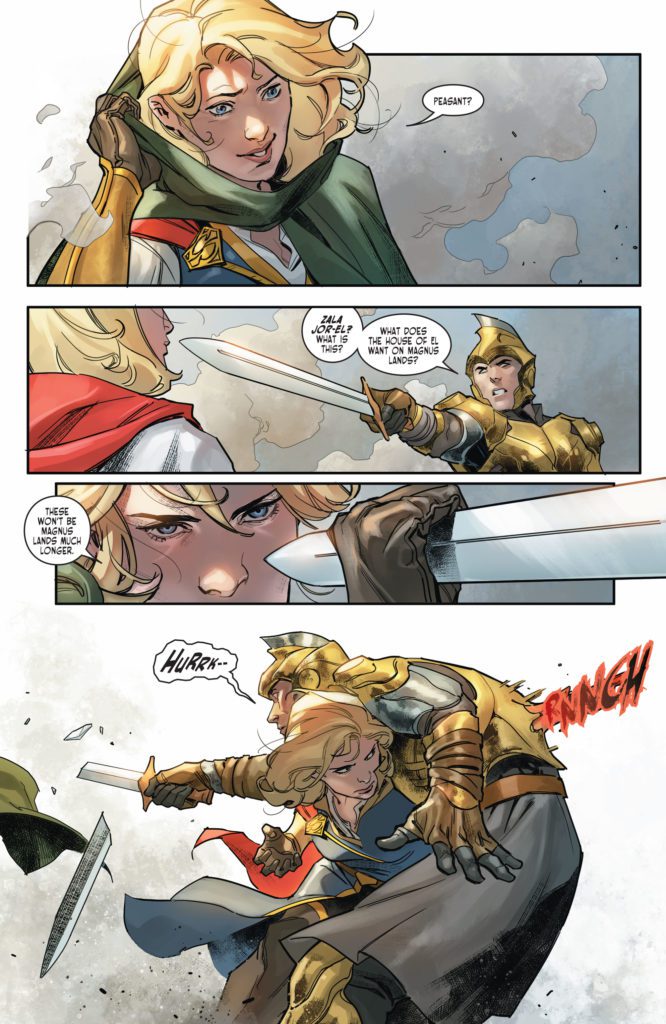
Putri continues to give us a strong sense of each individual character. We see the handful of characters that have yet to be hardened by war and grief. Zala Jor-El wears her heart on her sleeve. You can see her fury and happiness as clear as day. But King Jefferson, who has just experienced a terrible loss, is indecipherable. Where Zala is an open book, Jefferson is a brick wall. With swords at his throat, he looks on in concentrated stoicism. Nothing fazes him now.

But Putri does more than just show how war discourages feeling anything. She shows how it also takes individuality out of life. When one character happens upon a group of knights, we see each knight shown quite descriptively. Their faces and their body language immediately tell us something about them. But then, the knights are slaughtered. Putri covers the knights’ faces in shadow. They become non-descript pawns of a larger power. Putri makes their deaths impersonal, even pointless. It compounds the feeling that things are beginning to go very, very wrong.

Coloring

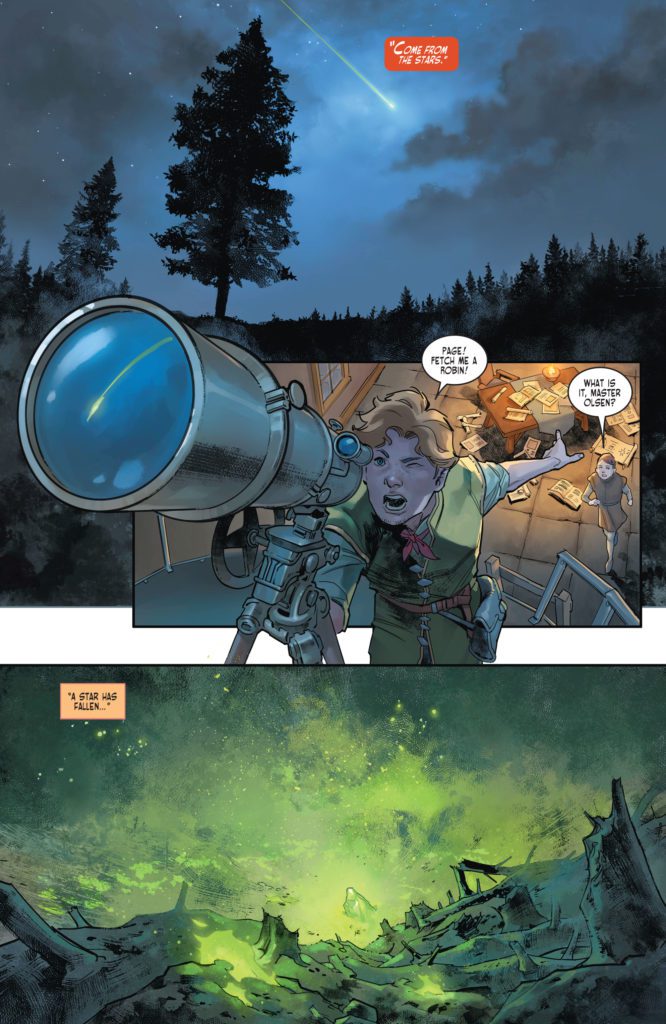
So much of the brightness and color that Prianto brings into Dark Knights of Steel relates to violence. It’s the scenes of people being dismembered in battle that are rendered in dazzling red. It’s King Jefferson’s use of his lightning powers against an enemy that are shown in startling blue. And it’s the ominous green rock from the skies that Prianto colors in a stunning green. Much of the rest of this issue feels very normal, even bleak, by comparison. Occasionally, though, we see the vivid colors characters wear to express their fealty. King Jefferson’s ship is adorned in the gold and blue of the King of Storms. Zala wears an outfit, colored in the red, blue and gold of the House of El. All color in this world, Prianto shows us, leads back to the war and destruction that’s looming.

Lettering

Abbott continues to bring the excitement in Dark Knights of Steel #3. And he’s starting to create a pattern with his sound effects in this series. The lettering for the lightning powers of the Jefferson family are all shown in the same scratchy blue font. The sound of someone’s fist going through someone’s chest looks the same as the noise of a piece of wood stabbing through another character’s back. Taylor and Putri keep giving Abbott new scenarios for him to dream up new fonts for. But he’s creating a visual language for Dark Knights of Steel. Abbott’s reusing of fonts, and the little variations he has for each instance, makes each moment blend into the narrative and become a part of the story that’s being told.


DC Comics’ Dark Knights of Steel #3 is chaotic and unpredictable. This creative team shows that war destroys everything – even the comfortable predictability of a story. Dark Knights of Steel isn’t a comfortable series. It’s heartbreaking, disturbing, and a brilliant discussion of the horrors of war. Pick up Dark Knights of Steel #3, out from DC Comics January 4th, at a comic shop near you!

Monkeys Fighting Robots Youtube

Review: One Minute of Fame in ONE-STAR SQUADRON #2

One-Star Squadron DC Comics Russell

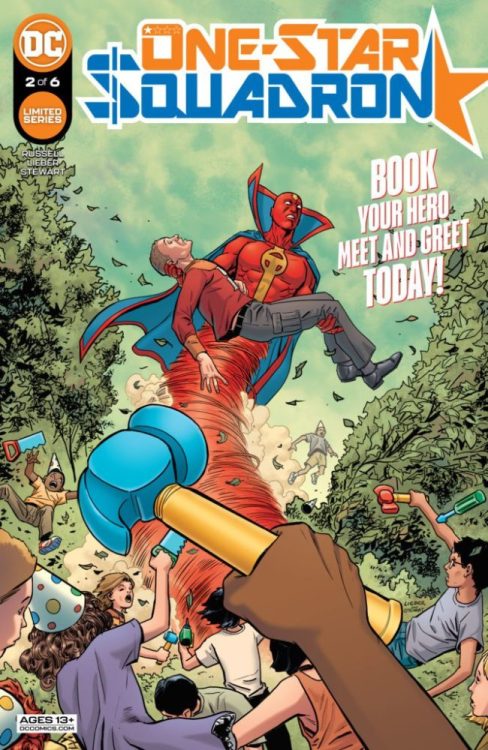
DC Comics’ One-Star Squadron continues to be a dose of equal parts hilarity and misery. One-Star Squadron #2 focuses on Z-List superhero, Minute Man. Thanks to his Miraclo pills, Minute Man has the power of flight, super strength, and invulnerability. The only catch is, his powers just last for a minute. Writer Mark Russell, artist Steve Lieber, colorist Dave Stewart, and letterer Dave Sharpe show us that Minute Man’s fame and glory lasted for about as long as his powers do.

Writing

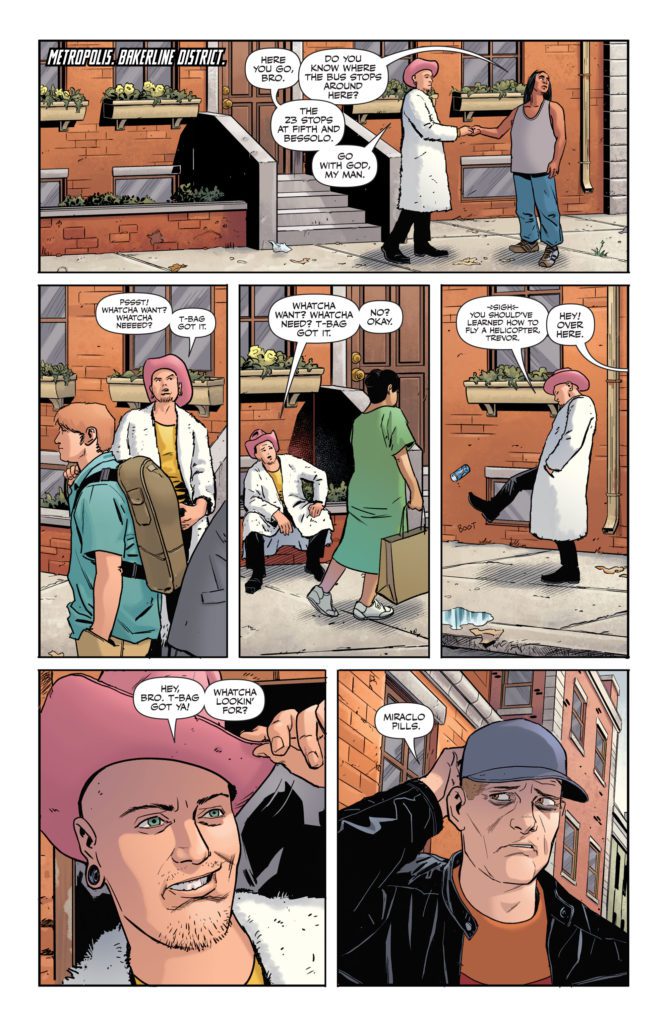
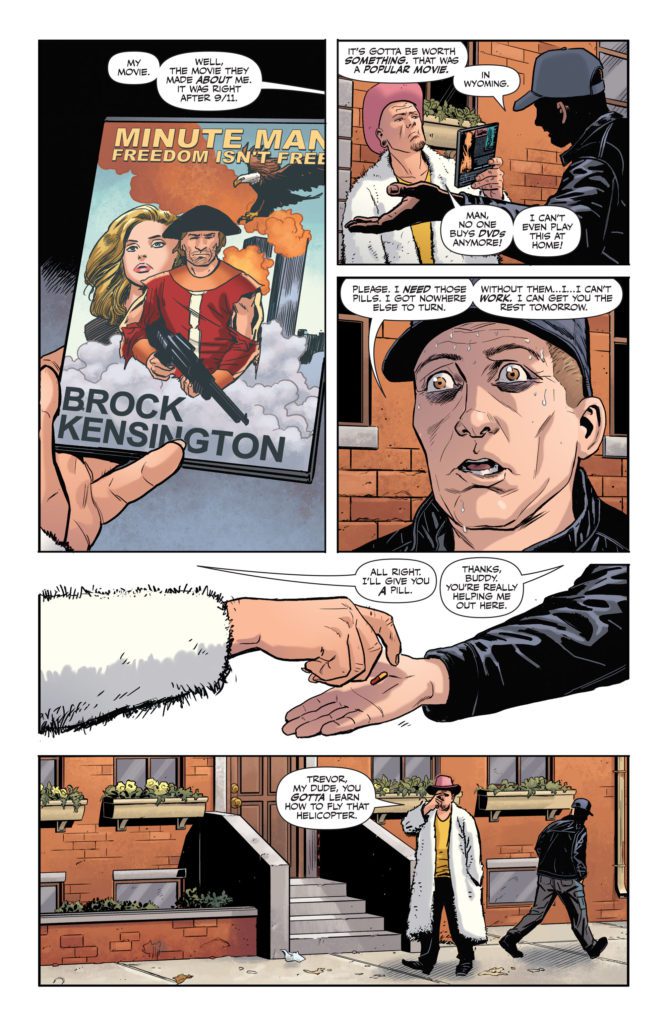
The script for One-Star Squadron #2 is hilarious. Minute Man was once so popular, they even made a movie about him. But now, he’s relegated to showing up to kids’ birthday parties and swapping DVDs for bootleg Miraclo pills. And he can’t even get those things right. He’s insufferable. But at a certain point, he becomes so pathetic that it’s hard not to feel bad for him. In the midst of this pathetic display, Russell sneaks in all kinds of brilliant jokes that work to lighten the mood. Yet even those jokes have a sad undertone to them. At one point, a junky gives Minute Man an in-depth explanation of why street deals are governed by the concept of “caveat emptor,” an idea he learned about in law school. At face value, the joke gets a great laugh. It’s absurd and funny. Then the realization that this man had plans for his life, including becoming a lawyer, settles in. Russell’s biting commentary about the results of capitalism gives each joke a bitter aftertaste.

One-Star Squadron DC Comics Russell

Art

Lieber works perfectly alongside Russell, matching his tone beat for beat. Every scene is just chock full of melodramatic emotion. Minute Man has all the subtlety of a sledgehammer to the broad side of your head. He grimaces, smiles, and cries with an undiluted intensity. Lieber uses this to distract us from the depressing undertones of each scene, so that those undertones can quietly settle in later. When Minute Man has to call someone for help, he’s at a loss for who to talk to. In the space of three panels he goes from fierce concentration to tears streaming down his face. It’s a sad moment, for sure, but the over-the-top nature of the art keeps the comedic tone of One-Star Squadron intact.

Coloring

One-Star Squadron #2 is an incredibly brightly colored comic. Stewart fills these pages with the vibrant costumes of Red Tornado, Plastic Man, and more. It’s actually the dull-colored scenes and characters that stand out. Minute Man, in his earthy outfit of dark red and brown, is a lackluster island in a sea of gaudiness. With this, Stewart achieves two things. First, he makes the superhero game feel fake. Their coloring is unnatural and even silly. Second, he makes Minute Man seem even more pathetic. It’s not that Minute Man is above these superheroes. He’s not more real than the rest of the superheroes, he just can’t even get his costume right. He’s a pale imitation of the people he’s trying to emulate.

One-Star Squadron DC Comics Russell

Lettering

Sharpe’s lettering in One-Star Squadron #2 is full of dramatic flare. It can be as simple as the words that are bolded in a word balloon. “Please, Red. I need this.” When Sharpe bolds those words, you can hear the desperation. And when Minute Man shows up at a kid’s birthday party, he puts his all into the showmanship of it. His lettering is colorful and it bursts past the borders of his word balloons. “Who wants to see some SUPERPOWERS?” he asks the kids. The kids’ exclamations and excited laughter are just as colorful and big. Sharpe shows us how much effort Minute Man puts into his work. He might fail at just about everything, but that isn’t because he doesn’t try.


You might not know whether to laugh or cry but, either way, you’re destined to love One-Star Squadron. This series is funny and sad. Russell and Lieber make their criticism of capitalism a joy to read by filling it with laughs. Pick up One-Star Squadron #2, out from DC Comics January 4th, at a comic shop near you!

Monkeys Fighting Robots Youtube

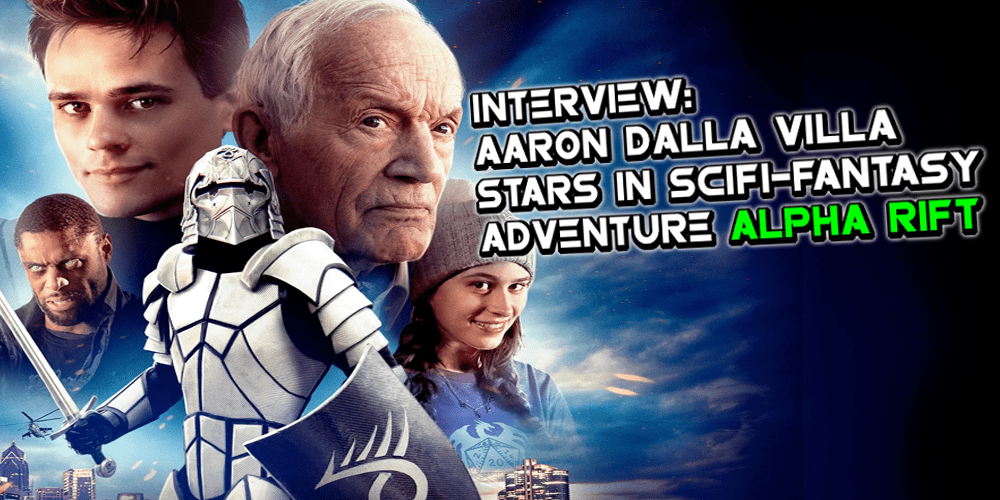
INTERVIEW: Aaron Dalla Villa Stars In Scifi-Fantasy Adventure ALPHA RIFT

Aaron Dalla Villa (Immortal) plays Nolan Parthmore, your average nerd in director Dan Lantz’s Alpha Rift, an action-adventure film that’s a loving mix of Dungeons and Dragons and Star Wars that sets up a whole world of stories for a new generation.

Nolan runs a gaming store with friends Gabby (Rachel Nielsen) and Lewis (Christopher Ulrich). The trio forms an entertaining dynamic with Nolan joyful caught somewhere between Lewis’ need to nit-pick and Gabby’s whip-smart sense of humor. Nolan’s nerd expertise is the mythology about an ancient order of knights that protected the world against demons known as the Nobleman. Myth becomes a reality when Nolan puts on a magical helm that reveals his true destiny as a knight. But will he become the hero the world needs before it’s too late?

PopAxiom spoke with Aaron about becoming Nolan in the independent action-adventure film Alpha Rift.

New Reality

The last time we spoke, Aaron had just finished Immortal. Since then, he’s been part of 14 other projects from television and back again with Alpha Rift. “Dan Lantz and I, this is our fourth project together.”

“I got the audition through my agent,” Aaron says unsurprisingly. “Honestly, it wasn’t one of my best auditions. But I got the callback thanks to the callback Gods and ended up booking the role.”

Is that feeling of a bad or good audition ever accurate? “You never know. I’ve had auditions that I thought I was terrible, but I booked the job, then I’ve had auditions I thought I was the best I’ve ever been and never heard back.”

“Sometimes they don’t give you anything,” he continues about the audition process. “Sometimes, it’s a brief character description and maybe a few pages of dialogue.”

But things were different for Alpha Rift. “I had the initial script. If you can get a script, you’re lucky.”

alpha rift-interview-aaron dalla villa

About Alpha Rift

Aaron describes in a name who is at the heart of Nolan’s character. “Marty McFly.”

Intending to channel the charming energy of a beloved 80s character in mind, Aaron adds, “We talked a lot about the wardrobe. He’s wearing a D&D shirt. I think Nolan’s outfit is iconic because it hearkens back to those 80s movies.”

Alpha Rift features swords, shields, action, and legendary actor Lance Henriksen (Aliens, Pumpkinead). “What else could you want?”

“It’s got a reluctant hero, a pretty heroine, Lance Henriksen, and a great villain,” he continues, “It’s a good time. It’s an original IP superhero film franchise.”

Aaron reveals, “Dan wrote this script 20 years ago. I got to read that original version. He had the idea 20 years ago, and it came to fruition. It’s his baby, and I will support it to the end.”

Alpha Rift is an action film that requires the dancer-turned actor to sharpen his sword-fighting skills both on-screen and off. “A lot of green screen,” Aaron adds. “People are going to be surprised with what we did. Dan is a wizard when it comes to special FX. COVID pushed the release of the movie back. So Dan got more time to work on the FX.”

Aaron ends the Alpha Rift talk with a word about working with Lance Henriksen “learning from his expertise was amazing. He’s a national treasure.”

Wrapping Up

Alpha Rift made its debut at the 2021 Dances With Films. It’s made a theatrical run and is available on Apple, Amazon, or YouTube. Aaron keeps moving, “I’ve got several films coming that are in post-production. Another project called All Those Small Things starring James Faulkner (Downtown Abby, Game of Thrones). Another Dan Lantz film, Hayride to Hell, where I play Kane Hodder’s son. I’ll also be in an episode of Gossip Girl.”

“I’m focused on doing the next thing and keep doing the work.”

Is Alpha Rift on your watch list?

Thanks to Aaron Dalla Villa and Studio Matrix PR
for making this interview possible.

Read more interviews from Ruben R. Diaz today!

Monkeys Fighting Robots Youtube