Home Blog Page 344

Personality Profiling in ANGEL #9

Angel #9
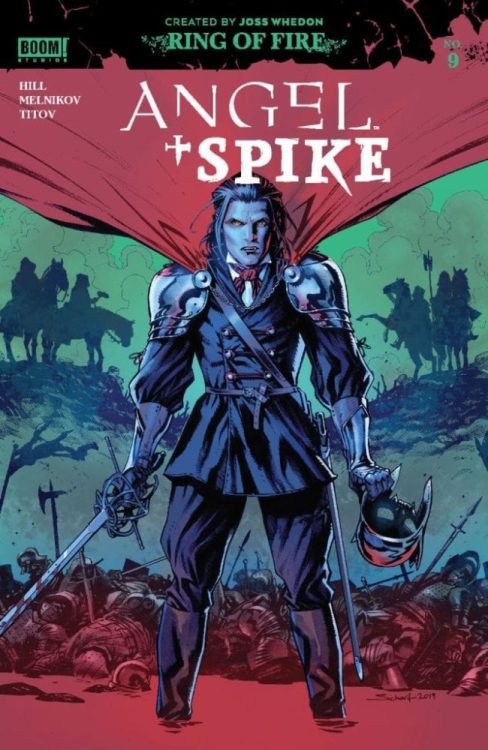
Angel #9 Credit: BOOM! Studios

The Hellmouth Crossover has finished and Angel is free to return to L.A. to be reunited with his crew. Unfortunately, while he’s been gone another vampire has moved in on his patch, making like the hero but with a much better sense of humour. 

In the latest issue of Angel from BOOM! Studios, Angel is joined by Spike, in title and practise. The last few issues have seen the infamous chaos bringer working with Fred and Gunn and now Spike has got his feet under the table. There is the obvious tension between the two vampires when Angel returns from his crossover trip but can they put their differences aside to fight the good fight?  For the sake of a good story, let’s hope not.

Laying out the characters

Issue 9 of Angel (and now Spike) introduces a TV favourite character into BOOM!s Buffyverse: Kate Lockley. The detective is trying to help a reluctant youth when they are attacked by a supernatural creature. With no-where else to turn, and with a little nudging, Kate turns to Angel Investigations for help.

As with previous issues of Angel, artist Gleb Melnikov creates an intense atmosphere that sets the reader on edge. It is darker in tone, both visually and narratively, than it’s sister title Buffy. It also draws you into the story with the characters and then traps you with a sense of fear. Melnikov’s artwork builds tension and Roman Titov’s colors creates an all encompassing, nerve wracking mood. 

The artwork, and layout designs, also create some outstanding, and often subtle, storytelling. Take page 5 of the most recent issue as an example.

Angel #9
Angel #9 Credit: BOOM! Studios

Angel has just returned home and discovered that his crew have been working with Spike. The page is the start of an argument between the two vampires with the two humans as focal points, trapped in between.

Not only does this page set the scene of this sequence in the comic but it also gives the readers a quick recap of the characters, realigning the status quo after the long Hellmouth Crossover.

The page is broken down into four tall, thin panels with a fifth panel taking up a third of the page at the bottom. The first panel in the sequence is the scene setter. It is a view of Angel’s Office/Home seen from above. The darkness outside lets the reader know that it is set at night but also reminds the reader of the danger that the outside world represents. L.A. is not a safe place and the encroaching darkness is a metaphor for this.

The speech in this opening panel is also scene setting. With lettering provided by Ed Dukeshire, the speech sums up the last few issues for the reader: Angel has been away and Spike has moved in. This single panel sets the scene beautifully; location and plot.

Angel #9
Angel #9 Panel Detail Credit: BOOM! Studios

Studious Fred

The next three panels do something similar but with the emphasis on particular characters instead of setting. Panels two to four each feature a portrait of a central character, in fact the three characters that have been carrying the story while Angel has been away. First is Fred, then Gunn, then the cause of the problems himself, Spike. 

What makes these panels so interesting is that Melnikov packs them with character, combining imagery with the expertly selected dialogue by Bryan Edward Hill to create a sense of who the cast member is and where they have come from. 

Fred is slightly dishevelled. Her recent past has been hard on her, throwing her out of her comfort zone and being hunted by demons and lawyers. However, she holds a warm, comforting drink in her hands. There is still an element of the homely young woman that Fred wants to be. Her personality is further enhanced by the background; a shelving unit packed with books. Fred is educated, smart. 

Over the top of this is Angel’s explanation of where he has been in the last few weeks, but his words are easily attributable to Fred. “I was in Hell,” Angel says, a fair description of Fred’s life since she was introduced.

Angel #9
Angel #9 Panel Detail Credit: BOOM! Studios

Moody Gunn

Melnikov does the same character breakdown for Gunn in panel three. Charles is depicted with a sombre face, downcast, and with none of the comforting trapping that share Fred’s panel. There is a clock in the background, ticking away time, but to what? The clock could represent a schedule, a plan of action slowly unraveling. Is this representative of Gunn’s wait for his moment to strike out at Angel? Gunn is a vampire killer, protecting the innocence on the street, this is indicated by the speech overlaid on this panel.

“Protecting you from people like him,” This is spoken by Angel but could so easily have come from Gunn. Menikov reminds readers of Gunn’s mission, his fight against that which he now works for. As with Fred, Gunn’s past and a large part of his personality is on show in that single panel.
Angel #9
Angel #9 Panel Detail Credit: BOOM! Studios

The Vampires Two

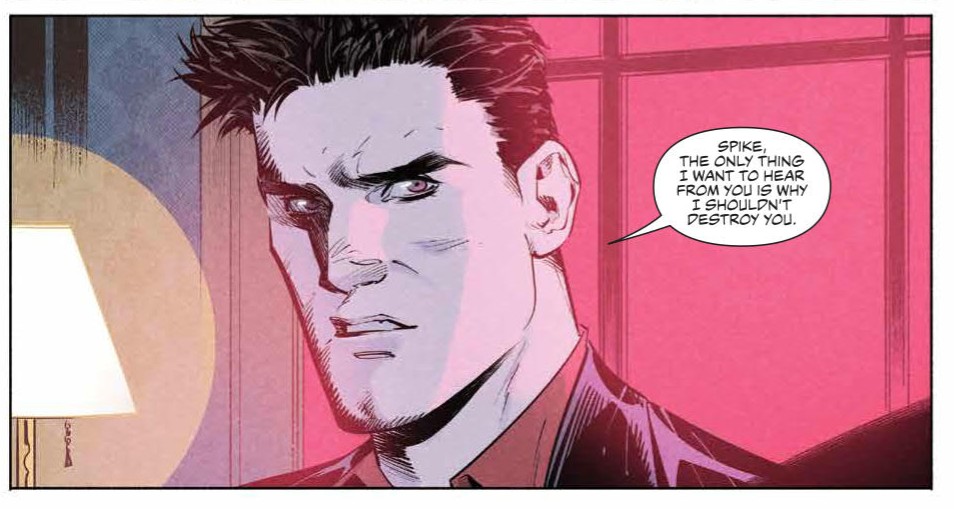
When it comes to Spike the imagery and representation is more straightforward, just like the vampire himself. He is depicted with an indifferent face, as if he couldn’t care less about the confrontational nature of Angel. His arms are crossed and standoffish. 

His speech is sarcastic and flippant. It is important that Spike speaks for himself at this moment. It asserts his authority over the situation, over Angel. Although Spike has become part of the group, he is not really part of the group. He is still an individual, working towards his own ends, whatever they may be.

The relationship between the two vampires is cemented in the final panel of the page. A third of the page is given over to a head shot of Angel, framed between the interior white light and the ominous red light from outside. The lighting illustrates the two forces within the vampire with a soul; the good and the evil, the opposing sides that make him who he is.

Down the centre of the panel you have his stern face. Always serious, always brooding. His speech is succinct and straight to the point. This final panel on the page is the very essence of who Angel is. 

As you finish reading the panel, taking in Angel’s personality, you contrast him against the other cast members. The page can be taken as a whole entity, like a roll call or character sheet from a role playing game. Melnikov uses the page to set the scene, highlight the conflict between two of the characters, but also sums up the personalities of Angel’s team. Succinctly and extremely effectively. 

Each of the panels is steeped in character and these five panels contain so much storytelling, so much personality. This condensed page allows Hill and Melnikov to focus more of the comic on the plot and the introduction of Kate Lockley. The pace of the comic overall is fast, with building tension and action covering many pages but this is only possible because Melnikov is able to successfully pack so much into this single page.

It’s pages like this that make reading comics so exciting.
Monkeys Fighting Robots Youtube

INTERVIEW: Kipo And The Age Of Wonderbeasts Composer Daniel Rojas

Kipo And The Age of Wonderbeasts is an animated series from Dreamworks that premiered on Netflix in January and features the voice acting of Karen Fukuhara (The Boys), Sterling K. Brown (This Is Us), and legendary musician Joan Jett to name a few. Creating the soundscape for this fantastical world is composer Daniel Rojas.

Fukuhara is the voice of Kipo Oak, a young girl traversing the world in search of her people. Kipo lives in an underground city, but when she’s forced to flee, the young girl faces a trip across a strange, post-apocalyptic surface ruled by “mutes,” animals that have not only physically been mutated but are also sentient. The show’s creator, Radford Sechrist, compared the series to The Wizard of Oz, “but instead of ruby slippers [Kipo] has Converse on.”

PopAxiom spent some time talking with Daniel about his career as a musician, his diverse tastes in music, and scoring for Kipo and the Age of Wonderbeasts.

Musical Family

Daniel is Costa Rican, and his musical journey began before he was even born. “My parents are both musicians, so I’ve been in the world of music for most of my life. My parents are classical musicians, and I got an early start because of that.”

Without hesitation, Daniel says, “I wanted to pursue music in high school. It’s what I wanted to do for life.” Daniel pursued this path with a “… jazz degree in college …”

After the education, the young composer “… moved out to L.A. to pursue film and television scoring.”

City Of Angels

Daniel arrived in L.A. with a degree and a lifetime of musical experience. It was time to put it all to work. “I started off with ads. It’s such a short form, and there are so many of them. There’s rarely any story. It’s hard to develop in 30 seconds or a minute. It’s good practice.”

After a “couple years” of scoring ads, Daniel began doing short films which helped “… to train more on the storytelling aspect. I was also an assistant to several composers, for instance, I worked for Klaus Badelt, and I worked some time at Han Zimmer’s Remote Control.”

Rising through L.A.’s competitive creative market saw Daniel “… bounce around doing all kinds of things. Little tech jobs; orchestration; programming.”

Kipo Came Calling

Daniel’s agent came across a potential new gig for Daniel. “Dreamworks was looking for someone who was not just a traditional composer but also a songwriter and song producer because of the style of music that they had in mind.”

Working his way through L.A. afforded Daniel a wide range of musical elements to work in and around. “During the time I’d been scoring, I also had a double-life doing a lot of song sessions and song production. My agent thought I would be a good fit for the show based on the description of what they were looking for.”

Outside of some basic information, Daniel says making the right demo for Dreamworks involved slight moments of doubt. “When I was putting together the demo for Dreamworks, I didn’t know much about the project. I was thinking to myself, ‘Man, my demos are all over the place.’

The final version included “… a couple beats, a rock tune, some pop songs, a couple more folky sounding things, and some score cues.”

Dream Fit

As it happens, Daniel sent over the demo and “… that was what they were looking for. It was the right fit at the right time.”

Dreamworks was creating a dynamic show with beautiful animation, lovable characters, and a robust soundtrack. “They wanted to have one person to do the songs and score so that it would be cohesive. It was challenging, but we worked to get there.”

Daniel teases, “We want to release the score, but nothing has been set.”

Kipo is a cartoon for all ages. “That was the goal to have a larger appeal and not just kids.”

Scoring for live-action film and television is challenging enough. Doing the same for animation is a whole different [wonder] beast. “When I was working on the songs, I was working with the animatics, which are basically storyboards. The script was still changing, so revisions were being sent to me.”

Wrapping Up

Of his musical tastes, Daniel says, “It’s all over the place.” He continues, “I was classically trained early, so I was a pretty nerdy conservatory kid. But then I got into jazz in high school; Coltrane, Miles, Barker … all the jazz guys. I went to college in North Texas to study jazz.”

Daniel’s music interests don’t stop there. “I’ve always liked all kinds of music. Hip hop, rock, pop music, etc.”

In the age of remakes, what would Daniel love to be a part of? “I’m really excited about Space Jam and … the sequel. But Hans Zimmer is doing it according to IMDB, so I’m out of the picture on that one.” Daniel laughs.

Kipo is out on Netflix with a 10-episode season. So, what’s coming next from Daniel? “At the moment, I’m pitching for another animated show that I can’t really talk about. There’s talk of more Kipo. In the next month or so, I’ll be working on a live-action feature film.”

Did you watch Kipo and the Age of the Wonderbeasts?

Thanks to Daniel Rojas and Impact24 PR for making this interview possible.

Want to read more interviews like this? CLICK HERE.

Monkeys Fighting Robots Youtube

Win Passes To ONWARD – Tampa

Win Passes To ONWARD - Tampa
©2020 Disney/Pixar

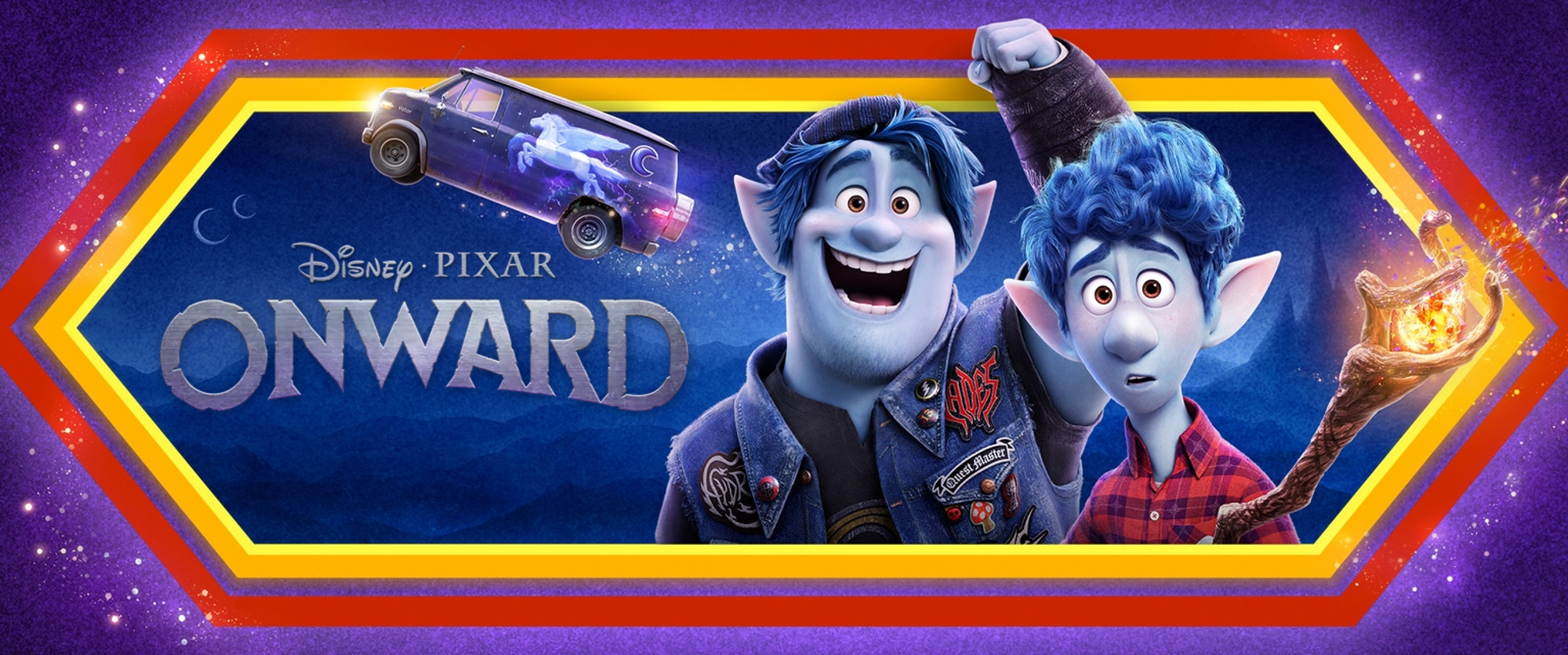
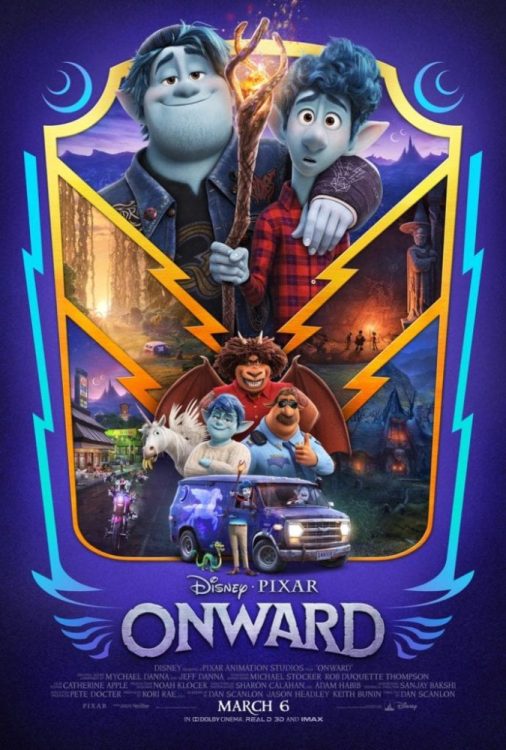
Enter for a chance to win a pass for two to the advance screening of Disney and Pixar’s ONWARD – In Theaters March 6!

Win Passes To ONWARD - Tampa
©2020 Disney/Pixar

Monkeys Fighting Robots and Pixar have teamed up to bring you a special screening of ONWARD!

The screening will be held in Tampa on Tuesday, March 3.

AMC West Shore 14
210 Westshore Plaza
Tampa FL 33609

The contest is straightforward to enter:
• Join our newsletter
• Like Monkeys Fighting Robots on Facebook
• Follow Monkeys Fighting Robots on Instagram
• Comment on this post below.

Good luck! Winners will be chosen at random on February 28, at 3 PM EST.

Step 1 – Join our newsletter


Step 2 – LIKE MONKEYS FIGHTING ROBOTS on Facebook

Step 3 – Follow Monkeys Fighting Robots on Instagram

Step 4 – Comment on this contest below.

Good luck!


About the film:

When teenage elf brothers Ian and Barley Lightfoot (voices of Tom Holland and Chris Pratt) get an unexpected opportunity to spend one more day with their late dad, they embark on an extraordinary quest aboard Barley’s epic van Guinevere. Like any good quest, their journey is filled with magic spells, cryptic maps, impossible obstacles and unimaginable discoveries. But when the boys’ fearless mom Laurel (voice of Julia Louis-Dreyfus) realizes her sons are missing, she teams up with a part-lion, part-bat, part-scorpion, former warrior – aka The Manticore (voice of Octavia Spencer) – and heads off to find them. Perilous curses aside, this one magical day could mean more than any of them ever dreamed. Directed by Dan Scanlon and produced by Kori Rae, Disney and Pixar’s “Onward” opens in U.S. theaters on March 6, 2020.

Rules

NO PURCHASE NECESSARY. Limit 1 admit-two passes per person. This film is not yet rated. Must be 13 years of age or older to win passes. Employees of all promotional partners and their agencies are not eligible. Void where prohibited. Entries must be received by 2:59 PM, February 28, 2020, to be eligible to receive a pass. Winners will be contacted via e-mail to receive their pass. Sponsors not responsible for incomplete, lost, late or misdirected entries or for failure to receive entries due to transmission or technical failures of any kind. SEATING IS LIMITED, SO ARRIVE EARLY. PASS DOES NOT GUARANTEE A SEAT AT THE SCREENING. Refer to screening pass for further restrictions. ONE ENTRY PER PERSON.

Monkeys Fighting Robots Youtube

Marvel Comics Preview: FALCON & WINTER SOLDIER #1 – Save The Cat!

Marvel Comics Preview: FALCON & WINTER SOLDIER #1 - Save The Cat!

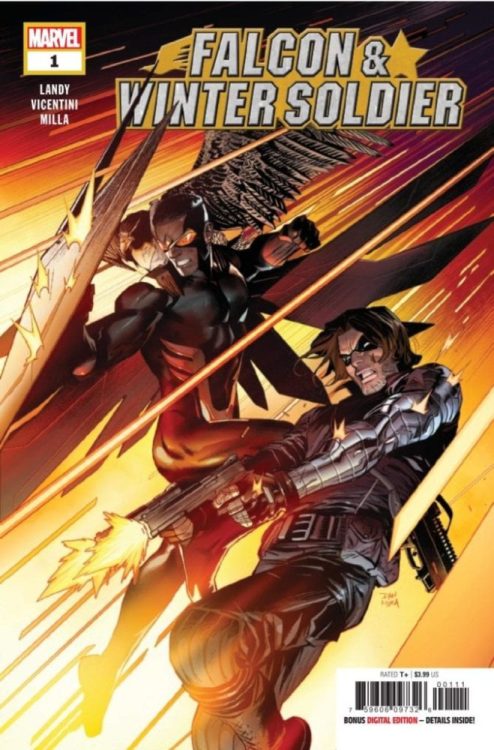
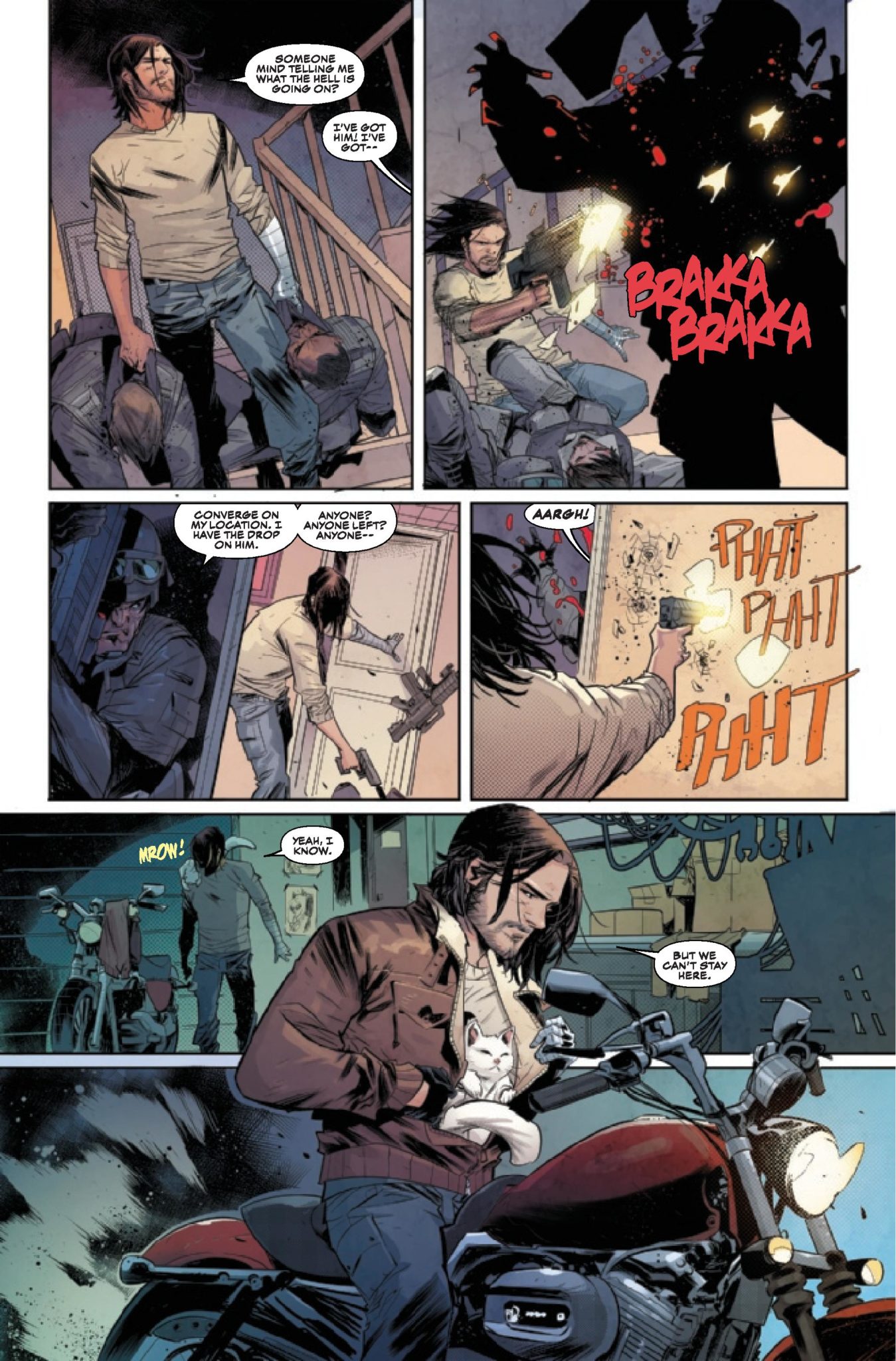
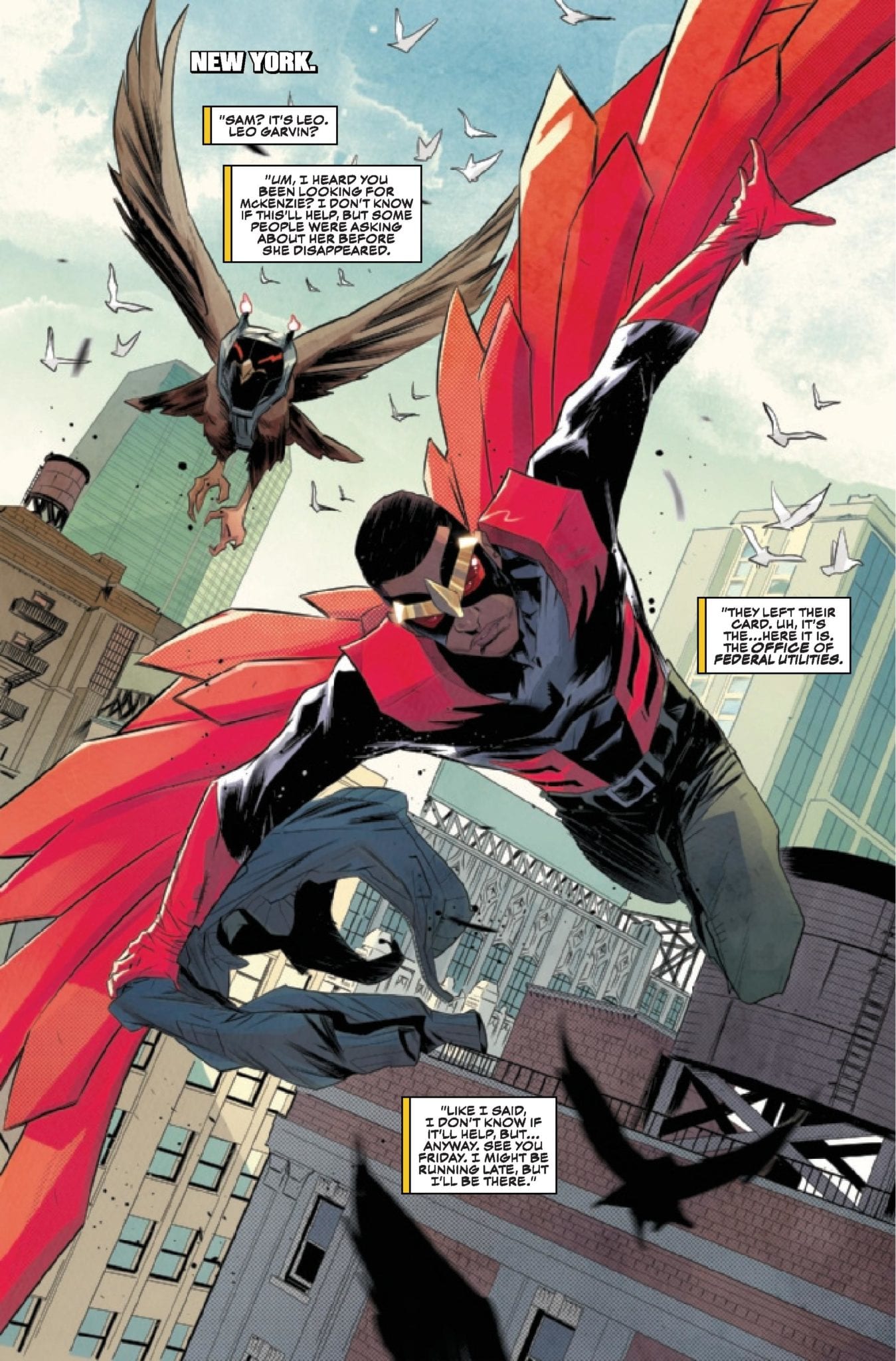
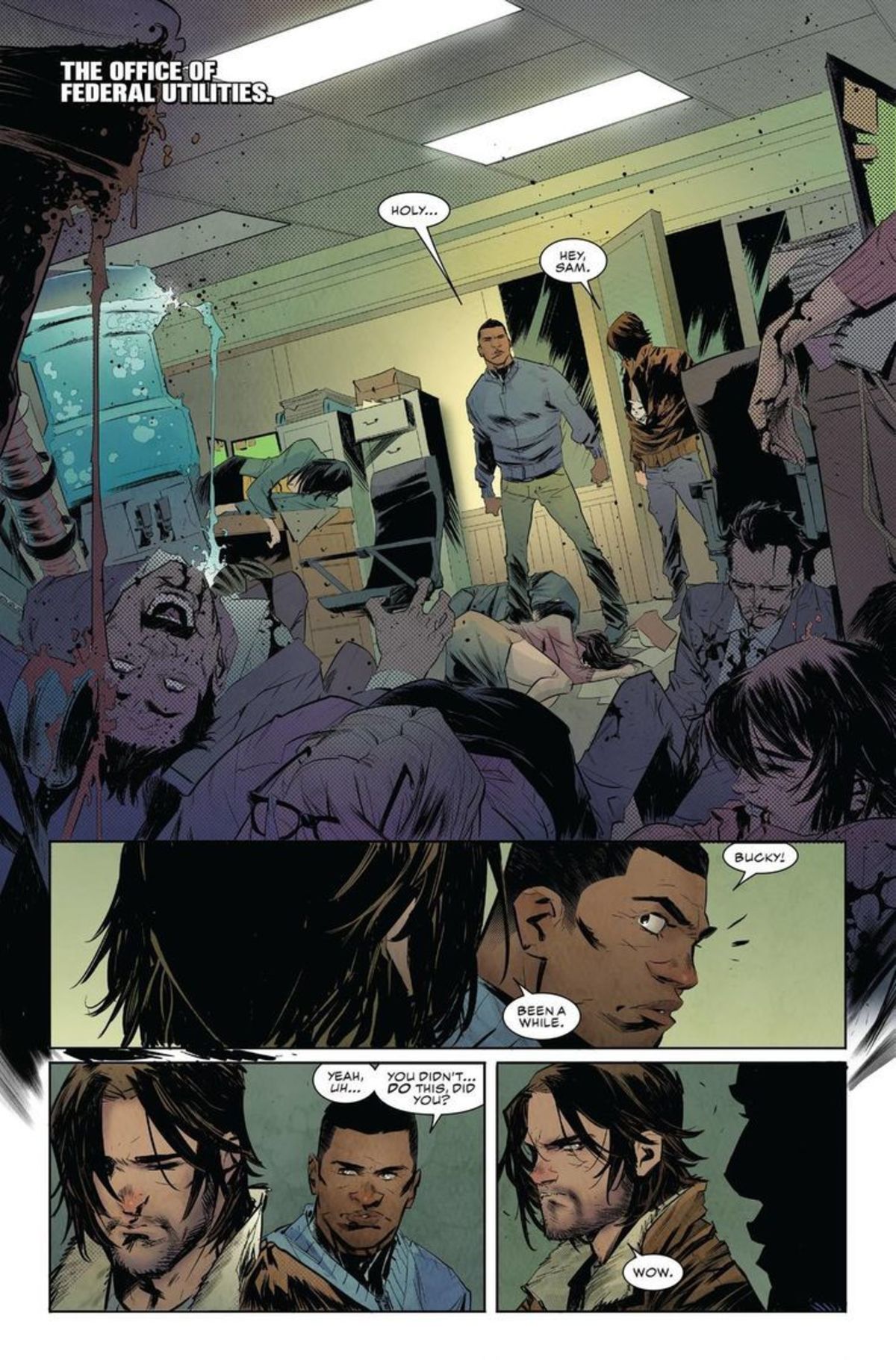
Falcon & Winter Soldier #1 (of 3) out this week from Marvel Comics, sets up the mystery with amazing art Federico Vicentini. Check out the six-page preview.

The book is written by Derek Landy, with art by Vicentini, Matt Milla handles colors, and letters by Joe Caramagna. Dan Mora and David Curiel worked on the cover.

About Falcon & Winter Soldier #1 (of 3):
An office of dead government agents. A gifted new killer. Two ex-Captain Americas…
When a dramatic attempt on the life of Bucky Barnes reunites him with Sam Wilson, the two old friends are plunged headlong into a race to uncover the new leader of Hydra before a mass casualty event announces the terror group’s resurgence to the world. The clock is ticking…


Will you give Falcon & Winter Soldier a chance? Give us your thoughts in the comment section below or on social media.

Enjoy the Falcon & Winter Soldier #1 preview.

Marvel Comics Preview: FALCON & WINTER SOLDIER #1 - Save The Cat!

Marvel Comics Preview: FALCON & WINTER SOLDIER #1 - Save The Cat!

Marvel Comics Preview: FALCON & WINTER SOLDIER #1 - Save The Cat!

Marvel Comics Preview: FALCON & WINTER SOLDIER #1 - Save The Cat!

Marvel Comics Preview: FALCON & WINTER SOLDIER #1 - Save The Cat!

Joe Simon and Jack Kirby created Bucky Barnes, and he first appeared in Captain America Comics #1 from March 1941, published by Timely Comics. Ed Brubaker and Steve Epting crafted Winter Soldier, and he first appeared in Captain America #1 from January 2005.

According to Wikipedia, Sam Wilson, aka the Falcon, was the first mainstream African-American superhero in mainstream comic books. Stan Lee and artist Gene Colan created the character, and he first appeared in Captain America #117 from September 1969.

Monkeys Fighting Robots Youtube

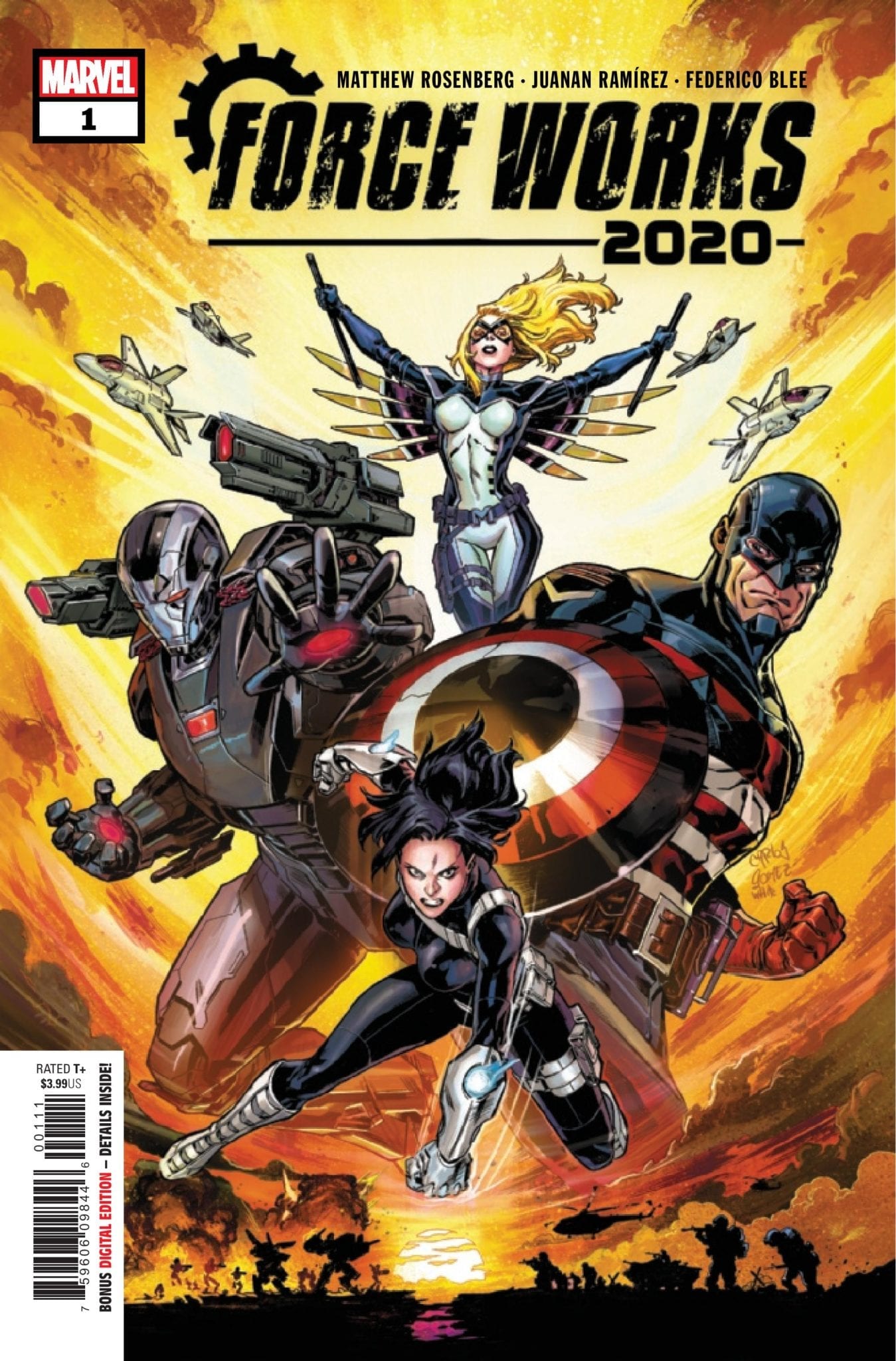
Marvel Comics Preview: FORCE WORKS 2020 #1 – War Machine Tries To Survive

Marvel Comics Preview: FORCE WORKS 2020 #1 - War Machine Tries To Survive

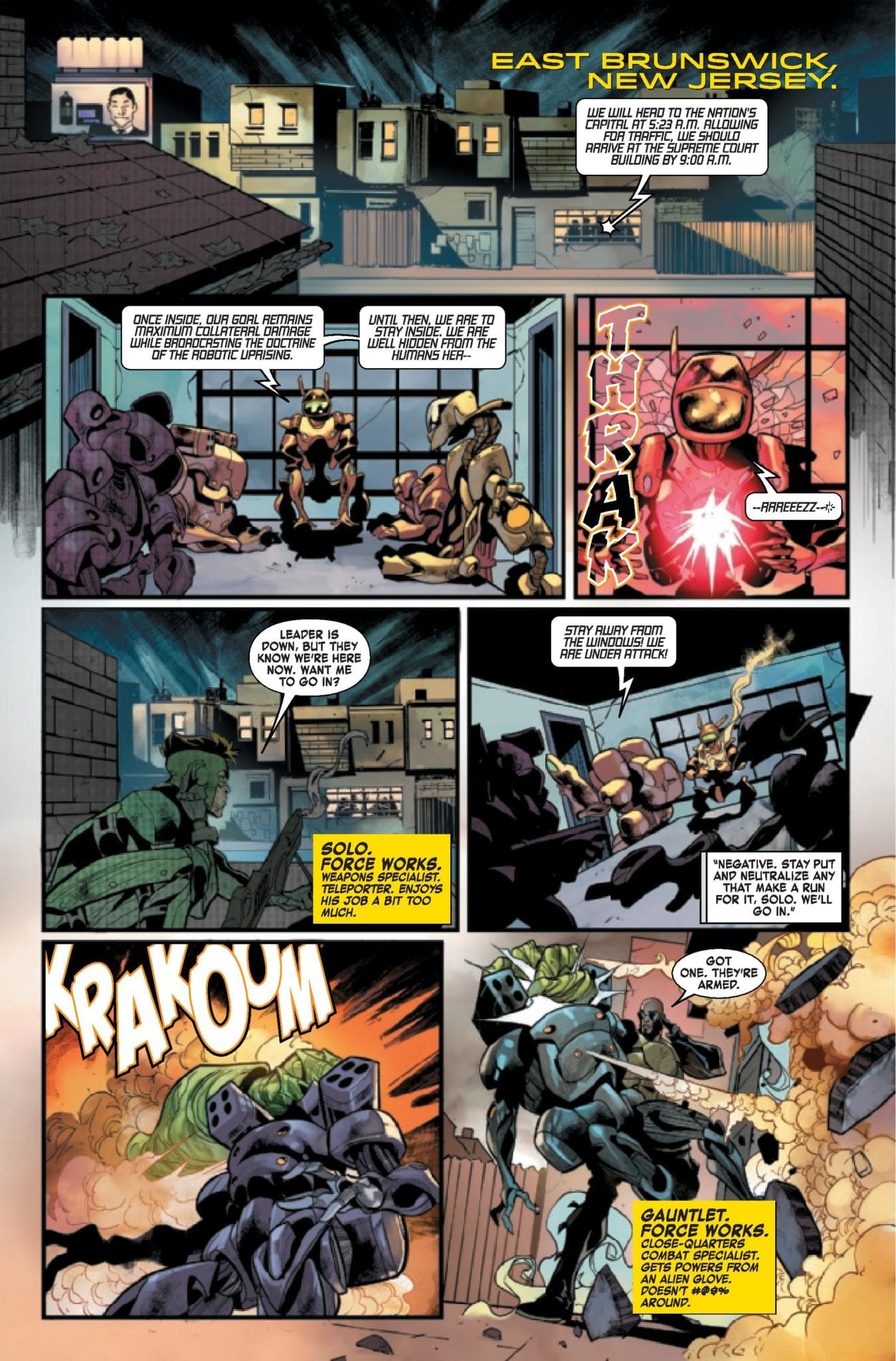
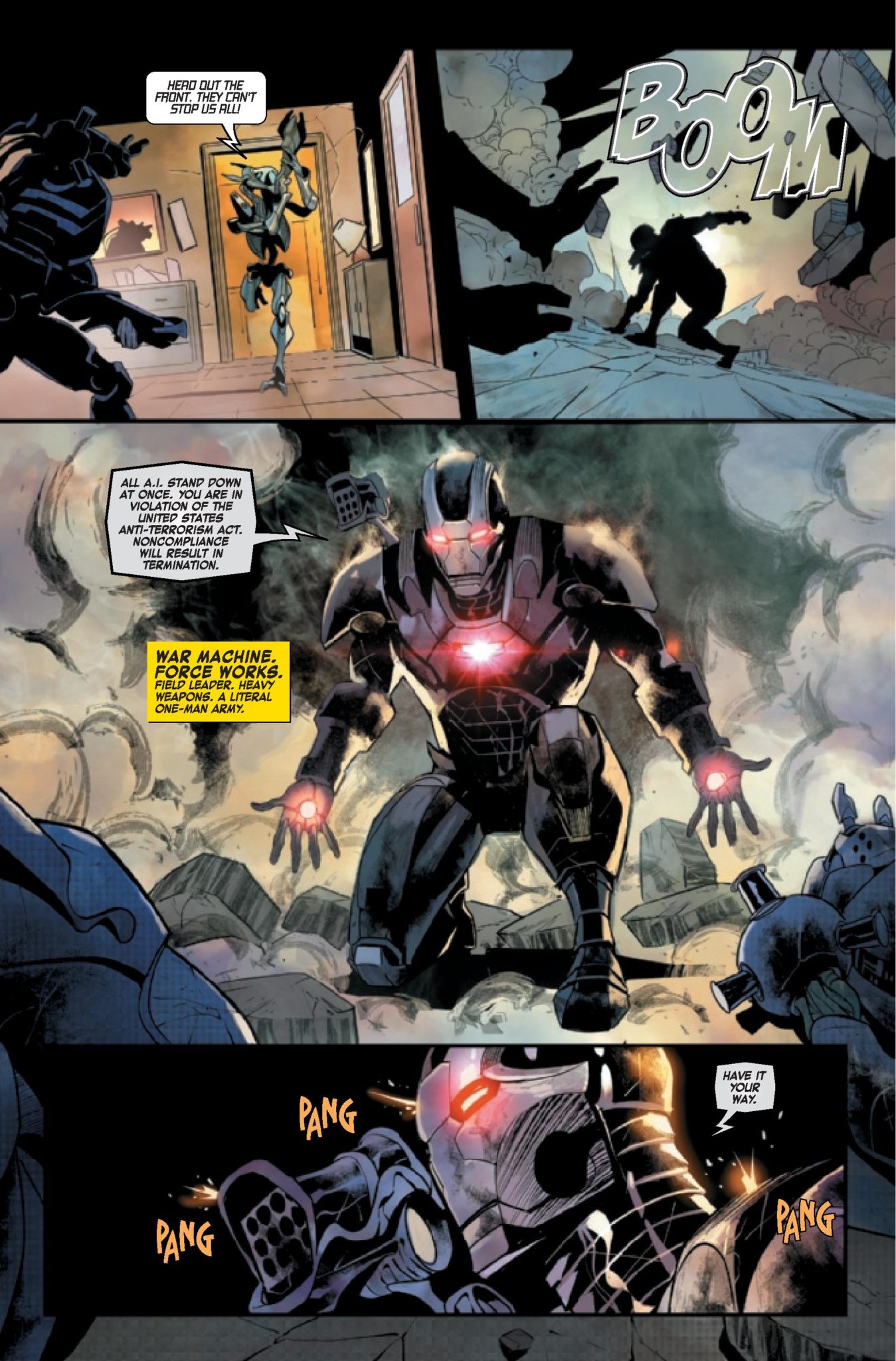
War Machine has his hands full this week in Force Works 2020 #1, out February 26, Marvel Comics sent us a four-page preview for you to check out.

The three-issue mini-series is written by Matthew Rosenberg, with art by Juanan Ramírez, Federico Blee dropped some colors, and you will read Clayton Cowles’ letters.

About the book:
The eruption of a violent robot revolution threatens all manner of biological life! Teetering on the precipice of extinction, there’s only one man with enough tactical skill, killer instinct, and ruthless leadership to lead the rebellion: War Machine! Join War Machine and his elite paramilitary squad (U.S.Agent, Mockingbird, and Quake) in the final crusade for humanity’s fate!

Are you reading Iron Man 2020, what do you think of the story arc so far? Give us your thoughts in the comment section below or on social media.

Enjoy the Force Works 2020 #1 preview.

Marvel Comics Preview: FORCE WORKS 2020 #1

Marvel Comics Preview: FORCE WORKS 2020 #1

Marvel Comics Preview: FORCE WORKS 2020 #1

Marvel Comics Preview: FORCE WORKS 2020 #1

Marvel Comics Preview: FORCE WORKS 2020 #1

Marvel Comics Preview: FORCE WORKS 2020 #1

David Michelinie and John Byrne created James Rupert “Rhodey” Rhodes, with his first appearance in Iron Man #118 from January 1979. Rhodes became War Machine in Iron Man #282 back in July 1992. Len Kaminski and Kevin Hopgood created the War Machine Armor.

David Michelinie and artist Marc Silvestri created Solo, and he first appeared in Web of Spider-Man #19 from October 1986.

Dan Slott, Stefano Caselli, and Eric Powell created Joseph Green, aka the Gauntlet. He first appeared in She-Hulk #100

Monkeys Fighting Robots Youtube

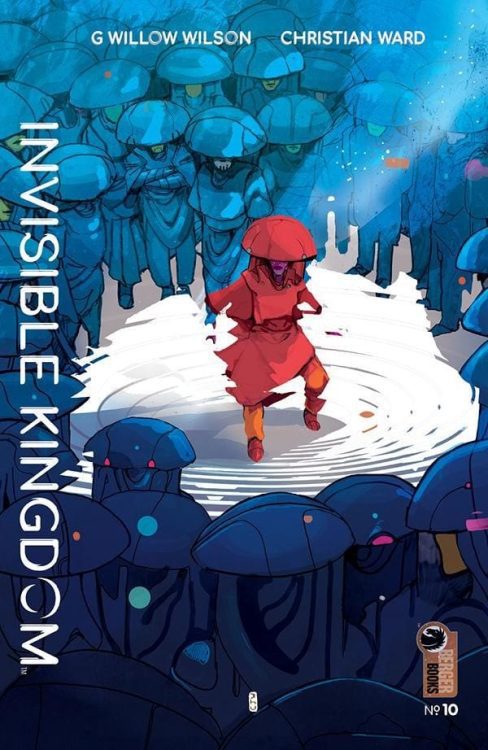
Review: INVISIBLE KINGDOM #10 Drifts To A Exciting End

Invisible Kingdom #10 Credit: Dark Horse Comics

As the second arc of Invisible Kingdom from Dark Horse Comics comes to a close, the world created by G. Willow Wilson and Christian Ward gets a little bit larger and a little bit more complicated. 

The last four issues have seen the creators concentrate much of the story on the relationship between Grix and Vess, producing a wonderful character driven narrative. The relationship between the two hots up as the arc comes to an end and the crew of the Sundog face possible destruction in the depths of space.

Invisible Kingdom #10
Invisible Kingdom #10 Credit: Dark Horse Comics

Narrative Style 

After so long you begin to get a feel for a comic, an idea of what to expect. The plot may twist and turn but the style of storytelling becomes a constant. With creator owned comics that continue to use the same creators issue after issue, a rhythm is formed and a tone is set for the series. Take a look at Saga or The Walking Dead to see what I mean.

This doesn’t mean that the comic becomes dull or predictable, often quite the opposite. What it means is that the creators become attuned to each other and play to each others strengths. Invisible Kingdom is a prime example of this. You can pick up any issue and see how the writing and the art are inseparable within the comic.

G. Willow Wilson writes emotional dialogue that moves the characters through the action. Their relationships fuel the plot, pushing it forward. Each interaction has an effect that propels the reader further along the narrative.

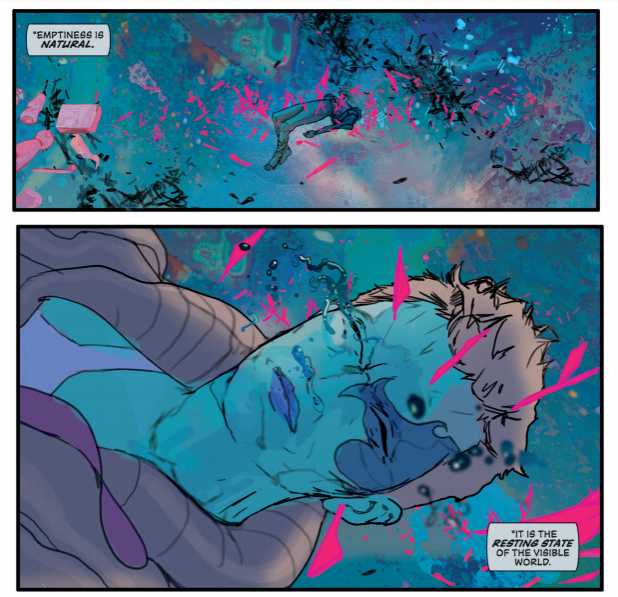
Christian Ward’s artwork sets the scene. In some cases this means creating an outstanding alien landscape for the action to take place in. At the start of this issue, Grix is floating in the depths of space and in three panels Ward is able to relay the full extent of the danger that the Captain is in. 

Ward is also able to add extra weight to Wilson’s words because of his emotive character design. In one scene Grix and Vess have a discussion about their relationship and you know exactly how the scene is going to end. Ward fills the characters with sexual tension, bringing them slowly together through the panel composition. It’s like a scene in a romantic movie where the characters get closer and closer as their conversation catches up with their bodies. 

Invisible Kingdom #10 panel
Invisible Kingdom #10 Credit: Dark Horse Comics

Advancing Plot

Invisible Kingdom started as a world expanding, science fiction tale but it has become something so much more. The characters are engaging, even the extras who don’t get much page space. Wilson’s script is honest and heartfelt. She is able to write the big science fiction plot and she does it using personalities and relationship dilemmas. 

A number of plot threads are woven effortlessly together and as the reader is focused on one aspect of the story the rest of it is slowly advancing. Everything reads so naturally and this is because of the seamless blend of script and art. The words by Wilson, the lettering by Sal Cipriano, and the art by Ward all focus on the emotional story. This singular vision by the creators gives the comic focus for the reader and allows the plot to maneuver effortlessly around the characters.

Capriano’s soft approach to the word balloons and caption boxes enhance the sense of emotion. The rounded edges of the captions and the inconsistent thickness to the speech balloons create a natural appearance and, as a result, the flow of dialogue is more even, more conversational. You get the impression that these characters are having whispered, intimate conversations. It’s as if we the readers are voyeurs, listening in where we shouldn’t.   

Invisible Kingdom #10 Credit: Dark Horse Comics

Conclusion

This issue is the culmination of the character development the creators have been working on since issue 1. Grix and Vess have been on an emotional journey stretching across 10 issues and reaching a significant moment in these pages. But is it too late? For the answer to that you’ll have to read the comic. 

This issue is a satisfying end to what has come so far but it is also the start of something new. The ending opens up an exciting prospect for the future of the comic and fans will not be able to wait for the next arc to start.

A perfect blend of science fiction and emotional drama, Invisible Kingdom continues to be more than the sum of its parts. 


Monkeys Fighting Robots Youtube

LOCKE & KEY Meets SANDMAN In New Crossover

Locke & Key Sandman

If fans had been asked to bet what the next big inter-company comics crossover would be, it’s not likely that many would have chosen Sandman and Locke & Key… but that’s exactly what’s happening.

IDW announced the crossover via social media:

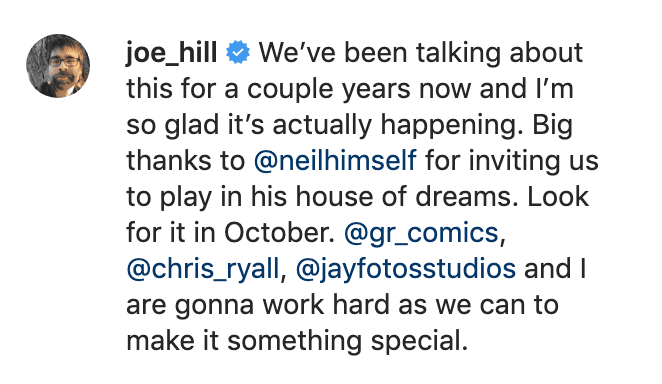
Locke & Key: Hell & Gone will feature the creative team of writer Joe Hill and artist Gabriel Rodriguez. Rodriguez tweeted that the project is “a literal dream come true,” while Hill posted on Instagram that the team is “gonna work as hard as we can to make it something special.”

Locke Key SandmanThis news arrives as Locke & Key has become one of Netflix’s most talked-about series, with a Sandman series in development on the streaming service. Hill is, of course, also overseeing DC’s “Hill House” horror label at the moment.

Locke & Key: Hell & Gone will be in comic stores this October. As IDW’s promo says: “If you think you can unlock the gates of Hell and just invite yourself in, you must be dreaming.”

Locke & Key Sandman

Monkeys Fighting Robots Youtube

First Look: NIGHTWING #70 Prelude To Joker War

First Look: NIGHTWING #70 Prelude To Joker War

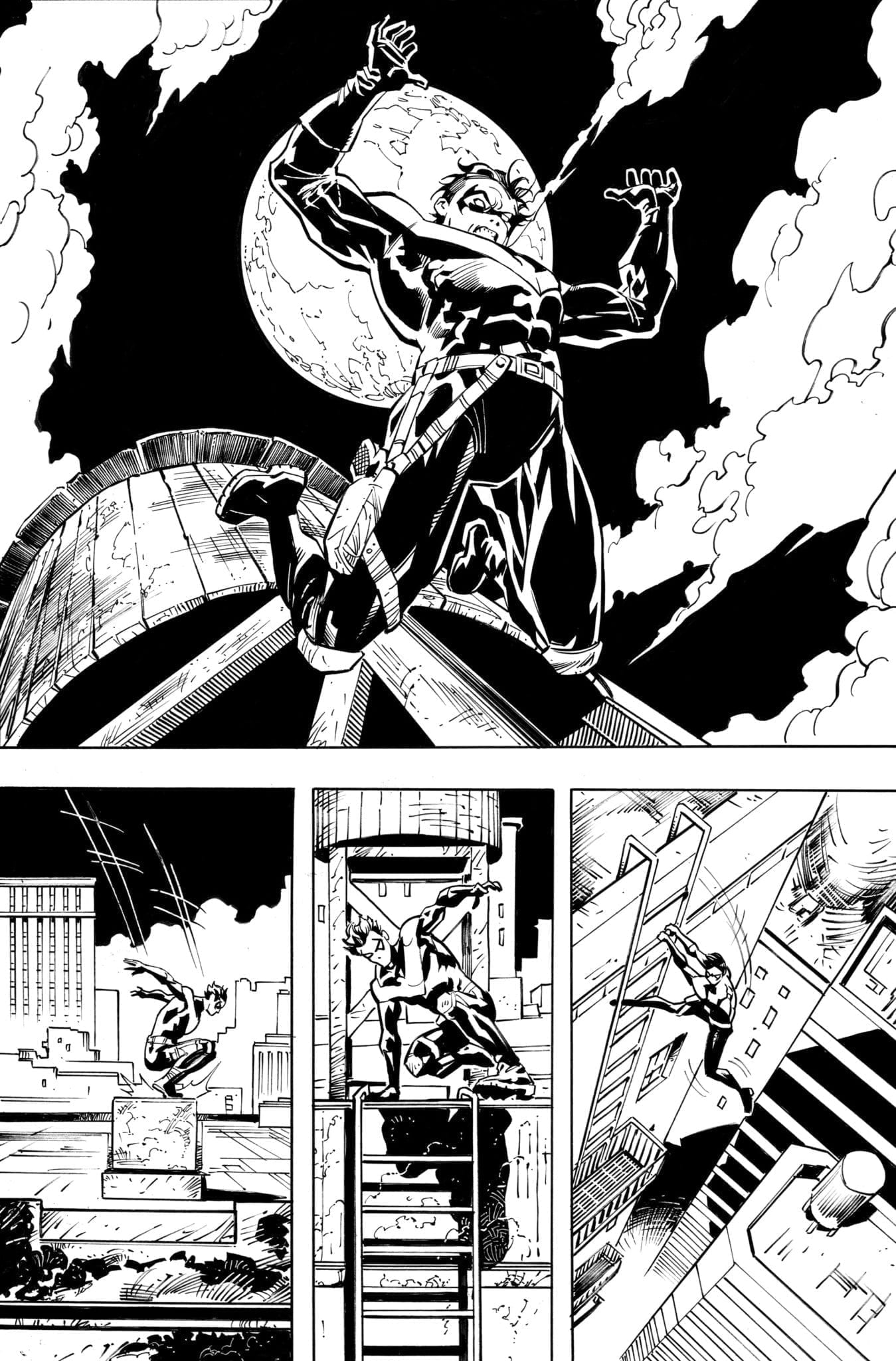
Nightwing #70 doesn’t hit your local comic book shop until March 18, but thanks to DC Comics, Monkeys Fighting Robots has a first look at the interior art by Ryan Benjamin.

The book is written by Dan Jurgens, with art by Benjamin, and cover by Mike Perkins.

About Nightwing #70:

Q: How many Nightwings does it take for one Joker to strike to get to the real one?

A: Four. Four Nightwings running around Blüdhaven.

…and that’s not even the punchline—how will Ric interact with the Joker when he’s not quite sure which one of his two memories is the real one, and exactly how dangerous this clown standing before him is? Is this the issue where the Joker tracks down the real Nightwing—and is the Joker the key to the return of Dick Grayson?


What do you think of Jurgens’ run on Nightwing? Are you excited for Joker War?Comment below with your thoughts.
First Look: NIGHTWING #70 Prelude To Joker War

First Look: NIGHTWING #70 Prelude To Joker War

First Look: NIGHTWING #70 Prelude To Joker War

First Look: NIGHTWING #70 Prelude To Joker War

Bill Finger and artist Bob Kane created Robin, and Dick Grayson was first to wear the costume. Dick first appeared in Detective Comics #38 in April 1940. Marv Wolfman and George Pérez created Nightwing, and his first appearance was in Tales of the Teen Titans #44 back in July of 1984.

Monkeys Fighting Robots Youtube

Review: The Visitor #3: Throwing Distractions In Place of Development

The Visitor #3 is guilty of false advertisement

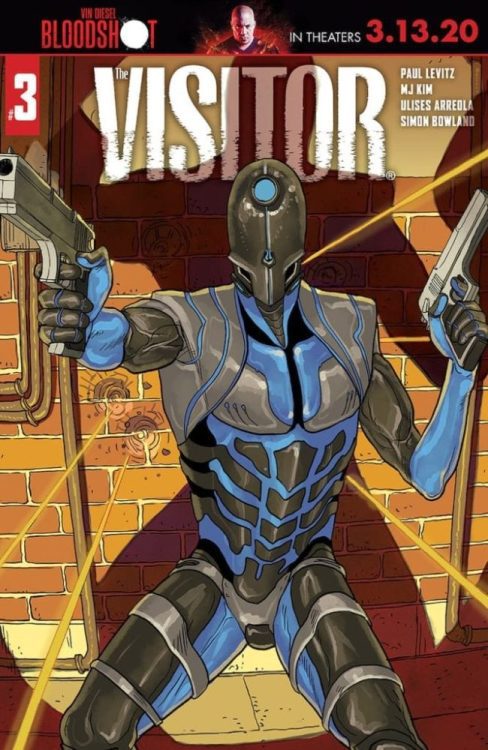
The Visitor #3 from Valient Entertainment out this week, has MJ Kim provide some great artwork for Paul Levitz’s mystery as it gets a romantic subplot.

Recap

The Visitor revolves around an AI project that Japan is staking its future on. Most details surrounding the project are under wraps; however, the projects seem to have caused some disastrous turns in the future. The titular Visitor arrives from this time to sabotage the project by targeting lead programmer Kubo. However, Kubo is under the protection of his nephew Ogawa and UN Security Agent Talia Daubney. While they manage to keep The Visitor off of Kubo, Japanese officials find from his DNA the Visitor’s origins as an enhanced Japanese man.

The Visitor #3 Is A Distraction

Oh brother, it's going to be on of those superhero stories.With nobody including Paul Levitz at liberty to reveal crucial story details, The Visitor #3 feels like it’s backpedaling to square two. After the revelations in issue 2, the only thing that changes is seeing The Visitor’s face in flashbacks. Otherwise we get a low tech analysis of Visitor’s origins and a little action that goes nowhere.
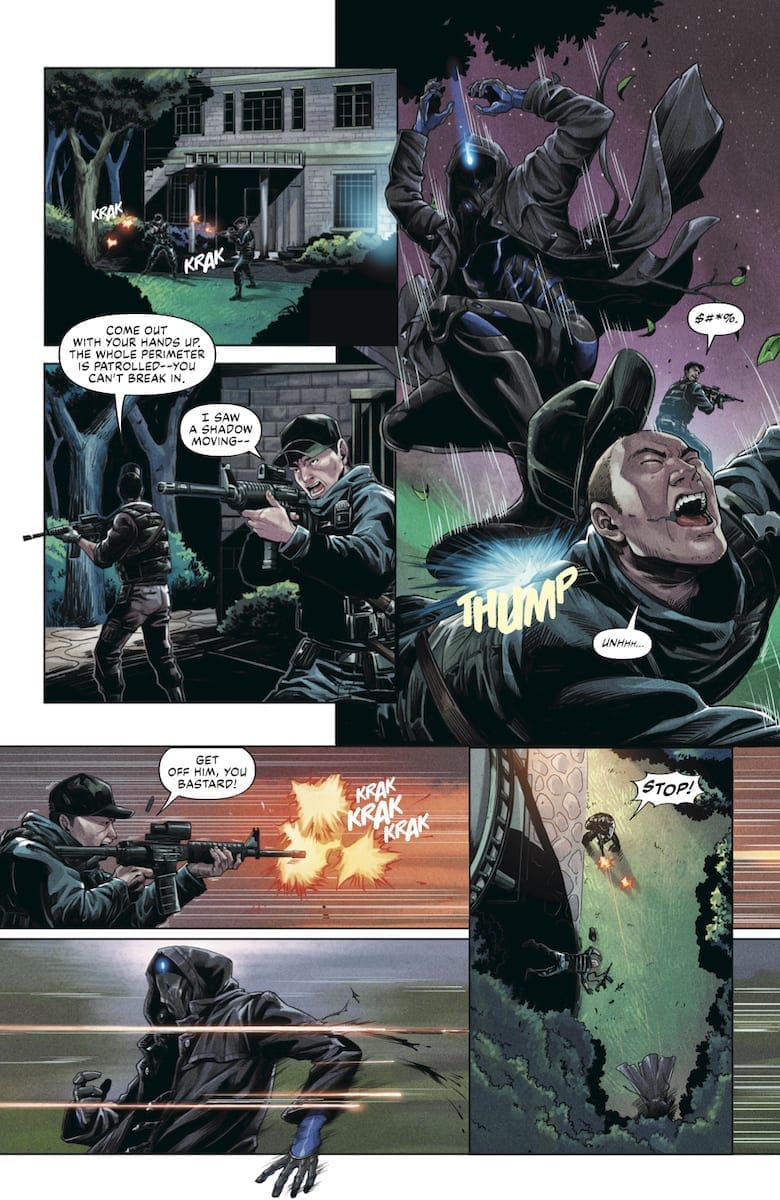
Well, that and a romantic subplot between Ogawa and Daubney that exists in the spur of a couple of moments. Which doesn’t make a whole lot of sense. These characters who barely know each other happen to fall in love from their hands touching? But more than that, the series isn’t about them.

The Artwork Advances More Than The Story

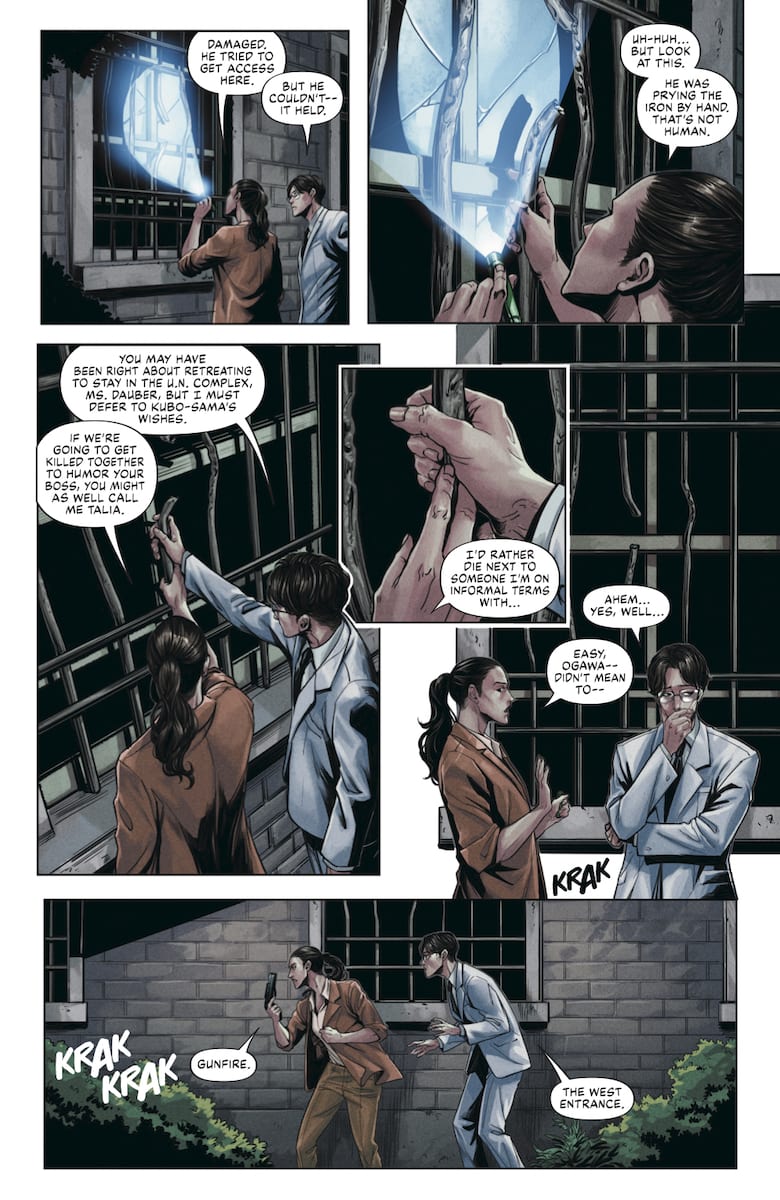
MJ Kim steals the spotlight with how she illustrates more than decent body language. The best examples come from the two officials. Abe likes to present himself as high and mighty per his Imperial heritage by suddenly standing up to look down on people. Hayashi’s slender figure and serpent-like movements meanwhile display his likely ulterior motivations.

Kim also demonstrates other skills in how she creates the panels. For the flashback sequences, they possess a very microchip component appearance. Then there are the actions acting parallel. The primary plot gets two-thirds of the page while isolated vertical strips show whats happening elsewhere. Which brings up how Kim uses the binary monochromatic canvases. While it’s a little strange how being outside at night uses white canvases, being inside with the lights off is just perfect for the black canvas. This allows the moments with the Visitor to shine brightest.

Even If The Visitor #3 Shows Itself To Be Dimming

The flaws and strengths of The Visitor #3The coloring by Ulises Arreola in The Visitor #3 uses a lot of dark shading. Fitting for the mystery elements and surprise by the Visitor’s bright lights. He even keeps the bright color coding: blue for revelations and orange for danger. Unfortunately, their purposes are very limited in this issue. Most of the revelations, for example, come from how the Visitor makes an entrance.
Simon Bowland’s lettering functions well. All of the word balloons have a decent arrangement to get readers through the story. But, when it comes to the onomatopoeias, they don’t feel like extensions of the action, just decorations. They don’t share a matching color as the effects or objects they come off save for the ones in The Visitor’s flashback. It’s as if the artists are trying to get the details out, but The Visitor #3 won’t let them.

Do Whatever You Want With The Visitor #3

While the artwork remains consistently good, this issue takes a couple of controversial turns. Rather than try to solve the mystery, all we get is what everyone is already aware of from the last issue. But more than that, a romantic subplot has come up to distract the readers for the finale.

Monkeys Fighting Robots Youtube

Exclusive AfterShock Comics Preview: THE MAN WHO F#%&ED UP TIME #2

Exclusive AfterShock Comics Preview: THE MAN WHO F#%&ED UP TIME #2

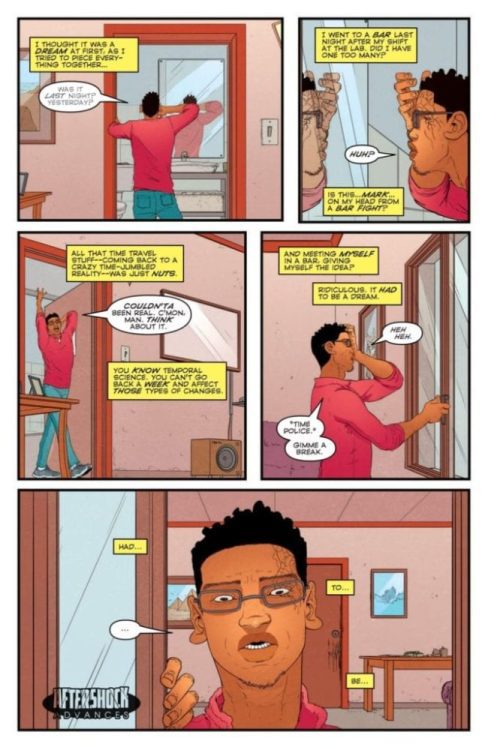
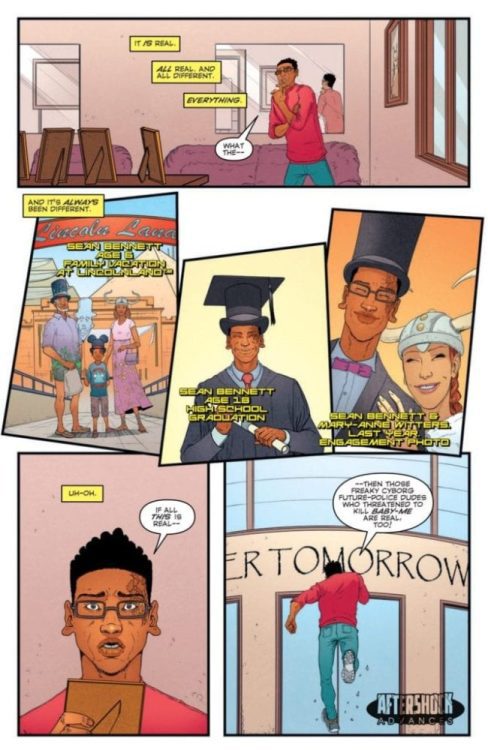
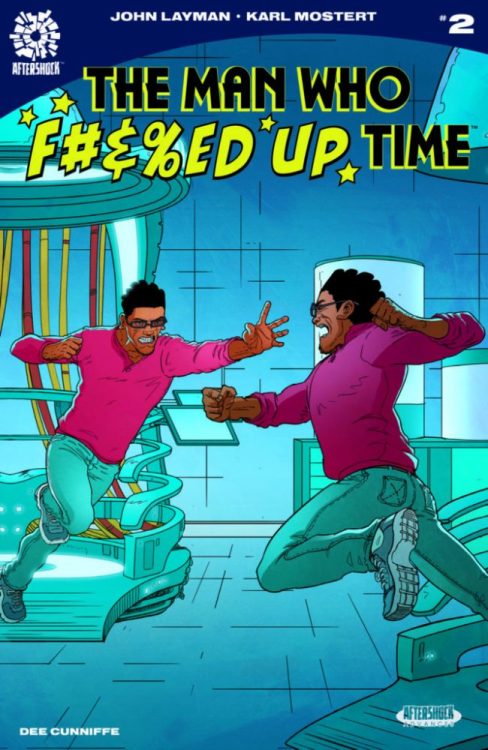
The Man Who F#%&ed Up Time #2, the sci-fi action-comedy doesn’t come out until March 11, but thanks to AfterShock Comics, Monkeys Fighting Robots has an exclusive four-page preview for you.

The book is written and lettered by John Layman, with art by Karl Mostert, colors by Dee Cunniffe, and Mostert & Cunniffe worked on the cover. There is a one in ten incentive cover by Andrew Robinson.

About The Man Who F#%&ed Up Time #2:
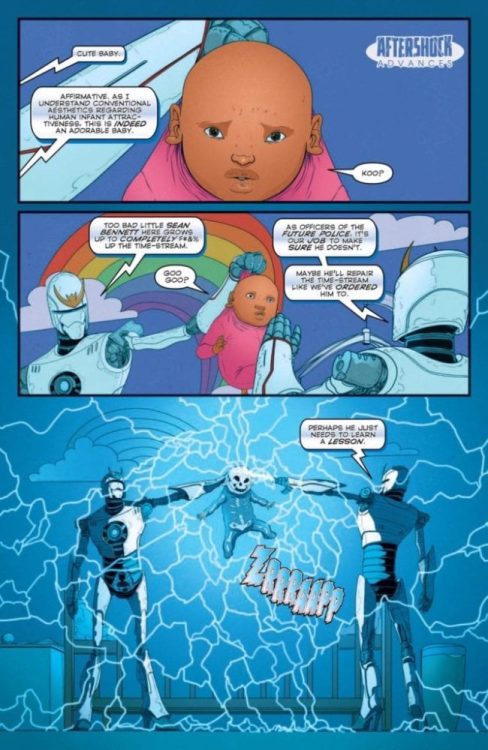
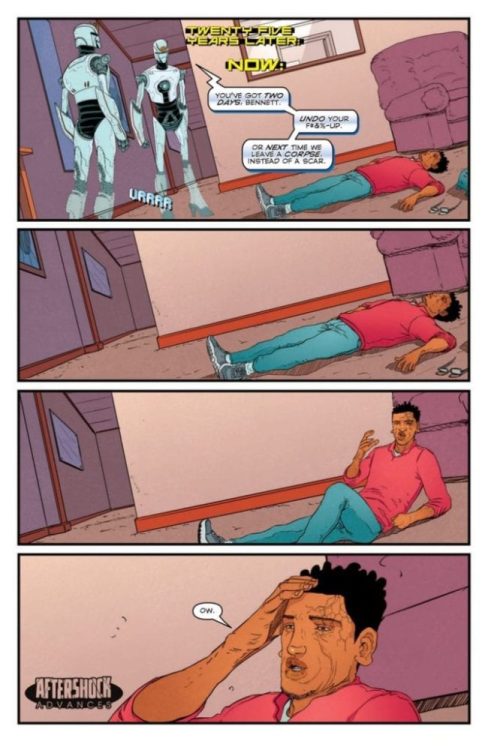
Time-traveler Sean Bennett has been ordered to fix the damage he did to the space-time continuum, or face the wrath of the Future Police. But to do this, Sean Bennett must face his most dangerous adversary—Sean Bennett?


Did you read the first issue? Comment below with your thoughts.

“Layman’s approach is to jump right in. When the reader meets Sean Bennett, he has already caused cosmic chaos and the opening, energetic pages introduce the mixed-up world that Bennett has created.”from Darryll Robson review of the first issue.

Check Out The Preview Below

Monkeys Fighting Robots Youtube