Home Blog Page 310

How THE ULTIMATES Changed My Concept Of What A Comic Book Could Be

How THE ULTIMATES Changed My Concept Of What A Comic Book Could Be

My first exposure to comics was in the early 90s. Born in 1984, the first comic I ever saw was the final issue of the “Death of Superman.” I had watched the old George Reeves Superman show on cable at my grandparents, so I knew who Superman was. I just didn’t think he could die. I began to collect comics after this, starting with DC Comics but eventually becoming a collector of Spider-Man and the X-Men. Little did I know at the time that I was becoming a comic book fan during one of the most gimmicky eras in comic book history (made all the more humorous by the fact that my first exposure to comics was the gimmick-extraordinaire of all comic book events!). At one point, I probably had every issue of the infamous Clone Saga as well as all the lead-ins and tie-ins to the X-Men: Onslaught event.

I stopped collecting comics not too long after the end of the Clone Saga and Onslaught. Sure, I would check in to see what the characters were up to every once in awhile (back when comics could be found on grocery store magazine shelves), but I became detached from that world. It wasn’t until 2004’s “Avengers Disassembled” storyline that I started to get pulled back into comics. Wanting to read this story eventually led to my finding out about Marvel Unlimited, Marvel’s online subscription service with thousands of their comics available online, and Marvel Unlimited led me to The Ultimates.

In 2000, Marvel launched their Ultimate Comics imprint, which featured a reimagining of many of their characters and gave writers, particularly Brian Michael Bendis and Mark Millar, the de facto architects of the line, creative freedom in reimagining many of Marvel’s characters, their origins, and their relationships. While Bendis and Mark Bagley launched the line with Ultimate Spider-Man in 2000, for me, Millar’s The Ultimates was the biggest game-changer.

Millar reimagined the Avengers (from here on out dubbed “The Ultimates”) as a group of flawed individuals working as special government agents for S.H.I.E.L.D. The team, led by an African-American version of Nick Fury, who was inspired and helped inspire his portrayal by Samuel L. Jackson in the MCU (the character was depicted as white in main continuity), was placed into the political setting of the early 2000s, with the War on Terror still in its early years. George W. Bush even made some notable appearances throughout both The Ultimates and The Ultimates 2. Looming in the background of the Ultimates storyline, and in the Ultimate line of comics in general, was Nick Fury’s concerns about superhumans as the new weapons of mass destruction and the preparation for a superhuman arms race.

While people who grew up in the 1980s may feel like they’ve “been there, done that” when it comes to depicting superheroes as though they operated by real-world politics and morality, this was new to me. My only exposure to comics, as I said, had been 90s gimmicks and my dad’s old Silver Age DC comics.

All of the characters had similarities to their main universe counterparts, but with a cynical edge. Bruce Banner still transformed into the Hulk, but the Hulk was now a horny cannibal. While Hank Pym had domestically abused Janet Van Dyne in the main Marvel universe, Millar dialed the abuse up to eleven. Quicksilver and the Scarlet Witch were depicted as secret agents working for S.H.I.E.L.D., exchanging their services to expunge their records for crimes committed working with their father Magneto and to free mutant prisoners. Possibly the most intriguing change of all (to me) was the ambiguity created around the character of Thor. Millar plays up the Jesus-imagery with the language of the son of god (Odin) coming to Earth to save it (from big business, the military-industrial complex, etc.) after having had a nervous breakdown at 30 when he realized his “true identity.” Both of Millar’s Ultimates tales inform the reader throughout the majority of the run that Thor is actually a mental patient who procured technology meant to create a Norwegian super-soldier. Millar does a great job keeping the reader guessing about this throughout his run.

Of course, The Ultimates would not have been what it was without the cinematic art of Bryan Hitch. Hitch’s visual storytelling had as much to do with making The Ultimates what it was as Millar’s scripting did.

The Ultimates impact can probably be most felt in the first Avengers movie. Black Widow and Hawkeye as S.H.I.E.L.D. agents and partners, the Avengers as a team working for S.H.I.E.D., even the Chitauri are all influences from The Ultimates. I might make myself unpopular for saying this, but I wasn’t as big of a fan of the first Avengers movie as I wanted to be. Why? I wanted MORE Ultimates’ influences. I wanted a bit more of the politics of The Ultimates. I wanted the superhuman arms race and shapeshifters infiltrating S.H.I.E.L.D. I wanted something a little…darker. At least, that’s how I felt at the time.

Recently, I revisited The Ultimates, and one thing that struck me now, unlike then, was the cynicism. It was too cynical for me. I’m not sure I could point to a particular moment. Maybe it was when the Ultimates thought Thor had leaked government secrets, and the Wasp tells Fury that he had “ruined their first team-up” with Captain Britain and a bunch of European super soldiers. Maybe it was the twincest between Quicksilver and Scarlet Witch. Perhaps it is when Bruce Banner is condemned to death for his rampages as the Hulk, and the letter he leaves saying the Ultimates were his family is met with a comment from one of his teammates about what a sad man he was and she barely talked to him.

Maybe it’s a sign that cynicism and “realism” have run their course for me when it comes to comic books; however, that doesn’t keep me from appreciating the times we had. Millar and Hitch crafted something special with The Ultimates, and while I’ve moved on, their storytelling left its mark.

What did you think of The Ultimates? Is there a comic book that had a personal impact on you? Comment below and let us know!


Monkeys Fighting Robots Youtube

Review: Billy Batson Grows Up In SHAZAM #12

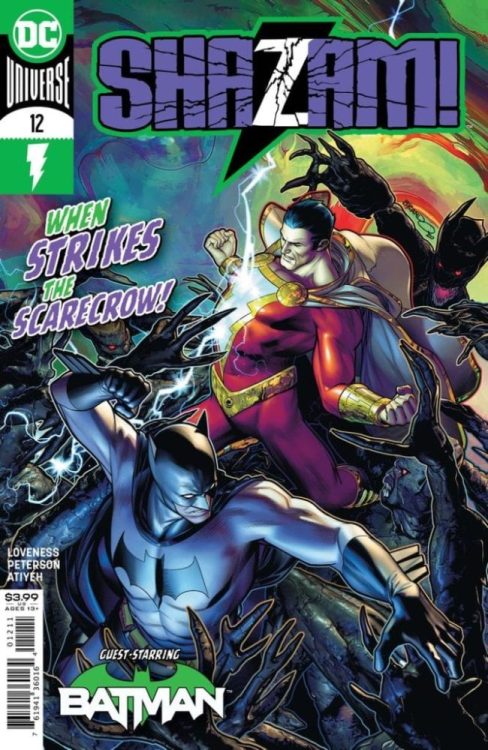
In DC Comics’ Shazam #12 (on sale June 2,) special guest writer Jeff Loveness sends Billy Batson to Gotham, where he hopes to join the “big leagues” of superheroes. During this road trip, Loveness explores Billy’s insecurity, often veiled by his arrogance, and leaves the hero as a stronger character.

Shazam #12 1
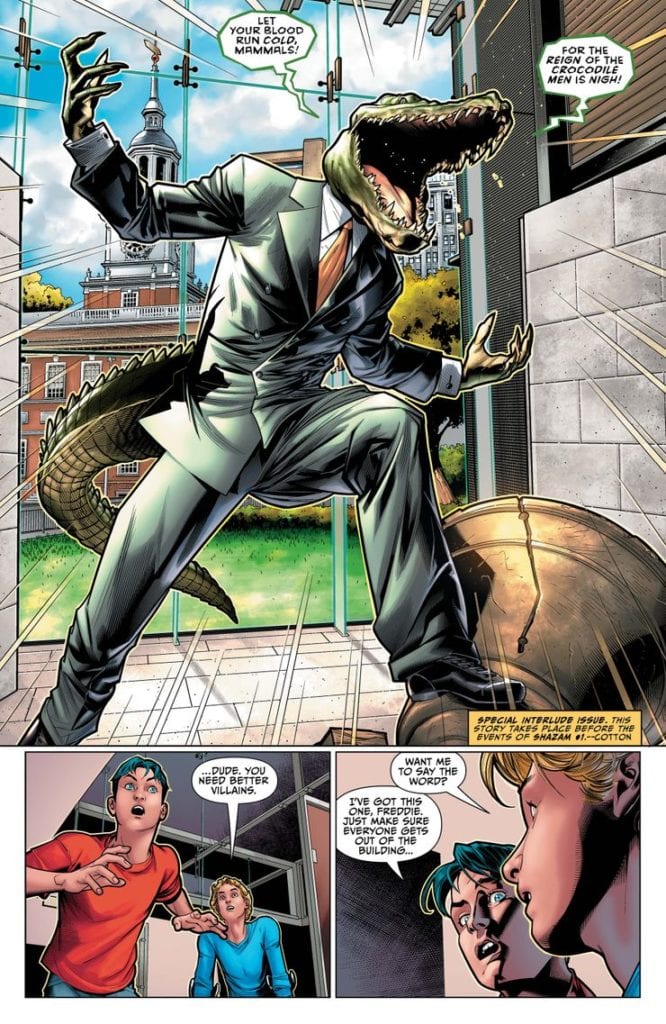
Shazam needs beter villains, so he goes to Gotham to find some.

Shazam 12

Writer: Jeff Loveness

Artist: Brandon Peterson

Colors: MIke Atiyeh

Letters: Rob Leigh

It’d be easy to assume that this week’s issue of Shazam is skippable; it takes place before the series begins, so a story by the special guest writer may seem inconsequential. But a one-off trip to Gotham ultimately teaches Billy Batson a transformative lesson: fear can make us stronger.

This message may seem fairly basic, but for a young caped crusader like Billy, it has the potential to make him a better hero. To maximize the moral’s impact, Loveness juxtaposes Billy’s naiveté with the growth we see at the end of the story. As with other Shazam stories, Billy’s brash behavior can make it hard to root for him. Hoping to prove himself as a legitimate hero, he foolishly charges into Gotham. Billy bites off more than he can chew, leading to a nearly disastrous face-off with the Scarecrow.

Shazam #12 Freddy
Freddy Freeman encourages Billy to step outside his comfort zone.

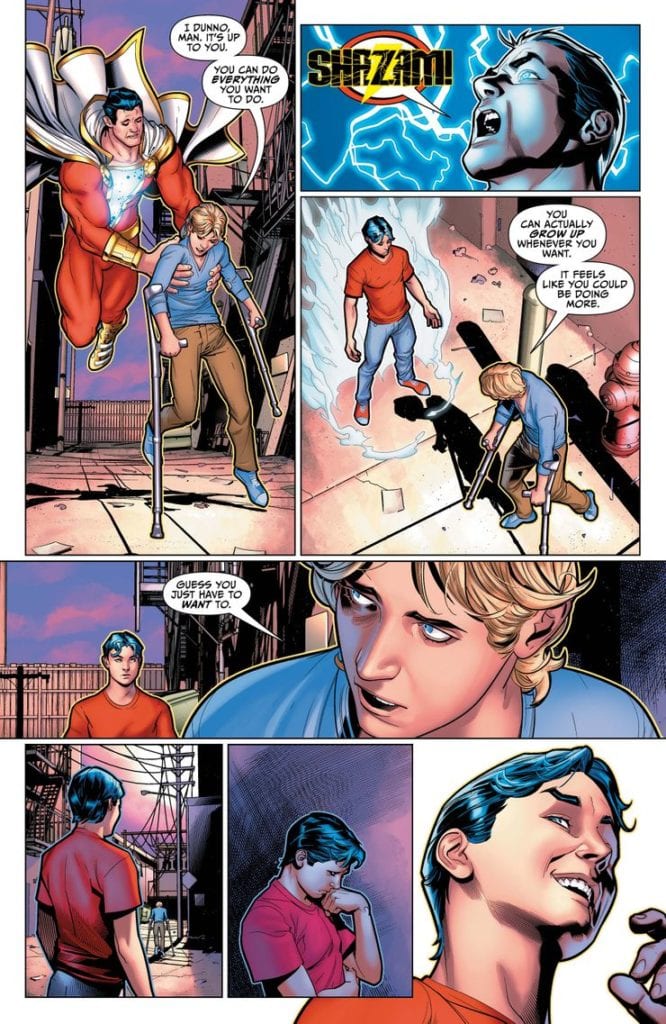
Early on, Loveness establishes Billy’s ego as the fatal flaw in this self-contained story. After Shazam easily defeats Crocodile Man, Billy’s closest friend, Freddy Freeman, repeatedly tells him he needs better villains. Freeman drives the point home with an emphatic point, where artist Brandon Peterson adds to the emotional delivery of the line. Freddy emphatically states, “It feels like you could be doing more. Guess you just have to want to.” Here, Peterson shows Freddy walking away from Billy and giving him harsh side-eye.  Freddy’s words are the catalyst for Shazam’s trip to Gotham, as Billy wants to prove his friend wrong. Starting with the first shot of Gotham, Loveness and the art team constantly contrast Billy’s innocence with Gotham’s darkness. 

Shazam #12 Gotham
Billy doesn’t exactly fit in Gotham.

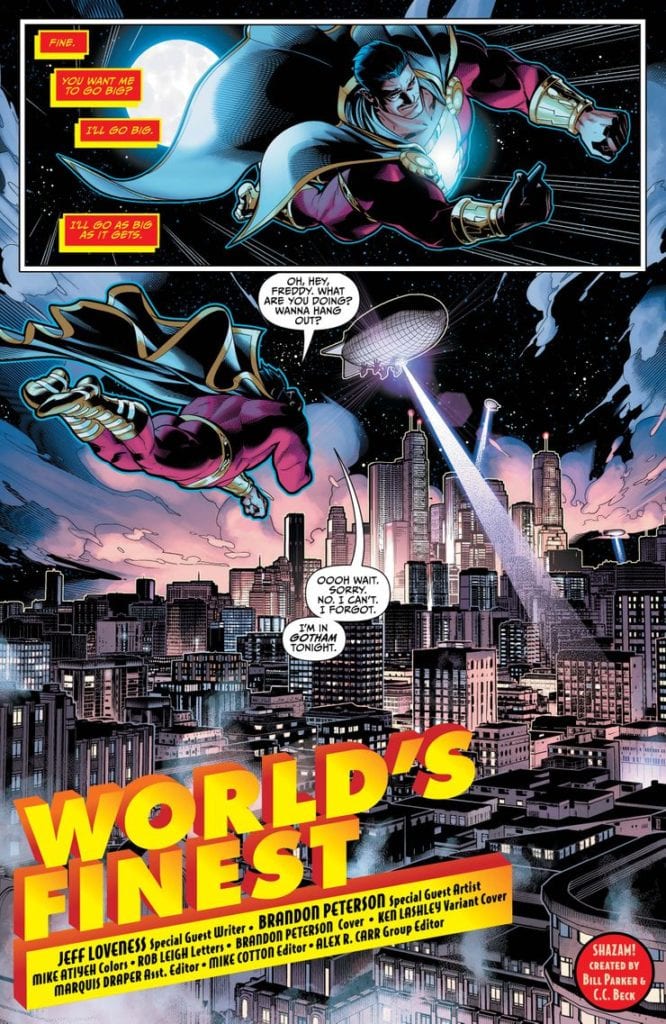
In his bright red costume,  Shazam sticks out like a sore thumb when Peterson shows him flying above the menacing Gotham skyline. Once the Scarecrow enters the picture, this difference is even clearer. The villain looks like nightmare fuel come to life; Peterson exaggerates his demonic mask to make him even more terrifying. This horror isn’t confined to the Scarecrow, though; while Billy feels the effects of the villain’s gas, Peterson shows Billy fearfully screaming while he’s trapped in the symbol on Shazam’s costume. Here, the art augments Loveness’ script because it complements the narrative that Billy is scared of being a superhero.

Loveness explores this theme and wraps it up by the end of this issue; working with Batman helps Billy see that heroes can find strength in fear. But there’s room for more development of this dynamic. A character being afraid of their responsibilities as a caped crusader isn’t an original concept; plenty of superheroes grapple with this concern. But Billy’s young age makes it an even more compelling theme, especially as it relates to his work with Justice League-level heroes. Hopefully, another writer will pick up the seeds Loveness plants in this issue.

Shazam #12 features a complete standalone story that offers a wholesome message. It’s a perfect jumping-off point for new readers and/or a brief interlude for long-term fans of the series. Plus, it offers a chance to see Shazam team up with Batman, which is a dynamic we haven’t seen much recently.

What’d you think of Shazam #12? Do you like seeing Shazam fight alongside Batman?

Check your local comic shop to see if you can get Shazam #12 there.

Monkeys Fighting Robots Youtube

Review: ACTION COMICS #1022 Opens An Investigation That Will Rock The DCU

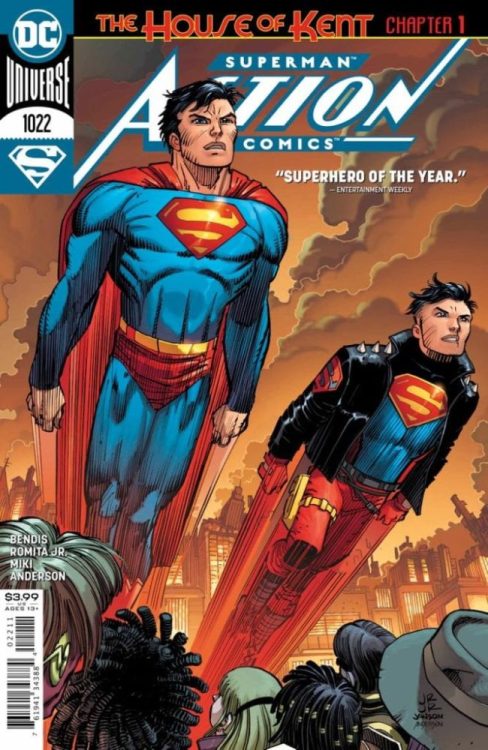
Action Comics 1022 Cover

In Action Comics #1022, on sale June 2, writer Brian Michael Bendis’ secondary Superman series is back in a big way. This week’s issue launches an investigation that will drastically shift the status quo, both for Clark Kent’s world and the greater universe. Bendis strongly hooks the reader by planting the seeds for a massive inquiry into the temporal tampering that has affected the DCU since DC Rebirth.

Action Comics #1022

Writer: Brian Michael Bendis

Penciler: John Romita Jr.

Inker: Danny Miki

Color Artist: Brad Anderson

Letterer: Dave Sharpe

Action Comics 1022 1
Superman wants to know all about Conner Kent.

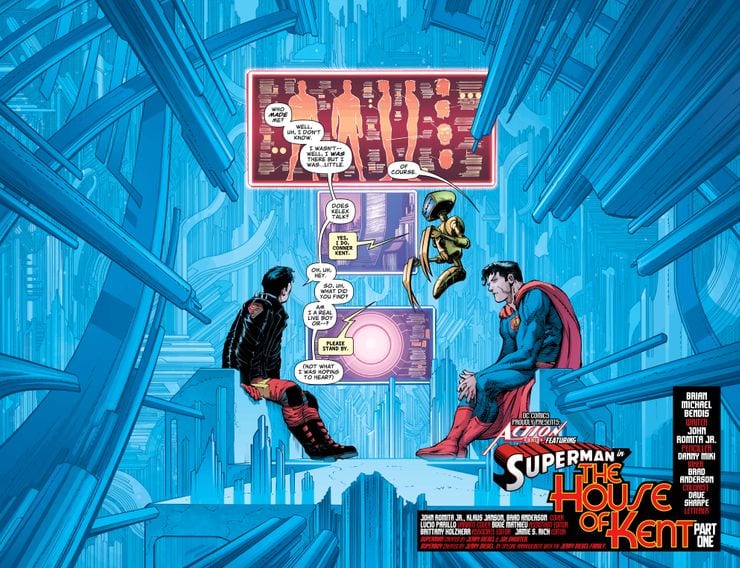
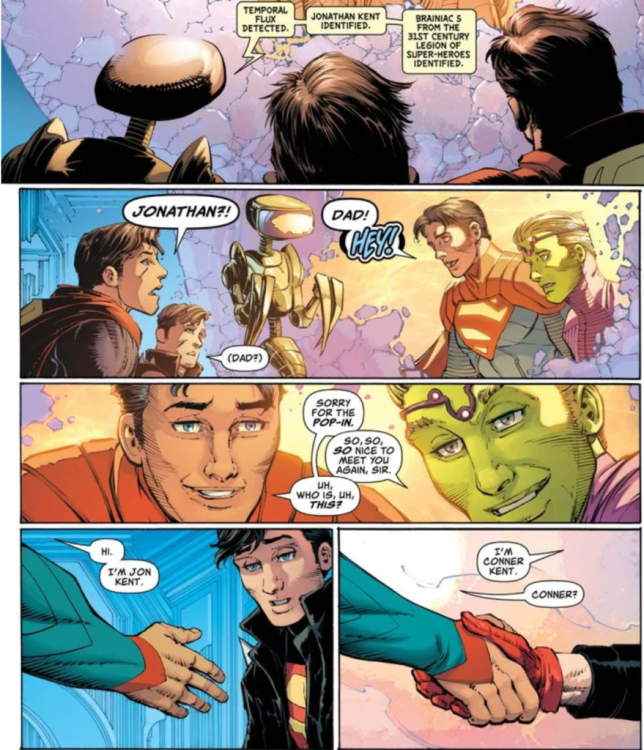
“Who made you, Conner?” Superman asks his newfound ally, Conner Kent. The Man of Steel quickly asks this seemingly straightforward question on one of the issue’s opening pages. Readers already know that Conner is a hybrid clone of Superman and Lex Luthor. But Bendis complicates this knowledge as he adds in a curveball: Conner thinks he’s from an alternate version of Superman’s Earth. Naturally, this uncertainty leads Superman to seek out the DCU’s greatest intellects, from Mr. Terrific and Will Magnus to The Blue Beetle and Batman.

Seeing this impressive meeting of the minds is one of the highlights of the issue. At times, in either of Bendis’ Superman books, the writer doesn’t fully capitalize on the massive toolbox at his disposal; aside from occasional cameos and plugs for his Wonder Comics series, Bendis tends to work within Superman’s world. But here, in an encouraging change of pace, he brings in several fan-favorite characters. Though it’s only the first issue of a new arc, Bendis’ willingness to utilize other heroes is promising.

The dramatic meeting at the Hall of Justice is as can’t miss as it gets. Mr. Terrific and Ray Palmer scan Conner, desperately trying to figure out where he’s from. Penciler John Romita Jr. shows the technological might of the Justice League, as the gadgets they use are state of the art, if not beyond the real world’s capabilities. The beginning of this investigation shows that these heroes are already on the case. Will Magnus calls it a lead in their inquiry into the universe’s reboot, which terrifies Mr. Terrific, who’s alarmed by the potential ramifications of their digging. This meeting offers a preview of a stark ideological clash between Mr. Terrific and Superman.

Mr. Terrific and most of his peers are concerned about the universal reboot; they’ve been analyzing the effects of recent crises on their reality. Meanwhile, as always, Superman is optimistic to a fault. “The universe will do what it has to,” he says. “We’re all alive and well. There’s a lot of delightful news to unpack here.” In a world where the reboot ripped Wally West’s family way from him, that’s an excessively naive thing to say. Given the Man of Steel’s central role in Doomsday Clock, Bendis could be preparing a long-term journey for the hero, who will have to confront and change this passive view of the universe in order to battle its new puppeteer, Doctor Manhattan.

Action Comics 1022 Jonathan
There’s plenty of room to explore the dynamic between Conner and Jonathan.

As it turns out, Conner’s appearance is an investigative lead, which takes Superman and his allies to Smallville. There, Romita and color artist Brad Anderson juxtapose the warm, inviting Smallville countryside with the cold, detached laboratory seen in the Hall of Justice. The grass is beautifully green, there’s not a cloud in the bright blue sky and you can practically smell the corn in the air of Romita’s landscape. It’s the perfect place for a reunion between Superman, his son, Jonathan, and Conner. Ma and Pa Kent are happy to see their boys, but the mood slightly sours when Superman feels left out of a startling realization. Romita shows the Last Son of Krypton turning his back away from his family, as the frustrated hero questions his place in the Conner-centered mystery. Unlike Barry Allen and Wally, Superman has no recollection of Conner. Bendis clearly suggests that Manhattan’s manipulation is even more complicated than we first thought, and we’ll have to wait and see the full scope of his involvement.

The intrigue surrounding DC Rebirth continues to unfold, even after Doomsday Clock wrapped up. Whether or not Action Comics #1022 actually leads to a substantive progression remains to be seen. But at least one thing is certain: Bendis hooks the reader with a compelling opening to this investigation, which could kick this series into high gear.

What’d you think of Action Comics #1022? What do you think will happen next?

Check out your local comic shop to see if you can get Action Comics #1022 there.

Monkeys Fighting Robots Youtube

Exclusive Preview: AFRAID OF EVERYTHING With Special Message From Adam Tierney

Exclusive Preview: AFRAID OF EVERYTHING With Special Message From Adam Tierney

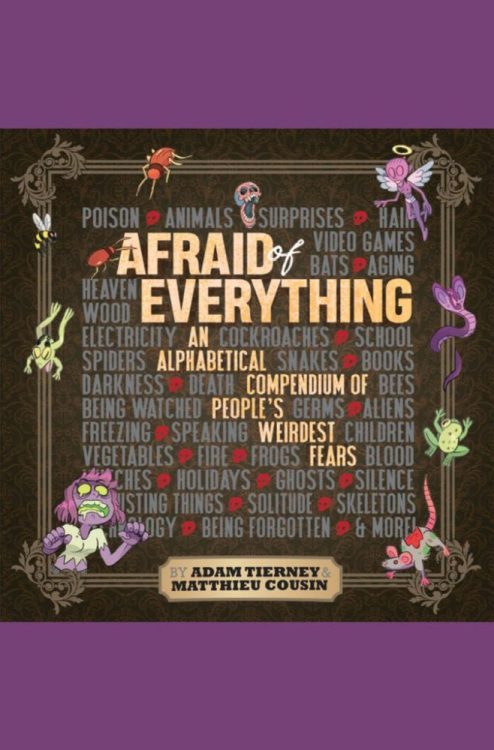
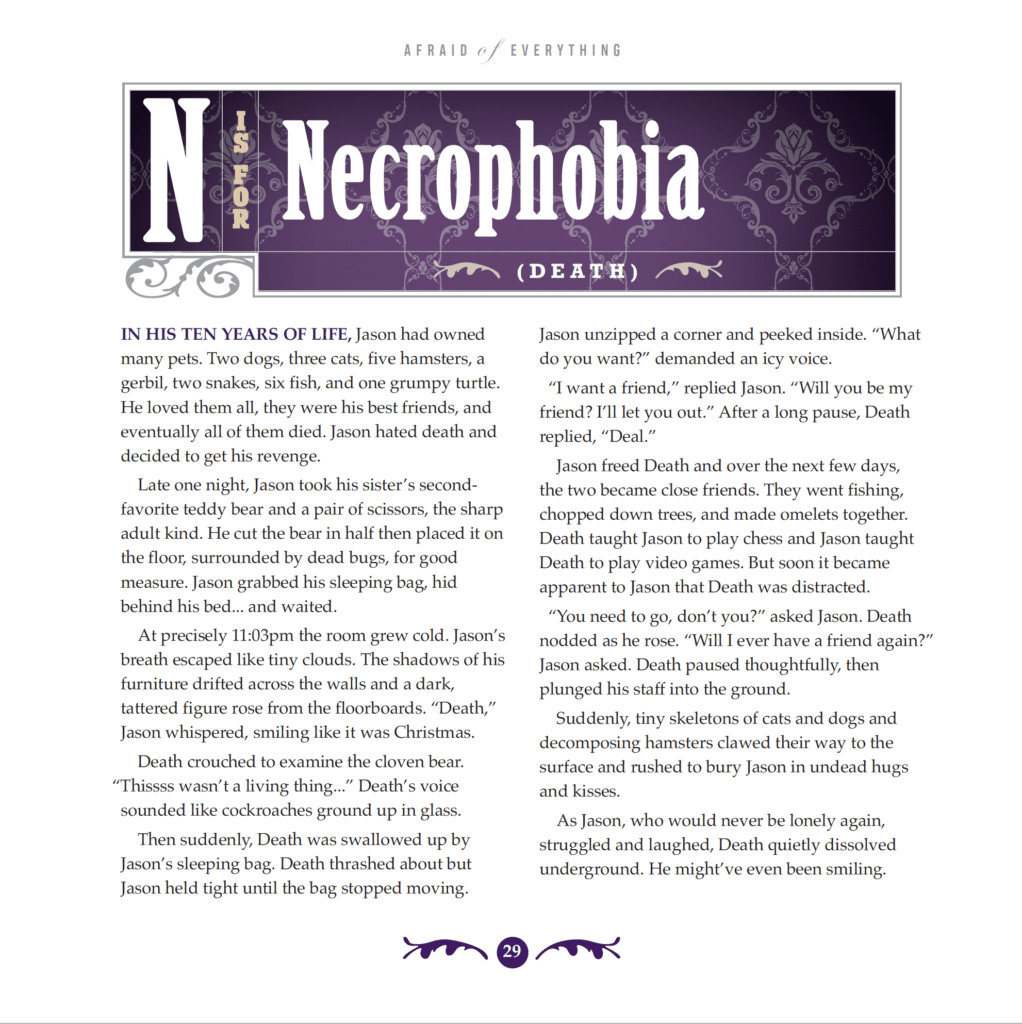
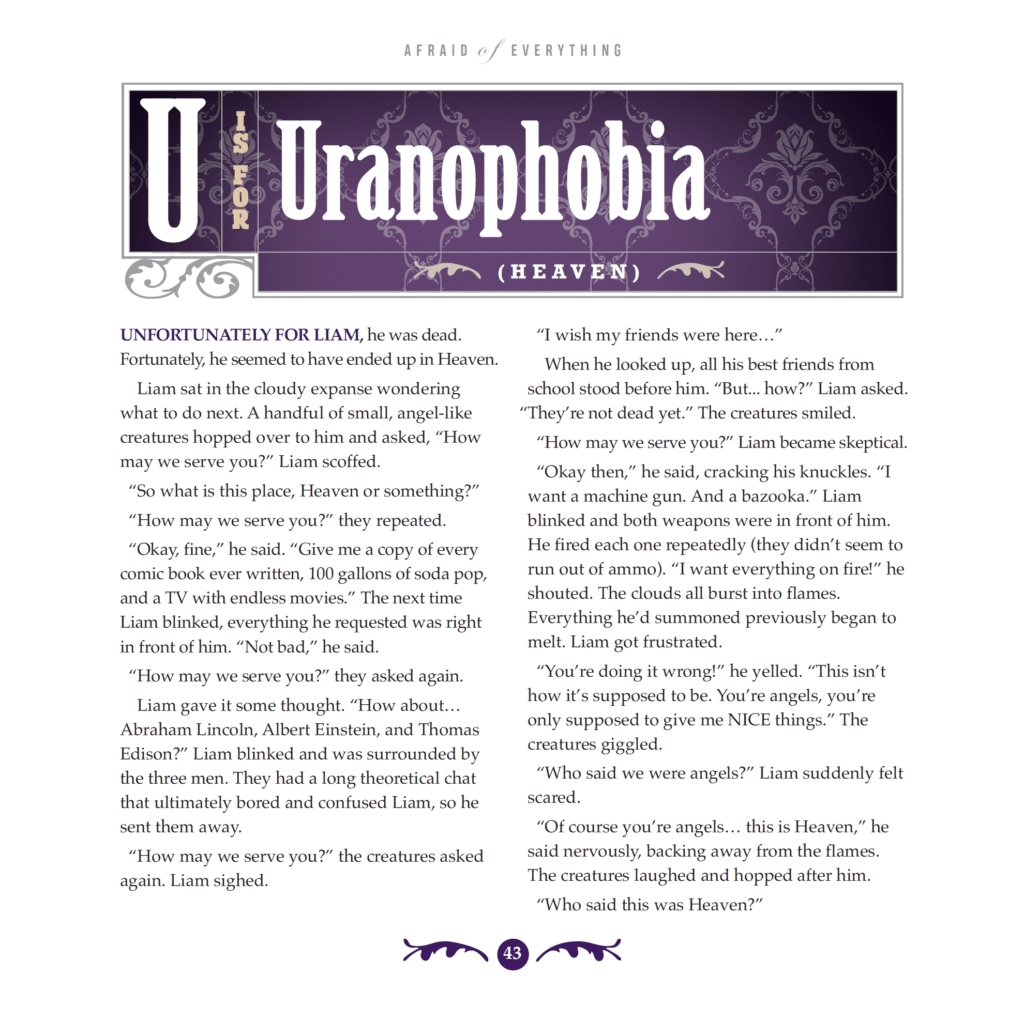
Afraid of Everything hits your local comic shop this week, but thanks to IDW Publishing, Monkeys Fighting Robots has an exclusive preview and message from the author, Adam Tierney.

Exclusive Preview: AFRAID OF EVERYTHING With Special Message From Adam Tierney

Hello all you Monkeys & Robots!

Are you ready for something genuinely dark and risky and occasionally quite messed up?

My name’s Adam, and I put together a collection of single-page phobia short stories called “AFRAID of EVERYTHING.”

You know, most of the creepy books I buy for my own kids these days tend to be more “spoooooky” (air quotes) than actual horror, so I wanted to create something different.

I grew up in the 80’s, with Scary Stories to Tell in the Dark, R.L. Stine books, and the creepier Shel Silverstein poems. Those horror stories for kids were actually pretty dang unsettling!

Let me introduce you to some stories like the ones that traumatized me as a kid (just a little.)

AFRAID of EVERYTHING is an A to Z compendium of horrible fears (and some horrible kids). The book is aimed at kids ages 8-12 who love to get freaked out, but the art and writing should appeal to just about any age.

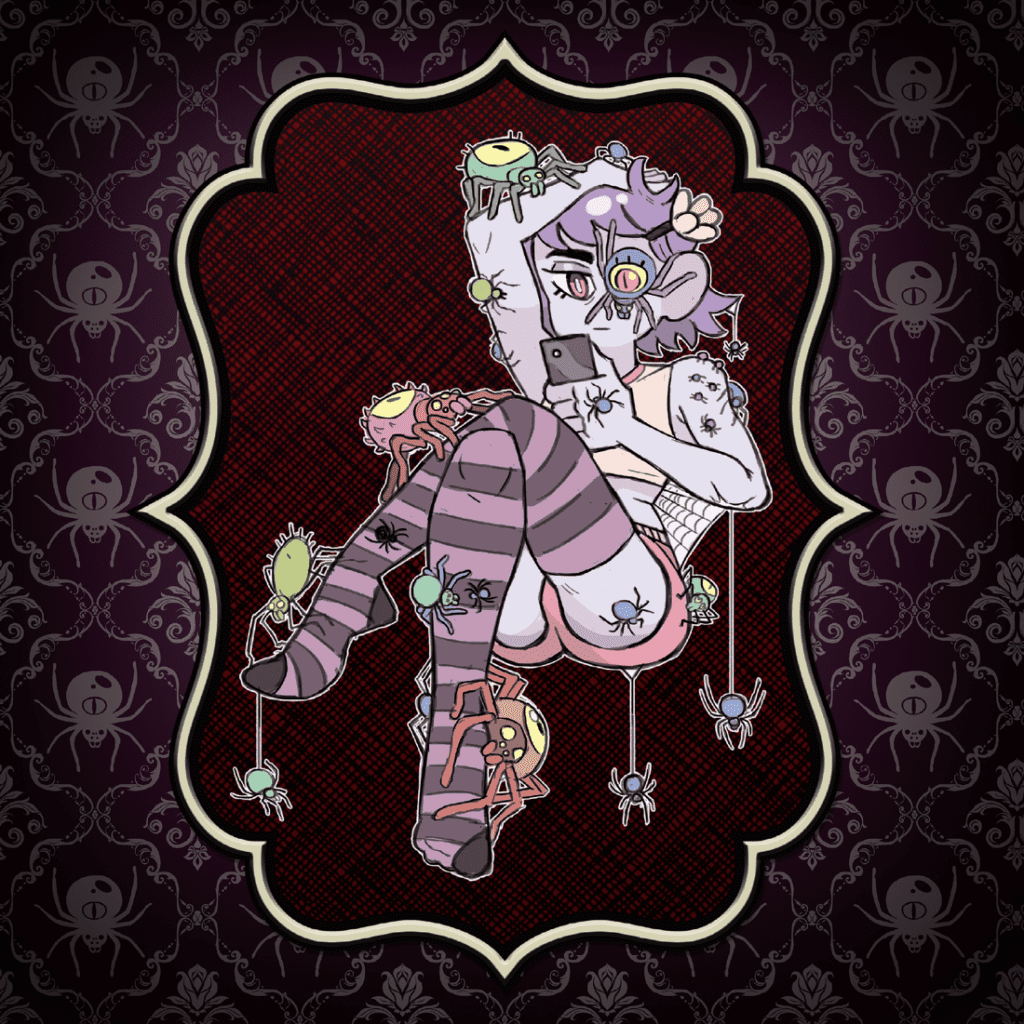
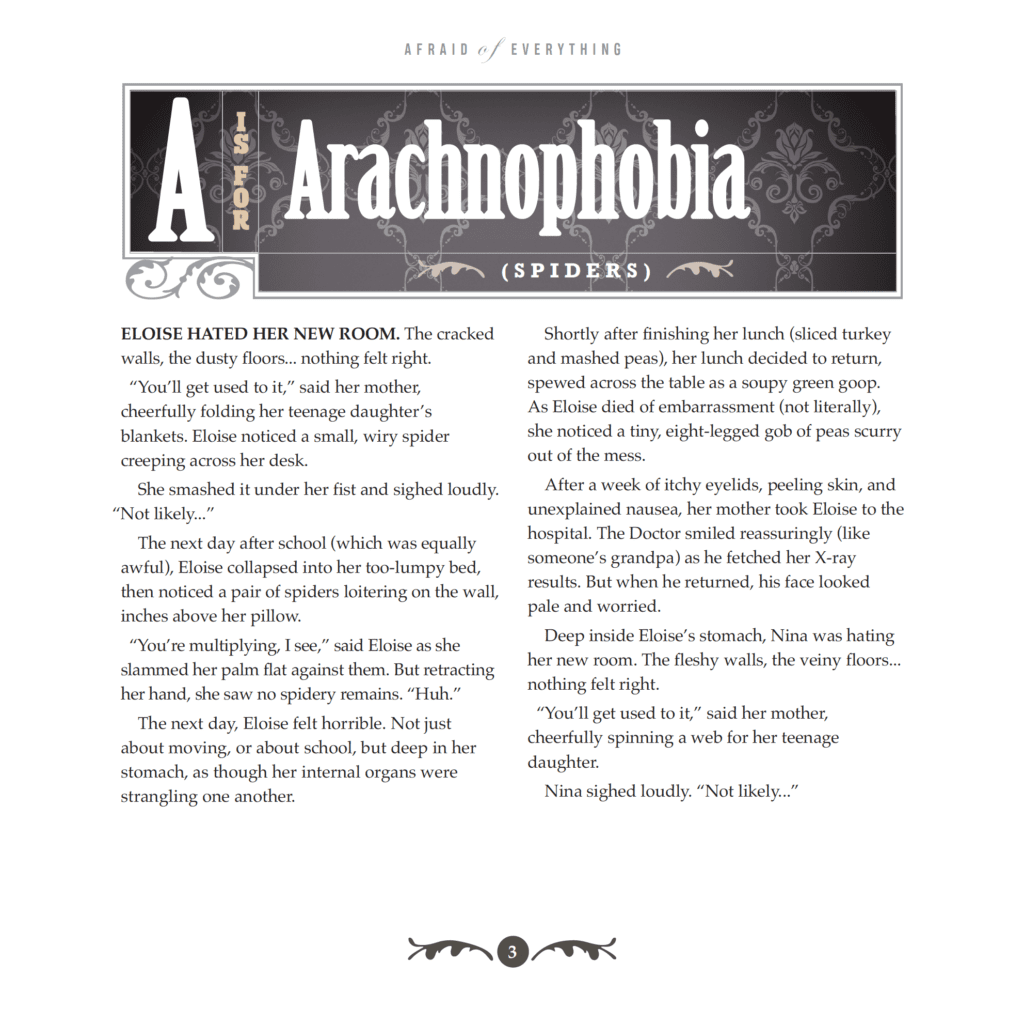
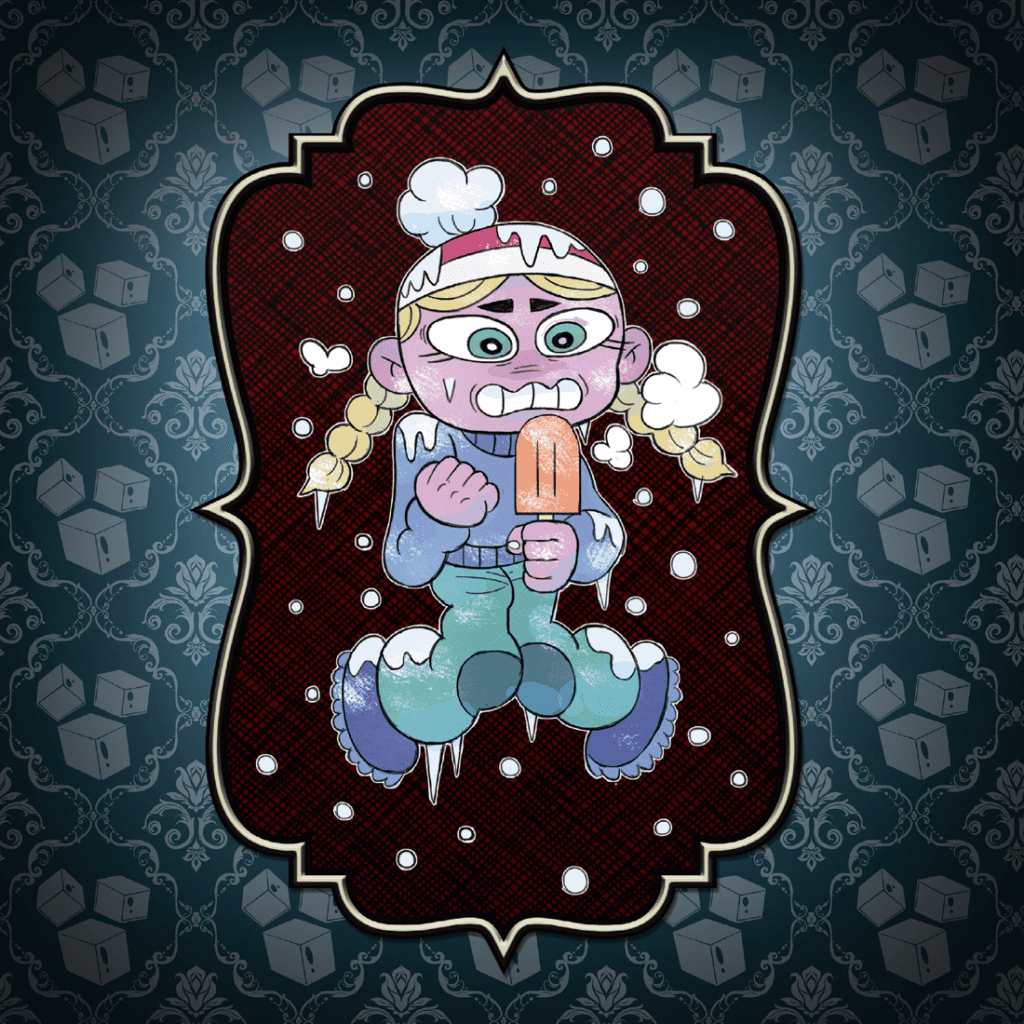
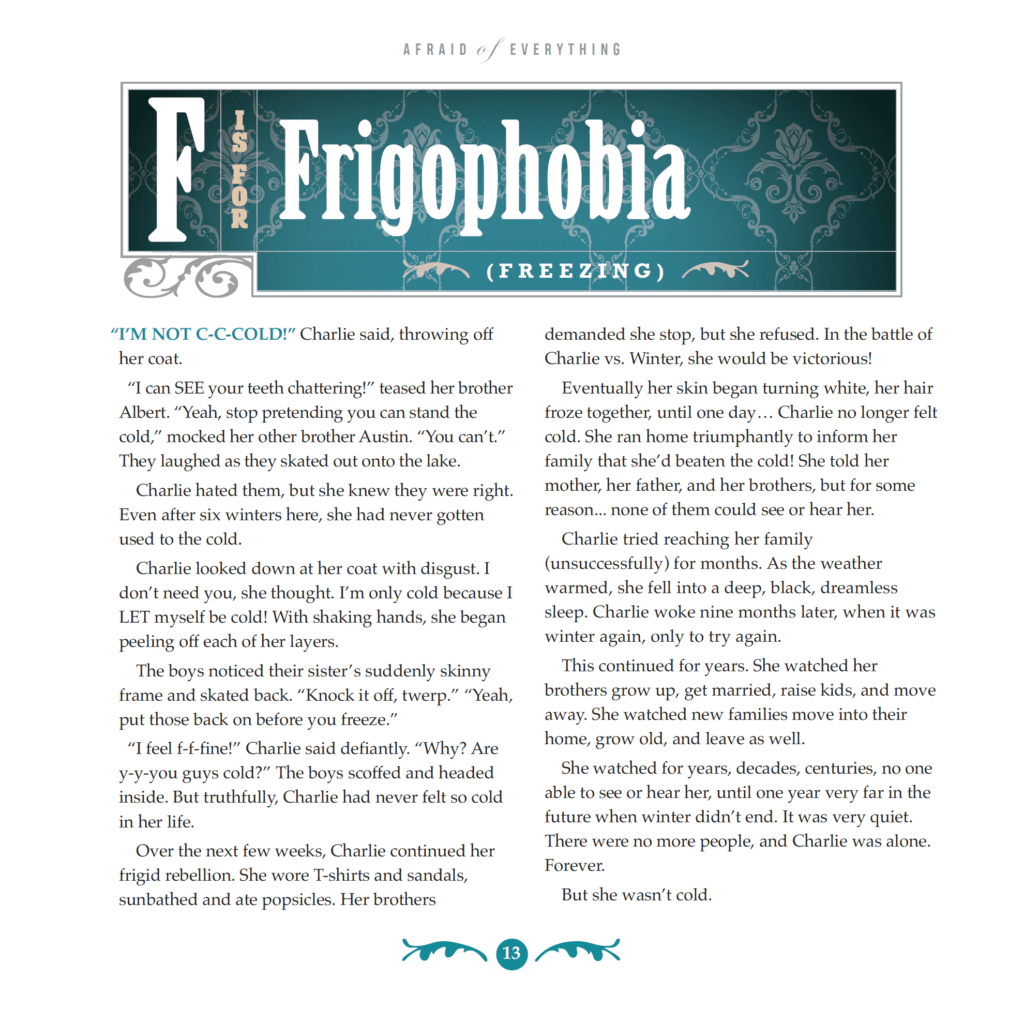
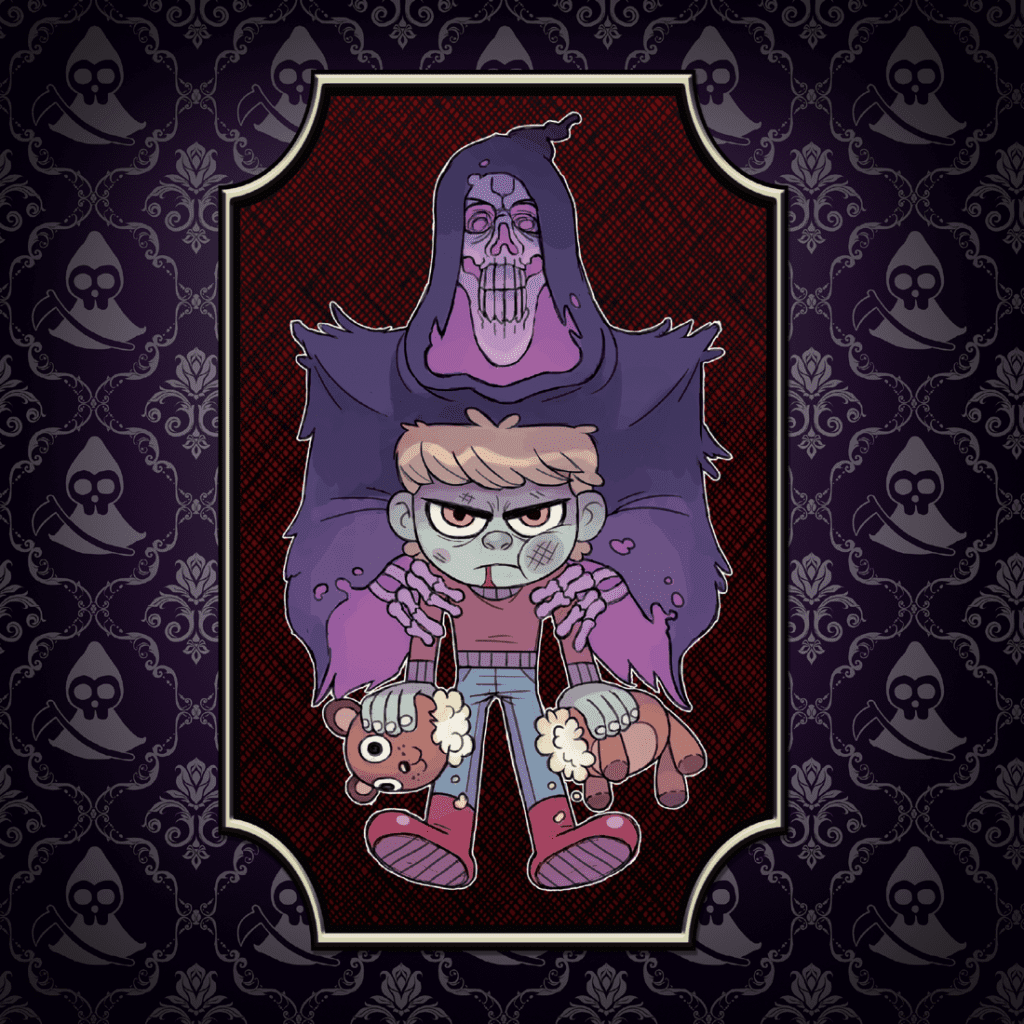
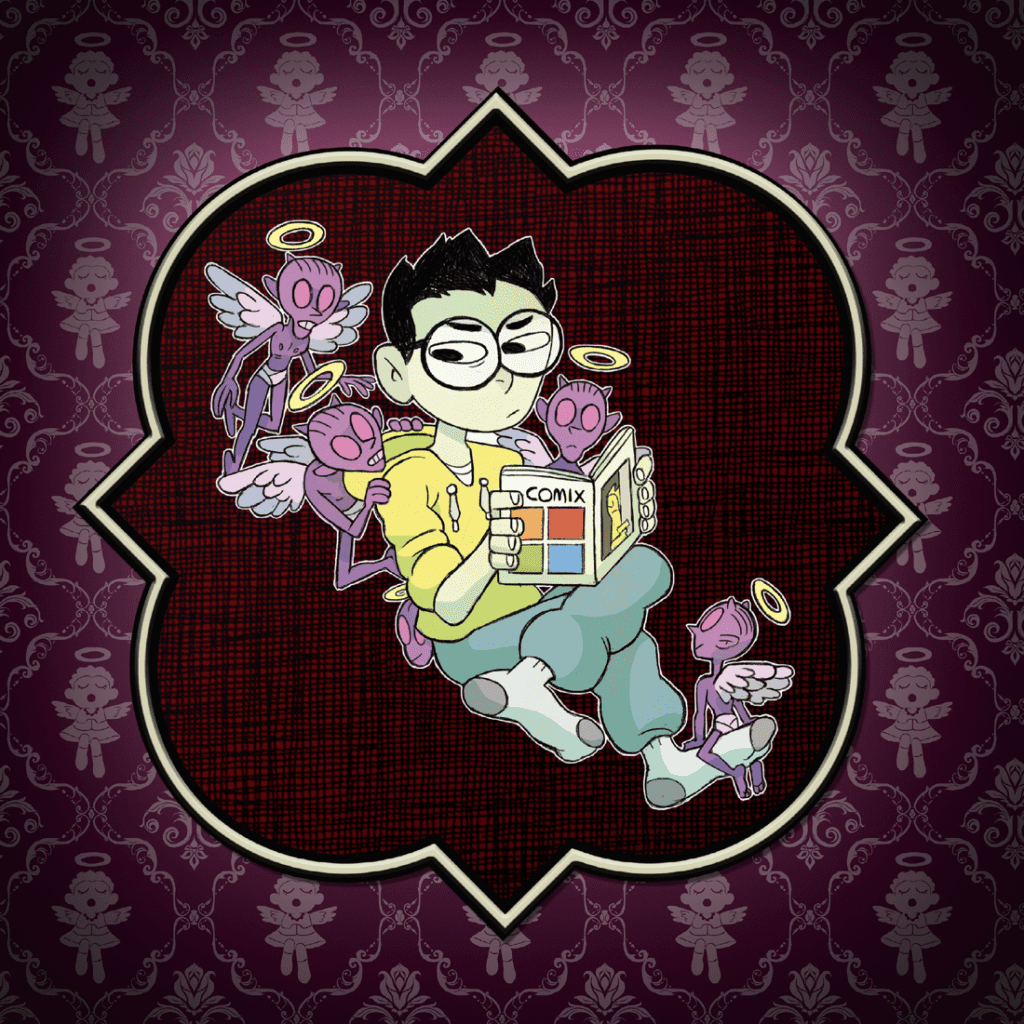
Just for the MFR crowd, I picked out four of the weirdest, darkest, and funniest stories in the book. If you like what you read here, there are 33 more stories in the hardcover book, which is releasing from IDW Publishing on Tuesday, June 2nd!

Please enjoy.

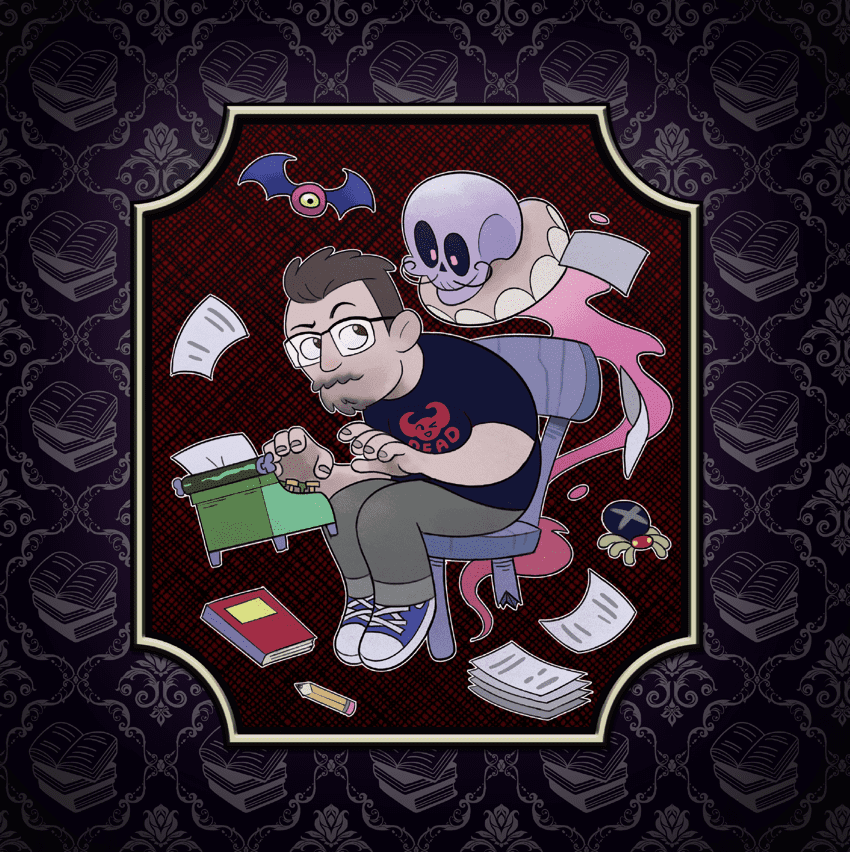
Adam Tierney, author

About Afraid of Everything:
Matthieu Cousin is the artist for the cover and interior.
What kind of scared are you? Find out in these fun horror stories for young readers based on a range of phobias from Arachnophobia to Zoophobia!

As the sun goes down, grab a group of your closest friends and huddle together under a blanket, reading by flashlight, frozen with terror at every creek and snap heard throughout your house! These tales of fear, dread, risk, and doom contain all the classic elements of horror that young fans crave without the gore.

Features 26 terrifying short stories, each based on a different A-to-Z phobia and accompanied by a unique illustration. Read fun and scary tales about Frigophobia (freezing), Lygophobia (shadows), Melissophobia (bees), Scopophobia (being watched), and many more!

Also included are 11 bonus stories featuring art by Temmie Chang, Mariel Cartwright, and Ko Takeuchi plus a section detailing the origins and developments of the stories and art.


Are you going to pick up Afraid of Everything? Comment below with your thoughts and reaction.

Monkeys Fighting Robots Youtube

Four Of The Best Video Games Based On Comic Book Characters

Comic book characters have been starring in video games for decades. But the 21st century has undoubtedly seen the best games being released. Here are our top four that you’re sure to want to check out.

Comic book characters have been starring in video games for decades. But the 21st century has undoubtedly seen the best games being released. Here are our top four that you’re sure to want to check out.

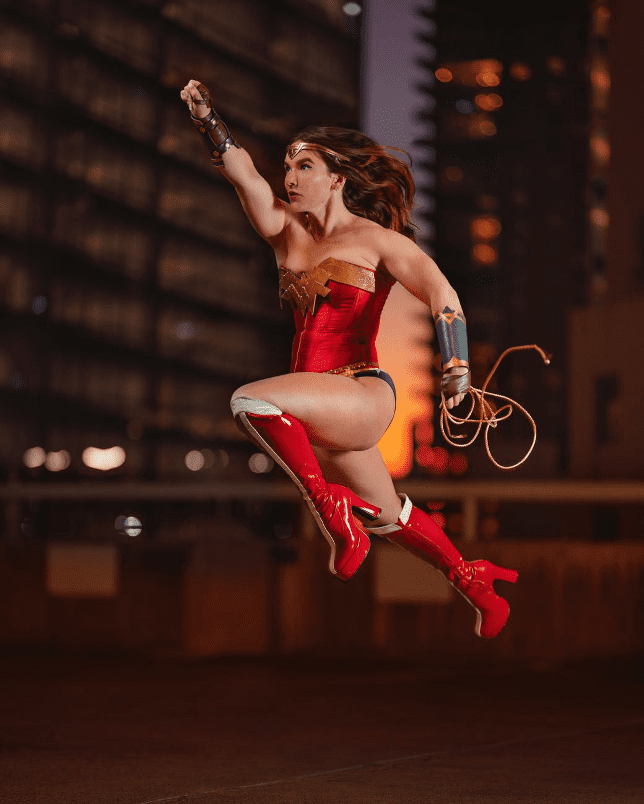
4. Wonder Woman: Bullets & Bracelets

Princess Diana of Themyscira, aka Wonder Woman, is, without doubt, the most famous and celebrated female comic book character of all time. She first appeared in the eighth edition of All Star Comics in 1941, and she had her first feature comic strip in the first edition of Sensation Comics the year after.

Over the decades, the Amazonian has appeared in countless media, such as movies, TV series, and video games. However, unbelievably, she has yet to star in her own video game proper. But she has starred in online casino slot games like Wonder Woman: Bullets & Bracelets. Inspired by the Lynda Carter Wonder Woman TV series of the 1970s, this fabulous slot game includes various iconic symbols associated with the female superhero, such as her famous shield and the retro TV show’s theme tune.

3. Spider-Man

Over the years, there have been various video games featuring everyone’s favorite neighborhood Spider-Man. Spider-Man even appeared on the Atari 2600, Nes, and SNES. In fact, many sites and stores that offer video game trade-in services love getting these older copies if you have some collecting dust in your attic. But this 2018 game is undoubtedly the best, which seems fitting as it was launched in the same year that Spidey’s creator Stan Lee sadly passed away.

The main plot of the game concerns the superhuman crime lord Mister Negative orchestrating a plot to seize control of the criminal underworld in New York. When the evil mastermind threatens to unleash a deadly virus, it is up to Spider-Man to stop him. But at the same time, Spidey’s alter-ego Peter Parker has to deal with all the problems his civilian life brings. Playing as Spider-Man, you can freely move around New York City to interact with characters, find new gadgets, and undertake missions as you progress through the main story. The Spider-Man game received critical praise upon its release and won several major games-awards, such as Game of the Year. Many consider it to be the greatest video game based on a comic book character ever made.

2. The Walking Dead

One of the most popular comic books of the 21st century, The Walking Dead, has inspired many spin-offs in different media over the years, including novels, a popular television series, and the fantastic eponymous video game.

The first episodic adventure game in the Walking Dead series consists of five episodes that follow the story of Lee Everett, who is protecting a young girl called Clementine from a world that’s overrun by zombies. As Everett, it is your mission to scavenge and survive in the post-apocalyptic world. But unlike many adventure games, The Walking Dead is more concerned with the story and character development than on the puzzles that need to be solved. The dialogue and action choices you make affect how the game plays out, and those choices are carried over from one episode to another.

1. Batman: Arkham Asylum

When the second game in the Batman: Arkham series was released in 2011, it took gaming to a new level. It’s considered by many to be not only one of the best comic book video games ever made but also one of the greatest games of all time.

Batman: Arkham Asylum combines rich combat-driven storytelling with the Dark Knight’s stealth abilities and detective skills to make this third-person game an absolute joy to play. But one aspect of Batman: Arkham Asylum that makes it stand head and shoulders above other comic book video games is it brings together many of the driving forces behind the Batman animated series. It’s written by veteran Batman writer Paul Dini, with Sefton Hill and Paul Crocker. And it features many of the voice stars of the animated series, including Kevin Conroy as the caped crusader and Mark Hamill as the Joker. As for the storyline, it involves Batman being incarcerated in a super-prison as he tries to uncover the secret behind the sinister plot of the facility’s warden Hugo Strange.

Monkeys Fighting Robots Youtube

Casinos and Pop Culture: Influence Intertwined

Rounders

Popular culture is brimming with events that serve as inspiration for many writers, musicians, directors, and game developers so it should come as no surprise that there’s a relationship between it and the casino industry. One of the obvious examples of their relationship is seen in movies that can be dubbed as casino classics because they share elements of both pop culture and the casino industry.

Nowadays, the industry is online with lots of sites available to casino enthusiasts. One of the new havens for the online casino industry is the USA. Although they’re only legal in some states, online casinos are showing no drop in popularity in the States. For example, New Jersey online gambling is on the rise because the casino sites offer more bonuses, games, and prizes for US casino enthusiasts. They guarantee a safe gaming environment and all you need to access them is a device with an Internet connection.

The popularity of casinos is growing exponentially and so is their influence in pop culture. As mentioned before, the movie and the casino industry have been enjoying a fruitful relationship for some time now.

Movies and Casinos

The film industry has used casino scenes throughout the years in many classic movies. Casino Royale as well as Casino illustrate this point beautifully. In the first movie, there are a couple of casino scenes that keep the audience on the edge of the seat. The second title is set in Vegas and shows the dark history of casinos in the Strip. These movies and many others show that filmmakers love casino scenes and will continue filming in casinos.

Literature and Casinos

One of the most iconic writers in the world, Fyodor Dostoyevsky, is known to have been an avid roulette player. His adventures in the casino served as the inspiration for his first novel titled “The Gamble”. The MIT Blackjack team was an actual team of MIT student that went to Vegas and walked off with hefty prizes thanks to their skill – counting cards. This served as inspiration for the book “Bringing Down the House” that spawned a movie called 21 later on.

Comics can also be considered a part of literature and they have been very influential as of late. The Avengers movie series has gained a global audience, especially with the last 2 titles. Naturally, comics served as the inspiration for the story. In particular, Infinity War was based on these comics which show just how great of a villain Thanos can be. Both Marvel and DC have inspired some excellent movies and TV shows but also a couple of video slot titles for the casino industry.

Music and Casinos

The King of Rock’ n Roll, Elvis Presley has a song called “Viva Las Vegas” and that tells you that even the greatest musicians have turned to the casino industry for inspiration. Lemmy Kilmister is a hard rock legend but he also was a video poker fan. One of Motorhead’s greatest songs is called Ace of Spades, do you see the connection? Casino game developers have also created games that feature famous rock and metal bands as part of their themes.

Conclusion

With this information in mind, anyone can clearly see that pop culture is influenced by the casino industry and vice versa. So far their relationship has produced good results and has graced fans with some amazing titles. As neither party seems to be slowing down, it’s obvious that the relationship between the casino industry and pop culture will continue in the future, bringing many novelties along the way.

Monkeys Fighting Robots Youtube

KILLING EVE – Are You From Pinner | TV Review

“Are You From Pinner” sees a more personal and vulnerable side of Villanelle as she returns home to Russia.

Villanelle goes back Mother Russia to find her family using the information Konstantin gave her. She returns to reunite with mother and brother and meets her half-brother for the first time. It comes as a shock to them because they thought Villanelle was dead. Villanelle bonds better with some family members than others.

Throughout Killing Eve’s run Villanelle has shown herself to be a vicious killer with no emotion, remorse, or filter. And this was why fans love the character and Jodie Comer was able to make her oddly charming. “Are You From Pinner” took Villanelle out of her comfort zone.

Physically Villanelle was used to living in luxury. She lived in expensive pads in Paris and Barcelona and wears fancy clothes, so going to a poor town in rural Russia was a massive change. Her family lived in a rundown house and the town had few amenities. Yet Villanelle did enjoy the rustic pursuits of the harvest festival.

The other element that took Villanelle was emotional. In the episode she bonds with her younger, Elton John obsessed half-brother Bor’ka (Temi Blaev.) Whilst her full brother, Pyotr (Rob Feldman) was excited to have his sister back. Villanelle was awkward around the family like when her mother (Evgenia Dodina) hugged her long-lost daughter. During the family celebration of Villanelle’s return Villanelle doesn’t drink the vodka they gave her and she was perplexed when they started to sing “Crocodile Rock.”

The aim of “Are You From Pinner” was to explore what turned Villanelle into the psychopath we know and love. During the episode, the family looks at photos of Villanelle as a child where she liked to dress up and put make-up under her eyes as a part of a demented game. Villanelle’s mother states that she feared her. But it was more than just nature: Villanelle’s mother was shown to be a cruel woman and abusive towards Bor’ka. The boy self-harmed to handle the stress. The best scene in the episode was when Villanelle finally confronts her mother about her upbringing and her mother saying some harsh truths.

The other aim of the episode was to show Villanelle had some compassion. She got close to Bor’ka and tried to get him to stop hitting himself. However, this does go against Villanelle’s characterization because well, she’s a psychopath. She has pretended to be kind and caring so victims would let their guard down. One of Villanelle’s most infamous kills was in the episode “Do You Know How to Dispose of a Body” where she befriended a teenage boy she was sharing a hospital ward and broke his neck so she could escape. It does lead to the question of why would she care more for her family members?

One of the most notable features of “Are You From Pinner” was it only focused on Villanelle. There was no action involving MI6 or Konstantin. Because of this the story in “Are You From Pinner” felt like division to the main story. It leads to the question what was the point of the episode? The other issue with the episode was it felt stretched. That’s remarkable because it was only 40 minutes long. It was directionless as it forced scenes to fill the runtime.

“Are You From Pinner” was terrifically acted episode. Comer is the kind of actress who can make the phone book compelling and Blaev shows he is a talent to watch out for. But the episode will be seen as one of the most divisive episodes in the series due to its characterization.

Monkeys Fighting Robots Youtube

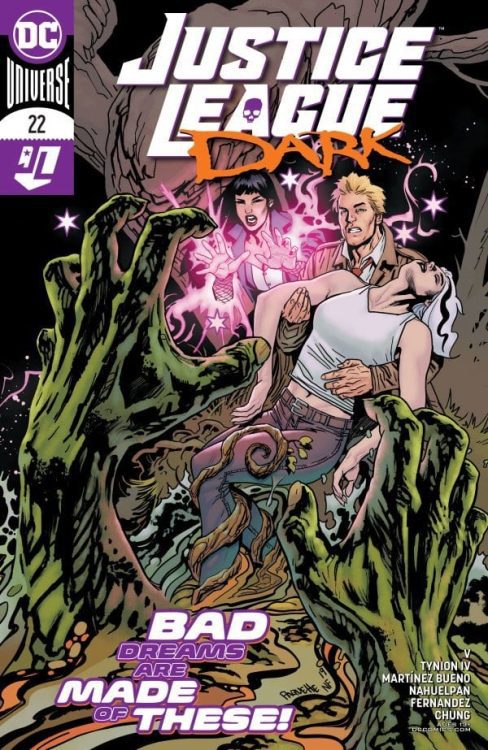
Review: The Elements Of Existence Come Together In JUSTICE LEAGUE DARK #22

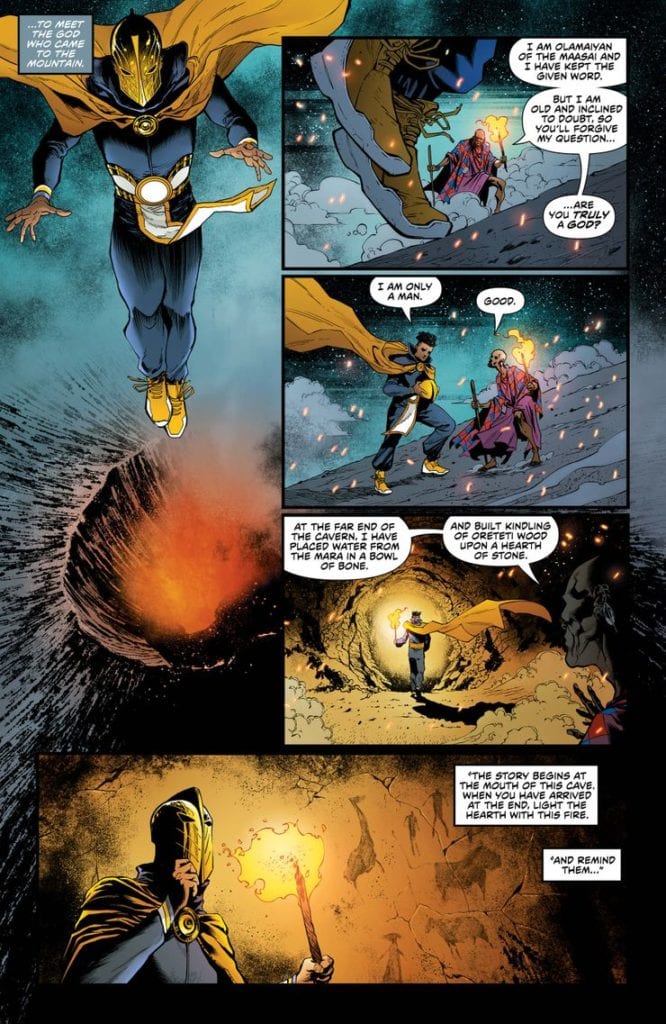
JUSTICE LEAGUE DARK #22 hits comic book stores on Tuesday, June 2nd, continuing The Parliaments of Life arc. Readers will remember the fungal outbreak that alerted our heroes to the unbalance between the Parliaments, leading them to split up to address the threat. However, one group member, Khalid Nelson, the new Doctor Fate, embarked upon a quest of his own. The goal? Convince the avatars of the world’s elements to assist them.

In Ram V and James Tynion IV’s story, readers will find themselves on a crash course with excitement, mayhem, and a poignant message about Earth care.

Story

The Parliaments of Life continue to war against each other, with San Francisco as their  backdrop. At the same time, Zatanna and John Constantine plunge deeper into the underworld as they seek help from the Grey. But it’s Khalid’s journey that is the forefront of readers’ attentions.

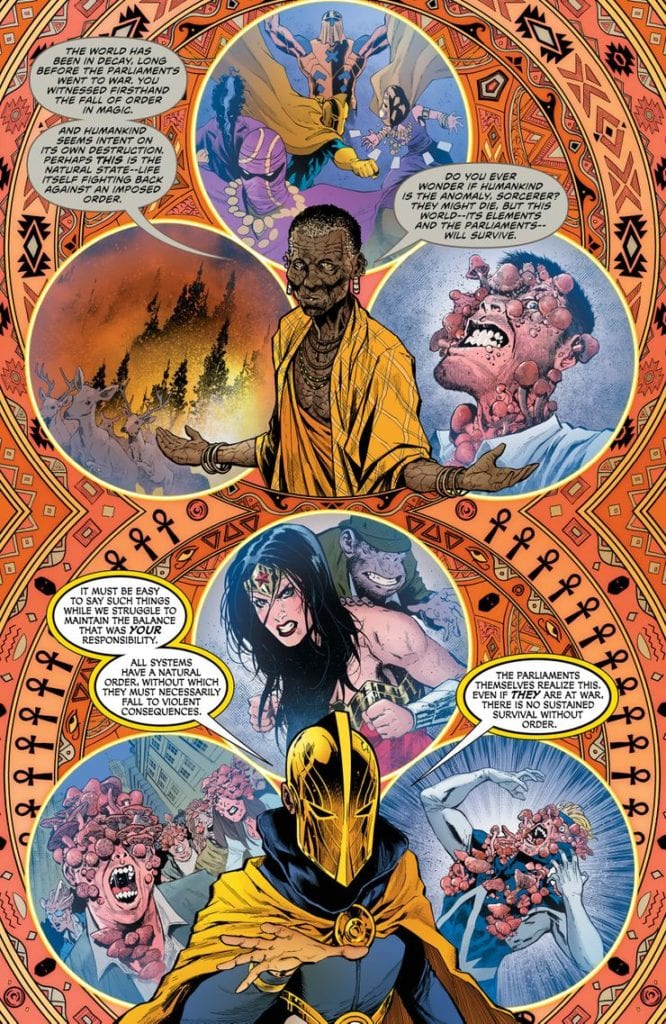
This scene, and those following, give readers a sense of the desperation many in our own world fear. The warring Parliaments reminds us of the current threat of climate change, especially when the avatars explain how much of the imbalance was wrought by human beings.

And so, Khalid pleads his case while the rest of the team seek assistance from the Red, Green, and the Grey. Readers will find themselves unraveling a mystery that cuts to the core of reality itself.

Artwork

Alvaro Martínez Bueno‏ and Amancay Nahuelpan’s penciling, combined with Raul Fernandex and Nahuelpan’s ink work, proved to be as highly detailed as ever. Readers are treated to stunning illustrations of the otherworldly avatars and Parliament representatives, which a fully fleshed out with a spectrum of hues thanks to June Chung’s coloring. In addition, Rob Leigh’s lettering frames these scenes by employing similar color schemes depending on the subject speaking.

Conclusion

JUSTICE LEAGUE DARK #22 is the perfect allegory for Earth’s current climate crisis. The story engages us with it’s elemental concepts and prods us to action in the real world.

What other parallels to our modern world did you find in this story? Let us know in the comments below!

Monkeys Fighting Robots Youtube

Review: POSTAL: DELIVERANCE #8 Firing On All Cylinders

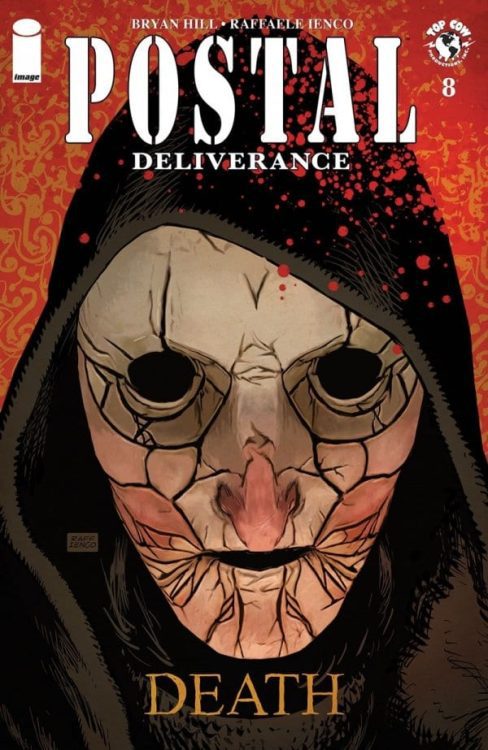
Postal Deliverance #8
Postal Deliverance #8 Credit: Top Cow Productions

It has been nearly three months since the last issue of Postal: Deliverance was released from Top Cow Productions. Three months wondering how the inhabitants of Eden would cope with the violence threatening to tear the township apart. Three months waiting for Bryan Hill, Raffaele Ienco, and Troy Peteri to continue this thriller/horror.

Has it been worth the wait?

Postal Deliverance #8
Postal Deliverance #8 Credit: Top Cow Productions

Escalation

With the tensions between Mark, Maggie, and Laura building, all is not well in Eden. After the knife attack on Mark, Laura is able to manoeuvre herself back into power. Is this what she always wanted? Previous issues would seem to suggest that the once the Mayor of Eden was never happy walking away and the current escalation of violence is exactly what she needed to get her feet back under the table.

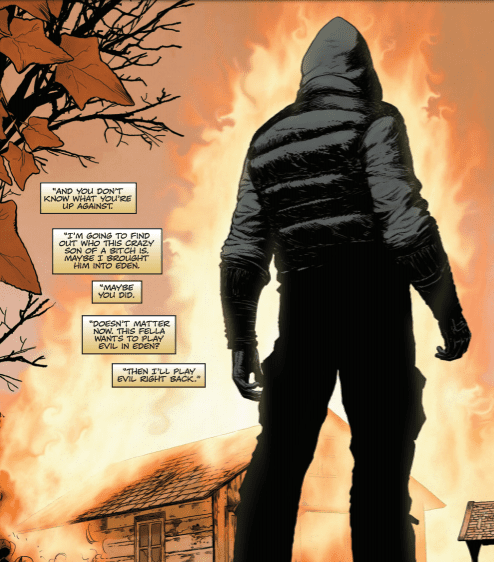
Bryan Hill, however, is not going to let Laura’s return be that easy and this issue is all about punching down. Laura is not the only one taking advantage of circumstances in this issue, the masked killer is also preying on the weak and sending messages throughout the town.

This issue of Postal: Deliverance is focused on two characters and their movements around Eden; Maggie and the Killer. Hill uses the contrast between the two characters to build the tension in the narrative and push the plot forward page by page. The killer is a closed, broken character, most obviously represented by the fragmented mask that he wears, whereas Maggie has a more open personality. Through these characters the reader is given a deeper insight into the duality of the town itself and the opposing forces that work together to keep Eden functioning.

It is a classic good versus evil, or light versus dark, narrative but portrayed in a fascinating way. The entire town, even the concept of it, is called into question by the contrast in actions between two characters. Hill allows the reader inside the minds of Maggie and the killer in order to prove that nothing is as simply as it might appear. Voices control the actions of the cast, some internal and some external.

Postal Deliverance #8
Postal Deliverance #8 Credit: Top Cow Productions

Artistic Examination

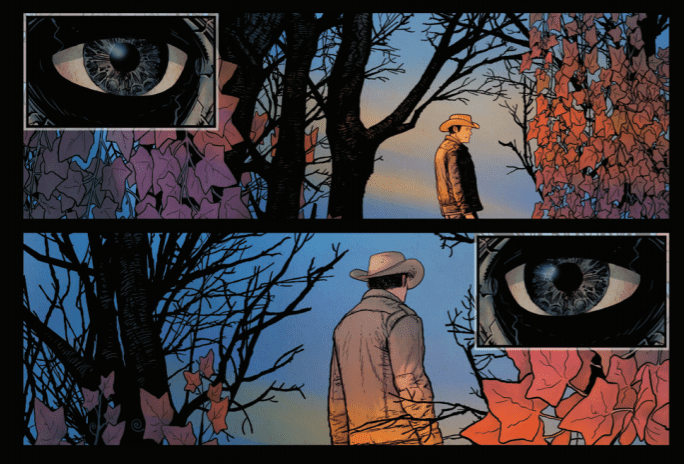
Ienco continues to impress with his artwork. His use of obscure view points and subject-to-subject panel transitions give the comic it’s horror vibe by not allowing the reader to feel comfortable on a page. Early on there is a sequence with Magnum where he is being watched. Ienco teases the reader with glimpses of the killer while keeping the main focus on Magnum. In a nine panel page Ienco uses two panels to show the killer in the undergrowth but his presence is felt in each one of the nine panels.

This nerve-racking tension fuels the narrative and each page brings the reader closer to the edge of their seat. This mood is maintained as much by Troy Peteri’s lettering as it is Ienco’s color work or panel design. Peteri knows where to place the word balloons so that they produce the most emphasis on a page. Occasionally this is to highlight a certain speech but more often than not it is to bring to the foreground a particular action within a panel.

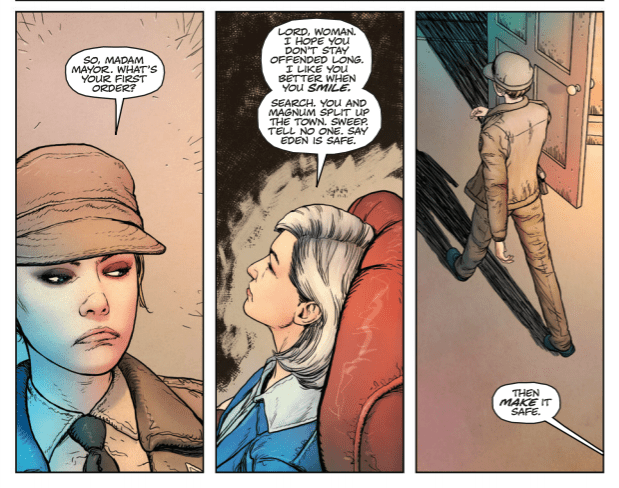
For example, in a scene focused on two characters, Ienco drops the background out, signalling to the reader this panel is about the cast members. Peteri then places the speech into two, linked word balloons giving the impression they are filling up one side of the panel. This creates an uneven balance between the characters and adds strength to one character over the other. This technique is used throughout this issue of Postal in order to create the necessary character dynamics.

Postal Deliverance #8
Postal Deliverance #8 Credit: Top Cow Productions

Conclusion

After a three month wait Postal: Deliverance delivers a superb issue. The atmosphere and sense of impending doom builds page after page to a horrific conclusion. It is as if this issue has been designed to remind the reader exactly why they love reading Postal and also why stopping now would be a mistake.

It opens with a mother and son at loggerheads and ends, well, that would be telling. It’s enough to say that the end is as magnificent as the journey to it. Hill, Ienco, and Peteri, have produced an engrossing page turner and one of the best issues of the series so far.

Monkeys Fighting Robots Youtube

Interview: Curt Pires Pushes The Industry With YOUTH

Interview: Curt Pires Pushes The Industry With YOUTH
Youth #4

The final issue of Youth season one drops June 2 on Comixology and Monkeys Fighting Robots wants to get you excited for issue four with an interview with the creator Curt Pires.

About the ComiXology Originals:
YOUTH is a coming of age story that tells the story of two queer teenagers as they run away from their lives in a bigoted small town, and attempt to make their way to California. Along the way, their car breaks down and they join up with a group of fellow misfits on the road. Embarking together in a van traveling the country they party and attempt to find themselves. And then something happens… YOUTH is Larry Clark’s KIDS meets CHRONICLE. X MEN by way of FRANK OCEAN. It smashes together the violence of coming of age with the violence of the superhero narrative–as well as the beauty.

Youth is written by Curt Pires, with art by Alex Diotto, Dee Cunniffe drops the colors, and you will read Micah Myers’ letters.

Youth is a must-read for 2020, enjoy the interview below.

Interview: Curt Pires Pushes The Industry With YOUTH

MFR: Did you need to write YOUTH, or did you want to write YOUTH?

PIRES: Both.

MFR: YOUTH nails that raw teenage rage, your comic is like the first time I heard Nirvana “Smells Like Teen Spirit.” Where does all this angst come from, and how do you capture it so well?

PIRES: A lot of the ways the kids feel–that frustration and anger with the world–these are a phenomenon I think we all experience in some way, regardless of age. I certainly know that I often find myself frustrated and perturbed by the way things are. The difference between myself and the kids in the book is I just channel that frustration and anger into my work. I work harder. Go above and beyond to prove the naysayers wrong and to shift the paradigm on issues I’m frustrated with. The kids don’t have that outlet–and lots of us don’t have this sort of outlet when we’re younger–so we deal with these feelings in more destructive ways.

MFR: You said, “There are lots of teen superhero comics, but most of them are written by writers closer to 47 than 17 and feel remarkably out of touch.” Do you think there needs to be a youth revolt in mainstream comics?

PIRES: I don’t know if I’d say a Youth Revolt, but things seem pretty stale and stagnant. There are certainly people doing incredible work in mainstream comics, but I do think opening the doors to creators of diverse ages and backgrounds would make things a lot more interesting, yes.

MFR: With the COVID-19, the comic book industry is at an evolutionary moment. What do you think the comic book industry will look like in 10 years?

PIRES: I’m not exactly sure. A more boutique approach. Less stores but better stores. The ones that are going to survive are the ones interested in cultivating an experience rather than simply selling books. Customer service-based business. More direct to consumer models.

MFR: How much world-building is involved with YOUTH, and how far do you see the series going?

PIRES: A ton. It could go from 20-30 issues ideally.

Interview: Curt Pires Pushes The Industry With YOUTH
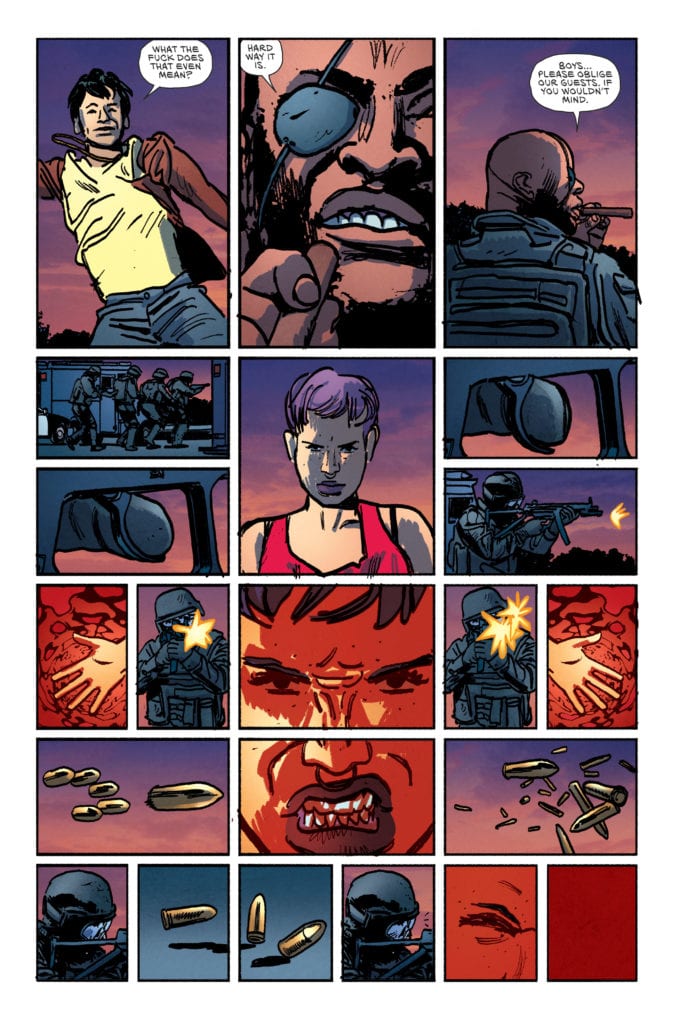
Youth #2, Page 21 • Curt’s favorite page.

MFR: Talk about what Alex Diotto brings to the table? Do you have a favorite page from the series so far, which one and why?

PIRES: Everything. There’s no YOUTH without Alex. Alex is one of my most trusted collaborators. He’s also around the same age as me, 27 or 28, I think. So we have similar reference points and interests and experiences. There’s no one I think who could bring what Alex has brought to this book. I have lots of favorite pages, but I think my favorite has to be the third to last page of issue two… the big action page with like 20 panels. He nailed what I was trying to achieve and went even further.

Interview: Curt Pires Pushes The Industry With YOUTH
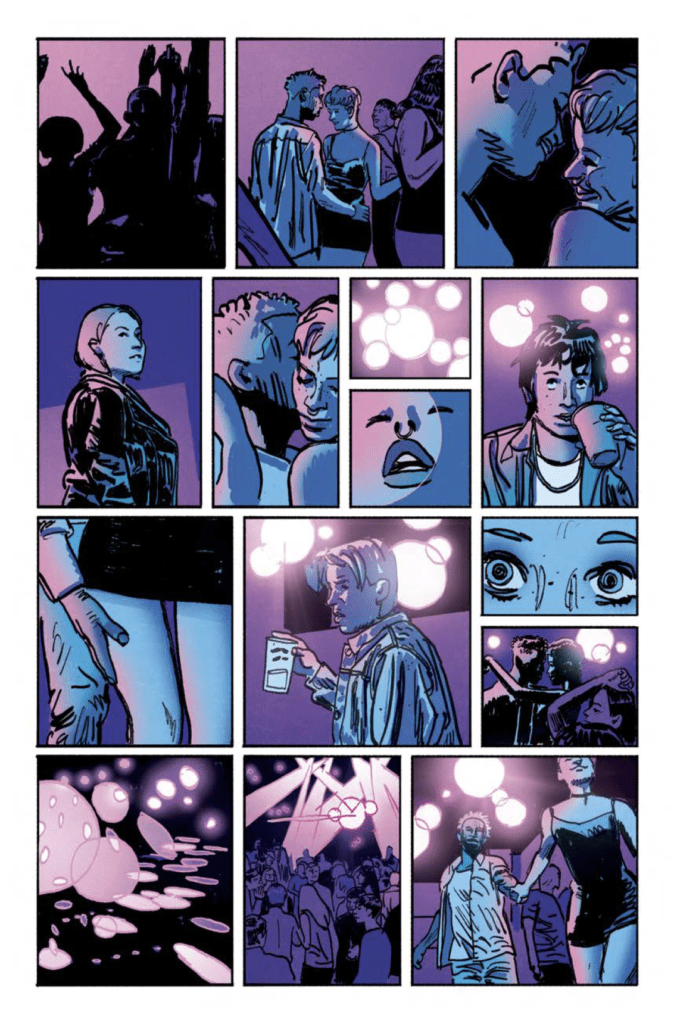
Youth #3 • 15-panel page

MFR: In YOUTH #3, you have a 15-panel page. Can you take us through how you and Alex arrived at the final look? So much is said with no dialogue.

PIRES: Alex and I have worked together a bunch, and one thing we like to do is these higher density pages, that really have a kinetic and sort of action feel to them. In the case of the club scene, we sort of migrated that technique to a more character-driven beat–but we were able to capture the chaos, the loudness, the sensory overload of the nightclub through this higher density. These pages I typically write Marvel style and let Alex break them down. Then I’ll go back and write / craft / add dialogue where needed if it’s not already scripted.

MFR: YOUTH is an intense, fast-paced story, with a combination of hard-hitting witty dialogue. What’s it feel like when you’re creatively firing on all cylinders?

PIRES: First off, thank you, that’s very kind. I’m always just trying to do my best because I don’t know how to do it any other way. I imagine the team feels the same way. We try to leave everything on the field, to borrow a sports metaphor.

MFR: YOUTH got picked up for another round at Comixology, and the series has been picked up by Amazon Studios. What going to be the driving force to keep you motivated?

PIRES: I love this story and these characters. I love my team. I love getting paid to make stuff. Those three are all huge motivating factors.


What Comixology books do you read? Comment below with your thoughts.

Monkeys Fighting Robots Youtube