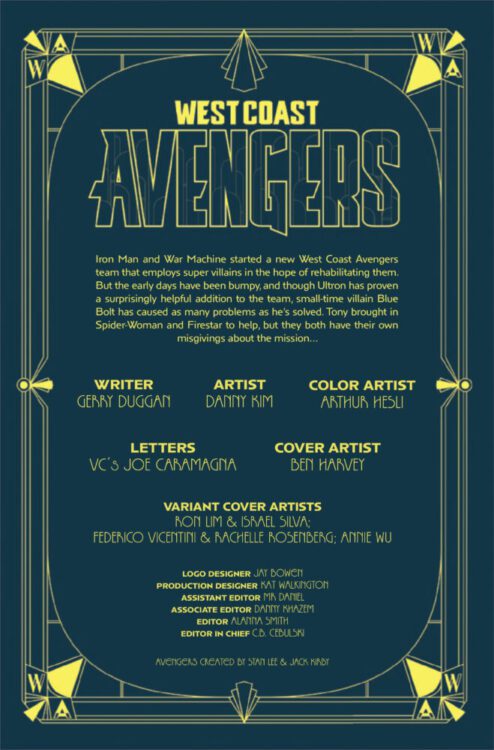
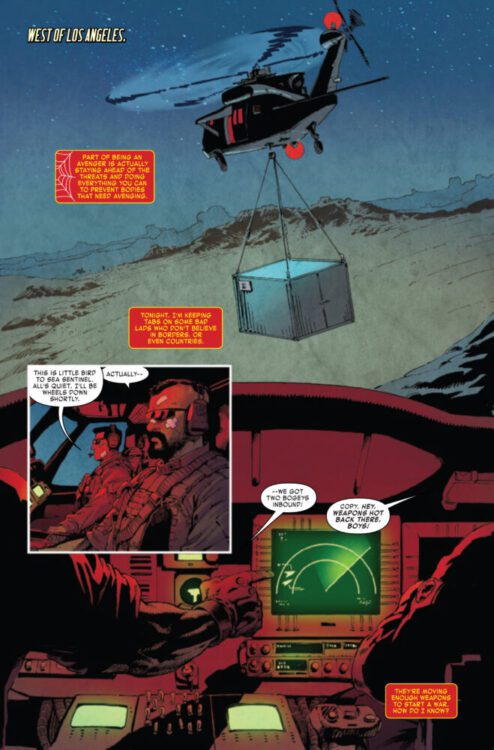
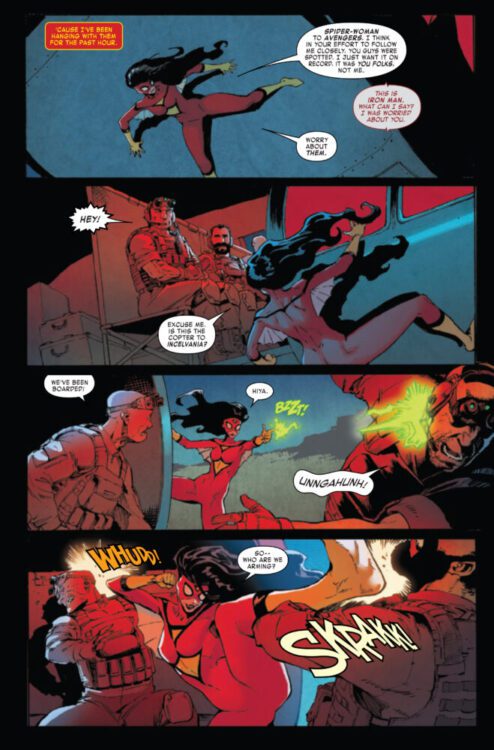
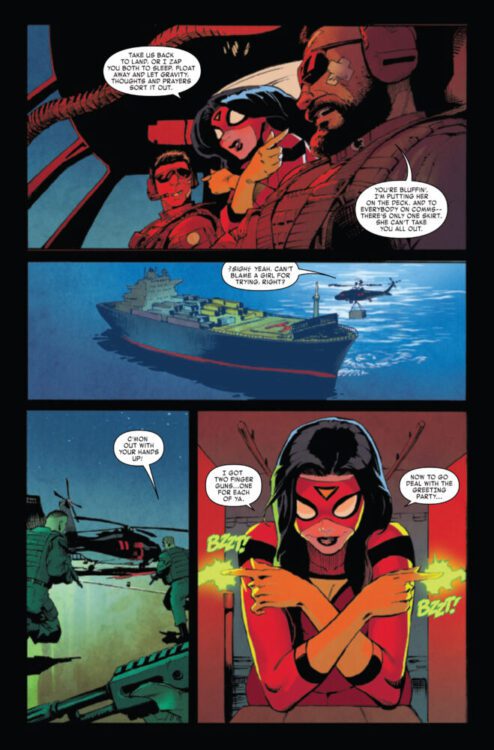
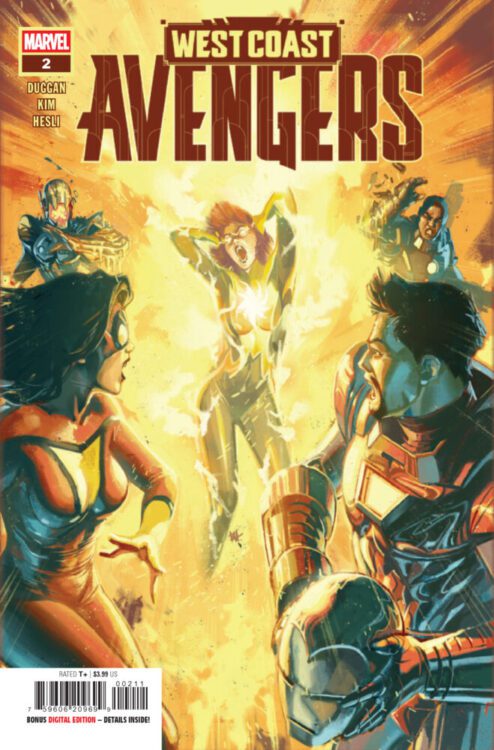
WEST COAST AVENGERS #2 hits your local comic book store on December 25th, but thanks to Marvel Comics, Monkeys Fighting Robots has an exclusive three-page preview for you!
About the issue: NEW MEMBER: FIRESTAR FLAMES OUT!
Firestar officially joins the West Coast Avengers! But the plan for her to mentor redeemed villains like Ultron and newcomer Blue Bolt collapses when it becomes clear she’s seeking redemption of her own. Her time undercover with ORCHIS left scars and made her a pariah. Can the West Coast Avengers stop her downward spiral?
The issue is by writer Gerry Duggan and artist Danny Kim, with colors by Arthur Hesli, and letters by Joe Caramagna. The main cover is by Ben Harvey.
Check out our WEST COAST AVENGERS #2 preview below:
Did you pick up the first issue of West Coast Avengers? Sound off in the comments!
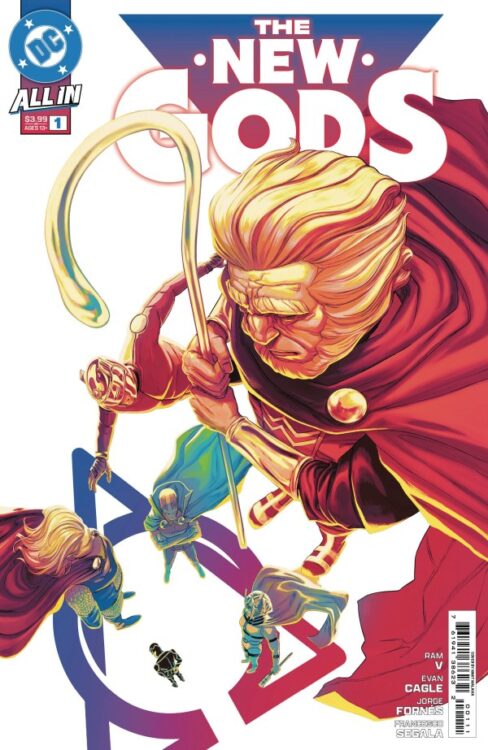
What happens when the old gods die? The New Gods #1—from writer Ram V, artists Jorge Fornés and Evan Cagle, colorist Francesco Segala, and letterer Tom Napolitano—feels like something truly special. It feels like myth being written and told in front of our very eyes. It’s a tale of gods and mortals, where that line intersects, and what the consequences of that can be.
The story of the New Gods is a tragic one. Orion, son of Darkseid, was swapped with Mister Miracle, son of Highfather, at birth in order to prevent a war between New Genesis and Apokolips. Where Orion found purpose, Miracle found nothing but violence. Fast forward to now, and the two follow very different paths. Mister Miracle, also known as Scott Free, now has a family. He’s married to Big Barda and has a child named Liv. Orion, however, is the brute. He wages war against anything left from Apokolips, and that war has defined him.
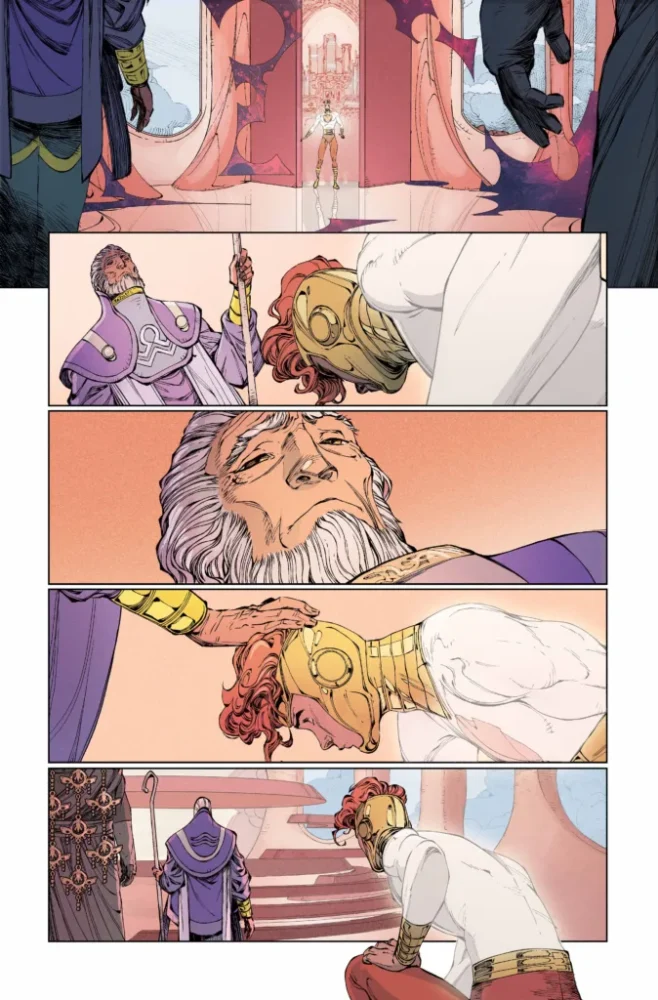
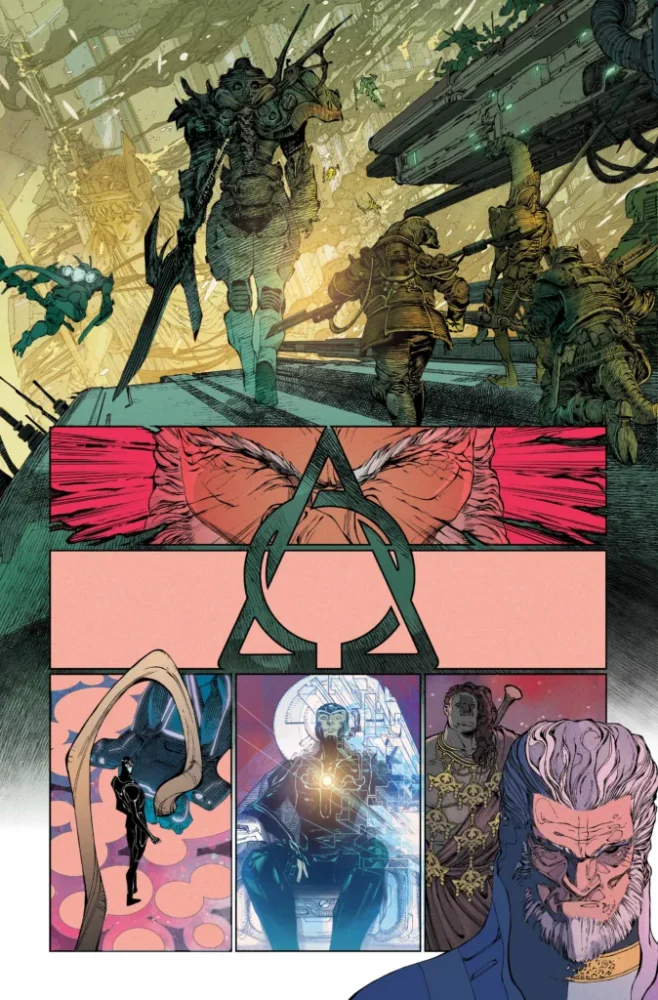
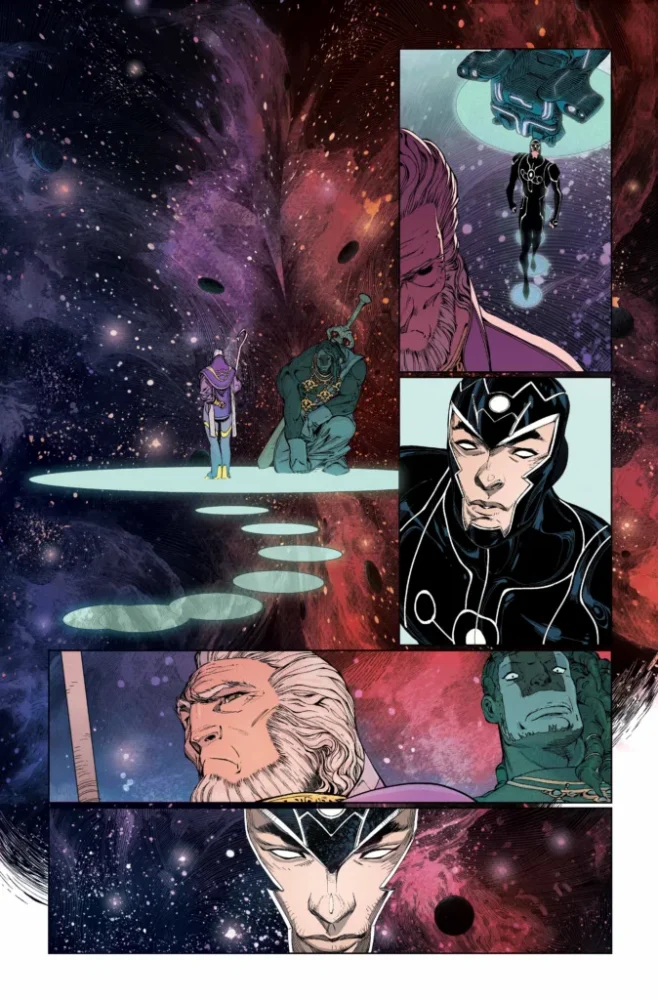
The issue starts with a recap of Darkseid’s actions in the DC All-In Special and then pivots to an old god in space, drifting towards the Source Wall as it draws her in with a beam of light. Metron sees this, and his chair overloads, causing his mind to unravel. We’re then brought to New Genesis, where Highfather meet with Metron and then Lightray, finally calling to summon Orion.
Lightray greets Highfather
WRITING
The issue is paced beautifully; every scene just clicks into place. Everything is given the time it deserves—never too much or too little. Ram V excels with putting a scene together through dialogue and atmosphere in a way that few can replicate. Everything feels so fluid. Every word carries a weight to it that makes every sentence sound massive and powerful. These are gods, and their words carry a great importance and are not to be taken lightly. That makes it all the more powerful when Orion and Scott meet later in the issue, having clashing values over a task that Highfather has given to Orion.
V crafts a compelling narrative. He introduces key players in their natural habitats, but later diverts from that in order to give us a new interesting story with old characters as well as some new ones. Everyone gets spotlight, and every character feels like they have their own cosmically important role to play. Barda is hardly in the issue, but she’s set up in a remarkable way where you can tell she’ll be incredibly useful soon. V also does a fantastic job of displaying the psyche of each character, highlighting how none of them are without their own personal problems that they must rise up against. It makes them feel eerily human.
New Genesis and Highfather
ART
While Cagle is the main artist on the issue, Fornés does some inspiring work in the beginning. He draws Metron being overloaded at the beginning of the issue, as well as the dying old god on her way to the source wall. He makes you feel how powerful these beings are, and how they take up a massive amount of space in this universe. Everything could revolve around them, and Fornés does a great job of showcasing how their power is insurmountable and their roles are important.
Cagle draws the bulk of the issue, and he is an absolute powerhouse in his own right. New Genesis is a beautiful place that the artist crafts his own version of masterfully. He makes these characters feel larger than life, whether it be from their battles against alien hordes, or just the sheer fact that they’re conversing with each other with the cosmos in the background.
Cagle also does this fantastic thing when introducing Scott and Orion. When Orion is introduced, Cagle seems to have drawn his name into the background in these giant, hulking letters. When Scott arrives though, we see a circus act style font Mr. Miracle logo, and it’s really clever. Cagle does a good job of making the characters feel different. Scott is slim and agile in order to escape traps when necessary while Orion is massive and angry; so much is done for each character through body language alone.
COLORS
Segala colors one of the most beautiful issues of the entire year here. There’s one scene specifically where Highfather and Metron are discussing something with what looks to be all of space behind them. It’s a beautiful cosmos filled with purples and reds that’s stunning, even connecting to Metron’s black clothing in one panel. It signifies that he’s one with the universe, but his human looking face peering through his costume stops him from being complete. Lightray also looks fantastic here. He’s always been a showboat, but here his classic all-white outfit is accompanied by a glow that radiates off the costume. He wants attention and to be noticed, and Segala understands that perfectly.
The shading and lighting in this issue is also just jaw-dropping. When Orion battles Parademons and is filled with rage, it’s covered with red and oranges the entire time. He then gets a message from Highfather, turning the entire panel blue. When we see Orion’s face again, the red has subsided with the blue now covering half of him. His father and his duty call to him, and he has to understand that that is more important than his rage. It’s incredibly thematic and powerful.
Metron and Highfather speak
LETTERS
The letters in this one really help in highlighting the differences between each character and their worlds. Napolitano specifically does this through the letters whenever a location is changed. New Genesis gets this beautiful, refined font that reflects a kingdom. The planet Orion is found on has a messy, barbaric one. Scott is in Glendale, California, and that one tries to be about as basic as it can be, and it really fits. There are also a couple of narrative sentences in this issue that take place outside of the story. A character isn’t saying or thinking them, but they’re there to show what’s to come for these characters and this universe. They explain the death of an old god, and the birth of a new one. The words are some of the most important in the entire issue, and Napolitano delivers them with an incredibly strong font and size. Their weight is felt.
CONCLUSION
This is one of the best issues to have come out all year. It’s written, drawn, colored, and lettered beautifully and carefully. It insists that you read it over and over to find new things, but to also ask yourself questions of morality and whether what you’re doing is the right thing or not, even if you’re ordered to do it. The cast have all been living their lives normally, despite being these larger than life gods with responsibilities they have to attend to. We are fully immersed in their world. This spectacular team has made sure that these characters have returned in an impactful way that’s sure to shake the DC Universe in the months to come.
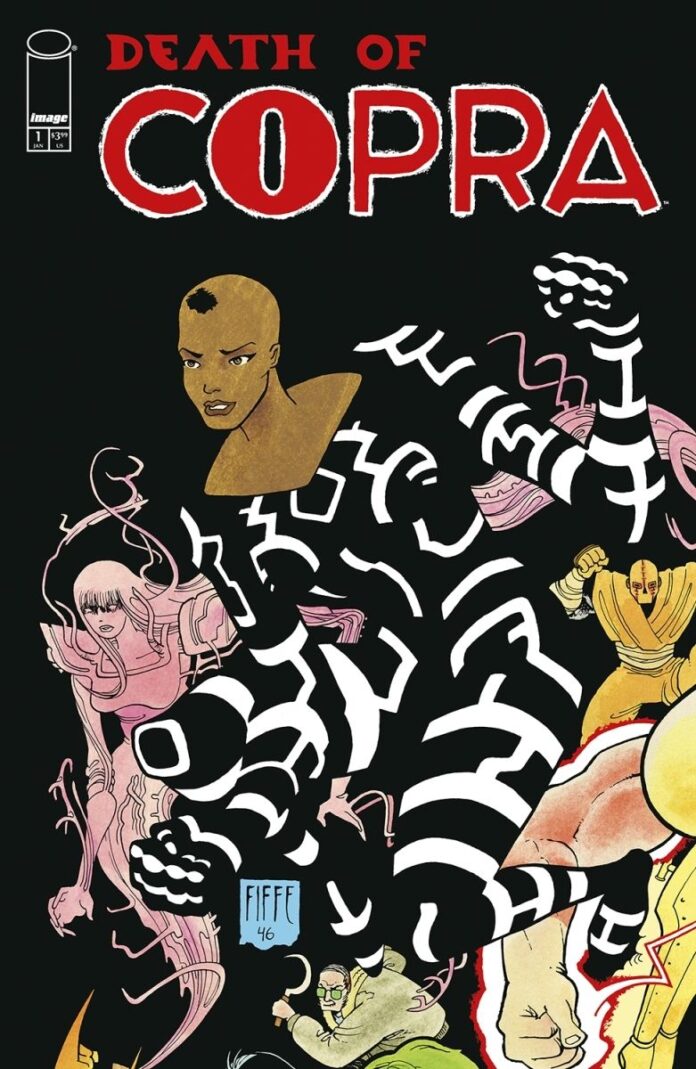
Michel Fiffe has been bringing readers intense superhero action for years with COPRA, his raw look at superpowered mercenaries, and the violent, body-count-filled missions they take on. Now Fiffe is getting ready to put the book and its characters in the grave! So read on as Fiffe gets into the nit and grit of creating what is sure to be a blood-soaked and explosive end to one of indie comics’ best series.
Monkeys Fighting Robots: Michel, Copra has been in your life a long time. You’ve been writing about these characters for many years, and we have Death of Copra! Can you give us a brief (non-spoiler) synopsis of what the setup is?
Michel Fiffe: There’s a rumor I heard that the majority of Monkeys Fighting Robots fans are hardcore slabbers. They’re just gonna throw my comic into a graded piece of plastic, they’re not even gonna read the damn comic. Is this true? Just in case that’s false, picture this: a diverse group of deadly weirdos who, after working together this long, have developed some nasty workplace friction. That includes competition and sex and grudges, retribution for past genocide and institutional collapse. From scrappy to co-opted, every member of COPRA will have their moment of reckoning.
MFR: Was there always a definitive number of issues or arcs you had in mind?
Fiffe: The previous arc, “The Ochizon Saga” [COPRA Round Six], had a few issues where the world was turned upside down. That was originally supposed to be like twelve issues or more. It was supposed to be my “Inferno” event, just a new demented status quo. I quickly lost interest when I started actually plotting the issues. I got impatient with that idea, it bothered me, it felt like padding. I would’ve made it fun, but it would’ve been a lot of work for empty calories. So I go to the point, wrapped up that huge story, and excitedly prepped for this final arc. In fact, I was supposed to introduce a few new elements during that unabridged version of the Ochizon Saga, but they were held back for this final arc. There’s been a lot of moving around, a lot of organic shuffling that simply made for a better story.
MFR: Did you always have the narrative ending clear in your head? Did all the characters have a ‘fate’ you were building to, or did things change or develop as you wrote them? I mean, a title like Death of Copra is pretty direct!
Fiffe: I’m beyond fortunate to have an ending for a project of this scope and to execute it on my terms. That doesn’t happen often in these circles. The book is either cancelled, or you run out of steam or you just stop and focus on the next opportunity. But yeah, I’ve had a clear idea as to how I wanted things to wrap up for a while now.
MFR: Did you approach writing Death of Copra any differently than previous arcs?
Fiffe: I just recently heard Gilbert Hernandez bemoan his approach on Poison River, saying he would make it much easier to follow. I took my cue from Poison River! It’s a layered, sprawling, ambitious masterpiece that I have always loved. I saw it as a sort of creative goal worth pursuing in the abstract. Same thing with the Legion’s “Five Years Later” story. Didn’t like it at first, it was too confusing and jumbled, but something about it made me want to crack the code. The more I would revisit it, the more I liked it. Now I unequivocally love it. It’s ironic that 5YL is an influence since clarity has been an ongoing concern for me, especially during this last stretch.
MFR: What’s the best thing you learned about publishing Copra so independently? What was the most rewarding? What was the hardest part?
Fiffe: Being in a band actually taught me the value of being independent. There was a moment when I had to make the choice between pursuing music or comics as a career. I thought I could do both! And I loved being in a band, I enjoyed the teamwork of it all. My self-taught chops are comparable across both mediums, so I thought I had a shot in equal measure. But the band imploded, everyone went their own way, and I hated that I couldn’t control that outcome. That made me double down on comics, a thing I could have all to my own. I could be in charge of going the distance. I embraced that attitude even more when I started self-publishing. Because here’s the thing, I tried doing everything by the book, but what I discovered was that I’m not good at waiting for permission. So that thing I wanted? I made it myself. I nurtured it, shaped it, and seeing it develop and build on itself has been one of life’s great pleasures. The most difficult part can be the isolation, though. Which, you know, that sounds like a feature to me! But the reality is that it can do more harm than good. It gives you all the space in the world to be hyper-critical. You get into your head a little too much, which can warp your work.
MFR: I feel like Copra changed a lot of what action and superhero narratives can do for readers in comics. But how did Copra change you as a creator?
Fiffe: That’s interesting, I never thought about it changing the reader’s point of view. I mean, I think my story is pretty direct. There are no jarring or fanciful tricks… it’s simply a lot. It’s a large cast and that might be difficult for some people to follow. I can’t fault them for losing track. However, I do go out of my way to reward attention, because I really love it when I experience that as a reader. So that’s shaped me as a creator to a certain degree, really focusing on what I like in a comics reading experience. But that’s tricky, it’s thin ice, because what I want out of comics might not be what the audience wants out of comics. And this isn’t about me not myself to fit a mold, it’s about being more than myself. It’s a strange dynamic that fascinates me. I respect populist sensibilities. It’s a constant challenge for me, it doesn’t come naturally. Pop isn’t some easy turn of a switch, it’s a skill, a talent. It’s a mystery to me. I don’t think Paul McCartney gets the credit he deserves.
MFR: What’s it like emotionally coming to an end with characters you not only wrote for many years but that you created as well?
Fiffe: We don’t talk about emotions in this family, Manny, c’mon, you know this!
MFR: Looking back, do you think you have a favorite Copra cast member? Was there one that was harder to say goodbye to than any others?
Fiffe: Saying goodbye to the first major fatality was the most difficult. Not to spoil the first arc, but once I crossed that line, I knew nobody was safe. That was a necessary precedent to set in this type of comic book story, and I’ve kept my word. I haven’t cheapened loss or grief.
MFR: What brought you to the decision to return to Image for Death of Copra?
Fiffe: Out of sight, out of mind. I wasn’t seeing COPRA in comic shops while traveling the country, simple as that. Look, don’t get me wrong, I’ve been lucky to have lasted this long with one story, and these last few years have been my most lucrative years as a self-publisher. But in the wider world of comics retail, let alone bookstores, my footprint was disappearing. So while the actual story of COPRA wasn’t gonna be compromised, I wanted to tackle things differently. I embraced the idea of certain things that I neglected before. You know, solicit it as a mini-series, have variant covers, have different artists DO those variant covers. Fun, harmless stuff that won’t affect the comic itself, but it might affect its reach, and thus its presence in the Direct Market. Now, as I laid out in my Creating COPRA DIY book, there aren’t many differences between self-publishing and Image Comics. You still have to produce the product yourself, but you better do it on time. The arena is bigger and it has its own rules, but you’re still in charge of promotion. So it’s risky no matter what you do. I would’ve regretted not doing it this way.
MFR: What can readers expect in the series?
Fiffe: Experience what comics of this stripe rarely get: an ending. Plus, I ink and letter and color by hand, therefore it’ll look like nothing else on the stands. Y’know, I just realized that the benefit of having collaborators is that you can all safely puff each other up on social media — “Oh, man, the artist who drew my script is a friggin’ genius, I can’t wait to show you all of the blah blah blah” — whereas single creators will at best sound like overconfident lunatic narcissists. I’m okay with that. Look, the writing in COPRA is top notch and the art is fantastic. Combined, they create a unique comics cocktail that cannot be replicated or topped. Buy a copy, and see for yourself!
MFR: What’s next for you? Is there something you want or can talk about?
Fiffe: Maybe start a funk metal Exposé cover band, I dunno. Any takers?
DEATH of COPRA is a four-issue mini-series coming out January 8th from Image Comics
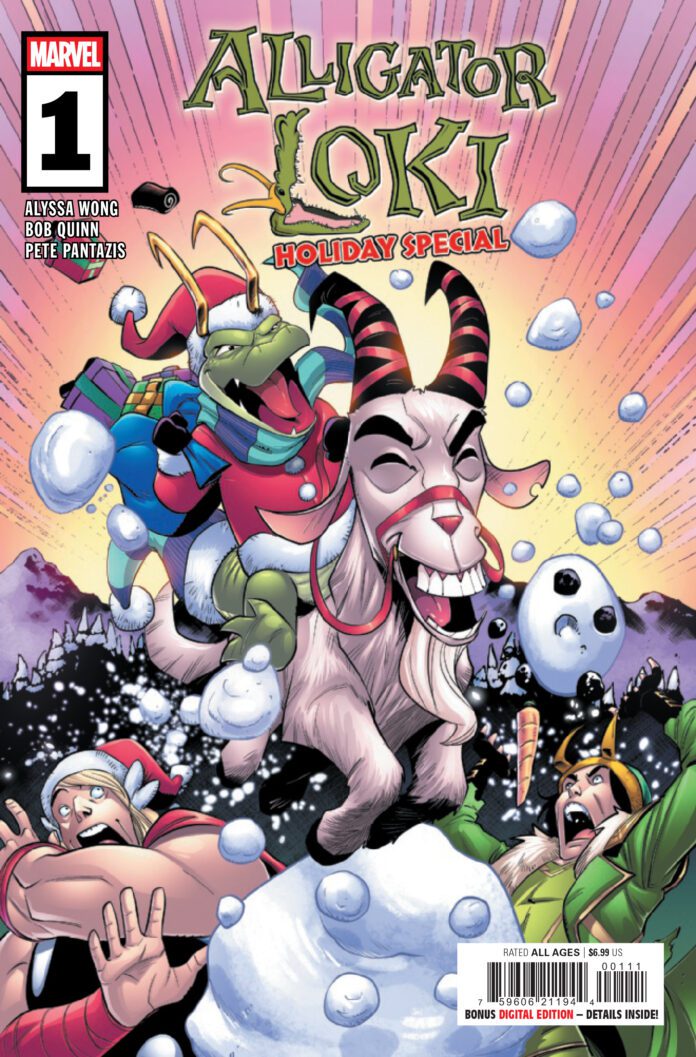
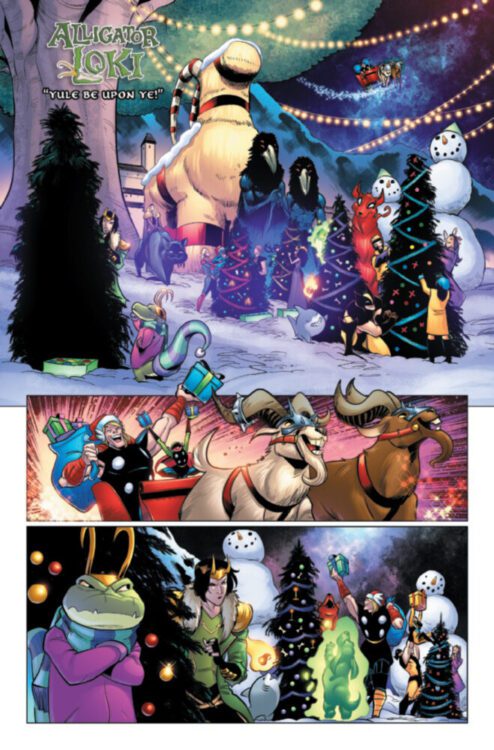
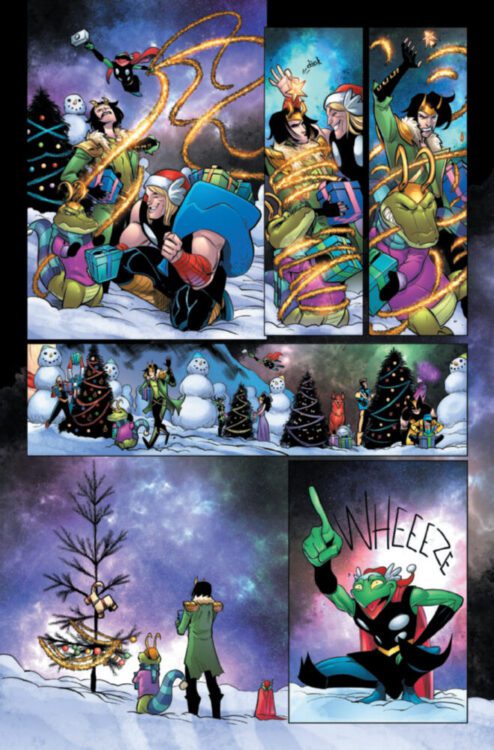
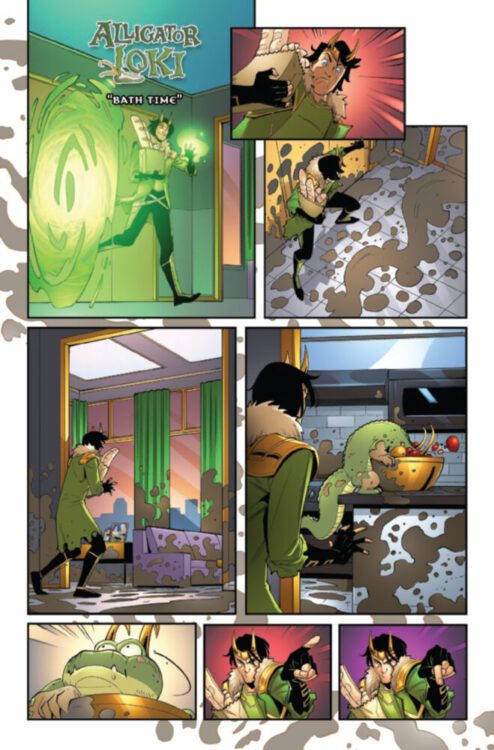
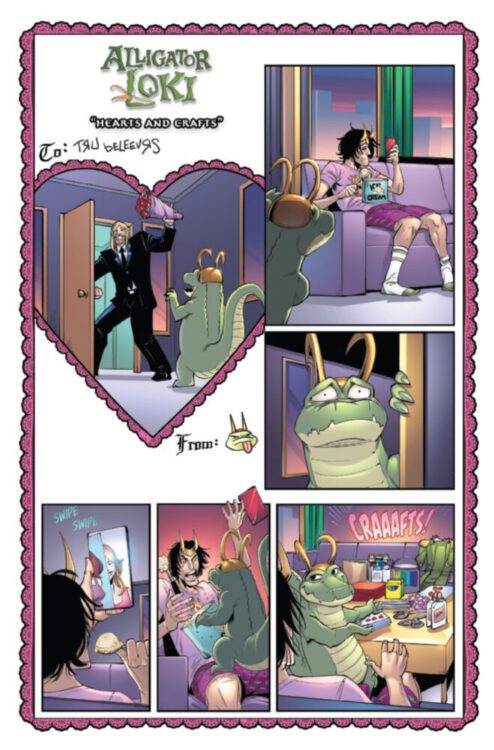
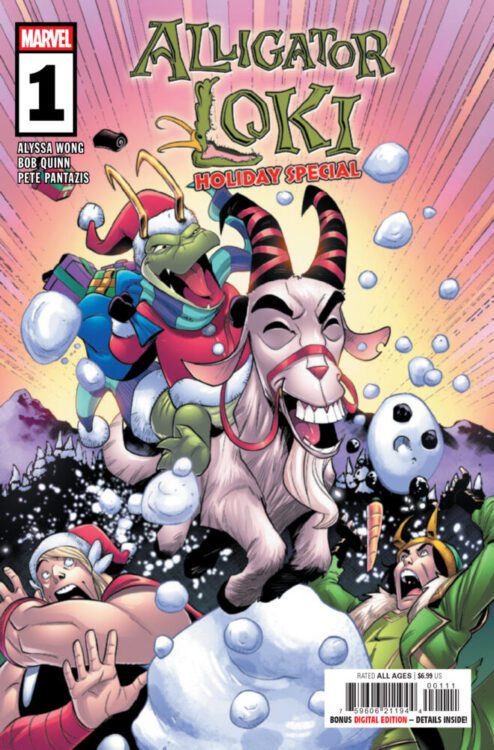
ALLIGATOR LOKI HOLIDAY SPECIAL #1 hits your local comic book store on December 18th, but thanks to Marvel Comics, Monkeys Fighting Robots has an exclusive four-page preview for you!
About the issue: AN ALLIGATOR LOKI HOLIDAY SPECTACULAR!
The Alligator of Mischief is back to ruin – I mean, save! – the holidays! Join Alligator Loki and his many, many, many friends – from the X-Men to the Young Avengers to several symbiotes – as they romp across the Marvel Universe, sowing chaos and camaraderie in equal stride! Don’t miss a brand-new story starring Alligator Loki and the REAL meaning of the holiday season: frenzy-er, sorry, FAMILY!
This issue also collects issues #13-24 of the hit ALLIGATOR LOKI Infinity Comic for the first time in print!
The issue is by writer Alyssa Wong and artist Robert Quinn, with colors by Pete Pantazis. The main cover is by Quinn and Pantazis.
Check out our ALLIGATOR LOKI HOLIDAY SPECIAL #1 preview below:
Are you picking up Marvel’s ALLIGATOR LOKI HOLIDAY SPECIAL next week? Did you read the original Infinity Comic series? Sound off in the comments!
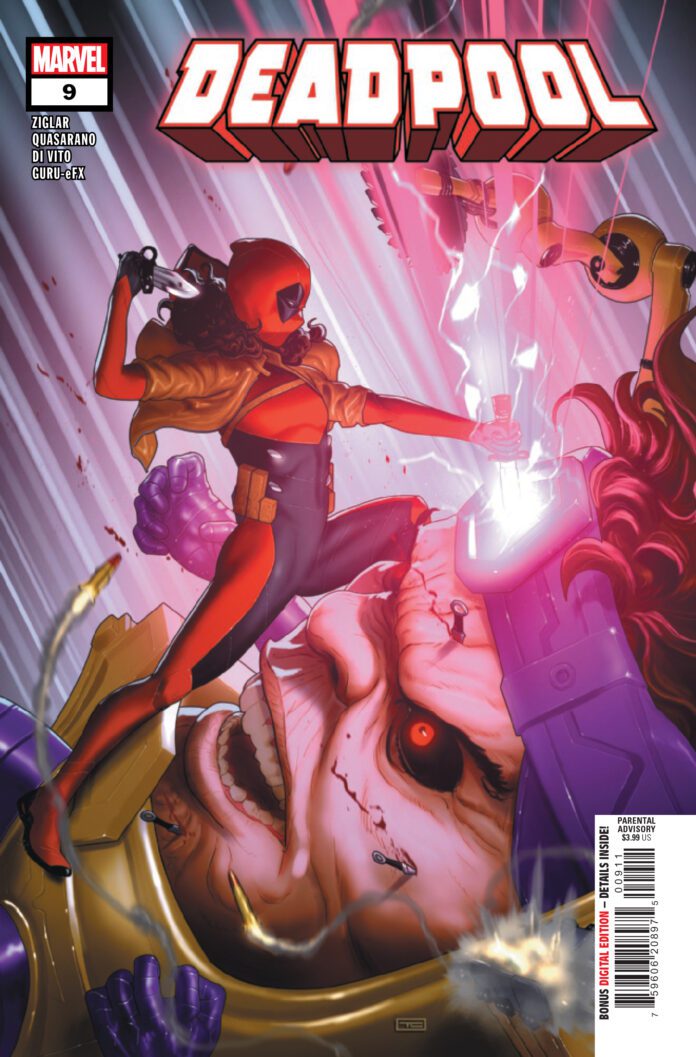
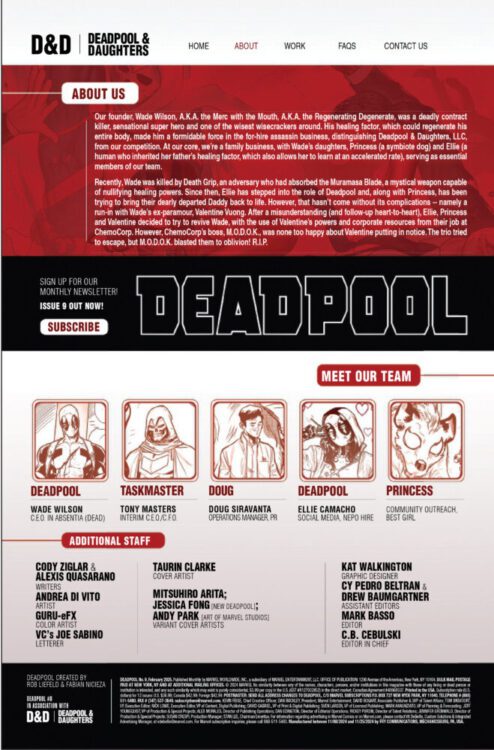
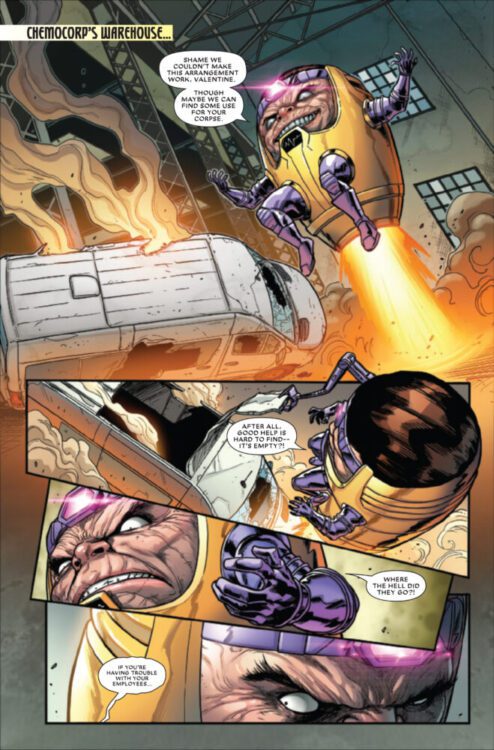
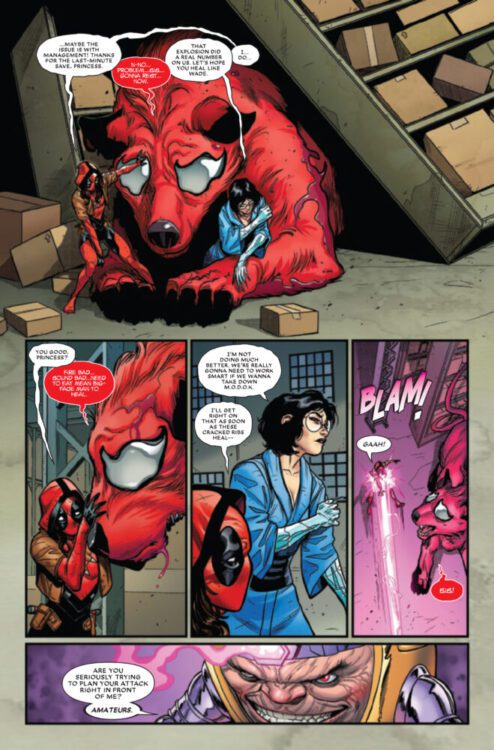
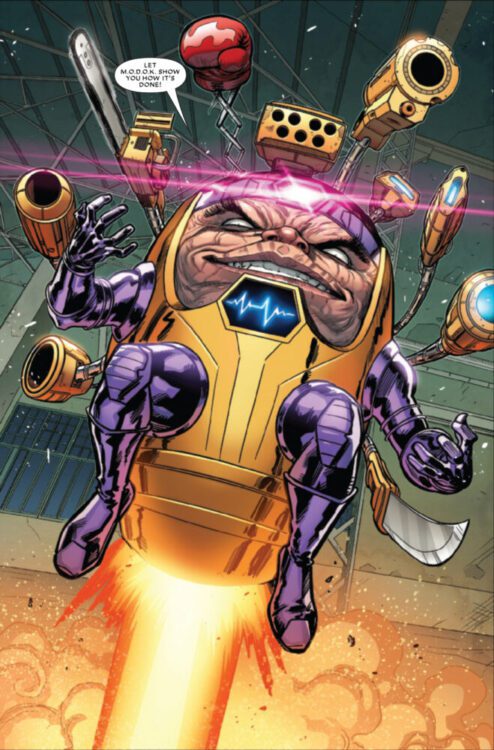
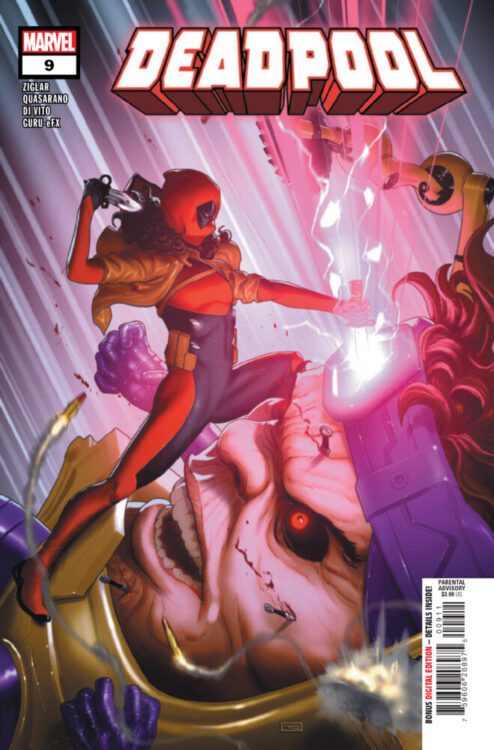
DEADPOOL #9 hits your local comic book store on December 18th, but thanks to Marvel Comics, Monkeys Fighting Robots has an exclusive three-page preview for you!
About the issue: MERCENARY OFFSPRING DEPLOYED ONLY (FOR) KILLING!
ELLIE has big shoes to fill as the New DEADPOOL! She’s making her name as a mercenary – but will the new ‘Pool fall at the tiny hands of M.O.D.O.K., the Mental Organism Designed Only for Killing?! A major turning point – don’t miss it!
The issue is by writers Cody Ziglar & Alexis Quasarano, and artist Andrea Di Vito, with colors by Guru-eFX, and letters by Joe Sabino. The main cover is by Taurin Clarke.
Check out our DEADPOOL #9 preview below:
Are you reading DEADPOOL? Sound off in the comments!
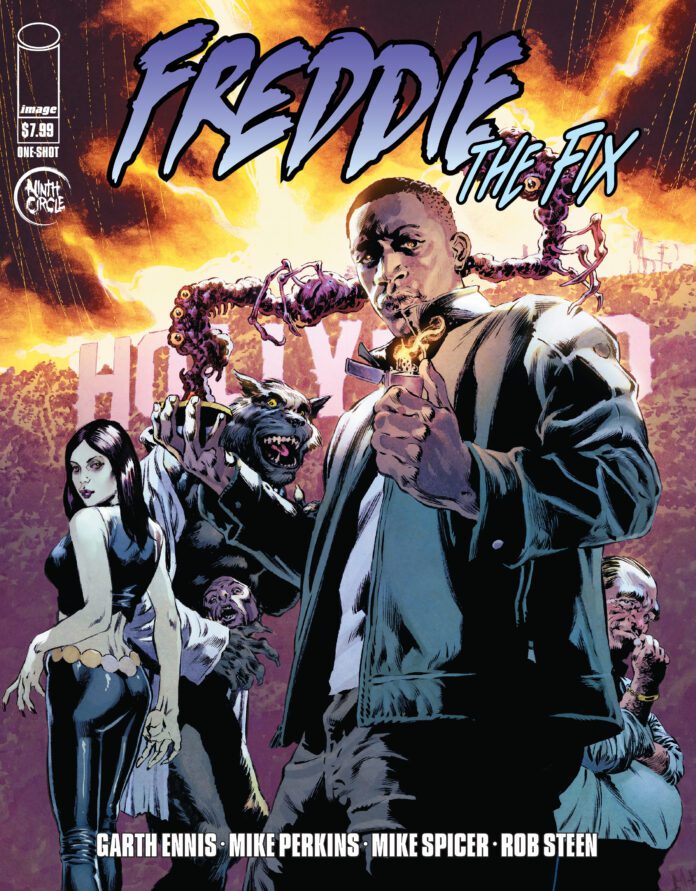
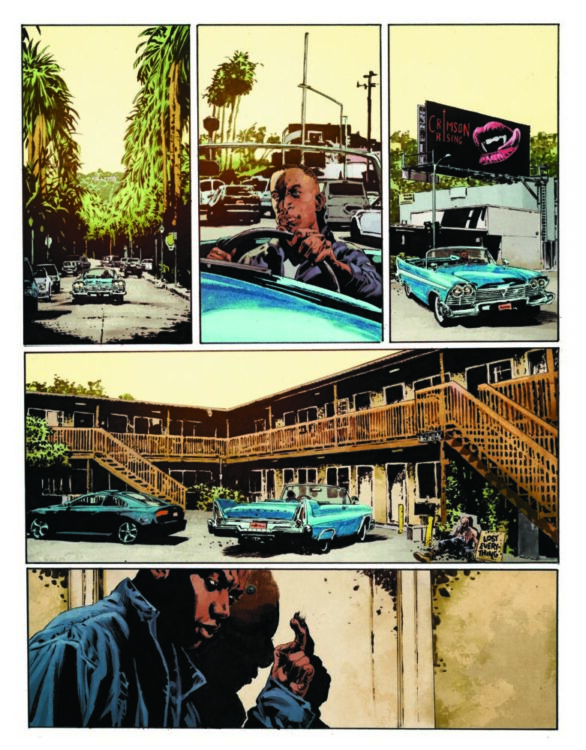
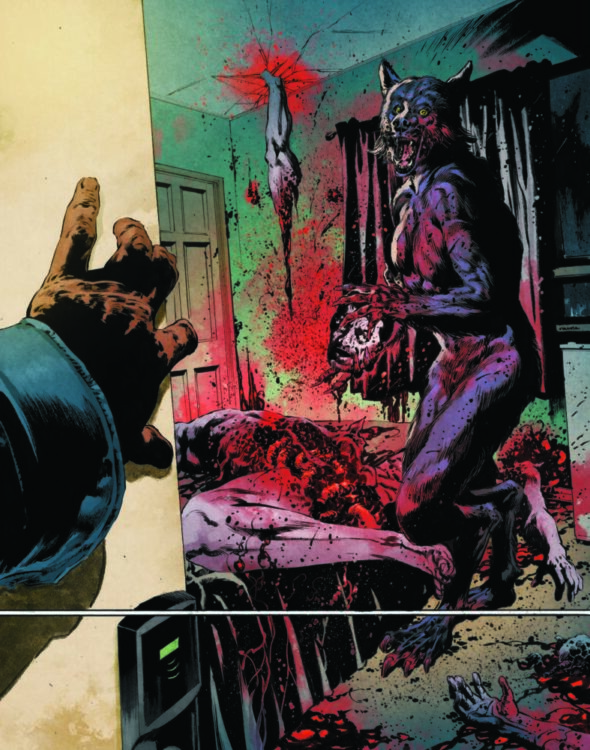
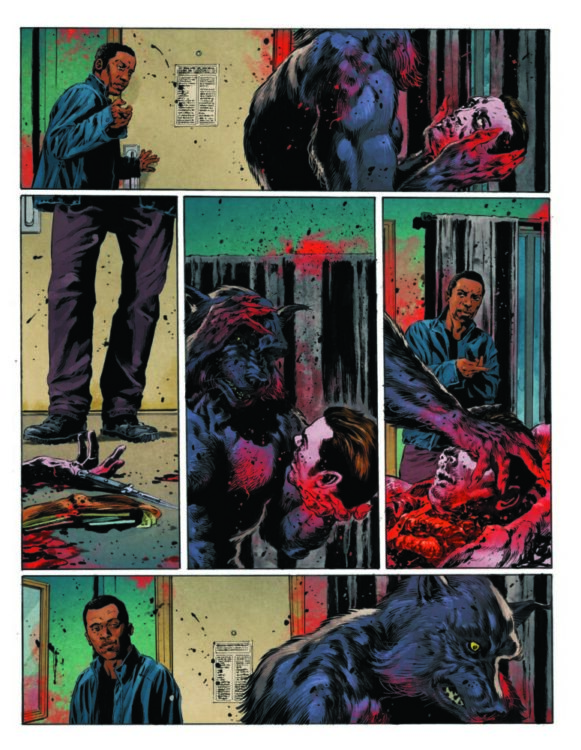
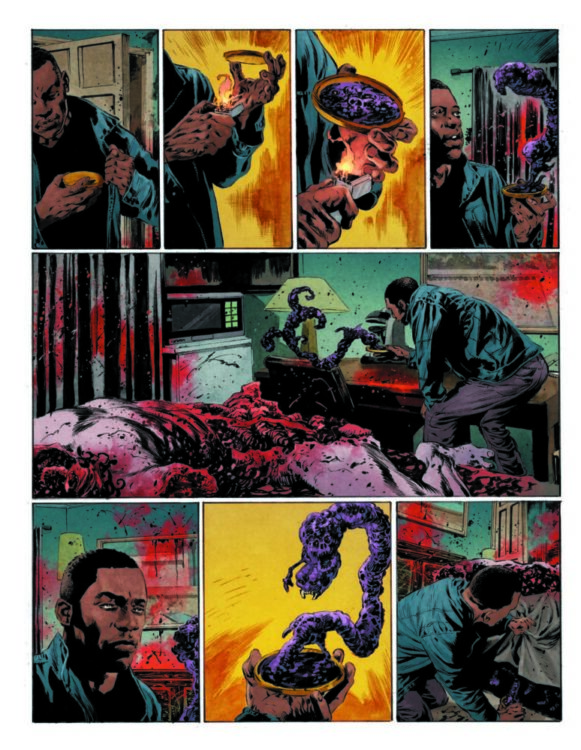
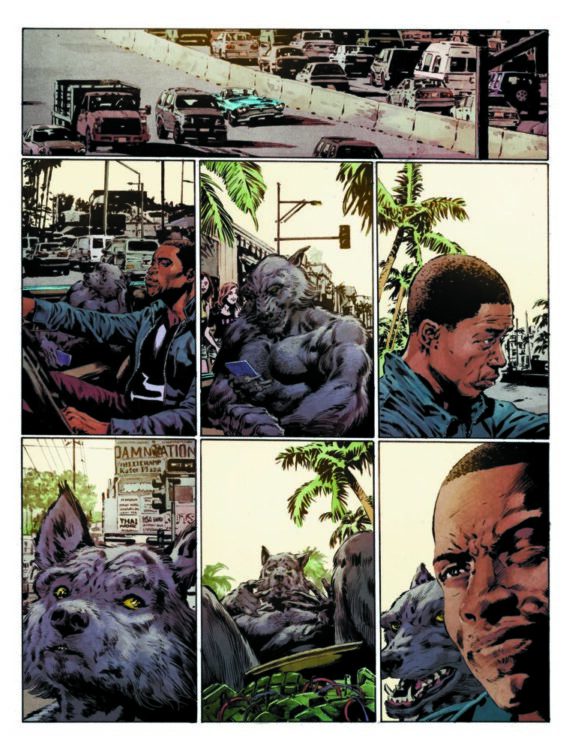
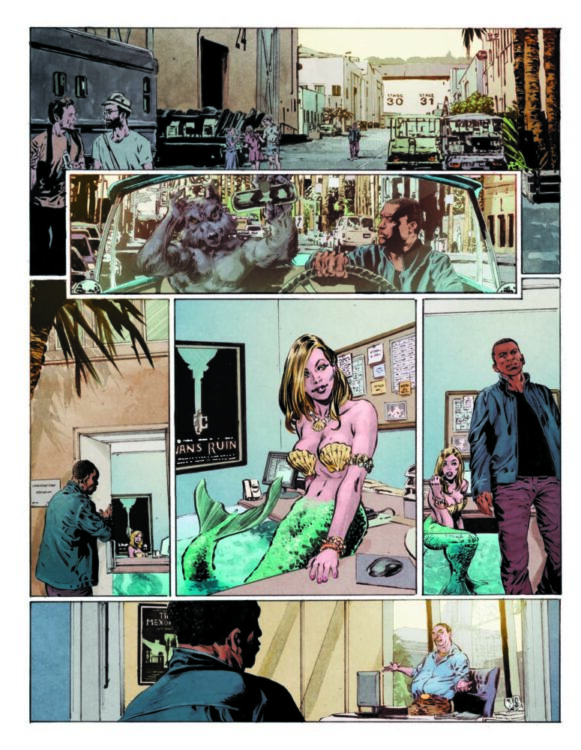
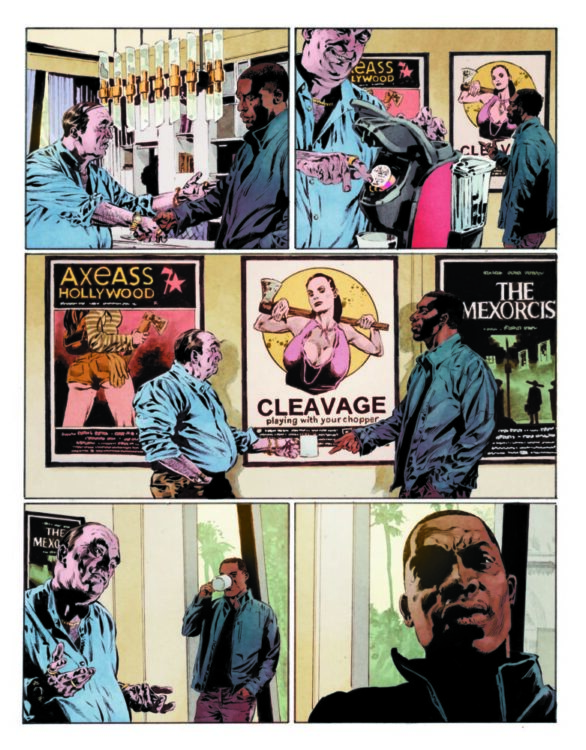
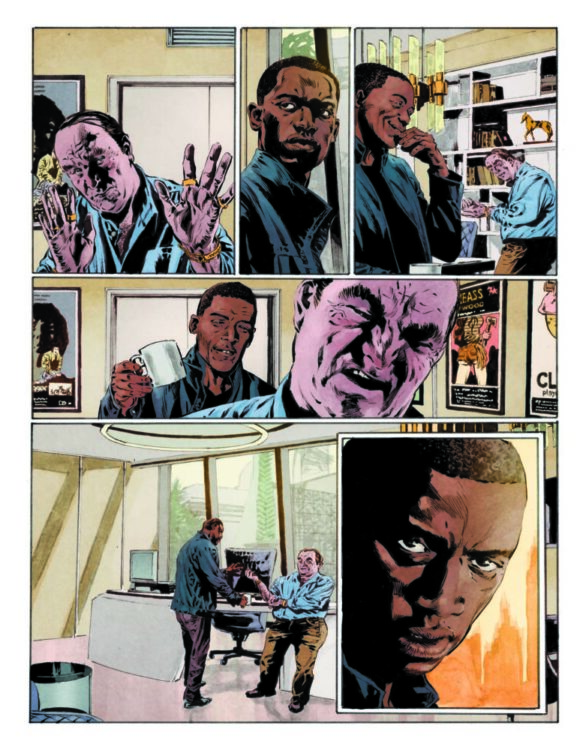
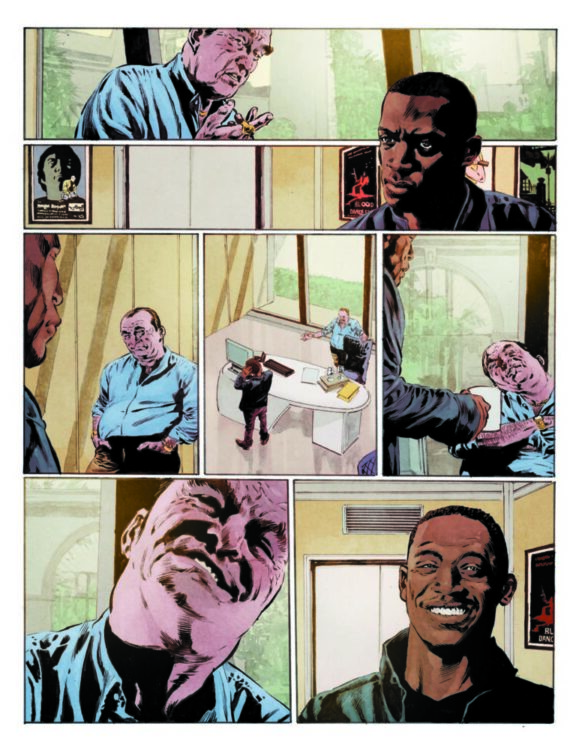
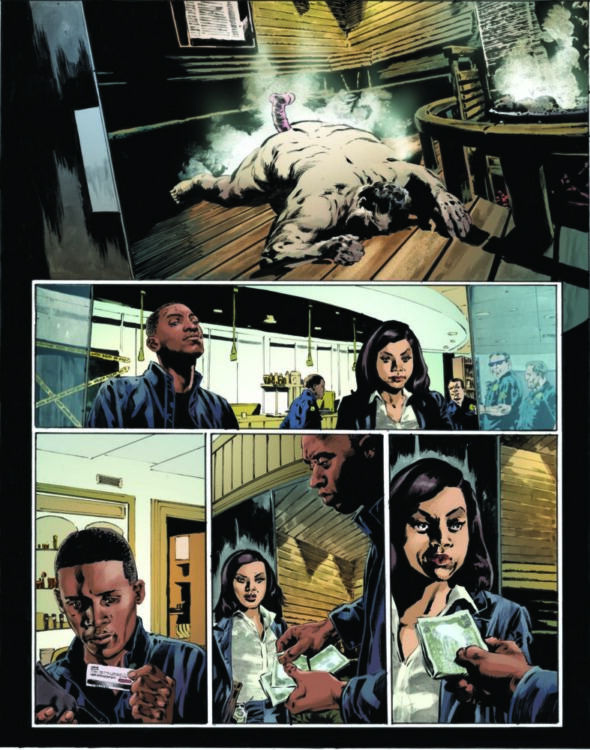
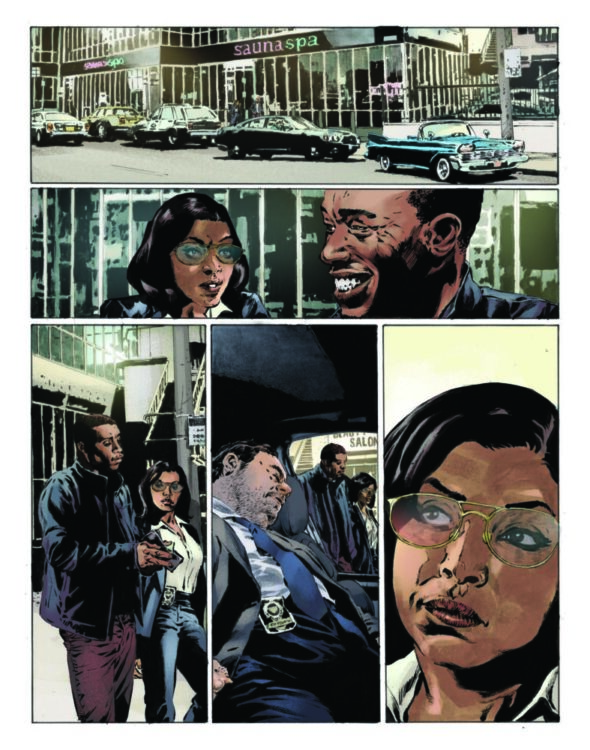
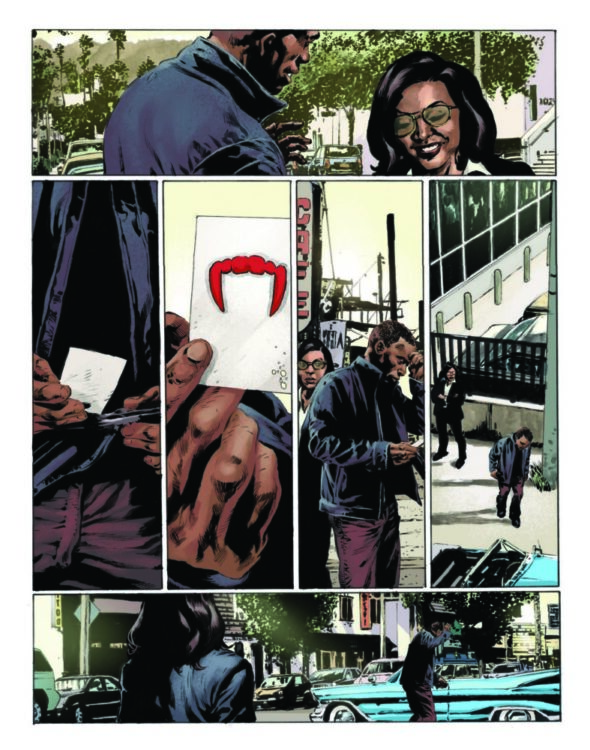
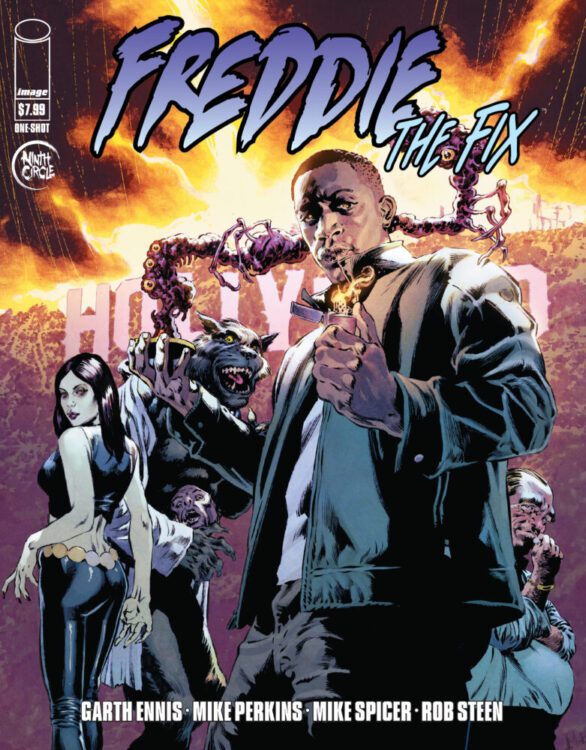
FREDDIE THE FIX #1 hits your local comic book store on December 18th, but thanks to Ninth Circle, Monkeys Fighting Robots has an exclusive twelve-page preview for you!
About the issue: A twisted horror tale from GARTH ENNIS (the legendary creator of The Boys and Preacher) and MIKE PERKINS (Bat-man: First Knight, Swamp Thing)! Hollywood After Dark—werewolves, vampires, zombies, aliens, bogeymen, predators, and…things. They all have their kinks, and they all get in deep shit. They all call Freddie…to fix it.
The horror-skewed intersection of The Boys and Ray Donovan. The debut offering from NINTH CIRCLE, the creator-owned, creator-driven, horror showcase of standalone bone-chilling tales of terror and mayhem!
The issue is by writer Garth Ennis and artist Mike Perkins, with colors by Andy Troy & Mike Spicer, and letters by Rob Steen. The main cover is by Perkins, and there will also be an incentive cover by Marcelo Frusins.
FREDDIE THE FIX is the debut title from Ninth Circle, the new publisher founded by Ennis, Ram V, Marguerite Bennett, Joe Pruett, and Adam Glass, among others. Ninth Circle is launching as an imprint of Image Comics.
“Taking inspiration from Dante, who created nine circles of Hell in Inferno,Ninth Circle is set to redefine genre storytelling by combining the visionary creativity and expertise of these incredibly talented storytellers. No capes, no tights, and no romance (unless, of course, that romance includes murder, blood, and mayhem).”
Check out our FREDDIE THE FIX #1 preview below:
Are you picking up FREDDIE THE FIX #1 from Ninth Circle next week? Sound off in the comments!
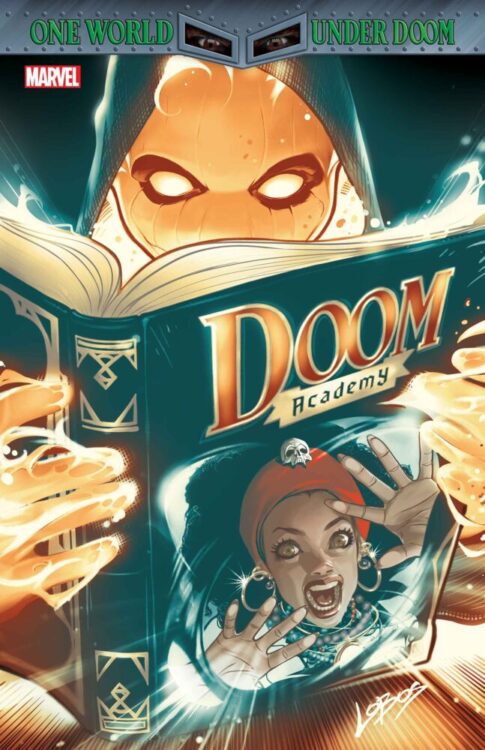
DOOM ACADEMY #2 is coming to your local comic book store March 26th, but thanks to Marvel Comics, Monkeys Fighting Robots has the exclusive first look at the issue!
The five-issue miniseries falls under the ONE WORLD UNDER DOOM banner, a “status quo shift” beginning in February 2025, the likes of which Marvel says hasn’t been seen since 2008’s Dark Reign.
About the issue: As if the world with Dr. Doom at the wheel isn’t crazy enough, Zoe finds herself sucked into a fairy-tale book.
But not a modern, NICE fairy tale book – the old kind where the kids die and scare you, but in this case, Zoe’s the kid about to die.
Meanwhile, her friends and frenemies are looking for Zoe, but they find something even more troubling than their missing friend as Latveria’s secrets start to reveal themselves.
The issue is by writer MacKenzie Cadenhead and artists Pasqual Ferry & Joao M.P. Lemos. The main cover is by Pablo Villalobos.
Get your first look at Villalobos’ cover for DOOM ACADEMY #2 here:
Are you excited for ONE WORLD UNDER DOOM? Sound off in the comments!
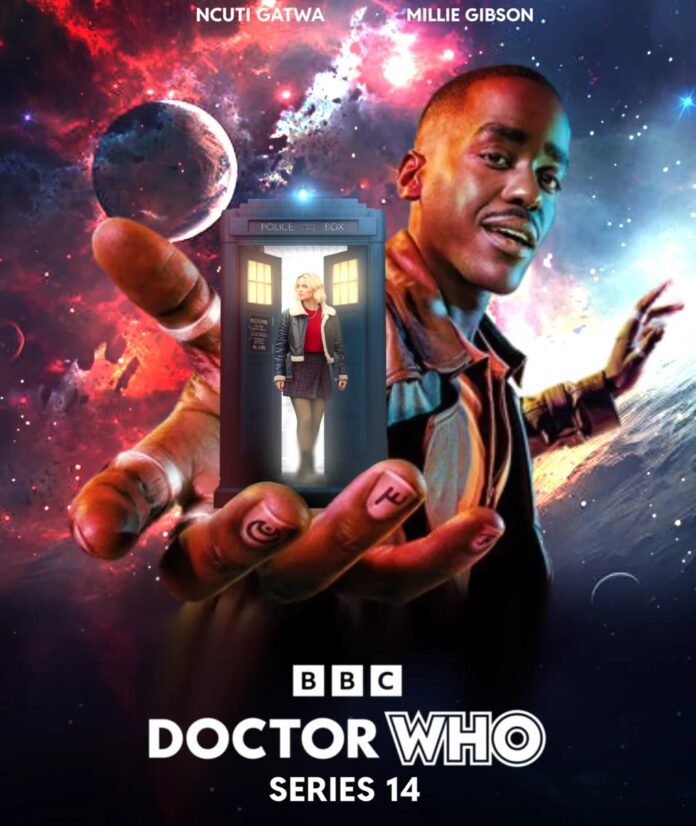
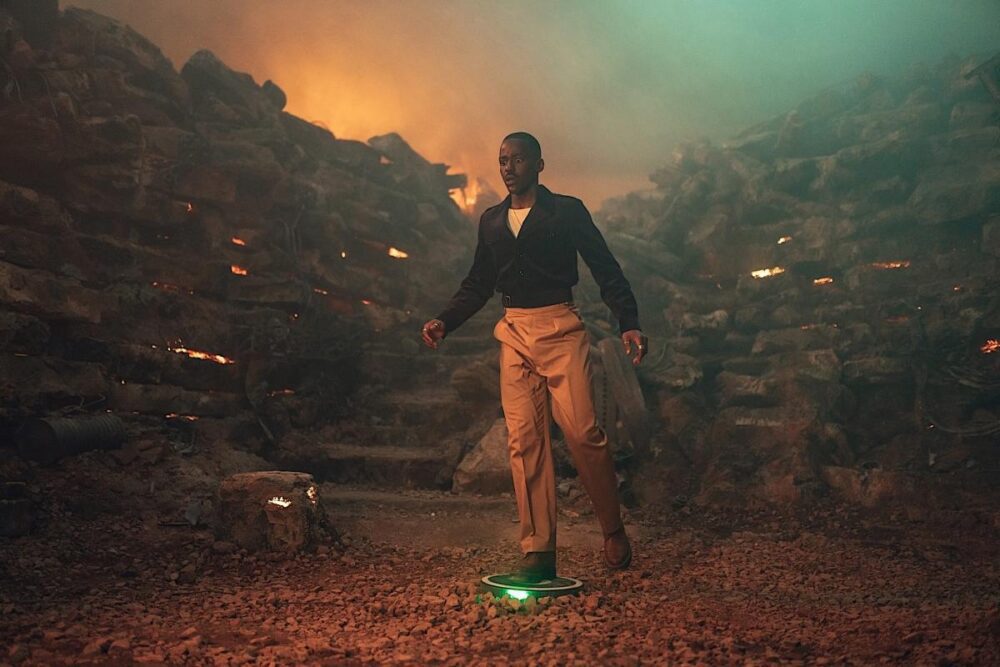
Doctor Who Series 14 is the first full season in the Disney+ era, with the show being available to stream on the service for international audiences. Series 14 acted as a reboot and a throwback, with Russell T. Davies returning as the showrunner.
The Doctor (Ncuti Gatwa) has a new companion after saving Ruby Sunday (Millie Gibson) on Christmas Day. Together they travel through time and space to stop numerous monsters including a musical being, cosplaying aliens in Regency England, and man-eating slugs. However, everywhere they go, the same woman appears and she could be the sign of a greater threat.
The Chris Chibnall era of Doctor Who was very divisive among fans. The BBC had to perform several Hail Marys to revive the show, so they brought back Davies, and Bad Wolf came in to produce (Bad Wolf was founded by Julie Gardner and Jane Tranter, producers of the initial revival).
The revival team had a strong start with the 2023 Specials and the Christmas Special “The Church on Ruby Road.” They brought back a sense of fun, excitement, and spectacle that had been missing. The first full series under the team then brought back the storytelling of the original Davies/Moffat era. The season used mystery box storytelling involving the woman who has a presence across time and space, and like the Moffat era, there was a fairy tale quality about Ruby’s parentage. Whenever Ruby thought about her birth mother, it started to snow and “Carol of the Bells” could be heard. This storyline made Series 14 feel like an extended Christmas special. Davies seemed like he was influenced by Steven Moffat, who liked to make the companion have an extra special quality.
Series 14 had a “less is more” approach. The season only had eight episodes, and Davies wrote the bulk of them. Most of the episodes were strong, and a vast improvement over some previous seasons. There was a sense of spectacle and excitement, and there was character drama. Disney’s involvement meant there was an increase in the budget, and it showed in the VFX. There was an improvement in the creature effects and CGI scenery. While it may not quite match big American shows, Doctor Who has never looked better. Series 14 brought back the emotion and speechifying from the Russell and Moffat-eras. Gatwa’s version of the Doctor was a fun-loving iteration that had an infectious sense of excitement, adding to the general lighter tone of this era.
The season highlights were “73 Yards” and “Boom.” “73 Yard” was a Doctor-lite episode that showed Ruby getting ditched by the Doctor, and followed by a strange woman who stayed 73 Yards away. Anyone who spoke to the woman developed a fear and hatred for Ruby. It started as a folk horror story because Ruby disturbed a fairy circle, turning into Ruby suffering a life of isolation and investigating a politician that the Doctor warned her about. It was a mashup of story ideas and genres, and it worked, as it played out as this season’s version of “Turn Left.” It was the worst-case scenario for Ruby. “Boom” was the episode written by Steven Moffat, and it was a restricted story about the Doctor being stuck on a landmine in the middle of a war zone. It was a tense setup, as the Doctor had to react to different challenges. The episode was also an overt criticism of the military-industrial complex.
Television has changed a lot since Davies’ first time as the Doctor Who showrunner, and series 14 does acknowledge this with some of its episodes. “The Devil’s Chord” had a sense of self-awareness with the villain, Maestro (Jinkx Monsoon), breaking the fourth wall, and it ended with a cheesy song-and-dance number. It was an episode that embraced being camp. The episode “Dot and Bubble” has been compared to Black Mirror, and there was some credence to that. It was an episode that offered commentary about social media and influencer culture.
Not every episode was a success. The opening episode, “Space Babies” will become notorious. The plot of the episode was about a spaceship being controlled by babies and being threatened by a monster made of snot. It was too silly even by Doctor Who standards. “Space Babies” gave a bad first impression, but Series 14 recovered quickly.
Series 14 was a return to form for DoctorWho. It was mostly a repeat of Davies’ previous run on DoctorWho, but that initial run was popular for a reason.
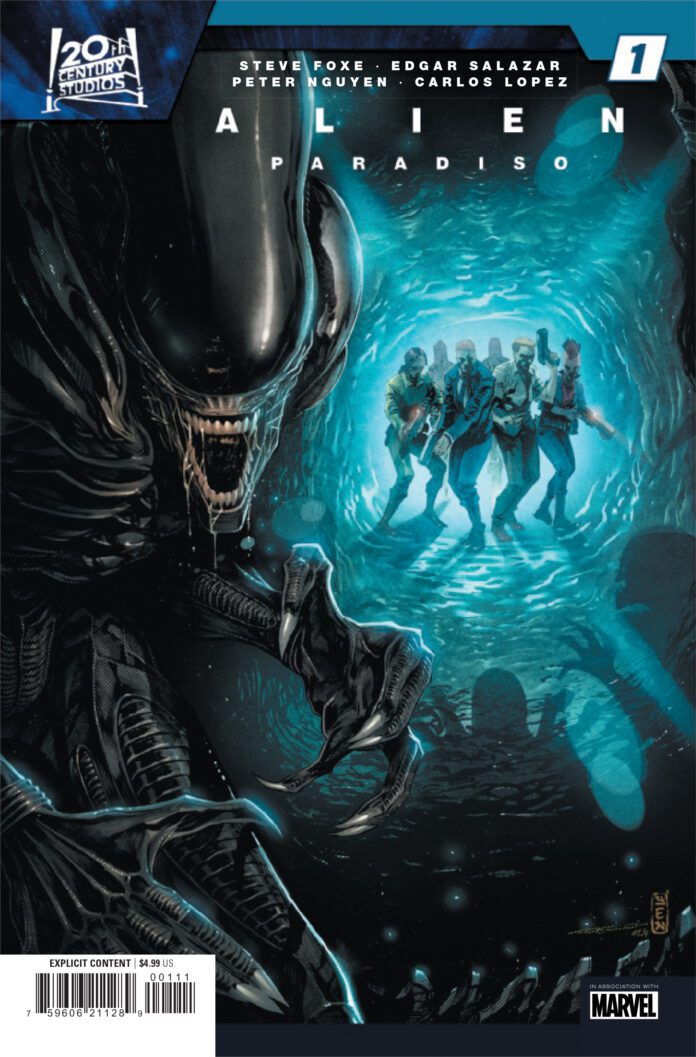
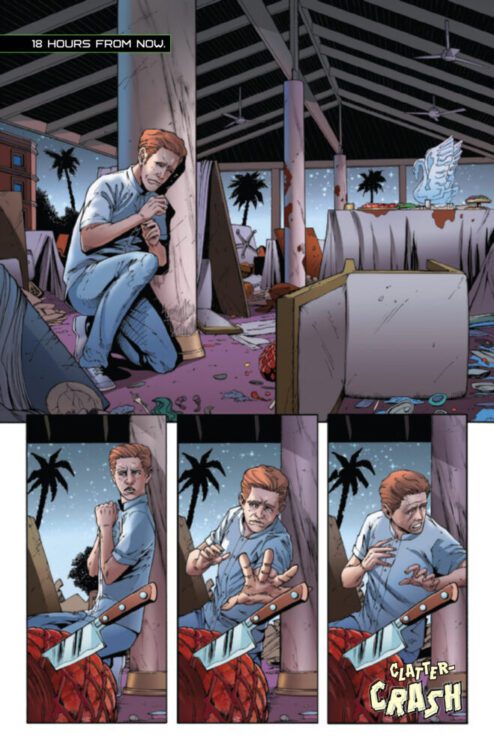
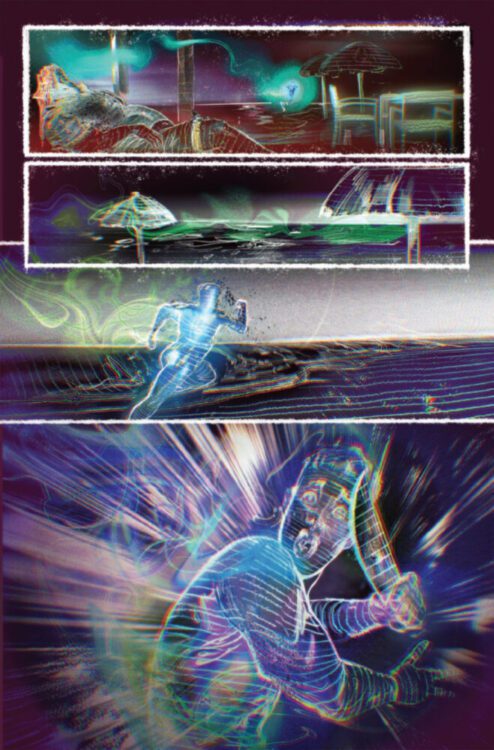
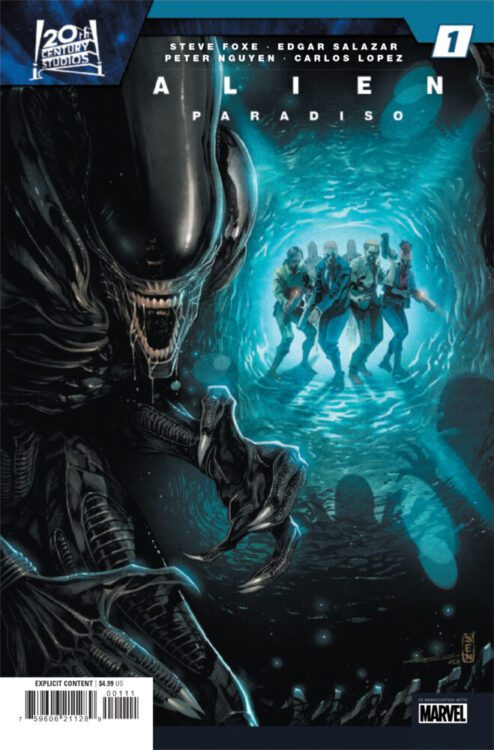
ALIEN: PARADISO #1 hits your local comic book store on December 11th, but thanks to Marvel Comics, Monkeys Fighting Robots has an exclusive four-page preview for you!
About the issue: WELCOME TO PARADISO!
Welcome to Paradiso, where the money flows like blood and the blood flows like acid! The Tulum of space, Paradiso is a hidden gem among the colonies with its tropical climate, white sand beaches and a remarkable population of hyper-wealthy criminals. When Colonial Marshals Dash Nanda and Lydia Reeves are sent there to bust a smuggling ring, they think they’ve hit the job-assignment jackpot. But the only ones getting lucky here are those HUNGRY enough to take what they need.
Steve Foxe, Edgar Salazar and guest contributor Peter Nguyen shine neon lights on the horrors of the Alien franchise with a bold story of the gambles we must take to survive!
The issue is by writer Steve Foxe and artists Edgar Salazar & Peter Nguyen, with inks by Victor Nava, colors by Carlos Lopez, and letters by Clayton Cowles. The main cover is by Iban Coello and Yen Nitro.
Check out our ALIEN: PARADISO #1 preview below:
Are you excited for Marvel’s ALIEN: PARADISO? Sound off in the comments!
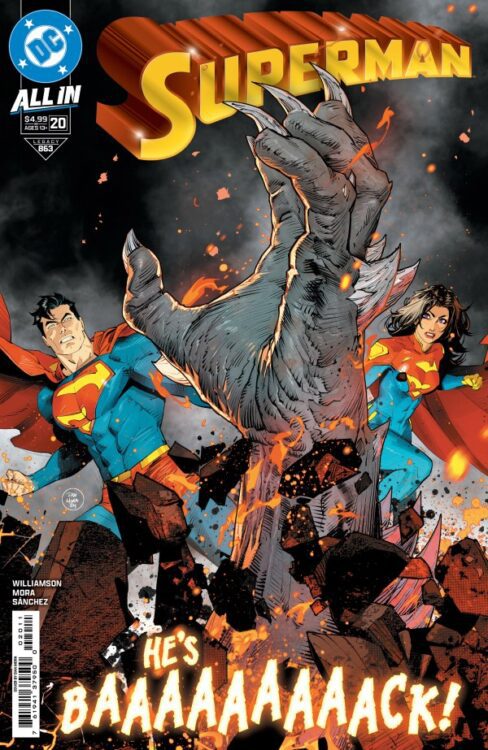
The last issue of Superman left readers on the edge of their seats. Superman is frozen in time while Lois Lane is fighting the monster who once killed her husband. The battle against Doomsday continues in Superman #20 from a superstar team of writer Joshua Williamson, artist Dan Mora, colorist Alejandro Sánchez, and letterer Ariana Maher.
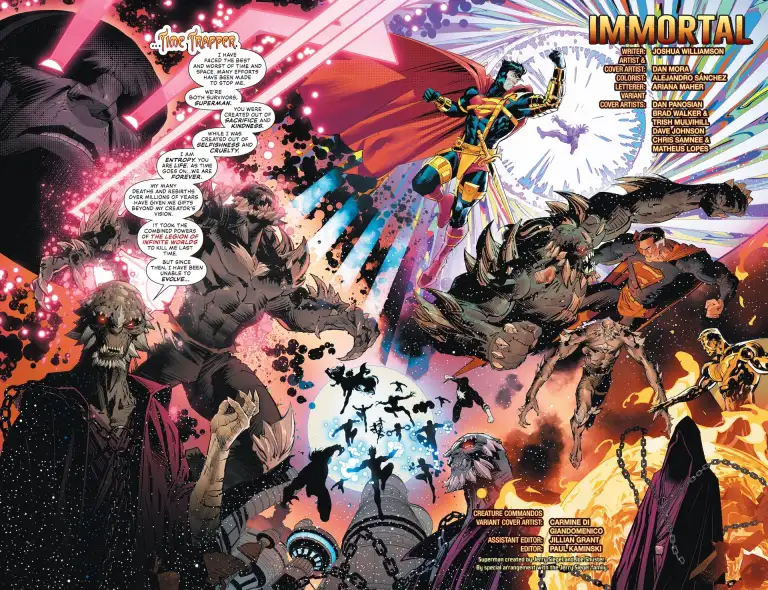
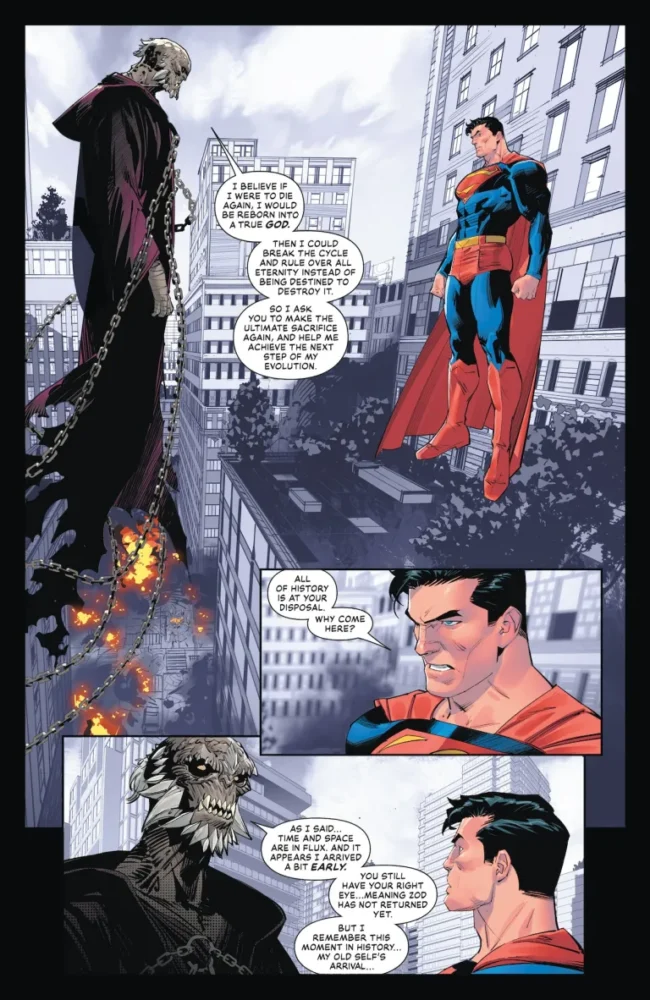
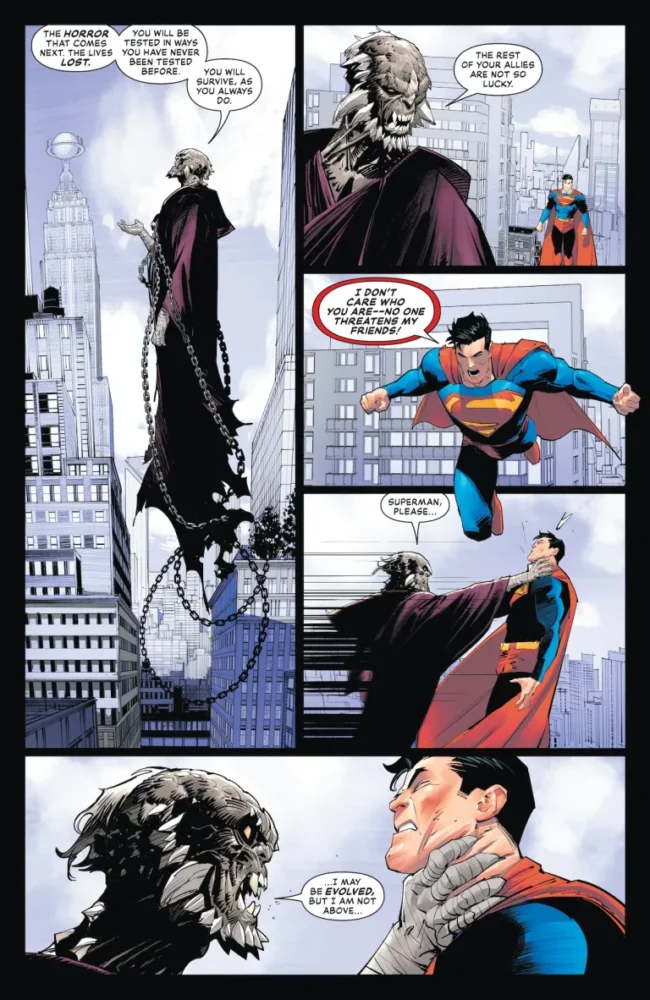
The issue starts with the Time Trapper (previously revealed to be a future version of Doomsday) telling Superman that dark days are ahead. What’s truly scary is the implication that Doomsday isn’t the worst of what’s to come. Superman’s fought his fair share of foes out to destroy him over the years, so even he wonders what could possibly be worse than the gray beast. Time is frozen while these two talk. Time Trapper leaves with a warning, and things resume as normal. However, Clark has just remembered that Lois is fighting Doomsday on her own and he swoops in with a devastating blow for the creature. The Justice League and Supercorp were both on standby here, with Parasite even dropping in to (albeit unsuccessfully) help in the fight against this familiar foe.
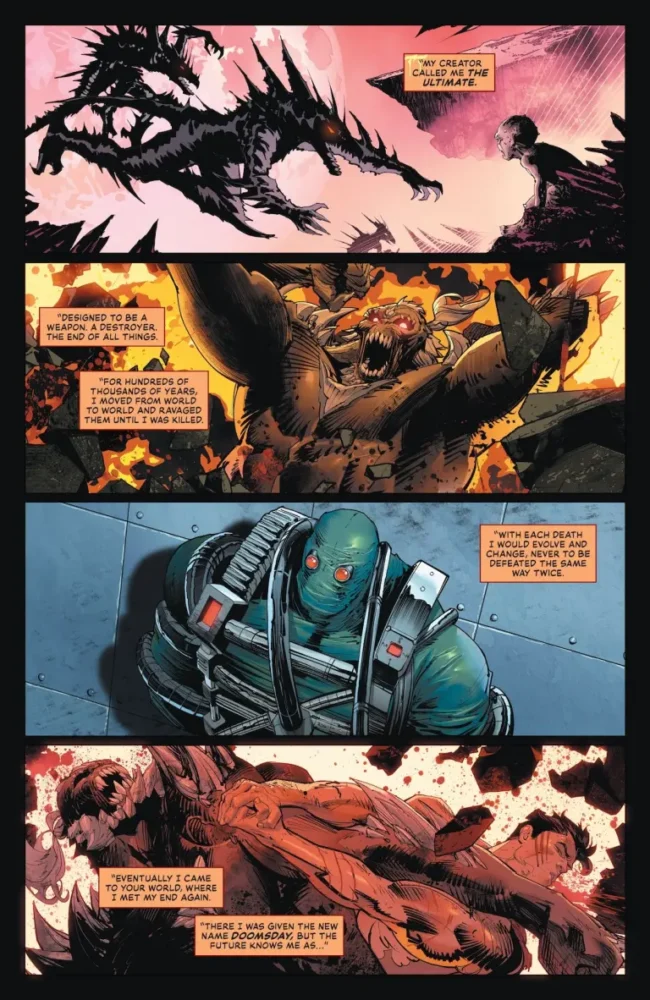
Doomsday’s history is explored
WRITING
If last issue’s focus was primarily exposition, this one works hard to make action a priority. It’s always impressive when a writer still manages to find a way to raise the stakes for Superman in a meaningful way, and Williamson does just that. Part of it is the mystery surrounding Lois’s powers. While the characters know what has happened to her, the readers don’t. We don’t know the limits of her power, and aren’t sure if she’ll be able to pull through against a monster like Doomsday. Williamson uses that to his advantage, even featuring a scene later of Lois wounded. We know she’s strong now, but are worried for her health should these powers continue to take a toll on her.
Doomsday himself is also an incredible character here. In the present, he’s just some brute, but Time Trapper Doomsday is an interesting concept that is explored really creatively. He hints at future events, but also issues a grave warning to Superman. It raises two questions that are sure to be on everyone’s minds: What could possibly be worse than Doomsday, and why is a Doomsday from the future helping Clark? It’s an intriguing dynamic that luckily gets explored further here. The only characters that are unfortunately left out this time around are Lex and Lena. It makes sense since they aren’t this story’s main focus, but it would’ve been nice to have learned more about his amnesia.
Williamson knows how to write a planet-shaking action scene. After Clark is freed from the Time Trapper’s frozen world, the issue cuts to Lois and Doomsday brawling. While we’re worried for her, the issue cuts between her and Superman rushing in to land a punch on Doomsday that causes a shockwave throughout the entire city. There’s weight to the punch, and is also a great way of showcasing Superman not holding back. All bets are off; the Man of Steel is scared and angry.
Time Trapper shows the last time Superman fought Doomsday
ART
Mora constantly does a fantastic job of proving he understands the gravity of events transpiring. Every major moment is drawn as such and shows that it’s nothing to be skipped over. There’s one part specifically where Lois fights Doomsday, and a Justice League team is on standby with Batman front and center in case she can’t handle it. While it’s a small panel, Mora draws every character in a way that shows they’re powered up and ready to fight. They don’t even need to wait for the okay in order to get in on a round two against Doomsday.
Mora really succeeds on paneling in this issue. Superman starts in fuller pages as he’s more confident, but the space he gets shrinks as the issue goes on. Even when he lands that final blow to Doomsday, it doesn’t take up a whole lot of space. It makes him and Doomsday seem smaller. Like something else is coming, and that this isn’t the best use of his time. It’s a really strong visual way of implying that Doomsday is the least of their concerns, and that there’s more to come.
Superman speaks with the Time Trapper
COLORS
A big standout scene in the issue in terms of the coloring has to be the beginning when Doomsday and Superman are speaking with time frozen around them. Sánchez colors Superman so brightly in a dark city devastated by Doomsday. It feels solemn and lifeless. On top of that, he does a great job of muting all the colors in the background of the scene to show that time is stopped, and that everything is frozen except for the two of them. Everything is there, but it doesn’t matter and is almost insignificant compared to the conversation that these two are having. Impressively, through all this, he also lights Superman and Doomsday with the static flames below. It’s a clever use of lighting when there wouldn’t otherwise be anything dynamic to fully capture each character.
Superman tried attacking the Time Trapper
LETTERS
After Superman rushes in to help Lois against the gray monster parading through the city, he’s left in a fit of rage. He sees red as he stands over Doomsday’s defeated body, and something that felt really special this issue was Maher translating that to the Man of Steel’s words as well. Rather than keeping his usual white speech bubbles with emphasized words, she opts to give him a bubbly red bubble, his weird piercing through it. The best part about it is how erratic it feels. Superman hates this creature, and is angry for what it has done to Lois. Because of that, even the bubble containing his words feels unstable and serious. It’s really clever work. Maher juggles a lot in this issue. The text switches from cell phone calls to the TV to the characters speaking to each other, sometimes all at once. She navigates this with grace, and nothing ever gets confusing. We can always properly identify where the sound is coming from with little to no confusion.
CONCLUSION
If the first issue of this arc hooked you, then this one is sure to reel you in. It’s got action and emotion alongside a ticking time bomb in the form of something worse than Doomsday for Superman and Superwoman to face. This team made something that dives deep into Superman’s psyche while also exploring an alternate future version of a character many Superman fans have come to fear over time. While we aren’t sure what exactly it is yet, we’re all certainly excited to discover what Superman and friends have to fight that somehow blows Doomsday out of the water.